Implant Screw Crown: A Seamless Finish to Restore Your Smile with Strength and Style
The Implant Screw Crown is the best option for dental professionals and procurement managers looking for reliable, high-quality replacements. Unlike other options that use cement, this prosthetic restoration connects directly to the implant base or socket using a prosthetic screw. This means that there are no problems with adhesives, and the restoration can be easily removed. Screw-retained implant restorations are a key way for dentistry labs, group practices, and distributors that serve the U.S. market to strike a balance between patient outcomes, operating efficiency, and long-term cost control. This piece breaks down the technical details, clinical procedure, procurement issues, and strategy benefits of these restorations that make them an important part of modern dental care.
Understanding Implant Screw Crowns: Definition, Benefits, and Functionality
What Is a Screw-Retained Implant Crown?
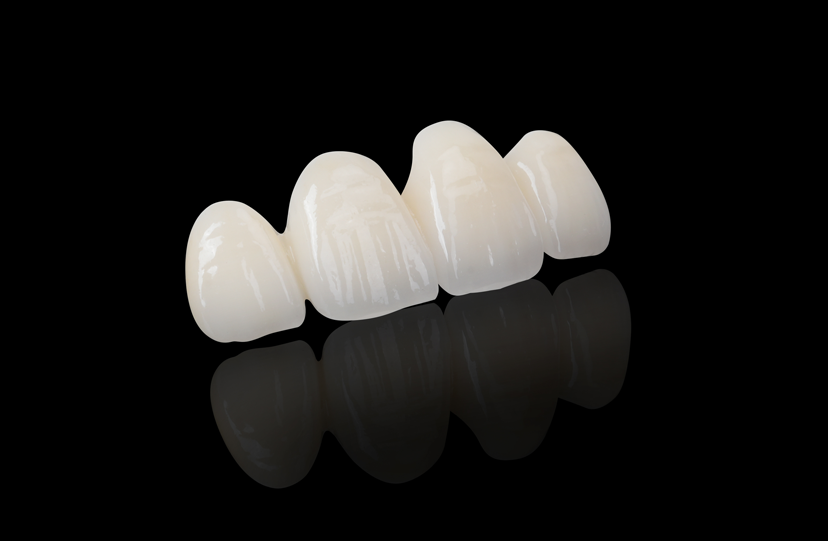
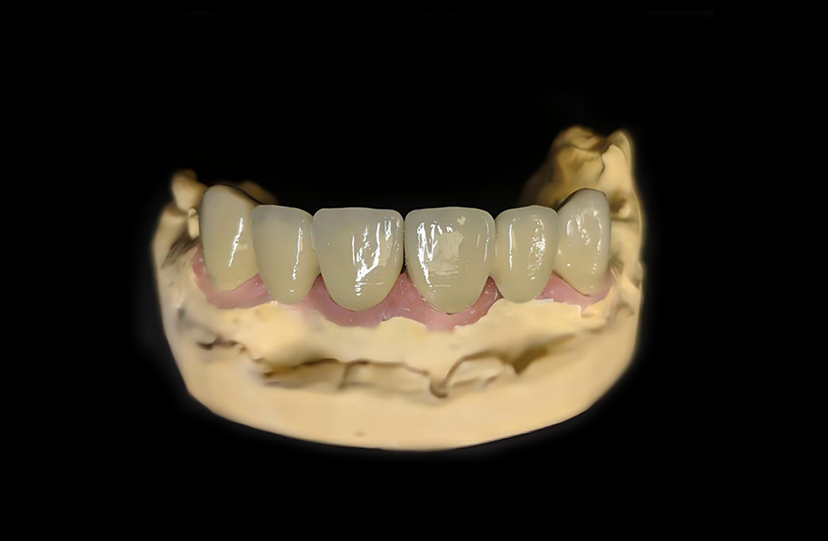
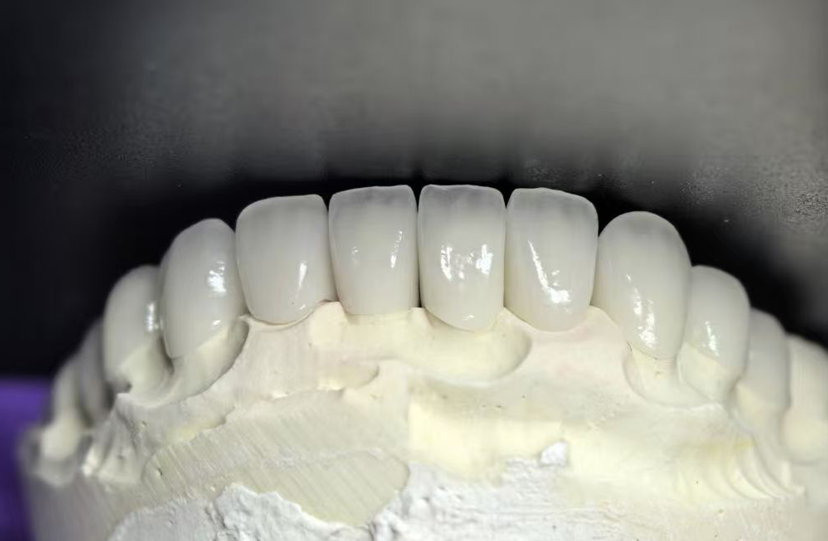
A screw-retained implant crown is a prosthetic restoration that is attached to the implant using a fixation screw rather than dental cement. it attaches directly to the dental implant without dental cement, but through mechanical means. A titanium or gold screw is used to attach the crown to the implant or abutment. The screw goes through an access hole in the crown, which is usually on the occlusal or lingual side. The access hole is filled with composite resin after it has been tightened. This restores normal function and anatomy. Solid zirconia, porcelain-fused-to-metal frameworks, or high-strength ceramics are popular materials. The type of material used is chosen based on how it looks, how much room there is between the layers, and how the stress needs to be distributed.
This design gets rid of the need for intraoral cementation, which can leave residual excess cement under the gums, which is known to cause peri-implantitis. Dental labs and clinics like the cement-free delivery because it makes the final visit easier, cuts down on chair time, and helps keep the gum borders healthy. The screw mechanically holds the crown in place securely and allows full reversibility: the crown can be taken off for maintenance, screw retightening, or porcelain restoration without hurting the implant or bone around it.
Core Functional Benefits
Screw-retained crowns work best when there isn't a lot of vertical space for the restoration—often just four to six millimeters. This makes them perfect for posterior restorations or patients who don't have a lot of room between their arches. When compared to cemented choices, soft tissue health usually gets better because the prosthesis margin sits below the gum line and no cement is used. Practitioners also like that they can quickly get the restoration back for cleanliness checks or to restoration parts. With regular care, the restoration can last longer than fifteen years.
When it comes to biocompatibility, titanium and zirconia materials work well with oral tissues, reducing inflammatory reactions and supporting stable osseointegration. Quality assurance teams care a lot about these qualities because they help lower the number of remakes and make sure that FDA-listed materials and ISO 13485:2016 standards are followed.
Comparing Implant Screw Crowns with Other Crown Types: Making the Right Choice
Screw-Retained Versus Cement-Retained Restorations
It is common for procurement managers and lab owners to think about the pros and cons of both screw and cement preservation from a clinical and business point of view. While cemented crowns look great because there are no obvious entry holes, they come with a risk: the cement that is left below the gumline can cause inflammation or the implant to fail. To remove a crown, it has to be broken, which adds to the cost and causes the patient trouble. Implant Screw Crown designs completely get rid of these risks, but the oral access hole might make the design look a little less good in areas that people will see a lot.
Studies show that screw retention leads to similar or higher survival rates compared to cement-retained restorations, especially when screw torque is checked once a year. It's easier to plan maintenance tasks when the restoration can be taken apart, cleaned, and put back together without having to wait for manufacturing or pay extra lab fees. Standardized screw-retained methods cut down on variation and make inventory management easier for dental service companies with multiple sites.
Material Selection: Zirconia, PFM, and High-Strength Ceramics
| Material | ⭐ Esthetics | 💪 Strength | 🦷 Best For |
|---|---|---|---|
| 🦷Zirconia | ⭐⭐⭐⭐⭐ | ⭐⭐⭐⭐⭐ | Premium Cases |
| ⚙️PFM | ⭐⭐⭐ | ⭐⭐⭐⭐ | Cost-effective |
| ✨High-Strength Ceramic | ⭐⭐⭐⭐⭐ | ⭐⭐⭐⭐ | Anterior Restorations |
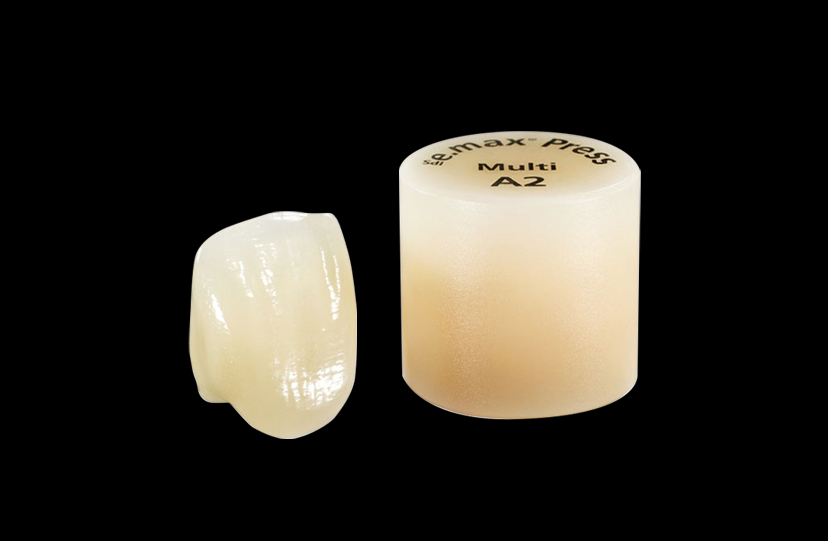
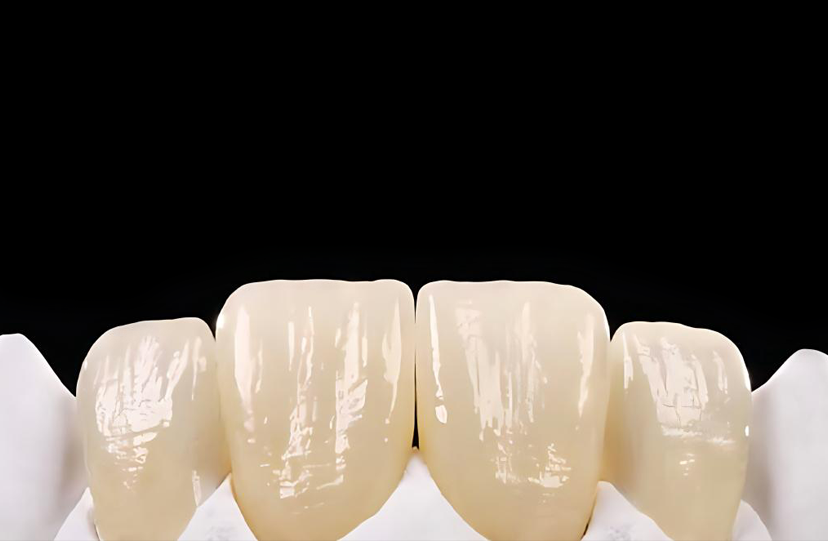
For an Implant Screw Crown, the right crown material strikes a mix between how it looks, how strong it is, and how much it costs. Solid zirconia replacements are very hard to break, and they don't leave a gray shadow that can be seen through thin tissue with porcelain-fused-to-metal frames. Zirconia also lowers the chance of chipping around the access hole, especially when the inside edges are rounded during the green-state milling process. This is a very important quality control step that all experienced manufacturers do by default.
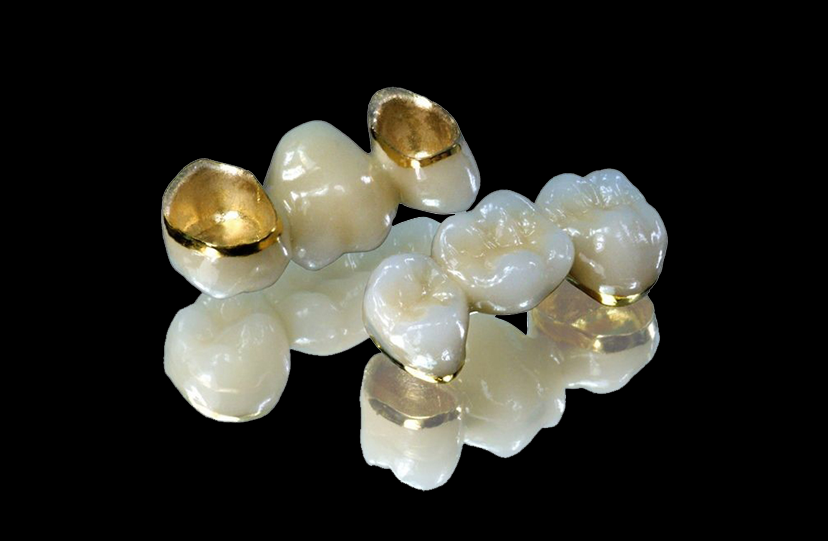
PFM crowns are still a good value for money when used on the back teeth, where the metal base can't be seen. Titanium screws are the norm, but gold screws may be asked for by people who are allergic to metal. High-strength ceramics are a good middle ground because they combine good looks with strong performance. Digital workflows help CAD/CAM techs make exact margin designs and adjust the angle of the screw channels, which means they can fix implants that are out of place by up to 25 degrees without affecting the look of the face.
Cost and ROI Considerations
The unit price is only one part of the total cost of ownership. Screw-retained crowns lower the cost of remakes by making the first fit more accurate and getting rid of the need for cement cleanup appointments. Shipping costs are also important. Reliable logistics partners can send finished cases within three to five business days, and there are expedited shipping options for pressing clinical needs. Warranty coverage, like a two-year warranty on fixed restorations, gives buying managers more financial security and lowers long-term risk when they negotiate bulk contracts or OEM partnerships.
The Complete Implant Screw Crown Procedure: Step-by-Step Guide
Pre-Procedure Planning and Digital Assessment
For screw-retained replacements to work, the implants must be placed correctly, and the computer planning must be complete. Clinicians use cone-beam CT scans to check the quality of the bone, the closeness of the sinuses, and the location of the nerves. CAD/CAM software models the crown emergence curves and screw access paths. The angle of the implant must match the planned restoration so that the entry hole can be placed on the inside or outside of the tooth, away from the facial surface. To fit the crown height, screw length, and entry path without weakening the tooth, there must be at least six millimeters of restorative room.
Dental labs get digital prints or scanned abutment models, which lets them design exact margins and make sure that the teeth fit together properly. When clinical and lab processes are combined, adjustment time is cut down, and seating is more reliable. Procurement teams should make sure that suppliers offer full CAD/CAM compatibility and can handle changes to designs. This is something that experienced manufacturers with over 20 years of dental laboratory experience usually do.
Crown Fabrication and Installation
The final restoration is made once the implant has osseointegrated, which usually takes three to six months after surgery. Screws made of titanium or gold hold the crown in place on the implant base. The torque values required by the implant manufacturer are usually between twenty and thirty-five newton-centimeters. Once occlusion and proximal contacts are confirmed, PTFE tape is used to seal the access hole over the screw head. This is followed by an opaque composite layer to hide the metal, and finally a tooth-colored resin restoration.
Retrievability is still a big plus: if the porcelain breaks or the screws come loose, the replacement can be taken out, fixed, and put back in without hurting the patient or compromising the implant. This makes things easier, which leads to less time spent in the chair per visit and improved patient satisfaction, two things that clinic operations managers keep a close eye on.
Post-Procedure Care and Maintenance Protocols
Patients receiving an Implant Screw Crown are given hygiene guidelines that stress the importance of brushing gently around the restoration and getting regular expert cleanings.Dentists should periodically verify screw torque during routine maintenance visits—usually every six months—to keep the structure stable and stop tiny movements that could cause bone loss. A radiographic examination shows that the osseointegration process is still going strong and that there is no peri-implant radiolucency.
These upkeep needs make it even more important for procurement workers to buy restorations from companies that offer quick technical support and clear paperwork. The warranty should clearly cover replacing screws and fixing broken ceramic. This makes sure that service after the sale is in line with clinical conditions and lowers the total cost of ownership over the restoration's fifteen-plus-year life.
Navigating Procurement: How to Source Quality Implant Screw Crowns for Your Business
Evaluating Manufacturer Credentials and Compliance
Dental lab owners and distributors need to choose providers with strong regulatory qualifications. When materials are registered with the FDA, it means they meet U.S. biocompatibility standards. When they are certified by CE, it means they meet European medical device rules, which is important for wholesalers who want to sell their products in other countries. ISO 13485:2016 certification shows that strict quality control methods are being followed, which lowers batch variation and helps ensure consistent first-fit results.
Well-known companies like Nobel Biocare, Straumann, Zimmer Biomet, BioHorizons, and Dentsply Sirona are known for making high-quality products that you can count on. But specialized dentistry labs with a lot of production experience can offer similar quality at reasonable prices, especially for large orders or unique solutions. To make sure that success claims are true, buyers should ask for case studies, remake rate data, and third-party audit reports.
Customization, Delivery Speed, and Logistics
These days, buying things needs to be flexible. Each restoration is unique to a patient and needs to be fully customized based on the clinician's digital design files and clinical specifications. Strategic benefits come from suppliers who can do 100% custom manufacturing and turn around orders quickly. Standard production times of three days, with four- to five-day dispatch windows, can handle normal case loads. Express services, on the other hand, allow next-day delivery for critical clinical conditions.
You have to have reliable logistics partners. Implant cases need to be done quickly, and delays hurt both the clinic's reputation and the patients' plans. Distributors should look at their suppliers' shipping networks, how they package their goods, and how well they can handle emergency orders. Cost benchmarking should take into account all landing costs, such as freight, customs taxes, and possible remake fees. This will make planning clear and allow prices to be competitive.
Warranty and After-Sales Support
Premium suppliers are different from commodity suppliers because they offer full guarantee support. There are warranties on fixed restorations for two years and on removable prostheses for one year. These guarantees protect you financially against problems with the way the products were made. Free restoration or reproduction during the guarantee term lowers operating risk and shows that the manufacturer trusts the quality of the product.
Technical help that is quick to respond is just as important for Implant Screw Crown procurement. Suppliers who provide dedicated account managers, offer technical support, and maintain international communication channels are especially valuable for procurement teams. These service elements make workflows smoother, reduce remakes, and help build stable long-term partnerships. All of these factors are important to consider when negotiating contracts with dental chains, group practices, or OEM wholesalers.
Addressing Common Concerns: Complications, Lifespan, and Replacement of Implant Screw Crowns
Managing Screw Loosening and Mechanical Issues
The most common problem is screws coming loose, which is usually caused by insufficient initial torque or occlusal overload. As a preventative measure, you can check the torque once a year and change the occlusal surfaces to stop premature contacts. When the restoration becomes loose, retightening the screw fixes the problem without having to replace the whole thing. This saves the patient time and money.
If the inside edges aren't shaped correctly during creation, porcelain can chip around the entry hole. This risk is greatly reduced by asking for zirconia-based restorations and smooth access gaps during the milling process. When composite glue is used to seal the entry channel, it should have an opaque layer on top of the screw head to keep dark shadows from ruining the look.
Expected Service Life and Replacement Criteria
When taken care of properly, screw-retained crowns can last for more than fifteen years. Longevity rests on how well the patient follows hygiene rules, if they don't have any parafunctional habits like bruxism, and if they get regular professional tracking. When porcelain breaks into large pieces, the crown edge wears away, or implant support decreases due to bone loss, replacement is needed.
Clinical decision-manufacturers like how screw retention makes replacement easier: the old crown can be unscrewed, a new restoration can be made, and it can be installed without any extra surgery. This reversibility is very different from fixed choices, which need to destroy the crown and maybe replace the abutment, which takes more time and costs more money.
Handling Misaligned Implants and Aesthetic Challenges
Implants that aren't lined up right—where the screw entry hole would show on the face—can look bad. CAD/CAM technology today fixes this problem with angled screw holes that move the entry opening up to 25 degrees toward the lingual surface. When angulation goes beyond this point, custom abutments with custom angled abutments or switching to cement retention keep the natural look while keeping the structural stability.
Procurement teams should make sure that the companies they're looking at offer these high-tech design solutions and can meet the needs of complicated cases. Manufacturers with a lot of experience use computer planning tools to make sure that screw paths are optimized. This way, even in difficult implant places, the results look good.
Conclusion
When it comes to clinical accuracy, mechanical stability, and workflow efficiency, Implant Screw Crowns are hard to beat. These restorations solve important problems for dental offices, labs, and procurement workers by getting rid of problems related to cement, allowing full retrievability, and supporting healthy tissues around implants. To choose the right provider, you need to carefully look at how well they follow regulations, how much they can customize, how fast they send, and how well they help you after the sale. Screw-retained restorations are long-lasting and cost-effective options that can improve patient happiness and make practice processes more efficient if they are planned well and made from high-quality materials.
FAQ
Can an implant screw crown be replaced without damaging the implant?
Yes, screw-retained Implant Screw Crowns can be removed and reinstalled without damaging the implant. The restoration can be taken off of the implant or support without damaging the crown or needing surgery. This retrievability lets the implant be maintained, the screws retightened, or the whole implant replaced without affecting the structure of the bone around it.
What factors influence the cost of screw-retained crowns?
Choosing the right material, like zirconia or porcelain-fused-to-metal, affects not only the price but also the level of customisation, the amount that needs to be made, and how it needs to be shipped. The total cost is also affected by the terms of the warranty, any governmental certifications, and the name of the provider. When you buy in bulk and have a long-term relationship with a seller, you can usually get better prices and service terms.
How often should screw-retained crowns be inspected?
A clinical checkup once a year is suggested, which should include x-rays and checking screw torque. Cleanings by a dentist every six months help keep the gums healthy. Patients should tell their dentist right away about any changes in occlusion, pain, or restoration mobility so that the right steps can be taken right away.
Partner with HYC for Superior Implant Screw Crown Solutions
For dental workers looking for stable, high-precision Implant Screw Crowns, HYC has been making high-quality products for 22 years. As a reliable manufacturer and seller, we offer restorations that are FDA-registered, CE-certified, and ISO 13485:2016-compliant. These are made from FDA-listed materials, which guarantee their safety and long-term clinical success. Our flexible production includes fast shipping, basic three-day dispatch, and four- to five-day turnaround for set cases. For urgent needs, we also offer express next-day delivery. We offer 100% fully customized fabrication based on your design specs. All of our fixed goods come with a two-year guarantee, and we offer full after-sales support, including free restoration or reproduction. You can email our team at info@hycdentallab.com or visit hycdentallab.com to talk about bulk orders, OEM relationships, and custom solutions that lower the number of times procedures need to be redone and improve patient results.
References
1. Wittneben, J. G., Millen, C., & Brägger, U. (2014). Clinical performance of screw- versus cement-retained fixed implant-supported reconstructions—a systematic review. International Journal of Oral & Maxillofacial Implants, 29(Supplement), 84–98.
2. Sailer, I., Mühlemann, S., Zwahlen, M., Hämmerle, C. H., & Schneider, D. (2012). Cemented and screw-retained implant reconstructions: a systematic review of the survival and complication rates. Clinical Oral Implants Research, 23(Supplement 6), 163–201.
3. Wilson, T. G. (2009). The positive relationship between excess cement and peri-implant disease: a prospective clinical endoscopic study. Journal of Periodontology, 80(9), 1388–1392.
4. Sherif, S., Susarla, H. K., Kapos, T., Munoz, D., Chang, B. M., & Wright, R. F. (2014). A systematic review of screw-versus cement-retained implant-supported fixed restorations. Journal of Prosthodontics, 23(1), 1–9.
5. Linkevicius, T., & Vaitelis, J. (2015). The effect of zirconia or titanium as abutment material on soft peri-implant tissues: a systematic review and meta-analysis. Clinical Oral Implants Research, 26(Supplement 11), 139–147.
6. Karl, M., & Taylor, T. D. (2016). Parameters determining micromotion at the implant-abutment interface. International Journal of Oral & Maxillofacial Implants, 31(5), 1179–1186.
YOU MAY LIKE