PFM Yellow Gold Crowns Combine Noble Metal Strength with Porcelain Aesthetics
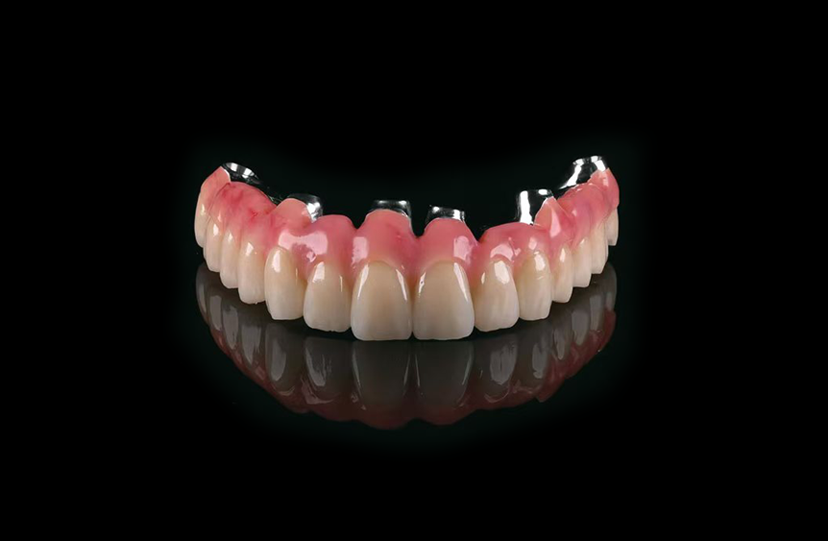
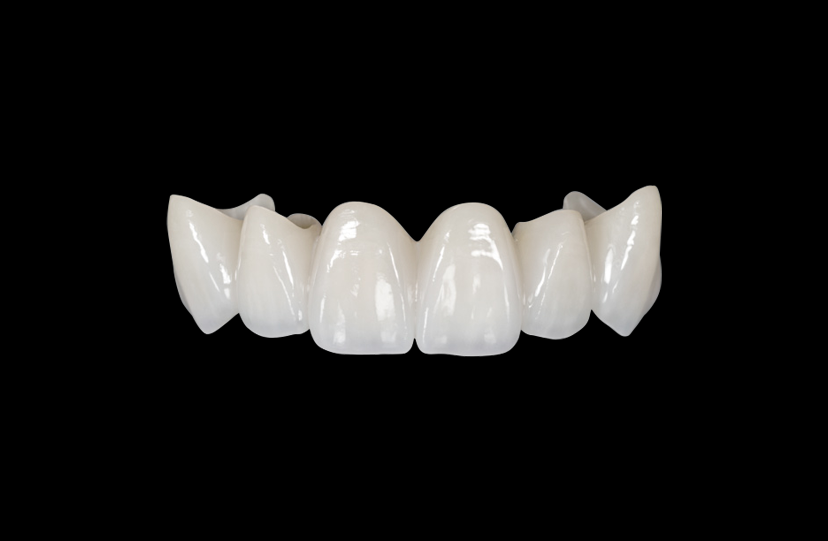
PFM Yellow gold crowns combine the natural translucency of layered porcelain with the favorable biocompatibility profile and long clinical history of high-noble gold alloys. These restorations can provide good marginal adaptation, favorable wear characteristics against opposing dentition, and a warm appearance that may reduce the visibility of dark gum-line shadows sometimes associated with base-metal frameworks. PFM Yellow gold restorations have demonstrated long-term clinical performance, with longevity influenced by material properties, oral conditions, maintenance, and clinical factors. They are commonly considered for posterior applications and selected cases involving high occlusal demands, including patients with bruxism.
Introduction
Even as dental restoration technology continues to evolve, some established methods remain important in prosthodontics. In a field where all-ceramic restorations are becoming more popular, high-noble-metal-ceramic restorations are a type that combines proven mechanical performance with refined esthetics. More pressure is being placed on procurement managers in dental labs and prosthodontists to reduce the number of remakes while keeping response times competitive. The type of material used for posterior crowns and bridges can have a direct effect on both patient satisfaction and the long-term cost of running a practice. Gold-based porcelain-fused-to-metal restorations address these considerations by using a high-noble metal framework with a long history of clinical use.
What Is PFM Yellow Gold?
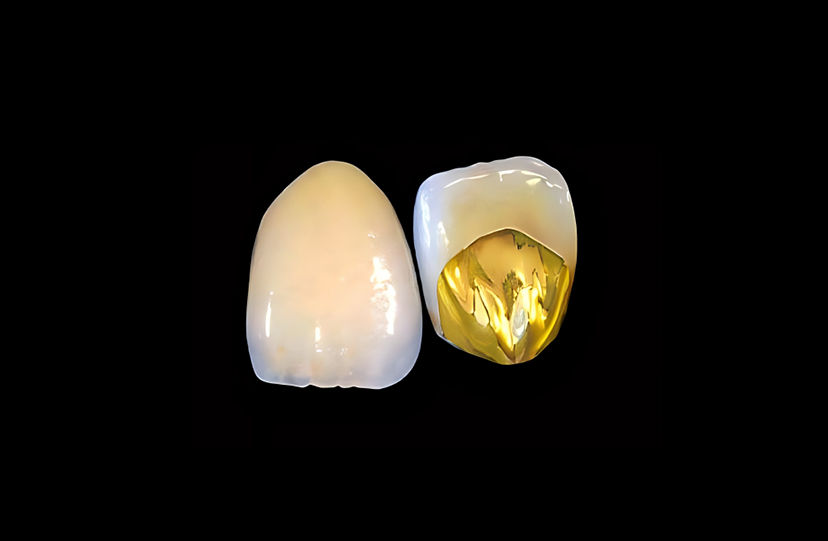
PFM Yellow gold is a porcelain-fused-to-metal restoration that is based on a high-noble alloy framework containing a high proportion of gold, usually combined with other elements such as copper, silver, palladium, or platinum. The word "Yellow" distinguishes these alloys from white-gold options, which may contain higher proportions of palladium or platinum and therefore have a lighter appearance. The framework provides structural support and helps maintain the shape and fit of the restoration, while the feldspathic porcelain layers reproduce the appearance of natural enamel and dentin. This two-part design combines the mechanical properties of noble metals with the visual appeal of ceramic veneering materials.
Core Structural Components
The framework may contain a high percentage of gold by weight, depending on the specific alloy formulation and its classification under applicable dental material standards. Additional alloying elements are used to adjust properties such as melting behavior, hardness, strength, and thermal expansion so that the alloy can be used with compatible porcelain. The warm color of the metal beneath the porcelain can influence the final shade, so appropriate opaque and porcelain layering techniques are important for achieving the desired ceramic appearance.
Working Principle
When you bite down on something, the metal coping supports the restoration and helps distribute occlusal forces through the framework. During high-temperature firing, the compatible alloy and porcelain system undergo processes that establish the bond between the porcelain and metal framework. The final performance of the restoration depends on the alloy, porcelain system, framework design, firing procedure, occlusal conditions, and clinical factors.

Benefits
Choosing high-noble gold-based frameworks has potential benefits in a number of performance areas that can directly affect clinical efficiency and patient outcomes.
Exceptional Biocompatibility
Gold is generally considered a relatively stable material for intraoral applications. High-noble alloys also offer good corrosion resistance and have a long history of dental use. Their noble-metal composition may reduce the risk of some of the tissue discoloration that can occur when certain base-metal ions are released into gingival tissues. For patients with known sensitivity to specific metal elements, the exact alloy composition should be reviewed before treatment.
Superior Marginal Integrity
Gold alloys can be shaped and cast with high precision, allowing dental laboratories to achieve accurate marginal adaptation when appropriate materials, equipment, and techniques are used. Good marginal adaptation may help reduce excessive cement exposure and support the clinical performance of the restoration. Actual fit depends on factors including preparation design, impression or scanning accuracy, manufacturing method, laboratory workflow, and clinical technique.
Gentle on Opposing Dentition
Gold alloys can have wear characteristics that are relatively compatible with natural enamel. When patients have parafunctional habits or heavy occlusal forces, appropriate gold-alloy restorations may provide favorable wear characteristics against opposing natural teeth compared with some harder restorative materials. Proper occlusal design and adjustment remain important for maintaining the health of the opposing dentition.
Proven Longevity
According to clinical experience and published research on metal-ceramic restorations, well-maintained high-noble PFM restorations can provide long-term clinical service. Their durability is influenced by factors including material properties, framework design, marginal adaptation, occlusion, oral hygiene, cementation, and professional maintenance. For dental service organizations operating across multiple locations, durable restorations and effective quality control may contribute to fewer replacement procedures and more predictable workflows.
Advantages
Comparing high-noble gold frameworks with modern ceramic and base-metal options shows that they remain competitive for certain clinical and purchasing requirements.
Warm Aesthetic Background
The yellow-gold substrate gives the porcelain layers a naturally warm foundation. This warm color can reduce the visual contrast associated with gray or dark metallic margins around base-metal restorations, particularly when gingival recession exposes part of the framework. Even when a small amount of the metal collar is visible, a gold-colored framework may appear more compatible with natural tooth tones than a dark gray alloy.
Enhanced Translucency
Porcelain layered over a gold-containing framework can provide natural-looking translucency and shade effects when properly designed and applied. The underlying framework can influence the optical properties of the restoration and contribute to a warm overall appearance. This can be particularly useful in selected posterior restorations where esthetics remain important while mechanical performance is also a priority.
Structural Versatility
High-noble alloys provide useful mechanical properties and can be used for a variety of crown and bridge designs when the framework is properly engineered. Because the material can be processed using established laboratory techniques, it can also be used for selected customized frameworks and precision components. The suitability of longer-span bridges depends on the specific alloy, framework design, connector dimensions, supporting teeth, and clinical conditions.
Thermal Stability During Firing
Compatible gold alloys can maintain framework integrity through controlled porcelain firing procedures. Appropriate alloy selection and laboratory processing help minimize distortion and support consistent marginal adaptation throughout multiple firing cycles.
Disadvantages
For objective evaluation to work, it is important to be aware of situations where high-noble gold frameworks might not be as suitable as other options.
Aesthetic Constraints in Anterior Zones
In cases with a high smile line, the yellow metallic foundation may influence the final appearance when porcelain is thin or when part of the framework becomes visible near the gingival margin. Porcelain butt-margin techniques can help address certain esthetic concerns, but they may require additional tooth reduction. For cases with very high anterior esthetic demands, all-ceramic or other metal-free options may provide greater optical flexibility.
Material Cost Considerations
Because they contain precious metals, high-noble alloys generally have a higher material cost than many base-metal alternatives. Although their clinical characteristics may provide long-term value in selected cases, laboratories and practices with strict cost requirements may find the initial material cost higher. Changes in global precious-metal prices can also affect procurement planning.
Retention Requirements
Metal-ceramic restorations may have limited retention when clinical crowns or preparations are very short or have insufficient axial height. In such cases, alternative restorative materials or designs with different bonding characteristics may be considered based on the clinical situation.
Comparison: PFM Yellow Gold vs. Zirconia and Base-Metal PFM
| Criterion | PFM Yellow Gold | Zirconia (Monolithic) | Base-Metal PFM |
|---|---|---|---|
| Biocompatibility | Generally favorable; depends on alloy composition | Very good; ceramic material | Depends on alloy composition; some patients may have sensitivity to specific elements |
| Opposing Tooth Wear | Generally favorable when properly finished | Higher hardness; polishing and occlusal design are important | Depends on alloy and finishing |
| Marginal Fit | Can provide precise adaptation with appropriate fabrication | Good; depends on digital workflow and manufacturing | Can provide good adaptation with appropriate fabrication |
| Aesthetic Warmth | Warm gold undertone | Metal-free appearance; optical properties depend on zirconia system | Gray or darker metallic tone may be visible at the margin |
| Service Life | Can provide long-term clinical service | Can provide long-term clinical service; outcomes depend on material and clinical factors | Can provide long-term clinical service |
| Cost | Higher initial material cost | Varies by material and laboratory workflow | Generally lower material cost |
| Fabrication Speed | Depends on laboratory workflow | Often efficient with digital workflows | Depends on laboratory workflow |
The table shows that PFM Yellow gold performs well in terms of material stability, clinical history, marginal adaptation, and esthetic warmth. This makes it an option for doctors who value established clinical performance and the characteristics of high-noble alloys. Zirconia provides a metal-free option and is well suited to digital restorative workflows, while base-metal frameworks can provide a more cost-conscious alternative. Material selection should be based on the specific clinical requirements and material system.
Clinical Indications
High-noble gold-based restorations are used in certain clinical situations where the qualities of the material match the needs of the patient and the anatomy of the mouth.
Posterior Crowns and Bridges
High occlusal forces are common in molars and premolars, where a properly designed framework can provide structural support and favorable compatibility with opposing enamel. Because posterior zones may have different esthetic requirements than anterior teeth, PFM restorations can be considered when the clinical conditions and patient expectations are appropriate.
Patients with Bruxism or Heavy Occlusion
This material can be considered for selected patients with parafunctional habits because high-noble metal frameworks have favorable mechanical properties and gold alloys can have wear characteristics that are relatively compatible with opposing natural teeth. Dentists should still evaluate occlusion carefully and consider appropriate protective measures when indicated.
Metal Sensitivity Cases
High-noble gold alloys may be considered for people with known sensitivity to certain base-metal elements, depending on the specific alloy composition. The complete alloy composition should be reviewed to avoid known allergens while providing the required clinical performance.
Long-Span Bridge Applications
The mechanical properties of high-noble alloys can support selected bridge applications when the framework is properly designed. Suitability for longer spans depends on factors including the alloy, connector dimensions, abutment support, occlusion, and clinical design rather than a fixed unit number.
Restorations Requiring Precision Attachments
Gold-containing alloys can be used in selected restorations requiring customized framework designs and precision components. When appropriate manufacturing techniques are used, accurate connection areas and guide surfaces can be produced to support the function and retention of the prosthesis.
Materials
The performance of high-noble PFM restorations comes from the carefully selected raw materials and how they work together to create a durable and functional restoration.
Gold Alloy Composition
High-noble frameworks contain a significant proportion of noble metals, with gold often being the primary component. Other elements such as copper, silver, palladium, and platinum may be included to adjust the alloy's mechanical properties, casting behavior, color, and porcelain compatibility.
The exact composition varies according to the specific alloy system and manufacturer. Material composition and applicable standards should always be confirmed through the manufacturer's technical documentation.
Feldspathic Porcelain
The material used for veneering is a dental glass-ceramic or feldspathic porcelain system formulated with pigments, opacifiers, and other components to reproduce natural tooth appearance. Compatible porcelain formulations are selected according to the alloy system and recommended thermal expansion characteristics.
The alloy and porcelain should always be processed according to the manufacturer's technical instructions to support an appropriate metal-ceramic bond.
Opaque Layers
The underlying metal framework is covered with compatible opaque porcelain to establish the visual foundation for the restoration. The technician can then apply dentin, enamel, translucent, and characterization materials in controlled layers to achieve the desired optical depth and shade.
Manufacturing Workflow
High-precision PFM Yellow gold restorations are made in several steps that combine traditional craftsmanship with digital tools.
Digital Design and Framework Planning
CAD/CAM technicians can import intraoral scan files and design the metal coping with appropriate connector dimensions and framework thickness. The design process accounts for ceramic space, occlusal clearance, emergence profile, marginal design, and overall framework support.
The exact framework dimensions depend on the restoration design, alloy system, clinical requirements, and manufacturer's specifications.
Framework Fabrication
Lost-Wax Casting
For casting workflows, an investment material is used around a wax or resin pattern based on the digital or physical design. The pattern is removed through controlled burnout before the selected alloy is cast into the mold. After casting, the framework is cleaned, sprues are removed, and the restoration is finished and inspected.
CAD/CAM Milling
Where the selected alloy system supports digital manufacturing, CAD/CAM equipment can be used to produce precisely designed frameworks. The manufacturing method depends on the specific alloy, equipment, case design, and laboratory workflow.
Oxidation and Opaque Application
Where required by the selected alloy and porcelain system, the framework undergoes the appropriate surface preparation before porcelain application. Compatible opaque porcelain is then applied and fired according to the manufacturer's recommended parameters.
Porcelain Layering
Using brushes and laboratory instruments, dentin and enamel porcelain powders are carefully applied to reproduce the natural color variations, contours, and translucent areas of the patient's neighboring teeth. Each firing cycle is controlled according to the selected porcelain system, and the restoration is progressively refined for anatomy, shade, and surface texture.
Quality Control Verification
For each restoration, the fit is checked on the master die or appropriate model, marginal adaptation is inspected under magnification, occlusal contacts are evaluated, and shade and morphology are reviewed under suitable lighting conditions. Material and production records are maintained according to the laboratory's quality management procedures.
HYC operates an ISO 13485:2016-certified quality management system, where applicable to the scope of its certification.
Cost Factors
When purchasing managers understand the factors that affect pricing, they can make more informed spending decisions.
Precious Metal Content
Changes in the gold market can have a direct effect on the cost of high-noble alloys. Material cost depends on factors including alloy composition, precious-metal market prices, and the weight of the restoration.
Fabrication Complexity
Long-span bridges, precision fittings, custom staining, and complex framework designs may require additional technician time and laboratory processing. Complex anatomical reproductions and difficult shade-matching requirements can also increase production time.
Customization Requirements
Fully customized restorations based on dentist-specific design parameters may require more design and communication time than standard production workflows. Digital design modifications and individualized shade requirements can also affect cost.
Certification and Compliance
Maintaining an appropriate quality management system, material documentation, traceability, and regulatory compliance can contribute to a supplier's operating costs. These requirements are part of maintaining consistent production and quality processes.
Order Volume and Logistics
Batch production can improve efficiency for larger orders, while expedited single-unit cases may involve additional processing or shipping costs. International shipping, insurance, customs procedures, and destination-market requirements can also affect the total procurement cost.
How to Choose a Supplier
To ensure long-term operational success, choosing a manufacturing partner means looking at more than unit price.
Manufacturing Capability Assessment
Check the supplier's ability to handle appropriate casting and digital workflows, as well as its production capacity. Facilities with CAD/CAM equipment and experienced ceramic technicians may be able to support a wider range of case types. As part of a supplier evaluation, ask for relevant facility certifications, material documentation, and quality-control information.
Quality Management Systems
An ISO 13485:2016-certified quality management system demonstrates that an organization has established a quality management system based on the requirements of the standard. (ISO)
Check the supplier's documented procedures for incoming materials, production controls, final inspection, traceability, and handling of nonconforming products. If available, ask for information about historical remake rates and corrective actions.
Regulatory Compliance
Check whether the specific alloy and restoration materials have the required regulatory documentation for the intended market. For U.S. business, distinguish carefully between FDA establishment registration/listing and FDA approval or clearance. FDA states that registration and listing do not by themselves mean that an establishment or device is FDA approved, cleared, or authorized. (U.S. Food and Drug Administration)
Where applicable, also review relevant technical documentation, declarations of conformity, material information, and biocompatibility documentation according to the requirements of the destination market.
Turnaround Time and Flexibility
Standard production cycles should match clinic appointment schedules. Ask suppliers to clearly define standard production times, expedited options, shipping arrangements, and procedures for urgent cases.
Customization and Technical Support
Check whether the supplier can support design changes, shade communication, digital files, and technical questions. Responsive technical support and clear case communication can make cooperation more efficient.
Support for multiple languages can also make communication easier for international purchasing teams.
Warranty and After-Sales Service
A clearly defined warranty policy can provide confidence when selecting a laboratory partner. Make sure the warranty terms explain coverage, remake procedures, exclusions, documentation requirements, and applicable conditions.
Maintenance
With appropriate patient education and professional follow-up, PFM restorations can be maintained for long-term clinical service.
Patient Care Instructions
Teach patients to brush their teeth twice a day with a non-abrasive toothpaste and to clean between their teeth regularly. Patients should avoid using their restorations to bite very hard objects such as ice or hard candy, which may increase the risk of porcelain damage.
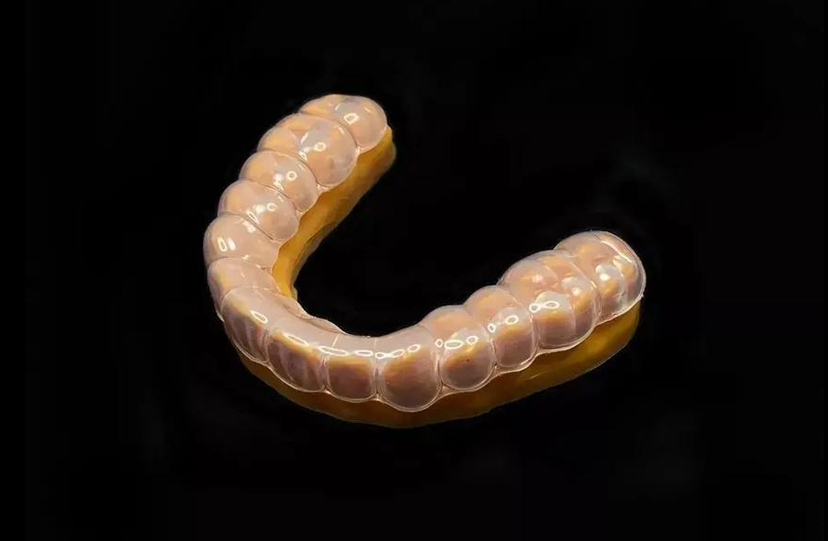
Custom nightguards may be considered for patients with bruxism when clinically indicated.
Professional Maintenance
Set up regular follow-up appointments for professional cleaning and evaluation of the restoration and surrounding tissues. Monitor for signs of gingival irritation, cement deterioration, porcelain damage, or changes in occlusal contacts.
Early identification of potential problems can help prevent more extensive complications.
Longevity Optimization
As natural teeth and the surrounding dentition change over time, maintaining appropriate occlusal relationships can help manage stress on the restoration. Clinicians should monitor opposing tooth wear, occlusal contacts, periodontal conditions, and other factors that may affect long-term restoration performance.
Baseline radiographs and clinical photographs may also be useful when clinically indicated for long-term monitoring.
Key Takeaways
For posterior uses, PFM Yellow gold restorations are a well-established option that combines high-noble metal characteristics, mechanical performance, and esthetic warmth. The high-noble metal substrate can provide favorable corrosion resistance, good marginal adaptation when properly fabricated, and wear characteristics that may be compatible with opposing natural teeth.
The initial cost can be higher than that of base-metal or some all-ceramic options, particularly because of precious-metal content. However, material selection should be based on the clinical requirements, laboratory workflow, and expected performance rather than initial material cost alone.
People who make purchasing decisions should give appropriate consideration to suppliers with strong quality management systems, clear material documentation, appropriate regulatory compliance, and reliable technical support.
Because the material can be used for selected posterior restorations, bruxism cases, bridge applications, and patients with sensitivity to certain base-metal elements, it remains a useful option alongside modern ceramic technologies.
Strategic case selection and material choices tailored to each patient can help support clinical outcomes while maintaining efficient laboratory operations.
FAQ
What makes PFM Yellow gold different from standard PFM crowns?
The main difference is the composition of the framework alloy. PFM Yellow gold restorations use a gold-containing high-noble alloy system, while standard PFM crowns may use base-metal, noble-metal, or other alloy systems.
The gold-containing framework can provide a warm underlying color and favorable corrosion-resistance characteristics. The exact properties depend on the specific alloy formulation.
What is a PFM Yellow gold crown?
A PFM Yellow gold crown is a porcelain-fused-to-metal restoration that uses a gold-containing high-noble alloy framework covered with dental porcelain. The gold alloy provides the underlying framework, while the porcelain provides the tooth-colored outer surface.
Is PFM Yellow gold considered a high-noble dental alloy?
A PFM Yellow gold framework may be manufactured using a high-noble dental alloy. The exact classification should be confirmed from the manufacturer's alloy documentation because compositions vary between alloy systems.
How long do PFM Yellow gold crowns typically last?
According to clinical experience and published research on PFM restorations, they can provide long-term clinical service when properly designed, manufactured, placed, and maintained.
How long a restoration lasts depends on factors such as patient care, occlusal loading, preparation design, cementation, material selection, oral hygiene, and professional maintenance. No specific service life can be guaranteed for every restoration.
Is PFM Yellow gold suitable for posterior crowns?
PFM Yellow gold can be considered for posterior crowns where mechanical durability, marginal adaptation, and favorable wear characteristics are important.
The material choice should be based on the individual clinical situation and the specific restorative system.
Is PFM Yellow gold suitable for patients with bruxism?
PFM Yellow gold may be considered for selected patients with bruxism or heavy occlusal forces because high-noble metal frameworks have favorable mechanical properties and gold alloys can have wear characteristics that are relatively compatible with opposing natural teeth.
Clinical evaluation, appropriate occlusal design, and protective measures remain important.
Can PFM Yellow gold be used for anterior teeth?
Technically, yes, but anterior applications require careful case selection. In cases with a high smile line or very high esthetic demands, the underlying yellow metal framework may influence the final appearance.
All-ceramic restorations may provide greater optical flexibility in selected anterior cases.
Is PFM Yellow gold suitable for patients with metal allergies?
High-noble gold alloys may be considered for patients with known sensitivity to certain base-metal elements, depending on the exact alloy composition.
The complete alloy composition should be reviewed when a patient has a known metal sensitivity.
What are the advantages of PFM Yellow gold compared with zirconia?
PFM Yellow gold combines a high-noble metal framework with a porcelain veneering layer and has a long clinical history.
Zirconia is a ceramic material that eliminates a visible metal framework and is widely used in digital restorative workflows.
The appropriate choice depends on factors such as esthetic requirements, occlusal conditions, preparation design, material selection, restoration type, and clinical preference.
How does the cost of PFM Yellow gold compare to zirconia?
Because high-noble PFM restorations contain precious metals, they can have a higher initial material cost than zirconia restorations.
The actual difference depends on alloy composition, precious-metal prices, laboratory workflow, and case complexity. Expected clinical requirements and maintenance should also be considered when evaluating total cost.
What preparation design works best for PFM Yellow gold crowns?
A chamfer preparation is commonly used for many metal-ceramic restorations because it can provide adequate space for the framework and porcelain while preserving tooth structure.
A facial shoulder or modified shoulder may be considered when porcelain margins are required for esthetic reasons.
The final preparation design and reduction should be determined by the treating dentist based on the selected restorative system and clinical requirements.
Can PFM Yellow gold frameworks be milled digitally?
Modern CAD/CAM technology can be used to digitally design PFM frameworks and, depending on the selected alloy system, may also be used for framework manufacturing.
Milled frameworks can provide consistent geometry, while the appropriate manufacturing method depends on the alloy, equipment, laboratory workflow, and case requirements.
What is the gold content in PFM Yellow gold frameworks?
The gold content varies according to the specific alloy formulation.
High-noble gold-containing alloys may contain gold together with other elements such as palladium, platinum, silver, and copper. The exact composition should always be confirmed using the manufacturer's technical documentation.
Is PFM Yellow gold better than base-metal PFM?
PFM Yellow gold and base-metal PFM restorations have different material properties and clinical characteristics.
High-noble gold alloys generally offer favorable corrosion resistance and a long history of clinical use, while base-metal alloys can provide lower material costs and different mechanical properties.
The appropriate material depends on the clinical requirements and the specific alloy system.
How do I justify the higher cost of PFM Yellow gold to patients?
The higher initial cost can be explained in terms of the precious-metal content, alloy composition, long clinical history, corrosion resistance, framework characteristics, and wear properties.
The expected clinical service requirements should also be considered when comparing restorative materials rather than evaluating initial price alone.
What causes porcelain chipping on PFM Yellow gold restorations?
Porcelain can chip because of factors such as framework design, inadequate occlusal space, excessive occlusal loading, firing conditions, insufficient porcelain support, or incompatibility between the alloy and ceramic system.
Chipping risk can be reduced through appropriate framework design, correct porcelain thickness, suitable connector design, compatible materials, and proper occlusal management.
Patients with parafunctional habits may benefit from professional evaluation for protective measures such as a nightguard.
Are there specific care instructions for PFM Yellow gold crowns?
Patients should maintain good oral hygiene through regular brushing and interdental cleaning and should attend routine dental examinations.
Patients should avoid biting very hard objects that may damage the porcelain.
Professional maintenance and occlusal monitoring can help support the long-term condition of the restoration.
How should dental labs choose a PFM Yellow gold supplier?
Dental labs should evaluate the supplier's:
-
Alloy documentation
-
Manufacturing capabilities
-
Quality management system
-
CAD/CAM and casting capabilities
-
Material traceability
-
Turnaround time
-
Case communication process
-
Quality-control procedures
-
Warranty terms
-
Regulatory documentation
It is also important to confirm that the specific materials and manufacturing processes meet the regulatory and quality requirements applicable to the intended market.
What should I check before ordering PFM Yellow gold restorations from a dental laboratory?
Before ordering, check:
-
Alloy composition
-
Material documentation
-
Framework design specifications
-
Available fabrication methods
-
Compatible porcelain system
-
Quality-control procedures
-
Turnaround time
-
Remake policy
-
Warranty terms
-
Technical support
-
Applicable regulatory documentation
-
Shipping requirements
For international procurement, laboratories should also confirm the regulatory requirements applicable to the destination market.
Partner with HYC for Precision PFM Yellow Gold Solutions
HYC is an FDA-registered dental laboratory facility and operates an ISO 13485:2016-certified quality management system, subject to the applicable scope of its registrations and certification. HYC has more than 22 years of experience in dental laboratory manufacturing.
Our high-noble PFM frameworks are produced with controlled laboratory processes designed to support accurate fit, consistent quality, and favorable material performance. Multiple quality-control checks are performed throughout the production process to verify fit, contacts, occlusion, shade, and overall restoration quality.
HYC provides efficient production and international shipping support, with standard turnaround options available according to case type and production requirements.
Our OEM/ODM services allow us to customize restoration solutions according to your design requirements, whether you operate a single private practice or a group of dental service locations.
For fixed restorations, HYC offers a 2-year warranty, subject to the applicable warranty terms and conditions. Our technical team is also available to support case communication and production-related questions throughout the service process.
Get in touch with our team at info@hycdentallab.com to discuss your purchasing needs and learn more about our PFM Yellow Gold solutions.
You can explore our complete range of dental laboratory services at hycdentallab.com.
References
-
Journal of Prosthetic Dentistry (2019). "Biocompatibility and Tissue Response of High-Noble Dental Alloys: A 10-Year Retrospective Study." Journal of Prosthetic Dentistry, Vol. 121, Issue 4, pp. 632-639.
-
Dental Materials Journal (2020). "Comparative Analysis of Marginal Fit in Cast vs. Milled Gold Alloy Frameworks." Dental Materials Journal, Vol. 39, Issue 2, pp. 287-294.
-
International Journal of Prosthodontics (2018). "Long-Term Clinical Performance of Porcelain-Fused-to-Metal Restorations: A 25-Year Longitudinal Study." International Journal of Prosthodontics, Vol. 31, Issue 5, pp. 456-463.
-
Journal of Dental Research (2021). "Wear Characteristics of High-Noble Alloys Compared to Natural Enamel: In Vitro and Clinical Evaluation." Journal of Dental Research, Vol. 100, Issue 8, pp. 871-878.
-
Clinical Oral Investigations (2020). "Economic Analysis of Dental Restoration Materials: Total Cost of Ownership Over 20 Years." Clinical Oral Investigations, Vol. 24, Issue 9, pp. 3215-3224.
-
Journal of Esthetic and Restorative Dentistry (2019). "Optical Properties and Aesthetic Outcomes of Metal-Ceramic vs. All-Ceramic Posterior Restorations." Journal of Esthetic and Restorative Dentistry, Vol. 31, Issue 6, pp. 568-575.
YOU MAY LIKE
.webp "Gold-Platinum PFM (Au-Pt)")
.webp "Silver-Palladium PFM (Ag-Pd)")