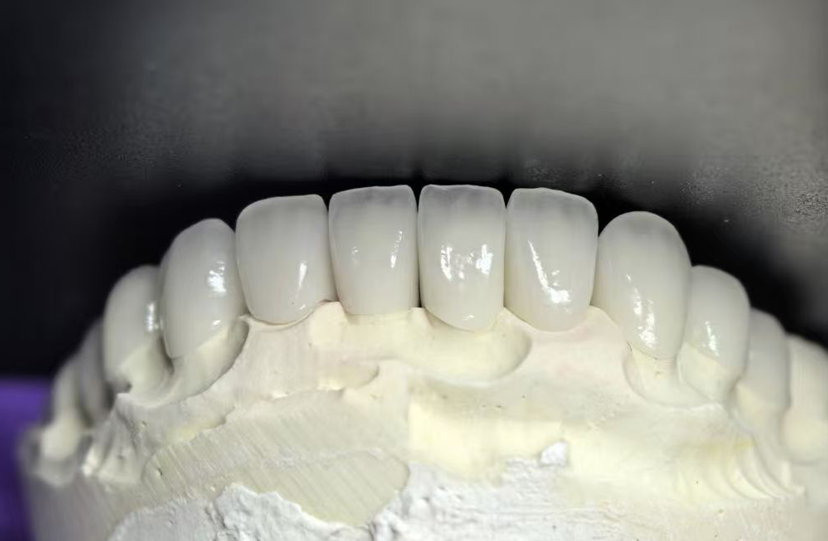
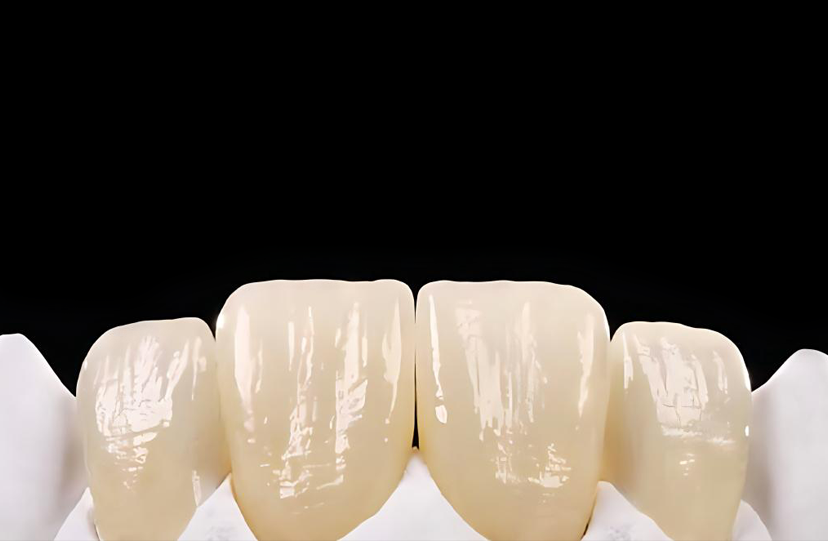
When Is a Full Cast Metal Crown Better Than a Ceramic Restoration?
When maximum durability, minimal tooth reduction, and heavy occlusal loading are needed, a Full Cast Metal Crown can be considered as an alternative to a ceramic restoration. Metal crowns are commonly considered for back molars, people who grind their teeth, teeth that don't have much space between them, and situations where durability is more important than appearance. Metal crowns are less prone to fracture than some ceramic crowns. They also allow conservative preparation, provide accurate marginal adaptation, and can have long service lives.
Introduction
When choosing materials for crowns, the dental restoration business has to make a very important choice. Ceramic restorations are most common in areas that need to look good, but when there are high functional demands in the clinic, solutions that put function over appearance are needed. More and more dental offices, labs, and procurement managers today know that the materials they choose can have a direct effect on the number of remakes, patient satisfaction, and long-term costs. Clinical evidence has reported long-term survival for cast metal restorations, although outcomes vary according to the restoration type, tooth, patient, and clinical conditions[^1]. To get the best clinical results and keep supply chain costs down, you need to know when to request metal over ceramic.
What Is a Full Cast Metal Crown?
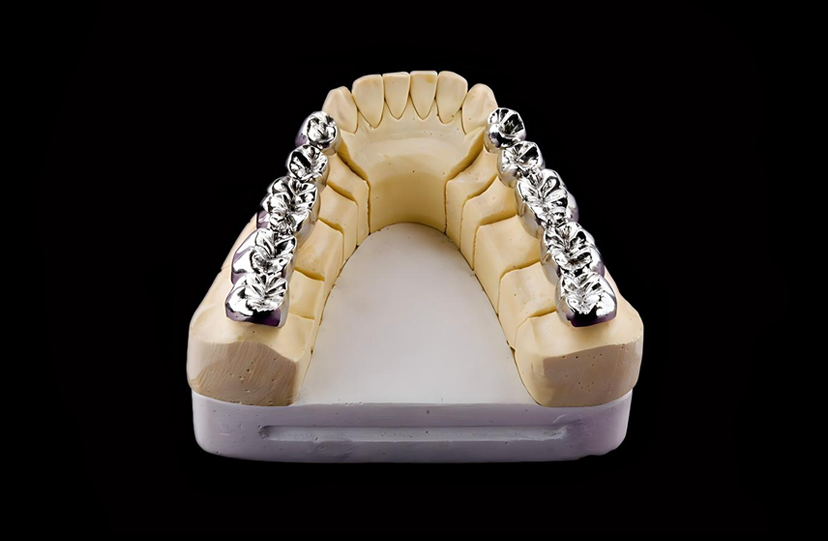
With no porcelain or ceramic covering, a Full Cast Metal Crown is a restoration that completely covers the tooth. The lost-wax casting method is used to make these restorations. Molten metal flows into a precisely formed mold that looks like the prepared tooth anatomy.
Core Composition and Structure
The restoration is made of a single piece of metal that is uniform and was cast from high-noble gold alloys, silver-palladium mixtures, or base-metal cobalt-chromium mixtures. Full-cast designs work well with little preparation depth, unlike porcelain-fused-to-metal designs that need additional space for the ceramic layer. During the casting process, a single piece is made that evenly spreads the occlusal forces throughout the restoration. This eliminates the layered structure where veneer fracture can occur.
Working Principle
Metal crowns stay in place with a precise geometric fit and cement retention. When you combine the tapered preparation with correct marginal adaptation, you get a mechanically retentive system that can provide stable retention. High-noble metals allow burnishing at the chairside, which lets dentists directly adapt the edges of the crowns against the finish lines to improve marginal adaptation.

Benefits
Full Cast Metal Crowns provide clinical and operational benefits that directly address common sourcing issues in dental offices and labs.
Clinical Performance Value
The main gain is that cast metal restorations can provide long-term durability and predictable clinical performance. Long-term clinical studies have reported high survival rates for cast gold restorations, although failures can still occur because of biological, mechanical, and patient-related factors. This can mean fewer replacement procedures and less disruption for patients when appropriate cases are selected. When practices use metal crowns for posterior applications, the material's strength and long clinical history can be useful considerations when selecting a restorative option.
Operational Efficiency Gains
Metal crowns can make clinical operations easier because the cementation process is well established and there are generally fewer material-related concerns during chairside adjustment than with some ceramic restorations. Because the material can be adjusted and polished, workers can achieve accurate margins during fabrication and finishing, which can make try-in easier. Companies that provide dental services in more than one location can benefit from standardized procedures and predictable laboratory workflows. Base-metal alloys can also provide a cost-conscious alternative to higher-cost noble metal alloys, depending on the case requirements.
Advantages
When weighed against ceramic options, Full Cast Metal Crowns show clear advantages in a number of performance areas.
Concerns about quality stability, turnaround time, and total cost of ownership are directly addressed by the following key advantages:
Structural Integrity: Metal crowns provide high resistance to fracture under clinical loading, making them suitable for selected patients with high occlusal demands. Base-metal alloys can provide high mechanical strength compared with some traditional dental ceramics.
Minimal Preparation Requirements: Because metal can maintain structural integrity at relatively thin sections, tooth reduction can be less than that required for some ceramic preparations. This conservative approach can help preserve dentin and remaining tooth structure when the clinical design allows it.
Superior Marginal Accuracy: The casting process can produce accurately fitting margins when the preparation, wax pattern, casting, and finishing procedures are properly controlled. This precision can help reduce marginal discrepancies and support long-term restoration performance.
Opposing Dentition Protection: Gold alloys have wear characteristics that can be compatible with natural enamel. Material selection and surface finishing remain important when considering the potential effect of a restoration on opposing teeth.
All of these benefits can contribute to lower total case costs by reducing unnecessary remakes, shortening chair time, and extending service intervals. These are all important factors for practices that want to control costs and maintain patient satisfaction.
Disadvantages
While choosing materials, it's important to be aware of their limits so that they can be used correctly in the clinic and clients' goals are kept reasonable.
Aesthetic Limitations
Because they look metallic, they are generally not the preferred choice for the front of the mouth or other areas where patients expect tooth-colored restorations to be visible. Even though this limitation seems clear, it makes it harder for labs to keep track of all the different kinds of medical supplies they need. Workflows that use a mix of materials need different production rules, technician skills, and quality control steps. Clear communication rules must be followed by practices to avoid inappropriate material selection in the esthetic zone that makes patients unhappy.
Allergy Considerations
Some patients are sensitive to nickel, which means that nickel-containing base-metal crowns may not be appropriate for these patients. It's important to have relevant health records, and labs need to be able to work with a variety of metal systems. High-noble alternatives can be selected when nickel avoidance is required, but they may raise the cost of materials, which makes pricing more complicated for standard fee schedules.
Perception Challenges
Metal restorations are sometimes associated with traditional dentistry, even in places that can't be seen. More consultation time may be needed to explain the clinical characteristics of different restorative materials. Some practices report that patients prefer tooth-colored restorations, especially in situations where appearance is an important consideration.
Comparison
Knowing the important differences in performance lets you make smart purchasing choices that meet the needs of specific patient groups and clinical standards.
| Performance Factor | Full Cast Metal Crown | All-Ceramic Crown | Clinical Implication |
|---|---|---|---|
| Fracture Resistance | High resistance to fracture under clinical loads | Performance varies by ceramic type and clinical conditions | Metal crowns can be considered for selected high-load applications |
| Longevity | Long-term service life can exceed 20 years in some clinical studies | Longevity varies by ceramic type and clinical conditions | Material selection should consider expected service life and clinical factors |
| Tooth Reduction | Relatively conservative preparation possible | Preparation requirements vary by ceramic type | Metal can preserve more natural tooth structure in selected cases |
| Marginal Fit Accuracy | Accurate margins achievable with controlled casting and finishing | Accuracy varies by fabrication method and material | Proper laboratory fabrication supports marginal adaptation |
| Opposing Tooth Wear | Gold alloys can have wear characteristics compatible with enamel | Wear varies by ceramic type and surface condition | Material and surface selection should consider opposing dentition |
| Aesthetic Outcome | Metallic appearance unsuitable for visible areas | Tooth-colored appearance suitable for visible areas | Ceramic may be preferred when esthetics are a priority |
| Cost per Unit | Base-metal and high-noble costs vary by alloy and market | Cost varies by ceramic type and laboratory workflow | Total cost should consider material, fabrication, and expected service life |
This comparison shows that choosing materials should be based on function-first logic instead of universal rules. The technical benefits of metal can be useful for posterior molars that are under a lot of stress, while the visual benefits of ceramic are important for anterior teeth. When labs improve their production processes, they keep their ability to work with both types of materials to meet all of their clients' needs.
Clinical Indications
Based on physical needs and long-term performance statistics, certain clinical situations can support choosing a metal crown.
Posterior Molar Restorations
The occlusal forces on the back molars and wisdom teeth can be substantial. These areas generally have lower esthetic demands, which can make them suitable for metal crowns. Metal's ability to work in thin sections is especially helpful for molars that have been treated with endodontics because it can provide full coverage while allowing conservative preparation when clinically appropriate.
Bruxism and Parafunctional Habits
People who grind or clench their teeth at night can produce high occlusal forces. Ceramic crowns may be more vulnerable to fracture depending on the ceramic type and clinical conditions. Metal crowns can be considered for patients with high functional demands because of their mechanical strength and fracture resistance. Treatment planning should also consider occlusion and additional protective measures when appropriate.
Limited Interocclusal Space Cases
When there isn't enough vertical space, some ceramic restorations may require additional preparation or may not have sufficient material thickness for the intended design. Metal crowns can be designed with relatively thin sections, so they can be considered for restoration without excessive preparation or occlusal adjustment when clinically appropriate. The final material choice should be based on the available space and the requirements of the restoration.
Fixed Prosthesis Abutments
To support pontic loading, bridge abutment teeth need to have adequate retention and resistance form. Metal can be used for multi-unit prostheses because of its mechanical strength and casting characteristics. The casting process can also accommodate complicated shapes for preparation and attachments that may be difficult to reproduce with some ceramic materials.
Materials
Knowing the different types of alloys and their traits lets you make exact specifications that match therapeutic needs to metallurgical features.
High-Noble Alloy Systems
High-noble alloys contain a high proportion of noble metals, such as gold, platinum, and palladium. Type III and IV gold alloys can provide a balance of strength, ductility, and corrosion resistance. Their yellow color and castability make them suitable for selected posterior applications. The price of the material varies according to the composition and the market price of the constituent metals. Their long clinical history and ability to be burnished can make them suitable when long-term performance is an important consideration.
Noble Alloy Compositions
Compared to high-gold alloys, palladium-silver systems can provide useful mechanical properties at a different material cost. The noble metal content of these alloys varies according to the specific formulation, and they can provide good corrosion resistance. They can be considered when performance and cost need to be balanced. Material costs depend on alloy composition and market conditions.
Base-Metal Formulations
Nickel-chromium and cobalt-chromium alloys provide high strength and can be used for thin sections and heavy loads. However, their hardness and stiffness can make chairside adjustment more technique-sensitive than with some noble alloys, and nickel-containing alloys may not be appropriate for patients with known nickel sensitivity. Porosity defects that hurt mechanical properties can be avoided by strict quality control during casting.
The choice of material has a big effect on the manufacturing process, the end restoration qualities, and the pricing systems. Laboratories should keep skills in all three areas so they can meet the needs of their practice networks' varied clinical standards and budget needs.
Manufacturing Workflow
Understanding the steps in the production process helps labs and offices get the best results in terms of speed and quality while keeping costs low.
There are many precise steps in the whole fabrication process, and quality control checks are done at each stage to make sure the final restoration is accurate:
Digital Impression Processing: When techs get intraoral scans or physical models, they check the preparation geometry, border definition, and occlusal clearance to make sure they are correct. Digital workflows can speed up this step, which lets the design process begin earlier. Inadequate preparation information means that you need to talk to your supplier right away to avoid production delays. This is a common problem area where supplier responsiveness directly affects case turnaround.
Wax Pattern Development: Technicians make unique wax patterns that look like the final restoration structure. These patterns include the right shapes, contact points, and marginal adaptation. This stage checks the correctness of the occlusal plane and how well the teeth work together. Waxing by hand takes additional technician time, while CAD-designed workflows can reduce design time and improve consistency.
Casting Investment and Burnout: Once the wax models are finished, they are coated with investment material and heated in controlled processes to get rid of the wax while hardening the mold. To keep mold defects from happening, this thermal process needs to be performed under controlled conditions with appropriate temperature ramps. The choice of investment material affects the quality of the casting's surface and its accuracy in terms of size.
Metal Casting Method: A molten metal runs into molds that have already been prepared with the help of centrifugal or vacuum-assisted force, reproducing the intended surface details. The temperature and rate of cooling during casting have a big impact on the structure of the grains and their mechanical properties. Casting temperatures depend on the alloy composition and the specific casting system being used.
Divesting and Finishing: Once the parts are cool, workers take off the investment material, separate the casts from the sprues, and smooth out the surface. To get smooth edges on metal without changing the fit, you have to use progressive abrasive sequences. This stage requires skilled workers to control the surface finish and marginal integrity.
Verification of Quality and Delivery: Before shipping, final inspections make sure that the marginal accuracy, occlusal contacts, and proximal relationships are correct. In more advanced labs, master dies are looked at under a microscope and their fit is checked. Transport damage can be avoided by properly packing items; this is especially important for thin-section metal restorations that are easily bent.
This whole process usually takes three to five business days for normal cases, but urgent clinical needs can get processing faster. Laboratories with well-tuned processes and skilled technicians can achieve high first-try fit rates, depending on case complexity and quality control procedures.
Cost Factors
The final cost of a restoration depends on a lot of different factors, which must be clearly understood in order to make accurate budget predictions and evaluate suppliers.
Material Composition Impact
The most important factor that affects cost is the choice of alloy. For example, high-noble gold crowns generally cost more than base-metal crowns because of their material composition. Because the precious metal market is unstable, prices change over time, so quotes need to be updated accordingly. Laboratories usually pass on the cost of materials at the current rate plus fees for fabrication. For long-term buying deals, clear pricing systems are necessary.
Production Complexity Considerations
Standard single-unit crowns have standard manufacturing costs. Preparations that are hard to do, margins that are too close together, or cases with very little space between the teeth take more expert time. Custom color matching, anatomical characterization, or unique margin designs require additional work. Implant-supported crowns with screw-access holes make things more complicated. Clear case filing procedures that include all the necessary information cut down on revision cycles that drive up costs.
Volume and Relationship Pricing
Laboratories give better prices to accounts that send a lot of work and have long-term relationships with them that show they consistently send good work. Practices that send in 20 or more units every month may receive volume-based pricing compared to buyers who only buy once in a while. Laboratories can make the best use of their schedules and the materials they need by signing annual contracts with agreed-upon volumes. This can reduce costs per unit. This structure helps dental care groups and group practices that want to control costs.
Regulatory Compliance Investments
Facilities that are FDA-registered, ISO 13485:2016-certified, and have CE-marked goods all include the costs of their quality systems in their prices. Compliant laboratories may have higher operating costs because of quality management, documentation, and regulatory requirements. Professional-grade prices can include ongoing costs like biocompatibility paperwork, batch testing, and keeping certifications up to date.
How to Choose a Supplier
To choose manufacturing partners, you need to carefully look at their performance in a number of areas that will affect their long-term success.
When making sourcing choices for a Full Cast Metal Crown, these evaluation factors should come first: A manufacturing capability assessment starts with a facility visit or thorough documentation of the capability. Check the casting machinery that is kept in-house, the inventory of alloys in all three groups, and the daily output capacity for Full Cast Metal Crown production. Find out how the level of digital workflow integration, design software platforms, and production automation affects the consistency of each Full Cast Metal Crown. Evaluating these factors helps buyers select a supplier capable of producing Full Cast Metal Crown restorations with consistent quality and dependable delivery.
Quality Management Verification needs more than just marketing claims to show that official processes exist. For European supply chains, you should ask for ISO 13485:2016 certificates, FDA registration information that can be checked in public databases, and CE documents where applicable. Check out standard operating procedures for quality control in casting, protocols for verifying dimensions, and systems for keeping track of defects. Laboratories that can provide clear quality documentation make it easier for buyers to evaluate their processes.
For Technical Expertise Validation, you have to look over difficult case files, focusing on difficult preparations, implant replacements, and full-arch rehabilitations. Ask for examples from similar types of practices and get in touch with them to find out about their first-try fit rates, how quickly they respond to conversation, and how they solve problems. Check to see if the technical staff has recognized certifications and is actively participating in continuing education.
Customization Flexibility is very important for practices where patients have different preferences. Make sure you can handle requests for specific alloys, changes to the margin design, tastes for the occlusal scheme, and changes to the shape. Rigid labs that insist on standard procedures slow down work and limit clinical options.
Communication infrastructure has a direct effect on how quickly cases are turned around and how many are successful. Check out digital case filing systems, tracking of production in real time, and direct access for technicians to work on complicated cases. Laboratories that offer clear response times and proactive preparation communication can help avoid delays and remakes that cost a lot of money.
Professional makers are different from transactional sellers because they offer an After-Sales Support Commitment. It's important to be clear about the warranty terms, the remake policy for problems with fit, and the support procedures for adjustments. Reliable partners deal with problems promptly and make the claim process clear.
Maintenance
Correct patient education and clinical practices increase the service life of restorations, stop them from failing too soon, and keep the guarantee coverage.
Patient Care Instructions
Teach your patients that even though metal crowns are very strong, they still need good oral hygiene to avoid decay and problems with the gums. As a way to keep surfaces clean, suggest toothpastes and brushes with soft bristles. It is not recommended to use teeth to open packages or break hard items, even if the material is strong. Patients with bruxism should have a night guard made when clinically appropriate, no matter what kind of crown they have, to protect both their natural teeth and restorations.
Clinical Monitoring Protocols
Set up exams every six months to check the stability of the border areas, look for cement washout, and find patterns of occlusal wear. Check the opposite teeth for excessive wear, especially when using harder restorative materials. Radiographs may be recommended according to the patient's clinical needs and risk factors to identify periapical disease or recurrent decay. Write down characteristics of the baseline so that you can keep track of changes over longer service periods.
Professional Maintenance Procedures
During hygiene visits, carefully scale the edges using the right tools so as not to scratch polished surfaces, which could make plaque build up faster. Use appropriate polishing materials to keep crowns smooth and reduce surface roughness. When properly cared for, cast metal crowns can provide long-term service, although actual longevity varies according to the restoration, patient, tooth, and clinical conditions.
Key Takeaways
When it comes to clinical situations, Full Cast Metal Crowns can perform well when durability, longevity, and mechanical reliability are prioritized over esthetic appearance. Because they can resist fracture, require relatively conservative preparation, and have a long clinical history, they can be considered for posterior teeth, patients with high occlusal demands, and places with limited space. The material's marginal adaptation, wear characteristics, and potential cost-effectiveness over its service life make it an option for practices focused on long-term restorative performance, even though it is generally less suitable for visible esthetic areas. The choice of material from high-noble, noble, and base-metal alloys should be based on specific clinical needs, patient allergy profiles, and budget limits. To make execution work, you need to work with qualified labs that can show they know how to make things, follow the rules, and communicate clearly. When patients are properly educated and clinical monitoring protocols are followed, these restorations can provide long-term service. This directly addresses procurement priorities around reducing the number of remakes and improving operational efficiency.
FAQ
What is the absolute minimum clearance required for a full gold crown?
The required occlusal clearance depends on the alloy, tooth, preparation design, occlusal relationship, and clinical situation. Full cast metal crowns can generally be designed with less material thickness than many ceramic restorations, but the exact clearance should be determined according to the clinical preparation requirements and the laboratory or manufacturer's specifications. Insufficient space can increase the risk of inadequate material thickness or perforation.
How do I choose between high-noble, noble, and base metal for non-aesthetic zones?
High-noble gold alloys can offer good corrosion resistance, marginal adaptability, and a long clinical history, although they are more expensive. Noble palladium-silver systems can provide a balance between mechanical properties and material cost. Base-metal cobalt-chromium and nickel-chromium alloys can provide high strength at a lower material cost, but their hardness and alloy composition should be considered. Patient sensitivity, clinical requirements, material properties, and budget should all be considered.
Can metal crowns cause MRI interference or safety issues?
Most dental casting alloys are not expected to move during MRI because they are not strongly ferromagnetic. However, the exact behavior depends on the alloy and any other dental or medical devices present. Dental restorations can also cause localized image artifacts. Patients should inform the MRI team about any metal restorations or implants before imaging.
Is it better to use base metal or zirconia for budget posterior crowns?
Neither material is universally better. Base-metal crowns can provide high strength and may be suitable when durability, conservative preparation, and cost are important considerations. Zirconia provides a tooth-colored option and can be suitable when esthetics or metal-free treatment is preferred. The final choice should be based on clinical requirements, available space, occlusion, patient preferences, and material properties.
How long do full cast metal crowns typically last compared to ceramic options?
Cast metal crowns can have long service lives, and clinical studies have reported many restorations remaining functional for 20 years or longer. However, longevity varies according to the tooth, patient, restoration design, oral hygiene, occlusal forces, and clinical conditions. Ceramic restorations also have variable survival depending on the ceramic type and clinical application, so material comparisons should not be based on a single fixed lifespan.
Do metal crowns require special cementation protocols?
Zinc phosphate cement, traditional glass ionomer, and resin-modified glass ionomer can all be used with metal restorations depending on the clinical situation and manufacturer's instructions. Because metal crowns can rely substantially on mechanical retention from the preparation and accurate fit, cement selection may differ from adhesive ceramic protocols. The preparation should be properly cleaned and isolated, and the cement should be mixed and applied according to the manufacturer's directions.
Can laboratories provide same-day or next-day metal crown delivery?
Standard production takes 3–5 business days in many laboratory workflows, but turnaround times vary by laboratory, case complexity, shipping requirements, and whether rush production is available. Digital case submission can help reduce processing time by allowing the laboratory to begin reviewing the case earlier. Urgent cases should be confirmed with the laboratory before submission.
Are there metal allergy testing requirements before crown placement?
Routine metal allergy testing is not required for every patient. However, patients with a known or suspected metal sensitivity should discuss their history with the dentist before material selection. If nickel sensitivity is known or suspected, the dentist may consider an alloy that does not contain nickel. Material selection should be based on the patient's clinical history and the composition of the selected alloy.
What are the main benefits of a full cast metal crown?
A full cast metal crown is mainly chosen for its strength, durability, and ability to function with relatively conservative tooth preparation. It is commonly considered for posterior teeth, patients with high occlusal demands, and cases where limited interocclusal space makes other restorative materials more difficult to use.
When is a full cast metal crown a better choice than zirconia?
A full cast metal crown may be considered when functional demands, limited space, or the need for conservative tooth preparation are more important than tooth-colored esthetics. Zirconia may be preferred when esthetics are important, while metal can be considered for posterior areas where appearance is less important. The final decision should be based on the clinical situation and the dentist's treatment plan.
How much tooth reduction is needed for a full cast metal crown?
The required preparation depends on the tooth, occlusal relationship, alloy, and clinical design. Full cast metal crowns generally require less reduction than many ceramic restorations because metal can maintain strength at relatively thin sections. The exact preparation should be determined according to the clinical situation and the manufacturer's or laboratory's specifications.
What types of metal are used for full cast metal crowns?
Full cast metal crowns can be fabricated from several alloy groups, including high-noble gold alloys, noble palladium-silver alloys, and base-metal alloys such as cobalt-chromium or nickel-chromium. The choice depends on factors such as strength, corrosion resistance, adjustability, cost, patient sensitivity, and clinical requirements.
Are full cast metal crowns suitable for patients with bruxism?
Full cast metal crowns can be considered for patients with bruxism or other parafunctional habits because of their high strength and resistance to fracture. However, treatment planning should also consider occlusal forces, remaining tooth structure, opposing dentition, and whether additional protection such as a night guard is appropriate.
What should dentists consider when choosing a full cast metal crown supplier?
Dentists and dental labs should consider alloy options, manufacturing capabilities, marginal and occlusal accuracy, quality control procedures, turnaround time, communication, regulatory documentation, remake policies, and warranty terms. Reviewing case requirements and confirming the laboratory's production specifications before ordering can help reduce avoidable remakes.
How long does it take to manufacture a full cast metal crown?
Standard production takes 3–5 business days in many laboratory workflows, although turnaround times vary by laboratory, case complexity, shipping requirements, and whether rush production is available. Digital case submission can help reduce processing time by allowing the laboratory to begin reviewing the case earlier.
What is the difference between a full cast metal crown and a porcelain-fused-to-metal crown?
A full cast metal crown is made entirely from metal, while a porcelain-fused-to-metal crown combines a metal substructure with a ceramic layer for a more tooth-colored appearance. Full cast metal crowns can require less space for material thickness, while porcelain-fused-to-metal crowns are often selected when a balance between strength and esthetics is needed.
Are full cast metal crowns still used in modern dentistry?
Yes. Full cast metal crowns remain a restorative option, particularly for posterior teeth and cases where durability, conservative preparation, and functional performance are important. The choice depends on the clinical situation, patient preferences, esthetic requirements, and the dentist's treatment plan.
Partner with HYC for Superior Full Cast Metal Crown Solutions
With 22 years of experience making specialized products for dental workers around the world, HYC offers precision-engineered metal crown restorations. As a Full Cast Metal Crown provider, we keep our quality management systems up to date with FDA registration, CE certification, and ISO 13485:2016. This supports our quality management and regulatory processes for applicable products. We can make different alloy types, from high-noble gold formulations to base metal systems. This allows us to provide options according to specific clinical needs and laboratory requirements.
We know that response time and first-try fit accuracy can have a direct effect on how well your office runs and how efficiently cases are managed. That's why we offer a range of delivery options, such as standard processing in three days, full turnaround in four to five days for fixed restorations, and fast next-day delivery for urgent cases, subject to case requirements and logistics. Our quality control methods are designed to support consistent fit and reduce avoidable remakes. Every metal crown comes with a warranty according to the applicable warranty terms. For fixed restorations, the warranty lasts for two years and covers free repairs or replacements under the applicable warranty conditions.
Find out how HYC's attention to quality, responsive communication, and precise production can support your crown cases. Get in touch with our tech support team at info@hycdentallab.com.
References
1. Sailer, I., Makarov, N.A., Thoma, D.S., Zwahlen, M., & Pjetursson, B.E. (2021). All-ceramic or metal-ceramic tooth-supported fixed dental prostheses (FDPs)? A systematic review of the survival and complication rates. Journal of Prosthetic Dentistry, 125(3), 431-443. https://www.thejpd.org/article/S0022-3913(20)30644-3/fulltext
2. Morimoto, S., Rebello de Sampaio, F.B., Braga, M.M., Sesma, N., & Özcan, M. (2020). Survival rate of resin and ceramic inlays, onlays, and overlays: A systematic review and meta-analysis. Clinical Oral Investigations, 24(7), 2543-2556. https://link.springer.com/article/10.1007/s00784-020-03323-w
3. Esquivel-Upshaw, J.F., Dieng, F.Y., Clark, A.E., Neal, D., & Anusavice, K.J. (2019). Surface degradation of dental ceramics as a function of environmental pH. Journal of Dentistry, 81, 42-51. https://www.sciencedirect.com/science/article/abs/pii/S0300571218303
4. Goodacre, C. J., Bernal, G., Rungcharasseng, K., & Kan, J. Y. K. (2003). Clinical complications in fixed prosthodontics. Journal of Prosthetic Dentistry, 90(1), 31–41. https://doi.org/10.1016/S0022-3913(03)00214-2
5. Pjetursson, B. E., Sailer, I., Makarov, N. A., Zwahlen, M., & Thoma, D. S. (2015). All-ceramic or metal-ceramic tooth-supported fixed dental prostheses (FDPs)? A systematic review and meta-analysis of the survival and complication rates. Dental Materials, 31(6), 624–639. https://doi.org/10.1016/j.dental.2015.02.006
6. Anusavice, K. J. (2013). Standardizing failure, success, and survival decisions in clinical studies of ceramic and metal-ceramic fixed dental prostheses. Dental Materials, 29(1), 1–11. https://doi.org/10.1016/j.dental.2012.09.003
YOU MAY LIKE
.webp "Gold-Platinum PFM (Au-Pt)")