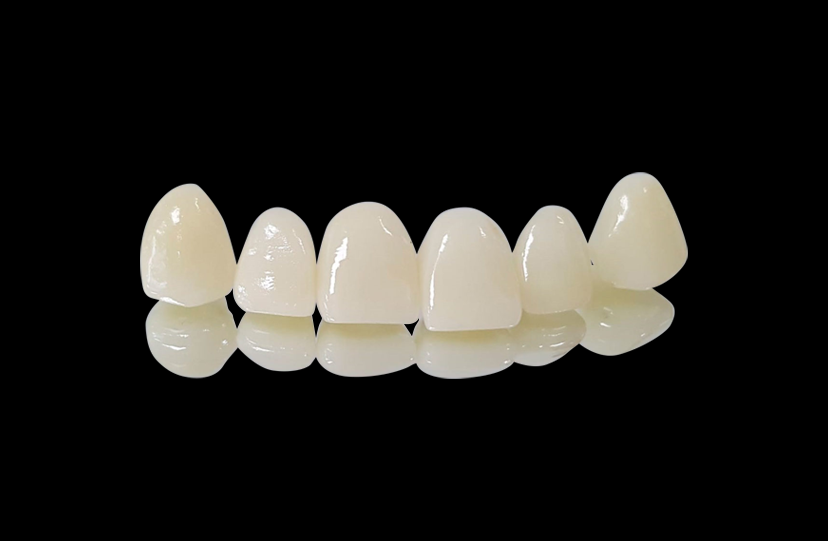
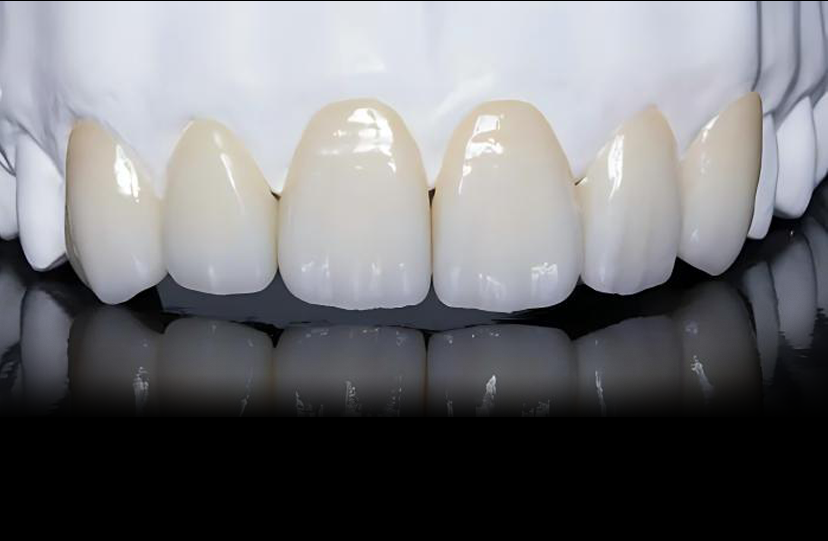
Implant Cemented Crowns Deliver Natural Appearance and Customized Implant Results
Implant Cemented Crowns are a commonly used option for implant-supported tooth replacement. An abutment, which can be custom-made or a stock item, is attached to the implant device, and the final crown is cemented to the abutment. This method eliminates visible screw access holes, giving the anterior areas of the teeth a more natural appearance. With appropriate case selection, clinical protocols, and regular maintenance, implant cemented crowns can provide long-term functional performance in many clinical situations. This makes them a useful option for selected esthetic cases in dental offices and labs.
Introduction
The market for dental implant restorations is still growing quickly. This is because patients want better esthetics and long-lasting functionality. More and more, dental offices, prosthodontists, and lab partners are under pressure to provide restorations that blend in with natural teeth while maintaining fit accuracy and controlling remake rates. Implant-supported cemented crowns have become an established option, especially in the esthetic area where even small visual flaws can affect patient satisfaction. Procurement managers and dental professionals can improve workflow, reduce chairside adjustments, and support predictable treatment outcomes by understanding the technical details, clinical considerations, and supplier selection criteria.
What is an Implant Cemented Crown?
An implant cement-supported crown is a two-part prosthesis system. The abutment is made of titanium or zirconia and is connected to the implant body. The crown is then attached to the abutment using dental cement. With a screw-retained design, a screw passes through the crown and into the implant. With a cemented restoration, the occlusal surface remains intact, and there is no screw access hole. The abutment acts as a base and is shaped similarly to a prepared natural tooth structure. The crown, on the other hand, forms the visible part of the tooth. This design allows prosthodontists to address implant angulation issues by using custom abutments. This can help achieve appropriate alignment of the final crown with the adjacent teeth. The process of making the crown is similar to making traditional fixed prosthetics: the abutment is torqued into place during surgery or when the implant is uncovered, an impression is taken, and the crown is made in a lab according to digital or analog specifications.
Benefits
Dental offices, DSOs, and CAD/CAM centers can consider cemented implant crowns in terms of both clinical and practical factors.
Better patient satisfaction: Not having a screw access hole preserves the crown's occlusal surface and can support a more natural appearance, particularly in esthetic areas where appearance is a key consideration. This may contribute to patient satisfaction and support acceptance of esthetic treatment.
Streamlined Lab Workflow: Labs that are used to working with traditional crown-and-bridge cases can add cemented implant crowns without making major changes to their procedures. Scanning, designing, milling or layering ceramic, and glazing can follow familiar laboratory workflows. This may reduce the need for additional technician training and help maintain consistent production procedures.
Operational Efficiency for Clinics with Multiple Locations: Dental groups that need to follow standardized procedures can benefit from consistent delivery schedules and production quality. With appropriate supplier coordination, efficient laboratory workflows may help clinics improve case management and reduce delays in restoration delivery.
Longevity and Occlusal Control: The intact occlusal surface allows dentists to establish contacts and occlusal anatomy without a screw access opening. This can provide flexibility when managing occlusal contacts, bite balance, and functional movements. This may be particularly relevant for patients requiring extensive restorative treatment.
These considerations make cemented restorations an option for practices that need to balance esthetics, function, fit accuracy, turnaround time, and patient outcomes.
Advantages
When compared to options that are held in place by screws, cemented implant crowns have advantages related to their design and the use of custom abutments.
Better Esthetic Integration: The crown's translucency and surface characteristics can be maintained without a screw access hole through the restoration. This is particularly relevant in the anterior maxillary region, where a composite-filled access opening may affect the appearance of the restoration.
Angulation Correction with Custom Abutments: Implants that were placed at less-than-ideal angles because of bone anatomy or surgical considerations can sometimes be restored using custom abutments. Custom abutments, which are designed according to specific emergence profiles and angles, can modify the crown's path of insertion. This can help achieve appropriate alignment without additional implant surgery in selected cases.
Passive Fit Facilitation: The cement layer can compensate for minor dimensional discrepancies between the abutment and crown. Properly designed restorations may help manage mechanical stresses and support appropriate peri-implant tissue management when combined with suitable clinical care.
Better resistance to breaking: The porcelain or zirconia superstructure does not contain a central screw access hole. This can provide more material in the occlusal region compared with designs that require an access channel. The mechanical performance of the restoration still depends on material selection, restoration design, dimensions, and clinical conditions.
Simplified Posterior Access: As there may be limited vertical space around the molars, placing a screw-retained crown can require sufficient access for the driver. With cemented crowns, this access requirement is avoided, which may simplify crown placement in selected posterior cases.
Chairside Protocol: Dentists who have been trained in traditional prosthodontics may find the cementation workflow familiar. The steps—abutment try-in, crown adjustment, cement application, and removal of excess—are similar to procedures used with conventional fixed restorations. This may help support a predictable clinical workflow.
Clinicians must, however, be very careful with how they handle cement. Excess cement extending into the peri-implant sulcus can contribute to peri-implant inflammation, which highlights the importance of appropriate abutment design, accessible margins, and careful cement removal.
Disadvantages
Even though they have benefits, fixed implant crowns come with their own limitations that need to be carefully managed and decisions made based on accurate clinical information.
Cement-Related Peri-Implantitis Risk: Tissue inflammation may be associated with residual cement in the peri-implant sulcus. Research has identified excess cement as a potential risk indicator for peri-implant disease. This risk can be managed through appropriate margin placement, cementation techniques, and verification of cement removal.
Difficulty Retrievability: Screw-retained crowns can generally be removed by unscrewing them, while cemented crowns may require more invasive removal procedures. To remove a cemented crown for repair, abutment replacement, or implant maintenance, the restoration may need to be sectioned. This can take longer and may require fabrication of a new restoration. Patients who require frequent access to the implant may benefit from a more retrievable design.
Concerns About Retention in Short Abutments: Abutments that are shorter than 4 mm or have insufficient resistance and retention form may provide less mechanical retention, which can increase the risk of crown loosening. This limitation is particularly relevant when restorative space or abutment height is limited.
Coordination Between the Lab and the Chairside: For appropriate margin placement and cement control, the lab and the clinician need to communicate clearly. Differences in design details, such as margin depth or abutment contour, can affect both the esthetic result and peri-implant tissue management.
These limitations can be addressed through appropriate case selection, custom abutment design, accurate digital planning, and careful cementation practices.
Comparison: Cemented vs. Screw-Retained Implant Crowns
Practitioners and procurement managers can choose the appropriate solution for each case by understanding the functional and clinical trade-offs between screw-retained and cemented designs.
| Criterion | Cemented Crowns | Screw-Retained Crowns |
|---|---|---|
| Aesthetic Appearance | Seamless occlusal surface, no visible access hole | Composite-filled screw hole may show discoloration |
| Retrievability | May require destructive removal | Easily unscrewed for maintenance or adjustment |
| Passive Fit | Cement layer can compensate for minor discrepancies | Requires precise fit to avoid screw loosening |
| Angulation Correction | Custom abutments can address implant angulation discrepancies | Limited correction depending on screw channel design |
| Peri-Implantitis Risk | Requires careful cement removal | No cement-related risk from excess cement |
| Fabrication Complexity | Familiar workflow for most labs | Requires screw channel design and anti-rotational indexing |
| Clinical Delivery Time | Comparable to traditional crowns | May require additional try-ins for screw fit |
| Long-Term Maintenance | Crown removal may complicate future interventions | Routine screw tightening and crown removal are generally more accessible |
When esthetics are important or when implant angulation needs to be addressed, cemented crowns may be considered in selected cases. On the other hand, screw-retained designs generally offer easier retrievability. When it comes to flexibility, practices that perform many anterior single-tooth replacements may consider cemented solutions, while implant centers that manage complex multi-unit rehabilitations may prefer screw retention depending on the clinical requirements.
Clinical Indications
In some cases, Implant Cemented Crowns may be appropriate because they can be matched to the patient's anatomy and treatment goals.
Anterior Aesthetic Zones
The central incisors, lateral incisors, and canines in the upper jaw require careful attention to esthetics. With cemented crowns, there are no screw access holes that could affect the facial appearance or the anatomy of the incisal edges. The uninterrupted occlusal surface may be beneficial when esthetic considerations are a priority.
Correcting Non-Parallel Implant Angulations
Custom abutments can be used to manage implants that were placed at angles that are not aligned with the planned crown path. This can occur when bone anatomy requires off-axis implant placement, while the final crown needs to follow an appropriate path in relation to the adjacent teeth.
Posterior Restorations with Limited Vertical Space
In the molar area, where the space between the arches is limited, avoiding screwdriver access may simplify crown placement. This can be helpful for patients with limited restorative space or restricted mouth opening.
Full-Mouth Rehabilitation Cases
When replacing multiple implants, precise control of the occlusal scheme may be possible with cemented crowns on custom abutments. Because the occlusal surfaces remain intact, prosthodontists can manage factors such as canine guidance, group function, or balanced occlusion without the constraints of screw channels.
Contraindications
When the vertical restorative space is less than 7 mm, the patient has a history of peri-implantitis with concerns about cement removal, or the abutment height is insufficient to provide adequate mechanical retention, cemented restorations may be less suitable. In these cases, screw-retained designs or other restorative solutions may be considered.

Materials
The choice of material has a direct effect on how the Implant Cemented Crowns look, how they perform, and how they interact with the surrounding tissues.
Abutment Materials
Titanium: Grade 5 titanium alloy abutments are widely used because of their biocompatibility, mechanical properties, and established clinical use. However, the metallic color may be visible through thin peri-implant soft tissue and may affect the esthetic appearance in selected anterior cases.
Zirconia: Yttria-stabilized tetragonal zirconia polycrystal (Y-TZP) abutments are tooth-colored and may provide esthetic advantages in selected cases. Zirconia has high mechanical strength and is used in implant abutments, particularly in the esthetic zone. Custom-milled zirconia abutments can be designed to support appropriate emergence profiles and soft-tissue contours.
Crown Materials
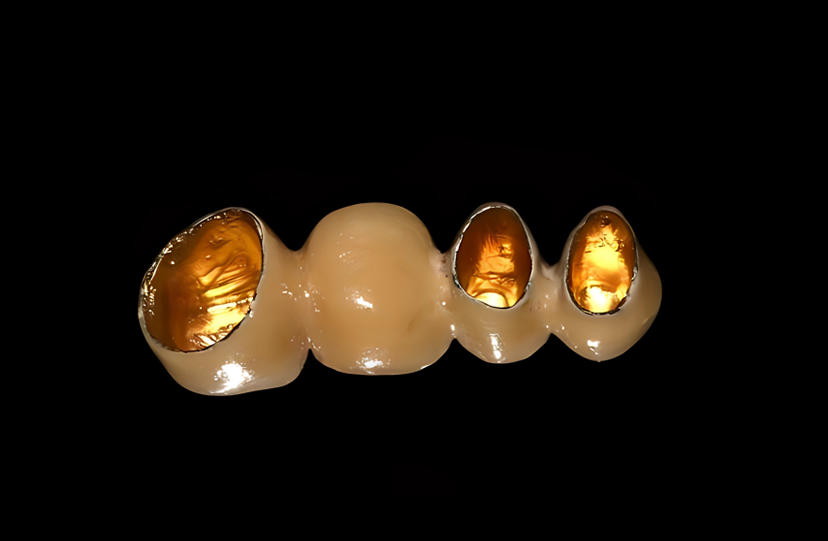
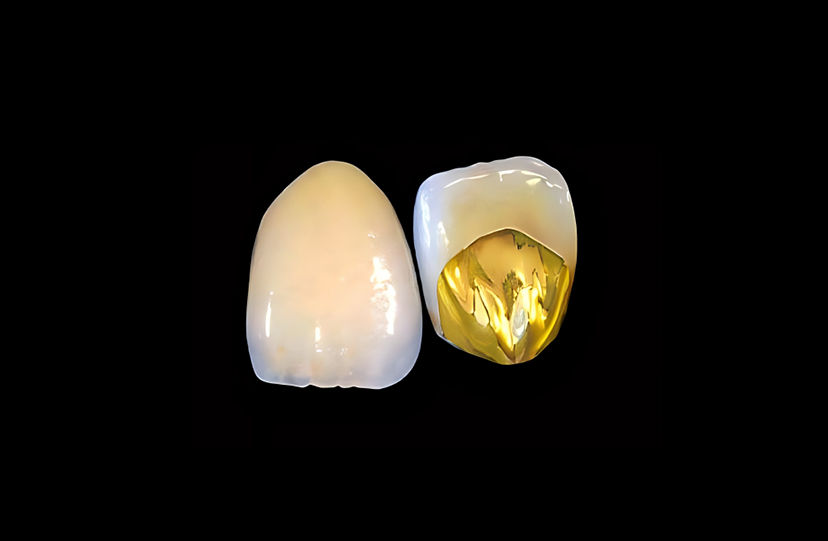
Porcelain-Fused-to-Metal (PFM): Standard PFM crowns have a metal substructure and layers of feldspathic porcelain on top. Although metal provides established mechanical performance, it may affect light transmission and can contribute to a darker appearance near the gingival margin in some cases.
All-Ceramic (Lithium Disilicate): IPS e.max and other lithium disilicate materials can be used for selected single crowns. Their combination of strength and optical properties makes them suitable for many esthetic applications, while case selection remains important for patients with high occlusal loads or parafunctional habits.
High-translucency zirconia (HT-Zirconia) is widely used for implant crowns. Zirconia can be monolithic or layered. Monolithic zirconia crowns can provide high fracture resistance and may be stained or characterized to achieve a natural appearance. Layered zirconia combines a zirconia coping with a porcelain veneer to provide additional esthetic characterization.
When choosing a material, it's important to think about the patient's biting forces, their esthetic requirements, and the practice's laboratory capabilities. Biocompatibility and regulatory compliance are important considerations for procurement managers in DSOs and dental distributors. The applicable regulatory status and documentation should be verified for the specific material and supplier.
Manufacturing Workflow
To make a good Implant Cemented Crown, the clinical and laboratory steps must be carefully coordinated, and quality checks must be performed both digitally and manually.
Clinical Phase: Impression and Abutment Selection
The doctor chooses or makes a custom abutment based on the implant platform, the shape of the soft tissue, and the desired emergence profile. Polyvinyl siloxane impressions or intraoral scanning can be used to record the implant or abutment position. Digital scans (STL files) allow for efficient data transfer and can reduce the risk of distortion associated with conventional impressions.
Laboratory Phase: Abutment Design and Crown Fabrication
Digital Design: The lab uses CAD software (like 3Shape or exocad) to import the scan and design the custom abutment with appropriate space and margin positioning for cement control. The crown is designed according to the adjacent or contralateral tooth and the planned anatomy, paying close attention to the contact points, embrasure spaces, and occlusal harmony.
Milling and Sintering: Zirconia abutments are milled while they are still "green," and then they are sintered until they reach their final density. Titanium abutments are CNC-milled from blanks that have already been made. Crown restorations made of zirconia or lithium disilicate are milled and processed according to the instructions given by the material manufacturer.
Porcelain Layering (Optional): A dental ceramist places feldspathic porcelain in thin layers and fires each one in a properly calibrated furnace to make layered zirconia crowns. To reproduce natural translucency and characterization, this step requires technical skill.
Quality Verification: Each restoration is inspected visually, the margins are checked on a die, and the fit is confirmed using an analog or digital model. Where applicable, dimensional accuracy is compared with the digital design specifications according to the laboratory's quality control procedures.
Delivery and Cementation
When the lab sends the abutment and crown, they include torque specifications and cementation instructions. The dentist tightens the abutment according to the implant manufacturer's specifications, checks that the crown fits appropriately, and then uses a suitable cement to attach it. To carefully remove excess cement, dentists can use floss, scalers, or a copy-abutment technique where appropriate. This chairside method uses a copy of the abutment to remove excess cement before placement, which may help reduce the amount of cement that reaches the subgingival area.
This workflow, when supported by quality management systems that are in line with ISO 13485:2016 where applicable, can help maintain consistent manufacturing processes, documentation, and quality control.
Cost Factors
The prices of Implant Cemented Crowns depend on many factors that are connected to each other. This means that laboratories and procurement teams need to be able to clearly communicate with each other.
Material Choice: Zirconia abutments and crowns may cost more than titanium or PFM because the raw materials and manufacturing processes can be more expensive. Zirconia blocks with higher translucency may also have different material costs from standard zirconia.
Customization Level: Stock abutments generally have lower costs, while custom abutments require additional design and manufacturing steps. The final cost depends on the complexity of the case, material, and laboratory workflow.
Production Volume: When dental chains or labs order in bulk, the cost per unit may decrease because of economies of scale. When suppliers offer tiered prices based on volume commitments, DSOs that manage various locations can plan their costs more accurately.
Turnaround Time: Normal production takes 4–5 days, and prices are the same every time. Cases that need to be finished quickly, within 24 to 48 hours, may cost more because they require expedited scheduling and production.
Compliance with regulations and certifications: FDA-registered facilities and ISO 13485-certified producers may have additional costs associated with quality controls, tracking systems, documentation, and regulatory requirements. These factors can be reflected in the final price.
Shipping and Logistics: When labs in other countries ship things to labs in other countries, they have to pay for customs, insurance, and express courier fees. Domestic suppliers might be able to offer faster delivery and easier logistics, but their base prices might be higher.
Instead of just looking at unit price, procurement managers should look at the total cost of ownership, which includes things like warranty coverage, remake rates, and clinical time savings. A provider that consistently delivers accurate fits with fewer adjustments may help reduce indirect costs compared with a lower-priced option with higher remake rates.
How to Choose a Supplier
Choosing a manufacturing supplier is a strategic decision that can affect how well your practice or lab works, how satisfied your patients are, and how efficiently your operations run.
Manufacturing Capability and Technology
Check out the CAD/CAM infrastructure of the provider, such as the software platforms, milling machine precision (5-axis vs. 3-axis), and sintering furnace calibration methods. Facilities with digital design libraries and high-resolution intraoral scan compatibility can support efficient case processing and digital workflows.
Quality Management and Certifications
Check that the supplier has the applicable regulatory registrations and certifications for the markets and products involved. Ask for relevant documentation, including biocompatibility testing (ISO 10993) where applicable, batch tracking tools, and the results of internal quality checks. Suppliers with documented remake-rate data can provide a clearer basis for evaluating manufacturing consistency.
Customization and Design Flexibility
Premium providers can make abutments that are 100% custom-made to fit different emergence profiles, margin depths, and angulation adjustments. Ask the lab if they can do design iterations, if they have established communication procedures, and if they have trained dental technicians who are skilled in prosthodontics.
Turnaround Time and Delivery Reliability
Standard production times of 3–5 days should be clearly defined, and in pressing situations, 24-hour service may be available. Check the supplier's history of delivering on time, making sure the packaging is suitable for transportation, and confirming whether shipping services such as FedEx and DHL can provide real-time tracking.
After-Sales Support and Warranty
Suppliers may provide warranties covering specified material or manufacturing defects for fixed restorations. Check the warranty terms, the steps for getting the item repaired or replaced, and the technical support options for getting help by email, phone, or video chat. The scope of technical support and case communication should be clearly defined before placing an order.
Long-Term Partnership Stability
Check to see how stable the supplier's finances are, how long they've been in business (20+ years is a good sign of experience), and how many clients they've retained. Ask for references from DSOs, cosmetic clinics, or implant centers that work with similar cases, and review case studies that show how the candidate addressed complex situations.
Procurement managers and clinic owners can work together to lower operating risk, improve patient results, and support efficient practice operations by using these criteria.
Maintenance and Clinical Considerations
Implant Cemented Crowns can support long-term function when they are properly maintained and monitored.
Patient Home Care
Patients should be taught how to keep their mouths clean by using soft-bristle brushes to clean around their teeth and implants, implant-specific floss or Superfloss to clean between their teeth every day, and antimicrobial mouth rinses when recommended by the clinician. Water flossers may also be used as part of an appropriate oral hygiene routine around dental implants.
Professional Maintenance
Set up follow-up visits every three to six months for professional cleaning, radiographic evaluation when indicated, and assessment of the implant and surrounding tissues. Finding cement remnants or signs of inflammation early on lets clinicians intervene before complications progress.
Cement Removal Verification
Use floss, radiographs when indicated, and visual inspection at the delivery appointment to help verify that excess cement has been removed. The copy-abutment method, in which the crown is seated on a chairside model or abutment replica before placement, can help reduce excess cement at the restoration margin. Custom abutments with accessible margins can also make excess cement easier to identify and remove.
Occlusal Adjustments
During follow-up visits, keep an eye on occlusal contacts, especially in patients who have parafunctional habits. Minor occlusal adjustments with appropriate instruments and professional cleaning may help maintain the restoration and reduce excessive occlusal loading.
Managing Complications
If peri-implant inflammation is found, clinical examination and radiographs may help identify possible contributing factors, including retained cement. In some cases, the crown might need to be sectioned so that it can be removed, the cement debrided, and a new restoration made. This shows how important it is to plan the margins correctly and use careful cementation techniques.
The service life of Implant Cemented Crowns varies according to material, design, occlusal loading, oral hygiene, maintenance, and clinical factors. Regular professional monitoring is important for long-term performance.
Key Takeaways
Implant-supported restorations that provide natural esthetics and long-term function can be made with Implant Cemented Crowns, which are an established restorative option for selected cases. They may be suitable for selected complex rehabilitation cases and esthetic anterior restorations. Because they don't have screw access holes and can be designed with custom abutments to address implant angulation, they offer flexibility in selected clinical situations. Newer materials such as high-translucency zirconia and digital CAD/CAM processes provide additional options for restorative design and fabrication. Careful cement management is important for minimizing the risk associated with excess cement around implants. When making purchases, people should give more weight to suppliers that provide appropriate regulatory documentation, quality management systems, predictable turnaround, and documented manufacturing performance. Dental practices and labs can select appropriate materials, manufacturing processes, and clinical protocols according to each patient's treatment needs.
FAQ
What is the difference between an implant cemented crown and a screw-retained crown?
An Implant Cemented Crown has two different parts: an abutment that is connected to the implant and a crown that is cemented to the abutment. This design eliminates a screw access hole through the crown, which may provide an esthetic advantage in selected cases. A screw-retained crown, on the other hand, is held in place by a screw that connects the restoration to the implant or abutment. This generally makes the restoration easier to retrieve, but it requires a screw access channel through the restoration.
How long do implant cemented crowns last?
The service life of Implant Cemented Crowns varies according to the material, restoration design, oral hygiene, occlusal forces, maintenance, and clinical conditions. Regular dental examinations can help identify early signs of inflammation or mechanical complications and support long-term maintenance.
Can excess cement cause problems around dental implants?
Yes. Excess cement remaining around an implant restoration has been identified as a potential risk indicator for peri-implant disease. Careful margin design, appropriate cementation techniques, and thorough removal of excess cement can help reduce this risk.
Are zirconia abutments better than titanium for cemented crowns?
Zirconia abutments are tooth-colored and may provide esthetic advantages, particularly in selected anterior cases with thin soft tissue. Titanium abutments have extensive clinical use and established mechanical performance. The choice depends on factors such as implant connection, soft-tissue characteristics, esthetic requirements, mechanical demands, and the specific clinical situation.
What is the copy-abutment technique for cement control?
Using a copy-abutment method, the dentist makes or uses a replica of the implant abutment outside the mouth. The dentist applies cement to the crown, seats it on the replica to remove excess cement, and then places the crown in the patient's mouth. This technique can help reduce the amount of excess cement that reaches the subgingival area and make cement cleanup easier.
How much vertical space is needed for an implant cemented crown?
A restorative space of at least 7 mm may be used as a planning reference in some cases, but the required space depends on the implant system, abutment design, cement layer, crown material, and restoration design. Cases where there isn't enough room may require alternative restorative planning.
Can cemented crowns be removed if needed?
Screw-retained crowns can generally be unscrewed, while cemented crowns may require more invasive removal. To remove a cemented crown, the restoration may need to be sectioned with a bur, which can require fabrication of a replacement restoration. Because of this, retrievability should be considered when selecting the restoration design.
What materials are used for implant cemented crowns?
All-ceramic materials like lithium disilicate or monolithic and layered zirconia are used to make crowns. Porcelain is fused to metal to make crowns. Zirconia is widely used because of its mechanical properties and esthetic options. Most abutments are made of titanium or zirconia, which are selected based on the clinical and restorative requirements.
Partner with HYC for Precision Implant Cemented Crown Solutions
For more than 22 years, HYC has provided implant restoration options by making cemented crowns and custom abutments for dentistry clinics, labs, and DSOs all over the world. We have been making Implant Cemented Crowns for a long time and have quality systems that are FDA registered, CE certified, and ISO 13485:2016 compliant. Our ISO 13485-aligned quality management system supports consistent manufacturing processes and documentation control.
Our advanced CAD/CAM facility makes crowns and abutments that are 100% custom and designed according to case-specific requirements. We offer a range of delivery choices, including regular turnaround of 4–5 days for everyday cases, fast service in 3 days, and next-day flash delivery for emergencies. As part of the two-year guarantee that comes with every fixed restoration, repairs or replacements are provided according to the applicable warranty terms.
Our team focuses on margin planning, cement management, and emergence profile design to help address common considerations in implant-supported restorations. We work with clinical teams on technical requirements and design adjustments for complex esthetic and restorative cases.
You can email HYC at info@hycdentallab.com or go to hycdentallab.com to talk about your unique case needs, ask for samples, or get a full quote. Our manufacturing capabilities and delivery options can support practices and labs with their implant restoration requirements.
References
1. Journal of Prosthetic Dentistry (2019). "Cement-Retained Versus Screw-Retained Implant Restorations: A Critical Review." Available at: https://www.sciencedirect.com/science/article/pii/S0022391318307546
2. Clinical Oral Implants Research (2018). "Excess Cement and the Risk of Peri-Implant Disease: A Systematic Review." Available at: https://onlinelibrary.wiley.com/doi/10.1111/clr.13355
3. International Journal of Oral & Maxillofacial Implants (2020). "Custom Abutments for Implant Restorations: Design Principles and Clinical Outcomes." Available at: https://www.quintpub.com/userhome/ijomi/ijomi_35_2020.php
4. Journal of the American Dental Association (2021). "Material Selection for Implant-Supported Single Crowns: A Clinical Decision Framework." Available at: https://jada.ada.org/article/S0002-8177(21)00012-3/fulltext
5. Dental Materials Journal (2020). "Mechanical Properties and Clinical Performance of Monolithic Zirconia Crowns: A Five-Year Retrospective Study." Available at: https://www.jstage.jst.go.jp/article/dmj/39/3/39_2019-245/_article
6. The International Journal of Prosthodontics (2022). "Best Practices for Cementation of Implant-Supported Crowns: Techniques to Minimize Peri-Implant Complications." Available at: https://www.quintpub.com/userhome/ijp/ijp_2022_01.php
YOU MAY LIKE
_1779414398631.webp "Malong Bridge(All-on-X)")
.webp "Full Gold Crown (FGC)")