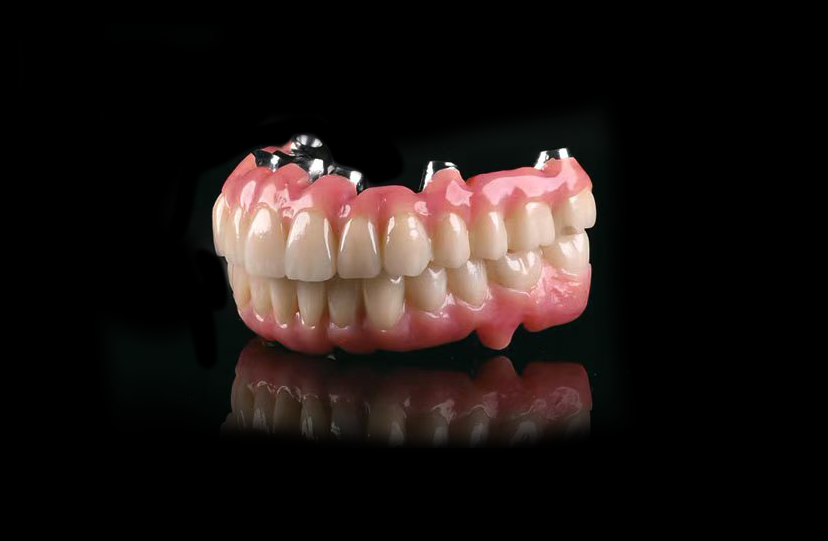
Implant Screw Crowns Support Efficient Digital Implant Workflows and Precise Fitting
Implant Screw Crowns are retrievable implant-supported restorations that are attached to implants with titanium or other prosthetic screws, so they don't require dental cement. These cement-free options avoid cement-related complications, make it easier to perform maintenance, and can provide predictable results when produced with appropriate digital processes. Screw-retained designs work well with CAD/CAM systems, so production cycles can be planned to be as short as three to five days. These designs can also provide mechanical stability and appropriate biocompatibility when properly designed, manufactured, and used according to clinical requirements.
Introduction
Digital implant dentistry has changed how private offices, dental care groups, and specialized implant centers in the United States do restorative work. Modern CAD/CAM platforms can make prosthetics with high manufacturing accuracy, but many clinicians still have problems with cement-retained designs, such as excess cement getting stuck under the gums, inflammatory tissue responses, and long remake cycles. These problems can be addressed with screw-retained implant restorations, which are mechanically fixed and can be taken out when clinically necessary without disrupting the implant-bone interface. As rules get stricter and patients' demands rise, procurement managers, lab owners, and implant experts who want to cut down on chairside adjustments and boost patient satisfaction need to understand how screw-retained technology fits into efficient digital workflows.
What Is an Implant Screw Crown?
As opposed to glue, a screw-retained implant crown is a dental prosthesis that is attached directly to an implant fixture or custom abutment using a prosthetic screw. The crown body, which is usually made of solid zirconia, porcelain-fused-to-metal, or high-strength ceramic, has a channel inside it that the screw goes through to engage with the implant's internal threading. The screw head is torqued according to the manufacturer's recommended level and sits inside the crown. The access hole on the buccal or lingual surface is then covered with composite resin or Teflon tape and appropriate sealing materials.
When you get a cemented crown, the restoration is attached to the abutment with dental cement. This design is very different. Keeping the screws in place avoids dental cement at the tissue contact, which means that the restoration can be removed when clinically necessary. Titanium screws have good tensile strength and resistance to corrosion. Zirconia parts are widely used in implant dentistry and can provide favorable gingival tissue outcomes in appropriate cases. The mechanical connection can withstand occlusal forces when the implant system, prosthetic components, and restoration are appropriately selected and designed (Wittneben et al., 2014).

Benefits
Predictable Case Management in High-Volume Practices
Screw-retained restorations make it easier for dentistry groups with multiple locations and busy private offices to get cases done. Since no cement hardens inside the mouth, the last appointment for seating can take a short time. During quality checks, lab technicians can verify screw components, and dentists can check occlusion before sealing the access channel. This process can reduce scheduling problems and may allow work to be completed efficiently, even if there are only small changes. It directly meets the needs of dental service companies that handle hundreds of cases every month.
Long-Term Retrievability Without Structural Damage
It's easier to maintain and repair restorations when they are removable. If the porcelain layers are broken, the occlusal surfaces are worn, or the screws are loose, an Implant Screw Crown can be unscrewed, the problem addressed in the lab, and then the crown can be re-seated when clinically appropriate. Implant Screw Crown restorations can be removed and re-seated when necessary, while cement-retained designs may require more complex removal procedures, which can risk damage to the restoration or components (Sailer et al., 2012). This ability to retrieve an Implant Screw Crown is very helpful for patients who need their restorations cleaned or maintained on a regular basis or who may need to replace parts in the future as technology for materials improves. For long-term maintenance, an Implant Screw Crown also allows dental professionals to access the restoration without permanently altering the implant-supported structure.
Avoidance of Cement-Related Peri-Implant Complications
Too much subgingival cement has been identified as a potential risk indicator for peri-implant disease. It can contribute to inflammation and bone loss in susceptible cases. This factor is avoided with screw retention, leaving no cement at the tissue contact. However, current evidence does not establish that screw-retained cases have a specific percentage reduction in peri-implantitis compared with cement-retained restorations. A 2025 systematic review and meta-analysis found no significant difference between cement- and screw-retained prostheses in the risk of peri-implant mucositis or peri-implantitis. The choice of retention method should therefore consider the individual clinical situation, including biological, mechanical, esthetic, and maintenance factors. This consideration can have a direct effect on maintenance requirements and patient care for quality assurance teams that keep an eye on remake rates and warranty claims.
Advantages
When you compare screw-retained designs to traditional cemented crowns, you can see several important performance differences that are important for buying decisions:
Better health for soft tissues: Since there aren't any chemical adhesives used to retain the crown, cement-related tissue irritation can be avoided. When you have screw-retained restorations, the gums around them can be easier to maintain, although overall peri-implant tissue health still depends on oral hygiene, restoration design, implant position, and professional maintenance.
Minimum Vertical Space Needed: Screw-retained restorations can be suitable when interarch space is limited, while cemented designs may require additional restorative space for the abutment and crown. Because of this, screw retention can be considered for posterior cases with limited occlusal room when the overall restorative design is appropriate.
Simplified Inventory Management: Standardized screw components that work with multiple implant systems (Straumann, Nobel Biocare, and Zimmer Biomet) can help labs and sourcing teams by making SKUs simpler and lowering the need for emergency stock. Titanium screws can be sterilized according to applicable manufacturer and clinical protocols, so they may be used during the try-in phase when permitted by the manufacturer.
Digital workflow integration: New CAD software can automatically include screw-channel design parameters and support angulation adjustment when implant placement isn't exactly ideal. This angulated screw channel (ASC) technology can move access holes toward the tongue or palate, helping maintain the appearance of the face when the anatomy is difficult. Labs with five-axis milling units can make these complicated shapes with high manufacturing accuracy, supporting appropriate fit and reducing the need for unnecessary hand-finishing steps.
Cost-Efficiency Over the Lifecycle of the Product: The initial costs of fabrication may be higher than some cemented alternatives, but the overall cost can also be affected by maintenance, remake requirements, treatment around the implant, and delivery schedules. When reviewing quotes from suppliers, purchasing managers should look at the total cost of ownership and take into account the fact that chairside time may be reduced.
Disadvantages
Esthetic Considerations in Anterior Zones
The main problem is that screw-access holes can be seen on the face when the implant is tilted unfavorably. In some lighting situations, even with high-quality composite fillings made of stacked dark and clear resins, changes in how light passes through may be noticeable. If a patient has deep smile lines or thin gums, they need to be very careful when choosing a case. Angulated screw channels, custom abutments with lingual set-screws, or mixed cement-retained designs may provide alternative esthetic solutions in the front.
Technical Skill Requirements
To torque screws correctly, you need to use precise tools and follow the manufacturer's instructions. If you over-torque, the screw or implant fixture could break, and if you under-torque, the connections could become loose over time. Clinics have to use appropriate torque tools and teach their staff how to tighten things according to the manufacturer's instructions. This requires additional equipment and training compared with simple cementation processes.
Material Constraints
Porcelain-fused-to-metal screw-retained Implant Screw Crown restorations can chip around the edges of the access hole because of stress concentration. This problem can be reduced by appropriate design of the access hole and surrounding material, but it should still be considered for high-force cases involving an Implant Screw Crown. Full-contour zirconia can reduce the risk of chipping, but it may need occlusal adjustments to reduce antagonist wear. This means that dentists and lab workers need to have careful talks about material selection when planning an Implant Screw Crown. Choosing the appropriate material for an Implant Screw Crown can help balance fracture resistance, occlusal performance, and long-term clinical requirements.
Comparison
| Feature | Screw-Retained Crown | Cement-Retained Crown |
|---|---|---|
| Retrievability | Generally easier to remove | May require more complex removal procedures |
| Peri-Implantitis Risk | Avoids cement-related complications | Requires careful control and removal of excess cement |
| Vertical Space Need | Depends on implant and prosthetic design | Depends on abutment and crown design |
| Chairside Time | Depends on the clinical procedure | Depends on the cementation and cleanup procedure |
| Esthetic Flexibility | Can be limited in some anterior cases | Can provide greater flexibility in some high-visibility zones |
| Production Complexity | May require ASC design capability | Standard workflow |
| Long-Term Maintenance | Routine screw checks and retrievability | Crown removal can be more difficult |
| Initial Cost | Depends on components and design | Depends on components and design |
This table makes decision logic clearer for clinic operations managers who are looking at case-specific protocols. When it comes to posterior implants, limited space, and patients who need to be serviced often, screw retention can be a suitable option. On the other hand, anterior esthetics and simple anatomy may call for cemented approaches. Current evidence indicates that neither retention method is universally superior, and the choice depends on the individual clinical situation.
Clinical Indications
Limited Interarch Clearance Cases
For standard cemented restorations, patients with significant wear patterns, Class II malocclusions, or posterior edentulous gaps may not have enough vertical dimension. Screw-retained designs can lower the prosthetic stack height, which may allow a restoration where cement-retained choices would require additional treatment to prepare the teeth.
Full-Mouth Rehabilitation Protocols
Implant-supported full-arch prostheses, like fixed hybrid dentures or single screw-retained crowns on multiple implants, can be advantageous when they can be taken out during the provisionalization phase. Clinicians can take out segments to change occlusal schemes, improve phonetics, or change the shape of the gums without having to make completely new prosthetics. This can save time, money, and material during the critical adaptation period.
High-Maintenance Patient Populations
Screw-retained designs can be helpful for people with limited manual skills or cognitive impairments who need help with their mouth care. Caregivers or hygienists can arrange professional removal when clinically indicated for cleaning and tissue evaluation. This can help manage calculus and bacterial biofilm around implant restorations.
Implant Platform-Switching Scenarios
Screw retention makes the restoration process easier when the implant diameter is bigger than the crown diameter, which can occur when wide-platform fixings are used to replace missing molars. By moving microgap locations inward, platform-switching protocols may help preserve crestal bone levels. However, it can become harder to control cement extrusion in these setups. Direct screw fixation avoids the risk of cement extrusion while maintaining the design benefits of platform switching (Atieh et al., 2010).
Materials
Prosthetic Screw Components
Titanium alloy screws (Grade 5 Ti-6Al-4V) are commonly used in implant dentistry. Their mechanical properties depend on the specific alloy and component design. In some cases, use gold alloy screws as specified by the implant system and manufacturer. The appropriate screw material should be selected according to the implant system and manufacturer's recommendations.
Crown Body Materials
Solid Zirconia: Yttria-stabilized tetragonal zirconia polycrystal (3Y-TZP) can provide high flexural strength and can be used for monolithic designs when the material thickness and restoration design are appropriate. High-translucency zirconia formulations can provide improved optical properties compared with traditional zirconia while maintaining favorable mechanical properties. Zirconia materials used in dental applications should have appropriate material documentation and comply with applicable regulatory and biocompatibility requirements.
Porcelain-Fused-to-Metal (PFM): A noble or base metal substructure holds feldspathic porcelain veneers in place. This method combines strength (the metal framework provides structural support) and customizability in appearance (the porcelain layers mimic natural differences in translucency). To reduce the risk of porcelain chipping near access holes in PFM screw-retained crowns, they need to be carefully designed. The design should follow the material manufacturer's and laboratory's technical requirements.
High-Strength Ceramics: Lithium disilicate and polymer-infiltrated ceramics are in the middle. They can provide favorable esthetics and mechanical properties for selected applications. However, their suitability for screw-retained uses depends on the material, restoration design, screw-channel geometry, and loading conditions.
Access Hole Sealing Materials
PTFE (Teflon) tape can be placed over screw heads before sealing the access opening. This allows the screw to remain accessible for future removal without bonding agents getting on the threads. Dual-cure composite resins with opaque modifiers can hide the metal underneath, and tooth-colored flowable composites can be used for the final layers, which are then polished to match the anatomy of the occlusal area. Gingiva-shaded composites can be used in selected methods for oral access holes. These can improve the appearance of access openings when they are visible.
Manufacturing Workflow
Digital Case Submission and Implant Verification
With implant analogs, dentists take intraoral scans or send traditional polyvinyl siloxane impressions. Labs check the type of implant platform, the shape of the connection (internal hex, conical, etc.), and the angle of the implant in relation to the planned occlusal plane. Checking procedures are very important for quality control because mismatched implant components can lead to remake requests.
CAD Design with Screw-Channel Engineering
Dental designers use CAD programs (3Shape, exocad, Dental Wings) to map out the path of the prosthetic screw for an Implant Screw Crown. Software figures out if normal vertical channels are enough or if angled screw channels are needed for an Implant Screw Crown. ASC designs can provide angulation correction within the limits of the specific system, moving access holes toward the lingual surfaces when appropriate. The crown margins should be positioned according to the clinical prescription and restoration design, the emergence profile of an Implant Screw Crown should be shaped to support the surrounding tissue contours, and the occlusal anatomy should match the wear patterns of the opposing teeth. Proper CAD planning helps ensure that each Implant Screw Crown meets the required functional, esthetic, and dimensional specifications.
CAM Milling and Material Processing
Five-axis CNC mills use pre-sintered blanks to make zirconia frames with screw-channel shapes and appropriate manufacturing tolerances. After being heated according to the manufacturer's recommended sintering protocol, frameworks undergo controlled shrinkage to reach their final dimensions. Quality inspectors check the fit on master models by looking at things like rotational alignment and passive seating. PFM cases need to be made by casting metal, firing it with oxidation, and adding layers of porcelain over several kiln cycles. Each of these steps can affect the restoration, so skilled ceramists carefully control the process.
Surface Finishing and Characterization
Zirconia surfaces are polished according to the manufacturer's and laboratory's recommended procedures or stained on the outside to change the color. Glaze is fired on PFM caps to seal the porcelain surfaces and make them reflect light better. Ultrasonic cleaning can be used to get rid of milling debris that could get in the way of screw seating inside the screw holes. The final inspection includes looking for defects, making sure the edges are straight with a loupe, and taking pictures for quality records.
Packaging and Logistics Coordination
Crowns that are held in place by screws come with torque-driver adapters that are matched to the shape of the screws' heads (slotted, hexagonal, or star). Express couriers bring cases within 3–5 work days within the United States, meeting the urgent needs of dental offices. For urgent cases, flash delivery services allow next-day arrival when available, but faster logistics can raise freight costs. Purchasing managers weigh this trade-off against patient satisfaction and schedule optimization.
Cost Factors
Material Selection Impact
Solid zirconia crowns usually have different costs from PFM crowns because the materials and manufacturing processes differ. When looks are important enough to justify the extra cost, gold alloy screws may cost more per unit than titanium ones. High-translucency zirconia grades may cost more than normal formulations because of their material and manufacturing characteristics.
Customization Complexity
Standard screw-retained designs have clear processes, but it takes more time for engineers to make designs with angled screw channels, platform-switched setups, or hybrid abutment interfaces. Labs may charge additional fees for ASC cases because they take longer to create in CAD and need special cutting tool paths. Custom shade matching with photos, shade tabs, or neighboring tooth samples may also cost more per crown because technicians have to apply external stains by hand and check the color in different light sources.
Regulatory Compliance and Certification
Biocompatibility panels, mechanical fatigue cycling, and sterility validation may be required for certain dental device manufacturers depending on the product and regulatory pathway. These costs are spread out over the production volumes. For smaller labs to get ISO 13485:2016 certification, they may need to invest in audits, calibration programs, and tracking systems. Buyers who buy from certified suppliers should evaluate the relevant quality-management and regulatory documentation when selecting vendors.
Order Volume and Scheduling
Orders of one unit have full setup costs, while regular orders may receive volume-based pricing. Labs have different levels of pricing: rush cases may cost more, standard turnaround may follow list pricing, and longer schedules may have different pricing. When negotiating annual contracts, purchasing managers should ask for rebates based on volume and guaranteed capacity allocation during busy times.
How to Choose a Supplier
Manufacturing Capability and Technology Infrastructure
Check to see if providers have their own five-axis milling centers or if they outsource CAM production. Outsourcing can affect planning and quality control. Ask for tours of the facility (virtual tours are fine) to look at the sintering oven calibration logs, milling tool repair plans, and rules for keeping the place clean. Suppliers who use closed-loop quality systems (like automatic measurement stations and statistical process control) can demonstrate their commitment to consistent manufacturing quality.
Regulatory Standing and Documentation
Check all of the parts' FDA establishment registration information where applicable, ISO 13485 certificates issued by recognized certification bodies, and material safety data sheets. Manufacturers with a good reputation can provide batch-specific certificates of conformity, biocompatibility test results according to ISO 10993 where applicable, and material traceability that connects finished restorations to raw material lot numbers. This is important for answering questions about adverse events or regulatory checks.
Customization Flexibility and Design Collaboration
Case managers who work for high-performing suppliers talk directly with dentists and lab workers during complicated cases. Test responsiveness by giving them a tough case, like an implant that isn't aligned properly and needs an ASC or a limited space that requires a minimum crown height. Then, look at how quickly they respond, what solutions they suggest, and how willing they are to make changes to designs. Suppliers who offer virtual design models (STL files for approval before milling) can help reduce costly remakes and improve communication about the final results.
After-Sales Support and Warranty Terms
Material flaws and mistakes in production should be covered by warranties according to the supplier's stated terms. Find out if warranties cover free copies, partial credits, or just repairs, and make sure you know how long it takes for claims to be handled. When problems arise in pressing clinical situations, suppliers with technical support teams staffed by qualified dental technicians can provide useful assistance. This is what sets strategic partners apart from commodity vendors.
Delivery Reliability and Emergency Capacity
Ask for details on on-time delivery performance for Implant Screw Crown orders. Check out your backup logistics options for Implant Screw Crown products. For example, can the supplier send packages through secondary carriers in case of bad weather? Do they keep commonly used screw types on hand so that they can fill emergency Implant Screw Crown orders quickly? Dental offices that have to stick to tight plans need reliable delivery schedules. For this reason, logistics reliability is an important consideration when buying Implant Screw Crown restorations. A dependable supplier should be able to deliver every Implant Screw Crown order according to the agreed schedule while providing responsive support when urgent requirements arise.
Maintenance
Routine Screw Retightening Protocols
Retightening of prosthetic screws should be performed according to the implant manufacturer's recommendations and the patient's clinical needs. Clinicians can remove the access-hole filling material, tighten the screw to the manufacturer's recommended level, and then replace the sealing composites. This process can help manage screw loosening and allows clinicians to evaluate the soft tissue around the restoration.
Hygiene Access and Biofilm Management
Standard home care for people with screw-retained restorations includes soft-bristle brushing, floss threaders or interdental brushes for cleaning the spaces between teeth, and antimicrobial mouth rinses when recommended by the clinician. Professional cleaning around the restoration should be performed according to the patient's maintenance plan, and hygienists should be careful not to put excessive pressure on access-hole composites so they don't come loose. For people who can't keep up with good oral hygiene, professional cleaning and removal of the restoration may be considered when clinically indicated to address calculus buildup and allow evaluation of areas that cannot be adequately accessed.
Monitoring for Mechanical Wear
Over time, zirconia crowns can show limited wear, while natural teeth or ceramic restorations that are next to them may develop wear facets. Photographs and occlusal assessments done during regular maintenance visits can show changes that help with decisions about whether to use equilibration or antagonist replacement. PFM screw-retained crowns need to be checked for porcelain fractures, especially near the access holes. If these are found early, the lab may be able to repair them before more extensive damage occurs.
Long-Term Retrievability Preservation
Removal and re-seating of screw-retained restorations should be performed when clinically indicated rather than on a fixed schedule. In some cases, debris or other material can build up around screw threads, making removal more difficult in the future. Appropriate maintenance and removal can allow evaluation of the mechanical integrity and cleaning of accessible areas. This helps preserve the main benefit of screw retention: future retrievability.
Key Takeaways
Implant Screw Crowns are an established option in restorative dentistry because they avoid the use of cement for attaching the crown and can support digital workflows. Their mechanical fixation, retrievability, and compatibility with modern CAD/CAM systems meet the needs of U.S. dental practices that need to be precise, efficient, and reliable in order to compete in the market. Although esthetic considerations in the front areas mean that cases must be carefully selected, screw-retained designs can be useful in posterior cases, where restorative space is limited, or where patients require frequent maintenance. When evaluating suppliers, procurement teams should put an emphasis on manufacturing transparency, regulatory compliance, the ability to customize, and after-sales support, as these are the things that contribute to the success of a long-term partnership. Digital dentistry continues to develop, and screw-retained designs can benefit from advances in angulated screw-channel technology and material science.
FAQ
How do I handle a misaligned implant that would put the access hole through the front of the tooth?
With today's CAD/CAM technology, labs can make angled screw channels that move the entry hole away from the front of the tooth toward the back, within the correction range supported by the specific system. If the angle is too large for an angulated screw channel, suggest a custom abutment or consider a cement-retained crown over a custom abutment to keep the tooth's appearance and function. Current evidence indicates that ASC-retained crowns can have comparable short-term clinical and esthetic outcomes to cement-retained crowns in selected nonmolar sites, although superiority has not been established. (Atieh et al., 2025)
How do I prevent the screw-access hole from chipping or looking dark?
To reduce gray shadows, suggest restorations made of zirconia instead of porcelain fused to metal when clinically appropriate. Make sure that the lab designs the access hole according to the material and restoration requirements. Put Teflon tape over the screw head instead of placing composite directly over it. Then use an appropriate opaque composite to hide the metal screw before adding the final layer of tooth-colored composite.
What is the expected service life of a screw-retained implant crown?
Screw-retained restorations can provide long-term clinical service with proper care, but there is no single service-life period that applies to every restoration. The choice of material affects clinical performance. Solid zirconia can provide high fracture resistance, while porcelain-fused-to-metal options have different mechanical and esthetic characteristics. Regular checking and the ability to remove restorations for maintenance can support long-term care.
Can screw-retained crowns be used in full-arch implant rehabilitations?
Yes, screw retention is widely used for full-arch cases. Hybrid prostheses can be attached to multiple implants with screws, which lets doctors remove the whole arch for care or changes. This ability to be retrieved can be helpful during the temporary phase, when occlusal adjustments or phonetic changes need to be made. This can reduce the need for remakes and support efficient treatment planning.
What vertical space is minimally required for a screw-retained crown?
There is no single minimum vertical-space requirement that applies to every screw-retained crown. The required space depends on the implant system, prosthetic components, crown material, restoration design, and occlusal conditions. Screw retention can be considered for posterior cases with limited occlusal space when the overall restorative design is appropriate.
How does screw retention reduce peri-implantitis risk compared to cemented crowns?
Screw retention avoids the risk of residual cement around the implant restoration. Excess cement has been identified as a potential risk indicator for peri-implant disease. However, current evidence does not establish a universal percentage reduction in peri-implantitis for screw-retained restorations compared with cement-retained restorations. A 2025 systematic review found similar risks of peri-implant mucositis and peri-implantitis between cement- and screw-retained prostheses. The biological outcome also depends on oral hygiene, restoration design, implant position, maintenance, and other patient-specific factors.
Are titanium screws reusable during try-in appointments?
Titanium screws should be handled and used according to the implant manufacturer's instructions. Clinicians may use appropriate screws during provisional try-ins or shade verifications when permitted by the manufacturer. For final placement, the recommended components and torque procedures should be followed to ensure appropriate mechanical performance.
What training is required for dental staff to manage screw-retained restorations?
Clinical teams need to be taught how to properly use and calibrate torque wrenches, follow the manufacturer's instructions for tightening sequences, and seal access holes. Implant companies may offer training courses that cover screw-retained methods. By using appropriate torque tools and checking their calibration on a regular basis, clinicians can support consistent results and protect the stability of the restoration and implant connection.
What is the difference between a screw-retained and cement-retained implant crown?
A screw-retained implant crown is connected to the implant or an abutment with a prosthetic screw, while a cement-retained implant crown is cemented onto a separate abutment. Screw-retained restorations generally provide easier retrievability, while cement-retained restorations can provide greater freedom in some esthetic and occlusal designs. The appropriate choice depends on the individual clinical situation.
Are screw-retained implant crowns better than cement-retained crowns?
Neither method is universally better. Systematic reviews have found that both screw-retained and cement-retained implant restorations can provide successful clinical outcomes. The choice should consider implant position, esthetic requirements, restorative space, occlusion, retrievability, abutment design, cement management, and long-term maintenance.
What are the advantages of screw-retained implant crowns?
Common advantages include retrievability, avoidance of cement-related complications, and compatibility with digital CAD/CAM workflows. Screw-retained restorations can also provide useful options when restorative space is limited or when future access to the restoration is important.
Are screw-retained implant crowns suitable for anterior teeth?
Yes. Screw-retained implant crowns can be used for anterior teeth when the implant position and prosthetic design allow an acceptable access-hole location. Angulated screw channel technology can provide additional design flexibility in selected cases. However, the final esthetic result depends on implant position, crown material, abutment design, soft-tissue conditions, and laboratory fabrication.
Can zirconia be used for screw-retained implant crowns?
Yes. Zirconia can be used for screw-retained implant crowns when the material and restoration design are appropriate. The specific zirconia formulation, crown thickness, screw-channel design, occlusal conditions, and manufacturer's recommendations should be considered when selecting the material.
How important is the screw-access hole design?
Screw-access hole design is important because the location and geometry of the access channel can affect esthetics, material thickness, mechanical behavior, and future access to the prosthetic screw. CAD/CAM planning can help the laboratory evaluate the access channel before manufacturing the restoration.
Can a screw-retained implant crown be removed?
Yes. One of the main advantages of screw-retained implant crowns is retrievability. The clinician can access the prosthetic screw by removing the sealing material from the access hole and following the appropriate removal procedure. This can facilitate maintenance, repair, cleaning, and replacement when clinically necessary.
How often should screw-retained implant crowns be checked?
There is no single maintenance interval that applies to every patient. The clinician should determine the appropriate recall schedule based on oral hygiene, peri-implant tissue condition, occlusion, restoration design, patient risk factors, and the manufacturer's recommendations. Regular professional evaluation can help identify mechanical or biological complications at an early stage.
What causes screw loosening in an implant crown?
Screw loosening can be associated with factors such as occlusal loading, inadequate torque, component fit, implant position, restoration design, and mechanical complications. If an implant crown becomes mobile or the patient notices movement, the restoration should be evaluated by the dentist and managed according to the implant manufacturer's instructions.
Is an angulated screw channel suitable for every implant crown?
No. Angulated screw channels are not suitable for every case. Their use depends on the implant system, component design, available restorative space, implant angulation, crown material, and manufacturer's approved correction range. A 2025 systematic review found comparable short-term outcomes between ASC-retained and cement-retained crowns in selected nonmolar sites, but it did not establish ASC superiority. (Atieh et al., 2025)
What should dentists look for when choosing a laboratory for screw-retained implant crowns?
Dentists should evaluate the laboratory's experience with implant restorations, CAD/CAM capabilities, material documentation, quality-control procedures, communication, turnaround time, customization capabilities, and ability to follow implant manufacturer specifications. For screw-retained cases, accurate implant-system identification and clear communication about screw components are particularly important.
What is the difference between a screw-retained implant crown and an implant-supported bridge?
A screw-retained implant crown usually replaces a single missing tooth and is retained by a prosthetic screw. An implant-supported bridge replaces multiple missing teeth and may be supported by two or more implants. The appropriate design depends on implant position, available space, occlusion, restorative requirements, and the clinical treatment plan.
What are the main advantages of screw-retained implant crowns for dental laboratories?
For dental laboratories, screw-retained implant crowns can provide a digitally integrated workflow, predictable retrievability, and reduced dependence on cementation procedures. CAD/CAM systems can also support screw-channel planning, component verification, and standardized digital case communication.
When should a dentist choose a screw-retained implant crown?
A screw-retained implant crown may be considered when retrievability, cement avoidance, limited restorative space, or digital workflow integration is important. The decision should also consider implant angulation, esthetic requirements, occlusion, material selection, prosthetic components, and the manufacturer's recommendations.
Can screw-retained implant crowns be repaired?
In some cases, yes. Because the restoration can be removed, a clinician may be able to send it to the dental laboratory for evaluation or repair when clinically appropriate. The feasibility of repair depends on the type and extent of damage, restoration material, screw-channel design, and component condition.
What information should a dental laboratory receive for a screw-retained implant crown?
The laboratory should receive accurate information about the implant system, implant platform, restorative component, impression or intraoral scan, opposing dentition, bite registration, shade requirements, and clinical prescription. Clear information about the implant connection and prosthetic screw is particularly important for accurate case planning.
Partner With HYC for Premium Implant Screw Crown Solutions
HYC Dental labs, private offices, and dental service organizations across North America trust HYC to deliver high-quality screw-retained restorations that are precisely designed and backed by 22 years of manufacturing experience. As a reputable company that makes Implant Screw Crowns, we use materials and production systems that meet applicable regulatory and quality requirements to support the biocompatibility and performance of our restorations. We can accept cases the same day through our digital workflow integration, and our five-axis milling centers support angulated screw-channel production with high manufacturing accuracy. We offer a range of delivery options, including regular three-day dispatch, a three- to five-day turnaround for complex cases, and next-day flash delivery when clinical plans require it. Our dedication goes beyond production; our stated warranty terms cover applicable fixed restorations for two years, and our technical support team answers questions within 24 hours and helps with cases from design to final seating. You can email HYC at info@hycdentallab.com to talk about your unique case needs, ask for sample restorations, or find out how our personalized OEM/ODM services can make your implant prosthetic processes more efficient.
References
1. Atieh, M. A., Ibrahim, H. M., & Atieh, A. H. (2010). Platform switching for marginal bone preservation around dental implants: a systematic review and meta-analysis. Journal of Periodontology, 81(10), 1350-1366. DOI: 10.1902/jop.2010.100232
2. Sailer, I., Mühlemann, S., Zwahlen, M., Hämmerle, C. H., & Schneider, D. (2012). Cemented and screw-retained implant reconstructions: a systematic review of the survival and complication rates. Clinical Oral Implants Research, 23(Suppl 6), 163-201. DOI: 10.1111/j.1600-0501.2012.02538.x
3. Wilson, T. G. (2009). The positive relationship between excess cement and peri-implant disease: a prospective clinical endoscopic study. Journal of Periodontology, 80(9), 1388-1392. DOI: 10.1902/jop.2009.090115
4. Wittneben, J. G., Millen, C., & Brägger, U. (2014). Clinical performance of screw- versus cement-retained fixed implant-supported reconstructions—a systematic review. International Journal of Oral & Maxillofacial Implants, 29(Suppl), 84-98. DOI: 10.11607/jomi.2014suppl.g2.1
6. International Organization for Standardization. (2016). ISO 13485:2016 Medical devices — Quality management systems. Geneva: ISO. DOI: 10.3403/30321895
7. U.S. Food and Drug Administration. (2023). Dental devices: Classification and regulatory pathways. Silver Spring: FDA.
8. Atieh, M. A., Shah, M., Hakam, A., Albalushi, A., Abdulmunim, A., AlAli, F., & Alsabeeha, N. H. M. (2025). Angled Screw Channel-Retained vs. Cement-Retained Implant Crowns in Nonmolar Sites: A Systematic Review and Meta-Analysis. Journal of Esthetic and Restorative Dentistry, 37(7), 1706-1720. DOI: 10.1111/jerd.13463
9. U.S. Food and Drug Administration. (2023). Dental devices: Classification and regulatory pathways. Silver Spring: FDA. https://www.fda.gov/medical-devices/products-and-medical-procedures/dental-devices
YOU MAY LIKE
 Partial.webp "Cobalt-Chrome (Co-Cr) Partial")