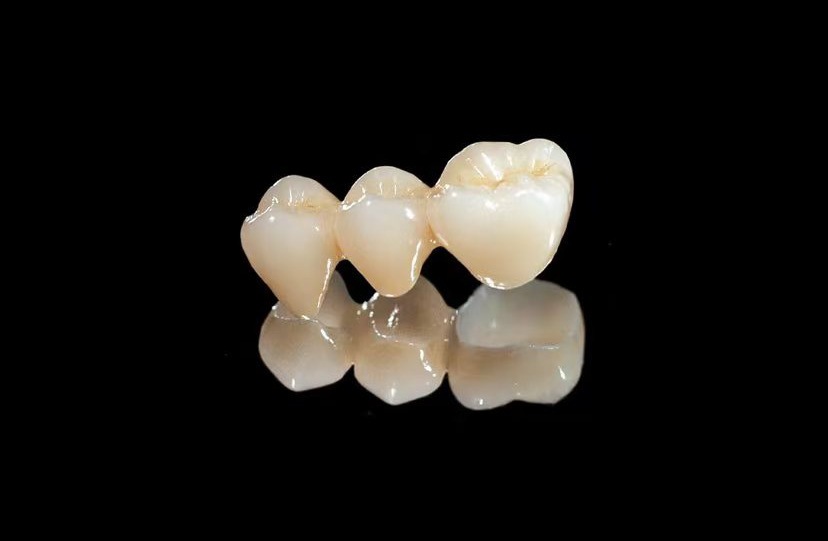
What Benefits Does White Gold PFM Offer Dental Laboratories?
White Gold PFM (porcelain-fused-to-metal) restorations can offer a combination of mechanical strength, corrosion resistance, and metal-ceramic compatibility, making them a potential option for posterior crowns and selected bridge applications. When properly designed and fabricated, they may also provide predictable fit and long-term clinical performance. These restorations have frameworks that are palladium-rich and don't change shape when porcelain is fired. This makes them perfect for long-span bridges and high-stress cases that need to last and have predictable clinical outcomes.
Introduction
The dental restoration market continues to evolve with advanced materials, yet porcelain-fused-to-metal crowns remain an established option for a range of clinical applications. Among PFM options, white gold alloys represent a strategic middle ground—offering a combination of noble-metal characteristics and mechanical performance, with material costs that may differ from higher-gold-content alloys. For dental laboratories managing production workflows, quality consistency, and client satisfaction, understanding the practical advantages of white gold frameworks becomes essential. Laboratories face constant pressure to balance material costs, turnaround speed, and clinical performance while maintaining compliance with FDA and ISO standards. This makes material selection an important consideration that can influence production consistency, remake risk, laboratory reputation, and long-term client relationships.
What is White Gold PFM?

White Gold PFM restorations are typically fabricated using palladium-based or other noble-metal alloys, with compositions varying by manufacturer and alloy system. The exact proportions of gold, palladium, silver, platinum, and other elements should be verified against the alloy manufacturer's specifications. The alloy composition provides a silver-white framework with mechanical properties and thermal behavior that vary according to the specific alloy formulation, and it keeps its controlled thermal expansion qualities during ceramic heating cycles.
Material Structure and Composition
The alloy's composition strikes a balance between safety for living things and mechanical performance. Palladium can contribute to mechanical strength, hardness, and corrosion resistance, depending on the overall alloy composition, and platinum and other alloying elements can influence the alloy's melting range, mechanical properties, and high-temperature behavior. When properly selected and processed, the alloy can provide good dimensional stability during porcelain firing cycles that are needed to make the tooth look like a real tooth.
Working Principle
The metal framework supports the tooth and can handle occlusal forces, and the ceramic coating gives the tooth the nice look that customers want. The managed coefficient of thermal expansion (CTE) between the metal and ceramic layers makes sure that the bond is strong and won't break even after years of use.
Benefits
When dental labs make posterior prosthetics, White Gold PFM restorations solve a number of important problems. These benefits have a direct effect on how well operations run and how happy customers are.
Reduced Remake Rates Through Precision Fit
The metal stays stable at high temperatures during ceramic firing, so the edges stay precisely shaped. Framework distortion or inaccurate fabrication can contribute to marginal and internal fit problems and may increase the risk of remakes. Appropriate alloy selection and controlled firing protocols can help minimize the risk of dimensional changes during porcelain processing, which makes sure that restorations fit correctly on preparations without needing too many chairside adjustments. Consistent fabrication and quality-control procedures may help reduce avoidable remakes and associated production costs.
Extended Service Life Reduces Long-Term Complications
Metal-ceramic restorations can demonstrate long-term clinical service, but their longevity varies according to alloy composition, restoration design, oral hygiene, occlusal loading, periodontal health, cementation, and other clinical factors. This durability comes from the alloy's high resistance to rust in the mouth. Base metal alternatives may oxidize and break down over time, but the noble metal content may support long-term corrosion resistance and material stability when the restoration is properly fabricated and maintained. When dentists see consistent long-term performance across multiple cases, it helps the laboratories' reputation.
Streamlined Production Workflow
Modern CAD/CAM milling technology works perfectly with white gold metal blocks. This makes digital processes possible, which improves accuracy and cuts down on the need for human labor. On the other hand, traditional lost-wax casting still works very well with this material. This gives labs the freedom to find the best ways to make things based on the equipment they already have and the skills of their technicians. The alloy's consistent behavior during processing cuts down on trial-and-error changes, which speeds up case finishing and makes it easier to plan.
Biocompatibility Minimizes Patient Complications
Compared to nickel-containing base metal alloys, Noble-metal alloys are generally associated with good corrosion resistance and biocompatibility; however, individual sensitivity depends on the specific alloy composition and patient factors. Silver can sometimes cause slight discoloration of the gums, but Allergic or hypersensitivity reactions can occur in susceptible individuals and should be considered during treatment planning. Laboratories gain confidence that restorations won't cause tissue inflammation that hurts patient comfort and clinical success. This dependability makes the relationship between the dentist and the lab stronger by lowering the number of problems that hurt professionals' names.
Advantages
When you compare White Gold PFM to other restorative materials, you can see which ones are the most competitive in ways that matter for lab work and patient results.
Superior Rigidity for Long-Span Applications
Depending on the alloy formulation, some palladium-containing white-gold alloys may provide greater rigidity than certain high-gold-content alloys. This mechanical benefit is very important for bridges with three units or more, because too much bending can break the porcelain or cause the framework to fail. The addition of platinum and palladium makes the base rigid and evenly spreads the biting forces across multiple abutments. This keeps the prosthetic and supporting teeth from having any mechanical problems.
Predictable Thermal Performance
Because white gold melts at a higher temperature than yellow gold, the framework is less likely to change shape after multiple firing cycles of porcelain. For each ceramic layer, there are exact temperature rules that must be followed so that the material can change. Its thermal characteristics can provide predictable processing behavior when the alloy and porcelain system are properly matched, and firing protocols are followed. This makes sure that the quality of each batch of production is the same, and it also cuts down on the waste that comes from failed firings.
Cost-Effectiveness for Volume Production
High-noble yellow gold options are much more expensive than White Gold PFM repairs, which are more expensive than base metal alloys. This mix is good for labs that work with price-conscious customers or dentist service groups that need to make sure the quality is the same everywhere. The material has the benefits of noble metals without the high price that makes them hard to get in the market. This positioning may make the material suitable for practices seeking a balance between noble-metal characteristics and overall material cost.
Opacity Management for Discolored Abutments
Naturally, metal-ceramic restorations are more opaque than all-ceramic options. The opaque metal framework can help mask underlying discoloration or certain dark substrates that would otherwise make the front of your mouth look bad. This characteristic may make PFM restorations suitable for selected cases where masking and functional performance are prioritized, especially in back areas where a little color difference is still clinically appropriate.
Disadvantages
To do an objective material review, you have to be aware of the limits that affect how you choose cases and talk to clients about White Gold PFM.
Esthetic Constraints in Anterior Applications
The metal base naturally blocks light from passing through the repair, making high-smile-line anterior cases look opaque in a way that doesn't look natural. All-ceramic replacements are better at achieving translucency, which is similar to the optical qualities of natural enamel. If a dentist's main goal is to improve the look of the front teeth, laboratories should suggest zirconia or lithium disilicate options. White Gold PFM may be particularly appropriate for selected posterior cases where functional requirements are prioritized, while highly esthetic anterior cases may benefit from all-ceramic alternatives.
Potential for Minor Gum Discoloration
Depending on alloy composition and soft-tissue conditions, metal-ceramic restorations may occasionally be associated with a visible grayish appearance at the gingival margin after a long time of use. Even though this effect isn't harmful to the body, patients who care about how they look may be worried about it. Dentists like it when patients are fully told about this possibility during treatment planning. This way, patients can give informed consent, which keeps them from being unhappy years after the procedure.
Processing Complexity Compared to Base Metals
When used on porcelain, white-gold alloys require processing temperatures and firing protocols appropriate to the specific alloy and compatible porcelain system. Matching the coefficients of thermal expansion between metal and ceramic requires careful choice of materials and technique. To get reliable results, labs have to spend money on things like specialized training and quality control processes. This is an operational cost that changes how prices are set and how much money they make.
Comparison
Realizing how White Gold PFM works compared to other materials helps labs make smart suggestions that fit the needs of each case.
| Characteristic | White Gold PFM | Yellow Gold PFM | Base Metal PFM | Zirconia |
|---|---|---|---|---|
| Mechanical Properties | Alloy-dependent | Alloy-dependent | Alloy-dependent | Grade-dependent |
| Biocompatibility | Generally good; composition-dependent | Generally good; composition-dependent | Composition-dependent | Generally good |
| Esthetic Potential | Moderate | Moderate | Moderate | High |
| Thermal Behavior | Alloy and porcelain dependent | Alloy and porcelain dependent | Alloy and porcelain dependent | Not applicable to metal-ceramic firing |
| Cost | Moderate | Generally higher | Generally lower | Moderate to high |
| Typical Applications | Selected posterior crowns and bridges | Selected crowns and bridges | Crowns and bridges | Anterior and posterior restorations, depending on indication |
This comparison shows that choosing the right materials means finding a balance between clinical priorities, patient expectations, and budget limits. Laboratories are useful because they help dentists make the best decisions instead of always using the same material for every case.
Clinical Indications
In some clinical situations, White Gold PFM restorations work especially well because of the way the material is made, which directly addresses treatment problems.
Posterior Crowns Under Heavy Occlusal Load
In patients with bruxism or other parafunctional habits, the bite forces on the molars and premolars are much higher than on the front teeth. Because white gold frames are so strong and rigid, their mechanical properties may make them suitable for selected high-occlusal-load cases, although clinical performance depends on restoration design, occlusion, material selection, and patient factors. Laboratories may consider this material for cases involving heavy occlusal loading or limited clearance when the clinical and material requirements are appropriate or limited occlusal clearance has been recorded, and all-ceramic choices could fail catastrophically.
Long-Span Bridge Frameworks
For bridges with three units or more, the framework needs to be as stiff as possible to keep the porcelain from breaking when the bridge bends. White gold is better than yellow gold for stiffness. This can make white-gold PFM a suitable option for selected posterior bridge applications where additional framework rigidity is desirable. When labs promote their services to prosthodontists and general dentists who handle difficult full-mouth rehabilitation cases, they can highlight this application as one of their main strengths.
Limited Occlusal Space Cases
Some clinical preparations leave little space between opposing teeth, which can be hard for all-ceramic restorations that need to be thick enough to be strong. Because the metal frame supports the structure, Metal-ceramic restorations may allow conservative preparation designs in selected cases, provided that sufficient space is available for the metal framework and veneering ceramic according to the specific system manufacturer's recommendations. White Gold PFM solutions allow treatment in anatomically limited situations where other materials would fail. This means that labs can finish a wider range of cases successfully.
Materials
The parts that go into repairs and the quality of the raw materials have a direct effect on how well White Gold PFM works in the mouth and how well they meet regulatory standards.
Noble Metal Alloy Composition
White gold tooth alloys usually have between 25 and 40 percent total precious metal content. This includes gold, palladium, and platinum in different amounts. The cost, melting range, and mechanical qualities are all affected by the exact composition. Palladium makes things harder and less likely to rust, and platinum raises the melting point and makes things more stable when they are fired in clay. Adding silver lowers the cost while still making it suitable for dental applications, depending on the alloy composition and applicable requirements for most patients. To make sure they follow the rules, laboratories should source dental alloys from qualified suppliers and verify applicable FDA registration, listing, labeling, and documentation requirements for the specific product and market that give them certified material safety data sheets and batch tracking paperwork.
Dental Porcelain Selection
To keep the ceramic overlay from breaking when heated and cooled in the mouth, the metal framework needs to be precisely CTE matched with the ceramic overlay. Manufacturers make special porcelain systems that are made to work with high-palladium white gold alloys. When you use ceramic materials that don't work well together, the chance of delamination or fracture goes up by a huge amount. This can lead to clinical failures that hurt the lab's image. Material pairing is an important part of quality control that expert staff needs to fully understand in order to keep results uniform.
Quality Control Standards
Applicable biocompatibility and material safety requirements should be verified according to the intended use, material type, manufacturer documentation, and applicable regulatory requirements. Workflows should be appropriately documented and compliant with applicable regulatory requirements. Legal security and quality promises that set professional labs apart from cheaper foreign rivals with questionable sourcing are backed up by documentation that shows material compliance. It's becoming clearer to dentists that the quality of the materials directly affects both patient safety and clinical longevity. Being open about where the materials come from can give them a competitive edge.
Manufacturing Workflow
There are several precise steps that go into making White Gold PFM restorations, which determine the final quality and fit accuracy.
Digital Impression and Case Design
Dentists start the process by sending in digital pictures or physical impressions that show the prepared tooth shape and opposing occlusion. CAD software lets you make virtual wax-up designs that find the best shapes for restorations in terms of function and appearance. Digital workflows make it easier for dentists and lab technicians to talk to each other and understand each other's handwritten prescriptions, which cuts down on mistakes. This foundation makes sure that the next steps in the manufacturing process are based on correct anatomical data.
Framework Fabrication
There are two main ways that laboratories make metal substructures. CAD/CAM milling machines use digital designs to cut pre-made alloy blocks with great accuracy and consistency, making them suitable for digitally driven and repeatable laboratory workflows. In traditional lost-wax casting, workers make wax models that they then fill with refractory material, burn out, and then fill with molten metal. Casting gives you a little more freedom to make changes to complicated bridge designs. When used correctly and with the right quality controls, both approaches can produce clinically appropriate restorations when validated processes and appropriate quality controls are used.
Porcelain Layering and Firing
Once the framework is finished, ceramic technicians carefully layer porcelain paste to make it look and feel like a natural tooth. During many firing cycles, the ceramic's thickness is slowly increased while the rates of heating and cooling are carefully controlled to avoid thermal stress. The controlled CTE of white gold alloys keeps the framework stable even after being exposed to high temperatures many times, which helps maintain dimensional stability and restoration fit. Before the final finish burning, technicians make final adjustments to occlusal anatomy, surface morphology, contacts, and overall contours so that they meet the needs for function and appearance.
Quality Inspection and Delivery
For full quality control, the working die's marginal adaptation is checked, occlusal contacts are confirmed against opposite models, shade accuracy is confirmed under standard lighting, and porcelain faults or finishing flaws are looked for. Restorations that pass review are cleaned and put in safe containers so they can be sent to dental offices. Documented inspection and quality-control procedures help maintain production traceability and support the laboratory's quality-management system.
Cost Factors
Understanding the factors that affect prices helps labs come up with competitive quotes for White Gold PFM that keep quality and profits high.
Material Expenses
The amount of noble metals in the raw materials directly affects their prices. White gold alloys are priced between cheap base metals and expensive high-gold formulations. Palladium market changes affect the price of alloys, so labs have to keep an eye on commodity trends and make changes to quotes as needed. Ceramic materials are less expensive, but they are still a big deal, especially when you use high-end aesthetic porcelain systems. Material costs represent one component of the overall cost and vary according to alloy composition, ceramic system, case complexity, labor, equipment, and production volume.
Labor and Technical Expertise
Skilled dental ceramic technicians get paid a lot because it takes years of training to become an expert in porcelain art. Whether the framework is made or cast, it needs to be set up carefully and have quality control checked. The many steps in the production process take three to five days because the pieces have to go through design, manufacturing, firing, and finishing stages. Labor represents a significant component of the total cost, particularly for restorations requiring detailed framework design, porcelain layering, finishing, and quality inspection. This makes staff efficiency and keeping skilled workers important business issues.
Equipment and Facility Investment
CAD/CAM milling systems, porcelain ovens, casting tools, and digital scanners are all big purchases that labs spread out over a lot of output. To follow the rules, businesses need to have quality management systems, clear rules for paperwork, and regular audits of their certifications. All of these things add up to ongoing administrative costs. These costs affect the lowest prices that labs need to stay in business while still providing approved quality that meets professional standards.
How to Choose a Supplier
When dental offices and labs outsource White Gold PFM production, they can get better results by carefully evaluating suppliers based on the skills that directly affect clinical success.
Verify Regulatory Certifications
Check to see if the makers still have their current ISO 13485:2016 approval, which shows that their quality management system is up to date. Check to see if the buildings and materials used in production are registered with the FDA. Ask for copies of biocompatibility test results and material safety data sheets that show that metals and ceramics meet international standards. These credentials can help dental professionals evaluate suppliers based on documented quality-management and regulatory practices, which puts customers at risk of liability.
Assess Production Capabilities
Check to see if the suppliers have both traditional casting skills and current CAD/CAM tools, so they can handle a variety of case types. Look at some examples of cases that show some minor issues with alignment, occlusal polish, and the quality of the finishing. To make sure that your volume needs are met by your supplier's throughput, understanding production capacity and standard turnaround times can help laboratories plan cases and set realistic delivery expectations. Knowing what a factory can do keeps you from being disappointed when shipping standards aren't met, or quality isn't consistent.
Review Service and Support Policies
Warranty terms vary by laboratory and supplier. Dental professionals should review the specific warranty coverage, exclusions, remake policy, and claim procedures before placing cases and covers problems with the way the product was made. Make sure you understand the redo process, how the items will be shipped, and what kind of expert help is available for fixing problems with fit or appearance. Responding quickly to messages is a key way to stand out, especially when dealing with urgent cases that need quick production. When suppliers commit to business relationships instead of transactional ones, they provide more long-term value by working together to solve problems.
Maintenance
If you take good care of your White Gold PFM repairs, they will last longer and keep working well for years to come.
Patient Homecare Instructions
Dentists should teach their patients how to properly clean their teeth every day, including how to brush along the edges of restorations and how to floss regularly to stop secondary decay at crown edges. Even though the repair itself doesn't decay, the natural tooth structure that is visible at the edges is still at risk. Regular professional examinations and cleanings should be scheduled according to the patient's individual oral-health needs and the treating dentist's recommendations to get rid of plaque and calculus buildup that could hurt the gum health next to implants. Patients with bruxism may benefit from an appropriately designed occlusal appliance when recommended by their dental professional to protect their fillings from too much occlusal force while they sleep.
Professional Monitoring
Restoration assessment should be a normal part of dental exams. This means checking for marginal integrity, cement seal maintenance, and opposing tooth wear. Finding possible complications early on lets conservative measures be used before they fail. Dentists should check occlusion on a regular basis because normal tooth wear can make new contacts on crowns that need to be adjusted. Long-term performance can be supported through regular professional monitoring and appropriate patient maintenance.
Key Takeaways
Dental laboratories producing posterior crowns and bridges may consider White Gold PFM as one option when its material characteristics align with the clinical requirements of the case. Depending on the alloy formulation, palladium-containing PFM alloys can provide useful mechanical properties for selected posterior and bridge applications and keep the noble metal biocompatibility if the specific alloy is appropriately selected for the patient. Thermal stability during porcelain firing ensures consistent minor accuracy, which cuts down on expensive remakes and boosts the lab's reputation. The prices of materials are balanced between cheap base metals and expensive high-gold choices. This makes prices reasonable for a wide range of customers. Laboratories are able to do well by strategically using White Gold PFM in the right clinical situations, such as posterior high-stress applications, long-span bridges, and limited-clearance cases. Other materials are suggested when anterior esthetics or specific patient factors call for different solutions. For success, you need to get high-quality materials from approved sources, follow strict production rules, and be honest with dentist clients about what the materials can and can't do.
FAQ
What is the difference in how well White Gold PFM and Yellow Gold PFM work in the clinic?
White Gold PFM alloys are about as accurate as yellow gold on the edges, but their high-temperature behavior depends on the specific alloy formulation; palladium and platinum can contribute to the alloy's thermal and mechanical properties. This mixture raises the melting point, which lowers the chance of framework warping during multiple firing rounds of porcelain. White gold is stiffer than high-content yellow gold, which makes it better for long-span bridge frames that need extra stiffness to keep them from bending when the teeth bite down on them.
Is it possible for White Gold PFM to make people allergic?
Some noble-metal alloys may have a lower risk of hypersensitivity than nickel-containing base-metal alloys; however, patient sensitivity depends on the specific alloy composition and individual factors. The composition of noble metals is very biocompatible for most patients. However, the silver content may sometimes cause small gum discoloration that shows up as gray shadows near the edges of the repair. Although clinically significant hypersensitivity is uncommon, known metal sensitivities should be considered during treatment planning; dentists should write down any known metal sensitivities when planning treatment.
How long do most White Gold PFM repairs last?
If they are made correctly, White Gold PFM crowns and bridges can provide long-term clinical service when properly designed, fabricated, placed, and maintained. Actual longevity varies considerably depending on clinical and patient-specific factors. A tooth's longevity depends on many things, such as how well it is cleaned, how hard it bites down, what kind of restoration it is, and how it is glued in place. When compared to base metal options, the noble metal content resists corrosion and keeps the structure strong even after decades of being exposed to the mouth environment.
Which type of preparation works best for White Gold PFM crowns?
Preparation dimensions should follow the requirements of the selected metal-ceramic system and the treating clinician's restorative plan. A chamfer or other appropriate finish line may be used depending on the clinical situation and material requirements for the framework and the right amount of ceramic thickness for aesthetics. When preparations are made according to these rules, the controlled thermal expansion of white gold alloys keeps the exact marginal adaptation. Enough occlusal space keeps thin ceramic parts from breaking when they are functionally loaded.
How can porcelain fracture on white gold frames?
Porcelain fracture or delamination can result from several factors, including metal-ceramic thermal mismatch, framework design, porcelain thickness, firing procedures, occlusal loading, and handling. For white gold alloys to work, they need special porcelain mixtures that are made for high-palladium mixtures. If you use dental porcelain that doesn't work well together or don't cool the metal and porcelain properly during firing, they can shrink at different rates. This creates internal stresses that cause delamination. Appropriate cooling protocols can help reduce residual thermal stresses within the metal-ceramic system.
Partner with HYC for Premium White Gold PFM Solutions
With 22 years of experience making high-precision White Gold PFM restorations, HYC Dental Laboratory provides White Gold PFM restorations for dental practices and laboratories managing a range of posterior cases. HYC operates under an ISO 13485:2016-certified quality-management system and sources dental materials from qualified suppliers with applicable regulatory documentation that meet strict biocompatibility standards. These quality-management and production processes are designed to support consistent fit, material quality, and long-term restoration performance. We know that the number of remakes has a direct effect on your image and your ability to make money. Our CAD/CAM workflows and quality-control procedures are designed to support consistent restoration fit and reduce avoidable remakes, which cuts down on chair time and adjustments. Standard cases are typically shipped within three working days, with expedited options available for eligible cases. HYC provides a 2-year warranty for eligible fixed restorations, subject to the applicable warranty terms and conditions, and includes remake support for eligible cases, subject to the applicable warranty terms and conditions, which shows that we trust our manufacturing to be of the highest quality. Whether you need a simple crown or a complicated multi-unit bridge framework, HYC can work with your team to develop restoration solutions aligned with the clinical and laboratory requirements of each case. Get in touch with our technical team right away at info@hycdentallab.com to talk about how our White Gold PFM production services can help your patients and improve your clinical results.
References
1. Anusavice KJ, Shen C, Rawls HR. Phillips' Science of Dental Materials, 12th Edition. Elsevier Health Sciences, 2013.
2. Rosenstiel SF, Land MF, Fujimoto J. Contemporary Fixed Prosthodontics, 5th Edition. Mosby, 2016.
3. Wataha JC. "Biocompatibility of dental casting alloys: a review." Journal of Prosthetic Dentistry, 2000; 83(2):223-234.
4. Leinfelder KF, O'Brien WJ, Taylor DF. "Metal-ceramic compatibility: effect of the thermal properties of the substrate." Journal of Dental Research, 1978; 57(1):15-21.
5. Pjetursson BE, Sailer I, Makarov NA, Zwahlen M, Thoma DS. "All-ceramic or metal-ceramic tooth-supported fixed dental prostheses: a systematic review of the survival and complication rates." Dental Materials, 2015; 31(6):624-639.
6. Craig RG, Powers JM. Restorative Dental Materials, 11th Edition. Mosby, 2002.
YOU MAY LIKE
 Full Cast Crowns.webp "Base Metal (Non-Precious) Full Cast Crowns")