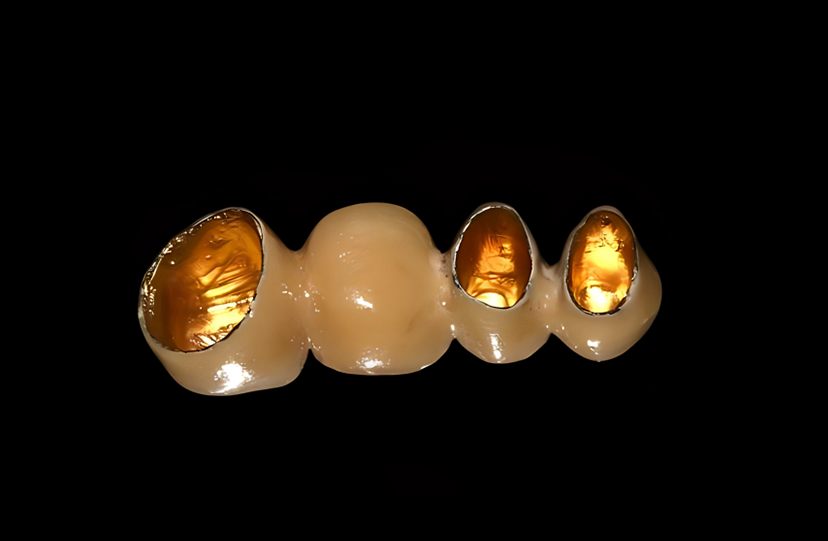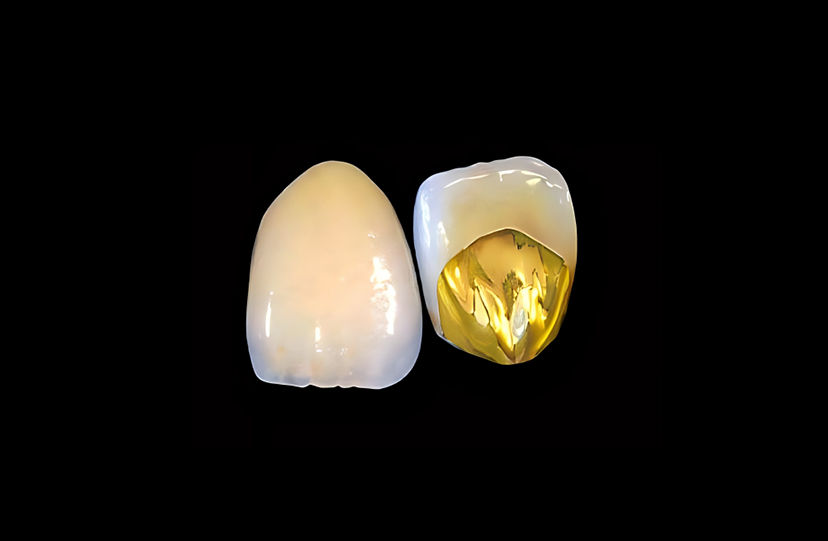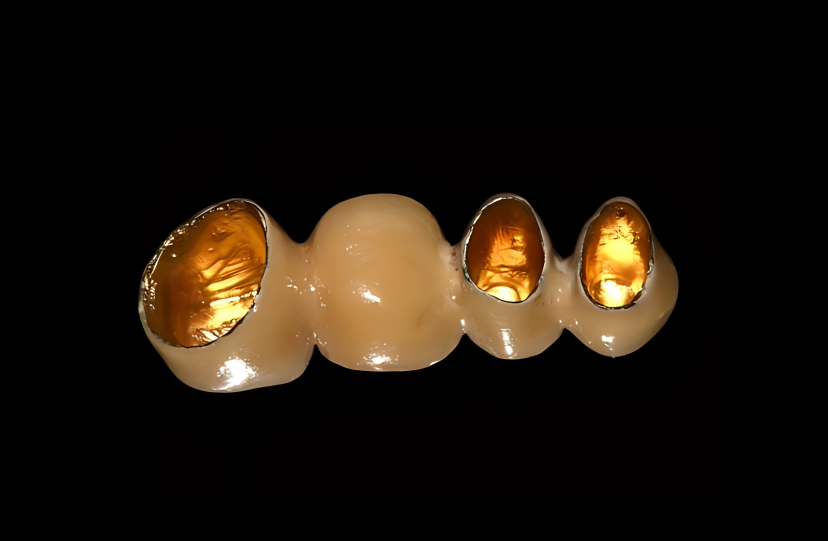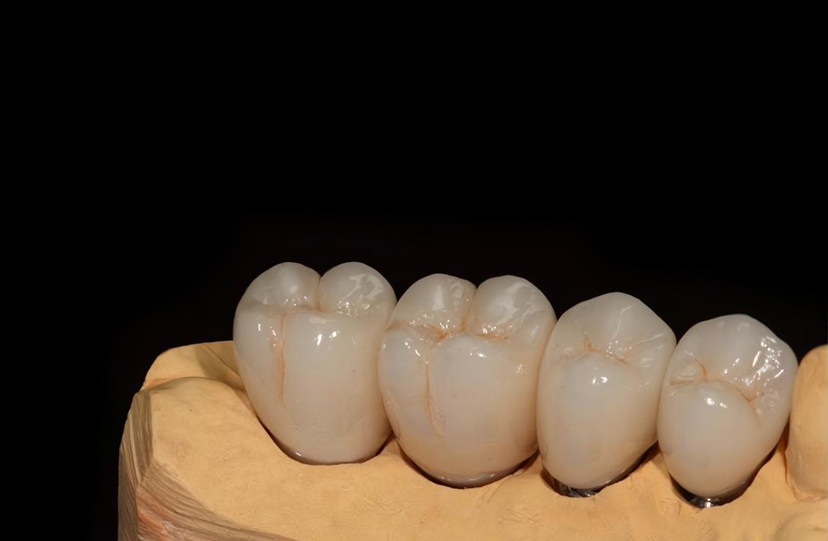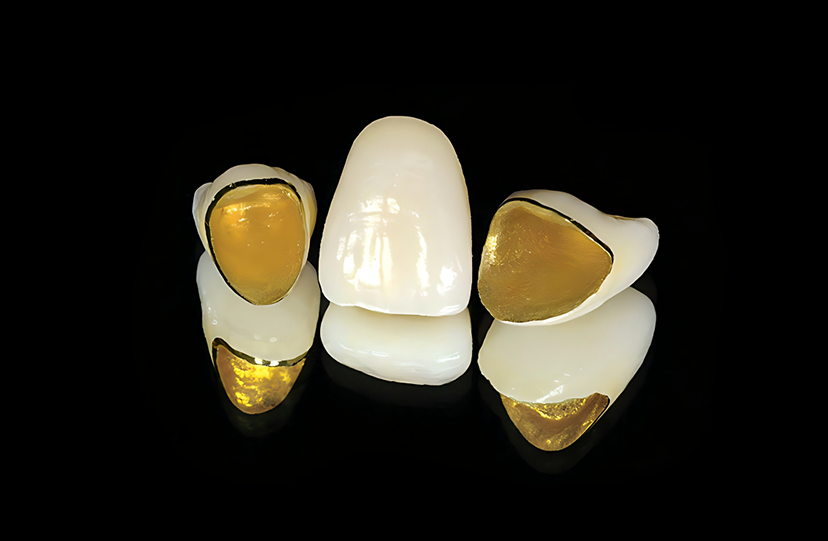
PFM Yellow gold
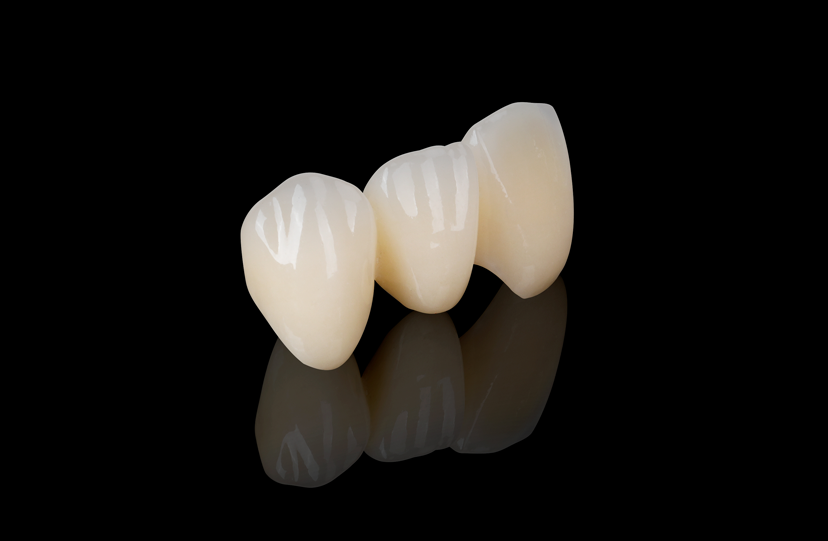
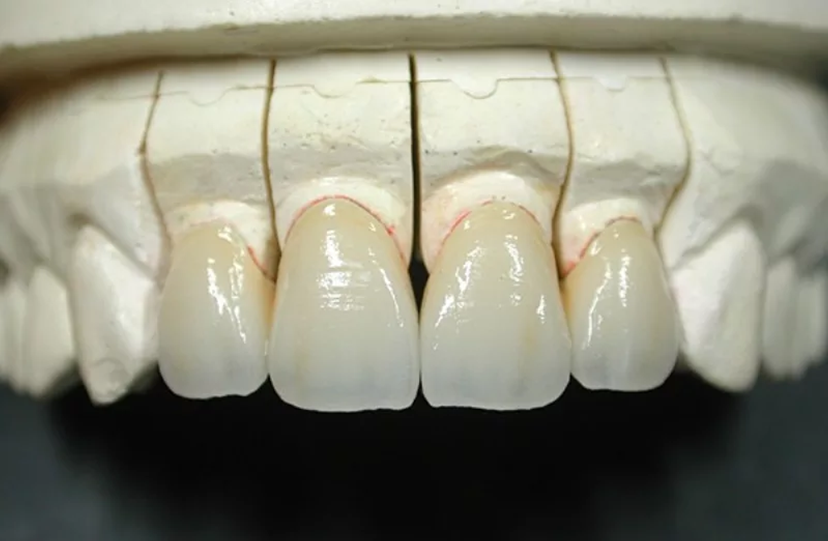
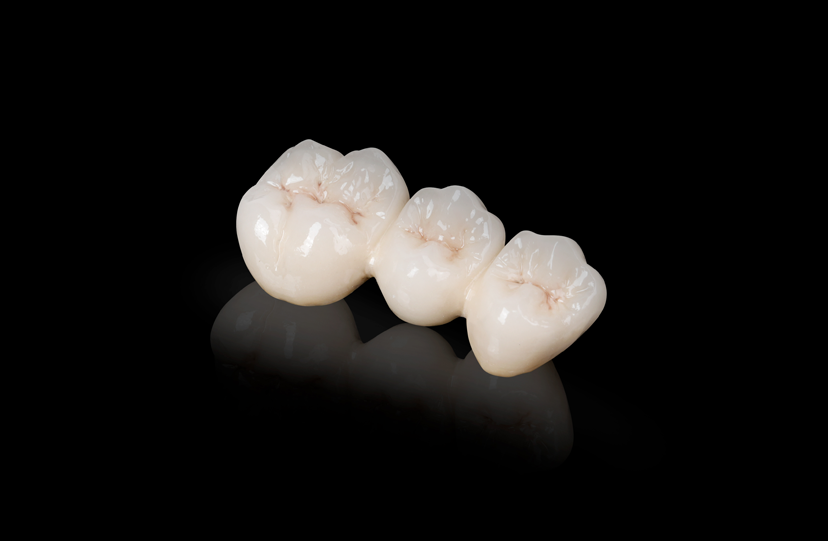
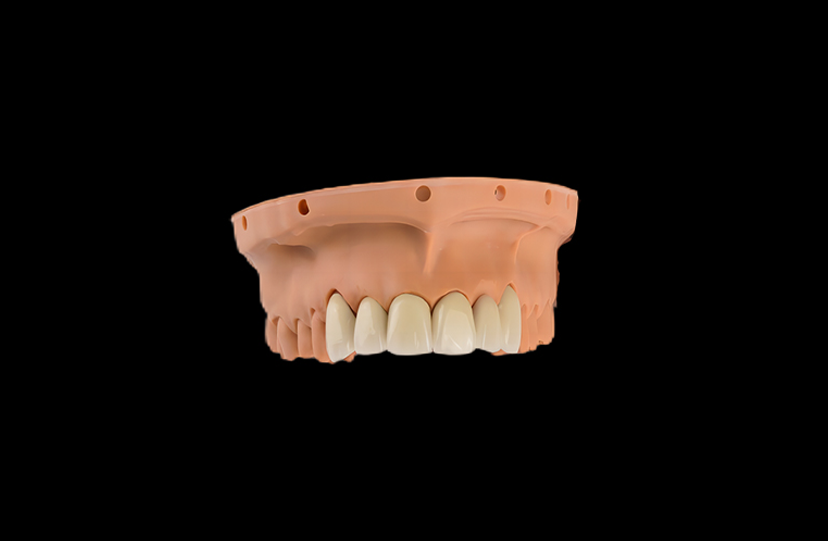
PFM Yellow Gold: Premium Dental Restorations Built to Last
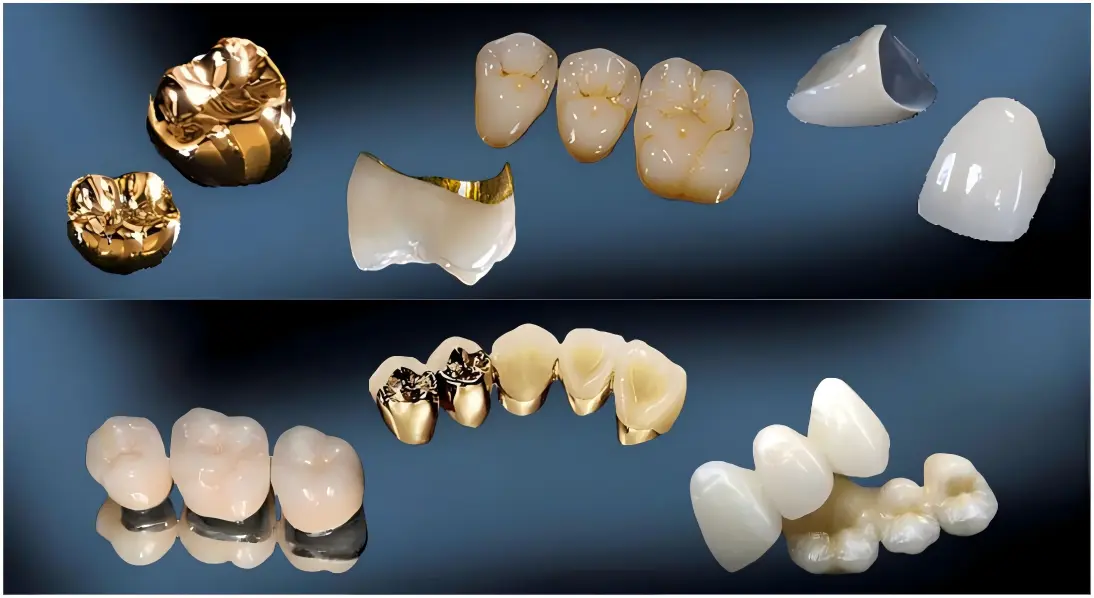
PFM Yellow gold combines the time-tested strength of high noble metal alloys with the aesthetic appeal of porcelain. At HYC Dental Laboratory, we've crafted these restorations for over 22 years, serving clinics across Europe and the United States. Our item (PFM Yellow Hi-Nobel) highlights gold amalgam blended with copper, silver, palladium, or platinum—offering uncommon ductility, flexibility, and wear resistance that matches characteristic tooth finish. With an ISO 13485 certification and US FDA enlistment, you can believe each reclamation meets universal restorative gadget standards.

Why Choose Yellow Gold PFM Crowns?
Traditional base-metal crowns frequently take off dull gray lines at the gum edge. Our item dispenses with this issue with its warm, common gold hue.
When gum retreat happens, you'll see a more stylishly satisfying gold color instep of unattractive dim shadows. The gold substructure gives a hotter foundation for layered porcelain, making characteristic translucency that mirrors genuine tooth finish flawlessly.
Key Benefits You'll Love
Kinder to Opposing Teeth
Yellow gold is softer than base metals. It wears at nearly the same rate as natural enamel, causing minimal damage to opposing dentition—a major advantage for patients with bruxism.
Superior Biocompatibility
High noble metal content means excellent tissue response. It's non-toxic, chemically inert, and won't corrode or cause gum tattooing.
Exceptional Longevity
With proper care, these restorations frequently last twenty to fifty years—far outlasting many modern alternatives.
Precise Marginal Fit
Our advanced CAD/CAM workflow ensures superior marginal integrity. You'll enjoy an excellent first-time fit rate and extremely low remake rates, saving valuable chair time.

Technical Specifications of PFM Yellow gold
| Feature | Specification |
|---|---|
| Material Composition | High noble metal (gold with copper, silver, palladium, or platinum) |
| Tensile Strength | Suitable for long-span bridges (up to 14 units) |
| Biocompatibility | Excellent—ideal for metal-sensitive patients |
| Marginal Fit | Superior precision for optimal seal |
| Service Life | 20–50 years with proper maintenance |
| Standard Lead Time | 3 days for crowns; 4–5 days for bridges |
| Warranty | 2 years on fixed restorations |
Ideal Clinical Applications
Best Used For:
- Posterior crowns and bridges where strength is critical
- Patients with bruxism or heavy occlusion
- Cases requiring high biocompatibility (metal sensitivities)
- Restorations needing porcelain margins for front-facing aesthetics
- Crowns with attachments or partial denture abutments
Not Recommended For:
- Extreme anterior aesthetic demands (unless porcelain butt margin is used)
- Very short clinical crowns with insufficient retention
- Patients with confirmed noble metal allergies
Preparation Guidelines
| Area | Reduction Requirement |
|---|---|
| Facial/Buccal | 1.5–2.0 mm (minimum for adequate porcelain layering) |
| Lingual | Approximately standard (more if no opposing contact) |
| Margin Type | Chamfer preferred; shoulder for porcelain labial margin |
| Finish | Smooth all surfaces; remove sharp edges |
Proper preparation depth is crucial for PFM Yellow gold. Shallow preps won't give your lab enough room to mask the gold substructure effectively.
Why Partner with HYC Dental Laboratory?
Certified Quality Control
Every restoration is FDA-listed, CE certified, and manufactured under ISO 13485:2016 standards.
Fast, Reliable Delivery
Standard 3-day shipment. Need it faster? We offer priority processing and same-day flash delivery for selected regions.
Full Customization
We work from your prescriptions and case requirements—compatible with digital impressions and traditional workflows.
Comprehensive Warranty
2-year warranty on fixed restorations. Free repair or remake for quality-related issues, plus continuous technical support.

Frequently Asked Questions
Q:How do I prevent the yellow metal from "peeking through" the porcelain?
A:It's all about the opaque wash. Use a gold-tone opaque to harmonize with the metal, followed by a high-value opaque layer to neutralize chroma before applying dentin porcelain. Ensure 1.5–2.0 mm facial reduction—shallow preps won't provide enough space for proper layering.
Q:Is yellow gold still the best choice for patients with bruxism?
A:Absolutely. Yellow gold has a wear rate almost identical to natural teeth, making it the most enamel-friendly metal available. For heavy grinders, consider a full-metal occlusal surface in yellow gold with porcelain only on the facial side—combining durability with aesthetics.
Q:Why did the porcelain "pop off" the gold framework?
A:High-gold alloys can slightly deform under furnace heat, creating internal stress. We use high-stability gold alloys containing iridium or ruthenium to prevent sagging during firing. Avoid yellow gold for long-span posterior bridges where framework flex might exceed porcelain brittleness.
Q:How do I justify the cost of Yellow Gold over Zirconia?
A:Yellow gold is the most chemically inert metal in dentistry. It won't corrode, cause gum tattooing, or compromise marginal seal. While it costs more initially, its superior fit and longevity often outlast other materials by a decade or more—potentially saving patients from costly replacements or implants down the road. Plus, it has a proven 50-year clinical track record.
Ready to Elevate Your Restorative Cases?
Experience the difference that PFM Yellow gold precision craftsmanship and premium materials make. Contact our team today at info@hycdentallab.com to discuss your next case.
HYC Dental Laboratory—22 years of excellence in dental restorations.
SC-Bold