How Can Metal Chrome Partial Framework Enhance Dental Restoration?
Quick Answer
A Metal Chrome Partial Framework provides reliable durability, accurate fit, and improved design flexibility compared with traditional acrylic alternatives. Constructed from biocompatible cobalt-chromium alloys, these frameworks offer exceptional strength-to-weight ratios, minimal oral space occupation, and long-term cost-effectiveness. Their slim-profile design reduces speech interference and improves mastication function, while their rigid structure provides reliable support for multiple missing teeth scenarios, making them a commonly selected option for many prosthodontic applications seeking predictable, long-lasting removable prosthetic solutions.
Introduction
The dental restoration industry is always changing to find solutions that are good for both patients and doctors. Removable partial dentures are an important part of prosthetic dentistry that help patients with partial tooth loss restore oral function and aesthetics who are missing some teeth. In this situation, the framework material you choose has a direct effect on how well treatment works, how well patients follow through, and how successful you are in the long run.
Metal Chrome Partial Frameworks are widely recognized for their strength, durability, and clinical versatility in removable prosthodontics because they offer different mechanical and design advantages compared with acrylic resin frameworks. Dental laboratories and clinical practices increasingly recognise that framework selection influences not only restoration longevity but also patient acceptance, tissue health, and overall treatment efficiency. When dentists know how these precision-engineered frames improve the quality of restorations, they can make smart purchasing decisions that support efficient clinical workflows and long-term treatment planning.
What is a Metal Chrome Partial Framework?
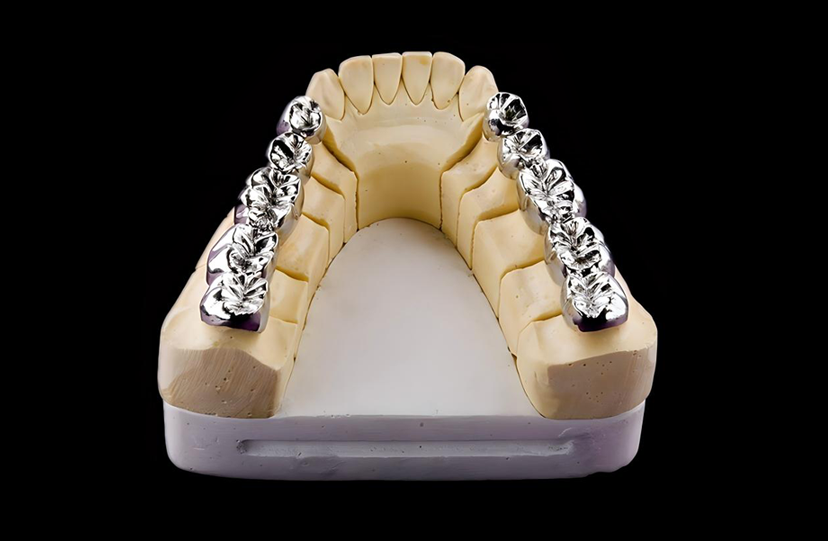
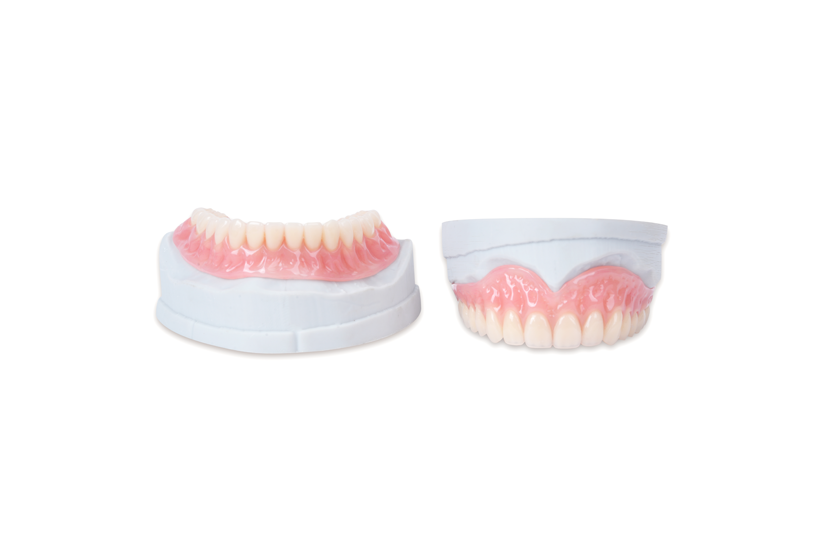
A Metal Chrome Partial Framework is the main structure of a removable partial denture. It is carefully cast from cobalt-chromium (Co-Cr) alloys to support the false teeth and acrylic parts rigidly. This biocompatible metal substructure attaches to the remaining natural teeth using carefully planned clasps, rests, and connectors. It does this by spreading the biting forces evenly across the supporting tissues and abutment teeth.
The engineering of the framework includes several useful parts, such as major connectors that join the two halves of the framework, minor connectors that connect the different parts, retentive clasps that hold the prosthesis to the teeth that it fits against, and rests that direct forces along the long axes of the teeth. Instead of using bulky acrylic designs, cobalt-chrome frames keep their structure together using the qualities of the material instead of mass, which makes the cross-sections much smaller.
For production, lost-wax casting methods are often mixed with CAD/CAM technology. Digital planning helps achieve accurate framework design and consistent fitting performance and has the right tissue contours. The framework that was made has high structural stability under normal functional conditions, is designed using materials evaluated according to applicable biocompatibility standards, including ISO 10993, and has strong mechanical qualities, such as a tensile strength of over 600 MPa. When precision engineering and material science are put together, they form a base that can solve many health problems at once.
Benefits
The clinical and practical benefits of Metal Chrome Partial Frameworks are truly changing, and they directly address common pain points in portable prosthetics. These perks cover the experience of the patient, the efficiency of the clinic, and the cost of long-term care.
Enhanced Patient Comfort and Function
The thinness of the frames greatly lowers the coverage of the palate and tongue, making a "slim-fit" profile that many patients can adapt well to after an adjustment period. This saves space and makes speech clearer during the important adjusting period because the tongue stays in its natural position and doesn't have to deal with big acrylic palates. The higher thermal conductivity of cobalt-chromium compared with acrylic materials may contribute to a more natural oral sensation. The rigid metal structure doesn't bend, which is common with flexible acrylic designs and can cause tissue irritation and ulceration.
Superior Clinical Performance
Because of its mechanical properties, cobalt-chrome can be used to make precise clasps with consistent holding forces that keep prostheses stable without hurting the teeth that hold them in place. The stiffness of the framework helps minimise unwanted movement and supports more stable load distribution under denture bases. This keeps the ridge's shape over long service periods. Rest seats that are machined into the framework direct occlusal forces along stress paths that are good for the teeth and gums. This helps distribute functional forces more evenly across supporting structures and keeps the structure stable in the vertical direction. Because of this biomechanical efficiency, changes and relines don't have to be made as often, which doesn't mess up patients' plans or the clinic's workflow.
Extended Service Life and Cost-Effectiveness
Even though they cost more to make at first than acrylic options, they can provide long-term service performance, with lifespan depending on design, maintenance, and clinical conditions under normal conditions, while acrylic frameworks only last three to five years. The material's resistance to fatigue failure, permanent deformation, and chemical breakdown from oral fluids is what makes it last so long. The longer service interval lowers the total costs of remake procedures, lab fees, and clinical chair time, which may contribute to improved long-term cost efficiency. Due to better first-time fit accuracy and physical stability, accurate fabrication and quality control processes can help reduce adjustment and remake requirements.
Advantages
Metal Chrome Partial Frameworks offer several advantages compared with acrylic alternatives in specific clinical situations. This makes them a suitable option for many challenging clinical situations and quality-focused practices.
Because the material is naturally strong, designers can create thinner framework designs compared with conventional acrylic alternatives while still being very strong. This smaller size directly leads to higher rates of patient acceptance and shorter times needed to get used to the new device. Medical-grade cobalt-chromium alloys are biocompatible, which means they are generally considered biocompatible, although individual sensitivities may occur or make tissues more sensitive. In fact, adverse reactions are uncommon but should be considered during treatment planning in clinical literature.
When you combine precision casting with CAD/CAM design, you can achieve highly accurate digital design and manufacturing consistency. This makes sure that the tissue is in close contact with the part, which spreads pressure widely and stops localised trauma. This accuracy may reduce the need for extensive chairside adjustments compared to plastic frames. This makes appointments go more quickly, and patients are happier. Because the frameworks can work with different denture tooth materials and processing methods, prosthodontists have a lot of choices when planning treatment.
Digital workflow integration in manufacturing processes allows for complete customisation to meet the anatomical needs of each individual, including complex arch shapes, severe undercuts, and asymmetrical ridge configurations that are hard to achieve with standard designs. The thermal conductivity coefficient of the frames provides greater thermal conductivity than acrylic materials, which may contribute to a more natural perception of temperature, which is not possible with plastic forms that insulate.
Disadvantages
As part of a professional evaluation, Metal Chrome Partial Frameworks must be taken into account so that the right cases are chosen, and patients' needs are met.
The shiny look of the material is unattractive in the front, where the clasp can be seen and could hurt the patient's facial results, especially if they have deep smile lines. Even though changes to the design can lessen this effect, it is still hard to completely hide in some body types. Even though the rigidity of the framework is good for biomechanics, it can't be used on people with severe undercuts or limited hand dexterity who would benefit from more flexible designs.
Initial fabrication costs are 40–70% higher than acrylic alternatives, which can be a problem for patients who are price-conscious even though the long-term benefits are better. The manufacturing process needs special lab tools and technicians with the right skills, which could limit the amount that can be made or how quickly it can be turned around compared to making plastic, which is easier. For repair methods to work, adjustments have to be made in the lab instead of at the chairside, which means that service times are longer when changes need to be made.
The density of cobalt-chrome makes frameworks a little heavier than high-impact acrylic designs, even though studies on how patients feel about this difference show that it doesn't usually affect comfort or retention in properly designed prostheses. To avoid making sharp edges or weakening the structure, removing material during adjustment needs to be done with the right burs and skill.
Comparison: Metal Chrome vs. Acrylic Frameworks
Figuring out how different framework materials perform lets you make purchases based on facts, which are in line with clinical goals and patient groups.
| Parameter | Metal Chrome (Co-Cr) Framework | Acrylic Resin Framework |
|---|---|---|
| Material Strength | High mechanical strength and rigidity | Lower rigidity compared with metal frameworks |
| Framework Thickness | Thin-profile design (approximately 0.5–1.2 mm) | Requires greater thickness (approximately 2.0–3.5 mm) |
| Structural Stability | Excellent support with minimal deformation under functional forces | More flexible and prone to dimensional changes |
| Weight | Lightweight metal design with high strength-to-weight ratio | Lightweight but requires more material volume |
| Service Performance | Designed for long-term clinical use with proper maintenance | Suitable for temporary or cost-sensitive applications |
| Adjustment Requirements | Usually requires laboratory modification for major adjustments | Easier chairside adjustments in some situations |
| Initial Cost | Higher initial investment due to material and fabrication process | Lower initial cost |
| Thermal Conductivity | Higher thermal conductivity, providing a more natural temperature perception | Lower thermal conductivity due to insulating properties |
| Design Flexibility | Precise CAD/CAM design supports complex framework customization | Limited design options compared with metal frameworks |
| Clinical Applications | Commonly selected for patients requiring durable removable partial denture solutions | Often considered when simplicity and affordability are priorities |
The comparison shows that Metal Chrome Partial Frameworks provide advantages in areas important for removable prosthodontic applications, including durability, structural stability, design precision, and long-term performance. Acrylic frameworks remain a practical option when lower initial cost and easier adjustment are primary considerations. Acrylic frames are cheaper to buy and easier to fix at first, but they cost more in the long run because they need to be replaced and adjusted more often. Metal frameworks are usually preferred by practices that value professional quality and patient retention, even though they require a bigger initial investment.
Clinical Indications
Metal Chrome Partial Frameworks are useful in a variety of clinical situations where a detachable artificial restoration is needed to replace missing teeth in a way that fits the patient's anatomy and function.
Kennedy Classification Applications
Kennedy Class I and II cases, which have posterior spaces for one or both missing teeth, benefit a lot from metal frameworks because they distribute load better and support the distal extension base. In these tough physical situations, the hard metal structure stops the denture base from bending, which speeds up ridge resorption. In Class III situations with limited empty spaces between teeth, metal clasping precision is used to ensure optimal retention without putting too much stress on the abutment. Class IV anterior edentulous cases need careful attention to how they look, but they work out very well when the framework design keeps metal parts as hidden as possible.
Patient Profile Considerations
Patients with high functional demands, like those who need to speak professionally or live busy lives, do best with metal frames because they are stable and require little oral volume usage. The material's resistance to wear and its ability to keep its shape under parafunctional loading are good for bruxism cases. Patients with complicated medical histories who need long-term anticoagulation therapy like how durable the framework is. This means that they don't have to have as many dental procedures that could cause bleeding.
Prosthodontic Treatment Strategies
Metal frameworks are great for full treatment plans with many steps because they can be used as temporary restorations while implants fuse with the bone or as permanent solutions if implant placement is not possible. The accuracy of the frames makes it easier to make combination cases with fixed and removable parts, which supports overdenture designs that connect to implants or roots. Strategic framework design lets you change things in the future if you lose teeth, which protects your treatment investment through flexible prosthesis architecture.
Materials
Metal Chrome Partial Frameworks' performance comes directly from the carefully chosen alloy compositions and manufacturing-grade materials that meet strict regulatory standards.
Cobalt-Chromium Alloy Composition
Medical-grade Co-Cr alloys usually have between 58 and 68% cobalt, 26 to 32 % chromium, and 4 to 6 % molybdenum. They also have small amounts of manganese, silicon, and carbon that make the metals stronger and easier to cast. This mixture strikes the perfect balance between strength, biocompatibility, and ease of processing. Molybdenum makes the metal stronger and easier to cast, and chromium forms passive oxide layers that protect against rust in the mouth. The paperwork that certifies the materials shows that they meet the requirements of ASTM F75 for surgical implants and ISO 22674 Type 5 for removable dental prostheses.
Biocompatibility and Safety Standards
According to ISO 10993 biological evaluation standards, framework alloys are put through strict testing procedures to see how they affect cells, the ability to make people more sensitive, and the irritation of mucosal surfaces. FDA-listed materials make sure that quality is consistent across production batches and that they can be tracked. Co-Cr alloys are designed to meet applicable material safety requirements when they're in a physiological state, and tests have shown that the concentrations of cobalt and chromium are well below the levels that cause harmful biological reactions. Material safety data sheets confirm that the product material composition can be verified through supplier documentation and quality records, which are known to cause allergies.
Acrylic and Denture Tooth Materials
Heat-cured polymethyl methacrylate that meets ISO 20795-1 standards for mechanical strength and physical stability is used to make denture bases out of processed acrylic resin. When false teeth are attached to frames, they are made of acrylic or composite materials that are chosen for their durability and good looks, depending on what the patient wants. The chemical connection between metal frames and plastic parts is not based on adhesive surfaces, but on mechanical retention through framework beading and undercut design.
Manufacturing Workflow
To make precise Metal Chrome Partial Frameworks, you need to use both digital and traditional methods together, making sure that the results are always the same through controlled quality checks.
Digital Design and Planning
The process starts with high-resolution intraoral scanning or precise impression techniques that record 20-micron-level anatomical detail. CAD software turns scan data into three-dimensional models that prosthodontists use to virtually plan framework architecture. They do this by looking at abutment teeth to find the best way to insert the prosthesis and designing clasping systems that have precise retention properties. Before they can be made, biomechanical simulations of virtual frameworks are used to check how stress is distributed.
Pattern Creation and Investment
Using subtractive milling or additive 3D printing, approved computer plans are turned into resin models. Patterns are carefully checked to make sure they are the right size and shape according to the design specs. The rest seats, clasp curves, and connector dimensions are given extra attention. During investment processes, designs are embedded in temperature-resistant casting material. This makes mould cavities that accurately copy the geometry of the framework. Controlled burnout cycles get rid of pattern material and prepare the investment for the introduction of metal.
Precision Casting and Finishing
When the cobalt-chromium alloy is heated to 1350–1450°C, it melts and flows into empty mould holes under centrifugal or vacuum-pressure forces, making sure that all the fine framework details are filled in. Cooling techniques stop internal stress from building up, which could affect how well a fit works. After being divested, the frameworks are finished in a planned way. Sprues and investment residue are removed, edges and tissue surfaces are smoothed out, and clasps are polished to improve their flexibility and retention. Using coordinate measurement techniques, the sizes of each framework are checked against the design specifications.
Quality Control and Testing
Finished frameworks go through a lot of checks to make sure they fit correctly on master models, that the clasp holding force is within the 5–10 Newton goal range, and that the surface quality is good and there are no holes or casting flaws. Before the final inspection and paperwork, the frameworks are cleaned with ultrasonic waves and given passivation treatments that make them more resistant to corrosion. Manufacturing records keep full traceability by connecting finished frames to certificates for materials, processing parameters, and results of quality checks.
Cost Factors
Figuring out what factors affect the price of Metal Chrome Partial Frameworks lets you make smart budgeting and buying choices based on value.
The cost of materials makes up about 15 to 20 percent of the total cost of the framework. Medical-grade cobalt-chromium alloys cost between 47 and 55 dollars an ounce, based on the purity requirements and the source ties. 50 to 60 percent of prices are based on the costs of lab fabrication, which includes skilled technician labour, running a CAD/CAM system, using casting tools, and quality control processes. Complex framework designs that need complex clasping systems, precise attachments, or anatomical customisation cost more because they take longer to design and are more technically difficult.
Regulatory compliance investments, such as maintaining the ISO 13485 quality management system, keeping records on material traceability, and following biocompatibility testing protocols, are spread out over a range of production volumes. Smaller laboratories have higher compliance costs per unit. Regional differences in labour costs, shipping operations, and the way competition works in the market all affect prices. Economies of scale can be found in order volume. For example, batch production cuts costs per unit by 15–25% compared to processing each case individually.
Certification standards for export markets—CE marking for sale in Europe and FDA registration for entry to the U.S. market—require more paperwork and testing, which is mirrored in the way prices are set internationally. For urgent clinical deadlines, expedited production services usually come with extra fees of 30 to 50 percent to cover priority scheduling and faster processing protocols. The full cost analysis shows that the framework investment makes up 30–40% of the total cost of a portable partial denture. The rest of the cost goes to preparing the denture base, making the false teeth, and delivering the denture in a clinical setting.
How to Choose a Supplier
To find a trustworthy Metal Chrome Partial Framework maker, you need to carefully look at their performance in a number of areas that are important for clinical success and operating efficiency.
Manufacturing Capability and Quality Systems
Check the production capacity of each provider to make sure that turnaround times are uniform and meet the needs of the clinical process. Pay special attention to surge capacity during times of high demand. Use certification and audit reports to check that ISO 13485:2016 quality management systems are being used correctly. Look at how well the CAD/CAM technology works together, how advanced the casting equipment is, and the quality control infrastructure, such as the ability to measure coordinates and the systems that test holding force. Ask for case study examples that show the range of framework complexity and the ability to solve anatomical challenges.
Regulatory Compliance and Material Traceability
Check the FDA establishment registration and medical device listing status of suppliers that serve the U.S. market, as well as the CE marking documents for routes of distribution in Europe. Make sure that FDA-listed alloys are used and that there is full certification documentation that can be used to track material batches back to where they came from in the foundry. Check that the biocompatibility testing protocols and reports are in line with ISO 10993 standards. This part of the review can't be skipped because it has a direct effect on product liability risk and the long-term viability of market access.
Customization Flexibility and Communication
Check how quickly the provider responds to requests for changes to the design and how well they can solve problems related to anatomical challenges through initial consultations. Check the quality of technical information, such as how clear it is about case submission requirements, design verification methods, and the approval processes for changes. Support for multiple languages and time zones makes it easier for people working together on foreign buying projects to do their jobs well. Ask current clients with similar practice profiles for recommendations. Focus on long-term relationship experiences rather than one-time transaction evaluations.
Service Reliability and Warranty Terms
Look at delivery performance metrics like the percentage of on-time deliveries, the reliability of shipping, and the ability to handle emergency cases. Standard response times should be between 3 and 5 days for routinely complicated cases, with faster choices available for next-day delivery in pressing clinical situations. The warranty should cover guarantees of fit accuracy and free remakes for framework problems within certain service periods, which are usually between one and two years for removable prosthetics. Premium sellers are different from transactional vendors because they offer expert support after the sale, such as help with troubleshooting and design advice services.
Maintenance
Taking the right steps to care for your Metal Chrome Partial Framework will make it last longer and keep it working well, while keeping the tissues healthy throughout the whole repair process.
Patient Home Care Instructions
After eating, patients should take out their frames and rinse them. To clean all areas without damaging the metal parts, soft-bristle brushes and non-abrasive denture cleaners should be used. Soaking dentures in cleaning solutions overnight gets rid of bacterial biofilm while keeping the material's structure. This is better than using strong chemicals like chlorine bleach, which can damage metal surfaces. Clasps need extra care to make sure that debris is removed from areas with retentive undercuts that could change how well they hold together or harbour germs. Patients must be careful when handling frameworks during cleaning procedures and support any metal parts that might bend or distort.
Professional Maintenance Protocols
Dentists should check the fit of the framework, the strength of the clasps, and the health of the tissue under the denture bases every six months. Using measured spring gauges to measure retention makes sure that clasp forces stay within the ideal 5–10 Newton range. When wear or deformation happens, changes are made to bring the forces back to the right range. Professional ultrasonic cleaning gets rid of stains and calculus deposits that are hard to get rid of at home. Occlusal testing finds early contacts or wear patterns that need to be adjusted to keep the opposite teeth from breaking and to protect the structure of the framework.
Reline and Adjustment Considerations
Because of residual ridge resorption, relining treatments need to be done on a regular basis to restore close tissue touch and proper load distribution. Metal frameworks can support both soft relines done in the chair for short-term fixes and hard relines processed in the lab for permanent fit restoration. Adjustment procedures for occlusal changes, clasp wear, or patient comfort issues need a specific technique that takes into account the properties of the material. For example, metal parts need to be changed with a rotary instrument, while heat adjustment can be used for acrylic clasps. Keeping track of all the repair tasks you do makes service records that can be used to support warranty claims and help you decide when to replace something.
Key Takeaways
Metal Chrome Partial Frameworks are the professional gold standard in removable prosthodontics. They offer unmatched accuracy, longevity, and patient comfort, and they directly address some of the most painful aspects of managing partial dentition. The thin-profile design of the frameworks takes up less oral space, which speeds up the patient's adaptation while improving speech clarity and chewing function compared to bulky acrylic alternatives. Integrated CAD/CAM workflows make it possible to get better first-time fit accuracy, which cuts down on chairside adjustment time and may help reduce remake requirements through accurate design and quality control, making clinical efficiency much better.
Long-term cost-effectiveness comes from service lives that are 7–10 years, which are much longer than acrylic framework lifespans. Higher original investments are offset by lower replacement and upkeep costs. When making purchases, companies should give more weight to providers that can show they have strong quality control systems, follow all the rules, and can customise their products to meet difficult physical needs. The frameworks' biocompatibility profile, which has been proven through strict ISO 10993 testing procedures, protects patients with a wide range of medical conditions and sensitivity profiles, making treatments more widely available while lowering the risk of bad reactions.
FAQ
Will the Metal Chrome Partial Framework feel bulky or interfere with speech?
The "slim-fit" option in removable prosthetics is Metal Chrome Partial Frameworks. Their thinness—usually between 0.5 and 1.2 mm compared to 2.0 to 3.5 mm for plastic alternatives—makes it much harder to use your mouth's volume. Most people get used to their new dentures within three to seven days, and their speech is clearer than when they had bulkier plastic dentures. The tongue stays in its normal position because it doesn't have to deal with palatal coverage that gets in the way. This lets the speech change quickly.
How much longer will this last compared to plastic frameworks?
Metal and chrome frames usually work well for 7–10 years under regular conditions, while plastic frames only last 3–5 years. This longer service life is due to better material qualities, such as resistance to fatigue and steadiness in its dimensions. Even though the initial costs are 40–70% higher, the longer replacement interval provides better lifetime value by lowering the total costs of remake procedures and clinical appointments.
Can metal frameworks be repaired if damaged?
Using the right rotary instruments and technique, dentists can make small changes to fix issues with clasp retention or occlusal contacts. For major repairs, like fixing broken connectors or major framework parts, or for making big changes, you need to use specialised welding or soldering techniques in the lab. The ability to fix the damage depends on where it is and how bad it is; in some cases, the whole framework needs to be replaced to make sure the structure stays strong.
Do metal frameworks cause allergic reactions?
Medical-grade cobalt-chromium alloys used to make frameworks are very biocompatible; in hospital groups, the risk of adverse reactions is less than 0.5%. ISO 10993 tests are very strict and check for cytotoxicity, sensitisation potential, and itching traits. People who are known to be sensitive to metals should talk about their allergy history when planning their treatment. However, true cobalt-chrome allergies are still not as common as nickel or beryllium sensitivities.
How does framework design affect comfort?
Precision engineering that spreads occlusal pressures evenly while minimising tissue coverage leads to the most comfortable bite. Long-term tolerance and adaptation speed are directly affected by the thickness of the framework, where the connectors are placed, and the shape of the tissue surface. When frames are properly built, they avoid sensitive body parts like the major palatal rugae and the links to the frenum. Customisation options for CAD/CAM design take into account differences in body shapes, making it possible to improve comfort in ways that aren't possible with standard methods.
What makes metal frameworks more accurate than acrylic?
When CAD/CAM design is combined with precision casting, the fit accuracy is measured in micrometres instead of millimetres. The production method keeps the dimensions stable throughout the whole process, so there is no polymerisation shrinkage that happens when acrylic is processed. Digital processes get rid of the differences that can happen when finishing by hand, and investment casting makes exact copies of detailed framework details. This accuracy means close contact with the tissue, stable preservation, and few adjustments needed at the chairside.
Can frameworks accommodate future tooth loss?
The strategic framework design takes into account the possibility of changes for possible tooth loss scenarios. The placement of rest seats, connectors, and clasps can be planned to make it easier to add on in the future without having to replace the whole framework. Large changes, on the other hand, might weaken the structure or make it less biomechanically efficient, which could mean that a new framework needs to be built. Talks about treatment plans should include tooth prognosis and long-term goals to make the best original design choices.
Why choose metal over flexible frameworks?
Metal frames offer hard structural support that is needed for even load distribution and tissue health maintenance. On the other hand, flexible materials provide different biomechanical characteristics and may be suitable for specific indications. The rigidity makes it possible to design a precise clasp that keeps its hold without putting too much stress on the abutment. When it comes to severe undercuts and immediate interim restorations, flexible frameworks work well, but they don't last as long or be as biomechanically efficient as metal chrome solutions for final prosthodontic treatment.
Partner with HYC for Premium Metal Chrome Partial Framework Solutions
With 22 years of experience in specialised manufacturing, HYC is a reliable Metal Chrome Partial Framework provider that offers well-thought-out solutions that improve patient results. Our ISO 13485:2016-certified production facilities use both cutting-edge CAD/CAM technology and traditional handicraft skills to achieve high-accuracy framework fabrication and consistent fit quality across a wide range of clinical cases. We only use cobalt-chromium alloys that are on the FDA's list and meet strict biocompatibility standards. This supports compliance with applicable regulatory and quality requirements for customers in the U.S. and European markets.
From custom framework design and precision casting to final quality inspection, HYC delivers consistent Metal Chrome Partial Frameworks that help dental laboratories reduce remakes, improve workflow efficiency, and provide dependable prosthetic solutions. Contact HYC at info@hycdentallab.com to discuss your Metal Chrome Partial Framework manufacturing needs and build a long-term partnership with an experienced dental manufacturing specialist.
References
1. Lobbezoo F, Ahlberg J, Raphael KG, et al. International consensus on the assessment of bruxism: Report of a work in progress. Journal of Oral Rehabilitation. 2018;45(11):837–844.
2. Manfredini D, Winocur E, Guarda-Nardini L, Paesani D, Lobbezoo F. Epidemiology of bruxism in adults: A systematic review of the literature. Journal of Orofacial Pain. 2013;27(2):99–110.
3. Klasser GD, Greene CS. Oral appliances in the management of temporomandibular disorders. Oral Surgery, Oral Medicine, Oral Pathology, Oral Radiology, and Endodontology. 2009;107(2):212–223.
4. Okeson JP. Management of Temporomandibular Disorders and Occlusion. 8th ed. Elsevier; 2019.
5. ISO 10993-1:2018. Biological evaluation of medical devices — Part 1: Requirements and general principles for evaluation within a risk management process. International Organization for Standardization; 2018.
6. ASTM D1876-01(2020). Standard Test Method for Peel Resistance of Adhesives (T-Peel Test). ASTM International; 2020.
YOU MAY LIKE