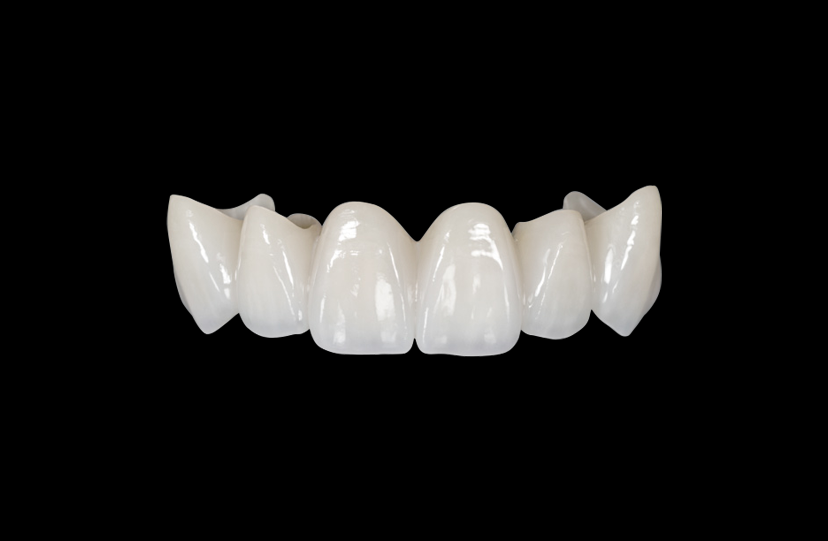
Complete Acrylic Denture: 2026 Guide
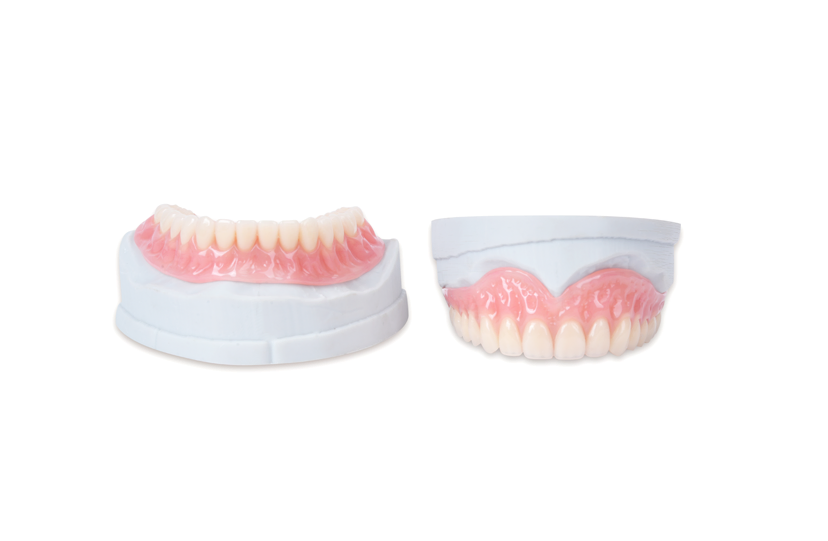
A Complete Acrylic Denture is a detachable full-arch prosthesis. Complete Acrylic Dentures are indicated for patients who are completely edentulous in one or both arches. It is made of heat-cured polymethyl methacrylate (PMMA) as the base material and acrylic artificial teeth. Complete acrylic dentures remain one of the most widely used full-arch restoration options because they combine affordability, clinical versatility, straightforward laboratory processing, and ease of repair and adjustment. Today, dental laboratories, clinics, and procurement managers place greater emphasis on selecting reliable denture suppliers because supplier quality directly affects clinical efficiency, remake rates, and patient satisfaction. On chairside adjustment time, repeat rates, and long-term patient happiness. This guide explains the technical requirements, buying strategies, and criteria for judging suppliers that dental professionals need to find reliable restoration solutions.
Understanding Complete Acrylic Dentures
Material Composition and Properties
These days, removable full-arch prostheses have bases made of heat-cured polymethyl methacrylate plastic and teeth made of high-quality acrylic denture teeth available in multiple shades. Heat-cured PMMA undergoes a controlled polymerization process that provides dimensional stability and mechanical strength. This thermoplastic polymer has several properties that make it suitable for removable prosthetics. Its light weight makes it easier on the tissues that support it, and its ability to be machined lets technicians make exact changes during fitting appointments.
The material is thermally sensitive, which means it can slightly expand or contract when the temperature in the mouth changes. This property doesn't usually cause problems with how it works, but it does show how important it is to handle materials properly during fabrication. Biocompatibility studies repeatedly show that properly processed PMMA poses very low allergic risks. However, if processing methods are not followed correctly, residual unreacted monomers can sometimes irritate tissue.
Manufacturing Process and Quality Standards
Several clinical and laboratory steps in the fabrication process determine how well the end fit will be. After the first impressions set the basic anatomy, the final impressions use special tray materials to capture fine tissue detail. Jaw registration records set the vertical measure and centric relation, which establishes the space structure for how teeth are arranged. Dentists can check the look, sound, and fit of the teeth with wax try-ins before the final processing.
The wax prototype is turned into a strong acrylic prosthesis in the lab by prepping the flask, removing the wax, packing the resin, and controlling the heating cycles. Reputable manufacturers implement ISO 13485-certified quality management systems that control every step of the production process, from checking the raw materials to following the rules for the final inspection. These standards make sure that the dimensions are always correct, that the polymerisation process is finished properly, and that the surface finish meets the quality standards set by international regulators, such as FDA registration and CE certification.
Clinical Indications and Contraindications
Removable dentures are indicated for patients who are completely edentulous in one or both arches and prefer a removable, non-surgical treatment option. They work especially well for people who have a good ridge structure, healthy tissues, and realistic expectations about how long it will take to adapt. Some things that make it not a good idea are serious allergies to acrylic, uncontrolled systemic conditions that make it hard for wounds to heal, and problems with the body's shape, like deep undercuts or not enough bone volume.
Patients with strong gag responses may need more adaptation techniques or different types of prosthetics. Because they are removable, these restorations are perfect for people who can't get implant surgery because of health problems, medication schedules, or physical limitations. Dental professionals like the non-invasive method because it lets patients get restorations right away after extractions.
Comparative Analysis for Informed Procurement Decisions


Evaluating Material Alternatives
When looking at prosthetic choices, comparing acrylic dentures with alternative prosthetic options helps clinicians and procurement teams select the most appropriate solution. Making flexible dentures out of thermoplastic nylon makes them more durable and less likely to break, but they usually cost more and are harder to adjust in the lab. Porcelain teeth attached to plastic bases are better at resisting wear and stains, but they are heavier and more likely to break when hit.
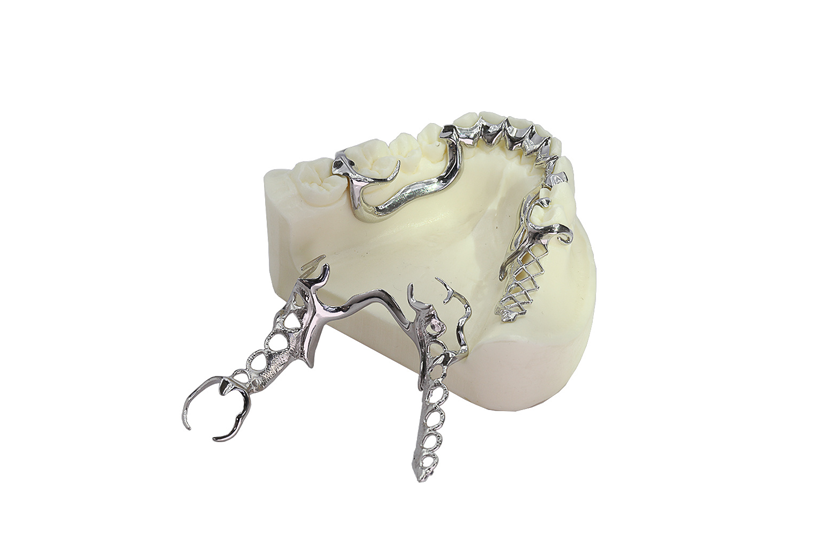
Metal-reinforced dentures have cobalt-chromium frameworks that make the structure much stronger, especially for people who have parafunctional habits. However, the metal parts make the manufacturing more difficult, increase manufacturing time, and greatly increase their cost. Silicone-lined versions have a soft tissue cushion that makes them more comfortable for people with sensitive ridges, but the liner material needs to be replaced every so often because it wears down over time.
Standard Complete Acrylic Dentures are the best choice for dental service organisations that deal with a wide range of patients because they are both affordable and good enough for therapeutic use. Because they're easy to fix and reline, practices can extend service life through regular maintenance instead of replacing everything, which supports better long-term value propositions.
Supplier Selection Criteria
Selecting a reliable denture manufacturer involves evaluating more than price alone. Verify that the manufacturer maintains ISO 13485 certification, FDA registration where applicable, and CE compliance for the intended market, and that ISO 13485 quality systems are up to date. These credentials show a dedication to following rules and producing consistently, which has a direct effect on the number of remakes.
Warranty terms show that the company that made the product is confident in its durability. Warranty policies vary among manufacturers. Buyers should review warranty coverage, including repair and remake terms, before placing orders. For example, set prosthodontics are usually covered for two years, and removable restorations are covered for one year. As a way to protect buyers from quality problems they didn't expect, these warranties should cover free repairs or replacements for problems with the way the product was made.
A lab's ability to customise its services shows how well it can meet the needs of different cases. Being able to make 100% custom solutions based on dentists' designs makes sure that patient-specific anatomical requirements are dealt with properly. Communication speed is very important because dental cases that need to be finished quickly need technical help and questions about fabrication answered quickly.
Procurement and Transaction Insights
Sourcing Channels and Pricing Factors
Dental labs and clinic purchasing managers usually get dentures from well-known dental supply sellers, direct ties with manufacturers, or online buying platforms. Depending on the number of orders and the level of customisation needed, each route has its own benefits. For buyers who buy a lot, direct manufacturer partnerships often mean better prices, better quality control, and easier contact.
Pricing is influenced by several factors, including material quality, production complexity, customization requirements, and shipping methods. Premium medical-grade PMMA resins generally provide better durability and more consistent processing than lower-cost alternatives, but they have better polymerisation properties and last longer in clinical settings. Labour costs depend on where you live and how skilled the worker is. For example, experienced ceramists can make repairs that don't need much chairside adjustment.
Minimum order numbers affect the price per unit because makers can make better use of materials and lower setup costs when they make more of them. Lead times for custom orders are usually longer; in most cases, they take between three and five days to complete. In urgent situations, processing may need to be sped up, and manufacturers that offer expedited shipping can ensure next-day arrival when clinical circumstances require quick completion.
Return on Investment Considerations
When deciding what dentures to buy, it's important to look at the total cost of ownership, not just the initial purchase price. Implant-supported restorations generally provide superior stability and bone preservation, although they involve higher treatment costs and surgical procedures to keep the tooth in place and preserve bone; they are much more expensive and need surgery, which means they aren't right for many patients. Dentures with metal frames last longer, but they are more expensive, which may be too much for value-conscious practices.
Complete Acrylic Dentures have good clinical results and are easy for most people to afford, which makes them perfect for practices that help people from a wide range of socioeconomic backgrounds. Because the repair methods are pretty simple, minor fractures can be fixed quickly and cheaply, saving you the money of having to replace the whole thing. Remake rates have a big effect on profits, so choosing makers whose products are known to fit the first time correctly saves money on changes and keeps patients' trust.
Establishing long-term partnerships with reliable manufacturers can improve consistency, communication, and production planning. Clinical schedules stay on track even when problems arise out of the blue, thanks to reliable logistics support that includes stable express shipping and emergency order accommodation.
Maintenance and Lifespan Optimization
Care Protocols and Longevity Factors
Proper maintenance directly affects the service life of a prosthesis, which is usually between five and seven years before it needs to be relined or replaced. Denture cleaners that aren't too rough can be used every day to get rid of food particles and stop stains from building up without hurting the plastic surface. Patients shouldn't use regular toothpaste because its rough particles cause tiny scratches that bacteria can live in and speed up tooth discolouration.
Dehydration can change the shape of dentures, but storing them overnight in water or denture solution stops this from happening. Acrylic dentures should remain hydrated when not in use to help maintain dimensional stability that keeps the right fit, and being exposed to air for a long time can cause warping that makes retention worse. When cleaning their dentures, patients need to be careful not to drop them, since impact fractures are the most common type of damage that needs to be fixed.
Natural bone resorption changes the shape of the ridges, which makes dentures that used to fit well loose and unstable. Regular dental exams help dentists find fit degradation early, so relining procedures can be done quickly to fix the tissue's ability to adapt. Professional cleaning schedules get rid of calculus deposits that build up even if you take good care of your home, making it look better and keeping it clean.
Troubleshooting Common Challenges
Fit decline shows up as more motion, less retention, and maybe even tissue irritation from moving around too much. Soft relines help temporarily by softening the tissue contact, while hard relines made of processed acrylic return to restore optimal denture adaptation for longer periods of time. If resorption is very bad, you may need to get a new full set of dentures to fit your new, very different body shape.
Discolouration happens because of changes inside the acrylic matrix and outside stains from food pigments. The most noticeable stains come from coffee, tea, red wine, and tobacco. Professional cleaning can get rid of surface spots well, but deeply embedded colour may need to be replaced with new dentures to make them look good again. Giving patients information about things that stain helps keep the quality of the cosmetics during the service period.
Most fractures in thin plastic parts are caused by contact damage or fatigue failure. Autopolymerizing resins can often be used to fix small cracks, but these fixes are only temporary and don't usually match the strength of the original replacement. Multiple fractures may mean that the tooth isn't thick enough, the bite isn't balanced right, or the person has bad habits that need to be changed for replacement restorations to work properly.
Choosing the Right Complete Acrylic Denture Solution
Decision Framework for Diverse Client Segments
When dental offices need to get new patients quickly, they can benefit from suppliers who can speed up the production of Complete Acrylic Denture solutions with three-day delivery and four- to five-day total turnaround times. Private practices that want to improve the look of their patients should look for makers that can show they know how to use custom shade matching and characterisation methods that make the gums look natural. Dental service companies with multiple locations need suppliers that can keep quality consistent across large orders while also meeting the needs of each location's specific customisation requests.
When dental labs outsource production, they need partners that can easily integrate CAD/CAM and have clear communication methods for managing complicated cases. Implant centers that need precise abutment compatibility must make sure that manufacturers use digitally-guided fabrication workflows and strict tolerance controls. For easy customs clearance, distributors that sell to international markets need suppliers who have all the necessary regulatory certifications, such as FDA registration and CE marking.
Essential Selection Criteria
Clinical success and patient protection depend on the integrity of the materials used. Buyers should verify that PMMA materials are biocompatible, manufactured under appropriate quality standards, comply with applicable regulatory requirements, have been tested for biocompatibility, and have controlled monomer levels. Customisation options make sure that each case's specific needs are met, such as the need for non-standard arch shapes or specialised tooth arrangements.
To be cost-effective, you have to weigh the initial price against long-term value factors like how often you have to remake it, how much the guarantee covers, and how much upkeep it needs. Dependability in a supplier includes consistent production, on-time delivery, and helpful customer service that takes care of problems right away. Having access to technical support helps labs figure out problems with manufacturing and improve clinical results by working together to solve problems.
Conclusion
Choosing the right denture supplier affects every part of clinical practice, from how happy the patients are to how efficiently the business runs. As we move into 2026, good procurement strategies focus on competitive pricing, reliable suppliers, following the rules, and the ability to make changes. As better materials and digital processes come out, the market for Complete Acrylic Dentures keeps changing. This gives forward-thinking dentists chances to improve service quality while keeping costs low. Building relationships with makers that offer stable quality, quick turnaround times, and full support systems sets practices up for long-term success in the dental field, which is becoming more and more competitive.
FAQ
How long will my complete acrylic dentures last?
Most acrylic dentures work well for five to ten years, but how long they last depends on how well they are taken care of and how your body changes over time. Over time, natural bone loss changes the shape of the jaw, which makes dentures that used to fit well loosen. The daily wear and tear on acrylic teeth and base surfaces can damage them, especially in people who bite hard. Regular relining treatments every couple of years return the proper adaptation of the tissue, which increases the total service life and keeps the patient comfortable while they wear them.
Can patients sleep or eat normally with dentures?
Most clinicians recommend removing dentures at night to allow oral tissues to recover and to reduce the risk of denture-related stomatitis. This habit keeps germs from building up and helps keep oral cells healthy. When it comes to eating, people who are new to dentures should start with soft foods that are cut up into pieces that are easy to handle. As they get used to them, they can move on to firmer foods. Sticky foods, like gum, should not be eaten because they stick to acrylic surfaces and could move the prosthesis while it is being used.
What distinguishes premium manufacturers from budget suppliers?
Manufacturers of high-quality goods use FDA-registered materials that are biocompatible, have strong warranty programs that cover mistakes in the manufacturing process, and have quality control systems that include ISO 13485 certification. To meet specific clinical needs, they can be customised, and they offer responsive technical support throughout the fabrication process. Some low-cost providers might skimp on material quality, skip strict testing procedures, or not have the tools to handle complicated customisation requests. This could lead to higher remake rates and higher long-term costs, even though the original price was lower.
Partner with HYC for Superior Complete Acrylic Denture Manufacturing
HYC Dental Laboratory has more than 22 years of experience manufacturing complete dentures for dental clinics, laboratories, and distributors worldwide. Our production follows an ISO 13485-certified quality management system, and we support customized manufacturing based on each clinician's prescription. Standard turnaround times, responsive technical support, and consistent quality control help our partners improve workflow efficiency. Contact our team at info@hycdentallab.com to learn more about our OEM and ODM services.
References
1. Academy of Prosthodontics. Glossary of Prosthodontic Terms (10th Edition). Journal of Prosthetic Dentistry, 2023.
2. Anusavice, Kenneth J., et al. Phillips' Science of Dental Materials (12th Edition). Elsevier Health Sciences, 2024.
3. International Organization for Standardization. ISO 13485:2016 Medical Devices - Quality Management Systems Requirements for Regulatory Purposes. Geneva: ISO, 2016.
4. Zarb, George A., et al. Prosthodontic Treatment for Edentulous Patients: Complete Dentures and Implant-Supported Prostheses (14th Edition). Mosby, 2023.
5. U.S. Food and Drug Administration. Dental Devices: Classification and Regulatory Pathways. Center for Devices and Radiological Health, 2025.
6. British Society for Restorative Dentistry. Clinical Guidelines for Complete Denture Prosthodontics: Best Practices in Material Selection and Patient Management. BSRD Publications, 2024.
YOU MAY LIKE
.webp "Ni-Cr PFM (Nickel-Chrome)")