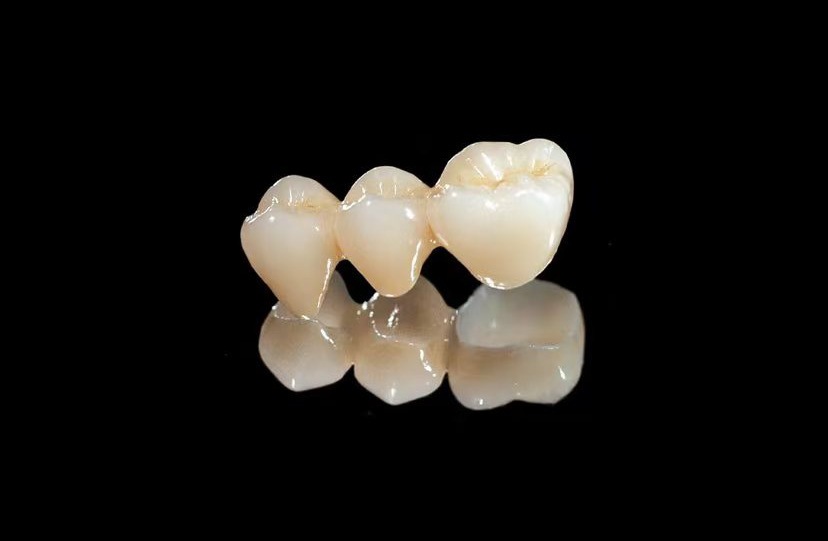
What Makes Titanium Partials Ideal for Dental Lab Production?
Titanium partials represent an advanced solution for dental lab production due to their exceptional biocompatibility, lightweight design, precise CAD/CAM manufacturing capabilities, and resistance to corrosion. Unlike traditional cobalt-chrome frameworks, titanium partials provide a metal alternative for patients with specific material sensitivities, may improve wearing comfort due to their lightweight characteristics, and deliver superior first-time fit accuracy. Their digital fabrication streamlines lab workflows, shortens turnaround times, and may help improve fabrication consistency and reduce the likelihood of production-related remakes—addressing the most critical pain points for dental laboratories, clinics, and prosthetic specialists worldwide.
Introduction
The dental restoration industry faces mounting pressure to deliver faster turnaround times without compromising fabrication precision and quality requirements. Traditional metal partial dentures remain widely used but may involve considerations related to weight, fabrication methods, and material selection: allergic reactions in sensitive patients, weight-related discomfort, casting shrinkage inaccuracies, and labor-intensive manual finishing. As patient expectations rise and regulatory scrutiny intensifies, dental laboratories and clinics increasingly seek materials that combine clinical performance with manufacturing efficiency.
Titanium has emerged as the material of choice for removable partial denture frameworks, particularly among labs serving high-volume practices, DSOs, and implant centers. This shift reflects both technological advancement in CAD/CAM milling and a deeper understanding of how material selection directly impacts patient outcomes, lab profitability, and long-term practice success. Understanding what makes titanium partials uniquely suited for modern dental lab production requires examining their composition, manufacturing process, clinical benefits, and practical considerations for procurement professionals.
What Are Titanium Partials?
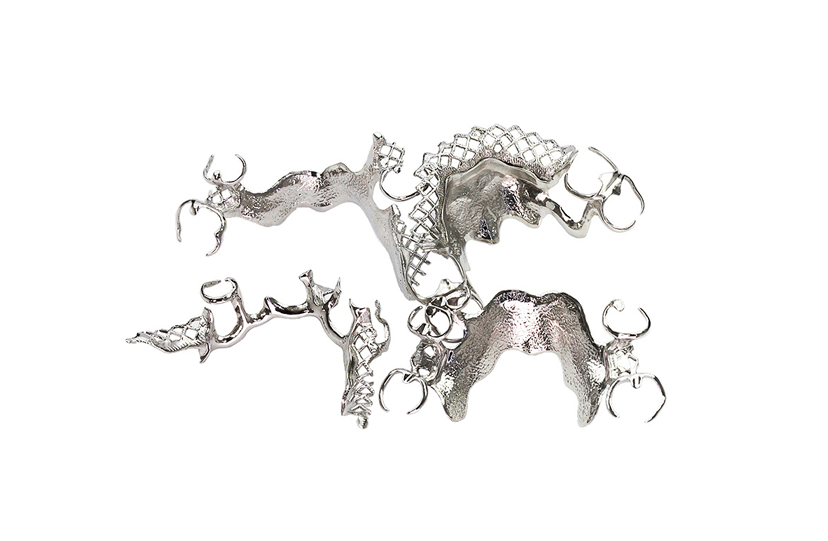
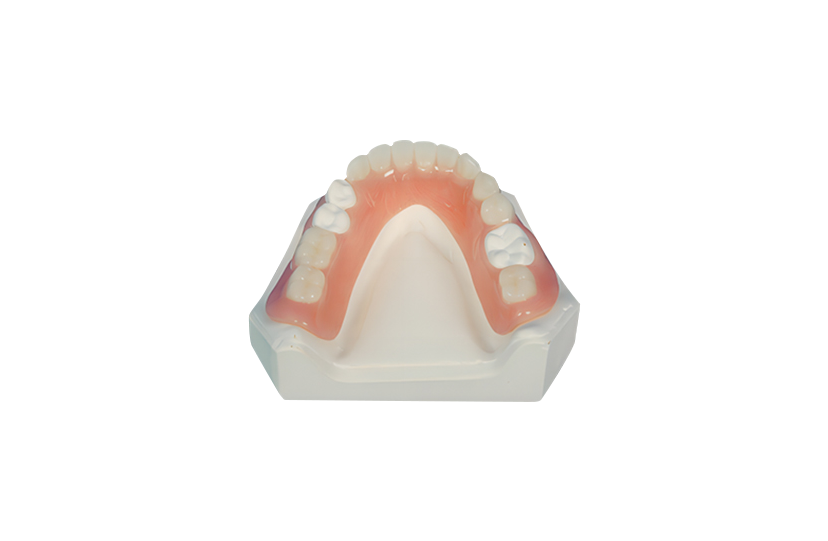
Titanium Partials are frameworks for removable partial dentures made from medical-grade titanium alloys, most often Grade 5 titanium (Ti-6Al-4V) or commercially pure titanium (CP). These frames are what hold plastic bases and false teeth in place. They are meant to help people who are missing some teeth get their function and appearance back. Unlike cast metal frames, Titanium Partials are precisely milled from solid titanium blocks using cutting-edge CAD/CAM technology. This helps minimize dimensional variations associated with traditional casting techniques.
Titanium's unique physical properties are what make it so useful. It is made of the same medical-grade materials that are used in hip replacements and dental implants, which makes it a commonly considered material for patients with certain metal sensitivities. Titanium has a well-established history of use in medical and dental applications due to its biocompatibility, so it can be used by people who have bad reactions to nickel, beryllium, or other alloying elements that are common in chrome-cobalt frameworks. This biocompatibility goes beyond preventing allergies; titanium's proven biocompatibility and corrosion resistance and in the mouth for a long time.
Titanium Partials work perfectly with digital processes when it comes to making them. Laboratories get data from intraoral scans or digital impressions, use special software to create the framework, and send files straight to 5-axis CNC milling machines. This gets rid of the need for cleaning, investing, casting, and a lot of hand finishing. This cuts down on labor costs and mistakes made by humans while keeping the quality the same across multiple cases.
Benefits of Titanium Partials
Titanium Partials are being used more and more in dentistry labs and clinical offices, which can be explained by the real benefits they offer. These benefits directly meet the needs and address the problems that dental professionals have identified with procurement.
Unmatched Biocompatibility and Patient Safety
Titanium is hypoallergenic, which means it doesn't cause allergic reactions like nickel-based alloys do. Titanium Partials can be worn with confidence by people with known sensitivities to certain dental metals, or bad reactions to dental metals in the past. Clinics don't have to worry as much about liability with this safety rating, and may provide an additional material option during treatment planning, especially those who are physically compromised or need to wear prosthetics for a long time.
Superior Comfort Through Weight Reduction
Titanium has a density of 4.5 g/cm³, which is about half that of cobalt-chrome (8.4 g/cm³). This means that frameworks made of titanium weigh a lot less while still being strong. This lower weight means more comfortable wear for the patient, better hold on bridge teeth, and more compliance with daily wear. When patients switch from traditional metal partials to titanium options, it may reduce adjustment requirements when the framework is accurately designed and fabricated with their new teeth.
Exceptional Fit Accuracy and Low Remake Rates
High-precision CAD/CAM milling enables tight dimensional control by digital milling from solid titanium blocks. This is much more accurate than lost-wax casting, which has problems with distortion, porosity, and shrinkage. This accuracy supports predictable framework fit, cutting down on the time needed for chairside adjustments and potentially reducing fabrication-related remakes needed because of frame distortion. The costs of running labs go down, and centers get more patients and make meetings easier by streamlining their schedules.
Accelerated Production Timelines
CAD/CAM manufacturing of Titanium Partials skips the time-consuming casting steps, so experienced laboratories may achieve turnaround times of approximately 3–5 days, from receiving the digital file to shipping it. This quick turnaround helps with urgent treatment needs, shortens the time it takes to treat patients, and lets labs handle more cases without hiring more technicians. Flash production options can deliver finished frameworks within 24 to 48 hours in an emergency, which is very important for practices that take care of elderly or hospitalized patients.
Advantages Over Traditional Metal Frameworks
When you compare Titanium Partials to regular cobalt-chrome frameworks, you can see that they have clear competitive benefits that affect dental labs and clinics' choices about what to buy.
Material Performance Superiority
Titanium offers excellent corrosion resistance in oral environments in the acidic and chemical conditions of the mouth. This makes it last longer, keep its good looks over years of use, and keep galvanic reactions from happening when it comes into contact with other oral metals. Because the material is naturally flexible, it can also absorb shock during chewing. This keeps the stress off of the supporting teeth and may contribute to favorable stress distribution.
Manufacturing Efficiency and Consistency
Digital processes get rid of the differences that come from controlling the temperature of waxing, investing, and casting by hand. Each Titanium Partials frame comes out of the milling machine the same, no matter how experienced the technician is or how busy the lab is. Because of this, labs can standardize their production processes, cut down on quality control errors, and confidently offer service-level guarantees to clinics that send patients to them. Batch processing makes labs that work with DSO networks that need standard prosthetic solutions in multiple locations even more efficient.
Regulatory Compliance and Market Access
Titanium is an FDA-registered and ISO 10993 safe material, which makes it easier for labs to fill out legal paperwork when they want to sell their products in North America and Europe. Products made from FDA-listed titanium materials meet strict medical device requirements without needing extra biocompatibility testing. This speeds up the time it takes for distributors to get products to market and makes it easier for quality assurance teams to stay in compliance. This clarity in regulations is especially helpful for procurement managers who are in charge of managing supply lines across borders.
Disadvantages and Practical Considerations
To stay objective, you need to be aware of the problems that come with making and using Titanium Partials. These problems are usually easy to deal with in well-organized lab workflows.
Repair Complexity and Specialized Equipment Requirements
Titanium Partials cannot be soldered normally because it has a high melting point (1,668°C) and change form when heated. Laser welding equipment and specialized training are needed for repairs, additions, and modifications, which aren't always available in labs. But the digital production that makes the original framework also makes a useful replacement: labs that keep CAD files can quickly make new frameworks without needing new patient impressions; they can usually finish remakes within 48 hours using scan data that they already have.
Initial Capital Investment for Production Capability
It costs a lot for labs to set up equipment for Titanium Partials production. For example, 5-axis CNC milling machines, CAM software licenses, dust collection systems, and tooling inventory all cost a lot of money. This barrier makes titanium manufacturing a specialized service that is usually done by bigger labs or dedicated cutting centers that work with smaller labs through outsourcing. When purchasing managers are deciding whether to do production in-house or hire someone else to do it, they need to figure out the minimum case volume at which investing in equipment is financially viable.
Material Cost Considerations
Titanium raw materials are more expensive per gram than cobalt-chrome, but the big difference in weight helps to balance this out. More importantly, milling creates trash (chips and dust) that needs to be thrown away properly because titanium is flammable when it is finely split. Laboratories need to set up safety rules for working with titanium dust and figure out how to price materials based on how efficiently they are used. Even though the costs of materials go up, it may improve workflow efficiency and operational predictability because of less work and no need to remake.
Comparison: Titanium Partials vs. Cobalt-Chrome Frameworks
Direct comparison helps procurement professionals understand the trade-offs in performance and which framework materials are best for which applications.
| Feature | Titanium Partials | Co-Cr Frameworks |
|---|---|---|
| Density | 4.5 g/cm³ | 8.4 g/cm³ |
| Biocompatibility | Excellent biocompatibility profile | Well-established clinical use |
| Fabrication | CAD/CAM milling | Traditional casting workflow |
| Weight | Lower density design | Higher density alloy |
| Corrosion Resistance | Excellent | Good corrosion resistance |
| Processing | Requires specialized equipment | Established laboratory workflow |
Clinical Indications for Titanium Partial Frameworks
In particular clinical situations where their special properties directly address treatment challenges, Titanium Partials prove to be especially helpful.
Patients who have known metal allergies or reactions represent a primary indication. People who have contact dermatitis, oral lichenoid reactions, or systemic hypersensitivity to nickel, cobalt, or chromium can't use regular metal frameworks. Titanium Partials may be considered as an alternative material for patients with certain metal sensitivities, so they don't have to worry about sacrificing structural stability by using patterns made of acrylic alone.
Titanium Partials are better at integrating with the body and offer favorable biocompatibility characteristics, which is especially helpful for people who are immunosuppressed, going through treatment, or have inflammatory diseases. The material doesn't react with anything, so it doesn't make immune systems that are already under a lot of stress react more.
Patients over 65 and people with limited dexterity like how lightweight it is, which makes it easier to put on and take off and lessens fatigue during long wear. These design features are especially helpful for people who live in nursing homes or get home healthcare.
In full-mouth rehabilitation cases with implant-supported restorations, Titanium Partials are often used to keep the material consistency throughout the prosthetic system. This stops galvanic reactions between different metals and improves stability over time.
Materials and Manufacturing Standards
Buying things and judging suppliers is easier when you know about the different types of titanium and quality standards that are used to make frameworks.
Grade 5 Titanium Alloy (Ti-6Al-4V)
This aerospace-grade alloy is made up of 6% aluminum and 4% vanadium. It has a better strength-to-weight ratio and mechanical properties than pure titanium parts that are sold in stores. Grade 5 gives thin framework designs the strength they need while still being biocompatible. Because the alloy has been used successfully in orthopedic implants and dental applications, it will be accepted by regulators around the world.
Commercially Pure (CP) Titanium
CP titanium comes in Grades 1–4 with higher oxygen content and higher strength. Grade 5 has the best biocompatibility, but Grade 4 has slightly lower mechanical properties. Laboratories choose grades based on the needs of the framework design. Grade 2 is often used for Titanium Partials that need to be very resistant to rust.
Quality Certification Requirements
Materials that meet ASTM F136 (surgical implant grade) or ASTM F67 (unalloyed titanium) standards can be bought from reputable sources. The ISO 13485:2016 quality management system certification makes sure that the manufacturing processes are always the same, and the FDA registration makes sure that the materials meet the requirements for medical devices. Managers in charge of buying things should make sure that suppliers give them certificates of analysis (COA) papers that show how different lots of materials came from approved sources. This is to make sure that the sellers follow biocompatibility standards ISO 10993-1 and cytotoxicity testing requirements.
Manufacturing Workflow for Titanium Partials
From receiving the case to finishing the framework, the whole process is carefully managed in a number of steps that set Titanium Partials fabrication apart from traditional casting methods.
Digital Case Reception and Design
Laboratories get intraoral scan files in STL format or use desktop printers to capture actual prints. CAD technicians put scan data into special denture design software and then design the framework based on prosthodontic principles, such as making sure the rest seat is properly prepared, that the guide plane is used, that the undercut is properly engaged, and that stress is distributed in the best way possible. Based on what the doctor says, the software instantly creates the right clasp designs, important connectors, and finish line places.
CAM Programming and Toolpath Generation
When the framework plans are finished, they are sent to CAM software, which creates milling toolpaths that are best for titanium partial qualities. Programming takes into account titanium's low thermal conductivity and tendency to work-harden by changing the cutting speeds, feed rates, and tool contact angles to keep too much heat from building up and the tools from wearing out too quickly. Multi-axis toolpath techniques let you get to complicated undercuts and clasp shapes without having to move the tools by hand.
CNC Milling and Quality Control
Milling machines with five axes and titanium-specific cutting tools take material from solid titanium pucks or flats by following pre-programmed toolpaths. Coolant systems keep things from getting too hot while also removing titanium chips. Depending on how complicated the framework is, milling can take anywhere from 45 minutes to two hours. Post-milling inspection uses digital calipers or blue-light scanning to check the accuracy of the dimensions. The finished Titanium Partials are compared to the original CAD designs to make sure that strict dimensional verification procedures.
Surface Finishing and Polishing
Milled frameworks are smoothed to get rid of tool marks and get the finish you want on the surface. Depending on the shape of the clasp and how it looks, laboratories use rotating tools, ceramic media tumbling, or electropolishing methods. Before the acrylic is processed, a final check is done to make sure that the clasp retention, major connection stiffness, and tissue-contacting areas all meet clinical standards.
Acrylic Base Processing and Teeth Setting
The dentist tells the lab how to place the false teeth, and they are attached to the Titanium Partials frame using special glues or mechanical retention features that were built in during the design process. Depending on how the lab likes to work, acrylic resin bases can be made using traditional compression molding, injection molding, or 3D printing. Before the case is shipped, it goes through final finishing, occlusal adjustment verification, and a quality control inspection.
Cost Factors Influencing Titanium Partial Pricing
The final price of titanium partial frames depends on a number of factors. Knowing these factors helps procurement pros deal well and stick to their budgets.
Raw Material Expenses
Medical-grade titanium weighs a lot less than cobalt-chrome metals, which makes up for the fact that it costs more per unit weight. Material waste during milling (usually 40–60% of the blank volume turns into chips) is a cost that keeps coming up, but some labs recycle titanium scrap through specialized refiners to get some of the material's value back.
Equipment Amortization and Maintenance
Laboratories need to spread out the costs of buying CNC milling machines ($80,000 to $250,000), CAM software licenses ($5,000 to $15,000 a year), and tools inventory over a number of case sizes. Replacement of cutting tools (carbide end mills last 20 to 50 frames) raises the cost of each case. Managers of procurement should know how the rates at which suppliers use their tools affect how low their prices are for Titanium Partials.
Case Complexity and Customization Requirements
Complex Class I cases with swing-lock attachments or combined tooth-and-tissue support configurations need more milling time and design work than simple Kennedy Class III frameworks with few clasps. Customization requests, such as specific clasp designs, unique major connector forms, or changes for aesthetic reasons, add time to the design process and should be made clear during the quote process to avoid price differences.
Regulatory Compliance and Documentation
Products going to controlled markets need extra paperwork, like certificates of analysis, biocompatibility test results, proof that they are registered with the FDA, and proof that they are certified by ISO 13485. These costs are built into the prices that suppliers charge for keeping their quality control systems and regulatory structures strong. Managers in charge of buying things should know that reputable Titanium Partials sellers often charge a little more because they have to make legal investments that keep products from being recalled.
Order Volume and Partnership Commitments
Laboratories that work with DSO networks or clinics that see a lot of patients discuss volume prices based on how many cases they expect to see each month. When compared to buying on the spot market, establishing preferred supplier relationships with committed minimum volumes usually leads to 8–15% cost savings. Cost optimization and source diversification risk management should both be part of procurement plans.
How to Choose a Reliable Titanium Partial Supplier
When choosing manufacturing partners for titanium partial frames, you need to think about a lot of things besides just the price per unit.
Manufacturing Capability Assessment
Check to see if the suppliers use CNC milling machines that are designed specifically for working with titanium and not general-purpose machines that are also used for other materials. Ask about redundant equipment to make sure that output doesn't stop during repair times. Ask for case complexity portfolios that show you can work with difficult designs like lingual bars, RPI clasp systems, swing-lock attachments, and frameworks that support both teeth and tissue.
Quality Management System Verification
Getting ISO 13485:2016 certification shows that you are committed to quality standards for medical devices. You can get pictures of the certificates and check the accreditation of the certification body using records from the International Accreditation Forum (IAF). Find out about their internal quality control procedures for Titanium Partials. For example, do they check every framework for dimensions? What fraction goes through damaging tests to make sure the mechanical properties are correct?
Regulatory Compliance Documentation
Make sure that the materials your suppliers offer come from FDA-approved companies that have passed biocompatibility testing in line with ISO 10993 guidelines. Check that the CE marking is correct so that you can sell your products in Europe if that's possible for your distribution channels. Ask for sample reports of analysis that show the material can be tracked back to approved mill sources.
Communication Infrastructure and Responsiveness
Look at the communication systems that help with case coordination. Do they have online portals where cases can be sent and their status tracked? What languages do people who work in technical support speak well? How quickly do they reply to calls for urgent changes or remakes? Ask for references from current patients of similar types of practices (DSOs, private clinics, implant centers) to find out how consistent the service is for Titanium Partials.
Turnaround Time Reliability and Rush Capabilities
Standard output times (3–5 days) should be promised, not just goals to reach. Ask about the rate of on-time deliveries and the rules for cases that don't make it on time. Check to see if faster services are available for emergencies and how much they cost. Knowing how much backup capacity is available during busy times keeps work from getting interrupted.
After-Sales Support and Warranty Terms
Clear warranty policies (usually one year for removable frameworks) should cover problems with the way the product was made, but not problems with the patient that are out of the supplier's control. Learn about the rules for remakes. For example, are remakes free during guarantee periods? What kinds of paperwork are needed? How quickly do remakes get made? Quick technical help that solves fit problems or design questions adds a lot of value above and beyond the purchase price.
Maintenance and Longevity Considerations
With the right care, a Titanium Partials framework can last for many years and continue to work well for patients.
Patient Education on Daily Care
Soft-bristle brushes and non-abrasive denture cleaners should be used every day to clean Titanium Partials. Patients should stay away from ultrasonic cleaners that have harsh chemicals in them that can damage acrylic parts. Titanium, on the other hand, is not affected by these chemicals. Soaking things overnight in pH-neutral liquids keeps them clean without damaging the material.
Clinical Monitoring and Maintenance
Clinicians can check the retention of the clasp, the health of the abutment teeth, and any signs of framework wear or plastic base degradation during regular reminder appointments every six months. If retention loss is found early, changes can be made before the patient experiences looseness that makes it hard for them to speak or do their job.
Expected Service Life
When properly cared for, Titanium Partials can provide long-term clinical service when properly maintained in clinical use, which is a lot longer than cobalt-chrome frameworks (5–8 years) because they are less likely to rust and the clasp arms retain their shape better. Material limitations don't have as much of an effect on longevity as things like oral hygiene, masticatory forces, and changes in the remaining teeth.
Key Takeaways
Titanium Partials solve some of the biggest problems dental labs and clinics face, like keeping patients safe with hypoallergenic materials, making things more comfortable by making them lighter, making things more accurate by using digital fabrication, and speeding up production times to help practices run more smoothly. The medical-grade biocompatibility of the material reduces concerns related to certain metal sensitivities that come with traditional metal frameworks. CAD/CAM supports consistent fabrication accuracy, which greatly lowers the number of expensive remakes.
Procurement professionals evaluating Titanium Partials adoption should prioritize suppliers demonstrating ISO 13485 certification, FDA-registered material sourcing, proven turnaround reliability, and responsive technical support. Despite higher initial material costs compared to cobalt-chrome alternatives, titanium frameworks deliver superior total cost of ownership through remake elimination, reduced chair time, and improved patient satisfaction, driving case acceptance and practice growth.
The investment in titanium partial capabilities—whether through in-house equipment acquisition or strategic outsourcing partnerships—positions laboratories and clinics to meet evolving patient expectations, regulatory requirements, and competitive pressures shaping modern dental restoration delivery.
FAQ
Are titanium partials safe for patients with metal allergies?
Titanium Partials are the best option for people who are sensitive to metals. Because the body doesn't reject it, the material is medical-grade and the same kind that is used in hip replacements and tooth implants. Titanium is widely recognized for its biocompatibility in medical and dental applications for people with known hypersensitivities or autoimmune conditions because it is very biocompatible, unlike cobalt-chrome frameworks that contain nickel, beryllium, or chromium, which can cause allergic reactions.
Can titanium partial frameworks be repaired if damaged?
Because titanium has a high melting point, it can't be soldered as other metals can. To fix it, you need special laser welding tools. But labs that make things digitally keep CAD files that let them quickly make more without needing new patient prints. From existing digital records, replacement frameworks can often be made within 48 hours, which is useful when changes or damage happen. This digital backup feature for Titanium Partials is better than traditional cast systems that need the whole case to be submitted again.
How do titanium partials compare in weight to traditional metal frameworks?
Titanium has a mass of 4.5 g/cm³, which is about half that of cobalt-chrome (8.4 g/cm³). This means that frames made of titanium are approximately 50% lower in density compared with cobalt-chrome alloys. While still being as strong. This big weight loss directly leads to better patient comfort, easier insertion and removal, less tissue damage, better holding on bridge teeth, and higher daily wear compliance. This is especially helpful for older patients or people who have trouble moving their fingers.
What is the typical turnaround time for titanium partial production?
With CAD/CAM manufacturing, it only takes 3–5 days from receiving the digital file to shipping the finished framework. This is a lot shorter than the 7–10 days needed for cast cobalt-chrome frameworks, which include waxing, investment, casting, and finishing by hand. Reliable suppliers also offer faster services that can deliver finished cases within 24 to 48 hours for urgent clinical situations. This helps practices that need to treat patients quickly with Titanium Partials.
Why do titanium partials cost more than cobalt-chrome frameworks?
Medical-grade titanium is more expensive per gram than cobalt-chrome, and grinding creates trash that needs to be thrown away properly. The companies that make CNC equipment, specialized tools, and CAM software also make big investments that they spread out over many orders. Total cost of ownership, on the other hand, often favors Titanium Partials because it cuts down on labor time, speeds up production, and supports efficient clinical workflows that boost the practice's reputation.
Do titanium partials meet FDA and international regulatory requirements?
Titanium Partials are made by reputable companies using materials supported by appropriate regulatory documentation that meet ASTM F136 or F67 standards and have been tested for biocompatibility according to ISO 10993. Using ISO 13485:2016 quality control systems for production makes sure that medical devices are made in a regular way and follow all the rules. Products that meet these standards meet the needs of both the North American and European markets.
How long do titanium partial frameworks typically last?
If titanium partial frameworks are properly kept, they usually last 7–12 years, which is longer than cobalt-chrome frameworks (5–8 years) because they don't rust in the mouth and the clasp parts don't lose their shape. The actual length of time it lasts relies on the patient's oral hygiene, biting forces, and changes in their remaining teeth, but titanium's material qualities always make it last longer than other metals.
What qualifications should I look for when selecting a titanium partial supplier?
Focus on suppliers that can show they are ISO 13485:2016 certified, get their materials from FDA-registered sources and provide certificates of analysis, have dedicated titanium milling equipment (not shared machines), have clear warranty terms that cover manufacturing defects, documented quality control protocols including dimensional verification, and a track record of on-time delivery metrics. Ask for customer examples from practices that are similar to yours to make sure that the service is consistent for Titanium Partials.
Partner with HYC for Premium Titanium Partial Solutions
HYC offers the manufacturing capacity, regulatory compliance, and technical know-how needed to support long-term success, whether you're a distributor entering regulated markets, a laboratory looking for a dependable outsourcing partner, or a clinic needing consistent quality across multiple locations. HYC produces titanium partial frames that satisfy the exacting standards of contemporary prosthetic dentistry by fusing sophisticated digital workflows, skilled dental engineering teams, and stringent quality control protocols.
Our dedication extends beyond the production of specific frameworks. Through constant production standards, open communication, adaptable customisation choices, and prompt after-sales assistance, we concentrate on establishing trustworthy partnerships. Each titanium partial is made with meticulous attention to clinical performance, material integrity, and design precision, assisting dental practitioners in supporting predictable workflows and improved patient experience, and boosting operational effectiveness.
HYC is committed to developing titanium framework solutions through ongoing process improvement and investment in manufacturing technologies as digital dentistry develops. Dental laboratories, clinics, and distributors acquire a dependable partner who can provide high-quality prosthetic solutions that meet present clinical demands and future industry development by selecting HYC as a trustworthy titanium partial supplier. Get in touch with our team at info@hycdentallab.com to talk about your specific restoration needs and see the difference working with a dedicated supplier committed to your clinical success.
References
1. Evaluation of CAD-CAM methods for fabrication of removable partial denture frameworks from commercially pure titanium. Journal of Prosthodontic Research.
https://doi.org/10.2186/jpr.JPR_D_25_00209
2. A systematic review of digital removable partial dentures. Part II: CAD/CAM framework, artificial teeth, and denture base. Journal of Prosthodontic Research, 66(1), 53–67
3. Use of CAD/CAM technology to fabricate a removable partial denture framework. The Journal of Prosthetic Dentistry, 96(2), 96–99.
https://doi.org/10.1016/j.prosdent.2006.05.029
4. Casting titanium partial denture frameworks: A radiographic evaluation. The Journal of Prosthetic Dentistry.
5. Titanium for prosthodontic applications: A review of the literature. Quintessence International, 27(6), 401–408.
6. Wear behavior of titanium and titanium alloys used in dental prostheses. Journal of Prosthetic Dentistry, 77(6), 631–636.
YOU MAY LIKE
_1779414359377.webp "FMZ (Fully Milled Zirconia)")
.webp "High-Noble Gold (HNG)")