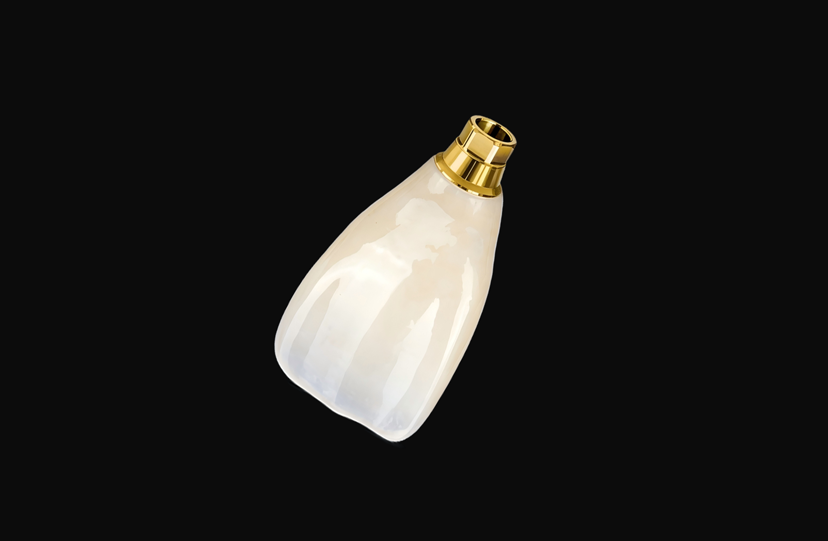
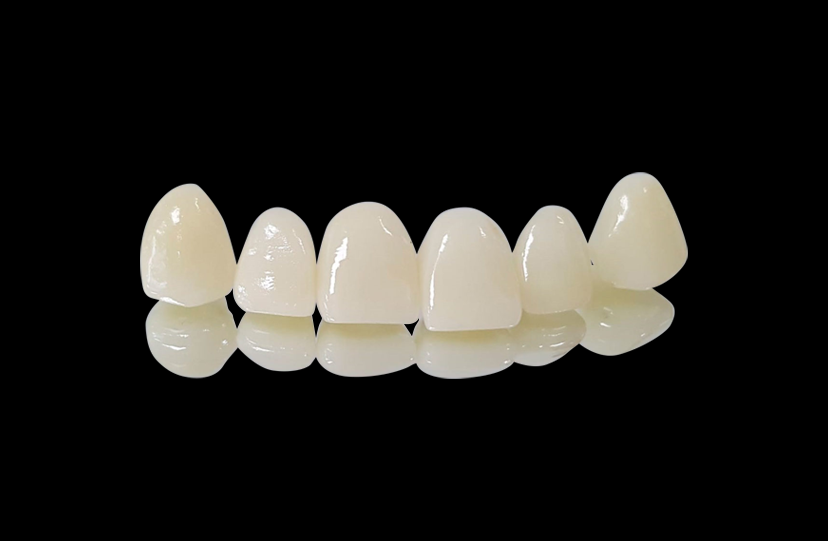
Implant Cemented Crowns Provide Flexible Solutions for Implant Prosthetic Design
Implant Cemented Crowns are one option for implant-supported restorations, offering an alternative approach when clinicians prioritize esthetic outcomes and customized crown design. This design may be particularly considered for esthetic areas where minimizing visible access features is an important clinical consideration. By firmly bonding a custom crown to a screw-retained abutment, this method allows clinicians to design customized occlusal anatomy, manage certain implant angulation challenges, and create emergence profiles that support natural-looking contours. Cemented implant restorations can provide long-term clinical service when appropriate case selection, cement management, and maintenance are followed. They can also be used to address selected implant positioning challenges.
Introduction
As dentists keep asking for solutions that combine good looks with professional dependability, the tooth restoration business keeps changing. Screw-retained and cement-retained designs are the two main types of retention used in modern implant prosthodontics. Each is best for a certain set of clinical situations. The cement-retained method has become popular among prosthodontists and implant experts who care about making the smile area look natural while still being able to adjust for less-than-ideal implant angulations. Clinical evidence indicates that both cement-retained and screw-retained implant restorations can provide predictable outcomes, while cement-retained designs may offer esthetic and occlusal advantages in selected cases.
Dental labs, private practices, and dental service organizations are all asking for more customizable restoration options that cut down on the number of times they have to be redone and speed up treatment times. Procurement managers and clinic owners who want to improve customer happiness and operating efficiency need to know how cemented implant crowns work, what materials they are made of, and how to choose the right suppliers.
What Is an Implant Cemented Crown?
An implant cemented crown is a two-part prosthetic system. The first part is a custom abutment that is screwed directly onto the dental implant fixture. The second part is the final crown restoration that is permanently bonded to the abutment using dental cement. This is very different from screw-retained versions, in which the crown connects directly to the implant through a screw access channel.
The cemented method is similar to the crown-and-bridge method that dentists have used for decades. The abutment, which can be made of titanium or zirconia, comes through the gum tissue and creates a prepared edge that looks like a natural tooth. The crown, which can be made of all-ceramic, porcelain-fused-to-metal, or monolithic zirconia, fits over this joint and is held in place with resin-modified glass ionomer or resin cement, depending on the clinical requirements.
For this restoration method to work, sufficient vertical room must be available for the abutment and crown design. The abutment's emergence shape can be changed to support soft tissue architecture. This can help create a contour that resembles a natural tooth emerging from the gumline.

Benefits of Cemented Implant Restorations
Enhanced Aesthetic Integration
Because there isn't an occlusal screw access hole, lab technicians can create anatomical features across the biting surface. This continuous design can help create implant restorations with natural-looking contours. This is especially important in high-visibility areas like the upper anterior region.
Clinical Flexibility for Angulation Correction
When implants are placed at angles that aren't ideal, screw-retained restorations may present access-channel challenges. Custom angulated abutments in cemented systems can change the path of the crown emergence, helping the restoration align with nearby teeth when clinically appropriate. This can provide additional treatment flexibility for selected implant angulation cases.
Optimized Occlusal Function
When the occlusal surface is intact, clinicians and laboratory technicians can design the restoration without a central screw access opening. This allows greater freedom when shaping occlusal anatomy and adjusting contacts according to the patient's treatment plan.
Passive Fit Achievement
The cement layer between the crown and abutment can accommodate small discrepancies between the two components. However, proper abutment and crown design, manufacturing accuracy, and cement control remain important for predictable clinical performance.
Advantages Over Alternative Retention Methods
In addition to their general benefits, cemented implant crowns offer specific advantages that affect how clinicians make decisions and how they select laboratory suppliers:
Structural Strength Without Compromise: The solid crown structure, which doesn't have a center screw hole, can preserve more restorative material in certain designs. Laboratory studies have reported that the presence and design of a screw-access hole can influence fracture resistance, although results vary by material, restoration design, and testing conditions.
Familiar Clinical Protocol: Dental teams that are already trained in standard fixed prosthodontics can use familiar crown-seating procedures when working with cemented implant restorations. This can simplify the clinical workflow.
Posterior Access Simplified: In selected posterior cases, limited access for a screwdriver can make screw-retained restorations more challenging. With cemented crowns, this particular access limitation is reduced because the final crown is cemented onto the abutment.
Laboratory Fabrication: Standard CAD/CAM milling methods can be used to manufacture cemented crowns without requiring a screw-access channel through the final crown. The actual production workflow depends on the restoration design, material, and laboratory system.
Because of these benefits, clinicians may choose cemented restorations for selected anterior and other implant-supported cases where esthetics, customized emergence profiles, or implant angulation are important considerations.
Disadvantages and Clinical Considerations
To do an objective assessment, you have to admit that cemented implant prostheses do have some problems:
Cement Retention Issues: If excess cement remains around an Implant Cemented Crown, it may contribute to inflammation of the peri-implant tissues. Several studies have reported an association between residual cement and peri-implant tissue inflammation, highlighting the importance of careful cement removal protocols. This makes careful cement management an important clinical step when placing an Implant Cemented Crown.
Difficult to Retrieve: Taking out a cemented crown for maintenance or to access an abutment screw may require removal or sectioning of the crown, depending on the design. This is different from screw-retained designs, which generally allow easier access through the screw-access channel. Clinicians should consider future maintenance and repair requirements when selecting the retention method.
When cemented approaches aren't recommended: Short abutments with limited retention form, insufficient vertical space, and cases with specific biological or maintenance concerns may make cemented restorations less predictable. Screw-retained options may be more appropriate in some of these situations.
Technical Sensitivity: A lot of success depends on the right design of the custom abutment, including margin position and emergence profile. Margins should be designed to allow appropriate cement cleanup while supporting the desired soft-tissue contour. Stock abutments may not provide the same degree of customization in every case.
By knowing these limits, buying teams and clinic workers can develop appropriate case-selection criteria. This way, cemented restorations will only be used when their strengths match the needs of the specific patient.
Comparison: Cemented vs. Screw-Retained Implant Crowns
| Factor | Cemented Crowns | Screw-Retained Crowns |
|---|---|---|
| Aesthetics | No visible occlusal screw access hole | Screw-access channel may be visible depending on position |
| Retrievability | More difficult; removal may require crown modification | Easier access through screw channel |
| Angulation Flexibility | Custom abutments can help manage selected angulation challenges | Angled screw channels may provide additional flexibility in selected systems |
| Occlusal Integrity | No central screw-access opening | Screw-access channel affects restorative design |
| Cement Complications | Risk of residual cement if not carefully removed | No cement-related complication |
| Posterior Application | Can be useful where screwdriver access is limited | Requires appropriate screwdriver access |
| Laboratory Complexity | Standard crown and abutment workflow | Requires precise screw-channel design |
| Cost | Depends on material, abutment, and customization | Depends on implant components and restoration design |
| Maintenance | More difficult to retrieve | Generally easier to access and repair |
This comparison shows why purchasing decisions need to be based on specific clinical priorities. Esthetic cases may favor cemented methods, while restorations that require frequent future access or maintenance may favor screw-retained designs.
Clinical Indications for Optimal Application
The success of cemented implant crowns depends on appropriate clinical case selection, such as:
Anterior Esthetic Zones: These are the areas around the central incisors, lateral incisors, and canines where natural-looking contours and uninterrupted facial and occlusal surfaces can be important.
Angulation Correction Cases: When implant positioning creates a challenging screw-access location, custom angulated abutments can change the emergence profile and path of insertion of the crown.
Premolar Restorations: In selected premolar sites, limited access for screw-retained components may make a cemented restoration a practical alternative when adequate abutment retention and restorative space are available.
Patients with High Esthetic Expectations: Patients who place a high priority on the appearance of their restorations may benefit from a design without a visible screw-access channel when clinically appropriate.
Implants with Non-Parallel Orientations: Multiple-unit cases with different implant axes may require customized abutment designs to establish an appropriate path of insertion and emergence profile.
On the other hand, cemented restorations may be less appropriate when there is insufficient abutment retention, inadequate restorative space, limited access for cement cleanup, or other clinical factors that favor retrievability.
Materials Determining Performance and Quality
The choice of material has a direct effect on both the appearance and performance of implant-supported restorations:
Materials for Abutment: Titanium grade 5 (Ti-6Al-4V) is widely used because of its strength and suitability for implant components. Zirconia abutments can offer esthetic advantages in selected anterior cases, particularly when soft-tissue appearance is an important consideration. Material selection should be based on implant position, functional requirements, and the clinical design.
Crown Materials: Porcelain-fused-to-metal (PFM) is a widely used option for an implant-cemented crown, combining a metal substructure with layered ceramic. All-ceramic choices, such as lithium disilicate, can provide favorable optical properties but require appropriate case selection and occlusal management. Monolithic zirconia is also widely used because of its strength and compatibility with CAD/CAM workflows. Selecting the right material for an Implant Cemented Crown helps balance strength, aesthetics, and predictable manufacturing results.
Choice of Cement: Resin-modified glass ionomer cements and resin cements may be selected depending on the abutment design, retention requirements, restoration material, and clinical protocol. Cement selection and cleanup should follow the manufacturer's instructions and the clinician's treatment plan.
Biocompatibility Standards: Materials used in dental restorations should comply with applicable regulatory requirements and relevant biological evaluation standards, such as ISO 10993 where applicable. Zirconia used for dental restorations should meet applicable requirements for dental ceramics, such as ISO 6872 where applicable, with material documentation maintained for production control.
Material quality and traceability are important considerations when selecting a dental laboratory or restoration supplier.
Manufacturing Workflow for Precision Production
Knowing how the product is made helps labs and hospitals set reasonable deadlines for delivery and quality standards:
Digital Impression Capture: Intraoral scanning or implant-level impression transfers capture the three-dimensional position of the implant, the structure of the adjacent teeth, and the shape of the surrounding soft tissues. Digital accuracy depends on the scanner, scanning technique, implant system, and clinical conditions.
Virtual Abutment Design: CAD software is used to design a custom abutment with an emergence profile that fits the desired tooth shape. Margin position and the internal implant connection are designed according to the implant system and restoration requirements.
Abutment Milling: The abutment is made from titanium or zirconia blanks using precision milling equipment. Before the crown is made, quality-control checks are performed to verify the design and dimensions.
Crown Design and Nesting: The inside of the crown is designed to fit over the abutment with an appropriate cement space based on the material, CAD/CAM system, and manufacturer's recommendations. CAD operators check the occlusal contacts, interproximal contacts, and embrasure form.
Crown Milling and Finishing: Green-state milling is used on monolithic zirconia crowns, followed by sintering according to the material manufacturer's specified cycle, which results in controlled dimensional shrinkage. For layered restorations, ceramic is applied and fired according to the material and laboratory protocol. Surface finishing and cleaning are completed before final inspection.
Quality Check: Before being packed, each restoration is checked for dimensions, margin adaptation, contacts, and overall appearance. Manufacturers operating under ISO 13485:2016 quality management systems maintain documented production and quality-control processes.
Logistics of Delivery: Protective packaging and appropriate shipping methods help ensure that restorations arrive safely. Turnaround times depend on the case, material, customization requirements, and shipping method.
The complicated nature of this workflow makes it clear why supplier manufacturing capability and quality systems can have a significant effect on consistency and remake management.

Cost Factors Influencing Pricing Structures
The final price of cemented implant crown systems depends on several factors, including:
Material Choice: Zirconia abutments, titanium abutments, monolithic zirconia crowns, layered ceramic restorations, and PFM restorations have different material and manufacturing costs.
Customization Difficulty: Standard emergence profiles require less design time, while highly customized abutments that manage complex angulations may require additional CAD work. Characterization and shade matching can also add production time.
Certification Needs: FDA registration, CE marking, and ISO 13485 compliance involve regulatory and quality-management requirements that suppliers need to maintain. Applicable documentation helps support traceability and quality control.
Order Volume: Bulk orders from dental service organizations and dental laboratories may have different pricing structures from individual cases. Long-term supplier relationships can provide more predictable pricing.
Geographic Logistics: International shipping from manufacturing locations can affect both delivery time and cost. Shipping requirements should be considered when comparing suppliers.
Warranty Coverage: Companies that offer warranties on fixed restorations include warranty-related service costs in their pricing. Clear warranty terms help purchasing managers plan for potential remake or adjustment costs related to manufacturing issues.
When buying managers understand these factors, they can compare quotes more effectively instead of relying only on the initial unit price.
How to Choose a Reliable Supplier
To find the right manufacturing partner, you need to carefully consider several factors, including:
Verification of Manufacturing Capability: Ask the facility for information about its CAD/CAM equipment, milling capabilities, and quality-control measurement tools used for Implant Cemented Crown production. Suppliers with appropriate optical measurement systems and five-axis milling equipment may offer greater manufacturing flexibility. Buyers should verify these capabilities before selecting a supplier for Implant Cemented Crown restorations.
Regulatory Compliance Documentation: Check that the business is currently registered with the FDA where applicable and maintains relevant quality-management certifications such as ISO 13485:2016. For products intended for specific markets, verify the applicable regulatory documentation and material information.
Customization Flexibility: Check to see if the supplier offers custom abutment design services instead of only stock choices. Changing emergence profiles, margin positions, and angulation can provide additional clinical flexibility.
Performance in Turnaround Time: Look at both normal delivery times and emergency-case capabilities. In pressing situations, suppliers with expedited production and shipping options can help laboratories and clinics manage urgent cases.
First-Time Fit Accuracy: Ask for information on remake rates, quality-control procedures, and customer references that can provide feedback about margin adaptation and restoration accuracy.
Communication Infrastructure: Check how quickly the company responds during initial inquiries and whether technical questions are answered in detail by staff who understand dental laboratory workflows. Language skills and support hours that work with different time zones can also be important for international partnerships.
After-Sales Support Structure: Make sure you understand the warranty terms, including coverage period, conditions for remakes, and procedures for reporting fit or manufacturing problems. Written warranty policies help protect purchasing teams from unexpected costs.
Long-Term Stability Indicators: Look at the supplier's operating history, customer relationships, production capacity, and ability to maintain quality as order volume grows. Stable supplier relationships can support more consistent operations.
Standardized supplier evaluation scorecards with these criteria can help procurement teams that work with multiple locations make fair comparisons and decisions about which vendors to choose.
Maintenance Requirements and Longevity Optimization
The right maintenance procedures can help extend the service life of implant restorations and support healthy peri-implant tissues:
Professional Cleaning Intervals: Implant-supported restorations require regular professional maintenance based on the patient's individual risk factors and the clinician's recommended recall schedule. Hygienists should use instruments and techniques appropriate for the implant and restoration surfaces.
Home Care Instructions: Patients should learn how to properly clean around implant crowns using appropriate floss, interdental brushes, or other devices recommended by their dental professional. Water flossers may also be recommended when appropriate.
Occlusal Monitoring: Regular evaluation of occlusion can help identify changes caused by tooth movement, wear, or restoration-related factors. Appropriate occlusal adjustment may help manage excessive lateral forces when clinically indicated.
Radiographic Surveillance: Periapical x-rays may be used according to the clinician's follow-up protocol to monitor the bone around the implant and identify changes that may require further evaluation.
Cement Removal Verification: At follow-up after cementation, clinicians should evaluate the restoration margins and surrounding tissues to verify that excess cement has been adequately removed. Any retained cement should be addressed according to the clinical protocol.
Longevity Expectations: Cemented implant crowns can provide long-term clinical service when appropriately designed, cemented, and maintained. Published clinical studies show that outcomes vary by restoration design, patient factors, retention method, and follow-up period. Longevity depends on case selection, cement management, occlusion, and regular professional maintenance.
During treatment planning, telling patients about these maintenance needs sets realistic goals and supports long-term outcomes.
Key Takeaways
Because they don't have screw-access holes and can be designed with a customized emergence profile, a cemented Implant Cemented Crown can provide favorable esthetic results for selected anterior restorations. The method gives important adaptability for managing selected implant angulation challenges using custom abutments. Choosing between titanium or zirconia abutments and either monolithic zirconia or layered ceramic crowns has a direct effect on how an Implant Cemented Crown looks and performs. The accuracy of the first fit depends on how precisely the components are manufactured. Advanced CAD/CAM processes and documented quality systems can support consistent manufacturing quality and first-time fit performance. An important clinical consideration is managing the cement carefully when placing an Implant Cemented Crown. To reduce the risk of peri-implant tissue inflammation, custom abutments should be designed to allow appropriate cement cleanup, and any excess cement should be carefully removed. For execution to go well, providers should offer appropriate regulatory documentation, responsive communication, customization capabilities, and clear warranty support for every Implant Cemented Crown. Instead of just looking for the cheapest unit price, procurement choices should focus on providers who can demonstrate consistent quality, FDA registration where applicable, and documented after-sales service for Implant Cemented Crown restorations.
FAQ
What is an implant cemented crown?
An implant cemented crown is an implant-supported restoration in which a custom abutment is screwed to the dental implant and the final crown is cemented onto the abutment. This design is commonly considered when clinicians want customized crown contours, an uninterrupted occlusal surface, or compensation for selected implant angulation challenges.
Is a cemented implant crown better than a screw-retained crown?
Neither retention method is universally better. Cemented crowns can offer esthetic and occlusal advantages and may help with selected implant angulation challenges, while screw-retained crowns offer easier retrievability and maintenance. The appropriate option depends on implant position, available space, restoration design, hygiene considerations, and the clinician's treatment plan.
When should a dentist choose a cement-retained implant crown?
A cement-retained implant crown may be considered when esthetics, customized emergence profile, occlusal anatomy, or correction of selected implant angulation are important clinical priorities. Case selection should also consider abutment height, cement cleanup access, implant position, and the patient's maintenance needs.
What are the main disadvantages of a cement-retained implant crown?
The main considerations are limited retrievability and the need for careful removal of excess cement. If residual cement remains around the implant, it may contribute to peri-implant soft-tissue inflammation. Screw-retained restorations generally provide easier access for future maintenance and repair.
How is excess cement removed from an implant cemented crown?
Excess cement should be carefully controlled and removed around the restoration margins at placement and verified during follow-up. Custom abutment margins that remain accessible for cement cleanup can make this process easier. The specific cement-removal protocol should follow the clinician's materials and clinical workflow.
What materials are used for implant cemented crowns?
Common options include monolithic zirconia, layered ceramic, lithium disilicate, and porcelain-fused-to-metal crowns, combined with titanium or zirconia abutments where clinically appropriate. Material selection depends on esthetics, occlusal demands, implant position, available space, and the restoration design.
Can a cemented implant crown be used for an angled implant?
Yes, cemented implant crowns can be considered for selected angled implants when a custom abutment can provide a suitable path of insertion and emergence profile. The degree of angulation, available space, abutment geometry, and implant position must be evaluated for each case.
How long does it take to manufacture a custom cemented implant crown?
Turnaround time depends on the material, abutment design, case complexity, digital records, and laboratory workflow. HYC's standard fixed-restoration turnaround is 4–5 days after case submission, with faster options available for selected urgent cases.
What makes cemented crowns more aesthetic than screw-retained designs?
With cemented crowns, there is no need for an occlusal or facial screw access hole like there is with screw-retained designs. This allows a continuous crown surface that can resemble the natural tooth. When it comes to the front, where high smile lines can make prosthetic features more visible, this can be an important esthetic consideration.
How do I prevent cement-related peri-implantitis?
Custom abutments should be designed with margins that allow appropriate cement cleanup and access. Subgingival cement extrusion can be reduced with appropriate cement-control and cleanup techniques selected by the clinician. The specific cement and cleanup protocol should follow the clinician's treatment plan and material manufacturer's instructions.
Can cemented crowns correct poorly angled implants?
Custom angulated abutments can change the path of insertion and emergence of the crown to accommodate selected implant angulation challenges. This can help align restorations with nearby teeth when clinically appropriate. Because they can compensate for selected implant positioning challenges, cemented approaches may be considered in cases where screw-retained designs would place access holes in an unsuitable location.
What is the difference between custom and stock abutments for cemented crowns?
Stock abutments have standardized forms, while custom abutments can be individually designed to support the desired emergence profile and margin position. Custom abutments can provide greater control over the crown contour and cement cleanup access when clinically appropriate.
How long do cemented implant crowns typically last?
Cemented implant crowns can provide long-term clinical service when appropriately designed, cemented, and maintained. Published studies show that outcomes vary by restoration design, patient factors, retention method, and follow-up period. Longevity depends on case selection, cement management, occlusion, and regular professional maintenance.
Which material provides the best combination of strength and aesthetics?
Monolithic zirconia is a common choice when strength and streamlined CAD/CAM production are priorities. Lithium disilicate, layered ceramic, and porcelain-fused-to-metal may be selected when esthetics, material properties, or case requirements call for a different approach. Material selection should be based on the clinical situation and restoration design.
What is the standard turnaround time for custom cemented crowns?
HYC's standard fixed-restoration turnaround is 4–5 days after case submission, with faster options available for selected urgent cases. Actual turnaround depends on the materials selected, customization requirements, digital records, and case complexity.
How do procurement managers evaluate supplier quality for implant restorations?
Check to see if the product meets applicable regulatory requirements, such as FDA registration, ISO 13485 certification, and applicable market-specific documentation; how well it fits the first time, how customizable it is, how fast it can be made; what the warranty covers, and how responsive the customer service is after the sale. To make sure what the supplier says is accurate, ask for references from customers who can discuss remake rates, communication quality, and overall service.
Partner With HYC for Superior Implant Restoration Solutions
With 22 years of experience in specialized production, HYC can help dentists who need cemented implant crowns designed for their clinical and laboratory requirements. Our facility is FDA registered and uses ISO 13485:2016 quality management systems to support consistent production, quality control, and applicable regulatory requirements. We make fully customizable solutions using materials intended for dental restorations, such as monolithic zirconia and titanium or zirconia abutments, according to the specified restoration design and applicable requirements.
Our production skills allow us to turn around orders very quickly: fixed restorations usually take 3–5 days to finish after being sent out, and we offer expedited delivery options for urgent cases. This workflow is designed to maintain quality; our first-time fit accuracy exceeds 95%, which can help reduce remakes and chairside adjustments. We back up this performance with a full guarantee that covers all aspects: fixed restorations are covered for two years, and removable prosthetics are covered for one year. During this time, eligible manufacturing issues are addressed according to the warranty terms.
Whether you run a private practice, a dental service company, or a dental laboratory, HYC's OEM/ODM flexibility can be used to meet your unique process needs. Our technical team is quick to respond and provides detailed advice on difficult cases. They help improve abutment design and material choice so that results are predictable. Get in touch with our team at info@hycdentallab.com to talk about your Implant Cemented Crown needs with a supplier who is dedicated to helping you succeed in the clinic.
References
Kraus, R. D., Hjerppe, J., Naenni, N., Balmer, M., Jung, R. E., & Thoma, D. S. (2024). "A 7.5-year randomized controlled clinical study comparing cemented and screw-retained one-piece zirconia-based implant-supported single crowns." Clinical Oral Implants Research, 35(12), 1669–1675. DOI: 10.1111/clr.14346
Mayta-Tovalino, F., Espinoza-Carhuancho, F., Alvitez-Temoche, D., Calderon-Cortez, I., Cabanillas-Lazo, M., Barboza, J. J., & Hernandez, A. V. (2026). "Clinical Efficacy of Cemented Versus Screw-Retained Zirconia Single Crowns: A Systematic Review and Meta-Analysis." International Journal of Dentistry, 2026, 5497447. DOI: 10.1155/ijod/5497447
Potdukhe, S. S., Iyer, J. M., & Nadgere, J. B. (2024). "Evaluation of marginal bone level, technical and biological complications between screw-retained and cement-retained all-ceramic implant-supported crowns on zirconia abutment: A systematic review and meta-analysis." Journal of Indian Prosthodontic Society, 24(1), 25–35. DOI: 10.4103/jips.jips_524_23
"Evaluating Complications, Success Rate, and Marginal Bone Loss in Cement- Versus Screw-Retained Single Implant-Supported Zirconia Crowns: A Systematic Review and Meta-Analysis." Cureus, 17(5), e83370.
"Single Dental Implant Restoration: Cemented or Screw-Retained? A Systematic Review of Multi-Factor Randomized Clinical Trials." Prosthesis, 6(4), 63, 2024.
YOU MAY LIKE
.webp "Co-Cr Crown (Cobalt-Chrome)")