Why Are Titanium Partials Preferred for Lightweight Dental Frameworks?
Quick Answer
Titanium Partials are a lightweight option for dental frameworks due to their strength-to-weight ratio, biocompatibility, and corrosion resistance. These frameworks weigh approximately 60% less than traditional cobalt-chrome alternatives while maintaining structural integrity. The use of medical-grade titanium—the same material used in hip replacements and dental implants—offers good biocompatibility and may be considered for patients with metal sensitivities and those seeking comfortable, long-lasting prosthetic solutions.
Introduction
The dental prosthetics industry has witnessed a significant shift toward advanced material solutions that prioritize patient comfort without compromising structural performance. Titanium partial denture frameworks represent an advancement in removable prosthodontics, addressing longstanding challenges associated with heavy metal frameworks that may cause patient discomfort and tissue irritation. Dental laboratories and clinics now face increasing demand from patients who require lighter, biocompatible alternatives to conventional cast metal partials. This evolution reflects broader trends in personalized dentistry, where material science innovations directly impact clinical outcomes, patient satisfaction, and practice efficiency. Understanding why titanium frameworks have gained preference among prosthodontists, dental technicians, and procurement managers requires examining the material properties, manufacturing precision, and clinical advantages that distinguish titanium from traditional framework materials.
What Are Titanium Partials?
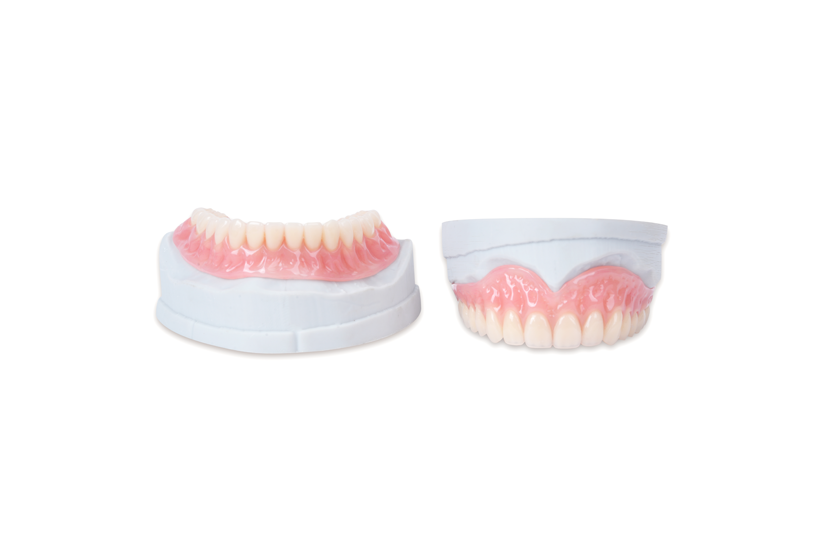
An important part of Titanium Partials is the precisely engineered framework made from medical-grade titanium alloy (usually Grade 5 Ti-6Al-4V). This framework supports the false teeth and acrylic parts. Instead of using traditional cast metal frameworks made from cobalt-chromium alloys, Titanium Partials are made using CAD/CAM milling technology or selective laser melting methods. This helps ensure that the dimensions are correct and reduces casting shrinkage errors that can cause frameworks to fit poorly.
Core Structural Components
The framework has clasps that attach to natural teeth that are still present, major and minor connectors that distribute occlusal forces, rests that keep the framework from moving, and mesh retention areas for acrylic attachment. The process of digital manufacturing starts with intraoral scanning or digitizing an impression. Next is the design of a virtual framework that takes into account principles of stability, support, and retention. By using stress distribution analysis to find the best metal thickness, this method lets technicians find a balance between strength and weight reduction.
Working Principle
Titanium frameworks work by transferring biting forces from false teeth to natural teeth and ridge tissues that are still present through the metal structure. Titanium's natural flexibility can absorb shock when you chew, potentially putting less stress on your abutment teeth than stiff cobalt-chrome frames. This mechanical behavior may help support tooth function while keeping the framework's integrity under the repeated stress that happens during daily mouth function.

Benefits of Titanium Partial Frameworks
There are measurable gains in clinical, practical, and patient experience areas when titanium is used in removable prosthodontics. These benefits directly address problems that dentists have found when they want to cut down on remakes, make patients more comfortable, and speed up production processes.
Enhanced Patient Comfort
Because the framework is lighter, patients who wear Titanium Partials may experience improved comfort. The lighter structure puts less stress on soft tissues, may lower the risk of gag reflexes in people with sensitive palates, and may speed up the adaptation process. Clinical studies suggest that people can wear titanium frames for long periods without getting tired or sore, which can happen with heavier metal options.
Superior Biocompatibility
Medical-grade titanium is generally considered to have good biocompatibility and may cause fewer allergic or inflammatory reactions in some patients. This feature is very important for people who are known to be sensitive to nickel, beryllium, or other elements that are common in regular dental alloys. Titanium surfaces form a passive oxide layer that helps limit ion release into oral tissues. This may help support the long-term stability of the framework in the oral environment.
Improved Fit Accuracy
Digital manufacturing reduces some of the errors that can occur when using traditional casting methods. This makes it possible for frameworks to fit prepared teeth accurately without requiring extensive chairside adjustments. This accuracy can mean shorter wait times for appointments, happier patients, and fewer remakes, which is a big deal for dental labs that have to stick to strict production plans and quality control standards.
Increased Durability
Even though titanium is very light, it has good wear resistance and crack toughness. Frameworks can maintain their shape under repeated chewing and grinding forces, which is something that often happens with cobalt-chrome clasps. This may help extend the service life of the prosthesis and reduce maintenance needs over time, which can benefit both patients and clinics.
Advantages Over Traditional Framework Materials
Titanium frameworks are competitive with traditional cobalt-chromium and gold alloy options. This makes them appealing to dental practices that want to set themselves apart in terms of quality and patient-centered care.
Weight Reduction
Titanium frameworks weigh about 15 to 25 grams, while cobalt-chrome frameworks of the same size weigh 40 to 60 grams. This 60–70% weight reduction may have a significant effect on how well patients accept their frames, especially maxillary frames that would feel heavy and uncomfortable otherwise. Frameworks that are lighter may also be less likely to move around during function.
Corrosion Resistance
Titanium's passive oxide layer makes it very resistant to corrosion in the mouth, where there is acidic saliva, food, and changes in temperature. This stability may help reduce discoloration and metallic taste that patients sometimes experience with traditional metal frameworks, so the prosthesis can maintain its appearance over time.
Customization Capability
CAD/CAM manufacturing lets you make designs in ways that aren't possible with casting. Technicians can make frameworks with different thicknesses, improve clasp undercut engagement, and add complex geometries that make retention better without affecting the look. This ability to customize helps make treatment plans that are unique to each patient, taking into account their structure and clinical needs.
Manufacturing Precision
Tolerances in digital systems are only 20 to 30 microns, while in casting methods they are usually 100 to 150 microns. This accuracy helps ensure that the frameworks fit on the abutment teeth, which may lower the mechanical stress that could cause the teeth to move or the framework to break. Labs that can mill titanium can help maintain consistent quality across multiple cases. This supports standard production protocols that are important for DSOs and high-volume practices.
Disadvantages and Considerations
When doing an objective review, you have to be aware of some of the problems that come with titanium frameworks. However, these problems can often be addressed with the right planning and source choice.
Repair Complexity
Titanium frames can't be fixed with regular soldering methods because the metal has a high melting point and reacts quickly with oxygen at high temperatures. To fix things, you need special laser welding tools that not all dental labs have. Digitally manufactured frameworks, on the other hand, can be made from saved design files instead of new patient impressions, making them a useful option when replacements are needed.
Initial Investment
To start making titanium, you need to spend a lot of money on CAD/CAM equipment, like five-axis milling machines and cutting tools made just for titanium. Smaller labs are affected by this cost barrier, but outsourcing to specialized production sites is still a possibility. Titanium frameworks usually cost 30–50% more per unit than cobalt-chrome alternatives, but the better fit accuracy and lower rate of remakes may help offset this.
Material Limitations
Because titanium is so hard, it needs diamond burs and other special abrasives to be finished and polished. Technicians need to learn certain skills in order to get smooth surfaces that don't let plaque build up and irritate soft tissues. As labs get better at their jobs, training needs may cause production delays at first.
Comparison: Titanium vs. Cobalt-Chrome vs. Gold Alloy Frameworks
Understanding material differences helps procurement managers and clinical decision-makers select appropriate solutions for specific patient populations and practice models.
| Property | Titanium | Cobalt-Chrome | Gold Alloy |
|---|---|---|---|
| Weight | 15–25g (Light) | 40–60g (Heavy) | 50–70g (Heavy) |
| Biocompatibility | Very good | Good | Very Good to Excellent |
| Corrosion Resistance | Very good | Moderate | Very good |
| Casting Accuracy | High (Milled) | Strong (Cast) | Strong (Cast) |
| Flexibility | Moderate | Low | High |
| Cost | Moderate to High | Low to Moderate | High |
| Repair Capability | Laser Only | Conventional Solder | Conventional Solder |
| Manufacturing Time | 3–5 days | 5–7 days | 5–7 days |
Titanium may be a suitable choice when patient comfort, biocompatibility, and precise fit are prioritized, particularly for individuals with metal sensitivities or those requiring long-term prosthetic wear.
Clinical Indications for Titanium Partial Frameworks
Titanium frameworks are especially useful in certain clinical situations where traditional materials aren't as suitable or where there are higher risks.
Patients with Metal Sensitivities
People who are known to be allergic to nickel, cobalt, or chromium may need framework materials that are suitable for their individual needs. Because titanium is generally considered biocompatible, it may be considered for these people, although individual reactions and clinical suitability should be evaluated by a dental professional.
Long-Span Edentulous Areas
Titanium's high strength-to-weight ratio is helpful in cases involving Kennedy Class I or Class II partially edentulous arches. The material is stiff enough to help prevent deformation during use, while its relatively low density may reduce weight and improve patient comfort after long periods of wear.
Geriatric Patients
Lightweight titanium frameworks may improve the quality of life for older patients who have less dexterity and may have difficulty handling heavy prostheses. As a result, the lighter design may make it easier to put in and take out, which can support oral hygiene and the longevity of supporting structures.
Full-Mouth Rehabilitation Cases
Titanium is compatible with both types of restorations, which is helpful for complicated treatment plans that include both implants and natural teeth. The material works well with implant-supported parts and holds clasps securely on natural abutments, so it can be used for a wide range of restorative purposes in a single framework design.
Materials Used in Titanium Partial Manufacturing
Choice of material has a direct effect on how well the framework works, how well it works with the body, and how well it works in the long term. Knowing about the different types of titanium and other parts that go with them helps with quality control and following the rules.
Medical-Grade Titanium Alloys
The main materials used to make Titanium Partials frameworks are commercially pure titanium (CP Ti Grade 2 or Grade 4) and titanium alloy Ti-6Al-4V (Grade 5). Titanium Partials made with Grade 5 titanium alloy contain about 6% aluminum and 4% vanadium. Compared with commercially pure titanium grades, this alloy offers better mechanical properties, including higher tensile strength and improved fatigue resistance. Titanium Partials made from this alloy can meet applicable biocompatibility requirements for dental applications and may be available with relevant regulatory and conformity certifications, depending on the manufacturer and market. For demanding dental applications, Titanium Partials can provide a useful combination of strength, durability, and biocompatibility.
Surface Treatment Materials
Frameworks get treatments on the outside to make them more compatible with tissue and stop bacteria from growing on them. Using aluminum oxide particles for sandblasting makes the surface micro-rough, which helps acrylic glue stick better. Electrochemical cleaning, on the other hand, gets rid of surface dirt and leaves a smooth, corrosion-resistant finish. Some makers use biocompatible coats to maintain the long-term appearance of the prosthesis and make plaque less likely to stick to them.
Retention Mesh and Attachments
To make sure they don't break when the temperature changes, high-quality titanium frames have retention mesh areas made from the same metal. Attachments and clasps that are precisely milled keep the structure's mechanical properties consistent. This stops galvanic corrosion, which can happen when different metals touch in the mouth.
Manufacturing Workflow for Titanium Frameworks
Digital technology and precise machining are used together in modern production methods to make frames that are consistent and meet high-quality standards.
Digital Design and Planning
The process starts with taking digital impressions or scanning real models. CAD software lets you design a virtual framework that includes areas for tissue relief, stress distribution analysis, and retention elements. Dentists who write prescriptions work with experienced techs to find the best design factors based on clinical needs and each patient's unique anatomy.
CAD/CAM Milling Process
Once plans are approved, they are sent to five-axis CNC milling machines that have diamond-coated cutting tools that can handle the toughness of titanium. Milling removes material from titanium blanks or blocks that have already been formed, allowing for tolerances in size of 20 to 30 microns. This subtractive manufacturing method makes sure that digital designs are accurately copied without the size changes that come with casting shrinkage.
Quality Control and Finishing
Dimensional checks are done with coordinate measuring tools or optical cameras as part of the post-milling checking to make sure the fit is correct. Frameworks are finished by hand to make the edges smooth, the contact surfaces shiny, and to make sure the clasps work properly. Quality assurance protocols make sure that products meet the requirements of ISO 13485:2016, which allows for easy tracking and compliance with regulations.
Try-In and Final Processing
Frameworks are taken to clinical try-in appointments, where dentists check the fit, retention, and relationship between the teeth. Once the patient agrees, dental workers connect false teeth and work on acrylic parts using either heat-cure or injection molding methods. The manufacturing cycle ends with final polishing and patient delivery. From design approval to shipment, it usually takes three to five business days.
Cost Factors Influencing Titanium Framework Pricing
Knowing what factors affect prices helps purchasing managers compare quotes from suppliers and show that spending money on high-end framework solutions is worth it.
Material Costs
A big part of the cost is medical-grade titanium blanks, whose prices change depending on the pure grade, the size of the blank, and the source relationship. Because it has better mechanical properties, Grade 5 alloy usually costs more than commercially pure grades. However, both materials meet biocompatibility standards for dental uses.
Manufacturing Complexity
The complexity of the framework design has a direct effect on the grinding time and tool wear when producing Titanium Partials. Compared with simpler designs, complex Titanium Partials frameworks that require multiple clasp assemblies, precise attachments, or anatomically contoured connections generally cost more to manufacture. The cost of purchasing and maintaining CAD/CAM equipment is also considered when determining the per-unit price of Titanium Partials. As a result, highly customized Titanium Partials may have higher production costs because they require more machining time, specialized tools, and advanced digital manufacturing processes.
Customization Requirements
Standardized designs are less expensive than fully personalized frames made to fit the needs of each dentist. Custom solutions are made to fit the specific anatomy of each patient, include proprietary retention systems, or include changes to the way the device looks that are requested by prescribing clinicians.
Regulatory Compliance
For things like FDA registration, CE marking, and ISO 13485:2016 compliance, you have to keep spending money on quality control systems, rules for keeping records, and third-party audits. As a way to show their dedication to high-quality manufacturing and patient safety, suppliers with full regulatory portfolios often charge small fees.
Order Volume and Logistics
Larger order volumes make production more efficient, which lets labs offer volume discounts to DSOs and group practices. International shipping, customs taxes, and faster delivery choices all add extra costs that change depending on where the package is going and how quickly it needs to get there.
How to Choose a Reliable Titanium Framework Supplier
To find the right manufacturing partner, you need to look at a number of factors that affect the quality of the product, the reliability of delivery, and the success of the long-term partnership.
Manufacturing Capability Assessment
Make sure that any potential providers have CAD/CAM milling tools that are specifically designed for titanium and have technical staff with a lot of experience. Ask for facility certifications, lists of equipment, and production capacity data to make sure that the business can grow as demand does. Suppliers should show that they know how to use digital processes and keep their software up to date so that it works with your scanning and design systems.
Quality Management Verification
Give more weight to suppliers who have ISO 13485:2016 certification, FDA registration for dental products, and CE marking to make sure they are compliant with the European market. Ask for proof of quality, like material certificates, biocompatibility test reports (ISO 10993), and data that proves the measurements are correct. Established quality control systems lower the risk of having to redo something and make sure that all runs of products work the same way.
Customization and Communication
When evaluating a supplier for Titanium Partials, check how responsive the provider is to your original questions and how willing they are to meet specific design requirements. For answering design questions and handling urgent Titanium Partials case needs, it is important to have reliable communication channels, such as dedicated account managers and experienced technical support staff. Collaboration on Titanium Partials orders goes more smoothly when suppliers offer bilingual support and response windows that accommodate different time zones. Strong communication helps ensure that design specifications, production requirements, and delivery expectations for Titanium Partials are clearly understood and efficiently managed.
After-Sales Service and Warranty
Check the warranty's terms, such as how long it covers (usually one to two years for removable prostheses) and what the requirements are for getting the item fixed or replaced for free. Reliable suppliers offer technical advice for making fit adjustments, keep digital design archives for future reproduction, and offer fast turnaround times for situations where you need to make something quickly.
Production Timeline and Flexibility
Standard production processes should work with your practice's workflow. From approval of the plan to shipment, it usually takes three to five working days. Check to see if the supplier can handle urgent cases and what their track record is for delivering on time. Professional operations management is shown by clear order tracking systems and early warnings about possible delays.
Maintenance and Care Guidelines
Proper maintenance extends the life of the framework and keeps the fit accurate, but patients need to be taught how to do it, and professionals need to check on them every so often.
Daily Cleaning Protocols
Patients should take off their frameworks after meals so that they can be gently brushed with soft-bristled brushes and cleaners that don't scratch. Titanium doesn't rust, so it can be safely submerged in denture cleaning solutions. However, alkaline products work better than acidic ones, which could damage plastic parts. Plaque builds up every day and can cause inflammation of the gums around abutment teeth if it is not removed.
Professional Maintenance
Professional reviews every year let dentists check the fit of the framework, the retention of the clasps, and the health of the tissues. Small changes to how the clasp engages can be made at the chairside with the right tools, but big changes should be sent to the production lab to keep the structure's integrity. Professional ultrasonic cleaning can get rid of calculus buildup that you can't get rid of with home care.
Storage Recommendations
When frameworks aren't being used, they should be kept in a wet environment to keep the acrylic parts from shrinking. Protective cases keep things clean when they're not being worn and stop unexpected damage. Even though titanium is thermally stable, patients should not expose frameworks to too much heat, which can warp acrylic parts.
Key Takeaways
When evaluating a supplier for Titanium Partials, check how responsive the provider is to your original questions and how willing they are to meet specific design needs. For answering design questions and handling urgent Titanium Partials case needs, it is important to have reliable communication channels, such as dedicated account managers and technical support staff. Collaboration on Titanium Partials orders goes more smoothly when suppliers offer bilingual support and response windows that work with different time zones. A responsive supplier can also provide timely feedback on Titanium Partials designs, clarify technical requirements, and help resolve production issues efficiently. Clear communication is essential for maintaining consistent quality and ensuring that Titanium Partials meet the required specifications.
FAQ
What makes titanium a potential alternative to traditional metal dentures?
Titanium is often considered a suitable metal for people who are sensitive to certain metals. Medical-grade titanium, which is also used in dental implants and hip replacements, is generally considered biocompatible. Titanium may have a lower risk of adverse reactions than some dental alloys, although individual sensitivity varies. This makes it a potential material for long-term prosthetic uses.
Can titanium frameworks be repaired if damaged?
Titanium is very strong, but it needs to be fixed with special laser welding tools instead of regular joining methods. Digitally made frameworks, on the other hand, can often be quickly copied from old design files without needing new patient impressions. This makes them a useful alternative when replacement is needed. This method keeps dimensional accuracy while causing the patient as little trouble as possible.
How much lighter are titanium partials compared to traditional frameworks?
Titanium frameworks usually weigh 60–70% less than cobalt-chrome frameworks of the same size, dropping from 40–60 grams to 15–25 grams. This big weight loss may make the patient more comfortable, lower the stress on soft tissues, and improve the retention of the prosthesis. This is especially true for maxillary applications where heavy frameworks can make patients uncomfortable.
Do titanium frameworks require special maintenance?
Standard denture care rules say that titanium frameworks should be brushed every day with soft-bristled brushes and cleansers that don't scratch. Because the material is so resistant to rust, denture cleaning products can be used safely. Professional evaluations once a year make sure that the fit and retention of the clasp are properly maintained. Unlike traditional metal frameworks, which may rust or change color over time, these systems require little upkeep.
What is the typical turnaround time for titanium framework production?
Digital manufacturing workflows allow production cycles of three to five business days, from approval of the design to shipment. For urgent situations, there are also choices for faster processing. This speed is faster than traditional casting methods, which take 5–7 days. This gives offices more scheduling options and shorter wait times for patients.
Are titanium frameworks suitable for patients with implants?
Titanium frameworks can be used with implant-supported restorations because the two types of materials are compatible. The biocompatible titanium used in dental implants may reduce the galvanic corrosion risks that can come with using different metals. This makes titanium frames suitable for cases where natural teeth and implant abutments need to be combined in a single prosthesis design.
How does digital manufacturing improve framework accuracy?
With CAD/CAM milling, tolerances for size are only 20 to 30 microns, while with casting, they are usually 100 to 150 microns. This accuracy reduces mistakes caused by casting shrinkage, supports a passive fit on the abutment teeth, and cuts down on the time needed for chairside adjustments. Digital processes help make sure that quality control is always the same and let you improve designs based on stress distribution analysis.
What certifications should I verify when selecting a titanium framework supplier?
Give more weight to suppliers who have ISO 13485:2016 certification for managing the quality of medical devices, FDA registration for dental products, and CE marking to show they follow European standards. Make sure the materials have appropriate biocompatibility documentation and ask for proof, like material certificates and measurement accuracy validation reports, to make sure they follow the rules and are made well.
Partner with HYC for Premium Titanium Partial Solutions
HYC has 22 years of experience making precise dental restorations and provides titanium frameworks for dental applications. Our factory is ISO 13485:2016-certified and uses medical-grade titanium to make customized frameworks designed for an accurate fit. These frames are manufactured according to applicable standards for biocompatibility and fit accuracy. We know how important turnaround time is for dental practices, which is why we keep our production schedules flexible. We offer standard 3-day processing as well as faster options for cases that need to be delivered the next day. Our titanium partial frames are designed to support consistent quality and fit accuracy, which may help reduce costs and improve patient satisfaction. Every framework comes with a full warranty that covers all repairs or replacements for 2 years for fixed restorations and 1 year for removable prostheses. If you run a private practice, dental lab, or multi-location DSO that needs consistent quality across all locations, HYC's focused technical support team and reliable communication make it easy to work together from concept to delivery. Email our team at info@hycdentallab.com to talk about your unique needs and find out why dental professionals all over the world choose HYC as their chosen Titanium Partials provider. You can look at all of our CAD/CAM prosthetic solutions at hycdentallab.com.
References
1. Brudvik, J.S. (2019). Advanced Removable Partial Dentures: Clinical Concepts and Laboratory Procedures. Quintessence Publishing Co.
2. Carr, A.B., & Brown, D.T. (2021). McCracken's Removable Partial Prosthodontics (13th ed.). Elsevier Health Sciences.
3. Jabbour, Z., & Fromentin, O. (2018). Digital workflow for titanium removable partial denture frameworks: A clinical report. The Journal of Prosthetic Dentistry, 120(2), 175-178.
4. Phoenix, R.D., Cagna, D.R., & DeFreest, C.F. (2017). Stewart's Clinical Removable Partial Prosthodontics (5th ed.). Quintessence Publishing Co.
5. Titanium Applications in Dentistry. (2020). Journal of Materials Science: Materials in Medicine, 31(8), 1-18.
6. Wang, H., & Feng, H. (2022). Comparative analysis of titanium and cobalt-chromium removable partial denture frameworks: A systematic review. International Journal of Prosthodontics, 35(1), 45-58.
YOU MAY LIKE
.webp "Full Gold Crown (FGC)")
.webp "PAEK (Polyaryletherketone)")