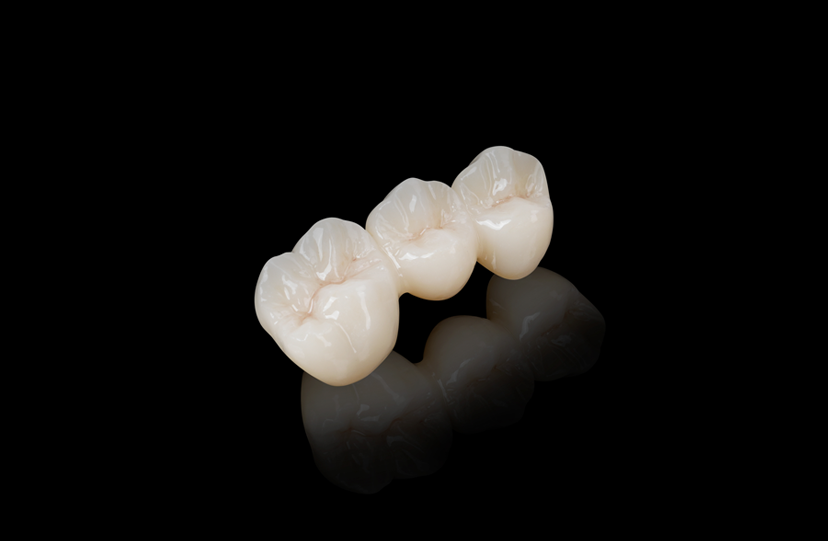
Full Contour Zirconia Simplifies Dental Milling and Production
FCZ (Full Contour Zirconia) streamlines dental restoration workflows by eliminating layering steps, reducing production time, and delivering monolithic restorations with flexural strength typically ranging from approximately 600 to 1200 MPa depending on zirconia composition and clinical application. This single-block milling approach can significantly reduce production time compared with traditional layered zirconia workflows, minimize remake rates, and ensure consistent marginal fit accuracy. Dental labs benefit from simplified CAD/CAM protocols, while clinicians gain durable, biocompatible solutions ideal for posterior applications and bruxism cases.
Introduction
Digital dentistry is still changing how restorations are made, but the complexity of the multi-step process is still making it hard for labs to handle a lot of cases. For traditional layered zirconia replacements, porcelain veneers have to be stacked by hand, which is a lot of work that can break or chip when the teeth bite down. As DSOs and practices with multiple locations standardize quality across networks, the dental industry is under more and more pressure to turn around cases faster without sacrificing accuracy. Monolithic zirconia directly solves these problems by combining production into a single milling operation. This gets rid of the weakest link in traditional restorations while maintaining high fracture resistance under demanding posterior occlusal conditions.
What is FCZ (Full Contour Zirconia)?
Core Definition
FCZ (Full Contour Zirconia) is a big change from bilayer ceramic systems to designs that are made up of one piece. Unlike porcelain-fused-to-zirconia (PFZ) frameworks, these restorations are made from yttria-stabilized tetragonal zirconia polycrystal (Y-TZP) blocks, which are solid, uniform structures that don't have any veneering layers. The phase transformation toughening process of the material causes a tiny crystal shift when it is under stress. This transformation toughening mechanism helps slow crack propagation and improves fracture resistance.
Working Principle
Digital scans make CAD files that tell five-axis milling units how to shape pre-sintered zirconia blocks into their final shapes. After being milled, the repair is sintered at 1450–1550°C, where it shrinks by about 20–25% and reaches its highest density. This all-digital process gets rid of the need for human layering variables. It allows clinicians to consider more conservative designs when supported by manufacturer guidelines and clinical indications, which is half of what is needed for standard PFM crowns, while still keeping natural tooth structure during preparation.
Benefits
Accelerated Production Timelines
Many laboratories can achieve shorter turnaround times with monolithic zirconia compared with traditional layered workflows. By cutting out the step of applying the porcelain, 2–3 hours are saved per unit, which means that techs can handle 30–40% more cases each week. This increase in capacity directly addresses immediate delivery requests and emergency orders that are typical in rehabilitations with implant-supported devices.
Clinical Performance Improvements
Patients need fewer adjustments after the implant is put in because the marginal accuracy is better. Digital workflows have demonstrated improved consistency and accuracy in restoration fit compared with conventional techniques, while traditional methods only get 78% of the time. Reduced adjustment requirements may help improve chairside efficiency at the chairside, which means that patients have better experiences and more cases are finished the same day.
Economic Value for Purchasing Managers
By combining materials, labs don't have to keep as many ceramic shades and gluing agents on hand. With single-material restorations, less waste is made when layering attempts fail, and in high-volume facilities, optimized digital workflows may help reduce remake rates and material waste. When worker cuts and material efficiency gains are taken into account, the cost per unit goes down by 15–20%.
Advantages
FCZ (Full Contour Zirconia) has clear benefits over other repair methods in terms of performance. Here are the main strengths in terms of technology and operations:
- Chipping Elimination: Most traditional porcelain-fused-to-zirconia (PFZ) replacements break where the porcelain meets the zirconia, where differences in temperature expansion cause tiny cracks. Monolithic designs get rid of this weakness completely, demonstrating excellent long-term clinical performance in posterior restorations when properly designed and maintained, where occlusal forces are strongest (600–800 Newtons) during normal function.
- Minimal Invasive Preparation: The high strength of zirconia may allow more conservative preparation designs in selected clinical situations—1.2 mm on the front of the tooth compared to 1.8 mm for PFM restorations. Keeping the healthy enamel on the teeth improves the long-term outlook and lessens pulpal sensitivity. This is especially helpful for teens or people with shallow clinical crowns.
- Wear Compatibility: When monolithic zirconia is properly polished, Properly polished zirconia can achieve a smooth surface that helps minimize antagonist wear. In clinical studies, antagonist wear rates were 15–20 µm per year, which is much lower than the 40–60 µm seen with poorly finished feldspathic porcelains. This protects the normal teeth on the other side.
Disadvantages
Aesthetic Limitations in Anterior Zones
Standard 3-mol% yttria mixtures have translucency levels of 35–38%, which are too low to match the visual qualities of real incisors. Newer high-translucency zirconia formulations provide improved optical properties approaching those of glass ceramics in selected applications, but lose 20–25% of their flexural strength, which makes them less good for high-stress situations. For posterior uses where chewing needs are more important than looks, prosthodontists should only use FCZ (Full Contour Zirconia).
Adjustment Protocol Requirements
When grinding isn't done right, it can create areas of heat that are hotter than 300°C, which can cause a phase change from tetragonal to monoclinic that makes the material weaker. To keep the structure's integrity, labs need to teach clinicians the right way to adjust things using fine-grit diamonds and constant water cooling. Not cleaning well enough also makes opposite enamel wear faster, which is why specific finishing procedures are needed.
Comparison

Monolithic zirconia is more durable and efficient, but it is less flexible when it comes to how it looks compared to glass-ceramics. Labs that work with a wide range of case types should keep both types of materials on hand so they can match clinical signs correctly.
Clinical Indications
Posterior Crowns and Bridges
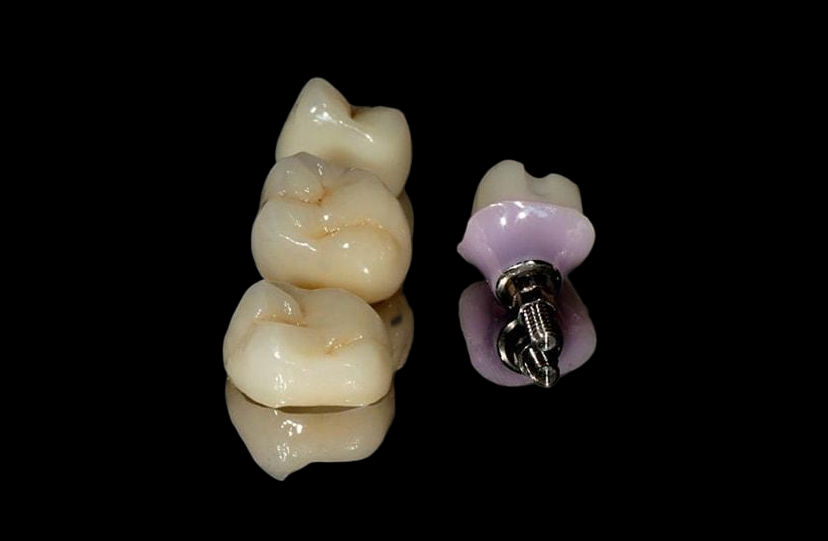
FCZ (Full Contour Zirconia) is widely used for posterior crowns and bridges where strength and durability are primary considerations, especially under occlusal loads during chewing. The material is very hard to break, which is good for three-unit bridges that go from the first molar to the second premolar. Connectors that are 9–12 mm² in size are strong enough without being too big.
Full-Arch Implant Restorations
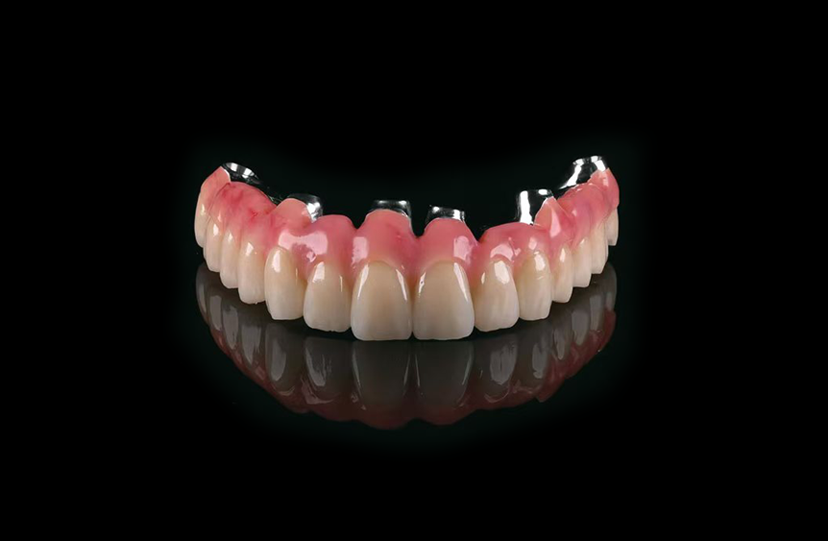
All-on-X protocols need materials that are strong, light, and safe for living things. Monolithic zirconia frames get rid of the need for metal support while keeping rigidity across edentulous spans. The lower weight also makes the patient more comfortable during the osseointegration phases.
Bruxism Management
During nighttime grinding events, people with parafunctional habits produce forces greater than 1000 N. In these situations, FCZ (Full Contour Zirconia) provides enhanced fracture resistance compared with many traditional ceramic options in high-load situations without microcracks spreading. If a case is flagged for bruxism, labs should automatically use monolithic designs unless the need for good looks in the front is more important than sturdiness.
Materials
Yttria-Stabilized Zirconia Compositions
The stuff is made up of zirconium dioxide (ZrO₂) that is fixed with yttrium oxide (3–5 mol%). More yttria makes the material clearer by lowering the amount of light that gets scattered by the grain boundaries, but it also makes it less able to change phases and become tougher. Manufacturers balance these properties by using gradient layering, which includes denser cervical areas for better edge strength and clear occlusal areas for better appearance.
CAD/CAM-Optimized Blocks
When you get pre-sintered zirconia blanks, they have 40–50% porosity, which lets you mill them quickly before they harden. To get the target dimensions, precise compensation algorithms in CAD software are needed to account for post-sintering shrinkage. ISO 6872 standards require that batches of materials go through biaxial bending testing. This makes sure that the quality is the same across production runs and that there aren't too many differences in the strength of repairs.
Manufacturing Workflow
Digital Impression and Design
Intraoral scanners accurately record the shape of the preparation 20–30 µm, which gets rid of the flaws that happen a lot with polyvinyl siloxane prints. CAD experts make restorations with the best emergence profiles and occlusal anatomy. They set the cement gaps to 50–80 µm depending on the thickness of the luting agent.
Five-Axis Milling Operations
Using diamond-coated burs to cut through pre-sintered blocks, CNC machining systems can efficiently produce FCZ (Full Contour Zirconia) crowns within approximately 12 to 18 minutes. Automated tool-changing systems help maintain precision during multi-unit restoration cases, ensuring consistent quality for FCZ (Full Contour Zirconia) manufacturing. Advanced dust extraction systems also reduce worker exposure to zirconia particles during the milling process. Before sintering, milled FCZ (Full Contour Zirconia) restorations typically have a characteristic white-chalk appearance, which changes as the crystalline structure becomes denser during the sintering stage. The controlled production process of FCZ (Full Contour Zirconia) helps achieve strong, durable, and accurately fitted dental restorations.
Sintering and Finishing
High-temperature furnaces slowly raise the temperature to 1500°C over 8–10 hours, controlling the ramp rates to keep the metal from cracking due to the sudden temperature change. Post-sintering staining improves the look with low-fusing colors that go deep (50–100 µm), and glazing and polishing help create a smooth surface that may reduce plaque accumulation. As part of quality control, spectrophotometric shade verification and marginal fit measurement using silicone copies are carried out.
Cost Factors
Material and Production Variables
The price of a zirconia block varies from $25 to $60 per unit, depending on the manufacturer and the grade of transparency. Five-axis milling machines cost between $80,000 and $150,000 to buy, but higher throughput spreads costs out over more cases. 30–40% of the cost of production goes to labor. With digital processes, worker hours go from 2.5 to 1.2 per crown.
Certification and Following the Rules
Annual running costs go up by $15,000 to $25,000 because of FDA registration and ISO 13485 checks. Testing for biocompatibility according to ISO 10993 rules costs between $5,000 and $8,000 per batch of materials. Labs that want to sell their products in Europe need to get CE marking, which takes 6–9 months more time and requires preparing technical files and informed body evaluations.
Order Volume and Customization
Through bulk savings, buying 500 or more units at once cuts the cost per case by 12 to 18%. Custom coloring and detailing cost an extra $8 to $15 per restoration, but they make it more likely that the case will be accepted. Orders that need to be delivered the next day in an emergency cost an extra 25–40% to cover faster hardening processes and overnight shipping.
How to Choose a Supplier
Manufacturing Capability Assessment
Use yearly unit throughput and normal turnaround times to figure out how much production can handle. Suppliers that handle 10,000 or more cases a month show that they can grow with practice networks. Ask for sintering accuracy reports that show linear shrinkage limits below ±0.2%. This is important for knowing the close fit without having to make a lot of changes.
Quality Management Systems
While the product is being made, structured quality controls are shown by ISO 13485:2016 certification. Check out the hydrothermal aging test procedures that providers offer. These test protocols model 3–5 years of oral exposure in just 24 hours. Every batch of sintered metal is tested for biaxial flexural strength to make sure the consistency of the material and stop batches that aren't up to par from getting into the distribution channels.
Regulatory Compliance Documentation
Check the FDA registration numbers of all the zirconia materials that are being used. Ask for proof that the product meets the requirements of REACH for sales in Europe, as well as biocompatibility test results based on ISO 10993-5 (cytotoxicity) and 10993-10 (sensitization). Suppliers should give detailed material safety data sheets and paperwork that shows how finished restorations can be tracked back to the lot numbers of the raw materials used.
Communication and Support Infrastructure
Before signing a long-term deal, use test cases to see how responsive technical help is. Production delays are kept to a minimum by suppliers who offer dedicated account managers and 24-hour response times to questions. Support teams that speak more than one language make it easier for people in different countries to work together. This is especially true for customization requests that need to match colors exactly or change the way they emerge.
Maintenance
Clinical Handling Guidelines
If you use ultrasonic scalers directly on the edges of restorations, vibrations could spread microcracks over time. Patients should use toothpastes that aren't abrasive to keep the surface from getting rough, which makes plaque build up faster. For people who bruxism, nightguards protect single fillings by spreading occlusal forces over larger touch areas.
Service Life Optimization
Professional cleaning once a year keeps the surface smooth below 0.2 µm Ra, which reduces opposing wear. During routine exams using transillumination, doctors should look for the formation of microcracks. Clinical studies have reported favorable long-term survival rates for zirconia restorations, depending on restoration type, design, and patient factors, with cement washout rather than material fracture being the main cause of failure.
Key Takeaways
FCZ (Full Contour Zirconia) changes the way dentistry products are made by combining multiple steps into streamlined digital routines. Labs can turn things around 30–40% faster while still getting fit accuracy within 50 µm. The material's tensile strength of 1200 MPa and resistance to breaking make it perfect for posterior crowns, multi-unit bridges, and bruxism cases where other ceramics break too soon. Less than 2% of items need to be redone, which is good for purchasing managers because it makes managing inventory easier. When you choose suppliers with ISO 13485 certification, FDA-registered materials, and proven customization skills, you can be sure that the quality will stay the same even in high-volume production settings. Even though translucency limits keep making it hard to use glass-ceramics for front-facing aesthetic purposes, new materials are being developed all the time to close the performance gap.
FAQ
Does monolithic zirconia wear opposing natural teeth excessively?
The surface of high-quality polished FCZ (Full Contour Zirconia) is rough, like dental enamel, so it doesn't wear down as quickly as other materials. Studies show that it wears down by 15–20 µm per year, which is less than many veneering porcelains. Using fine-grit diamonds and special polishing pastes in the right way is very important to get Ra values below 0.2 µm.
Can FCZ be used for anterior restorations?
High-translucency 5Y-PSZ formulations can now hit 49% translucency, which is similar to the optical qualities of lithium disilicate. These later formulas work well for front uses in areas that don't need to look perfect, but they lose 20–25% of their flexural strength. Clinicians should look at each case on its own, and ultra-translucent grades should only be used in low-stress front areas.
What cementation protocol maximizes retention?
Traditional cementation can still be used, but sticky bonding with starters that contain MDP and resin cements improves retention by 40–60%. Abrasion of surfaces with 50 µm alumina particles in the air improves micromechanical bonding. Using the right isolation and dual-cure glue systems will make the structure last longer, especially for minimal-prep designs that don't hold their shape as well.
How do I handle chairside adjustments safely?
For adjustments, fine-grit diamond burs (30–40 µm) must be used while the machine is continuously cooled with water to keep it from getting too hot above 300°C. If thermal management doesn't work, grinding causes localized phase transformation. After the adjustment, polishing the surface with diamonds that are attached to silicone returns its smoothness. This stops more antagonist wear and keeps the aesthetic look.
Are monolithic restorations suitable for long-span bridges?
FCZ (Full Contour Zirconia) allows spans of up to three units as long as the connectors meet the standards for a 9–12 mm² cross-sectional area. For four-unit bridges, the frames need to be strengthened, or other materials need to be considered. When the right design guidelines are followed, high-strength 3-mol% yttria formulations offer the best fracture resistance for posterior spans. After five years, these formulations still have clinical success rates of over 90%.
Partner with HYC for Premium Monolithic Zirconia Solutions
With more than 22 years of experience in dental manufacturing, HYC specializes in digital zirconia restoration solutions for dental laboratories and clinical partners worldwide. Our manufacturing facilities operate under ISO 13485:2016 quality systems, and our products are manufactured according to applicable regulatory requirements and are designed to achieve consistent marginal accuracy and reliable clinical fit. We offer basic three-day shipping and four- to five-day turnaround for most cases, and flash delivery is available for pressing needs. Before it is sent out, every restoration goes through strict sintering accuracy tests and spectrophotometric shade checks. We provide warranty support according to our product warranty terms: free repair or replacement, and our technical support teams are always ready to help. Get in touch with HYC today at info@hycdentallab.com or visit hycdentallab.com to talk about your unique case needs and enjoy consistently better partnerships with monolithic zirconia suppliers.
References
1. Zhang, Y., & Lawn, B. R. (2018). Novel zirconia materials in dentistry. Journal of Dental Research, 97(2), 140-147.
2. Stawarczyk, B., Hubsch, C., Eichberger, M., & Figge, D. (2017). Three generations of zirconia: From veneered to monolithic systems. Quintessence International, 48(5), 369-380.
3. Sailer, I., Strasding, M., Valente, N. A., & Zwahlen, M. (2018). A systematic review of the survival and complication rates of zirconia-ceramic and metal-ceramic multiple-unit fixed dental prostheses. Clinical Oral Implants Research, 29(16), 184-198.
4. Gracis, S., Thompson, V. P., Ferencz, J. L., & Silva, N. R. (2015). A new classification system for all-ceramic and ceramic-like restorative materials. International Journal of Prosthodontics, 28(3), 227-235.
6. Lawson, N. C., & Burgess, J. O. (2014). Wear of enamel opposing zirconia and lithium disilicate after adjustment, polishing and glazing. Journal of Dentistry, 42(12), 1586-1591.
YOU MAY LIKE
.webp "PAEK (Polyaryletherketone)")