How does PFM Co Cr compare to titanium - based PFM?
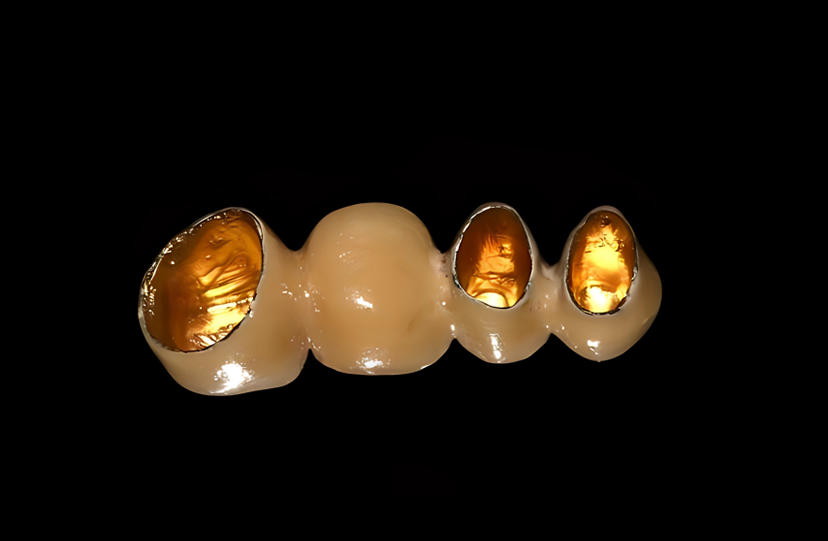
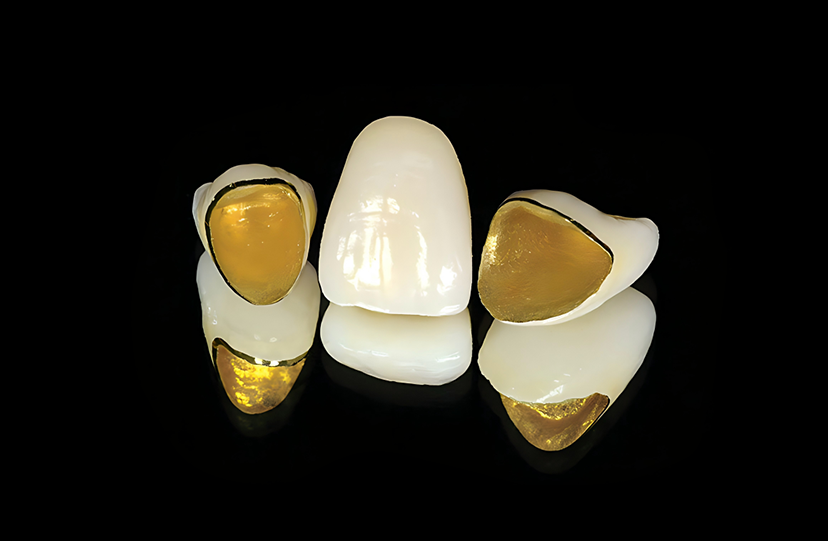
Co-Cr PFM (Cobalt-Chrome) frames offer better flexural strength and fracture resistance than titanium-based options when comparing porcelain-fused-to-metal (PFM) restorations. They are also more affordable. Co-Cr PFM (Cobalt-Chrome) is great for high-stress posterior uses and long-span bridges up to 14 units because it has good tensile qualities and offers excellent corrosion resistance. While titanium is still lighter and a little more biocompatible, Co-Cr PFM (Cobalt-Chrome) always has a tighter edge when it is made by digital milling or precise casting. Most dental labs say that remakes are less common with Co-Cr PFM (Cobalt-Chrome) frames because they work better with porcelain layers when it comes to temperature expansion. However, titanium may be better in very rare cases where people are very sensitive to metals.
Introduction
One of the most important choices in modern restorative dentistry is choosing the right metal material for porcelain-fused-to-metal (PFM) restorations. Dental labs, procurement managers, prosthodontists, and implant specialists are always comparing the technical benefits of titanium frameworks and Co-Cr PFM (Cobalt-Chrome) frameworks. Each material has its own mechanical qualities, biocompatibility profiles, cost structures, and fabrication needs that have an immediate effect on how well patients do, how often implants need to be replaced, and the long-term treatment costs.
This helps answer the most important questions that procurement professionals and dental technicians have about finding PFM frameworks. Smarter buying choices are made when you know how each alloy works under clinical loads, how it works with porcelain layers, and how it fits into the supply chain. To help you choose the best framework material for your case mix and patient groups, we look at composition, strength measures, aesthetic factors, and how well they work in real life.
Understanding Co-Cr and Titanium Alloys in PFM Crowns
Composition and Structural Integration
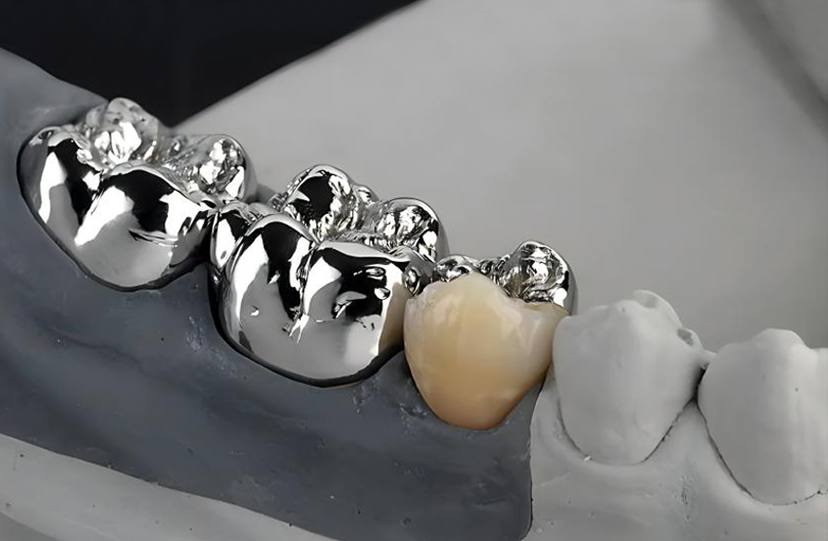
Co-Cr PFM (Cobalt-Chrome) alloys usually have between 55 and 70% cobalt, 25 to 30% chromium, and a smaller amount of molybdenum, tungsten, or nickel, based on how they are made. These frames join with feldspathic porcelain by chemical bonding at the oxide layer that forms during the first firing. When handled properly, the chromium presence makes a thin, stable oxide film that promotes strong porcelain bonding.
Titanium frames, on the other hand, are made of pure titanium or a Ti-6Al-4V combination that is commercially available. Pure titanium forms a thicker oxide layer that needs special low-fusing ceramic systems that are made to work with its unique coefficient of thermal expansion (CTE). The integration depends on mechanical fitting and oxide bonding. However, the thicker oxide can make it harder to apply porcelain if the firing instructions are not followed exactly.
Physical and Chemical Properties
Co-Cr PFM (Cobalt-Chrome) has a melting point of about 1400°C, which lets it be made using either traditional lost-wax casting or high-precision DMLS (direct metal laser sintering). It has a modulus of elasticity close to 220 GPa, which makes it stiff enough to prevent bending under oral stress. Corrosion resistance comes from the inactive chromium oxide layer that grows back when it is touched, maintaining long-term restoration stability in the mouth for a long time.
Titanium melts at about 1670°C, so it needs special casting tools or CAD/CAM milling from blanks that have already been pre-sintered. Its lower density (4.5 g/cm³ vs. 8.4 g/cm³ for Co-Cr PFM (Cobalt-Chrome)) makes restorations lighter, which could make patients more comfortable with big bridges. It has a modulus of elasticity of about 110 GPa, which is about half that of Co-Cr PFM (Cobalt-Chrome), and can make frameworks bend more in thin parts.
Manufacturing Processes and Quality Control
These days, both standard induction casting and digital DMLS printing are used to make Co-Cr PFM (Cobalt-Chrome). Laser-sintered frames get rid of the differences in size that come from wax burnout and metal shrinking, making the fits as good as milled zirconia restorations. Quality control checks the thickness of the oxide layer before the porcelain is applied. Vacuum firing processes make sure that the oxides are dense and thin, which stops them from delaminating.
Most of the time, CNC milling from pre-made blocks or laser sintering from titanium powder is used to make titanium frames. Because the material reacts with oxygen at high temperatures, standard casting methods need to be protected with argon. To keep porcelain systems from breaking during cooling cycles, labs must carefully match porcelain systems specifically designed for titanium to titanium's thermal expansion coefficient.
Comparative Analysis: Co-Cr PFM vs Titanium-Based PFM
| Feature | Co-Cr PFM | Titanium PFM |
|---|---|---|
| Strength | ★★★★★ | ★★★★☆ |
| Rigidity | ★★★★★ | ★★★☆☆ |
| Biocompatibility | ★★★★☆ | ★★★★★ |
| Corrosion Resistance | ★★★★★ | ★★★★★ |
| Weight | ★★★☆☆ | ★★★★★ |
| Cost Efficiency | ★★★★★ | ★★★☆☆ |
| Long-span Bridges | ★★★★★ | ★★★☆☆ |
| Metal Allergy Cases | ★★★☆☆ | ★★★★★ |
|
Recommended Applications Co-Cr PFM:✔ Posterior Crowns ✔ Long-span Bridges ✔ Implant Frameworks ✔ High Occlusal Load Titanium PFM:✔ Metal-Sensitive Patients ✔ Lightweight Restorations ✔ Single Crowns ✔ Premium Biocompatibility |
||
Mechanical Strength and Durability
Co-Cr PFM (Cobalt-Chrome) frames have a tensile strength of more than 700 MPa and a very high fracture toughness, which means they rarely break when standard chewing forces are applied. Long-term clinical studies show that PFM restorations can last more than 20 years if they are properly sealed and cleaned. Wear resistance is still high, even in patients with bruxism, but porcelain can chip under very heavy parafunctional loads.
Titanium is strong enough for single-unit crowns and short-span bridges. For commercially pure types, the tensile strength is about 550 MPa. Because it is less rigid, framework parts that are bigger may be needed to keep long-span cases from bending. Titanium rarely breaks, but the lower stiffness can make it more likely for porcelain to break if the framework design doesn't support the ceramic layer well enough.
Biocompatibility and Allergy Considerations
The FDA and ISO 10993 both say that both metals are biocompatible, but their sensitivity levels are different. Co-Cr PFM (Cobalt-Chrome) mixtures that contain nickel can cause allergic responses in about 10–15 percent of people, so it is important to carefully screen patients before using them. Nickel-free Co-Cr PFM (Cobalt-Chrome) options have become popular because they work just as well mechanically but pose less of a risk of exposure.
Titanium has almost no known allergic reactions and is very resistant to corrosion, making it the best material for biocompatibility. Even after decades of clinical use, metal ion release is still very small. Because of this, titanium frames are the best choice for treating people who are known to be sensitive to base metals or who are patients with known metal hypersensitivity and need the highest level of biocompatibility guarantee.
Cost-Effectiveness and Supply Chain Considerations
Co-Cr PFM (Cobalt-Chrome) metals are the most cost-effective way to build a framework because the materials are usually 40–60% less expensive than titanium options. Well-established casting and milling processes cut down on the time it takes to make something and the need for specialized tools. OEM suppliers often have lower minimum order amounts for bulk purchases, which lets labs keep inventory on hand without having to spend a lot of money on new equipment.
Titanium is 50–80% more expensive per unit than Co-Cr PFM (Cobalt-Chrome) because it requires more complex processes and costs more for its raw materials. The supply chain complexity can be harder because some types of titanium can't be exported, and argon gas needs to be stored. Co-Cr PFM (Cobalt-Chrome) may be easier for smaller labs to get because it works with normal dental casting tools and is sold by more suppliers.
Esthetic and Functional Outcomes
Co-Cr PFM (Cobalt-Chrome)'s silvery-gray color can be seen through thin layers of porcelain, especially in anterior restorations with little reduction. To fix this, you need high-opacity blocking agents and face porcelain that is at least 1.5 mm thick. Porcelain butt margin designs hide the metal collar by extending the porcelain to the finish line. This lets more light into the tooth structure.
Titanium's lighter color might make things look a little better, but neither material is clear enough for highly aesthetic front cases without enough porcelain covering. Co-Cr PFM (Cobalt-Chrome)'s rigidity makes it a better material for long-span bridges and implant frames that need to avoid displacement as much as possible. Titanium is the best material for single-unit posterior crowns because it reduces weight and is biocompatible with the body.
Decision-Making Guide for Selecting PFM Alloy for Dental Applications
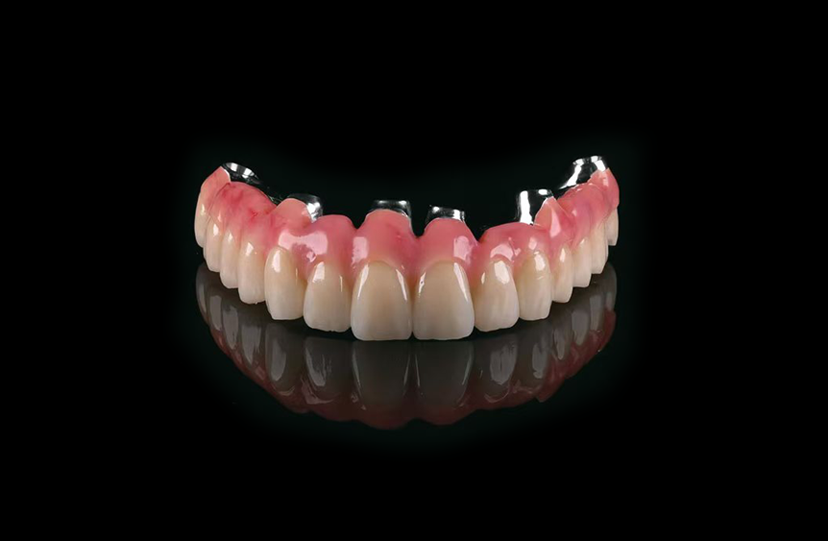
The first step in matching framework material to clinical needs is to look at the difficulty of the case, the budget, and any factors that are unique to the patient. Because it is strong and cheap, Co-Cr PFM (Cobalt-Chrome) is good for general practices that make a lot of posterior crowns and short bridges. Implant clinics that do full-arch reconstructions need the rigidity that long frames made of Co-Cr PFM (Cobalt-Chrome) provide.
Metrics for performance should find a balance between the needs for mechanical strength, biological tolerance, and aesthetic appeal. For people who are known to be sensitive to metals, titanium is the only option, no matter how much it costs. When treating people with bruxism or limited occlusal space, Co-Cr PFM (Cobalt-Chrome)'s higher strength-to-thickness ratio lets more conservative tooth preparation be used.
Checking a supplier's ISO 13485 certification, FDA registration for products, and clear warranty policies are all important parts of the evaluation process. Reliable OEM partners show uniform quality from lot to lot, keep enough stock on hand for urgent orders, and offer expert help for optimizing framework design. When labs offer both casting and milled Co-Cr PFM (Cobalt-Chrome) choices, procurement teams can choose the best production method for each case.
Procurement Insights: Buying Co-Cr and Titanium Alloys for PFM Crowns
To find high-quality Co-Cr PFM (Cobalt-Chrome) frameworks, you need to work with qualified manufacturers who have shown they follow international rules for medical devices. When it comes to labs that process 50 or more units a month or more, direct OEM ties often offer better prices than distributor routes. For custom work, the minimum order quantity is usually between 10 and 50 units. However, for stock abutment-compatible designs, the minimum order quantity may be lower.
Lead times for Co-Cr PFM (Cobalt-Chrome) production are usually three to five days for normal cases. If you need it faster, you can pay more and get it done the next day. Keeping a planned inventory of common framework designs lowers the amount of work that needs to be done during times of peak demand. As part of quality assurance, the fit of the product should be checked before it is shipped, the compatibility of the porcelain should be tested, and there should be clear guarantee terms that cover manufacturing flaws within 12 to 24 months of delivery.
Future Trends and Innovations in PFM Alloy Materials
New Co-Cr PFM (Cobalt-Chrome) formulations focus on getting rid of nickel without changing the mechanical qualities. This is to help the growing number of people who are allergic to metals. New developments in surface treatment include micro-roughening and plasma activation protocols that make the oxide layer more stable. These protocols have been shown to lower the rate of porcelain breaking by 15-20%, according to recent lab studies.
Integration of digital dentistry keeps getting better, and now CAD/CAM processes let clinicians and labs work together in real time. It is now easier for scanners to work with Co-Cr PFM (Cobalt-Chrome) and titanium frames, but special software methods are still needed to calibrate metal surfaces. This combination makes it easier to approve designs, cuts down on mistakes in communication that lead to remakes, and speeds up delivery times.
Regulatory requirements are getting stricter around the world, and paperwork on material tracking and biocompatibility is being looked at more closely. When manufacturers put money into lot-tracking systems and thorough testing methods, they make themselves more appealing as suppliers. To get ready for these changes, procurement teams should build relationships with suppliers that show proactive compliance and clear evidence of the supply chain.
Conclusion
When deciding between Co-Cr PFM (Cobalt-Chrome) and titanium frames, you have to weigh the needs for mechanical performance, biocompatibility, cost-effectiveness, and clinical use. Co-Cr PFM (Cobalt-Chrome) is very strong, has better marginal integrity, and is cheaper, which makes it a good choice for high-volume businesses and difficult multi-unit situations. Titanium is still the best choice for people who are sensitive to metals and for uses that want the most biocompatibility. Knowing how things are made, who can be a supplier, and what the warranty covers helps procurement managers and labs set up reliable supply chains that cut down on remakes and improve patient satisfaction. Both materials are getting better by using digital production and better surface processes. This means that PFM restorations will still be useful in the future for restorative dentistry.
FAQ
Is cobalt-chrome safe for long-term use in dental restorations?
Co-Cr PFM (Cobalt-Chrome) metals are FDA-listed materials that meet ISO 10993 biocompatibility standards. They have great resistance to corrosion and release very few ions when used in the oral environment. Nickel-containing products need to be tested on patients to see if they are sensitive to metals, but nickel-free options are easy to find. If you take good care of your teeth, properly built frames can last more than 20 years.
How does the cost of Co-Cr PFM compare to titanium frameworks?
Because the materials are cheaper and they can be used with normal dentistry lab tools, Co-Cr PFM (Cobalt-Chrome) frameworks usually cost 40 to 60 percent less than their titanium counterparts. When you buy in bulk from OEM sources, the price per unit goes down even more. This makes Co-Cr PFM (Cobalt-Chrome) the most cost-effective choice for general practice uses that don't need to be very biocompatible.
Which material is more resistant to corrosion?
Both materials form inactive oxide layers that protect against corrosion very well. Titanium has a slightly higher resistance because its oxide film heals itself, but the clinical differences are still very small in normal mouth circumstances. Co-Cr PFM (Cobalt-Chrome)'s chromium oxide layer regenerates well, making sure that restorations remain stable for a long time without any noticeable wear and tear.
Partner with HYC for Premium Co-Cr PFM Solutions
For 22 years, HYC has been making high-quality Co-Cr PFM (Cobalt-Chrome) frames for dentists who need them. Our production plant is FDA-registered and ISO 13485:2016-certified. It makes Co-Cr PFM (Cobalt-Chrome) restorations that achieve an excellent first-fit rate, so there aren't many changes needed at the dentist's office and almost no expensive remakes. We offer 100% advanced manufacturing capabilities through both DMLS laser sintering and precision casting, so we can meet all of your case needs with perfect marginal integrity.
Our variable delivery model includes normal production in three days and fixed restorations being completed in four to five days. We also offer expedited service for urgent cases that need to arrive the next day. We stand behind every framework with a two-year guarantee that covers any problems with the way it was made. During that time, we'll fix or replace it for free. Our technical support team is ready to help you optimize your workflow, whether you're a purchasing manager looking for an OEM partner or a dental lab looking for a reliable Co-Cr PFM (Cobalt-Chrome) supplier.
Get in touch with info@hycdentallab.com right away to get sample frameworks, talk about bulk rates for Co-Cr PFM (Cobalt-Chrome) manufacturer agreements, or set up a meeting to talk about how to add our digital milling skills to your production process. You can see all of our FDA-registered manufacturing facility at hycdentallab.com. That's why dentists all over the world trust HYC for accuracy, dependability, and great value.
References
1. Anusavice, K. J., Shen, C., & Rawls, H. R. (2013). Phillips' Science of Dental Materials (12th ed.). St. Louis: Elsevier Saunders.
2. Wataha, J. C. (2012). Alloys for dental restorations. Journal of Materials Science: Materials in Medicine, 23(10), 2479-2488.
3. Geng, J. P., Tan, K. B., & Liu, G. R. (2001). Application of finite element analysis in implant dentistry: A review of the literature. The Journal of Prosthetic Dentistry, 85(6), 585-598.
4. International Organization for Standardization. (2016). ISO 13485:2016 Medical devices — Quality management systems — Requirements for regulatory purposes. Geneva: ISO.
5. Roach, M. (2007). Base metal alloys used for dental restorations and implants. Dental Clinics of North America, 51(3), 603-627.
6. Kelly, J. R., & Rose, T. C. (2002). Nondestructive failure prediction of all-ceramic crowns based on the crack-initiation stress. Journal of Dental Research, 81(9), 579-583.
YOU MAY LIKE
_1779414398631.webp "Malong Bridge(All-on-X)")