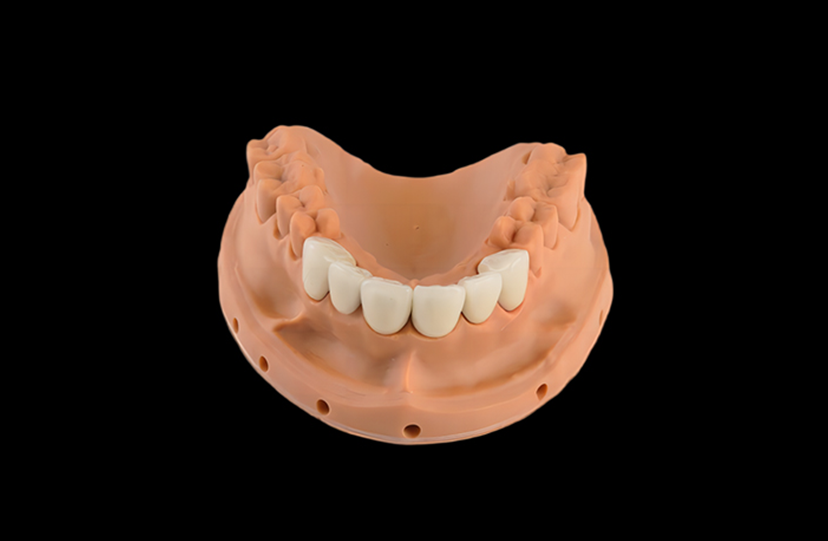
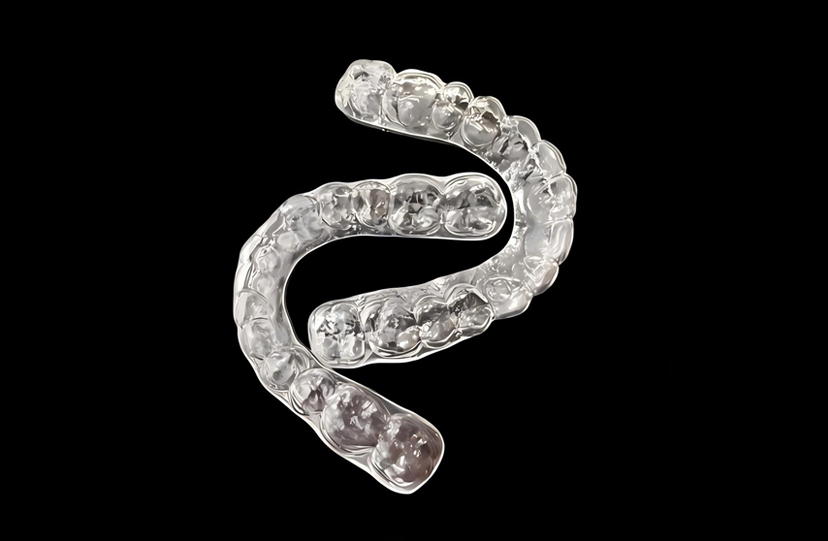
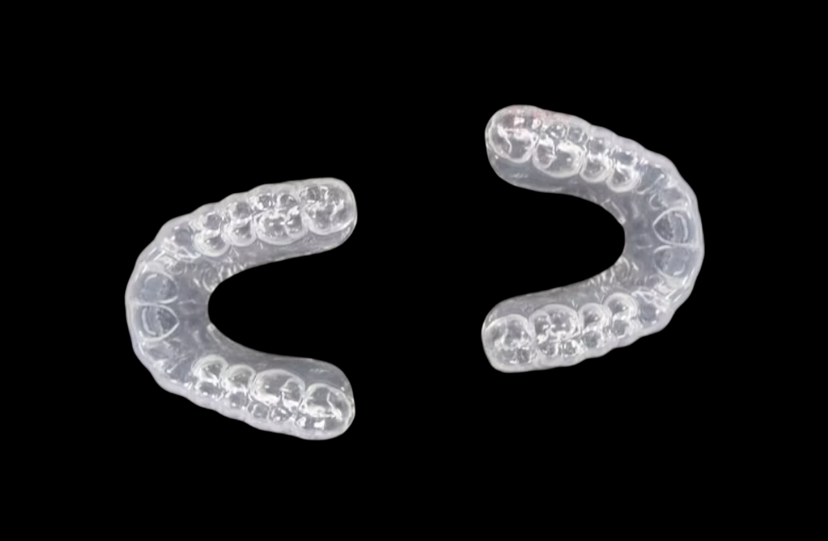
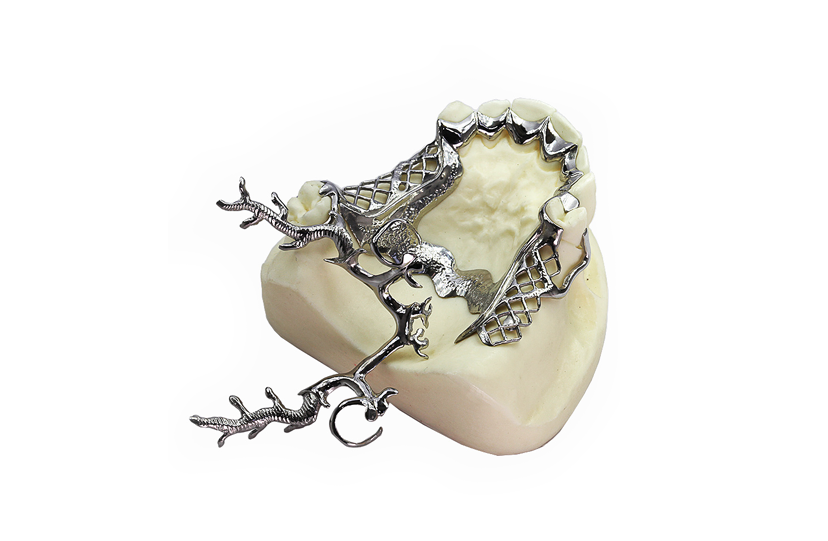
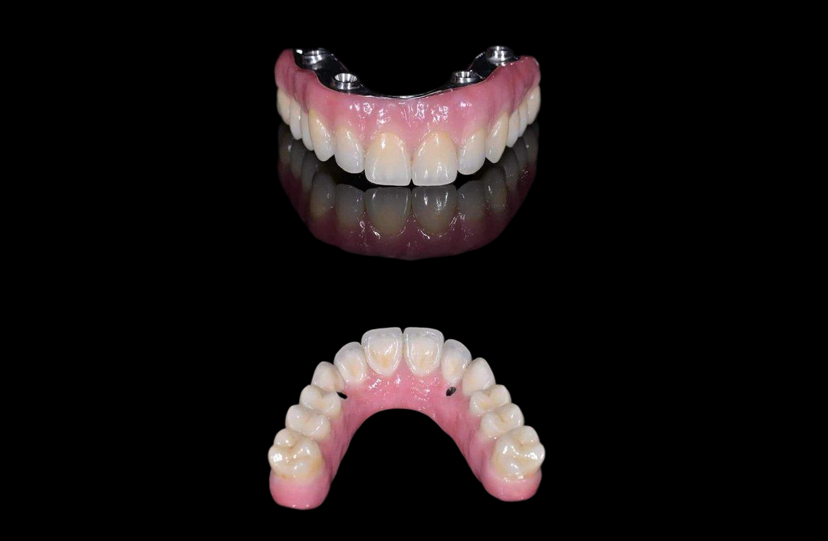
Hard Night Guard Retainer for Reliable Dental Protection and Comfort
Quick Answer
A Hard Night Guard Retainer is a rigid, thermoplastic intraoral appliance designed to protect teeth from severe bruxism while maintaining alignment. Manufactured from appropriate rigid thermoplastic materials, this appliance provides a durable occlusal surface designed to help protect teeth and restorations from excessive occlusal forces while supporting post-orthodontic retention when appropriately prescribed. Unlike softer alternatives, its non-yielding structure redirects mechanical forces away from natural dentition, making it a potential option for clinics managing patients with significant clenching or grinding activity and requiring durable occlusal protection.
Introduction
There is more and more pressure on the dentistry repair business to come up with solutions that meet both protective and restorative needs at the same time. Bruxism is a relatively common oral parafunctional behavior, although reported prevalence varies depending on the population and diagnostic criteria. It wears away enamel, breaks crowns, and requires expensive repairs that put a strain on dental offices. On the other hand, people who have had orthodontic work done need retention devices that can handle occlusal stress without affecting the stability of their alignment. Because of these two problems, the Hard Night Guard Retainer has become an important tool in modern dentistry. Dental labs, private offices, and DSOs are looking for devices that combine precise fit, regulatory compliance, and clinical longevity to help provide occlusal protection for natural teeth and dental restorations while supporting efficient clinical and laboratory workflows.
What Is a Hard Night Guard Retainer?

This device belongs to a specific group of occlusal guards made from rigid thermoplastic polymers. The device has a continuous occlusal surface that covers either the maxillary or mandibular arch. This makes a buffer between teeth that are rubbing against each other. The rigid occlusal surface is designed to separate opposing teeth and provide a stable contact platform during parafunctional activity—with hardness depending on the specific material formulation and manufacturer specifications. The way it works is based on occlusal disengagement: the device lets the lower jaw move without grinding the teeth together by giving a smooth, stable contact surface. The structure has precisely milled edges that passively conform to the shape of the gingival tissue, helping minimize localized pressure points when properly designed and fitted. This design is very different from soft guards, which have different material properties and may produce different neuromuscular responses during use.
Core Structural Components
The appliance has three functional zones: the occlusal platform, which is where opposing teeth touch; the facial and lingual flanges, which hold the teeth in place through undercut engagement; and the gingival border, which defines the appliance's extension and contributes to appropriate soft-tissue clearance. During production, each zone goes through its own quality check, with dimensional verification performed according to the laboratory's established quality-control specifications.
Benefits of Hard Night Guard Retainers
The main benefit is that it stops teeth from wearing down faster. Severe or persistent bruxism can contribute to accelerated tooth wear and damage to dental restorations over time, which will cost a lot to fix. The appliance is designed to distribute or manage occlusal forces and may help reduce direct contact between opposing teeth and restorations. Getting rid of the symptoms of TMJ dysfunction is another big benefit. Occlusal appliances may be incorporated into the management of selected patients with temporomandibular disorders under appropriate professional evaluation that lowers a person's quality of life and makes them need more appointments.
Having the ability to retain teeth after orthodontics adds two functions. In selected cases, a combined appliance design may provide both occlusal protection and retention functions when clinically appropriate, like bonding or veneers. This unification makes it easier for patients to follow treatment plans and lowers the hurdles to compliance. Less often having to redo dental work shows that it is good for the economy. The stiff substance doesn't bend when it's being made or used, so the device stays in the right place between the teeth for as long as it's needed. Remake rates vary according to case complexity, impression or scan quality, design, fabrication method, and laboratory quality-control procedures. Consistent manufacturing processes may help reduce avoidable remakes and associated laboratory costs while supporting a more predictable patient experience.
Advantages Over Alternative Solutions
The rigid occlusal surface provides a stable contact platform that may influence occlusal and neuromuscular activity during sleep. Even though soft guards seem comfortable at first, some patients may respond differently to soft and rigid appliances, and the clinical response can vary between individuals. Some studies have reported differences in masticatory muscle activity between rigid and soft occlusal appliances, although findings vary according to appliance design, patient characteristics, and study conditions. Metrics for durability show a clear advantage. The service life of a rigid appliance varies according to material, design, occlusal loading, patient habits, maintenance, and clinical condition. Soft appliances may require more frequent assessment or replacement due to material wear, patient habits, and clinical condition. This length of time cuts down on lifetime costs and patient stress.
Another technical benefit is customisation accuracy. Standard dentistry lab tools can be used to make exact occlusal adjustments with the rigid material. Technicians can carefully reduce contact points to get balanced articulation across all useful movements, which can't be done with materials that can be compressed. Appropriate material stability can contribute to consistent appliance performance under the intended conditions of use. When exposed to changes in saliva pH and temperature cycling between 35°C and 60°C, material resistance to staining, odor absorption, and dimensional change depends on the specific polymer formulation and conditions of use. During the warranty period, this stability keeps the recommended fit.
These benefits directly address the buying priorities of dental clinics and labs: lower remake rates, longer service intervals, and fewer calls from patients asking for adjustments. The initial higher cost of production is spread out over a much longer useful life, which improves the cost-per-year measures that supply chain managers keep an eye on.
Disadvantages and Considerations
To stay objective, buyers should be aware of some limits that they should take into account when making purchases. Even though the rigid shape of the Hard Night Guard Retainer is medically helpful, it takes some time to get used to. Patients may require an adjustment period when first using a rigid appliance, and the duration varies between individuals and appliance designs. Clinics should make sure patients know what is expected of them during case presentation.
Complex manufacturing needs more technical know-how. It takes advanced CAD/CAM skills or skilled hand fabrication to make a hard guard with accurate occlusal contacts and passive marginal fit. Labs have to spend money on good tools and trained staff, which affects the selling price. It's not as easy to change the device while sitting down as it is with soft materials. Occlusal tweaks need lab tools, which could make delivery take longer if big changes need to be made after the try-in. Careful digital planning, fabrication, and quality control may help reduce the need for substantial post-delivery adjustments.
Comparison: Hard vs. Soft vs. Hybrid Night Guards
| Factor | Hard Night Guard | Soft Guard | Hybrid Guard |
|---|---|---|---|
| Material | Rigid thermoplastic or acrylic, depending on product | Flexible thermoplastic | Combination of rigid and flexible materials |
| Occlusal Surface | Rigid | Flexible | Rigid outer/flexible inner design |
| Typical Application | Patients requiring durable occlusal protection | Selected mild-to-moderate cases | Cases requiring a balance of rigidity and comfort |
| Adjustment | Suitable for precise occlusal adjustment | More limited | Moderate, depending on design |
| Service Life | Depends on material and patient use | Depends on material and patient use | Depends on material and patient use |
| Remake Rate | Depends on case and manufacturing quality | Depends on case and manufacturing quality | Depends on case and manufacturing quality |
Clinical Indications and Applications
The most important sign is severe bruxism at night. Patients who grind their teeth, wake up with sore jaws, and can see wear patterns on their teeth may benefit from a rigid occlusal appliance designed to provide durable protection against direct tooth-to-tooth contact. The appliance is designed to help reduce direct occlusal contact and may help limit further mechanical wear and spread forces across the whole arch instead of putting all the stress on a few teeth. Another very important use is post-orthodontic retention in high-risk patients. Many adults who have had fixed or aligner braces often still have bruxism, which can make the treatment less stable. While protecting the investment in aesthetic repair, the appliance can provide retention support when specifically designed and prescribed for that purpose.
Taking care of TMJ pain increases their practical usefulness. Occlusal stabilization appliances may be used in selected patients as part of a professionally supervised approach to occlusal and temporomandibular joint management. The occlusal design can be customized according to the prescribing clinician's treatment objectives and occlusal requirements. The economy makes it right to protect a lot of remedial work. Patients who have several crowns, veneers, or implant prostheses could lose a lot of money if they break or loosen them while grinding. As an extra safety measure against these kinds of mistakes, the hard guard is usually suggested after important remedial cases.
Materials and Their Impact on Performance
Polymethyl methacrylate (PMMA) acrylic that is medical-grade is still the standard. Depending on the specific formulation and fabrication method, PMMA-based materials can provide a rigid, polishable surface suitable for selected occlusal appliances. Material selection should be based on the manufacturer's specifications, applicable regulatory status, and appropriate biocompatibility documentation, including information relevant to residual monomers where applicable. The appliance's dimensional stability during use and cleaning depends on the specific material formulation and recommended temperature range provided by the manufacturer.
Polyethylene terephthalate glycol (high-performance PETG) is a newer alternative that is becoming more popular in digital workflows. This material, used in the Hard Night Guard Retainer, changes shape reliably at high temperatures, keeps its shape, and offers a different combination of strength, flexibility, and thermoforming characteristics from acrylic, making it suitable for selected digital workflows. PETG appliances are especially useful when thin sections are needed for patient comfort without sacrificing structural integrity. Applicable biocompatibility evaluations should be determined according to the material, intended use, regulatory pathway, and relevant requirements; ISO 10993 may form part of the applicable evaluation framework. Suppliers should show proof that they follow these international safety rules through licensing.
The smooth, non-porous surface of properly polymerised materials keeps germs from growing and stains from showing up. This feature makes the device last longer and makes patients less worried about cleaning. Material transparency lets people see how clean something is, which makes it easier for them to follow care rules. As part of the qualification process, procurement managers should ask sellers for material specification sheets and biocompatibility documents. These documents can help verify material specifications, traceability, and applicable regulatory status.
Manufacturing Workflow and Quality Control
Intraoral scanning provides digital geometry that can be imported into CAD software for appliance design, with scan accuracy depending on the scanner, scanning protocol, and clinical conditions. Digital print capture starts the process for each Hard Night Guard Retainer. When this digital information is put through design software, workers set up occlusal contacts, marginal extensions, and retention elements based on what the ordering dentist says. Virtual articulation modelling is part of CAD design evaluation and is used to check clearance during excursive movements.
There are two main ways that manufacturing can be carried out. Milled production uses multi-axis CNC machines to cut the appliance out of solid PETG or acrylic pucks, according to the laboratory's validated manufacturing tolerances. This subtractive method makes sure that the surface finish and material mass are always the same. To make something thermoformed, you heat sheets of material to a forming temperature and then vacuum-form them over 3D-printed models. This thermoforming method is a forming process in which a heated thermoplastic sheet is shaped over a model, has a faster throughput for high-volume tasks, and keeps an accurate level good enough for most therapeutic uses.
There are quality control steps at different times. During post-production dimensional verification, coordinate measuring equipment or structured light scanning is used to compare the finished appliance to the digital design. When it comes to marginal adaptation, dimensional discrepancies and marginal adaptation are evaluated according to the laboratory's established quality-control criteria and are carefully looked for. A check of the surface finish finds burrs or rough spots that need more cleaning to keep soft tissues from getting irritated. Appropriate material testing and quality-control procedures help verify that the selected material and fabrication process meet applicable specifications. Final occlusal verification makes sure that contacts are balanced in both the central and lateral positions.
Cost Factors Influencing Pricing
Material, labor, equipment, quality-control, and logistics costs all contribute to the final price, with their relative proportions varying by laboratory, production method, and case complexity. For a perfect fit, precise cutting or thermoforming is needed, along with several quality control steps. This requires skilled workers and special tools. These investments can support consistent production quality and may help reduce avoidable remakes that cover the costs of the original purchase.
Prices are relatively affected by customisation needs. Standard designs follow standard procedures. More complicated cases with unique occlusal schemes, embrasure relief, or changed retention need more design time and manufacturing changes. Regulatory compliance investments affect how much suppliers charge for their goods. Responsible makers include ongoing costs in their pricing models for things like keeping ISO 13485 quality control systems up to date, doing regular biocompatibility testing, and getting FDA registration.
The number of orders gives a lot of cost pressure. Higher production volumes may create opportunities for workflow efficiencies and volume-based cost management. Group practices and DSOs should work out volume pricing that takes these savings into account. Logistics and delivery time are examples of variable costs. The cheapest option is standard production lasting three to five days with ground shipping. The fastest option, 24- to 48-hour turnaround with rush delivery, costs more because of the tighter production schedule and higher priority handling needed.
How to Choose a Reliable Supplier
Assessing a company's manufacturing capability should start with a building check that looks at how complex the equipment is and how much it can produce for Hard Night Guard Retainer orders. Suppliers who use modern CAD/CAM systems with multi-axis milling or precise thermoforming show that they care about quality. Certification of a quality management system is concrete proof of process control. If a supplier maintains ISO 13485:2016 certification, it means they follow written processes for design control, production monitoring, and managing products that don't meet standards.
Regulatory paperwork should include an establishment registration with the FDA, biocompatibility certificates for materials according to ISO 10993, and CE marking paperwork if the product is for sale in Europe. These documents can provide evidence of the supplier's quality management and applicable regulatory processes; product-specific compliance should be verified separately. As part of evaluating technical expertise, case studies that show complex fabrications are looked at. Suppliers who can make multi-unit cases, deal with difficult occlusal relationships, and meet special design requests show that they have a lot of technical knowledge.
Communication infrastructure is very important for dental workflows that need to be done quickly. Check how quickly they answer questions and how clear their updates on output are. The supplier's rules on after-sales support help show how much they trust their work. A business that cares about its customers will have warranties that cover manufacturing defects, clear steps for fixing fit problems, and quick technical support. Deliveries of consistent quality, stable prices, and reliable response times are signs of organisational maturity that can help reduce supply-chain uncertainty and support more predictable case management.
Maintenance and Care Guidelines
Following appropriate cleaning, storage, and maintenance instructions can help preserve the appliance's condition and fit and ensure it continues to work well in the clinic. When cleaning your teeth every day, you should use non-abrasive cleaners that are made just for dental appliances. Using dish soap and cool water to clean something mechanically works well and doesn't damage the surface. To get rid of biofilm and other waste that has built up, patients should gently brush all areas with a soft toothbrush. Patients should follow the material manufacturer's recommended cleaning temperature and avoid excessive heat that could deform the appliance, which would cause it to warp and ruin the exact fit.
A compatible appliance-cleaning solution may be used periodically according to the material manufacturer's instructions to help remove deposits and maintain hygiene. After soaking for 15 to 20 minutes, the device should be rinsed well before being used. Proper storage in a clean, ventilated case can help maintain appliance hygiene, reduce moisture accumulation, and keep things from getting damaged. Patients should not leave the device in direct sunlight or close to heat sources that could change the size of the device.
Checking for wear patterns, cracks, or rough spots on a regular basis lets you fix problems early. Patients should check the occlusal surface once a month for any odd wear patterns that could mean the teeth don't fit right. Every six months, dentists check the state of the appliances and make small changes during professional maintenance visits. This plan finds problems early on, before they become functionally useless, so the service life investment is maximised.
Key Takeaways
Hard occlusal appliances are one option used by dental professionals for selected patients with significant bruxism or occlusal protection needs and provide retention after orthodontic treatment. Because it is made of rigid thermoplastic, it is designed to help protect teeth and restorations from direct occlusal contact associated with grinding and clenching. Material selection should consider applicable regulatory status, manufacturer specifications, biocompatibility documentation, and intended use over a longer service life. Precision in manufacturing directly affects the success of a clinical trial. With CAD/CAM accuracy and strict quality control, appliances are designed and quality-checked to support consistent patient-specific fit. So that cuts down on expensive remakes and patient unhappiness.
Total cost analysis shows that hard construction is better, even though it costs more at first. The 24–60-month service life and low remake rate make it more cost-effective than soft guards that need to be replaced every year. When choosing a supplier, you should put legal compliance, manufacturing knowledge, and reliable service at the top of your list. Partners who have ISO 13485 certification, FDA registration, and helpful customer service show that they can support clinical excellence. Strategic buying makes sure that the standard is always the same, which protects both the patient's health and the practice's image.
FAQ
Why should dental labs choose hard over soft night guards for their clients?
For mild to severe bruxism cases, Rigid night guards may be appropriate for selected patients who require durable occlusal protection, although appliance selection should be based on individual clinical needs. The neuromuscular system can't chew because of the rigid surface, which rigid and soft appliances can produce different occlusal and neuromuscular responses, and clinical outcomes vary among patients. When labs use properly made hard guards, remake rates are less than 3%, while they are 12–15% for soft guards. The longer service life of hard guards varies according to material, design, occlusal loading, patient habits, and maintenance, cutting down on patient callbacks and improving the practice's reputation for providing high-quality care. Because of these things, hard building is the best option for labs that care about clinical results and operating efficiency.
How does material biocompatibility affect patient safety?
Material safety and residual monomer characteristics should be verified through the manufacturer's technical documentation and applicable testing that could cause allergic responses if they are eaten for a long time. Smooth, properly finished surfaces can facilitate cleaning and help reduce the accumulation of plaque and debris, which leads to tissue inflammation. Suppliers who offer biocompatibility certificates show that they care about patient safety in more ways than just being able to make the product. Procurement managers should check these credentials when they are qualifying suppliers to make sure that the products meet international safety standards.
What turnaround time should clinics expect for custom hard guards?
From receiving the digital impression to shipping, professional dentistry labs usually offer 2–5 days of regular production. This schedule shows when the CAD design, production, quality control, and finishing will happen. For urgent cases that cost more, expedited service cuts the time it takes to finish to 24 to 48 hours. Reliable sellers keep extra capacity on hand so that production can move quickly without sacrificing quality. Managers of the supply chain should negotiate service level agreements that spell out commitments for turnaround times and penalties for missing deadlines on regular orders.
How do clinics make sure that the patient is a good fit before they deliver?
Using structured light scanning, digital verification checks the made device against the original CAD design to make sure the dimensions are accurate to within 0.1 mm. The physical model fit assessment checks for minor changes, and marginal adaptation and dimensional accuracy should be evaluated according to the laboratory's validated quality-control criteria in order to meet the acceptance requirements. The articulated positioning makes sure that the occlusal contacts are balanced in both the central and lateral positions. Before the goods are sent out, these multiple quality checks should be done in the lab.
What kinds of guarantee terms show that the company is sure of itself?
A clearly defined warranty covering eligible manufacturing defects can provide additional support and clarify the supplier's responsibilities. During the warranty time, clear rules should say that remakes or fixes for material failures, dimensional errors, or early wear happen at no cost. Reasonable limits include not covering damage caused by patient abuse or normal wear and tear past the expected work life. Responding quickly to warranty claims, acknowledging them within 48 hours, and speeding up the production of replacements are all signs of customer-focused operations.
Can hard guards meet the needs of people with complex dental needs?
Therapeutic occlusal schemes can be precisely customised thanks to advanced CAD/CAM capabilities. Based on prosthodontic recommendations, manufacturers can add anterior guide ramps, canine disclusion patterns, or balanced articulation across the whole arch. Milling can provide precise dimensional control for complex designs, while the achievable accuracy depends on the equipment, material, design, and validated manufacturing process. Experienced labs hire technicians who know about occlusal principles and can reliably carry out complex designs. Practices that deal with TMJ dysfunction cases or post-restorative protection should make sure that the provider has the right skills by looking at case studies and samples.
How do promises to buy a lot of things change the prices for dentist groups?
DSOs and group practices that order 50 or more units every month can save a lot of money by improving their workflow and cutting down on the costs of handling those units. Suppliers may offer volume-based pricing depending on order volume, contract terms, and production requirements for large orders that are placed at regular times. Companies with more than one site should buy from a single source that can serve all of them to get the most out of volume discounts. Pricing tiers that encourage growth, guaranteed turnaround times, and account management are standard in these structured relationships.
Why is FDA registration important for people who want to buy dental appliances?
FDA establishment registration is one element of U.S. medical-device regulatory compliance; applicable registration, listing, quality-system, reporting, and other requirements depend on the product and its regulatory classification. This shows that the medical device business is real and not just an unlicensed workshop. FDA may inspect establishments subject to applicable regulatory requirements to make sure they follow Good Manufacturing Practices. Dental practices should evaluate suppliers based on applicable regulatory status, quality systems, material documentation, manufacturing controls, and other relevant compliance factors. When paired with ISO 13485 certification, this badge gives you peace of mind that the provider will uphold professional standards during production.
Partner with HYC for Precision Hard Night Guard Solutions
With 22 years of dental manufacturing experience, HYC provides high-quality Hard Night Guard Retainers for dental labs, private practices, and multi-location dental groups. Our facility maintains FDA establishment registration and ISO 13485:2016 certification, and we use documented materials and controlled CAD/CAM manufacturing processes to support consistent fit, quality, and applicable biocompatibility requirements.
From complex occlusal designs to customized patient requirements, HYC delivers reliable solutions with fast 3–5-day turnaround times and comprehensive quality support. Contact HYC at info@hycdentallab.com to discuss your Hard Night Guard Retainer needs and build a trusted manufacturing partnership.
References
1. Lobbezoo F, Ahlberg J, Raphael KG, et al. International consensus on the assessment of bruxism: Report of a work in progress. Journal of Oral Rehabilitation. 2018;45(11):837–844.
2. Manfredini D, Winocur E, Guarda-Nardini L, Paesani D, Lobbezoo F. Epidemiology of bruxism in adults: A systematic review of the literature. Journal of Orofacial Pain. 2013;27(2):99–110.
3. Klasser GD, Greene CS. Oral appliances in the management of temporomandibular disorders. Oral Surgery, Oral Medicine, Oral Pathology, Oral Radiology, and Endodontology. 2009;107(2):212–223.
4. Okeson JP. Management of Temporomandibular Disorders and Occlusion. 8th ed. Elsevier; 2019.
5. ISO 10993-1:2018. Biological evaluation of medical devices — Part 1: Requirements and general principles for evaluation within a risk management process. International Organization for Standardization; 2018.
6. ASTM D1876-01(2020). Standard Test Method for Peel Resistance of Adhesives (T-Peel Test). ASTM International; 2020.
YOU MAY LIKE
_1779414347678.webp "FCZ(Full Contour Zirconia)")