How Does Porcelain Layered Zirconia Improve Crown Aesthetics?
Porcelain Layered Zirconia combines a high-strength yttria-stabilized zirconia core with hand-layered feldspathic porcelain to achieve enhanced aesthetic outcomes while maintaining structural reliability (~1200 MPa) with hand-layered feldspathic porcelain that replicates natural tooth translucency, depth, and shade gradients. This dual-layer construction allows dental professionals to achieve lifelike anterior restorations with precise color matching and optical properties that monolithic materials cannot replicate, while maintaining exceptional strength for clinical longevity.
Introduction
Modern dental restoration demands both mechanical resilience and aesthetic perfection—a combination that has historically challenged the industry. Dental professionals often evaluate restorative materials based on the balance between mechanical performance, optical properties, and clinical requirements. The emergence of porcelain-veneered zirconia as a restorative solution addresses this dual challenge directly, particularly within the competitive U.S. dental market where patient expectations for natural-looking restorations continue to rise. Clinical studies reveal that approximately 85% of patients prioritize lifelike appearance in anterior restorations, making aesthetic performance a key factor in treatment acceptance and long-term satisfaction.
What Is Porcelain Layered Zirconia?
This restorative approach is commonly selected for cases where enhanced aesthetic control is required. Porcelain Layered Zirconia is made of feldspathic porcelain that is carefully hand-layered over a core of high-strength, yttria-stabilized zirconia. The zirconia core has a flexural strength of more than 900 MPa and is what holds the construction together when you bite down. The hand-applied porcelain veneer is usually between 0.8mm and 1.2mm thick. It is very good at optics because it can mimic the complicated way that light behaves on real enamel.
Why the Bi-Layered Design Matters
The dual-layer design helps address the reduced translucency sometimes associated with traditional monolithic zirconia restorations. This is when natural light makes solid zirconia crowns look flat and dead. This design separates the functions of structure and appearance, so doctors can make restorations that meet both biomechanical and cosmetic needs without any problems.
Benefits
Dental professionals and laboratory technicians can evaluate whether Porcelain Layered Zirconia is suitable for specific clinical indications by considering its practical benefits and whether it fits their case needs and patient groups.
Clinical Performance Improvements
The layered construction has measurable clinical benefits that directly affect the practice's operational efficiency. When proper fabrication protocols are followed, dental labs report remake rates below 3%. This cuts down on time and material waste by a large amount. The material has a great first-time fit, which cuts down on the time needed for adjustments at the chairside. This means that the improved fit accuracy may help reduce chairside adjustment time compared with restorations requiring extensive modifications.
Another measured effect is that it makes patients feel better. The smooth porcelain surface demonstrates favorable plaque resistance and supports periodontal tissue compatibility, which helps tissues respond healthily. Clinical observations show that there isn't much gingival inflammation at the edges of restorations, and soft tissue architecture stays stable over the course of the typical 10 to 15-year service life.
Business Value for Practices
From an operational point of view, this important choice helps the practice grow by making patients happier, which is a material choice. The enhanced aesthetic potential of layered zirconia may support patient discussions in aesthetic treatment planning. This is especially helpful for practices that focus on anterior aesthetic dentistry. The strong masking effect of the material successfully hides darker preparations or metal abutments, giving clinicians more treatment choices for tough cases.
Advantages
When you compare this type of restoration to other options, you can see that it has clear competitive advantages that affect how dentistry labs and practices with multiple locations buy things.
Superior Aesthetic Control
Through multi-layered color application, the porcelain overlay allows technicians to achieve highly customized shade matching. Ceramic artists who are good at what they do can make features that are more challenging to reproduce with monolithic materials. This level of customization is very important for front cases that people can see clearly and where they look closely at color in different lights.
Exceptional Mechanical Properties
The zirconia substructure is much more resistant to breaking than lithium disilicate and regular feldspathic ceramics. Because of its higher strength, it can be used to build long bridges (up to 47 mm with multiple abutments) that are still structurally sound. The high tensile strength of the material makes it possible for complex prosthetic designs to work, such as implant-supported full-arch rehabilitations.
Metal-Free Composition Benefits
The metal-free structure eliminates the presence of nickel-based alloys, which may be beneficial for patients with known metal sensitivities and stops the graying of the gums that can happen with metal-ceramic crowns. This biocompatibility benefit is especially helpful for people who are sensitive to metals or who have thin gingival biotypes and are worried about how the metal will look showing through.
Production Flexibility
Modern CAD/CAM processes and hand-layering techniques used by artisans make it possible to make any changes you want. Each replacement can be exactly made to match the neighboring teeth, taking into account each patient's anatomy and occlusal needs. This production flexibility lets different case types use the same material system, from simple anterior crowns to complex bridge frameworks.
Disadvantages
To do a professional evaluation, you need to know about the possible limitations so that you can choose materials that are appropriate for specific clinical situations.
Chipping Vulnerability
Even though the porcelain top layer looks better, it is not as strong against breaking as the zirconia core. Chipping rates in posterior applications are between 5 and 8 percent over five years when repairs are put under a lot of pressure from the bite. This risk can be reduced by making smart changes to the design, like layering only the buccal area or keeping the functional contacts in Porcelain Layered Zirconia.
Clinical Contraindications
People who have severe bruxism, clenching habits, or limited occlusal clearance might not be good candidates. Too little tooth reduction (less than 1.5 mm occlusally) affects both the core width and the room for the porcelain application, which raises the risk of failure. Case selection with care and conversation with patients becomes a necessary practices.
Technical Sensitivity
For fabrication, you need skilled ceramists who know how to use layering techniques and firing protocols. It's important to get the Coefficient of Thermal Expansion (CTE) matching between zirconia (about 10.5 x 10^-6/K) and veneering porcelain (9.1–10.2 x 10^-6/K) just right. Laboratories that don't have enough skilled workers may have higher remake rates at the start.
Cost Considerations
When compared to unified methods, the hand-layering process takes more time and skill in the lab. It takes about four to five days to make, and the materials are 20 to 30 percent more expensive than full-contour zirconia. These things affect how prices are set and how profitable cases are for labs that serve price-conscious customers.
Comparison
| Feature | Porcelain Layered Zirconia | Monolithic Zirconia | Lithium Disilicate | Porcelain-Fused-to-Metal (PFM) |
|---|---|---|---|---|
| Material Structure | Zirconia core with hand-layered feldspathic porcelain veneer | Full-contour zirconia without veneering porcelain | Glass-ceramic material with lithium disilicate crystals | Metal framework covered with porcelain veneer |
| Flexural Strength | 900–1200 MPa (zirconia core) | 900–1200 MPa (depending on zirconia type) | Approximately 350–450 MPa | Approximately 80–150 MPa (porcelain veneer varies) |
| Aesthetic Performance | High translucency and customized shade characterization | Improved translucency with modern multilayer zirconia | Excellent optical properties and natural translucency | Good aesthetics, but possible metal-related opacity |
| Chipping Resistance | Moderate due to veneering porcelain layer | High resistance due to monolithic structure | Low risk in appropriate indications | Higher risk related to porcelain veneer fracture |
| Biocompatibility | Metal-free ceramic system with favorable tissue compatibility | Metal-free ceramic system with favorable tissue compatibility | Favorable biocompatibility | Depends on alloy composition; nickel-containing alloys may require consideration |
| Indications | Anterior crowns, aesthetic cases, cases requiring customized characterization | Posterior crowns, bridges, high-load areas | Anterior crowns, veneers, inlays/onlays | Crowns and bridges requiring proven long-term clinical history |
| Bridge Capability | Suitable for selected multi-unit bridges depending on design | Suitable for long-span bridges depending on zirconia type and design | Usually limited to shorter-span restorations | Suitable for various bridge designs |
| Fabrication Process | CAD/CAM zirconia core fabrication + manual porcelain layering | CAD/CAM milling and sintering process | CAD/CAM or pressing techniques | Casting/milling metal framework + porcelain layering |
| Laboratory Complexity | Higher due to manual layering and characterization | Lower due to simplified monolithic workflow | Moderate | Higher due to metal framework and porcelain application |
| Relative Cost | Moderate to High | Moderate | Moderate to High | Low to Moderate |
This comparison shows that choosing the right material depends on balancing the needs for looks, the needs for functionality, the time frame for production, and the budget for each individual case.
Clinical Indications
When their unique properties give measurable benefits, Porcelain Layered Zirconia crowns work best in certain clinical situations.
Anterior Esthetic Rehabilitations
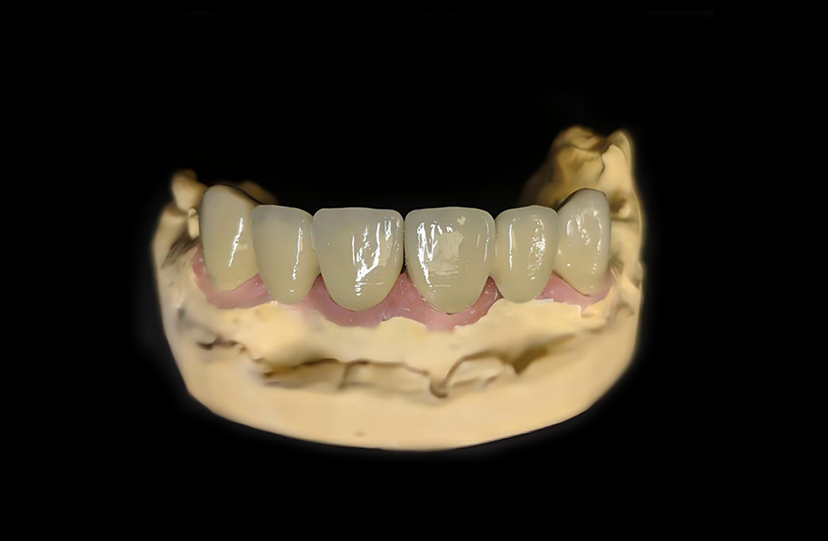
The main reason for this is single-unit frontal caps that need to let natural light through and have polychromatic depth. The material works great in cosmetic cases where matching the shade to nearby natural teeth is important. Smile design dentists always recommend this type of restoration for the central and lateral incisors, where the patient is most interested in the color and translucency.
Long-Span Posterior Bridges
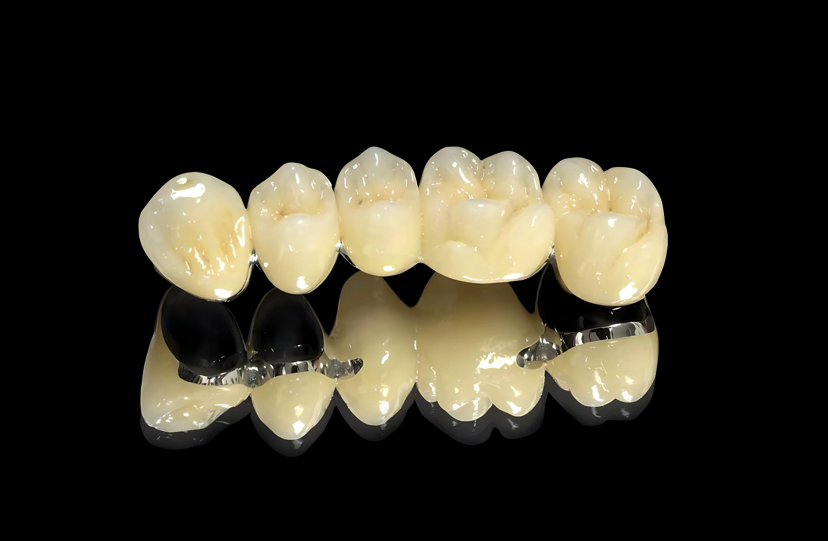
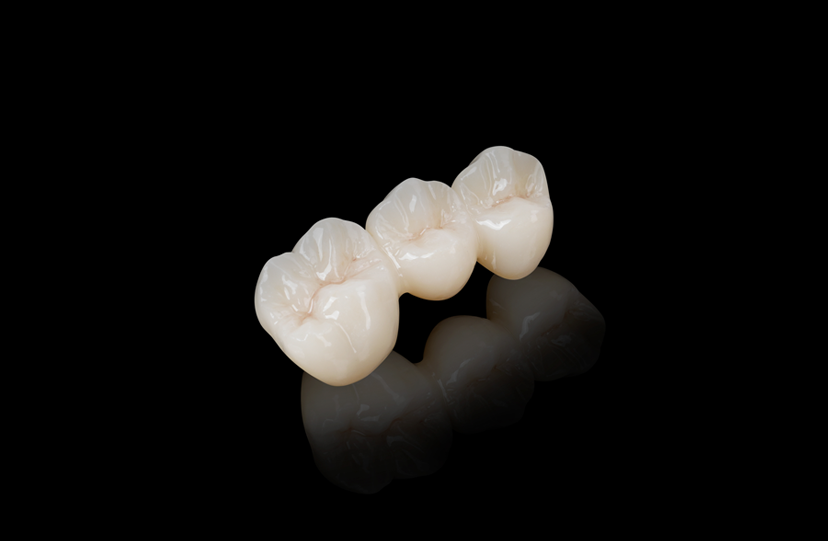
The tensile strength of the zirconia framework makes it easier for lab workers to work on patients who need multiple-unit posterior bridges. The material can handle spans of up to 38 mm with two abutments, holding places for missing teeth while keeping the shape of the occlusal area through layered porcelain. This recommendation is for people who can't get implants or would rather have a fixed bridge.
Implant-Supported Prosthetics
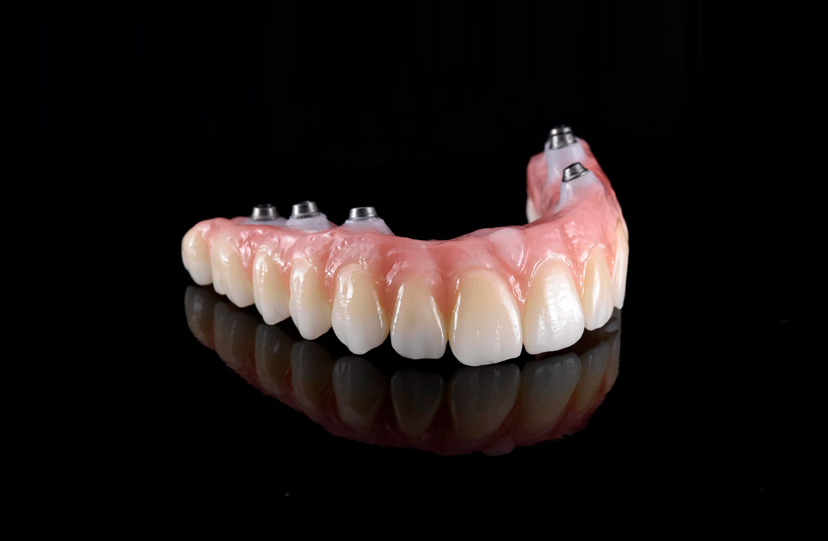
Layered crowns are used in complex full-arch restorations to hide titanium abutments and provide a bio-inert surface that is good for soft tissue health. The lack of transparency in the material hides metal parts that can be seen through thin tissue, which is a common aesthetic concern in anterior implant cases. The smooth porcelain surface of the repair makes it harder for germs to stick to it, which may contribute to maintaining soft tissue health when combined with appropriate oral hygiene.
Darkened Abutment Coverage
Strong masking skills are needed for cases with non-vital teeth, metal posts, or badly darkened preparations. The high density of the zirconia core hides the base color, and the porcelain layer keeps the natural look. This can't be done with all-ceramic materials that are see-through. This suggestion gives more treatment choices for teeth that have been endodontically treated in the front.
Materials
Understanding the Porcelain Layered Zirconia materials used in parts helps purchasing managers and quality assurance teams judge the skills of suppliers and make sure they meet legal requirements.
Zirconia Core Specifications
The substructure is made of CAD/CAM monolithic zirconia that is stronger than 900 MPa when it comes to bending. This high-performance base material goes through yttria stabilization, which usually involves 3–5 mol% yttrium oxide. This makes the tetragonal phase structure that is responsible for its change-toughening process. The materials used must be classified according to ISO 6872 for Type II dental ceramics. This makes sure that the materials have the right mechanical qualities and are compatible with the body.
Veneering Porcelain Characteristics
The cosmetic layer is made of feldspathic porcelain that was specially made to bond to zirconia. These materials have special glass parts with carefully controlled CTE values that match the zirconia core. The Vickers hardness of good veneering ceramics is about the same as natural enamel (450–500 HV), which means they won't wear down the opposing teeth too much while still looking good.
Bonding Interface Components
The chemical and mechanical link between the zirconia and porcelain layers is made by special lining materials or "wash" firing agents. These special mixtures, which usually have silica and metal oxides in them, help things stick together while also adapting to differences in temperature during firing cycles. Long-term repair success and delamination resistance are directly related to the strength of the interface.
Material Compliance Standards
Materials that are on the FDA list are safe and follow all regulations for the U.S. market. Suppliers must show proof that they have ISO 13485:2016 quality control approval and have tested their materials for biocompatibility according to ISO 10993 standards. To keep ions from escaping and tissues from getting irritated, chemical solubility values must stay below 100 µg/cm².
Manufacturing Workflow
Digital accuracy and handmade quality are both used in the production process, which needs special tools and trained workers.
Digital Design and Core Fabrication
The zirconia core is made by CAD software from digital prints or scanned models. The design takes into account the end restoration's anatomy and leaves enough room for the porcelain to be placed—usually 0.5 mm around the circumference and 1.0 mm in the opening. The larger pre-sintered zirconia blank was cut by CNC milling tools, which made up for the 20–25% shrinkage that happened during sintering.
Sintering Protocol
Vacuum high-temperature sintering takes place in special furnaces that heat up to 1450–1550°C in cycles of 8–10 hours. Temperature ramping rates and dwell times are set by the manufacturer so that full density is reached without grain growth that weakens the mechanical properties. Stabilized zirconia has a white, opaque appearance and is very strong when it is sintered correctly.
Quality Control Checkpoints
After the material has been hardened, workers use master dies to check the fit and measure the core thickness at key stress points. A digital microscope (50x magnification) proves gaps below 50 microns, which is important to stop secondary cavities and make sure the seal stays strong over time. Any differences in size must be fixed before the porcelain application can begin.
Porcelain Layering Process
Skilled ceramists build up dentin, enamel, and clear incisal parts by hand-applying veneering porcelain in several layers. Each layer goes through its own firing processes at controlled vacuum settings and certain temperatures (usually 750–950°C). The layering process gives the tooth depth and an internal color that matches the structure of natural teeth.
Surface Treatment and Final Finishing
Before applying finish, coloring by hand gives the surface character. The last burning cycle makes the surface smooth and nonporous, which is needed to fight plaque and stains. To keep ceramic from over-firing, glazing temperatures (usually 700–800°C) stay lower than build-up temperatures. Technicians finish restorations by selectively polishing them and keeping the glaze on areas that won't wear down while adjusting the contact points to make sure the teeth fit together properly.
Testing and Inspection
To make sure that porcelain and zirconia stick together, good labs test the shear bond strength of sample pieces. Spectrophotometer testing shows that VITA's shade accuracy is within acceptable ranges. Before the teeth are packed up and sent off, they go through a final review that checks for minor integrity, internal fit, and occlusal contact.
Cost Factors
Restoration prices are affected by a number of factors that affect buying decisions for dental labs and purchasing managers at practices with multiple locations.
The basic cost is the cost of the materials. FDA-listed zirconia blanks and compatible veneering porcelains are more expensive. Because layering porcelain-layered zirconia and liners is more complicated, the cost of raw materials goes up by 20 to 30 percent compared to single-piece solutions.
Laboratory prices are greatly affected by how complicated the production process is. Hand-layering takes two to three hours of skilled expert time per unit, while monolithic caps only take thirty to forty-five minutes. Because of this high level of work, the costs of making things are higher, and labs have to find ways to cover these costs through their prices.
The final price depends on how much customization is needed. Standard shade matching may have predictable workflows, but complex characterization, such as internal staining, translucency gradients, and surface texture, needs more technician knowledge and more time for production. Full customization can add 15 to 25 percent to the cost of each unit.
Certifications and following the rules add to the costs of doing business. To keep ISO 13485:2016 certification, FDA registration, and CE marking, you need to keep up with audits, documentation systems, and the infrastructure for quality management. These compliance costs are spread out over the amount of product made, which changes the price per unit.
The number of items you order affects the price. With volume commitments, labs can get better prices on materials and make the best use of their production schedules. Costs per unit are usually 40–50% higher for single orders than for monthly volume agreements that cover 50 or more units.
Total landing costs are affected by logistics issues. For urgent cases, express shipping adds a lot to the freight costs—maybe $50 to $75 per package for next-day delivery. The most cost-effective plan is standard production of 3–5 days and shipping of 4–5 days, while rush fabrication and flash delivery choices cost more.
How to Choose a Supplier
To evaluate a dental laboratory supplier, several factors should be considered, including manufacturing capability, quality systems, and technical expertise. You need to look at a number of factors that have a direct effect on the quality of the restoration, the reliability of the delivery, and the stability of the partnership over the long term.
Verifying output capacity is the first step in evaluating manufacturing potential. Suppliers should show that they can meet your daily output needs in terms of order volume while keeping return times constant. You can tour facilities online or physically to see the quality of the CAD/CAM tools, the size of the sintering furnace, and how well the lab's work is organized.
Quality management systems show how strict process control is. ISO 13485:2016 approval shows that quality standards have been met, and FDA registration shows that the product is safe for the U.S. market. Ask for proof of material certifications, biocompatibility test results, and internal quality control procedures. Manufacturing precision can be evaluated through measurable parameters such as marginal fit accuracy and remake rates, which keep marginal gap tolerances below 50 microns and remake rates below 3%.
When judging technical skill, qualifications and ongoing education programs for ceramists should be taken into account. Laboratories that hire CDTs (Certified Dental Technicians) or people with foreign licenses that are similar to CDTs show that they are committed to skill development. Look at some examples that show how well the shade matching, anatomical morphology, and surface characterization work.
How well providers can meet different case standards depends on how well they can customize their products. Look at how flexible the designs are, how well they match colors, and how well they can fit the specific needs of each case. The most clinical flexibility comes from suppliers who can completely customize products based on dentist design needs.
Case collaboration is directly affected by how well people can talk to each other. Check the response times, how cases are discussed, and the availability of shade consultations. Suppliers who offer specialized account managers and technical help contacts make it less likely that people will not understand each other. English language skills and being able to work with people from different time zones are important for U.S.-based offices that need to coordinate cases often.
After-sales support plans show how much a supplier wants to make sure their customers are happy. Warranty coverage, like two-year terms for fixed restorations, protects against problems with the way the product was made. Quality assurance is shown by repairs or replacements that are done for free during guarantee times. Check out the rules for remakes, how to handle cases, and when they need to be resolved for cases that aren't going well.
Checking experience through references and case files is a good way to judge track record. Ask for client examples from firms that handle similar numbers of cases and levels of complexity. Look at portfolios that show anterior aesthetic cases, long-span bridges, and implant-supported work that fits with what you do.
To make sure deliveries are reliable, you need to look at your shipping partnerships and production scheduling systems. Suppliers who offer fast choices, normal 3-day delivery, and 4-5-day turnaround for common cases give businesses more options. Flash delivery for next-day arrival handles emergency situations without messing up practice plans.
Maintenance
Following the right care directions will make the restoration last longer and keep its good looks throughout its work life.
Patient Care Instructions
Patients should be given clear instructions on how to do daily care. Regular brushing with soft-bristled brushes and toothpaste that doesn't abrade the teeth stops the surface from getting scratched and gets rid of plaque buildup. Brushing is still important for the health of the spaces between teeth, but patients should avoid strong brushing methods that put extra stress on the edges of restorations.
Professional Maintenance Protocols
Clinicians can check on the restoration's state and fix small problems before they get worse at six-month recall visits. Professional cleaning with the right preventive pastes keeps the shine on the surface without hurting the glaze layer. Do not use acidulated fluoride treatments on Porcelain Layered Zirconia surfaces; instead, use neutral sodium fluoride solutions.
Occlusal Management
Periodic occlusal review helps find early contacts or wear patterns that need to be fixed. On porcelain surfaces, small occlusal refinements should be made with a fine diamond bur, moving slowly and irrigating them with a lot of water. After making the necessary changes, re-glaze or polish the damaged areas to make the surface smooth and resistant to stains.
Risk Factor Mitigation
Protective devices are needed for patients who have parafunctional habits. When night guards are properly fitted, they spread occlusal forces across several teeth. This keeps layered restorations from being loaded too heavily at once. This measure greatly lowers the chance of chipping in people who have bruxism, and the cases often last 5–7 years longer than cases that aren't protected.
Key Takeaways
Several critical points emerge from a comprehensive evaluation of Porcelain Layered Zirconia crowns. The material method gives the best visual results for front restorations because it can mimic the depth and translucency of real teeth. The high-strength zirconia core supports both single crowns and long-span bridges mechanically, meeting a range of clinical needs with a single material platform.
Successful outcomes depend heavily on proper case selection, avoiding applying it in people with serious bruxism or situations where there isn't enough occlusal clearance. Making smart design choices, like leaving working contacts in monolithic zirconia, lowers the chance of breaking while keeping the benefits of good looks.
Supplier selection requires evaluating manufacturing capability, quality certifications, customization flexibility, and service reliability. Partnerships with ISO 13485:2016-certified labs that use FDA-listed materials ensure regulatory compliance and consistent quality. Remake rates below 3%, marginal gaps under 50 microns, and warranty coverage represent key performance indicators when selecting manufacturing partners.
Cost-effectiveness is shown by low rates of remakes, quick response times, and happy patients, which leads to business growth. The 10-15 year service life and low maintenance needs may provide long-term clinical value when appropriate case selection and maintenance protocols are followed, even though it costs more to make at first than monolithic alternatives.
FAQ
Does Porcelain Layered Zirconia Work for Patients With Bruxism?
Yes, with smart changes to the design and extra safety steps. Chipping is less likely if the lingual and occlusal surfaces are made of monolithic zirconia and only the visible buccal areas are made of porcelain. To spread out parafunctional forces, patients must wear occlusal guards that fit properly while they sleep. This mix lets people with bruxism get anterior cosmetic fillings while also taking care of mechanical stress in the right way.
What Tooth Reduction Is Required?
Anterior crowns require 1.0- 1.5 mm axial reduction and 1.5- 2.0 mm incisal/occlusal reduction. Posterior crowns need to be the same size and have as few chamfer or shoulder finish lines as possible. If you don't reduce it enough, you compromise both the core width and the porcelain space, which raises the risk of failure. Feather edge preparations make it hard to keep the tooth in place, so this type of repair shouldn't be used.
How Do You Prevent Porcelain Chipping?
Most chipping problems can be avoided with strategic design, correct firing procedures, and materials that match the CTE. The porcelain veneer is less stressed when there is buccal-only layering or cut-back patterns that keep the useful occlusal contacts in solid zirconia. Technicians must carefully follow the manufacturer's firing schedules, since incorrect cooling rates cause residual stress. By following these steps, good labs can get breaking rates below 5%.
Can These Crowns Mask Dark Abutments?
Absolutely—this represents one of their key advantages. The high opacity of the Porcelain Layered Zirconia core successfully hides discoloration that comes from non-vital teeth, metal posts, or darker fillings. The strong masking effect and natural-looking porcelain overlay make results that can't be achieved with clear all-ceramic materials. This means that more treatment options are available for difficult anterior cases.
What Makes the Porcelain Bond Strong?
The interface relies on both chemical and mechanical bonding mechanisms. Specialized liner materials containing silica and metal oxides create chemical adhesion during firing. The micro-rough zirconia surface allows the pieces to mechanically fit together. CTE-matched materials keep thermal stress from happening when they cool down. Shear tests are used by good labs to check the bond strength; results above 25 MPa are desired for long-term dependability.
How Long Do These Restorations Last?
Clinical studies show a typical service life between 10-15 years with proper maintenance and appropriate case selection. Factors affecting longevity include occlusal forces, patient hygiene, parafunctional habits, and initial fabrication quality. Restorations placed in ideal conditions with compliant patients often exceed 15 years, while high-stress scenarios may require earlier replacement.
Are There Gingival Health Concerns?
The metal-free formula stops allergic responses and stops the graying of the gums that can happen with metal-ceramic crowns. Plaque doesn't stick to the smooth porcelain surface very well, which helps healthy tissue response. Clinical observations show that there isn't much gingival inflammation at the edges of restorations that were made correctly. The biocompatibility of the material helps keep the soft tissue design steady during the restoration period.
What Regulatory Standards Apply?
U.S. market compliance requires FDA-listed materials and biocompatibility testing per ISO 10993 standards. Quality labs keep their ISO 13485:2016 certification, which shows that they have well-established quality management systems. CE marking might be important for foreign markets in Europe. ISO 6872 says that chemical solubility must stay below 100 µg/cm². Procurement managers should check the paperwork that proves these qualifications.
Partner With HYC for Premium Porcelain Layered Zirconia Solutions
HYC Dental Lab has more than 22 years of experience in dental restoration manufacturing, providing Porcelain Layered Zirconia solutions supported by digital workflows and quality control procedures. As a reliable Porcelain Layered Zirconia provider, our ISO 13485:2016-certified plant only uses materials that are on the FDA's list and meet strict biocompatibility standards. Our production team achieves very high first-time fit accuracy, with remake failure rates below 3% and marginal gaps always below 50 microns. We offer a range of delivery choices, such as normal 3-day dispatch and 4-5 day turnaround. For important cases that need to arrive the next day, we also offer flash delivery. Our ability to completely customize each restoration makes sure that it fits your exact design needs, and our full guarantee, which covers fixed restorations for 2 years, provides additional support for case management and restoration reliability. Email info@hycdentallab.com to talk about the specifics of your case, or go to hycdentallab.com to see all of our repair work.
References
1. Denry I, Kelly JR. "State of the Art of Zirconia for Dental Applications." Dental Materials, Vol. 24, 2008, pp. 299-307.
2. Sailer I, Makarov NA, Thoma DS, Zwahlen M, Pjetursson BE. "All-Ceramic or Metal-Ceramic Tooth-Supported Fixed Dental Prostheses: A Systematic Review of the Survival and Complication Rates." Dental Materials, Vol. 31, 2015, pp. 603-623.
3. Guess PC, Att W, Strub JR. "Zirconia in Fixed Implant Prosthodontics." Clinical Implant Dentistry and Related Research, Vol. 14, 2012, pp. 633-645.
4. Heintze SD, Rousson V. "Survival of Zirconia- and Metal-Supported Fixed Dental Prostheses: A Systematic Review." International Journal of Prosthodontics, Vol. 23, 2010, pp. 493-502.
5. Zhang Y, Lawn BR. "Novel Zirconia Materials in Dentistry." Journal of Dental Research, Vol. 97, 2018, pp. 140-147.
6. Pjetursson BE, Sailer I, Makarov NA, Zwahlen M, Thoma DS. "All-Ceramic or Metal-Ceramic Tooth-Supported Fixed Dental Prostheses: A Systematic Review of the Survival and Complication Rates." Journal of Prosthetic Dentistry, Vol. 113, 2015, pp. 464-477.
YOU MAY LIKE
_1779414347678.webp "FCZ(Full Contour Zirconia)")