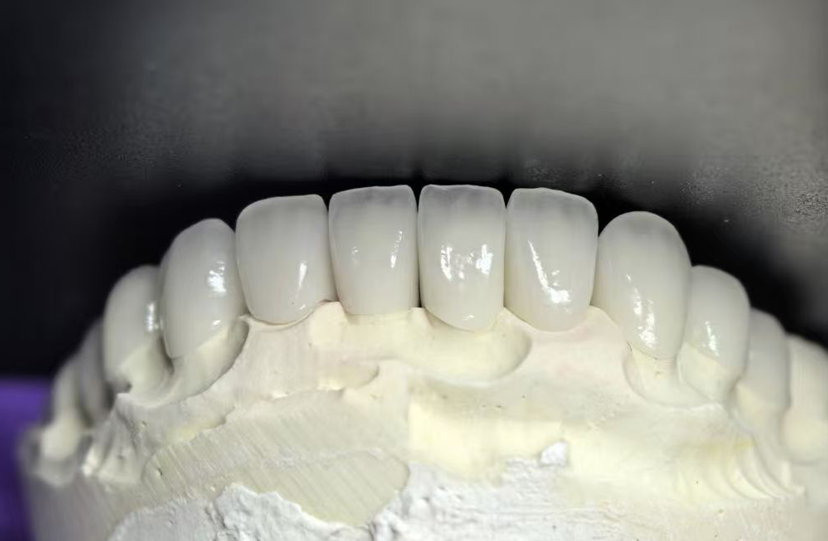
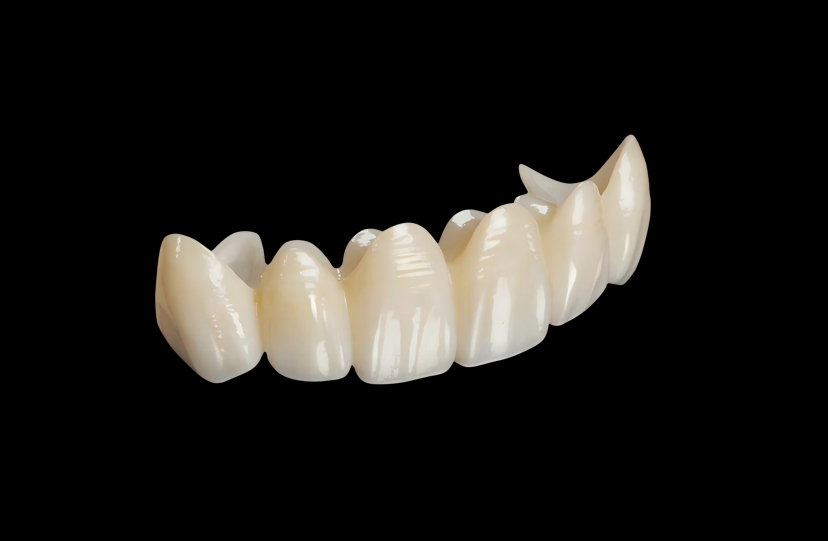
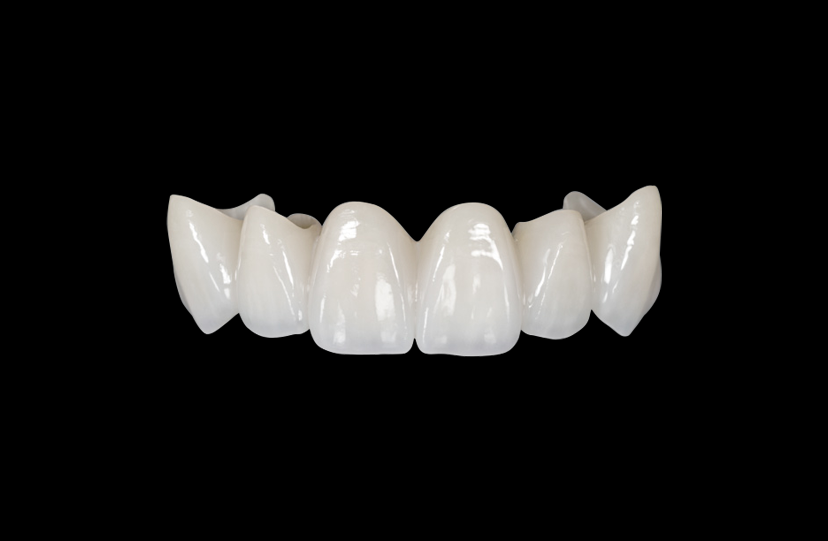
How Does White Gold PFM Enhance Metal Ceramic Restorations?
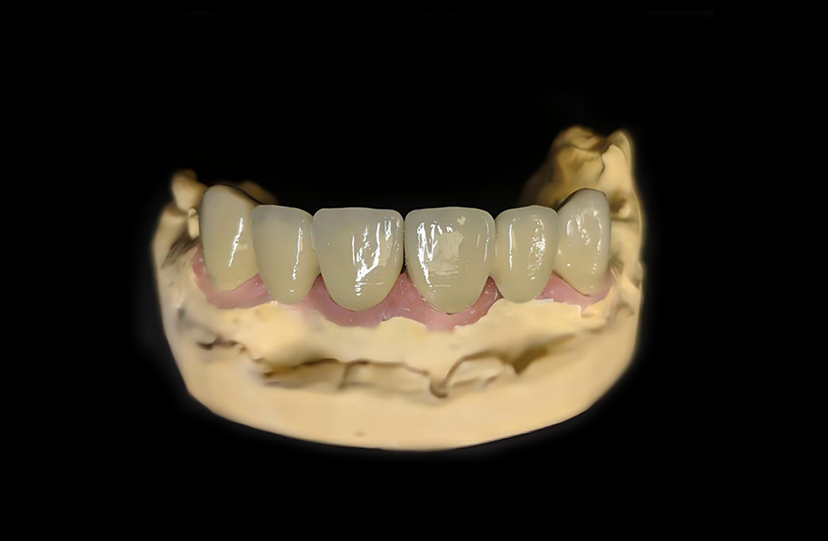
White Gold PFM combines a noble metal framework with porcelain veneering to provide predictable mechanical performance and aesthetic outcomes in selected clinical applications. The framework of palladium-platinum metal gives posterior crowns and long-span bridges tensile strength while keeping their biocompatibility. This type of repair has a 15–20 year service life, a low rate of remakes, and an accurate fit the first time, which means fewer chairside changes. Because it has a lot of noble metals, it demonstrates good corrosion resistance in the oral environment, which makes it suitable for clinical situations requiring high strength and long-term stability.
Introduction
The evolution of dental prosthetics demands materials that satisfy both clinical performance and patient longevity requirements. Metal ceramic restorations remain a widely used option in fixed prosthodontics, particularly for posterior restorations, particularly for posterior applications where occlusal forces exceed 800 Newtons during mastication. Within this category, white gold alloys are one option used when clinicians evaluate the balance between mechanical performance, biocompatibility, and cost considerations. Unlike traditional yellow gold frameworks or base metal alternatives, these palladium-enriched alloys address specific clinical challenges faced by prosthodontists, implant specialists, and dental laboratories managing complex multi-unit cases. The material's unique thermal properties and enhanced rigidity make it particularly valuable for long-span bridge frameworks and patients exhibiting parafunctional habits.
What is White Gold PFM?
White Gold PFM is a type of tooth repair in which layers of ceramic porcelain are fused to a metal framework made up of palladium, platinum, silver, and small amounts of gold. "White gold" refers to the silvery-white color of the alloy, which makes it different from standard yellow gold frames. According to ADA standards, these replacements are high-noble alloys because they usually have 25% or more noble metal content.
Core Composition
Palladium (40–60%), platinum (5–15%), silver (10–25%), and gold (5–20%) make up the metallic substructure. Trace elements like indium or gallium help the oxide layer form. This particular mix makes a rigid framework that doesn't bend during use while still being able to handle the thermal expansion of feldspathic porcelains.
Structural Design
The metal coping, which is usually 0.3 to 0.5 mm thick, gives the base support, and the ceramic veneer adds natural beauty. The form of the framework includes collar edges for posterior uses and porcelain butt edges for situations where looks are important. This two-layer design lets you change the level of transparency, opacity, and color matching to the neighboring teeth.
Benefits
High-noble White Gold PFM frames have measured clinical benefits that have a direct effect on how well patients do and how efficiently the practice runs. It's not just the qualities of the material that these benefits affect; they also have an effect on your everyday work and the success rates of long-term cases.
Because the restoration is thermally stable, it doesn't change shape after being fired several times in porcelain. For standard ceramic layering, three to five firings at temperatures of up to 980°C are needed. During this process, alloys keep the dimensions accurate, which makes sure that the final restoration matches the original die preparation. This consistency gets rid of the small differences that are common with base metal alternatives.
Biocompatibility and Tissue Response
Noble metal alloys generally demonstrate favorable biocompatibility, although individual sensitivities should still be considered. Gingival inflammation risk is lower when nickel, beryllium, and other sensitizing elements are not present. Tissue discoloration has been reported less frequently with noble metal alloys compared with some base metal alloys. Your patients should keep the edges of their natural teeth or peri-implants healthy for as long as the restoration lasts.
Mechanical Longevity
The flexural strength of the framework is more than 500 MPa, which makes it strong enough for bridges that span three or more units. This stiffness stops the framework from bending, which can break porcelain or cause it to decement. When used in the back, properly made restorations usually last between 15 and 20 years. This may reduce the need for replacement procedures and contribute to long-term treatment satisfaction.
Advantages
Compared to other metal and ceramic options, White Gold PFM alloys have specific material characteristics that may provide advantages in selected clinical situations that help dental practices and labs make decisions about what to buy.
Rigidity Characteristics for Long-Span Cases
Because it has more palladium and platinum, White Gold PFM frames are 15 to 20 percent stiffer than yellow gold ones. This higher modulus of elasticity is very important for bridge designs that are longer than three units. The stiff link areas don't bend when loaded and unloaded repeatedly, which keeps both the repair and abutment teeth from breaking mechanically. When framework flexure is decreased, prosthetic integrity is maintained, which is good for practices that handle difficult full-arch rehabilitations.
Thermal Expansion Control
The coefficient of thermal expansion (CTE), which is between 13.5 and 14.5 × 10⁻⁶/°C, is very close to that of porcelain systems that are compatible. This controlled growth stops the shear forces that make porcelain peel off. The alloy has a higher melting point than yellow gold, between 1200 and 1350°C. This gives more safety during the firing of porcelain, lowering the risk of thermal shock. Your lab technicians get the same results over and over again, even after multiple firing cycles, with no distortion of the framework.
Marginal Accuracy and Cementation
For long-term success, precision castings or CAD/CAM milled frameworks keep the gaps between the teeth below 50 microns, which is what doctors require. Because the metal doesn't oxidize when it's fired, the edges stay sharp, which makes it easier for the cement to fully sit. This accuracy means less time spent adjusting the crown at the chairside, a better cement seal, and a lower risk of secondary cavities. Dental labs say that when they use good alloys and the right technique, the rate of remakes is less than 3%.
Cost-Performance Balance
Noble metals are more expensive than base metals, but the repair will last longer and need to be redone less often, so the original cost is worth it. Fewer emergency appointments are made for repairs that are cemented or broken. The warranty term trust comes from knowing the material is reliable, not just hope that base metal alternatives work well.
Disadvantages
To make sure that the right cases are chosen and that patients can understand, professional review of White Gold PFM needs to be based on an honest assessment of important limits.
Esthetic Constraints in Anterior Zones
The opaque metal framework stops light from passing through, so the natural clearness that you see in healthy front teeth is lost. White Gold PFM replacements don't have the depth and life that high-smile-line cases need, even with the right amount of porcelain layers. The silver-white metal color could show through thin layers of porcelain, giving the edges of the neck area a grayish look. For anterior applications, the face must be reduced by at least 1.5 mm to hide the framework, which could damage tooth structure in teeth that have already been prepared.
Potential for Minor Gum Staining
In about 5 to 8 percent of patients, the silver in alloys can change the color of soft tissues in certain areas. Even though it's not as bad as base metal tattooing, after a few years, a light gray shadow may show up at the gum line. This cosmetic issue doesn't usually affect restorations in the back, but patients need to be told about it when it's used in transitional esthetic zones.
Material Cost Considerations
When compared to base metal or zirconia alternatives, lab fees for materials that contain noble metals are higher. A three-unit bridge usually costs 40 to 60 percent more than a choice made of something else. Practices need to weigh this investment against the restoration's proven durability and lower need for remakes. In difficult clinical cases where the risk of a major failure is higher than the original savings, the higher cost becomes reasonable.
Comparison: White Gold PFM vs. Alternative Restorations
Knowing the changes in performance helps you choose the right type of repair for each clinical situation.
| Characteristic | White Gold PFM Yellow | w Gold PFM | Base Metal PFM Zirconia | a Crown |
|---|---|---|---|---|
| Framework Composition | Palladium-based noble metal alloy with porcelain veneer | High-gold noble metal alloy with porcelain veneer | Base metal alloy (commonly cobalt-chromium or nickel-based) with porcelain veneer | Monolithic or layered zirconia ceramic |
| Mechanical Performance | High rigidity and fracture resistance for posterior restorations and bridges | High strength with excellent castability and marginal adaptation | High strength but varies depending on alloy composition | High flexural strength, especially in monolithic zirconia |
| Biocompatibility | Favorable biocompatibility due to noble metal composition | Excellent biocompatibility with high noble metal content | Depends on alloy composition; some patients may have metal sensitivity concerns | Metal-free ceramic with favorable tissue compatibility |
| Aesthetic Characteristics | Suitable for posterior areas; porcelain layer provides customized shade control | Suitable for posterior restorations with natural porcelain aesthetics | Limited translucency due to metal framework | High aesthetic potential with modern translucent zirconia options |
| Thermal Stability | Stable during repeated porcelain firing cycles | Excellent thermal compatibility with porcelain systems | Depends on alloy type and porcelain compatibility | Not applicable to metal-ceramic firing process |
| Clinical Applications | Posterior crowns, multi-unit bridges, cases requiring high strength and space efficiency | Crowns and bridges requiring proven long-term clinical history | Cost-sensitive posterior restorations and selected bridge applications | Anterior and posterior crowns, bridges, and implant restorations depending on design |
| Clinical Longevity | Long-term clinical history; often reported beyond 10 years with proper maintenance | Long-term clinical history with predictable performance | Depends on alloy quality, design, and clinical conditions | Long-term outcomes vary by zirconia type, design, and clinical indication |
| Relative Cost | Moderate to High | High | Low to Moderate | Moderate |
The comparison highlights that each restorative material has different advantages depending on mechanical requirements, aesthetic expectations, clinical indications, and cost considerations. Yellow gold lasts a little longer and works a little better, but it costs more. Base metals are strong and don't cost as much, but they can be harmful to living things. Zirconia offers different optical and mechanical characteristics, while noble metal frameworks have a long history of clinical use.
Clinical Indications: When to Specify White Gold PFM
Choosing the right case improves clinical success, patient happiness, and avoidance of complications.
Ideal Applications
Posterior bridges and crowns are the main indication. Molars and premolars can handle the lack of aesthetic appeal while still being very strong. White Gold PFM can handle the occlusal pressure that people with bruxism face, where zirconia or all-ceramic crowns might break. The rigidity advantage is used in long-span bridge structures with three or more units. The stiff connections stop the bending that breaks porcelain in long prosthetics.
The thin framework design is good for cases with limited dental space. Copings work well at thicknesses of 0.3 to 0.5 mm, which lets enough porcelain layering happen even when there isn't much space between the teeth. When an abutment is discolored, the framework's thickness can hide dark teeth or metal posts, giving the tooth a good look where all-ceramic choices would show discoloration.
Contraindications and Alternative Choices
All-ceramic or lithium disilicate choices are needed for teeth with high anterior esthetic zones and gingival borders that can be seen when you smile. The metal framework can't give patients the clarity they want in their upper front teeth. Patients with confirmed metal sensitivities may require alternative restorative materials based on clinical evaluation, no matter how strong they need to be. Too much occlusal space preparation above 3 mm loses the material's strength benefit; in these cases, full-contour zirconia might be a better choice.
Materials: Understanding White Gold Alloy Composition
The specific elemental composition has a direct effect on clinical performance, so your lab partner needs to be very careful when choosing White Gold PFM materials.
Noble Metal Components
Palladium (usually 40–60%) gives the structure its strength and white color. This element makes the mixture harder and raises the melting point, which makes it more stable at high temperatures when used in porcelain. Platinum (5–15%) makes things more resistant to rust and stiffens them up. The high melting point of the element helps keep the framework stable over many firing cycles. Gold (5–20%) makes the metal easier to cast and more flexible, which lets the margins be precisely adjusted during fabrication. Silver (10–25%) makes the material stronger and keeps it white, but it may cause minor tissue discoloration in patients who are sensitive.
Supporting Elements
The oxide layer needed for porcelain bonding is made by adding small amounts of indium or gallium (1-3%). During degassing, these elements move to the metal surface and chemically bond with the porcelain. Iridium or ruthenium (0.5 to 1%) can be used to refine the grains, which makes the casting better and less porous.
The exact mixture changes both how well it works in the clinic and how much it costs. High-palladium metals (above 50%) are the strongest, but they cost more to make. Balanced formulations with about 45% palladium keep up therapeutic success while keeping costs down. Your lab should give out information about the alloy's specs and material safety data sheets that prove biocompatibility certification.
Manufacturing Workflow: From Design to Delivery
Knowing how White Gold PFM is made helps you explain what you need and guess when it will be delivered.
Digital Case Planning
When your print or intraoral scan gets to the lab, the process starts. Digital processes begin with CAD software design, where techs make the restoration framework that fits your occlusal plan and preparation gaps. The software accounts for shrinkage in the material and makes sure that the right thickness is used in places where stress is concentrated. For complicated cases, this digital planning process usually takes two to four hours. This gives time for testing before the physical fabrication starts.
Framework Production
There are two main ways that things are made today. Precision casting uses the designed framework 3D printed in resin, put into a phosphate-bonded investment, and cast under pressure or centrifugal force. This is called the lost-wax method. The casting is taken apart, cleaned, and finished so that it looks like the digital design. CAD/CAM milling makes the framework straight from alloy pucks that have already been made, so there are no casting factors. Milled frames are slightly more accurate, but they require expensive tools.
The finished framework goes through an oxidation heat process at 980°C to make a surface that is good for joining porcelain. As part of quality control, the master die is checked for fit to make sure that the margins seat completely without binding.
Porcelain Application
The layers of ceramic are put on in a certain order. The opaque layer hides the metal framework, and then the dentin and enamel porcelain are added to give the tooth shape and color. For each layer, it needs to be fired at a certain temperature (usually between 910°C and 980°C) and cooled slowly to avoid thermal stress. The repair is finally glazed at 900°C to make the surface smooth and stain-proof. For standard cases, it takes an average of 3–5 working days from the time the case is received until it is shipped after being checked for quality.
Cost Factors: Understanding Pricing Variables
The final cost of White Gold PFM depends on a number of factors, which affect your buying decisions and pricing strategy.
Noble metal content represents the main cost driver. Palladium prices change with the prices of other goods, which has a direct effect on lab fees. White gold alloys are 30–50% less expensive than high-gold yellow alloys, but they are still much more expensive than base metal options. Your lab should offer clear prices that are in line with what metals are worth on the market right now.
Restoration complexity affects work input. A technician needs to spend 1.5 to 2 hours on a single crown, and 4-6 hours on a long-span bridge to build the framework, cast it, and put porcelain on top of it. Customizations like personality staining or unique shading make the cost of work go up.
Production method selection affects the price. CAD/CAM milled frames are 15–25% more expensive than cast options, but they are more accurate and have a lower risk of having to be redone. Better clinical outcomes are the result of the money spent on digital technology.
Order volume and relationship affect the price per unit. Laboratories give discounts to companies that send in regular monthly case counts. Setting up relationships with chosen providers is good for everyone because it gives everyone more control over their schedules and better prices.
Regulatory compliance costs include getting materials certified, testing for biocompatibility, and keeping up with the quality system. Facilities that are FDA-registered and ISO 13485-certified have higher costs to keep up with the needs of making sure products are safe and consistent. These qualifications keep your business safe for patients and protect you from lawsuits.
How to Choose a Reliable White Gold PFM Supplier
Selecting an appropriate White Gold PFM laboratory requires evaluating manufacturing capability, quality systems, technical expertise, clinical outcomes, and how well your practice runs.
Manufacturing Capability Assessment
Check out the lab's output technology and how much it can hold. Facilities that use both casting and CAD/CAM cutting give customers more options for their needs. Find out how much can be made every day and how long it will take to finish. Reliable sellers always send within 3–5 days, but they also offer faster choices for pressing situations. Ask to see tours of the facility or detailed process documentation that shows how much can be produced.
Quality Management Systems
ISO 13485 certification organizes quality control throughout the whole production process. This standard for medical devices calls for procedures to be written down, devices to be able to be tracked, and protocols for continuous improvement. FDA registration shows that it meets US legal standards for making dental devices. Use FDA database searches to make sure that the registration numbers are still valid. Ask for reports of analysis for the materials that show they have been tested for biocompatibility and noble metal content.
Technical Expertise and Communication
Case study review is a good way to see how well the lab can handle difficult cases. Technicians with a lot of experience make design suggestions that improve patient results. Check how responsive communication is by submitting a trial case. Quality labs answer questions during business hours and include detailed fabrication notes with each case they send out. For international partnerships to work, people need to be able to communicate clearly and in the same time zone. Misunderstandings can be very expensive.
Warranty and After-Sales Support
A guarantee that covers everything shows that you trust the quality. For 24 months, standard guarantees should cover production flaws on PFM restorations. Learn how to file a warranty claim, how long it takes to get a substitute, and what the policy limits are. Technical support that responds quickly fixes problems, causing patients as little trouble as possible. Laboratories that offer free remakes for fit problems during guarantee times show that they care about their customers.
Customization Flexibility
Your practice needs change based on the type of case and the needs of the patient. Suppliers who offer 100% customized fabrication will follow your exact design instructions instead of forcing you to use standard solutions. Check to see if they can meet special requests like changing the emergence patterns, staining the tiles to your specifications, or using certain ceramic systems. Flexible timing of production helps with important cases without lowering quality.
Maintenance and Clinical Care Recommendations
Proper patient education and clinical maintenance make White Gold PFM restorations last longer and keep problems from happening.
Patient Home Care Instructions
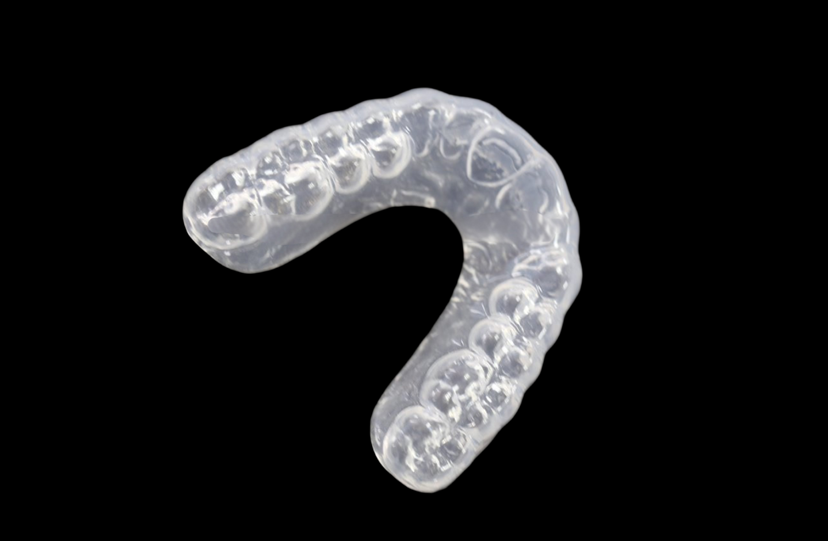
To keep the ceramic surface from wearing down, teach your patients how to brush gently with soft-bristled toothbrushes. Give suggestions for toothpastes that clean well without scratching the glazed surface. It is important to floss every day around the edges of restorations to keep soft tissue from getting inflamed and secondary cavities from forming. Making a nightguard for a person with parafunctional habits can protect both their restorations and their neighboring teeth from too much wear and tear.
Professional Maintenance Protocol
Set up follow-up exams every six months to check the health of the soft tissues and the stability of the repair. Check for minor adaptation by using explorers to find cement breakdown or repeated decay. When you probe deeper around capped teeth, you can find signs of peri-implant disease or periodontal problems that need to be fixed. When done correctly and with a rubber cup polish, professional treatment can get rid of plaque biofilm without hurting ceramic surfaces.
Longevity Factors
Clinical research shows that well-designed restorations usually last between 15 and 20 years when used normally. Longevity factors include enough occlusal space during preparation, accurate marginal adaptation, the right way to fix the teeth, and controlled occlusal contacts. Patients who avoid hard foods and take care of their bruxism by wearing a nightguard have a longer healing life. Professional monitoring on a regular basis lets problems be fixed quickly, before they get worse.
Key Takeaways
When it comes to posterior applications that need high strength, biocompatibility, and a predictable length of time, White Gold PFM restorations deliver. The framework that is rich in palladium and platinum makes long-span bridges more rigid while keeping their heat stability during porcelain firing cycles. When these restorations are made well, they fit the first time correctly. This cuts down on the time needed for adjustments at the chairside and lowers the rate of remakes to less than 3%. The 15-20 year service life makes the moderate cost investment worth it when compared to base metal options.
Choosing the right case is very important for success: choose white gold for posterior crowns, long-span bridges, situations with limited space, and patients with parafunctional habits. If you want a very nice-looking front tooth, all-ceramic choices will work better because they are clear. Work with ISO 13485-certified labs that offer materials that are registered with the FDA, full warranties, and quick technical support. If you teach your patients the right way to take care of their restorations, they will last longer, which is good for both your practice and your patients.
FAQ
How does white gold differ from yellow gold in clinical performance?
Although White Gold PFM metals are about as accurate as yellow gold, they are more rigid because they contain more palladium and platinum. The higher stiffness is good for long-span bridge frames because it keeps them from bending when teeth are loaded on them. The higher melting temperature makes the porcelain more thermally stable over many heating cycles, which lowers the risk of damage. Both types of metal are very biocompatible and resistant to corrosion. The choice should be based on how hard the part needs to be and how much it costs, not on how well it works with flesh.
Is there risk of thermal shock during porcelain layering?
When there are differences in the coefficients of thermal expansion between metal and ceramic layers, this is called thermal shock. This risk is kept to a minimum by White Gold PFM alloys that are specially made for bonding porcelain. When you do things the right way in the lab, you use slow cooling processes that keep the temperature stable over time and stop different rates of contraction. Using ceramic systems made for high-palladium metals supports reliable bonding performance when appropriate alloy and porcelain systems are used. Quality labs follow the instructions from the manufacturer for the right firing temperature and rate of cooling, which helps reduce the risk of thermal stress-related complications.
Can white gold PFM be used for implant-supported restorations?
Of course. Because the material is stiff, White Gold PFM works great for crowns and bridges that are supported by implants. Because the framework is stiff, occlusal forces are spread out widely across multiple implants. This lowers the stress that could make osseointegration less likely to fail. The biocompatible alloy composition keeps the soft tissue around the edges of the implant from getting inflamed. Design factors include making sure that the metal is thick enough in the connecting areas and that the screw-access channels are placed correctly for designs that can be taken apart. The repair has been shown to last as long as implant fixtures are supposed to.
How do I verify the noble metal content claimed by my laboratory?
Reliable labs give out material certificates of analysis that show how White Gold PFM was made by using spectroscopic testing. The exact amounts of palladium, platinum, gold, and other elements are written on these certificates. ISO 13485-certified facilities keep track of materials from the time they are made until they are used in a restoration. For high-value cases, you can ask for batch-specific documentation. There are third-party test services that can be used for independent confirmation if there are any doubts, but this is rarely needed because established laboratory partnerships keep track of where materials come from.
What preparation design works best for white gold PFM?
The best ways to prepare teeth for White Gold PFM are to reduce the face by 1.0 to 1.5 mm, clear the teeth 1.5 to 2.0 mm, and heavily chamfer or round the shoulder edges. If you want to keep the metal thick around the edges, don't use featheredge or knifeedge designs. For good retention without undercuts, axial walls should have 6 to 10 degrees of convergence. Rounded internal line angles keep stress from building up during function. Enough space allows for the right metal framework thickness (0.3 to 0.5 mm) and enough porcelain layering (at least 1.0 to 1.2 mm) for good looks and strength.
Why choose white gold over zirconia for posterior restorations?
White Gold PFM has a clinical history that goes back decades and predictable performance characteristics. When there isn't much space between the teeth, the metal framework lets the buccal design be smaller, while zirconia needs at least a 1.5mm reduction. Zirconia is very hard, so restorations make chairside changes and polishing easy. The cost of the materials is usually less than that of high-translucency zirconia systems, and they last just as long. Some dentists like working with metal-based replacements because they are easier to handle and require fewer complicated cementation steps than the glue methods needed for best zirconia bonding.
How quickly can I receive white gold PFM restorations?
Standard production times for White Gold PFM range from three to five working days from receiving the case to shipping it. This quick turnaround is possible thanks to digital workflows and efficient lab operations. For urgent cases, expedited services cut wait times to 24 to 48 hours, but there may be extra fees. International shipping can take an extra two to three days, based on where the package is going and how long it takes to clear customs. Setting up regular buying patterns with your lab partner lets you better plan production, which guarantees reliable delivery that helps you keep your patient appointments.
What warranty should I expect from quality suppliers?
For 24 months, full warranties cover manufacturing flaws on fixed White Gold PFM restorations. This includes cracks in the framework, ceramic delamination from bad bonding, and differences in the margins that are bigger than what is considered clinically acceptable. If a defect isn't caused by clinical factors like bad cementation or patient damage, good labs will fix it or remake it for free during the guarantee time. It should be easy to understand what paperwork is needed to handle warranty claims fast. Longer warranties or satisfaction promises show that the provider is confident in the quality of the work and wants the partnership to be successful in the long run.
Partner With HYC for Precision White Gold PFM Solutions
The HYC Dental Laboratory has been making high-precision White Gold PFM restorations for dental practices and labs around the world for 22 years. Our ISO 13485:2016-certified facility follows documented quality management procedures and uses materials selected according to applicable regulatory requirements. Through advanced CAD/CAM workflows, we focus on maintaining consistent fit accuracy through digital workflows and quality control procedures. This cuts your remake rates to less than 2% and saves you valuable chairside time. We can meet even your tightest deadlines with standard 3-day production cycles and fast shipping choices.
Every restoration comes with our full 2-year guarantee, which covers the quality of the manufacturing process. We also offer fast technical help for the life of the product. When it comes to posterior crowns, long-span bridges, and complex implant cases, our ability to fully customize meets all of your exact design needs. Our approach focuses on key factors in laboratory collaboration, including accuracy, communication, delivery consistency, and quality documentation: accuracy, on-time delivery, following all rules, and the security of a long-term relationship.
Get in touch with our team right away at info@hycdentallab.com to talk about your specific case needs, ask for material certifications, or set up a sample case evaluation. Visit hycdentallab.com to see all of our repair work and feel the difference in quality that comes from skilled craftsmanship backed by decades of technical knowledge.
References
1. Anusavice KJ, Shen C, Rawls HR. Phillips' Science of Dental Materials, 12th Edition. Elsevier Health Sciences, 2013.
2. Rosenstiel SF, Land MF, Fujimoto J. Contemporary Fixed Prosthodontics, 5th Edition. Mosby Elsevier, 2016.
3. Wataha JC. Biocompatibility of dental casting alloys: A review. Journal of Prosthetic Dentistry, 2000; 83(2): 223-234.
4. Della Bona A, Mecholsky JJ, Anusavice KJ. Fracture behavior of lithium disilicate and leucite-based ceramics. Dental Materials, 2004; 20(10): 956-962.
5. Goodacre CJ, Bernal G, Rungcharassaeng K, Kan JY. Clinical complications with implants and implant prostheses. Journal of Prosthetic Dentistry, 2003; 90(2): 121-132.
6. Pjetursson BE, Sailer I, Makarov NA, Zwahlen M, Thoma DS. All-ceramic or metal-ceramic tooth-supported fixed dental prostheses: A systematic review of the survival and complication rates. Dental Materials, 2015; 31(6): 624-639.
YOU MAY LIKE
_1779414347678.webp "FCZ(Full Contour Zirconia)")