What Are the Benefits of PFM Yellow Gold Crowns?
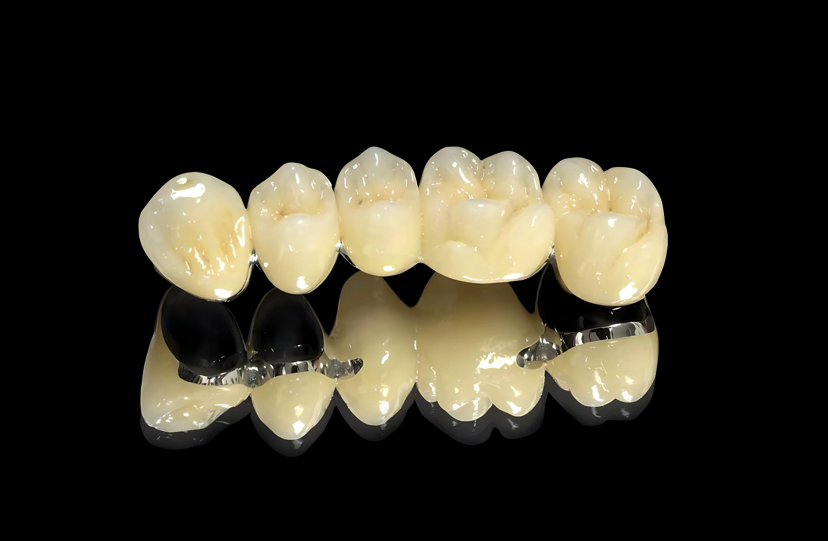
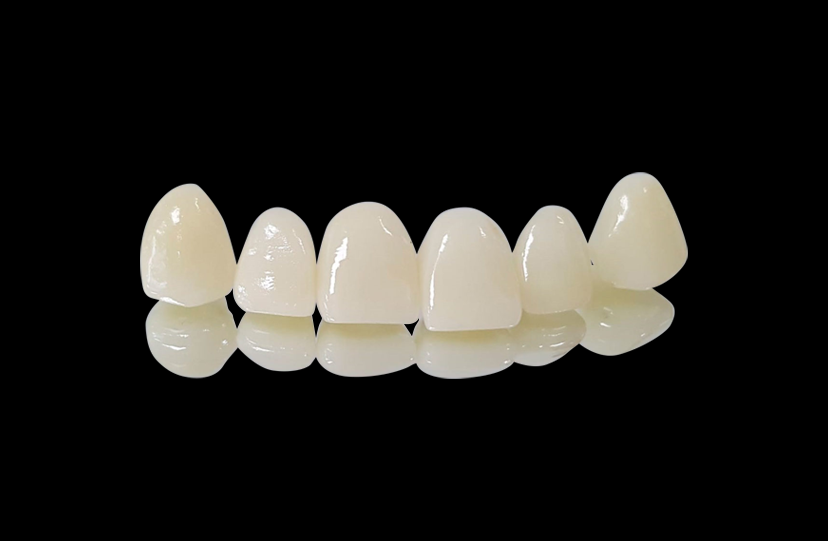
PFM Yellow Gold Crowns combine high noble metal alloys with porcelain veneering to provide a balance of strength, aesthetics, and clinical reliability. PFM Yellow Gold Crowns are valued for their biocompatibility, reliable marginal adaptation, and long-term clinical performance when properly designed, fabricated, and maintained. This makes them a suitable option for selected posterior restorations and cases requiring enhanced strength and wear resistance. Their warm-toned metal substructure may help reduce the appearance of dark margins compared with some base-metal restorations. It also provides wear characteristics that are considered favorable for opposing dentition. Knowing about these benefits helps people who buy things choose compliant and clinically suitable materials that lower the number of times they have to be replaced and improve patient satisfaction.
Understanding PFM Yellow Gold Crowns
Composition and Material Properties
The base of PFM Yellow gold crowns is made of high-precious metal alloys, which are usually gold mixed with copper, silver, palladium, or platinum. This combination provides favorable flexibility, malleability, and corrosion resistance compared with many base metal alloys. The presence of noble metals contributes to favorable biocompatibility characteristics. This lowers the risk of inflammatory reactions and metal sensitivity. The way these metals wear is a lot like how natural tooth enamel wears, which makes them very gentle on the opposing teeth when you bite down. The metal substructure's warm yellow color makes a more natural setting for the porcelain layers than darker base metal options.
Manufacturing Process and Quality Standards
Either ancient lost-wax casting methods or precise digital CAD/CAM milling methods are used in modern production. When done right, both methods provide great marginal integrity, but digital processes are more consistent in high-volume production settings. Quality makers use strict controls throughout the crown-making process and alloy preparation. Following the rules for FDA registration, CE approval, and ISO 13485:2016 quality control systems makes sure that materials can be tracked and are real. HYC provides PFM Yellow Gold restorations manufactured under an ISO 13485-certified quality management system, with applicable regulatory registrations and documentation, and meets international biocompatibility standards. This gives sourcing teams proof that they are following the rules, which speeds up clinical acceptance.
Aesthetic Considerations for Clinical Applications
Even though it doesn't look like teeth, the unique PFM Yellow gold color has some nice visual benefits. When gum shrinkage happens, the visible metal edge looks like a nice gold line instead of the dark gray or black shadows that are common with base-metal PFMs. Porcelain experts can make the substructure with warm tones more real by using gold-tone opaques first, then high-value secondary layers, and finally dentin porcelain. For this layering method to work, the face needs to be reduced enough—usually by 1.5mm to 2.0mm—so that there is enough room for chromatic blocking while keeping the natural light-transmitting qualities that look like real enamel.
Key Advantages of PFM Yellow Gold Crowns for Dental Applications
Exceptional Durability and Longevity
Clinical studies have demonstrated that PFM restorations can achieve predictable long-term outcomes when appropriate materials and techniques are used. With proper case selection, clinical procedures, and maintenance, PFM Yellow Gold Crowns can provide reliable long-term service. Noble metal alloys can be used for long-span bridges that go up to fourteen units long because they have a high tensile strength. This high level of resistance to breaking directly leads to lower long-term costs for individuals and lower rates of replacement for dental offices. The material is very resistant to rust, so it doesn't break down in the mouth. This helps maintain structural integrity and predictable marginal performance when clinical protocols are followed. This durability makes PFM Yellow Gold Crowns a valuable option for cases where strength, wear compatibility, and longevity are important considerations, giving procurement teams a value argument based on real clinical performance rather than marketing promises.
Superior Biocompatibility and Patient Safety
Noble metal alloys are generally recognized for their excellent corrosion resistance and favorable biocompatibility compared with many base metal alloys. Although uncommon, sensitivity to certain noble metal components may occur in some individuals. Clinical assessment is recommended for patients with known metal allergies. Their favorable biocompatibility profile makes noble metal alloys a potential option for patients with concerns about sensitivity to certain base metals. Clinical evaluation is recommended for patients with known allergies. A lot of noble metals make sure that the cellular performance is consistent across a wide range of patient groups. Decades of clinical experience with noble metal alloys have contributed to their continued use in restorative dentistry. This addresses risk-management concerns that quality assurance teams put at the top of their list when they evaluate suppliers.
Optimal Wear Characteristics and Opposing Tooth Protection
Because PFM Yellow gold alloys wear down at a rate very similar to real tooth enamel, they demonstrate favorable wear characteristics compared with some restorative materials. This feature is especially helpful for people with bruxism who make very strong mandibular forces. Compared with some high-strength ceramic materials, gold-containing alloys may offer favorable wear characteristics against opposing dentition when properly finished and adjusted. This is an important clinical factor that has a big effect on long-term oral health. In selected bruxism cases, clinicians may consider full-metal occlusal designs using gold alloys based on individual patient requirements, with porcelain only on the front of the teeth. This combines the protective benefits of gold with a good look on the front. This method cuts down on the time needed for adjustments at the dentist's office while also making the repair and natural teeth around it last longer.
Comparing PFM Yellow Gold with Other Popular Dental Crown Materials


Performance Against Base Metal and Alternative Alloys
Compared with some alternative alloys, PFM Yellow Gold offers a combination of mechanical performance, corrosion resistance, and handling characteristics. Because it is very flexible, the edges can be precisely adjusted during manufacturing and finishing. This can contribute to improved marginal adaptation and help reduce potential clinical complications when properly fabricated. Base metals are cheaper to work with, but they don't last as long or be as compatible with living things as noble alloys do. White gold alloys have the same mechanical qualities as PFM. Yellow gold alloys, but they don't have the warm color that stops dark shadows from appearing around the edges. Platinum prosthetic fixations work very well but are very expensive. PFM Yellow gold, on the other hand, usually has a better cost-benefit ratio for most back uses that don't need to be very strong.
Cost-Benefit Analysis for Procurement Planning
When buying materials for the first time, PFM Yellow gold crowns are more expensive than zirconia and base metal options. However, the high durability and low rate of remakes provide better long-term value that purchasing managers should think about when making decisions about where to source goods. A PFM Yellow gold repair that works well for thirty years costs less over a lifetime than a zirconia crown that needs to be replaced every fifteen years. This longer service life makes treatment easier for patients and cuts down on the time spent in the clinic chair replacing crowns. Supply chain managers who want to maximize long-term value rather than minimize short-term costs will find that the performance of PFM Yellow gold supports its high place in comprehensive material portfolios.
Aesthetic and Clinical Suitability Considerations
Because PFM Yellow gold doesn't match teeth, it can't be used in the smile zone because it shows through teeth. This means it shouldn't be used for front restorations where metal exposure is a visual issue. Posterior molars, second premolars, and places where it's hard to see are good examples of places where usefulness is more important than appearance. People who have bruxism, have limited occlusal space, or have heavy occlusal needs can benefit a lot from PFM Yellow Gold because it is strong and wears like enamel. Teams that buy things for a wide range of patients should keep PFM Yellow Gold choices on hand along with zirconia and ceramic materials. This way, dentists can choose the best materials for each case instead of using solutions that work for everyone.
Procurement Insights: How to Source Quality PFM Yellow Gold Alloys
Supplier Selection and Certification Requirements
Finding producers that are currently registered with the FDA, certified by CE, and accredited by ISO 13485:2016 is the first step in effective buying. These licenses show dedication to quality management systems and following the rules that are necessary for selling medical devices. Make sure that sellers give you full paperwork on the makeup of the material, including percentage breakdowns of the platinum, PFM Yellow gold, copper, silver, and palladium content. Ask for records that show how each batch was made and reports of analysis that prove the results of biocompatibility tests. Reliable sources communicate clearly about where to get alloys and are happy to help with technical questions about manufacturing. Stability in a long-term relationship depends on consistent quality delivery, a reliable production schedule, and quick customer service that takes care of pressing case needs.
Pricing Structures and Bulk Purchase Optimization
The price of PFM Yellow gold alloy changes with the price of valuable metals. This means that procurement teams have to keep an eye on commodity trends and come up with pricing deals that strike a balance between stable costs and the facts of the market. Minimum order amounts change from supplier to supplier, but buying in bulk usually saves you money per unit. By negotiating guaranteed delivery times against volume promises, you can get better prices and make sure that you have enough inventory for important cases. Some sellers offer open payment terms or consignment plans to long-term customers, which makes managing cash flow easier. When you know the total cost, which includes shipping, customs fees, and insurance, you can get accurate landed cost numbers that help you make smart sourcing choices that stay within your budget.
Logistics and Documentation for Seamless Supply Chain Operations
When you buy something like PFM Yellow gold from another country, you have to pay close attention to shipping processes and legal paperwork. Reliable sellers offer a range of delivery choices, such as standard shipment, which is sent out three days after receipt; fast four- to five-day turnaround for normal cases; and expedited shipping options may be available for urgent cases depending on location and production requirements. Check to see if your sellers follow strict packaging rules that keep items from getting damaged during shipping. Commercial invoices, certificates of origin, material safety data sheets, and compliance declarations that meet the import standards of the target country should all be included in full paperwork packages. Setting up clear lines of contact with specialized account representatives speeds up the process of processing orders and solving problems. When it comes to buying success, these business factors have a direct effect on how quickly cases are turned around and how happy customers are.
Application and Maintenance Tips for Maximizing PFM Yellow Gold Crown Performance
Preparation Guidelines and Technical Specifications
To get the best professional results, you need to carefully prepare the teeth according to set methods. Occlusal reduction should leave enough space for the thickness of the ceramic layer and the metal framework. When the face and mouth are reduced, enough room must be made—usually 1.5 mm to 2 mm—for an aesthetic layer that covers the PFM Yellow gold base properly. Lingual reduction lets you create a framework that is strong while removing as little tooth structure as possible. While chamfer margins are usually the best way to adapt PFM Yellow gold alloys, shoulder preparations are needed when porcelain butt margins are needed for aesthetic reasons. Getting rid of sharp edges and making surfaces smooth makes it easier to take accurate impressions and speed up the production process in the lab.
Fabrication Best Practices for Laboratory Technicians
Procedures used in the lab have a big effect on the quality of the end repair. Technicians should use gold-tone opaques instead of white opaques when working with PFM Yellow gold alloys so that the colors match the metal. Before the dentin porcelain is applied, chromatic transmission can be successfully hidden by adding secondary high-value thick layers. Handling metal correctly when casting or cutting keeps it from getting contaminated, which hurts marginal adaptation. Careful layering of ceramic creates natural translucency while keeping the right thickness throughout the repair. To keep chairside modifications to a minimum, finishing methods should stress accurate mouth adjustment and finer margin refinement. These technical concerns directly lead to higher rates of first-time fits and lower rates of remakes.
Maintenance Protocols and Longevity Enhancement
Teaching patients how to properly clean their teeth is important for long-term success after repair. When the right polishing methods are used, regular professional cleanings can get rid of deposits without hurting porcelain surfaces. During reminder visits, dentists should keep an eye on occlusion and make small changes as normal tooth wear changes the way teeth fit together. When porcelain breaks, skilled techs can often fix the damage locally without having to replace the crown. This keeps the tooth in good shape longer and saves the patient money. Keeping accurate records of when restorations were placed, the specs of the alloy used, and previous care makes treatment planning easier when more work needs to be done. These proactive upkeep methods make the most of the natural benefits that PFM Yellow gold materials have in terms of durability.
Conclusion
PFM Yellow gold crowns are a great deal for dental buying workers who want long-lasting restorations that are biocompatible and have been shown to work well in the clinic. Their one-of-a-kind mix of high noble metal content, better marginal integrity, and enamel-like wear traits takes into account important choice factors like accuracy, durability, and patient safety. The initial cost of the materials is higher than some options, but the long-term clinical performance can provide strong lifetime value that lowers the need for replacements and raises patient happiness. Strategic buying teams know that getting approved, high-quality PFM Yellow gold restorations from reputable makers helps improve patient care and lowers long-term costs.
FAQ
Are PFM Yellow Gold Crowns Suitable for Patients with Metal Allergies?
Because it contains so many fine metals, PFM Yellow gold is the safest metal you can choose. It rarely causes allergic reactions. Gold alloys don't respond with tissues like base metals that contain nickel or other sensitizing elements do because they are chemically inactive. The only people who shouldn't get this treatment are those who have known allergies to noble metals, but this doesn't happen very often in clinical practice.
How Do Yellow Gold Crown Prices Compare with Zirconia Options?
Because it contains valuable metals, the initial cost of buying PFM Yellow gold is higher than the price of zirconia. However, the very long life and low rate of remakes make it a better deal over time. If a PFM Yellow gold restoration works properly for thirty years, it will cost less over time than replacement crowns. This means that the higher cost is worth it for posterior uses that value stability over short-term savings.
Which Certifications Indicate Authentic, Compliant Yellow Gold Alloys?
Look for providers that are registered with the FDA, have CE certification, and are ISO 13485:2016 certified. Ask for proof that the materials are FDA-listed, biocompatibility test results, and full metal makeup details. These licenses show that the company follows the rules and has a quality management system in place, which is important for people buying medical devices to trust.
Partner with HYC for Premium PFM Yellow Gold Crown Solutions
HYC offers approved PFM Yellow Gold restorations that are backed by 22 years of excellent production and full regulatory compliance. Our quality management system is certified to ISO 13485:2016, and our company maintains applicable regulatory registrations and compliance documentation, and we use materials that meet applicable regulatory requirements and quality documentation standards. This supports consistent product quality, accuracy, and reliability. We know that buying teams need flexible delivery times, so we offer regular three-day shipping, four- to five-day turnaround for normal cases, and next-day flash delivery for emergencies. Our customized fabrication process allows us to follow individual prescription requirements and design specifications while supporting predictable fit and helping reduce unnecessary adjustments. As a reliable provider, we offer clear prices for large orders, full paperwork for tracking, and quick technical help. Get in touch with our team at info@hycdentallab.com to talk about how our improved PFM Yellow gold crowns can help you sell more products and build stronger relationships with clients by showing they work better in the real world.
References
1. Anusavice, K.J., Shen, C., and Rawls, H.R. (2013). Phillips' Science of Dental Materials (12th ed.). St. Louis: Elsevier Saunders.
2. Rosenstiel, S.F., Land, M.F., and Fujimoto, J. (2016). Contemporary Fixed Prosthodontics (5th ed.). St. Louis: Mosby Elsevier.
3. Shillingburg, H.T., Hobo, S., Whitsett, L.D., Jacobi, R., and Brackett, S.E. (2012). Fundamentals of Fixed Prosthodontics (4th ed.). Chicago: Quintessence Publishing.
4. Craig, R.G. and Powers, J.M. (2002). Restorative Dental Materials (11th ed.). St. Louis: Mosby.
5. Wataha, J.C. (2000). Biocompatibility of dental casting alloys: A review. Journal of Prosthetic Dentistry, 83(2), 223-234.
6. Mjör, I.A. and Christensen, G.J. (1993). Assessment of local side effects of casting alloys. Quintessence International, 24(5), 343-351.
YOU MAY LIKE