What Makes FCZ Suitable for High-Strength Dental Applications?
Monolithic zirconia, also known as Full Contour Zirconia (FCZ), is a high-strength ceramic material widely used for demanding dental restorations, particularly in posterior and high-load applications. Its monolithic design eliminates the need for a veneering porcelain layer, helping reduce the risk of veneer-related chipping and delamination associated with layered ceramic restorations. With favorable clinical performance, good biocompatibility, and efficient CAD/CAM fabrication, FCZ has become an important option for posterior crowns, bridges, implant-supported restorations, and selected patients with heavy occlusal loading or bruxism.
Introduction
Modern dentistry demands materials that combine mechanical strength with clinical reliability. Dental professionals managing posterior restorations, full-arch reconstructions, and patients with parafunctional habits face a persistent challenge: balancing durability against the risk of prosthetic failure. Traditional porcelain-fused-to-metal and veneered ceramic restorations have demonstrated good clinical performance, but veneer chipping and delamination remain recognized technical complications, particularly in high-load situations. The emergence of monolithic zirconia technology fundamentally transformed treatment protocols for demanding clinical scenarios. As dental laboratories seek to reduce remake rates while meeting tight turnaround requirements, understanding the material science behind high-strength zirconia becomes essential for procurement managers, dental technicians, and clinical decision-makers evaluating long-term supplier partnerships.
What is Full Contour Zirconia?
FCZ(Full Contour Zirconia) is very different from the old multi-layered dental ceramics. This restoration is made of a single piece of solid, uniform yttria-stabilized zirconium dioxide—it wasn't made with any porcelain veneering layers. By eliminating the veneering layer, monolithic zirconia reduces the risk of veneer-related chipping and delamination that can occur in layered ceramic restorations.
Phase Transformation Toughening Mechanism
The incredible strength comes from a unique crystalline event. Zirconia crystals change from tetragonal to monoclinic in a controlled way when stress builds up at the tip of a crack. This local volume expansion creates compressive forces that actively stop cracks from spreading. This transformation-toughening mechanism generates localized compressive stresses that help inhibit crack propagation and improve fracture resistance, making zirconia more resistant to fracture than many conventional glass-ceramic materials.
Digital Manufacturing Integration
CAD/CAM technology is widely used in the digital fabrication of monolithic zirconia restorations, enabling consistent design and efficient production. Pre-sintered zirconia blocks are milled in their enlarged “green state” and subsequently sintered according to the material manufacturer's specified protocol. During sintering, zirconia undergoes significant dimensional shrinkage, typically around 20–25% linearly depending on the specific material and manufacturer. A controlled CAD/CAM workflow can provide high dimensional accuracy and consistent marginal fit when appropriate scanning, milling, sintering, and quality-control procedures are followed.
Benefits
The benefits of FCZ(Full Contour Zirconia) in terms of both clinical and operational aspects help dental labs, purchasing managers, and quality assurance teams who are testing the performance of materials.
Enhanced Patient Outcomes
Clinical studies have reported favorable five-year survival rates for some monolithic zirconia posterior restorations. Outcomes vary according to the material, restoration type, clinical protocol, and patient factors, including occlusal loading and parafunctional habits; Outcomes vary according to the material, restoration type, clinical protocol, and patient factors, including posterior molar restorations exposed to substantial occlusal loading. The monolithic design eliminates the veneering porcelain layer and may therefore reduce veneer-related repair or replacement procedures. Zirconia is generally considered a biocompatible ceramic material and has demonstrated favorable soft-tissue responses in dental applications when restorations are appropriately designed and maintained.
Laboratory Efficiency Gains
Monolithic zirconia can simplify the fabrication workflow by eliminating the need for a separate veneering porcelain layer and associated layering and firing procedures. CAD/CAM automation can improve production efficiency and consistency while allowing skilled technicians to focus on complex design, finishing, and quality-control tasks.
Cost-Effectiveness for Procurement
Although the material cost of FCZ(Full Contour Zirconia) may be higher than some traditional restorative options, an efficient digital workflow and reduced veneer-related complications may contribute to lower overall production and maintenance costs. A well-controlled digital workflow can help reduce production variability and remake risk—saving a lot of money on labor, shipping, and the practice's image. For procurement teams, supplier consistency, material availability, production efficiency, and predictable lead times can be important factors in evaluating total cost of ownership that don't change with the prices of commodities like metal alloys do. When you make a volume commitment with a qualified supplier, you usually get better pricing that helps you plan your long-term budget.
Advantages
Comparative analysis shows clear technical advantages that affect choices about which materials to use in different clinical situations.
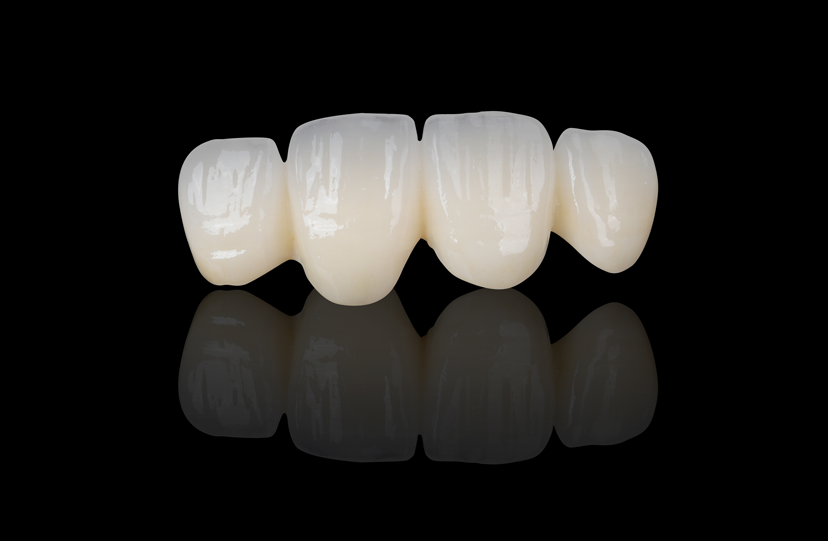
Structural Integrity Under Load: High-strength zirconia formulations can achieve flexural strength values exceeding 900 MPa, although actual performance depends on the specific zirconia composition and manufacturer's specifications, which lets the wall parts be smaller than with porcelain-fused options. Depending on the specific zirconia material, restoration design, and manufacturer's instructions for use, monolithic zirconia may allow relatively conservative tooth preparation to protect natural tooth structure, which is a major benefit of minimally invasive dentistry methods. When indicated by the material manufacturer's specifications, monolithic zirconia can be used for three-unit fixed dental prostheses without a metal substructure, provided that appropriate connector dimensions and design requirements are met.
Elimination of Delamination Risk: Regular two-layer systems have mechanical breaks that can fail under stress at the points where they connect. Because monolithic zirconia does not rely on a veneering porcelain layer, the risk of veneer delamination and veneer chipping is substantially reduced. Monolithic zirconia eliminates the conventional porcelain-veneer layer and therefore avoids veneer-related “porcelain pop-off” complications associated with layered restorations.
Predictable Manufacturing Outcomes: Digital production from standardized zirconia blanks can improve production consistency and reduce variability compared with conventional manual layering workflows. Through coordinate measurement, quality assurance protocols check the accuracy of the dimensions, and spectrophotometric shade verification checks that the colors match the prescriptions. This can help multi-site dental organizations maintain more consistent production and quality-control standards across locations.
Biocompatible Performance: The zirconium dioxide surface is biologically safe and doesn't rust in the mouth. Zirconia is widely used in dentistry because of its favorable biocompatibility and chemical stability. Soft-tissue response to zirconia is influenced by surface characteristics, restoration design, plaque control, and clinical maintenance is influenced by surface characteristics, restoration design, plaque control, and clinical maintenance. This helps natural emergence profiles in implant-supported applications.
Disadvantages
To do an objective review, you have to be aware of the important limits that affect how you choose cases and plan treatments.
Aesthetic Constraints in Anterior Zones
Standard high-strength zirconia formulations generally have lower translucency than glass ceramics, which can limit their use in highly aesthetic anterior restorations. Modern multilayer and higher-translucency zirconia formulations provide improved optical properties, although increased translucency is generally associated with reduced mechanical strength. When maximum optical performance is required, lithium disilicate and other glass-ceramic materials may be considered.
Opposing Dentition Wear Concerns
Surface condition is an important factor influencing the wear behavior of monolithic zirconia. Proper finishing and polishing can help minimize antagonist enamel wear, and clinical evidence generally indicates favorable wear performance for well-polished zirconia compared with rough or inadequately finished surfaces. Because wear is also influenced by occlusion, restoration location, surface treatment, and parafunctional habits, appropriate clinical adjustment and maintenance remain important.
Adjustment Challenges
To keep materials from breaking down, chairside changes need to follow certain rules. Aggressive grinding or excessive heat generation during adjustment may alter the zirconia surface and potentially affect its mechanical performance. Adjustments should therefore follow the material manufacturer's recommended protocols, using appropriate diamond instruments and adequate cooling. Dental workers need to learn how to use fine-grit diamond burs and lots of water to make adjustments correctly. This procedural sensitivity is different from traditional materials, which are more forgiving.
Comparison
| Property | FCZ (Full Contour Zirconia) | Lithium Disilicate | Porcelain-Fused-to-Metal (PFM) |
|---|---|---|---|
| Flexural Strength | High; varies by zirconia formulation, with high-strength grades often exceeding 900 MPa | Typically around 350–500 MPa, depending on the material | Varies by alloy and veneering ceramic; the porcelain veneer is generally the more fracture-prone component |
| Fracture Toughness | High; generally higher than glass ceramics | Moderate | Depends on the alloy and veneering ceramic system |
| Translucency | Low to high, depending on yttria content and formulation | Generally high | Limited by the metal substructure |
| Tooth Preparation | May allow relatively conservative preparation when permitted by material specifications and clinical design | Generally requires greater reduction than high-strength zirconia | Typically requires sufficient reduction to accommodate the metal coping and veneering ceramic |
| Veneering Layer | None; monolithic structure | None for monolithic lithium disilicate | Porcelain veneer over a metal substructure |
| Veneer Chipping / Delamination Risk | Reduced because there is no veneering porcelain layer | No separate veneering layer in monolithic restorations | Recognized technical complication associated with the veneering ceramic |
| Biocompatibility | Generally favorable; chemically stable ceramic | Generally favorable | Generally favorable, although response may vary depending on the alloy composition and patient sensitivity |
| High-Load Applications | Well suited for selected posterior and high-load cases | Suitable for selected cases where optical properties are prioritized | Established option with long-term clinical use; case selection remains important |
| Digital Fabrication | Highly compatible with CAD/CAM workflows | Highly compatible with CAD/CAM workflows | Can be digitally designed, with additional veneering and laboratory procedures depending on the workflow |
| Optical Performance | Improving with multilayer and higher-translucency formulations | Excellent optical properties | Natural-looking aesthetics can be achieved, although the metal substructure may affect translucency |
| Key Advantage | High strength, fracture resistance, and simplified monolithic fabrication | Excellent balance of aesthetics and mechanical performance | Long clinical history and versatile restorative applications |
| Key Consideration | Translucency varies with formulation; higher translucency may involve reduced strength | Generally lower strength than high-strength zirconia | Veneer-related chipping and delamination remain potential complications |
For procurement teams evaluating materials for posterior applications, monolithic zirconia offers a compelling combination of high strength, fracture resistance, and simplified fabrication. However, material selection should be based on the specific clinical indication, zirconia formulation, restoration design, preparation requirements, and manufacturer's specifications.
Clinical Indications
Knowing the right situations to use a product guarantees that it will work well and produce good results in the clinic, which is good for both doctors and patients.
Heavy Bruxism Management
Patients who grind their teeth in ways that aren't normal produce occlusal forces that are over 800 Newtons, which is a lot more than normal masticatory loads. In these conditions, traditional ceramics break down very quickly. Because it is so strong and hard to break, Monolithic zirconia may be a suitable option for selected patients with heavy occlusal loading or bruxism, provided that occlusal factors, material selection, restoration design, and protective measures are appropriately managed. Monolithic zirconia is commonly considered for selected high-load cases because of its high fracture resistance. Appropriate occlusal management and protective measures remain important for patients with bruxism.
Full-Arch Implant Reconstructions
All-on-X protocols need prosthetics that cover large areas without teeth and spread the load across several implant abutments. Monolithic zirconia can be considered for selected full-arch implant-supported restorations because of its high strength and ability to provide a rigid, tooth-colored prosthetic structure without a metal veneering framework. Implantologists like how the material can be used to make rigid frames without using metal support. This makes finishing the teeth look better, and clinical studies have reported favorable short- to medium-term outcomes for implant-supported monolithic zirconia restorations, while longer-term outcomes depend on case selection, design, materials, and maintenance.
Minimal Preparation Posterior Crowns
Conservative dentistry focuses on keeping the structure of the teeth. Because of its high strength, selected monolithic zirconia restorations may allow relatively conservative tooth preparation when permitted by the material manufacturer's design requirements and clinical indications. Gold crowns used to be the only long-lasting choice in tight areas between teeth, but FCZ(Full Contour Zirconia) now offers tooth-colored options that don't sacrifice durability. This application is especially appealing to people who want reliable dentistry without metal.
Materials
The makeup of a material directly affects its clinical performance and the production factors that are important for labs making decisions about what to buy.
Yttria-Stabilized Zirconia Chemistry
The base material is made up of zirconium dioxide (ZrO₂) that is fixed with small amounts of yttrium oxide (Y₂O₃). This yttria doping stops random phase change that would cause pure zirconia to crack when it cools down. The tetragonal crystalline structure that is formed is the metastable phase that is needed for mechanisms of transformation toughening. Zirconia materials intended for dental restorations should be evaluated according to applicable ISO 6872 requirements and the manufacturer's documented specifications. Material composition and impurities, including alumina content, can influence sintering behavior, phase stability, and final mechanical properties, especially the amount of alumina, which changes how the materials sinter and what their end qualities are.
Translucency-Strength Tradeoffs
Increasing yttria content generally improves translucency while reducing transformation-toughening capacity and flexural strength. Conventional 3Y-TZP typically provides higher mechanical strength, whereas 4Y- and 5Y-based zirconias offer improved translucency with lower mechanical strength. Material selection should therefore be based on the clinical indication and the desired balance between strength and optical performance.
Manufacturing Workflow
Understanding how things are made helps buying managers judge the skills and regularity of quality of suppliers.
Digital Design and Nesting
Digital impression data or scanned physical models are used to start the process. The repair design is made by CAD software, which takes into account the cement space, contact points, and occlusal anatomy. Technicians almost nest multiple units inside circular blanks to get the most out of the material while still following the entry limits of the milling tool. Complex nesting algorithms cut down on material waste, which is a big cost factor when you look at blank prices, while keeping production efficiency high.
Precision Milling Operations
Five-axis CNC mills take away material from pre-sintered blocks while they are still green and swollen, like chalk. Tool path methods find the best mix between speed and edge quality. Depending on the complexity, cycle times can be anywhere from 8 to 20 minutes per unit. Monitoring bur wear makes sure that measurements are correct throughout production runs. Monitoring tool wear and maintaining appropriate milling parameters are important for achieving consistent dimensional accuracy and marginal fit after sintering in order to meet final marginal fit standards after sintering and shrinking.
Controlled Sintering Cycles
Milled green-state restorations are heated on a schedule to temperatures close to 1450°C for densification. The rates of heating, hold times, and cooling are all based on manufacturer guidelines that are unique to each material. During sintering, zirconia undergoes significant dimensional shrinkage, typically around 20–25% linearly depending on the specific material and manufacturer. Controlled sintering is designed to achieve a dense, homogeneous zirconia structure in accordance with the manufacturer's specifications. Depending on the material and furnace program, sintering cycles may range from several hours to extended cycles. The cycle should always follow the zirconia manufacturer's validated sintering protocol.
Finishing and Quality Verification
After sintering, restorations undergo final adjustments to margins, contacts, occlusal anatomy, and surface finish are finetuning the edges, fixing the contacts, and ending the surface with a series of polishing steps. Technicians check occlusal clearances against articulated models, adjust proximal contacts to get the right snap resistance, and the final restoration should be appropriately finished and polished according to the material manufacturer's recommendations to achieve a smooth surface and minimize antagonist wear. Final inspection procedures include checking the fit of the edges under a microscope, comparing the color to the submitted guides, and writing down the inspection results for quality records.
Cost Factors
Understanding the different parts of prices helps buying managers negotiate with suppliers and plan their budgets.
Raw Material Expenses
Zirconia blank cost is one of the major material-cost components of a finished restoration, with the actual proportion varying according to material grade, restoration design, production volume, and laboratory workflow. Prices for blanks depend on the amount of yttria, the grade of translucency, and the number of layers. High-translucency formulations cost more because they are made in a more specific way. Instead of using one-size-fits-all solutions, suppliers who offer a range of materials let labs find the best balance between cost and performance based on clinical needs.
Production Complexity Variables
For restorations that need a lot of anatomical detail, tight margins, or complicated connector geometries, milling times are longer, and CAD design skills are needed. It takes more time for engineers to make sure that bridge connector dimensions are designed according to the specific zirconia material, restoration location, span, connector geometry, and manufacturer's minimum design requirement. Laboratories with advanced digital capabilities handle complexity well through automation, while centers with less advanced digital capabilities may have trouble keeping up with difficult cases.
Regulatory Compliance Investments
Depending on the target market and applicable regulations, dental device manufacturers may need to maintain appropriate quality-management-system certification and regulatory registrations, listings, or conformity assessments. You need to keep a lot of records, keep an eye on the process, and do regular checks. Manufacturers who follow the rules include these costs in their prices. Procurement teams should evaluate suppliers based on documented regulatory status, quality-management systems, traceability, quality-control procedures, and technical support rather than price alone. This is a risk to the clinic's image and patient safety that is much greater than the initial savings.
How to Choose a Supplier
When choosing factory partners, there is more to it than just comparing prices.
Manufacturing Capability Assessment
Look at how advanced the equipment is, such as the number and generation of grinding machines, the capacity and temperature control of furnaces, and the ability to integrate digital processes. Suppliers who use modern 5-axis mills with automatic tool changers show that they care about accuracy. Having more than one furnace means that you can handle changes in volume and pressing orders without breaking your return promises.
Quality Management Verification
Ask suppliers to provide relevant ISO 13485 certification, applicable regulatory registrations or listings, CE/MDR conformity documentation where applicable, and supporting product documentation. Review the quality control methods, which include how often to check, how to keep track of the calibration records for measuring tools, and how to take corrective action. Manufacturers who use statistical process control show that they have a better way of managing quality than just checking for passes and failures. Ask about the rate of remakes; Reputable suppliers should be able to provide documented quality metrics, including remake rates, complaint rates, nonconformity records, and corrective-action procedures.
Customization Flexibility
Check how well they respond to case-specific needs like custom staining, non-standard colors, and requests for changes. Suppliers that let you talk directly with production workers make it easier to solve tough problems. Experienced manufacturers are different from rigid production-line operations because they can adapt to different preparation designs, even when they aren't the best for a clinical situation.
Service and Support Infrastructure
Find out about the warranty terms, the repair/remake rules, and the technical help that is available. Suppliers should clearly define warranty coverage, repair and remake policies, exclusions, and claim procedures. Responsive communication through channels such as phone, email, and messaging platforms can help resolve production and case-related issues efficiently. Established suppliers keep consistent production plans that allow for accurate shipping predictions that are needed to coordinate appointments.
Maintenance
With the right care, restorations last longer, and patients are happy with their prosthetics for their whole life.
Patient Education Protocols
Patients should maintain good oral hygiene around zirconia restorations in the same way they maintain their natural teeth, with additional instructions provided when clinically indicated. Although zirconia itself is resistant to decay, the underlying tooth structure and surrounding gingival tissues remain susceptible to oral disease. Good oral hygiene and regular professional examinations are therefore essential. Even though the materials are strong, for patients with bruxism or other parafunctional habits, a professionally designed occlusal splint may be recommended to help protect the restoration and opposing dentition, depending on the clinical assessment.
Professional Maintenance Procedures
Hygienists should choose the right prevention pastes and stay away from ones that are too rough. To keep from chipping repair edges or ruining cement surfaces, dental professionals should follow appropriate instrumentation protocols when cleaning around zirconia restorations to avoid unnecessary surface damage or alteration. Every year, checkups should look at how the teeth fit together, how the soft tissue reacts around the edges, and look for early signs of cement washout that need to be fixed before the whole thing falls apart.
Longevity Optimization
Available clinical evidence supports favorable short- to medium-term performance of monolithic zirconia restorations, particularly over approximately five years of follow-up. Longer-term survival varies by restoration type and clinical conditions. Longevity rests on choosing the right case, properly preparing the teeth, using the right cementation methods with MDP-containing primers and resin cements, and making sure the patient follows the care instructions. Dental offices that use full recall systems get the most out of their restorations' service lives and build customer trust by showing that they provide good care.
Key Takeaways
FCZ(Full Contour Zirconia) technology completely changed the standards for posterior restorations by providing superior material qualities and streamlining the manufacturing process. The 900–1200 MPa flexural strength of the material, along with its transformation toughening mechanisms, makes it last longer than other options. When layered construction is taken away, the risk of delamination goes away, which used to cause a lot of remakes and unhappy patients. While aesthetic concerns limit its use in the front, the right case selection for posterior crowns, bridges, and bruxism control makes the most of the material's benefits. To be successful in procurement, you need to choose suppliers that can show they can make complex products, follow regulations, provide consistent quality, and provide reliable service. When organizations form partnerships with skilled manufacturers, they get access to more efficient production, reliable quality, and quick support that improves patient outcomes while lowering operational costs.
FAQ
What is the difference between monolithic zirconia and layered zirconia?
Monolithic zirconia is fabricated from a single zirconia structure without a veneering porcelain layer, while layered zirconia restorations typically combine a zirconia framework with veneering ceramic. The monolithic approach reduces the risk of veneer-related chipping and delamination, while layered systems may provide greater flexibility for certain aesthetic indications.
Does monolithic zirconia damage opposing natural teeth?
Evidence suggests that properly polished monolithic zirconia generally demonstrates favorable antagonist-wear behavior compared with rough or inadequately finished zirconia and some veneering ceramics. Surface finishing and polishing remain important factors in controlling wear. Proper polishing and surface finishing are important for achieving a smooth surface and minimizing antagonist wear by following the right finishing steps instead of just coating. Manufacturers who use strict polishing sequences make restorations that look like natural teeth.
Can these restorations be cemented with traditional cements?
Conventional glass-ionomer or resin-modified glass-ionomer cements may be appropriate for adequately retentive preparations, while adhesive resin cementation may be preferred in selected cases with limited mechanical retention. When adhesive cementation is indicated, an MDP-containing primer or resin cement can enhance chemical bonding to zirconia. The stronger bond is especially helpful for cases with little preparation, and it gives bridge restorations more security when they are loaded heavily.
What causes the occasional bluish-gray appearance in some cases?
If the chosen material grade isn't opaque enough and there is dark tooth structure or metal posts underneath, the restoration can show through. Material choice should take substrate color into account; when masking discolored preparations, choose formulations with higher opacity. Good communication between the dentist and the lab about tooth color makes sure that the right materials are used.
How should laboratories handle urgent delivery requests?
When there is an emergency, experienced makers keep capacity buffers and faster production procedures on hand. This includes special milling sites for quick orders, better timing for the furnace, and connections with express companies that offer next-day delivery. Instead of believing suppliers' promises that they can help in a situation, purchasing managers should check to see if the suppliers can actually do so.
Partner with HYC for Reliable Full Contour Zirconia Solutions
HYC has more than 20 years of experience in dental restoration manufacturing and works with dentistry labs, clinics, and distribution networks all over the world. As a reliable FCZ(Full Contour Zirconia) supplier, HYC maintains the applicable regulatory registrations and quality-management certifications required for the markets in which its products are supplied. These systems support consistent production quality, traceability, and adherence to applicable regulatory and quality requirements. Our digital CAD/CAM workflow is designed to provide consistent and accurate fit while supporting efficient production and quality control. Our quality-control process is designed to minimize remake rates and maintain consistent production quality. This helps dental laboratories and clinics improve workflow efficiency and maintain consistent service quality. We offer a range of delivery choices, from the usual 4–5 day turnaround to next-day shipping for urgent cases. We stand behind our work with a full warranty that covers two years for fixed prosthetics and one year for removable solutions. During the warranty period, we also offer free repair or replacement. Visit hycdentallab.com or email us at info@hycdentallab.com to talk about your unique case needs and experience the accuracy and dependability that dentists all over the world trust.
References
1. Kelly JR, Denry I. Stabilized zirconia as a structural ceramic: An overview. Dental Materials. 2008;24(3):289-298.
2. Raigrodski AJ, Hillstead MB, Meng GK, Chung KH. Survival and complications of zirconia-based fixed dental prostheses: A systematic review. Journal of Prosthetic Dentistry. 2012;107(3):170-177.
3. Stober T, Bermejo JL, Rammelsberg P, Schmitter M. Enamel wear caused by monolithic zirconia crowns after 6 months of clinical use. Journal of Oral Rehabilitation. 2014;41(4):314-322.
4. Zhang Y, Lawn BR. Novel zirconia materials in dentistry. Journal of Dental Research. 2018;97(2):140-147.
5. Sulaiman TA, Abdulmajeed AA, Shahramian K, Lassila L. Effect of different treatments on the flexural strength of fully versus partially stabilized monolithic zirconia. Journal of Prosthetic Dentistry. 2017;118(2):216-220.
6. Carrabba M, Keeling AJ, Aziz A, Vichi A, Fabian Fonzar R, Wood D, Ferrari M. Translucent zirconia in the ceramic scenario for monolithic restorations: A flexural strength and translucency comparison test. Journal of Dentistry. 2017;60:70-76.
YOU MAY LIKE
.webp "Full Gold Crown (FGC)")