What are Porcelain Fused to White Gold PFM? 7 Facts About the PFM Crowns You Must Know
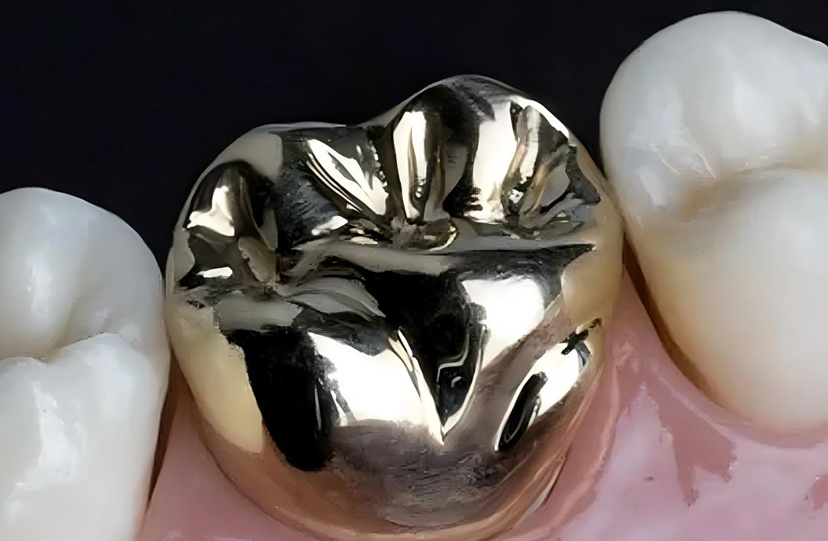
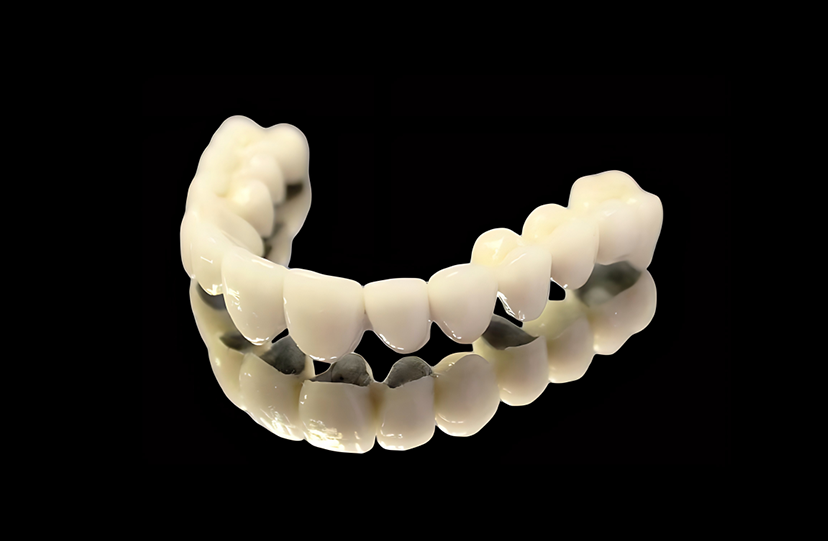
White Gold PFM crowns are an advanced dental restoration that combines porcelain with a noble metal framework containing silver, palladium, and a controlled percentage of gold. These restorations are perfect for posterior use where stability and usefulness are important. They provide excellent mechanical strength while maintaining natural-looking aesthetics. The metal base has high flexural strength and heat stability, and the porcelain overlay makes the tooth look like a real tooth. Understanding the special features of White Gold PFM technology is important for dentists who want to provide reliable, long-lasting answers for tough clinical cases and improve patient results.
What is White Gold PFM and How Is It Made?
Understanding the Material Composition
White Gold PFM crowns are made of a metal alloy framework that is primarily composed of silver and palladium, with a fixed amount of gold that is usually between 10% and 25%. Instead of the yellow gold that is usually used, this composition gives the alloy its characteristic silver-white appearance, which fits better under porcelain veneers. The alloy has palladium and platinum in it, which make it more rigid and resistant to corrosion. This makes the base strong enough to withstand years of functional occlusal loading without breaking. This advanced technology meets the clinical need for restorations that work reliably in back areas that are under a lot of stress.
The Fabrication Process
Precision wax molds are made from digital impressions or physical stone models to start the manufacturing process. CAD/CAM technology is used in modern dentistry labs to mill frames with very accurate measurements, which ensures a predictable fit at the edges. On the other hand, complicated anatomical designs can still be made with standard lost-wax casting methods. After the metal base is made, carefully stacked or pressed porcelain layers are added by dental technicians. These layers are then heated to high temperatures, which chemically bond the porcelain to the metal framework. To keep the differences in temperature expansion between materials under control and avoid stress fractures or delamination, each firing step needs to be cooled in a controlled way.
Evolution of White Gold Technology
In the last few decades, dental metallurgy has made progress that has improved alloy formulations to make them better at both mechanical qualities and biocompatibility. In the beginning, PFM crowns were mostly made of base metals, which could cause allergic reactions in some people. Noble metal alloys, especially white gold versions, were created to address these issues while still maintaining the required strength for multiple-unit bridges and people who grind their teeth. Today's alloys are a good mix between the amount of precious metals they contain and their price. They provide dental offices with a solution in the middle of pricey high-noble choices and less biocompatible base metal options.
Key Advantages and Benefits of White Gold PFM Crowns
How well porcelain-fused-to-metal restorations perform in real life depends a lot on how good their metal base is. White gold alloy frameworks have a number of unique benefits that directly address common buying issues in dental offices.
Superior Durability Under Clinical Stress
When teeth are working normally, they are subjected to masticatory forces that are stronger than 700 Newtons. White Gold PFM has a much higher bending strength than ceramic-only materials. This means that they are less likely to break in long-span bridge designs or in people who have parafunctional habits. The metal framework properly spreads occlusal loads, which keeps the restoration and the normal tooth structure next to it from breaking. Studies done in the lab show that PFM crowns that are properly made can survive cyclic loads for fifteen to twenty years. This means that both dental labs and clinical practices can get great long-term clinical value.
Enhanced Biocompatibility Profile
Even though nickel-based metals are cheap, they have been linked to allergic sensitivity in about 10% of patients. white gold alloys don't have much or any nickel in them. Instead, they use biocompatible noble metals like palladium that don't oxidize in the mouth. This keeps soft tissues from getting irritated and stops the darkening of the gums that can happen with base metal fillings. When purchasing crowns for a wide range of patients, purchasing managers can save money by choosing alloys that have been shown to be hypoallergenic. This is because bad tissue reactions lower the number of crowns that need to be replaced.
Predictable Marginal Accuracy
Thermal stability during porcelain firing processes makes sure that the dimensions of white gold frames stay accurate while they are being made. The alloy's controlled coefficient of thermal expansion closely fits porcelain systems that work with it, forming chemical bonds between the metal and porcelain. This temperature compatibility means that the materials will sit well during cementation, with gaps between them always being less than 50 microns when the right lab procedures are followed. Clinicians have to make fewer adjustments at the chairside, and there is a reduced risk of secondary caries at the edges of restorations. This directly improves patient happiness and practice efficiency.
White Gold PFM vs Other Popular Crown Materials
Material Performance Comparison
| Feature | White Gold PFM | Base Metal PFM | Zirconia | Yellow Gold |
|---|---|---|---|---|
| Strength | ★★★★★ | ★★★★☆ | ★★★★★ | ★★★★☆ |
| Esthetics | ★★★★☆ | ★★★☆☆ | ★★★★★ | ★★☆☆☆ |
| Biocompatibility | ★★★★★ | ★★★☆☆ | ★★★★★ | ★★★★★ |
| Corrosion Resistance | ★★★★★ | ★★★★☆ | ★★★★★ | ★★★★★ |
| Long-Term Value | ★★★★★ | ★★★☆☆ | ★★★★☆ | ★★★☆☆ |
| Best For | Posterior & Bridges | Budget Cases | Anterior | Premium Cases |
| Balanced Strength • Excellent Esthetics • Outstanding Long-Term Value | ||||
When dental purchasing managers look at restorative choices, they have to consider many things, such as how strong they are, how they look, how long they will last, and how much they cost. All-ceramic crowns look great on the front teeth, but they might not be strong enough to hold up against heavy occlusion in the back teeth. The strength of zirconia is amazing, but it can be hard to change and fix. Traditional yellow gold is the best when it comes to biocompatibility and fit, but patients want tooth-colored restorations more. White Gold PFM technology is in a good spot because it combines metal-backed sturdiness with ceramic looks that work for most posterior and some anterior restorations.
Cost-Value Analysis
The starting cost of materials for white gold alloys is higher than that of base metal options, but the total cost of ownership is lower for investments in noble metals. Lower repeat rates, longer service life, and less time spent adjusting chairs all balance out the costs of the initial purchase. Dental labs say that remake rates for properly made White Gold PFM units are less than 2%, while remake rates for base metal versions are between 5 and 8%. Over a ten-year service cycle, the cost of a white gold restoration becomes comparable to less expensive choices that need to be replaced more often.
Clinical Application Scenarios
In some clinical situations, White Gold PFM crowns work better than other options. The stiffness of the metal is good for multi-unit posterior bridges because it stops bending, which could separate the porcelain from the connectors or break them. Patients who have trouble with interocclusal clearance like that the material can work with frameworks that are as thin as 0.5 millimeters. In cases where the abutment teeth are darkened, the metal's lack of color can hide the staining underneath. When sourcing teams know about these ideal conditions, they can suggest the right materials that will increase the chances of clinical success.
How to Choose the Right White Gold PFM Supplier for Your Business
Regulatory Compliance and Certification
Reliable suppliers keep a lot of legal paperwork that shows they follow international standards. Registration with the FDA for materials and manufacturing sites shows that you are committed to following the safety rules that guide the production of medical devices. Getting ISO 13485:2016 approval means that you have put in place quality management systems that are meant to work in dental labs. CE marking shows that a medical device meets the rules set by the European Union. This is important for businesses that sell to customers in other countries. Before starting a relationship with a seller, procurement managers should ask for up-to-date certification documents and make sure they are real by searching regulatory agency databases.
Manufacturing Capability Assessment
Digital processes are used in modern dental labs to improve accuracy and lower output variability. CAD/CAM technology makes it possible to repeat the process on multiple units, which ensures that the marginal adaptation and consistent marginal adaptation and anatomical contours are always the same. It's important for suppliers to show that they can use both classic casting and modern milling methods, so they can adapt to different case types. Ask about the porcelain systems that are used, because the long-term success depends on how well certain metals work with different ceramic systems. When labs use unique or well-known alloy-porcelain mixes, they usually get better color stability and bonding strength.
Delivery Reliability and Communication
Dental cases that need to be done quickly need a supplier that always meets delivery deadlines. Check out possible partners' normal turnaround times, which are usually between three and five days for simple cases. Make sure that faster services are available for emergencies without making the costs go up too much. Communication infrastructure is very important. Suppliers should offer technical help that can be reached by phone, email, or digital platforms, and they should reply quickly to case questions or changes to designs. By reading reviews from past lab clients, you can find trends of dependability that affect the security of your practice's supply chain.
Ordering and Procurement Best Practices for White Gold PFM Crowns
Technical Specification Communication
For outsourcing to work, healthcare needs must be clearly communicated. When intraoral scanners take digital impressions, the digital intraoral scans eliminate distortion associated with conventional impression materials, which don't change shape, so the first-time fit is more accurate. When choosing a shade, you should look at common systems that have been shade selection should follow standardized shade guides under controlled lighting conditions. Detail the preparation design, including the shape of the margins, the depth of the reduction, and any other factors that need to be taken into account, such as metal occlusal surfaces or porcelain butt margins. Detailed prescription forms cut down on mistakes in reading that cause repeats, which saves time and money.
Cost Optimization Strategies
Volume purchasing deals for White Gold PFM give you more strength to get better prices and ensure uniform quality. Many suppliers have tiered price systems that give discounts of a certain amount for bigger monthly case volumes. Finding the right balance between the number of items in stock and the space available for keeping requires careful planning based on past experiences. Teams in charge of buying things should set minimum order amounts that get the best shipping rates without making too much stock that wastes money. When you form strategic relationships with a few providers, you can often get more than just better prices. For example, you may be able to get priority production scheduling during times of high demand and access to technical education tools.
Supply Chain Risk Management
Diversifying among several qualified providers lowers the risk of damage caused by limited production capacity or quality problems. Keeping in touch with both main and backup labs helps keep things going when urgent cases come up during vendor delays. Set up quality control procedures that keep an eye on key performance factors like the number of remakes, on-time deliveries, and minor fit accuracy across all providers. When you do regular performance reviews, you can spot trends that need to be fixed before they affect patient care. Contracts should spell out quality standards, guarantee terms, and ways to settle disagreements. This will keep your practice from losing money because of bad restorations.
Why White Gold PFM Remains a Preferred Material for Dental Restorations
Proven Clinical Track Record
Years of clinical testing have shown that White Gold PFM is a safe restoration choice for a wide range of patients. When the right signs are followed, Long-term clinical studies report survival rates exceeding 90% after fifteen years. This body of proof gives dentists trust when they suggest materials, especially when there are difficult cases with strong biting forces or weak tooth structure. Because White Gold PFM results can be predicted, there is less uncertainty in treatment planning. This lets doctors have accurate case acceptance talks and help patients set realistic goals.
Ongoing Material Innovation
A new study is still working to improve the compositions of alloys so that they have better qualities while keeping costs low. Newer formulas include minor elements that make the connection between porcelain stronger and lower the tendency for oxidation without adding a lot of precious metal. Using methods from the military and metal industries to make things allows for finer-grained structures that make them easier to polish and less likely to corrode. Even though newer materials are coming out, these small changes keep White Gold PFM competitive, making sure that it will continue to be useful in modern restorative dentistry.
Strategic Partnership Advantages
Working with specialized suppliers who are experts in making White Gold PFM gives your business real benefits that go beyond the quality of the product. Case planning consultations are offered by experienced labs to help doctors choose the best tools for each presentation. Technical support helps figure out how to fix rare problems, which protects the doctor-patient relationship when problems come up out of the blue. Clinical teams stay up to date on changing best practices and material skills by having access to tools for continuing education. With these value-added services, relationships with suppliers go from being transactional to being strategic partnerships that improve the general performance of the practice and the level of care given to patients.
Conclusion
White Gold PFM crowns are the best choice for posterior tooth replacements because they are both strong and attractive. The metal is made up of silver, palladium, and a limited amount of gold. It has great bending strength, biocompatibility, and thermal stability, all of which are important for long-span bridges and high-stress situations. Dental technicians can make better purchasing choices that lower the number of remakes and increase patient happiness by learning about manufacturing processes, clinical benefits, and the right way to choose a seller. As material science keeps progressing, White Gold PFM technology stays useful in the clinic thanks to its proven effectiveness and ongoing improvements that meet changing practice needs.
FAQ
How Long Do White Gold PFM Crowns Typically Last?
Clinical studies show that if the right care and case selection rules are followed, White Gold PFM crowns can last up to twenty years up to twenty years. Several things affect how long teeth last, such as the forces that hold them together, how well you clean your teeth, and how often you see a dentist. Patients who grind their teeth may see their porcelain wear out faster, but the metal framework underneath usually stays in place. Regular recall meetings let you find minor damage or porcelain cracks early on, and if you fix them right away, they can greatly extend the life of your restoration.
Can White Gold PFM Crowns Cause Gum Discoloration?
Although not as bad as base metal alloys, the silver that is used in white gold may cause some small staining of soft tissues over time. This happens because of oxidation and the release of ions at the edge of the restoration, especially where metal bands touch the gums. By choosing porcelain butt margin designs, metal doesn't come into contact with gingival tissue, so there is almost no chance of discoloration, and the results look better. White gold alloys have a lighter oxide layer that naturally reflects light better than dark base metal oxides. This makes any reflection much less obvious.
Are These Restorations Suitable for Anterior Teeth?
When maximum transparency is not important, White Gold PFM technology works well in anterior restorations. The metal base stops light from passing through, making it opaque in places where looks are important. This may make it look less realistic than all-ceramic options in those areas. The premolar areas are a great crossover zone where White Gold PFM meets the needs for strength while also looking good. When making a purchase choice, dentists should think about what the patient wants and how bright the room is where the restorations will be seen. White Gold PFM should mostly be used for back teeth unless there are specific clinical reasons why it should be used for front teeth.
Partner with HYC for Precision White Gold PFM Solutions
HYC Dental Laboratory has been making dental products for 22 years and is certified by ISO 13485:2016 and registered with the FDA. They make White Gold PFM crowns and bridges that fit perfectly and last a long time. Our white gold alloy frames have at least 25% noble metal content, which makes them more resistant to corrosion and biocompatible, and they last longer than base metal options. Standard production takes three days, but we can speed things up and send them the next day for urgent cases. Every restoration comes with a full two-year guarantee that covers problems with manufacturing defects and includes free restorations or replacements. Contact our team at info@hycdentallab.com to talk about your White Gold PFM supplier requirements and experience how precision work can change clinical results.
References
1. Anusavice KJ, Shen C, Rawls HR. Phillips' Science of Dental Materials, 12th Edition. St. Louis: Elsevier Saunders, 2013.
2. Rosenstiel SF, Land MF, Fujimoto J. Contemporary Fixed Prosthodontics, 5th Edition. St. Louis: Mosby Elsevier, 2016.
3. Wataha JC. Biocompatibility of dental casting alloys: a review. Journal of Prosthetic Dentistry 2000; 83(2): 223-234.
4. Donovan TE, Marzola R, Murphy KR, et al. Annual review of selected scientific literature: report of the Committee on Scientific Investigation of the American Academy of Restorative Dentistry. Journal of Prosthetic Dentistry 2018; 120(6): 816-873.
5. Kelly JR, Benetti P. Ceramic materials in dentistry: historical evolution and current practice. Australian Dental Journal 2011; 56(Suppl 1): 84-96.
6. Pjetursson BE, Sailer I, Makarov NA, Zwahlen M, Thoma DS. All-ceramic or metal-ceramic tooth-supported fixed dental prostheses: a systematic review of the survival and complication rates. Dental Materials 2015; 31(6): 624-639.
YOU MAY LIKE
.webp "Gold-Platinum PFM (Au-Pt)")
.webp "Co-Cr PFM (Cobalt-Chrome)")