Advantages of Co-Cr PFM (Cobalt-Chrome) in dental applications
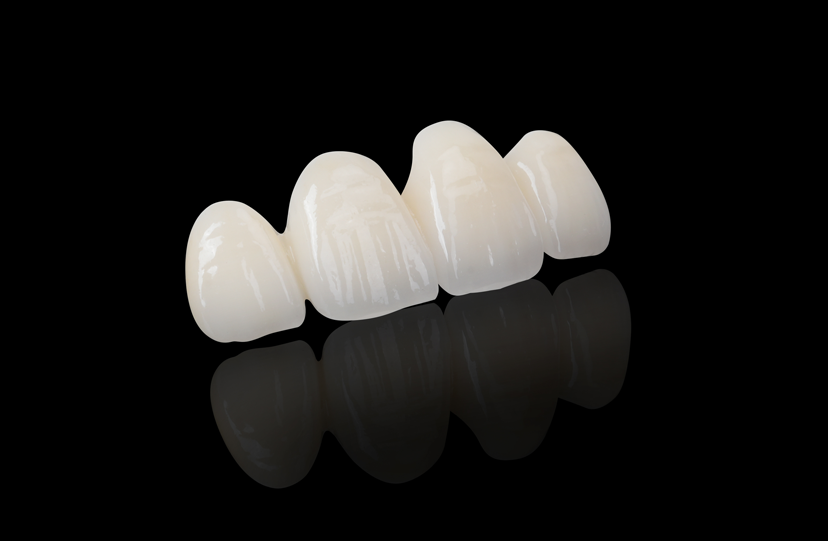
Co-Cr PFM (Cobalt-Chrome) crowns represent a cornerstone solution in modern restorative dentistry, blending a robust cobalt-chromium metal framework with a lifelike porcelain exterior. This hybrid design delivers exceptional mechanical strength while maintaining satisfactory esthetics, making it the go-to option for posterior crowns, long-span bridges, and implant-supported restorations. For dental labs, clinics, and procurement managers, understanding the full scope of cobalt-chrome porcelain-fused-to-metal restorations means recognizing their unmatched durability, cost-efficiency, and adaptability across diverse clinical scenarios—from tight occlusal spaces to bruxism-prone patients.
Understanding Co-Cr PFM Dental Crowns
Alloy Composition and Biocompatibility
A Co-Cr PFM (Cobalt-Chrome) crown's metal core is usually made up of cobalt, chromium, and sometimes nickel or molybdenum. This alloy provides excellent flexural strength and corrosion resistance, enabling the framework to withstand long-term functional loading and corrosion, so it can withstand decades of functional occlusal forces. Because chromium makes a protective oxide layer, the metal doesn't break down even in the mouth, which is wet and acidic. Most people can handle cobalt-chrome well, but people who are known to be sensitive to nickel should talk to their clinician about nickel-free alloy options or alternative restorative options.
Fabrication Process and Quality Controls
Cobalt-chromium frames are made in modern labs by either digital milling or high-heat induction casting. Digital milling, especially DMLS (Direct Metal Laser Sintering), gets rid of the problems that come with hand-waxing and casting shrinkage. This makes it possible to get internal fits that are just as precise as CAD/CAM zirconia. Before the ceramic layer is added, each structure is carefully checked for accurate margins and an intact oxide layer. Our center is registered with the FDA, has CE certification, and follows ISO 13485:2016, which means that every restoration meets international quality standards for biocompatibility and safety. These quality control measures help reduce chairside adjustments and remake rates, resulting in shorter times spent adjusting chairs and a lower rate of remakes in your practice.
Clinical Indications and Versatility
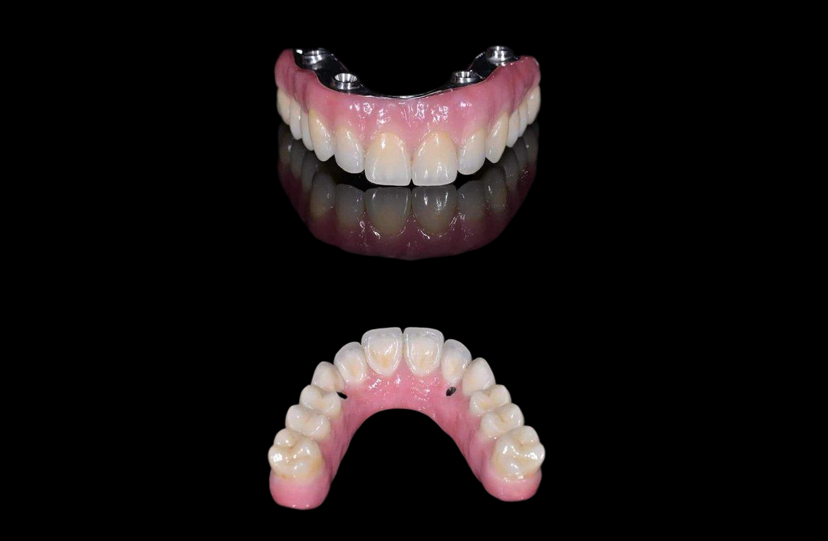
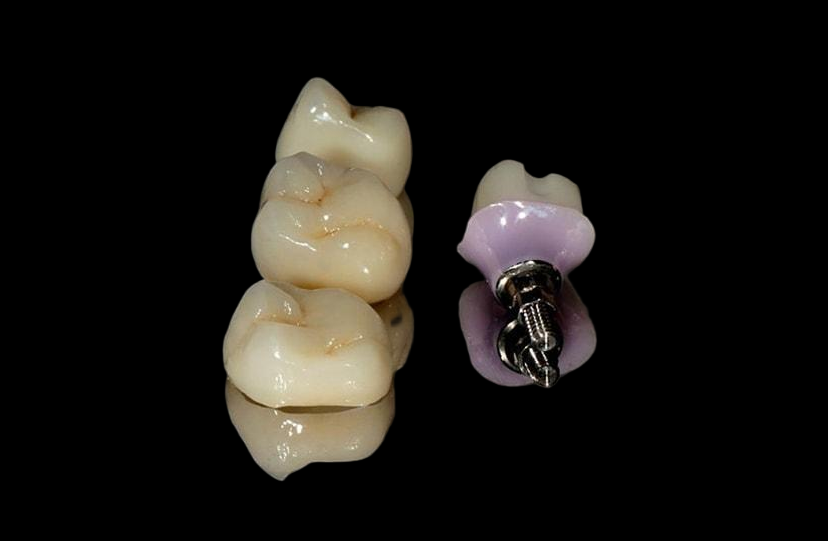
When occlusal forces are high, cobalt-chrome PFM crowns work best in both anterior and posterior teeth. Due to their high-strength metal core, they can hold long-span bridges up to 14 units, and they can also hold implant-supported replacements on standard implant abutments. When there isn't a lot of vertical space, the thin but strong metal framework allows for more conservative tooth preparation than with heavier all-ceramic designs. The stiffness and precise fit of the framework are also helpful in periodontal splinting cases, which effectively stabilize damaged teeth.
Key Advantages of Co-Cr PFM Crowns Over Other Materials
| Best Choice For | Recommended Material |
|---|---|
| High Occlusal Force | ✅ Co-Cr PFM |
| Long-Span Bridges | ✅ Co-Cr PFM |
| Implant Restorations | ✅ Co-Cr PFM |
| Metal Allergy Patients | ✅ Titanium |
| Premium Anterior Esthetics | ✅ Zirconia |
| Budget-Friendly Cases | ✅ Co-Cr PFM |
When deciding which materials to use, you have to weigh their technical performance, cost, appearance, and the stability of the supply chain. Here are the main reasons why Co-Cr PFM (Cobalt-Chrome) restorations offer more advantages than other options:
Superior Strength and Fracture Resistance: Cobalt-chrome alloys have a tensile strength of more than 600 MPa, which is much higher than that of titanium and nearly twice as high as many gold alloys. This amazing ability to hold loads makes them almost impossible to bend under normal bite forces, even in people who brux. Heavy parafunctional forces may occasionally cause porcelain chipping, but the metal frame underneath rarely breaks.
Cost-Effectiveness for High-Volume Procurement: Non-precious cobalt-chromium alloys are much cheaper than gold or platinum-based frames, but they last just as long in clinical applications. This price edge means better margins for dental service organizations, labs, and wholesalers that handle big inventories. Quality is not sacrificed. When you buy in bulk, the price per unit goes down even more. This makes Co-Cr PFM (Cobalt-Chrome) an affordable choice for standardizing processes across multiple locations.
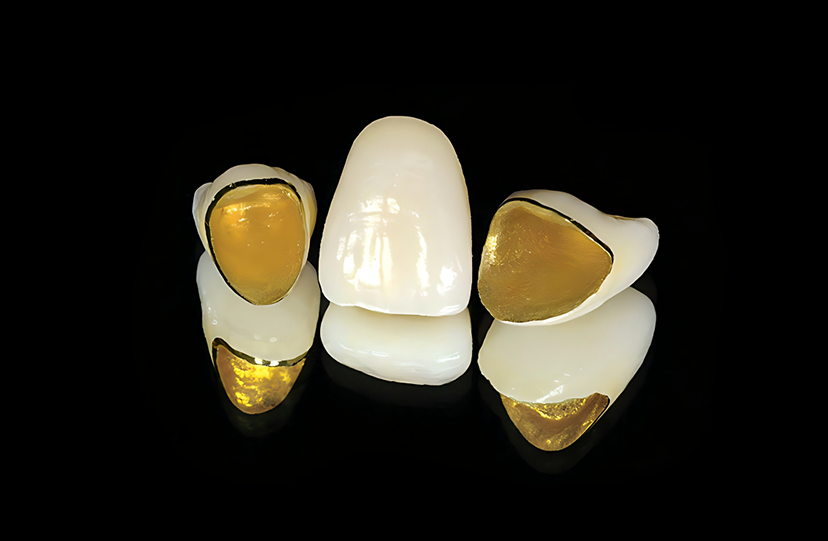
Conservative Tooth Preparation: Cobalt-chrome frames can be thinner (often 0.3 to 0.5 mm) than porcelain or ceramic ones because they have a higher strength-to-thickness ratio. Dentists can keep more of the natural tooth structure when they prepare teeth, which is better for the long run and makes patients feel better. A deep bevel margin of 0.8 to 1 mm is usually enough, but for better looks, a labial shoulder of 1.0 to 1.2 mm is suggested when making a porcelain butt margin.
Outstanding Corrosion Resistance and Longevity: The chromium oxide passivation layer protects the framework from acids, saliva, and enzymes, which means it resists corrosion or corrodes. With proper maintenance, clinical studies show that these systems can last more than 20 years, which is longer than many all-ceramic systems that are more likely to develop subcritical cracks. This reduces the need for replacement, which lowers lifetime costs for both patients and offices.
Excellent Marginal Integrity and Fit Accuracy: Cobalt-chrome frames can achieve marginal gaps as small as 20–50 microns when they are made using digital scanning and milling. This precise fit stops microleakage, secondary caries, and gingival inflammation, all of which are important for lowering the number of times teeth need to be replaced and improving patient satisfaction. Labs can regularly get this level of accuracy across hundreds of units, which ensures that orders for a lot of units get the same quality.
These benefits all help dentistry lab owners, procurement managers, and clinical directors with problems they've been having with things like precise fit, quick turnaround, low remakes, following the rules, and keeping costs down.
Co-Cr PFM Crowns vs Competing Materials: Making an Informed Choice
Mechanical Properties and Durability
Cobalt-chrome alloys are stiffer and stronger than titanium. This makes them better for long-span bridges where the rigidity of the support keeps the porcelain from breaking. Gold alloys are safe and offer excellent corrosion resistance, but they are less hard and cost more to make. Stainless steel is cheap, but it doesn't look as good or protect against rust as Co-Cr PFM (Cobalt-Chrome). Full zirconia crowns are more translucent, but they are more likely to break when under tensile stress and need bigger occlusal decreases, which means they can't be used in situations with limited room.
Biocompatibility and Allergy Considerations
While gold and titanium are rarely allergic, cobalt-chromium alloys that contain nickel may make 10–15% of the population sensitive. Nickel-free cobalt-chrome formulas or zirconia options are recommended for people who are known to be allergic to alloys. To help clinicians make better decisions and follow the rules, labs should write down what the metal is made of and give out material safety data sheets.
Cost Implications and Supply-Chain Reliability
Cobalt-chrome raw materials are easy to find and don't change as much as precious alloys do, which keeps prices fixed and production plans constant. Gold prices, on the other hand, change a lot, which makes planning for multi-unit boxes harder. Even though zirconia blanks are now cheaper, milling tools and sintering ovens still require large amounts of money. Getting cobalt-chrome frames from a qualified source with strong logistics, like normal response times of 3 days and emergency delivery the next day, lowers inventory risks and helps just-in-time processes.
Esthetic and Functional Trade-Offs
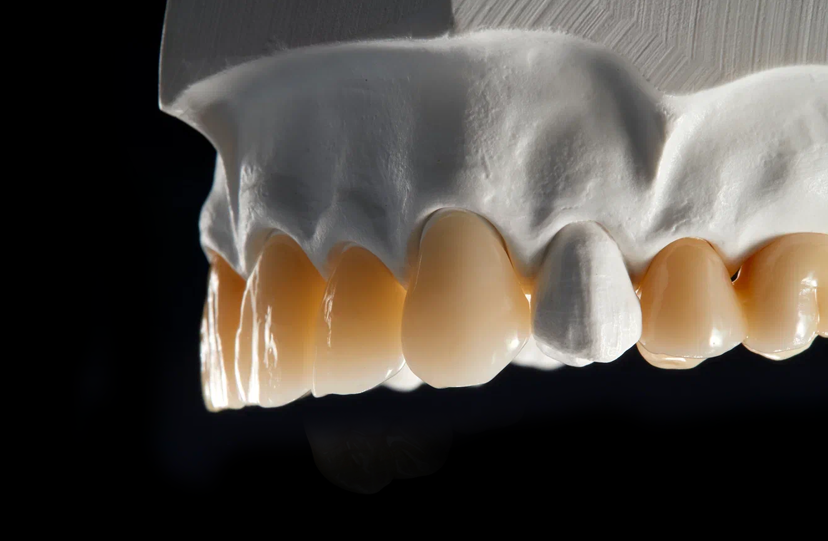
Cobalt-chrome frameworks are not as clear as lithium disilicate or zirconia, but the gray shadow at the gum line can be removed with high-opacity sealing agents and a 360-degree porcelain butt border. This way of designing improves light transmission around the cervical region instead of being stopped by a metal collar, which makes the anterior esthetics a lot better. Clinicians can match the natural color and make the translucency good for most anterior and posterior restorations, balancing how the teeth look with the technical benefits of a metal base.
Procurement Considerations for Co-Cr PFM Alloys and Crowns
Supplier Certification and Regulatory Standards
When looking for a Co-Cr PFM (Cobalt-Chrome) provider, make sure the company is registered with the FDA, has a CE mark, and is certified by ISO 13485:2016. Following quality management systems, biocompatibility testing (ISO 10993), and tracking methods are proven by these qualifications. Ask for Certificates of Analysis (COA) for each batch of alloy, which will show the elements that were used and their mechanical qualities. For distributors who serve the European and North American markets, clear paperwork lowers regulatory risk and makes audits easier.
Minimum Order Quantities and Bulk Pricing
A lot of labs and wholesalers gain from negotiated price levels that are based on how much they buy every month or every three months. Setting minimum order amounts that are in line with your case flow will help you keep track of unit prices and avoid having too much inventory. We have a range of MOQ choices and volume discounts, so both small private offices and big DSOs can get good rates. Making billing and payment terms clear also helps to speed up the buying process.
Customization Capabilities and OEM Services
Co-Cr PFM (Cobalt-Chrome): each restoration case is different and needs to be completely customized to fit the dentist's design files and the patient's clinical situation. As part of our OEM/ODM services, we can make fully customized margin designs, proprietary shade guides, and branded packaging for wholesalers. CAD/CAM integration makes it easy to load STL files, which cuts down on mistakes and speeds up production processes. Our dental technicians make each unit to order, whether you need aesthetic layers in the anterior region or simple anatomy in the posterior region.
Logistics, Turnaround, and Emergency Support
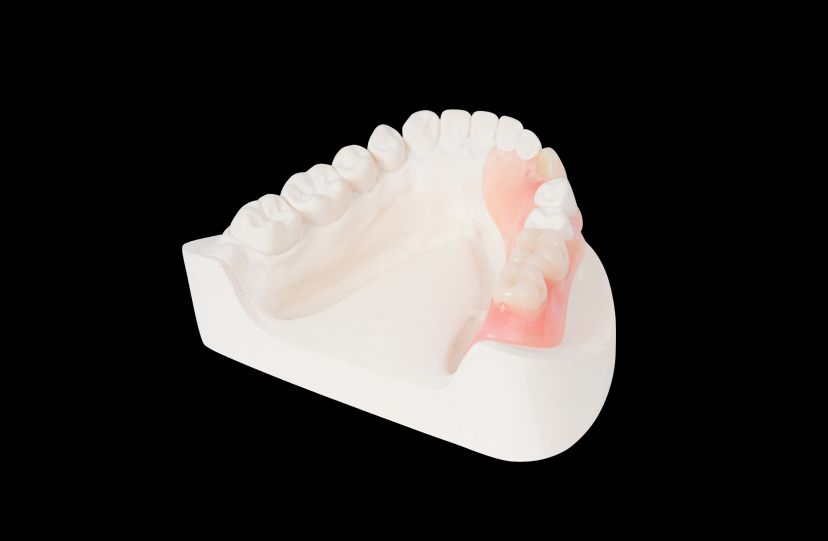
In dental cases, time is of the essence. Standard production takes three days, with fixed restorations being sent out on the fourth day and delivered by the fifth. The cycle for removable cases is also 4–5 days. We offer expedited shipping with choices for next-day arrival for cases that need to be handled quickly, like emergency cases or a patient's schedule conflict. Reliable fast shipping partners and real-time tracking make sure that your cases arrive undamaged and on time, which cuts down on patient wait times and makes the clinic run more smoothly.
Warranty and After-Sales Support
For set restorations, our 2-year warranty covers manufacturing flaws like fit issues and porcelain delamination. For removable prostheses, our 1-year warranty covers the same. During the warranty period, we will fix or replace it for free, and we offer quick expert help by phone and email. This promise lowers your business risk and builds trust in the long-term relationship. Reliable sellers can be told apart from less reliable suppliers by their clear guarantee terms and quick claims processing.
Maintenance and Longevity of Co-Cr PFM Crowns in Clinical Use
Best Practices for Cleaning and Patient Care
Patients should use a soft-bristled toothbrush and non-abrasive fluoride toothpaste to brush their teeth twice a day, floss between their teeth, and not chew on hard sweets or ice. Professional cleanings every six months get rid of plaque and calculus and help find small gaps or cracks in the ceramic early on. Teaching patients these habits greatly increases the longevity of restorations and protects the gum health around the crown edges.
Environmental and Operational Factors
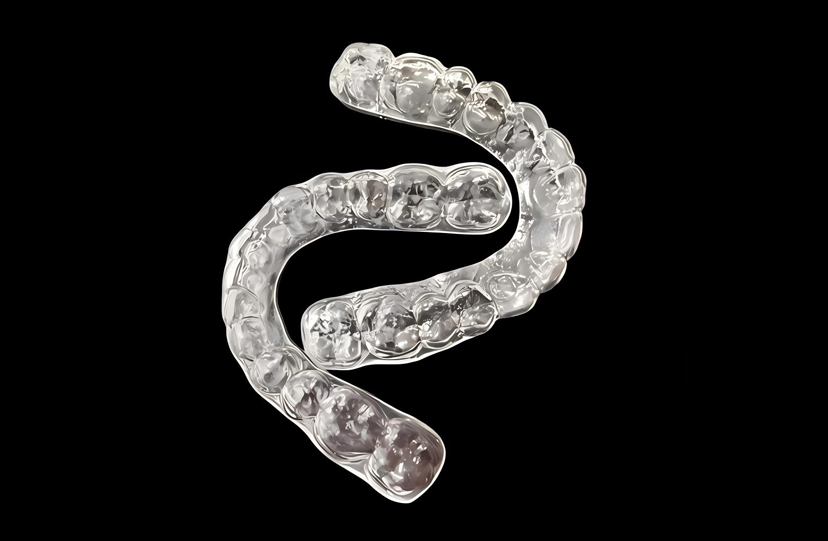
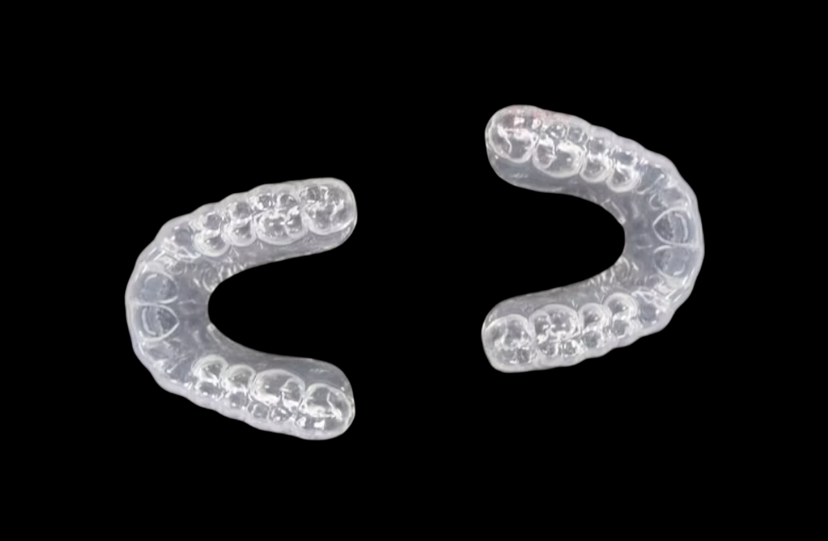
Thermal cycling from hot and cold drinks and foods causes both metal and porcelain layers to slightly expand and contract. When the metal and ceramic have the same CTE (Coefficient of Thermal Expansion), there is less stress at the bonding interface. Labs must use vacuum-firing processes during the first oxidation cycle to make sure there is a thin, hard oxide layer. Too much oxide thickness makes it easier for the porcelain to separate from the base. Even though the metal core is strong, occlusal loads from bruxism or heavy parafunctional habits can chip the porcelain. Patients who are at high risk should wear night guards.
Metal Allergy Mitigation Strategies
For patients with documented nickel sensitivity, specify nickel-free Co-Cr PFM (Cobalt-Chrome) alloys or consider alternative materials such as titanium or zirconia. People who are at risk can be found through patch testing before getting a crown. Some labs cover metal frames with biocompatible coatings, which lowers the potential for sensitization even more. Clear conversation between the clinician, the lab, and the patient is important for getting informed consent and choosing the best materials.
Conclusion
Co-Cr PFM (Cobalt-Chrome) crowns are the best combination of strength, cost-effectiveness, and clinical flexibility. They meet the main buying needs of dental labs, clinics, and wholesalers, which are precise fit, fast turnaround, low remake rates, and compliance with regulations. Their excellent mechanical qualities make them perfect for hard posterior and implant uses, and smart margin designs and high-opacity masking agents take care of common worries about how they look. Co-Cr PFM (Cobalt-Chrome) restorations can get close to the accuracy of all-ceramic systems for a lot less money if they are made using the right methods, especially DMLS digital production. For business-to-business buyers looking for trustworthy supply-chain partners, choosing a qualified manufacturer with strong operations and clear warranties guarantees consistent quality and long-term success in working together.
FAQ
Why are Co-Cr PFM crowns widely favored in dental restorations?
Cobalt-chrome frames are great for high-stress posterior crowns, long-span bridges, and implant-supported restorations because they are affordable, have high tensile strength, and don't rust. Their proven life of 20 years or more and high marginal integrity cut down on remakes and lifetime costs, making them attractive to value-conscious clinicians and procurement managers.
How do Co-Cr PFM crown prices compare to zirconia and gold crowns?
Cobalt-chromium alloys that aren't precious are much cheaper than gold or platinum-based frameworks—often 40–60% less—but they last just as long. Zirconia crowns are now more affordable, but the equipment needed for milling and sintering costs a lot of money. Co-Cr PFM (Cobalt-Chrome) is the best choice for labs and DSOs that do a lot of work because it is both high-quality and low-cost.
What certifications are essential for verifying Co-Cr alloy quality?
Make sure that your provider is registered with the FDA, has a CE mark, and is certified by ISO 13485:2016. Ask for material safety data sheets and certificates of analysis that show the elements that make up the product, as well as its mechanical and biocompatibility testing in line with ISO 10993. These certifications make sure that checks in Europe and North America follow the rules and can be tracked.
Partner with HYC for Reliable Co-Cr PFM Manufacturing
With 22 years of experience making Co-Cr PFM (Cobalt-Chrome) crowns and bridges, HYC is ready to help you with your dental restoration needs. As a reliable Co-Cr PFM (Cobalt-Chrome) provider, we offer restorations that are FDA-registered, CE-certified, and ISO 13485:2016-compliant. These ensure a perfect fit the first time and fewer remakes. Our OEM/ODM skills let us make solutions that are 100% fully customized and fit your design files. Our standard 3-day production and 4–5-day turnaround, along with next-day expedited shipping, make sure that your cases stay on schedule. Every set restoration comes with a 2-year warranty, and removable prosthetics have a 1-year warranty that covers free restoration or replacement during the warranty time. Our quick technical help and low bulk prices make it easy for everyone to work together, whether you run a solo practice, a DSO with multiple locations, or a business that sells dental products in regulated markets. To get a consultation, product catalog, or fully customized price, email us at info@hycdentallab.com or visit hycdentallab.com right now. Experience the HYC edge in accuracy and dependability. Experience the HYC difference in precision, reliability, and long-term partnership.
References
1. Anusavice, K.J., Shen, C., and Rawls, H.R. (2013). Phillips' Science of Dental Materials (12th ed.). St. Louis: Elsevier Saunders.
2. Rosenstiel, S.F., Land, M.F., and Fujimoto, J. (2016). Contemporary Fixed Prosthodontics (5th ed.). St. Louis: Mosby Elsevier.
3. Craig, R.G., and Powers, J.M. (2002). Restorative Dental Materials (11th ed.). St. Louis: Mosby.
4. Wataha, J.C. (2000). Biocompatibility of dental casting alloys: A review. Journal of Prosthetic Dentistry, 83(2), 223–234.
5. Bridger, D.V., and Nicholls, J.I. (1981). Distortion of ceramometal fixed partial dentures during the firing cycle. Journal of Prosthetic Dentistry, 45(5), 507–514.
6. International Organization for Standardization. (2016). ISO 13485:2016 Medical devices — Quality management systems — Requirements for regulatory purposes. Geneva: ISO.
YOU MAY LIKE