Full Cast Metal Crown Offers Superior Strength and Longevity
When dentists and purchasing managers talk about long-term options for fixing back teeth, they always come back to one tried-and-true choice: the Full Cast Metal Crown. These restorations have earned an excellent reputation through decades of proven clinical performance. They provide exceptional durability and reliability in high-load posterior regions where occlusal forces are greatest. Full Cast Metal Crowns are stronger than clay or porcelain crowns, which can break when bitten down on hard. They require less tooth reduction than many alternative crown materials, helping preserve more natural tooth structure. Because they are strong and environmentally friendly, these are smart choices for practices that put patient benefits and cost-effectiveness first in their supply lines.
Understanding Full Cast Metal Crowns: Definition and Benefits
What are Full Cast Metal Crowns?
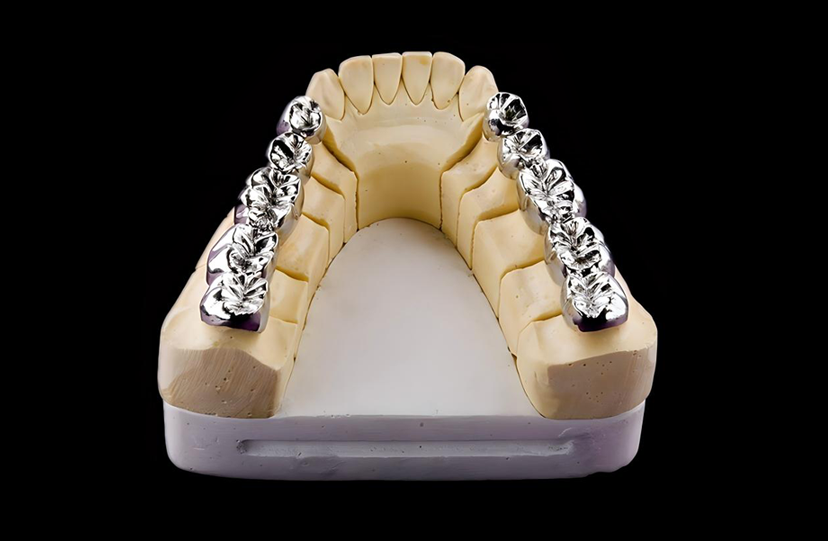
Full Cast Metal Crowns are tooth crowns that are carefully designed and made entirely of metal alloys. Common alloys include high-noble gold, silver-palladium, and base-metal cobalt-chromium alloys. The casting method makes a crown that is made of a single piece and has no porcelain over it. This gives the crown great structural stability. This design prioritizes function over aesthetics, which makes these crowns perfect for back teeth and molars, where strength is more important than looks.
Core Material Properties
The alloys used in these restorations are very hard to break and are also very compatible with living tissue. Gold, platinum, or palladium-based noble metal choices are very well tolerated by gum tissue and rarely cause allergic responses. Base metals that use cobalt-chromium offer outstanding strength, but they need to be prepared in a certain way. Each alloy offers distinct advantages depending on the patient's clinical needs and budget.
Clinical Advantages That Matter
Compared to porcelain-fused-to-metal or all-ceramic crowns, these need less tooth structure to be removed. Dentists can keep healthy enamel while still maintaining excellent structural integrity and resisting fracture under functional loading. The casting method creates an exact marginal fit that successfully seals the tooth margins, lowering the risk of recurrent decay. High-noble gold metals wear like natural enamel, which keeps the teeth next to each other from getting too worn down during chewing.
How Full Cast Metal Crowns Compare to Other Crown Types
| Feature | Full Cast Metal | Zirconia | PFM |
|---|---|---|---|
| Strength | ★★★★★ | ★★★★☆ | ★★★★☆ |
| Esthetics | ★☆☆☆☆ | ★★★★★ | ★★★☆☆ |
| Longevity | 20–40 Years | 10–20 Years | 15–20 Years |
| Tooth Reduction | Minimal | Moderate | Moderate |
| Fracture Resistance | Excellent | Very Good | Good |
| Posterior Use | Excellent | Very Good | Good |
| Cost Efficiency | Excellent | Good | Good |
Mechanical Strength Analysis
Although zirconia crowns offer excellent strength and aesthetics, they remain susceptible to chipping or fracture under certain clinical conditions. When a zirconia crown breaks, it usually needs to be replaced from top to bottom. When failure occurs, Full Cast Metal Crowns are more likely to experience marginal deterioration than catastrophic fracture, generally by decaying at the edges over and over again instead of breaking down structurally. This difference is very important for buying managers who are looking at long-term prices and rates of remaking. Many metal crowns can be repaired or replaced more conservatively than fractured ceramic restorations, which means they can be used for longer than most other options.
Aesthetic Considerations
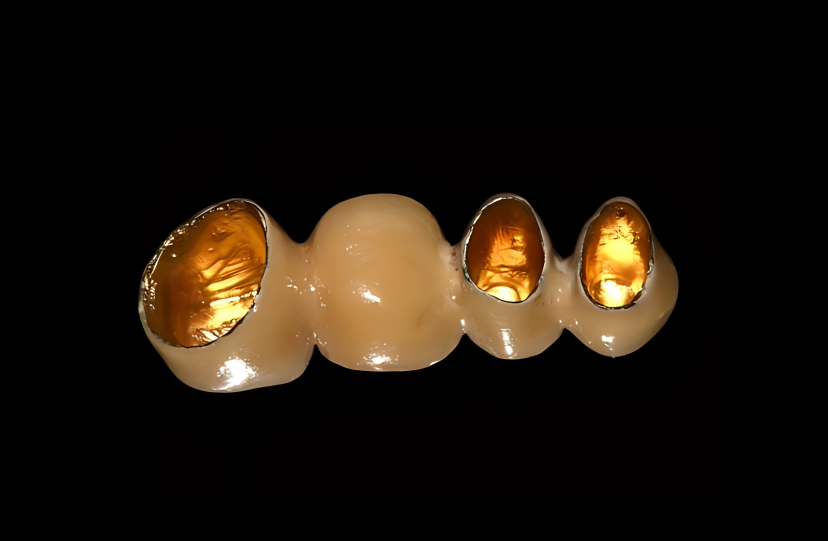
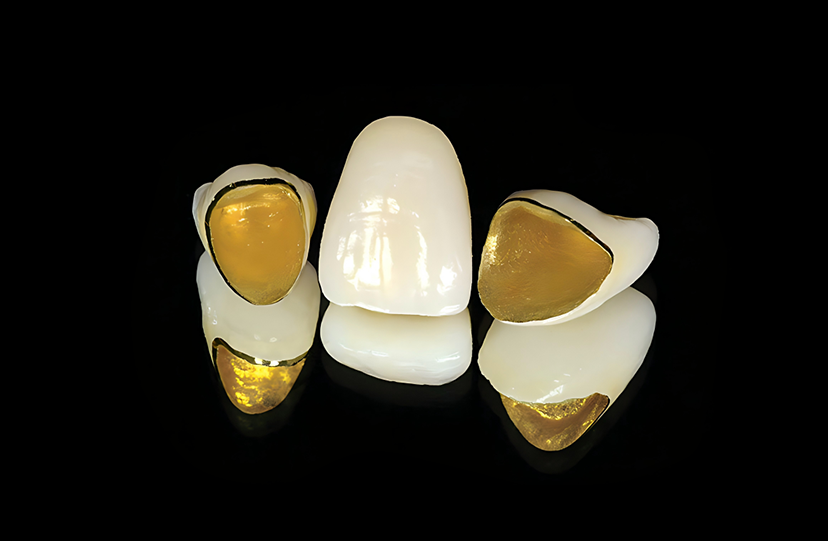
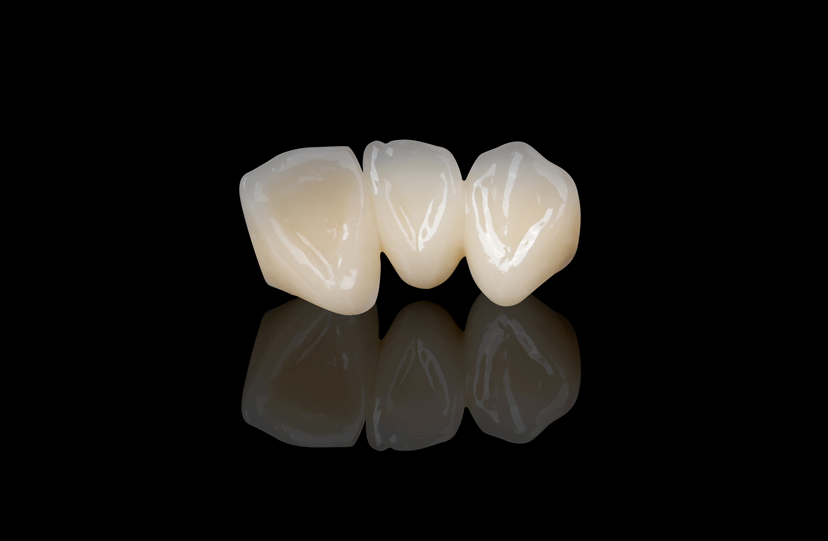
Because these crowns look like metal, they can't be used on front teeth or areas highly visible in anterior regions. Ceramic or porcelain choices should be given to patients who care a lot about how they look instead. The trade-off is okay for posterior uses, though, where function is more important than looks. Dental labs can polish metal surfaces to a smooth finish that is easy on the tongue and lips. This successfully addresses patients' worries about adapting to new teeth.
Cost-Benefit for Procurement Teams
High-noble gold crowns have higher material costs but often provide exceptional long-term value due to their longevity; they last 20 to 40 years, which makes them a great deal over time. Base metal forms are the most cost-effective long-term option because they last longer and are easier to make in the lab. Managers in charge of buying things should think about the total cost of ownership, which includes replacement costs, change times, and insurance claims. In all of these areas, Full Cast Metal Crowns regularly perform better than other materials, which lowers the costs of running dental offices and labs.
The Procurement Perspective: Cost, Suppliers, and Transaction Insights
Material and Manufacturing Cost Components
The prices of raw materials change based on the markets for precious metals, especially gold and palladium alloys. The prices of base metal choices stay more stable, but they need more advanced casting tools and strict quality control rules. Usually, wax-up, sprue connection, investment, burnout, casting, finishing, and polishing steps are all included in the lab fees. When purchasing managers know about these cost drivers, they can deal better and find sellers who offer real value instead of just low prices.
Evaluating Supplier Qualifications
Compliance with regulations is the basis of evaluating suppliers. Manufacturers should comply with applicable FDA requirements, CE regulations, and ISO 13485 quality management standards, have CE certification for European countries, and show that they follow the ISO 13485:2016 quality control system. To make sure biocompatibility and long-term safety. Suppliers who have been making things for 22 years can bring process improvement and stability that younger companies can't match. Ask for proof that you are certified and details about the quality control measures in place, such as review plans and methods for keeping track of problems.
Lead Times and Delivery Reliability
Dental cases have tight deadlines, and any delays have a direct effect on how happy the patient is and how much money the office makes. Suppliers you can trust should offer basic 3-day shipping and 4- to 5-day turnaround for fixed restorations. Fast shipping and expedited shipping choices for next-day arrival give you important freedom in urgent situations. When looking at possible partners, find out how they handle emergency orders and how often they deliver on time. For hospital processes to run smoothly, supply chain stability is just as important as product quality.
Customization and OEM Capabilities
Each repair case has specific physical needs that need to be met in a way that is 100% unique, whether it is a Full Cast Metal Crown or other types of dental restorations. Suppliers must show that they can make crowns exactly how dentists want them, including the design of the margins, the shape of the occlusal surfaces, and the occlusal contacts. With OEM and ODM capabilities, wholesalers and dental service groups can create standard procedures that can be used in multiple places while keeping quality high. In competitive markets, having production systems flexible enough to handle both small- and high-volume orders is a strategic advantage.
Full Cast Metal Crown Procedure and Dental Care Recommendations
Clinical Preparation Guidelines
The first step in preparing a tooth is to reduce the occlusal space by 1 to 1.5 millimeters, making sure to follow the natural curves of the cusp. A 1.5-millimeter edge is added to functional cusps to make the structure last longer and stop premature occlusal contacts. With a 3- to 6-degree taper, the axial walls are reduced by 0.5 to 1 millimeter, making a clear path of insertion without too much convergence. Depending on the patient's needs and the choice of material, either chamfer or knife-edge finish lines are used for margin preparation. All of the inside areas have been smoothed out so that there are no sharp edges that could make it hard to seat or cause stress to build up.
Impression and Laboratory Communication
Using polyvinyl siloxane or polyether materials for accurate impressions lets you get a good picture of the margins and surrounding tissues. Digital impressions offer different ways to work that are just as accurate as other methods if the right steps are taken. Clear communication between the dentist and the lab tech makes sure that the shade, shape, and alignment of the occlusal plane are all chosen correctly. Some practices find it helpful to send photos and opposite arch models to help with crown design.
Cementation and Adjustment Protocols
Before the final cementation, high-noble gold crowns can be chairside polished to get the edges to fit closely together. This method makes the bond better and lowers the chance of microleakage. Base-metal crowns don't have this benefit because they are harder, but they make up for it by being more accurately made. Depending on the needs of the patient, zinc phosphate, glass ionomer, or resin-modified glass ionomer cements can be used to ensure good preservation. When lab work and preparation are done right, post-cementation occlusal changes should be very small.
Patient Care Instructions
Patients should keep up with their regular brushing and flossing habits, paying extra attention to the crown edges where plaque builds up. Hygienists can check on the health of your gums and find early signs of cement washout or recurrent caries during your yearly professional cleanings. Even though Full Cast Metal Crowns don't stain or darken, the natural teeth on either side may still need to be whitened to keep the smile looking good. Patients with bruxism should be told to wear a nightguard to protect their natural teeth and implants from too much wear and tear.
Why Full Cast Metal Crowns Are the Smart Choice for Your Business
Market Trends Favoring Durability
More and more dental offices are realizing that the number of remakes has a direct effect on their profits and image. Ceramic cracks lead to unhappy patients, emergency appointments, and high lab fees that cut into profits. Full Cast Metal Crowns work consistently, which lowers these hidden costs and makes it easier to keep patients. Companies that provide dental services in more than one place really value uniform solutions that work the same way for all levels of practitioners' skill.
Strategic Partnership Benefits
Working with well-known suppliers who stick to strict quality standards makes product lines stronger and customer happiness higher. Manufacturers who offer full guarantees show that they believe in their goods and want their customers to succeed. Risk reduction is something that financial planning teams like about two-year guarantees for fixed restorations that cover free repair or replacement during the coverage periods. These promises make costs less uncertain and help make accurate budgets for dental procedures.
Clinical Success Documentation
A lot of long-term studies show that Full Cast Metal Crowns that are properly made and cared for have survival rates of over 95% at 10-year intervals. This body of proof gives procurement teams confidence when they show clinical leadership their choices. Real-life examples show how practices cut the number of remakes from 8% to less than 2% by switching to qualified suppliers, such as Full Cast Metal Crown suppliers. This saved them a lot of money every year and made their work run more smoothly.
Supply Chain Resilience Considerations
Global shortages of materials and problems with shipping have shown how important it is to have stable suppliers and a variety of ways to get materials. Partners with good inventory management and more than one production facility can better guarantee stability during tough times. By working with manufacturers that can increase production to meet high demand, practices can avoid supply gaps that could affect when patients can be cared for.
Conclusion
In conclusion, Full Cast Metal Crowns are tried-and-true options that strike a good mix between strength, durability, and the minimal tooth preparation requirements. Their better resistance to breaking and excellent marginal adaptation solve the most important clinical problems in posterior replacements. These crowns provide measurable value for procurement workers and dentistry office managers by lowering the number of times they need to be replaced, lasting longer, and performing consistently. When bought from reputable companies with the right licenses and quality control systems, Full Cast Metal Crowns can be valuable assets that help a practice's image while keeping costs low. There is still no better proof of their clinical effectiveness, which makes them important parts of full restorative portfolios.
FAQ
How long do metal crowns typically last?
When made correctly and kept up, Full Cast Metal Crowns usually last between 20 and 40 years. High-noble gold forms often last longer than these time frames because they are more resistant to corrosion and have excellent biocompatibility. Base metal crowns made of cobalt-chromium alloys last about as long as metal crowns do if they are properly bonded and kept away from too much horizontal force. When you go to the dentist regularly, you can find problems like cement washout or early recurrent caries early on, before they become a problem for the long term.
Which alloy type works best for bruxism patients?
Patients who grind their teeth a lot will get the best results from high-noble gold metals. Gold exhibits wear characteristics similar to natural enamel, so it doesn't damage neighboring teeth and doesn't break easily under high forces. A little give in the material also helps it absorb shock during parafunctional activity. Base metal choices have higher overall strength, but they may cause antagonistic teeth to wear down faster over time.
Can metal crowns be used when space is limited?
Yes, metal caps work great when there isn't much space between the teeth. When joined properly, high-noble gold can work well at a thickness of 0.5 millimeters on functional cusps, but 1.0 to 1.5 millimeters is still the best. Because of this, they are better for people who don't have a lot of room between their teeth, since ceramic crowns would be too thin and likely to break. In these tough situations, the preparation design is more important for keeping than the thickness of the metal.
Partner With HYC for Superior Metal Crown Solutions
HYC is a trusted Full Cast Metal Crown manufacturer with 22 years of experience in the field. They make precise restorations that meet the high standards of dentists all over the world. Our production methods are FDA-registered, CE-certified, and ISO 13485:2016-compliant, which means that every crown achieves a consistently high first-fit accuracy and needs to be redone very rarely. We know that cases that need to be handled quickly need solid turnaround, which is why we offer normal delivery within 4 to 5 days as well as expedited services, such as next-day flash service for emergencies. Because we are an OEM, we can make any changes you want based on your exact specs. We also offer full warranties that cover fixed repairs for 2 years. Get in touch with our team at info@hycdentallab.com to talk about volume pricing for your practice or network of distributors, and find out how our Full Cast Metal Crown options can help you offer better services while cutting costs.
References
1. Anusavice KJ, Shen C, Rawls HR. Phillips' Science of Dental Materials. 12th Edition. St. Louis: Elsevier Saunders; 2013.
2. Rosenstiel SF, Land MF, Fujimoto J. Contemporary Fixed Prosthodontics. 5th Edition. St. Louis: Mosby Elsevier; 2016.
3. Shillingburg HT, Hobo S, Whitsett LD, Jacobi R, Brackett SE. Fundamentals of Fixed Prosthodontics. 4th Edition. Chicago: Quintessence Publishing; 2012.
4. Walton TR. A 10-year longitudinal study of fixed prosthodontics: Clinical characteristics and outcome of single-unit metal-ceramic crowns. International Journal of Prosthodontics. 1999;12(6):519-526.
5. Pjetursson BE, Sailer I, Makarov NA, Zwahlen M, Thoma DS. All-ceramic or metal-ceramic tooth-supported fixed dental prostheses: A systematic review of the survival and complication rates. Dental Materials. 2015;31(6):603-623.
6. Goodacre CJ, Bernal G, Rungcharassaeng K, Kan JYK. Clinical complications with implants and implant prostheses. Journal of Prosthetic Dentistry. 2003;90(2):121-132.
YOU MAY LIKE