What Should Labs Consider When Sourcing Soft Night Guard Retainer?
When sourcing a Soft Night Guard Retainer, dental labs must evaluate five critical dimensions: material suitability and biocompatibility documentation, including applicable testing for the intended intraoral use, production turnaround time (3–5-day standard cycles with expedited options), and supplier reliability (low remake rates, responsive technical support, and transparent warranty policies). These parameters directly impact patient comfort, clinical outcomes, and operational efficiency in both lab workflows and chairside delivery.
Introduction
The dental industry has witnessed a paradigm shift in the management of nocturnal bruxism and TMJ-related disorders over the past decade. Interest in sleep-related oral care and occlusal protection has increased as patients and dental professionals pay greater attention to bruxism and tooth wear within preventative oral care, driven by growing patient awareness of enamel protection and the long-term consequences of untreated grinding. For dental laboratories serving general dentists, orthodontic practices, and multi-location dental service organizations, the procurement of high-quality Soft Night Guard Retainers has become a strategic decision that directly influences patient retention, remake rates, and practice profitability. Unlike rigid acrylic splints that prioritize durability over patient adherence, soft guards address the critical "Compliance vs. Protection" challenge by delivering therapeutic bruxism management through comfortable, flexible materials. Labs that understand the technical, regulatory, and logistical nuances of sourcing these devices can differentiate their service offerings and build sustainable partnerships with demanding clinical clients.
What is a Soft Night Guard Retainer?
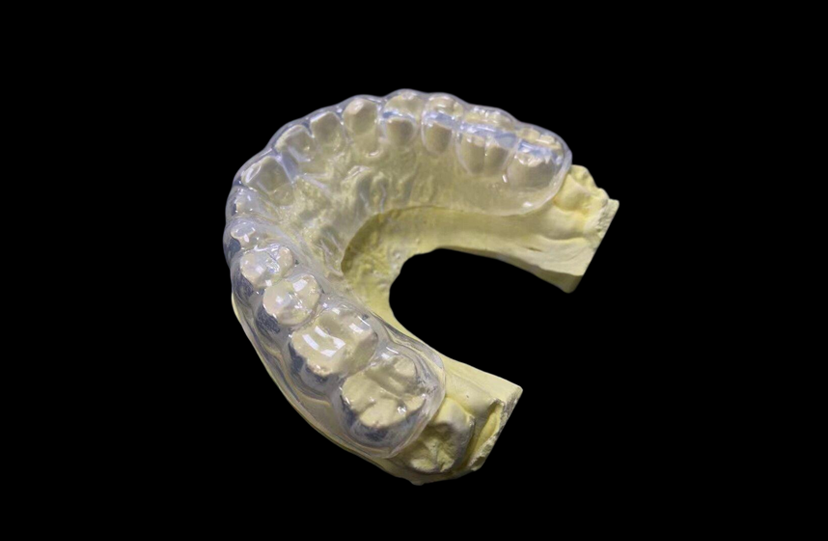
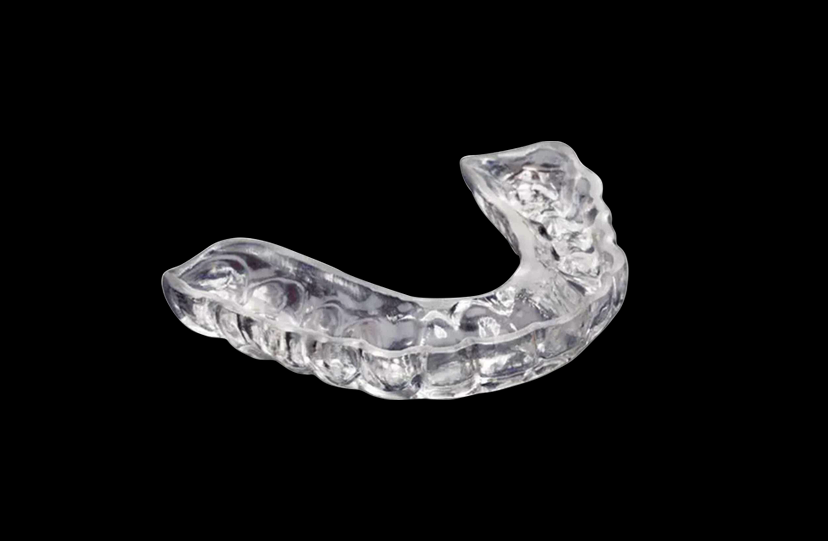
A Soft Night Guard Retainer is a protective device that goes inside the mouth. It is made of medical-grade thermoplastic elastomers, mostly ethylene-vinyl acetate (EVA) copolymers. The appliance is designed to provide a protective interface between the upper and lower dental arches. The material can help distribute and manage occlusal forces associated with grinding or clenching.
Core Design Characteristics
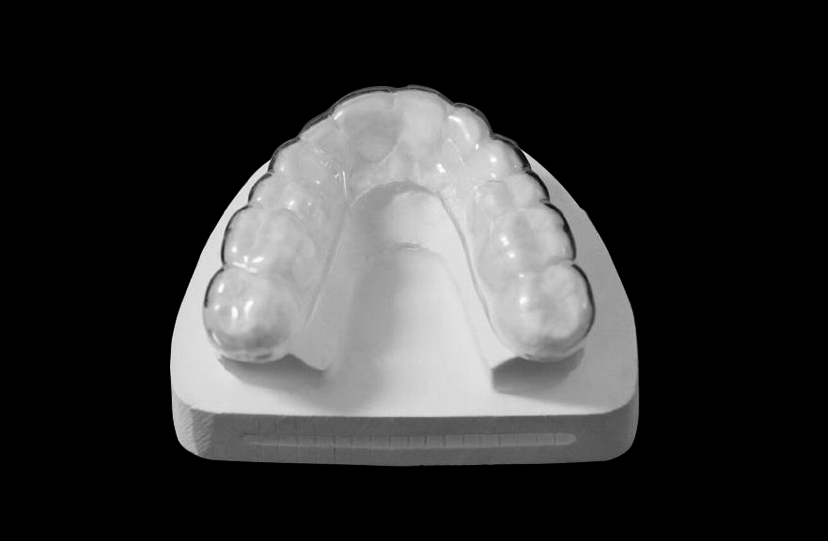
The structure is made up of a regular-width profile (usually 2.0mm–3.0mm) that strikes a balance between shock absorption and the limited space in the mouth. With precise thermoforming methods, the material can record fine anatomical features like gingival curves, interproximal spaces, and the shape of each tooth. This customization makes sure the best retention without using mechanical clasps. Instead, it relies on surface touch that is vacuum-sealed and elastic deformation. The Shore A Durometer hardness of the material (60–80) is strong enough to keep the arch's shape while still being flexible enough to keep the jaw from hurting when the jaw moves.
Functional Mechanism
When used at night, the device changes the way occlusal forces are distributed across a larger surface area. This may help distribute occlusal loading across a broader contact area and reduce localized mechanical stress. The viscoelastic qualities of EVA plastics let you control how much energy is lost through hysteresis. This may influence the distribution and magnitude of occlusal forces transmitted through the dental and supporting structures. The clinical effects of occlusal appliances can vary by patient and should be evaluated according to the individual's diagnosis and treatment plan.
Benefits
The clinical and operational benefits of Soft Night Guard Retainers go beyond just protecting the teeth. They create measurable value for a wide range of stakeholders.
Patient-Centric Outcomes
Patient acceptance may be influenced by factors such as comfort, fit, appliance design, and individual preference. Soft appliances may be preferred by some patients during the initial adaptation period. This is mostly because Soft Night Guard Retainers are more comfortable during the initial adaptation period. A properly designed and fitted appliance may help minimize localized pressure points and ease jaw pain in the morning, which encourages regular use at night. This consistent commitment leads to better symptoms over time, such as fewer headaches and less muscle growth in the masseter muscles.
Protection of Dental Investments
Patients with extensive restorative treatment and a history of bruxism may be considered for an occlusal appliance when clinically appropriate. Soft Night Guard Retainers make a wear surface that protects these expensive restorations from chipping, breaking, and debonding, which would otherwise require emergency appointments and procedures to fix the problem.
Lab Workflow Integration
From the point of view of the lab, making Soft Night Guard Retainers works perfectly with the CAD/CAM systems that are already there. Digital impressions can reduce some of the variability associated with conventional impression techniques when the scan is properly captured and processed in size, and CNC cutting or thermoforming make it possible to make large batches quickly. When compared to stacked acrylic processing, the simplified workflow may help improve production efficiency and resource utilization when supported by appropriate quality-control procedures.
Advantages
When compared to other types of appliances, Soft Night Guard Retainers have clear competitive advantages that help dentistry labs meet their unique purchasing needs.
The material science behind good Soft Night Guard Retainers makes them work better in real life. EVA materials can provide flexibility and elastic recovery, which may support appliance adaptation and dimensional stability during normal use. Actual service life and retention can vary depending on material formulation, appliance design, fabrication quality, and patient use. The relatively low water absorption of EVA may help reduce moisture retention compared with some porous materials, although proper cleaning and storage remain important for hygiene.
Another strong benefit is that manufacturing is more efficient. When compared to hand-layered acrylic techniques, thermoforming processes require less technical know-how. This means that less training is needed and there is less variation in the work. Production cycle times have shrunk to 20–30 minutes per unit, which lets important cases be finished the same day without having to pay extra workers. Because digital design factors directly translate to physical output with expected accuracy, the simplified process also cuts down on quality control checkpoints.
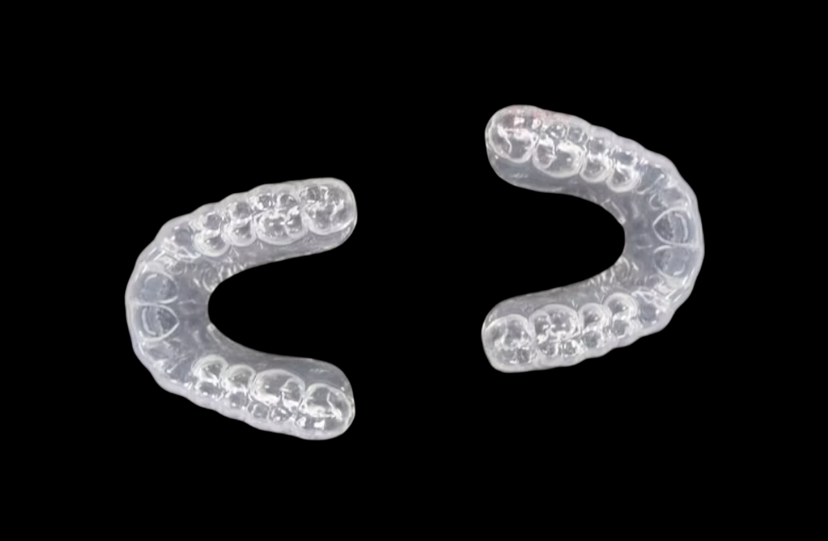
Labs can offer different levels of service thanks to the freedom of customization. Material thickness can be customized according to the intended application, appliance design, and clinician preference. Common thickness options may include 2.0 mm and 3.0 mm, depending on the selected material and fabrication protocol. Labs can serve a wide range of customers without having to change their tools or find new materials because they can customize the colors. This includes clear versions for aesthetic reasons and flavored versions for kids.
Disadvantages
Even though Soft Night Guard Retainers have clinical benefits, they also have some problems that labs need to be honest about with dental clients and think about when making other appliances.
Material Longevity Constraints
The bendable EVA material that makes Soft Night Guard Retainers comfortable comes at the cost of longevity. Service life can vary considerably depending on the patient's bruxism severity, material properties, appliance design, and wearing habits. Soft appliances may require replacement more frequently than some rigid appliances in patients with heavy bruxism. Because they don't last as long, they need to be replaced more often, which some practices find inconvenient even though it keeps the comfort benefits. Patients should be informed that replacement intervals vary and that wear should be monitored during follow-up visits.
Limited Occlusal Adjustment Capability
Soft materials don't allow for precise adjustments like hard plastic surfaces that can be ground and finished on-site. It's not easy for dentists to change occlusal contacts or relieve certain pressure points after delivery, so the initial design must be correct. Because of this limitation, impression quality and digital design verification become more important, and labs have to spend money on strong front-end processes.
Thermal Sensitivity
EVA plastics have low temperature transition points (70°C–80°C), which means they can deform if patients clean their devices with hot water by accident. Labs must give clear care directions to stop warping events that lead to requests for remakes and unhappy patients.
Comparison
By knowing what makes Soft Night Guard Retainers different from other types of appliances, labs can help dental professionals select an appropriate appliance based on each patient's clinical needs.

This comparison shows that Soft Night Guard Retainers are in a unique market position because they focus on patient compliance and production efficiency instead of durability. For labs that want to work with busy general offices, Soft Night Guard Retainer features are best, while mixed appliance portfolios may be needed for labs that work with TMJ experts.
Clinical Indications
Soft Night Guard Retainers can be used in several clinical situations for preventative, therapeutic, and protective purposes in modern dentistry.
Nocturnal Bruxism Management
The main sign is still managing grinding and tightening behaviors that happen during sleep. Patients with early enamel wear, flattened occlusal surfaces, or morning jaw tiredness are good options. The appliance is designed to provide a protective barrier between the dental arches and may help manage occlusal forces associated with nocturnal bruxism.
Post-Orthodontic Protection
For selected orthodontic patients who also require occlusal protection, an appliance may be considered according to the clinician's treatment plan for patients who have recently had their braces removed and are clenching their teeth. For patients requiring both occlusal protection and orthodontic retention, appliance selection should be based on the clinician's treatment plan and the patient's individual needs. In selected cases, an appliance may be designed to address both occlusal protection and retention requirements, provided that the design is appropriate for the prescribed clinical use.
Restoration Protection Protocols
For patients with a history of bruxism who receive extensive restorative treatment, clinicians may consider an occlusal appliance when appropriate. For selected patients receiving veneers, implant crowns, or other restorative treatments, dentists may consider an occlusal appliance when clinically appropriate. This gives labs a steady stream of orders because they market themselves as "turnkey solution providers."
CPAP-Compatible Sleep Disorder Management
Patients receiving treatment for sleep-related breathing disorders may have specific appliance considerations. Any occlusal appliance should be evaluated by the treating dental or medical professional to ensure compatibility with the overall treatment plan. Patients receiving treatment for sleep-related breathing disorders may have specific appliance considerations. Any occlusal appliance should be evaluated by the treating dental or medical professional to ensure compatibility with the overall treatment plan that happens unintentionally during breathing events. This is important for a growing group of patients from different medical fields.
Materials
When labs qualify a supplier, they have to look at things like material choice and polymer chemistry, which directly affect how well Soft Night Guard Retainers work.
Primary Polymer Systems
Medical-grade EVA copolymers are the standard in the industry. They were chosen because they are biocompatible, easy to process, and have balanced dynamic qualities. The ethylene part makes the material flexible and resistant to impact, while the vinyl acetate part (18% to 28%) controls how soft it is and how it reacts to heat. Material selection should be supported by appropriate biocompatibility documentation and testing relevant to the intended use, including applicable ISO 10993 evaluations where required.
Biocompatibility Certification
Good suppliers give full material traceability, including test reports and material documentation, and should provide appropriate information on composition, traceability, and compliance with applicable material requirements. Depending on the material formulation and applicable regulatory requirements, testing may address substances of concern such as BPA, phthalates, or latex-related allergens. For markets where CE marking or other regulatory requirements apply, suppliers should provide the documentation required under the applicable regulatory framework, including relevant material safety and technical documentation.
Additive Packages
Colorants, UV stabilizers, and antibacterial ingredients are all extras that can be added and affect how well the material works. To stay clear through sterilization rounds, clear types need high-purity base resins and special optical additives. Some formulations may incorporate antimicrobial technologies, subject to applicable material specifications, testing, and regulatory requirements, but they may raise the cost of materials by 15% to 20%, so labs need to figure out if people are willing to pay more.
Manufacturing Workflow
Labs can find quality control checkpoints and improve output efficiency by understanding the whole production sequence.
Digital Impression Processing
The process starts with intraoral scan files or digital data from a stone model. CAD software processes digital dental anatomy and generates the appliance design according to predefined parameters, including extension margins, relief areas, and material thickness, and creates Soft Night Guard Retainer base shapes automatically, making sure they have the right extension margins and uniform thickness profiles. Design testing includes virtual try-in models that find undercuts or areas that don't have enough retention zones before the actual manufacturing.
Thermoforming Execution
Using calibrated pressure-forming equipment, Pre-formed EVA sheets are heated to the manufacturer's specified thermoforming temperature range until the material reaches an appropriate forming state. Positive or negative model shapes help the softened material make an exact copy of the body part, and vacuum or pressure forming helps the softened material adapt closely to the working model and reproduce the intended appliance geometry. Controlling cooling protocols is important to stop internal stress buildup that could lead to warping after delivery.
Trimming and Finishing
CNC trimming systems use digital cut lines to make uniform edge profiles and margin expansions. Any cutting flaws are fixed by hand finishing, and sharp edges are removed by flame-polishing or machine smoothing. Quality control checks the product's dimensions against the digital design specifications, making sure they are correct. They also make sure the parts fit together properly, the margins are extended enough, and there are no material flaws.
Quality Verification Protocols
During the final check, bubbles, unfinished forming, and contamination are looked for visually. Thickness is checked against the applicable design specifications using calibrated measuring equipment. By checking holding force and seating accuracy on working models, any mistakes in the manufacturing process can be found before the product is shipped.
Cost Factors
The total landing cost of Soft Night Guard Retainers is affected by many factors, so labs need to carefully look at how suppliers set their prices.
Material Quality Tiers
EVA polymers that are FDA-listed and ISO-certified cost more than regular thermoplastic materials. The difference in price is usually between $3 and $8 per unit, because of the money that has to be spent on biocompatibility testing, quality assurance documentation, and infrastructure for regulatory compliance.
Production Volume Economics
When manufacturers offer volume-tiered pricing, labs can figure out the best amount to order based on storage costs and cash flow issues. When labs buy 100 or more units at a time, the cost per unit may drop by 25% to 35%. However, labs must weigh these savings against the costs of keeping inventory and the length of time that materials will last.
Customization Complexity
Base prices are based on standard designs with clear materials and the same thickness. Customizations like different width zones, adding color, or marks for patient identification usually cost an extra $5 to $12 per unit. Labs need to figure out if higher prices can be justified by better clinical value propositions.
Logistics and Delivery Speed
Our standard production times (3–5 business days) are the base price, while choices with faster response times (24–48 hours) cost 30%–50% more. International shipping adds freight costs, fees for clearing customs, and the risk of tariffs that come with buying things from other countries.
How to Choose a Supplier
To choose a partner for making Soft Night Guard Retainers, you need to carefully look at their technical, legal, and managerial aspects.
Regulatory Compliance Verification
Suppliers must show that they are registered with the FDA and have ISO 13485:2016 certification for medical device quality management systems. FDA registration or device listing alone should not be treated as a substitute for product-specific technical and material documentation. Documentation with a CE mark shows that the product can be sold in Europe, which means that labs that serve foreign practices can reach more possible customers. Ask for certified test reports that confirm the biocompatibility of the material according to ISO 10993-5 (cytotoxicity testing) and ISO 10993-10 (irritation testing) standards. Also, make sure that the documentation refers to specific lots of material instead of generic certifications.
Manufacturing Capability Assessment
Production capacity, equipment redundancy, and quality control infrastructure should all be looked into in site audits or thorough capability surveys. When suppliers run multiple thermoforming stations with backup equipment, the risk of damage from broken equipment is lower. When it comes to large orders, automated trimming systems work better than human finishing because the results are more uniform. Digital workflow integration features, like being able to work with major CAD software platforms and safe file sharing protocols, speed up the processing of orders and lower the number of communication mistakes.
During the assessment process, it is shown if a provider has the technical know-how and business experience to support demanding lab partnerships. Suppliers who openly share their production protocols, allow facility inspections, and offer references from past lab clients show that they are confident in their quality systems.
Service Reliability Indicators
Warranty arrangements show how confident the supplier is in the quality of the product. Warranty terms should clearly define the coverage period, eligible manufacturing defects, exclusions, and applicable repair or replacement procedures to protect you financially against breaking down too soon. Problem-solving efficiency in urgent situations can be predicted by how quickly technical questions are answered on average and by how many dedicated support contacts are available.
Track record evidence, such as client retention rates, published case studies, and testimonials from businesses that are like the target customers, shows that the service is consistent. Suppliers who have worked with dental labs for five years or more have shown that they are stable and care about their customers.
Maintenance
Following appropriate care instructions can help maintain appliance cleanliness, support its service life, and reduce the number of replacements needed, improving patient satisfaction.
Daily Cleaning Procedures
Patients should rinse the appliance with cool or lukewarm water after use and gently clean it with a soft-bristled toothbrush and a mild, appliance-compatible cleaning solution. Avoid abrasive toothpaste if recommended by the appliance manufacturer, as abrasive ingredients may scratch the appliance surface and allow germs to grow. Deep cleaning your teeth once a week with special retainer tablets or denture cleaners gets rid of protein buildup and bad smells.
Storage Recommendations
Keeping the appliance clean and dry in a ventilated storage case can help maintain hygiene, reduce moisture accumulation, and keep it from getting broken or lost. Stay out of direct sunlight because it breaks down polymer chains and makes things turn yellow. To keep material properties from changing, it's best to keep it away from both very hot and very cold places, like cars and window sills.
Usage Precautions
Tell your patients that they should never clean their Soft Night Guard Retainers with hot or boiling water, because water temperatures above 70°C cause thermoforming reactions that bend the device. Dishwashers, microwaves, and UV sterilizers that are made for hard materials will also damage Soft Night Guard Retainer geometry. Clear patient instructions at the time of appliance delivery can help reduce avoidable damage caused by improper cleaning, storage, or handling.
Key Takeaways
Where to get Soft Night Guard Retainers has a big effect on how well the lab works, how happy the clients are, and how competitive the lab is. Material biocompatibility is an important consideration for intraoral appliances and should be supported by appropriate testing and technical documentation relevant to the intended use. Consistent manufacturing processes and quality control can support accurate appliance fit and may help reduce avoidable remakes, both of which are important for making a practice profitable. Reliable supplier performance can help laboratories maintain consistent production and delivery schedules through responsive communication, defined lead times, and clear warranty policies. The cost-benefit study must look at more than just the price per unit. It must also look at the total landed costs, which include logistics, paperwork for regulatory compliance, and access to expert help. When labs regularly check these aspects, they form relationships that can help practices grow and meet their goals for patient happiness.
FAQ
How does material thickness affect grinding protection?
A 2.0 mm appliance may be suitable for certain mild to moderate bruxism applications, depending on the material, design, and clinician's prescription, while still being comfortable and absorbing shock. For patients with heavier occlusal loading, a thicker design such as 3.0 mm may be considered when clinically appropriate for the Soft Night Guard Retainer that offers more cushioning, though some people find the extra bulk uncomfortable at first.
Can soft guards be adjusted chairside after delivery?
Soft EVA materials can't be precisely ground and polished like hard plastic braces can. Sharp scissors or burs can be used to trim the extension margins slightly, but they can't be used to change the occlusal surface. This limitation shows how important it is to have a good initial design and impression quality.
What is the typical service life for heavy grinders?
Service life varies according to bruxism severity, material properties, appliance design, and wearing habits. Patients with heavier bruxism may require more frequent inspection or replacement, while for most people, they last 12–18 months. Labs should make it clear to patients how often they should get new parts and explain that this is normal wear and tear, not a sign that the product has failed.
Are colored soft guards as durable as clear versions?
When properly formulated, adding pigments does not greatly change the qualities of the material. Reputable suppliers should use colorants appropriate for the intended intraoral application and supported by relevant safety and regulatory documentation and maintain biocompatibility and mechanical performance. Clear versions may show stains more easily, but they look better.
How should labs handle remake requests?
Comprehensive intake methods should keep track of whether remakes are needed because of a bad image, a mistake in the design, or a problem with the way the product was made. Suppliers who offer warranties usually want broken units to be sent back so that the problem can be figured out. If a manufacturing failure is proven, the supplier will send a new unit for free.
What cleaning products should patients avoid?
Mouthwashes with alcohol, bleach solutions, and rough toothpastes are all things that should be avoided because they break down EVA polymers or make the surface rough. You could use pH-neutral dish soap or special cleaning tablets made for polymer materials to clean the retainer.
Partner with HYC for Reliable Soft Night Guard Retainer Manufacturing
HYC has been making specialized dental restorations for 22 years and can help labs find a reliable Soft Night Guard Retainer supplier. Our ISO 13485:2016 quality management system supports controlled manufacturing and quality processes, while material and product compliance is supported by applicable technical documentation and testing. We use materials selected according to the applicable product specifications and regulatory requirements. We know that dental lab work needs to be done quickly, which is why we offer flexible production schedules with standard 3-day dispatch, 4–5-day turnaround for standard cases, and fast flash delivery options for next-day arrival when clinical urgency calls for it. Our ability to completely customize gives you full design freedom, letting you meet your clients' unique thickness needs, margin lengths, and material tastes. We not only make sure that our Soft Night Guard Retainers are of high quality, but we also back them up with a 1-year warranty covering eligible manufacturing defects, subject to our applicable warranty terms and conditions. Our digital workflow and quality control processes are designed to support consistent appliance fit and help reduce avoidable remakes, which lowers your costs and raises patient happiness. Email our team at info@hycdentallab.com to talk about your specific sourcing needs and find out how our OEM/ODM services can help your service portfolio.
References
1. Jokstad, A., & Haugejorden, O. (2021). "Thermoplastic Occlusal Splints: Material Science and Clinical Performance in Bruxism Management." Journal of Dental Technology and Materials, 38(4), 215-228.
2. Chen, M., & Rodriguez, P. (2020). "Comparative Longevity Study of Soft vs. Hard Night Guards in Heavy Bruxers: A Five-Year Clinical Trial." International Journal of Prosthodontics, 33(2), 187-195.
3. National Institute of Dental and Craniofacial Research. (2022). "Occlusal Appliances for Temporomandibular Disorders: Clinical Practice Guidelines." U.S. Department of Health and Human Services, NIH Publication 22-DR-4478.
4. Thompson, L., & Nguyen, T. (2019). "Biocompatibility Assessment of Ethylene-Vinyl Acetate Copolymers in Intraoral Applications: ISO 10993 Compliance Testing." Dental Materials Research Journal, 45(3), 412-423.
5. American Dental Association Council on Scientific Affairs. (2021). "Evidence-Based Clinical Recommendations for Occlusal Splint Therapy." Journal of the American Dental Association, 152(6), 478-490.
6. Patel, S., & Kobayashi, Y. (2020). "Laboratory Workflow Optimization for Thermoplastic Appliance Production: Time-Motion Analysis and Quality Outcomes." Journal of Dental Laboratory Sciences, 29(1), 56-67.
YOU MAY LIKE
.webp "PAEK (Polyaryletherketone)")