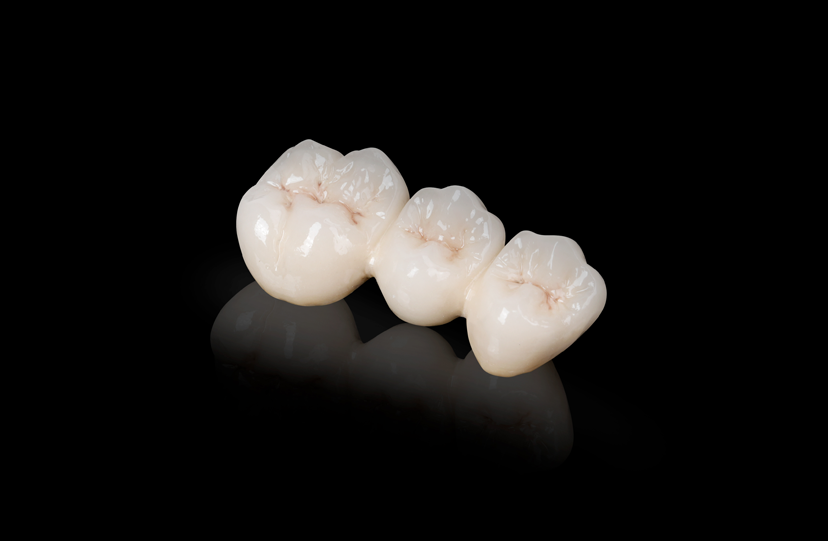
PFM Non-Precious
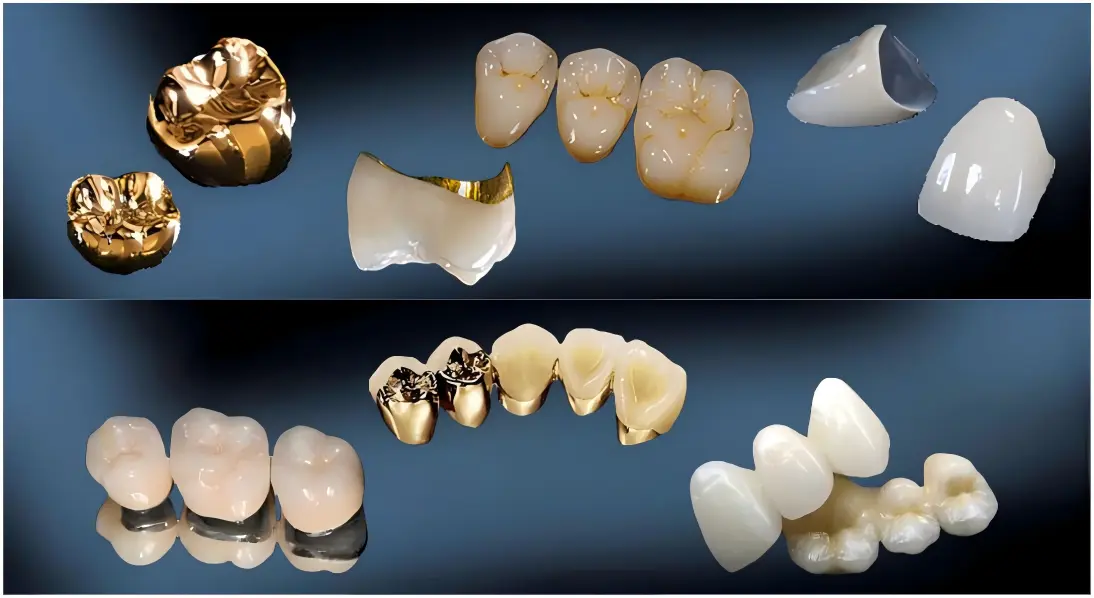
PFM Non-Precious Crowns – High-Strength Metal-Ceramic Restorations for Lasting Performance
When you need exceptional durability without sacrificing fit precision, PFM Non-Precious crowns deliver proven clinical reliability. Manufactured by HYC Dental Laboratory—an ISO 13485 certified and US FDA registered facility with over 22 years of specialized experience—these metal-ceramic restorations combine base metal alloy strength with porcelain aesthetics. Our progressed CAD/CAM workflow guarantees minimal exactness inside microns, whereas our sub-2% redo rate and 3-day standard turnaround streamline your hone effectiveness. Supported by a 2-year guarantee and compliance with worldwide biocompatibility guidelines, each reclamation reflects our commitment to quality and your patients' long-term verbal health.
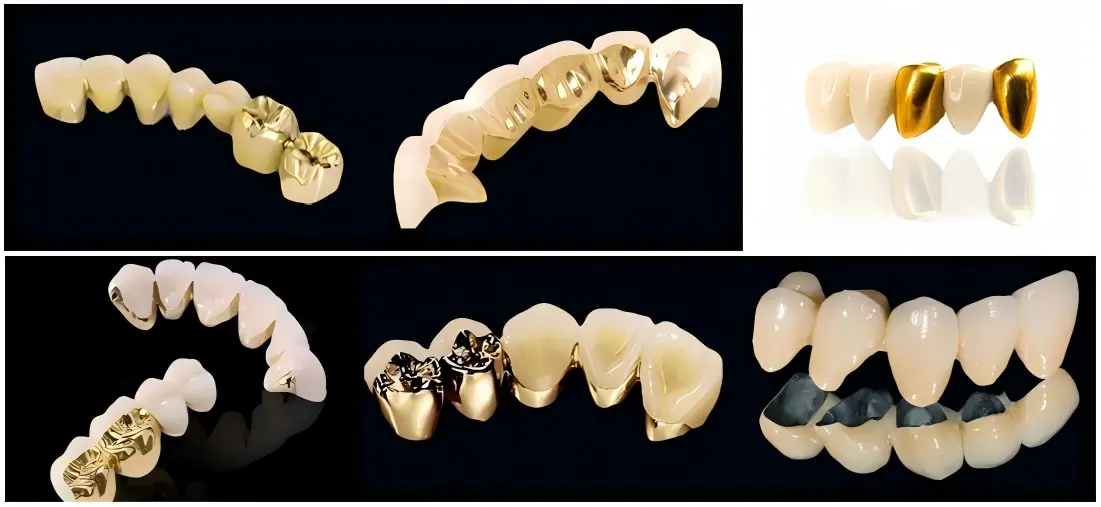
What Makes Our Non-Precious Metal-Ceramic Crowns Different?
Built for the Genuine World
You confront challenging cases each day—deep nibble designs, restricted clearance, and patients who require reclamations that essentially won't come up short. Our base metal combination systems utilize nickel-free cobalt-chromium details that stand up to break indeed beneath extraordinary occlusal powers. This implies less crisis repairs and more sure treatment outcomes.
Precision That Fits the To begin with Time
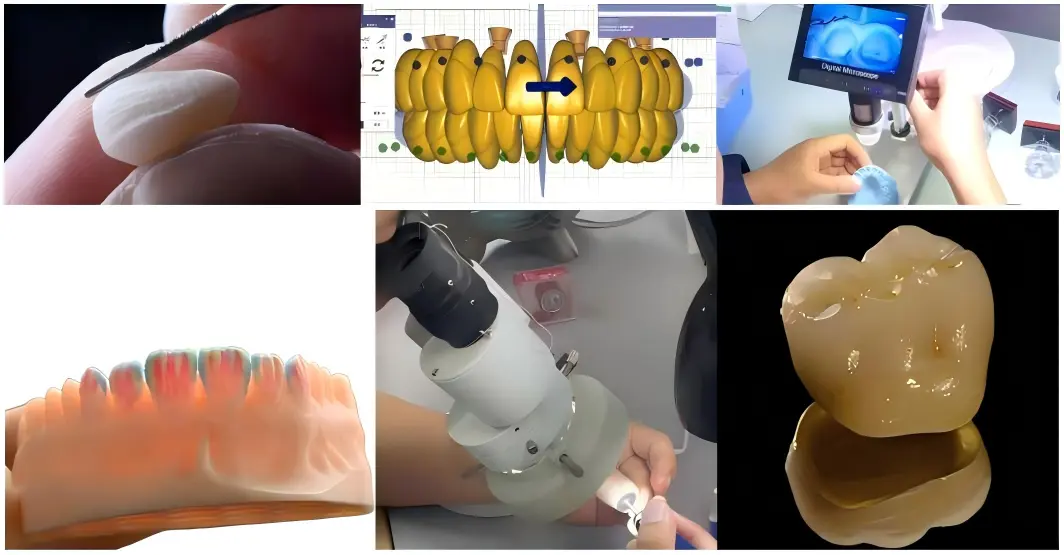
Poor edges squander chair time. That's why we coordinated computerized checking with DMLS (coordinate metal laser sintering) innovation. This kills hand-waxing factors and casting mutilation, conveying inner fit precision that rivals processed zirconia. Your arrangements situate typically, and your patients take off satisfied.
Cost-Effective Without Compromise
Budget limitations shouldn't drive you to compromise quality. The product restorations offer the most temperate arrangement per unit whereas keeping up basic keenness. You expel less normal tooth structure—often fair 1.5 mm occlusally—because the metal is solid indeed in lean cross-sections.
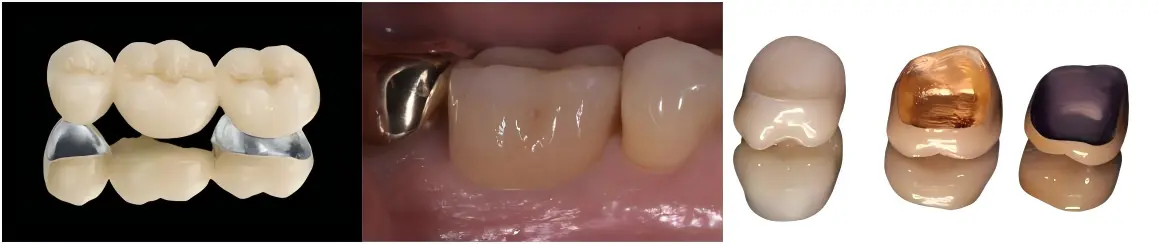
Technical Specifications of PFM Non-Precious
| Feature | Specification |
|---|---|
| Material Composition | Cobalt-chromium (Co-Cr) base metal alloy, nickel- and beryllium-free |
| Tensile Strength | Excellent fracture resistance; suitable for spans up to 14 units |
| Marginal Fit | High-precision shoulder or deep chamfer (0.8–1.2 mm) |
| Occlusal Reduction | 1.5–2.0 mm recommended |
| Facial Reduction | 1.5–2.0 mm (accommodates porcelain layering) |
| Lingual Reduction | 1.0–1.5 mm |
| Biocompatibility | FDA-listed, CE-certified materials; safe for most patients |
| Aesthetic Limitation | Metal substructure may show gray line in thin gingival biotypes |
| Service Life | 20+ years with proper oral hygiene |
| Lead Time | 3 days (standard); 4–5 days (fixed/removable); expedited available |
| Warranty | 2 years (free repair/remake for quality defects) |
When Should You Choose Metal-Ceramic Restorations?
Ideal Indications
- Posterior and anterior single crowns where strength is paramount
- Long-span bridges requiring a robust metal framework
- Implant-supported crowns on standard abutments
- Limited vertical space cases (less reduction needed than all-ceramic)
- Periodontal splinting applications
Important Contraindications
- Documented nickel, cobalt, or chromium allergies (patch test recommended)
- Ultra-high aesthetic zones with thin gingival tissue (consider all-ceramic alternatives)
- Severe untreated bruxism (porcelain chipping risk increases)
- Very short clinical crowns (retention may be insufficient)
How We Solve Common Clinical Challenges
Preventing Porcelain Chipping
PFM Non-Precious delamination happens when thermal expansion coefficients mismatch. We control oxide layer thickness with vacuum-firing cycles and require minimum 2.0 mm occlusal clearance to prevent substructure flex. Your porcelain stays bonded for the long haul.
Eliminating the Gray Margin Line
That dark shadow at the gum line frustrates patients. We offer porcelain butt margin preparations—360-degree ceramic coverage that allows light transmission into the root. Combine this with our high-opacity masking layers, and the metal "disappears" visually.
Addressing Metal Sensitivities Safely
Our Co-Cr alloys are formulated without nickel or beryllium, reducing sensitization risk. For patients with known costume-jewelry reactions, we recommend pre-treatment patch testing or pivoting to zirconia. You protect both clinical success and patient trust.
Guaranteeing Predictable Fit
Open margins derail case acceptance. By using DMLS 3D-printed frameworks instead of traditional lost-wax casting, we eliminate shrinkage variables. Clear chamfer finish lines (≈0.5 mm) give our technicians—and your scanner—crisp references. Restorations seat with minimal adjustment.
Why Dental Professionals Partner With HYC
22 Years of Specialized Expertise
We've refined our processes across thousands of European and North American cases. You benefit from accumulated knowledge that anticipates problems before they reach your operatory.
Speed Meets Reliability
Standard 3-day shipment keeps your schedule moving. Need it faster? Our flash delivery service offers same-day dispatch and next-day arrival in select regions—at no extra cost for priority cases.
True Customization
Every restoration is fabricated 100% to your prescription. Digital impressions, traditional PVS, or hybrid workflows—we adapt to your preferred system and local clinical standards.
Transparent Warranty Protection
Quality issues within two years? We'll remake or repair at no charge. No hidden clauses. Just straightforward support that respects your reputation.
Frequently Asked Questions
Q:How do I prevent the porcelain from chipping or delaminating?
A:Focus on Coefficient of Thermal Expansion (CTE) compatibility and oxide layer control. Co-Cr alloys develop a thick oxide layer quickly; if it's too thick, the porcelain will pop off. Our lab uses a vacuum-firing cycle for the initial oxide wash to ensure a dense, thin layer. Ensure at least 2.0 mm of occlusal reduction to provide enough room for a supportive metal substructure that won't flex under load.
Q:Why is the margin showing a "dark line" or gray shadow?
A:Move beyond standard metal collars with a Porcelain Butt Margin (shoulder preparation). This replaces the metal at the visible edge with 360-degree porcelain, allowing light to pass into the root. We also use high-opacity (HO) layers or pink masking on the metal crown to neutralize gray before layering final dentin shades.
Q:Is Co-Cr safe for patients with metal sensitivities?
A:Modern Co-Cr is nickel- and beryllium-free, making it significantly safer than older base-metal alloys. However, it is not "metal-free." If a patient has known skin sensitivities to costume jewelry, consider a nickel sensitivity patch test or pivot to a zirconia restoration.
Q:Why is the fit "tight" or the margins "open" after casting?
A:We advocate for DMLS (3D-printed) frameworks over traditional lost-wax casting. Laser-sintering Co-Cr eliminates the variables of hand-waxing and thermal shrinkage, providing internal fit that rivals CAD/CAM zirconia. Use a heavy chamfer margin (approx. 0.5 mm) to provide a clear finish line for our digital scanner, reducing the risk of thin, over-extended metal that can distort during porcelain firing.
Ready to Elevate Your Restorative Outcomes?
Experience the PFM Non-Precious HYC difference: precise fit, durable design, and partnership you can trust. Reach us at info@hycdentallab.com to discuss your next case.
SC-Bold
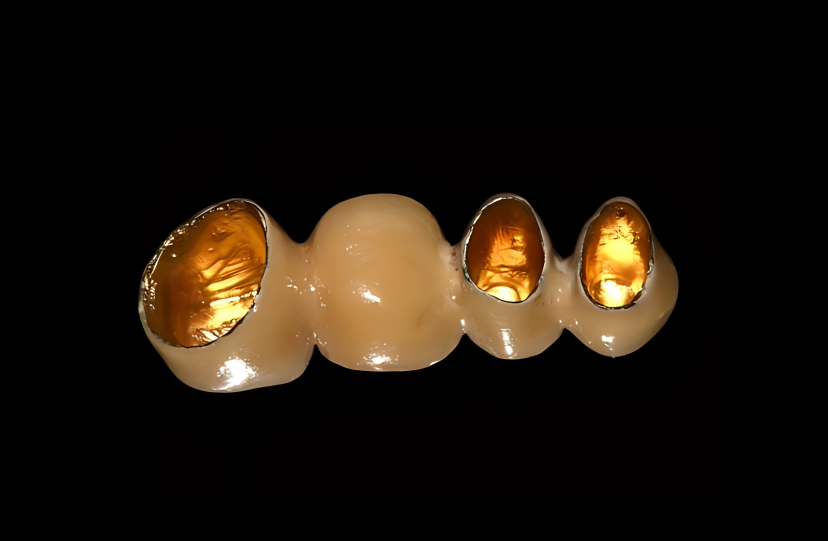
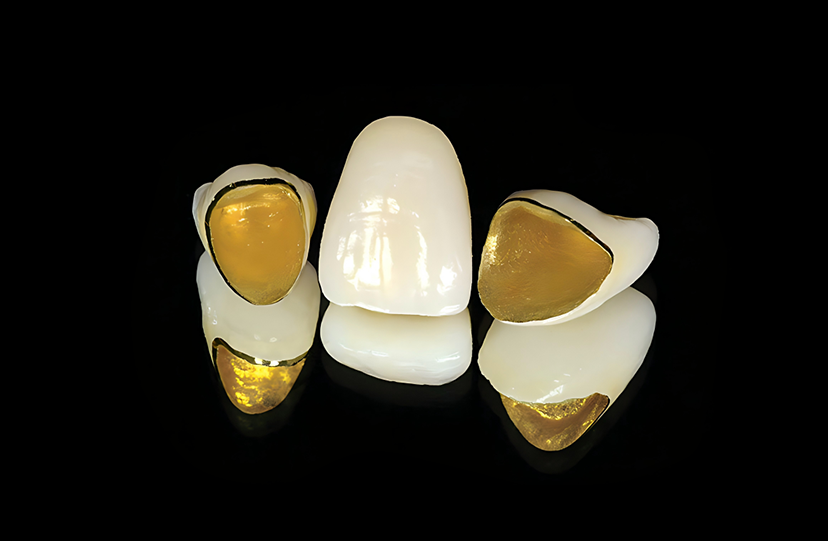
.webp "Gold-Platinum PFM (Au-Pt)")
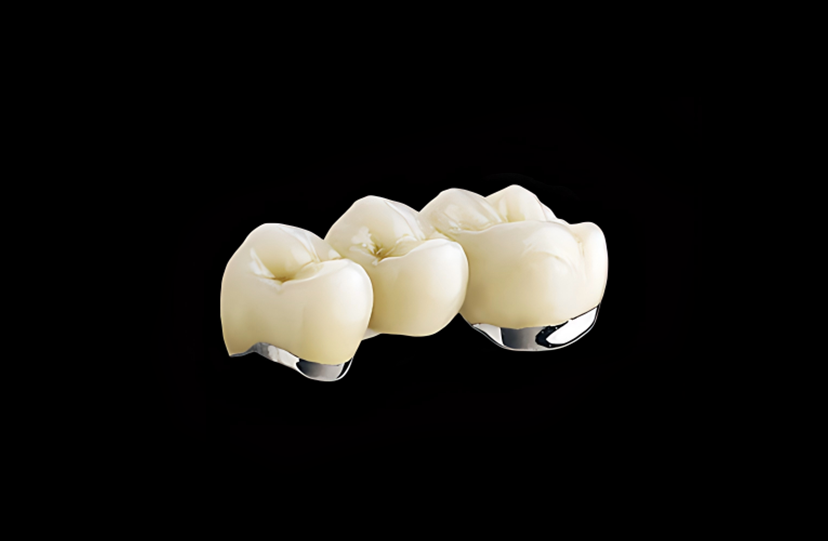
.webp "Ni-Cr PFM (Nickel-Chrome)")