Full Cast Metal Crowns Provide Long-Term Reliability in Challenging Dental Cases
Full Cast Metal Crown restorations are the most durable and accurate way to fix back teeth that are damaged or have bruxism. They are also great for people who have limited interocclusal space or a lot of structural damage. These crowns are made from high-noble gold, noble palladium alloys, or base-metal cobalt-chromium. They have very little minor leakage, great resistance to breaking, and can be used for 20 to 40 years. Their thin shape protects healthy tooth structure and makes them reliable even when extreme occlusal forces are applied.
Introduction
Chewing forces that can be higher than 700 Newtons for people who clench their teeth all the time can be hard on posterior dental restorations [1]. In these tough conditions, traditional all-ceramic and porcelain-fused-to-metal methods often don't work because the materials become weak or delaminate where the porcelain meets the metal. More and more dental labs and prosthodontists are realizing that metal casting technology can help with these clinical problems because it uses better material science and tried-and-true production accuracy. The global market for dental crowns continues to focus on long-lasting, biocompatible, and well-fitting options. Cast metal restorations show clear benefits in these areas. Now, procurement managers in DSOs and private offices look at these restorations not just as compromises in terms of appearance, but also as decisions based on evidence for certain clinical situations that need predictable long-term results.
What Are Full Cast Metal Crowns?
Definition and Core Characteristics
The term "Full Cast Metal Crown" refers to a single-unit prosthetic restoration made entirely of biocompatible dental alloys and precision casting techniques. Unlike layered restorations that have metal bases and ceramic veneers on top of them, these crowns are made of a single type of material all the way through. The casting method lets metal flow into carefully prepared molds, making exact copies of tooth anatomy down to the millimeter level. Material selection is based on three main types of alloys: high-noble alloys with more than 60% gold and platinum group metals, noble alloys with palladium and silver, and base-metal alloys with cobalt-chromium or nickel-chromium compositions.
Working Principles
The restoration works by mechanically holding on to the tooth structure and cementation adhesion to prepared tooth structure. When dentists prepare the tooth, they make a horizontal reduction of 0.5 to 1 mm and a taper angle of 3 to 6 degrees. This sets up a clear path for placement. The occlusal surface gets an extra 1.0–1.5 mm of space, which is how natural cusps are shaped, and functional cusps get an extra 1.5 mm of bevels[2]. This shape makes it possible for the cast crown to sit quietly while the margins respond closely. High-noble alloys are especially good at burnishability, which means they can be cold-worked at the chairside to make hermetic seals that stop bacteria from getting into the cement where the metal meets the tooth.
Benefits
Extending Restoration Lifespan
At 10-year follow-ups, clinical studies show that properly made cast metal restorations have survival rates of over 95%[3]. Because they last longer, they don't need to be redone as often, which saves money for both practices and patients. Dental lab owners gain because guarantee claims go down and emergency reproduction orders go down. The longevity comes from the fact that metal's stress is spread out evenly under cyclic loading, which stops the stress accumulation points that cause ceramic to break.
Preserving Natural Tooth Structure
Dental tissue that can't be replaced once it's taken out can be saved with minimal preparation. All-ceramic crowns need an occlusal gap of 1.5 to 2.0 mm, but cast metal is strong at a width of only 1.0 mm. This preservation is especially helpful for young patients who will need restorations in the future, since too much reduction weakens the remaining tooth structure and threatens the health of the pulp. When purchasing managers look at case flow, they know that this factor cuts down on preparation time and associated chair costs.
Protecting Opposing Dentition
High-noble gold alloys have wear coefficients that are very close to those of natural enamel. This makes for balanced occlusal relationships that keep opposing teeth from wearing down faster. Even though they are harder, base metal options still work better than zirconia because they are not as rough. This alignment is very important for full-mouth rehabilitation cases because keeping the vertical dimension and occlusal symmetry is what determines the long-term success of the treatment. When metal restorations are properly contoured, fewer complaints about sensitive teeth on the other side are seen by clinic operations managers who keep track of patient satisfaction metrics.
Advantages
Comparing cast metal crowns to other types of replacements shows that they are technically and clinically better in certain situations. When making a purchase choice, these benefits directly affect factors like the number of remakes, the reliability of deliveries, and following the rules.
Unmatched Resistance to Fracture: Cast metals can handle huge chewing forces without breaking. Zirconia crowns may fracture under certain loading conditions, while metal restorations can bend and stretch, so the crown stays strong even when it is hit by something unexpected. This quality is very important for people who have bruxism because parafunction causes cyclical stresses that are higher than normal chewing loads. Lab technicians like that metal is forgiving, which means that there are fewer quality control rejections during try-in procedures.
Better Marginal Adaptation: The lost-wax casting method gets marginal gaps of 10 to 50 microns, which is much smaller than milled repairs that average 80 to 120 microns[4]. This accuracy makes mechanical walls that stop bacteria from colonizing and causing secondary cavities at the edges of the crown. When prosthodontists choose support materials for fixed partial dentures, they make sure that these details are accurate because minor leakage is the main way that bridgework fails. When quality assurance teams turn to cast metal methods for difficult posterior cases, they see a clear drop in the number of remakes.
Customization Flexibility: During the waxing and casting stages, each restoration gets special design care, which lets the structural customization match the patient's unique occlusal schemes. For CAD/CAM processes, design choices are limited by software factors. On the other hand, handmade wax-ups can handle different occlusal relationships, proximal contact setups, and embrasure forms. This adaptability is very important when fixing teeth that are tilted or out of place and need custom emergence profiles. Dental lab owners like that being able to customize their services sets them apart from competitors in a crowded market.
Biocompatibility and Tissue Response: Noble metal alloys are very good at getting along with the gums and rarely cause allergic or inflammatory reactions. Gold-platinum-palladium alloys don't react chemically with mouth acids, so they don't rust or let ions out. This safety is different from base-metal options that contain nickel, which can sometimes cause hypersensitivity in people who are prone to it. Regulatory affairs experts confirm that all FDA-listed noble alloys pass the strict ISO 10993 biocompatibility tests that are needed to sell them in other countries.
Disadvantages
Aesthetic Limitations
Because a Full Cast Metal Crown looks like metal, it can only be placed in areas that aren't highly cosmetic, so it is usually used on back teeth that are past the smile line. People with wide smiles or high lip lines may be able to see even second molar restorations when they are smiling or speaking. Because of this limitation, Full Cast Metal Crown cases must be carefully chosen, and patients must be involved in treatment planning. For example, cosmetic dentists who work with people who care about how they look often follow different rules and may only use a Full Cast Metal Crown for third molars. In suitable posterior cases, a Full Cast Metal Crown can still provide a durable restoration when appearance is not the primary concern.
Material Cost Variability
The prices of high-noble alloys change with the prices of precious metals, which makes it hard for dental labs to plan their material costs. Gold prices between $1,800 and $2,100 an ounce have a direct effect on the cost of making crowns. To deal with this instability, supply chain managers need to use hedging techniques or pass-through price models. Base-metal alternatives are stable in terms of price, but they give up some clinical benefits, such as the ability to be burnished and the ability to work with opposing teeth.
Technical Sensitivity
To get the best results, you need precise impression methods, correct interocclusal records, and lab technicians with a lot of experience. If the elastomeric prints change shape or the wax design shrinks during investment, it can affect how well the end fit is. Results may not be consistent in smaller labs that don't have the right infrastructure for quality control. Because they depend on technology so much, evaluating suppliers is very important. This means looking at things like manufacturing procedures and worker training programs.
Comparison with Alternative Crown Solutions
Knowing the changes in performance helps procurement workers match the right type of repair to the patient's needs:
| Factor | Full Cast Metal | Porcelain-Fused-Metal | Zirconia | Pressed Ceramic |
|---|---|---|---|---|
| Fracture Resistance | Excellent (>2000 MPa) | Moderate (metal substrate) | Good (900-1200 MPa) | Fair (400-600 MPa) |
| Marginal Accuracy | Superior (10-50 µm) | Good (50-100 µm) | Moderate (80-120 µm) | Moderate (75-100 µm) |
| Tooth Preparation | Conservative (1.0 mm) | Moderate (1.5 mm) | Aggressive (1.5-2.0 mm) | Aggressive (1.5-2.0 mm) |
| Opposing Wear | Minimal (gold) | Low-Moderate | Potentially High | Low |
| Service Life | 20-40 years | 10-20 years | 10-15 years | 8-12 years |
| Aesthetic Result | Poor (metallic) | Good (anterior) | Excellent | Excellent |
| Cost Range | $300-800 | $400-900 | $500-1,000 | $600-1,200 |
Cast metal solutions are great for durability and careful preparation, but they don't look as good. When it comes to semi-aesthetic areas, zirconia provides balanced performance, while pressed ceramics are used for frontal uses. When purchasing managers weigh cost against durability, they find that cast metal is the best choice for rear uses where looks are not very important.
Clinical Indications
Posterior Teeth with Extensive Damage
Full-coverage protection is needed for molars that have big cavities, multiple fillings that are failing, or fracture lines that go below the gum line. Cast metal crowns fix the structure and spread the occlusal forces across the damaged tooth structure that is damaged. Teeth that have been treated with endodontics benefit the most because their dry dentin is more likely to break when they are chewing normally.
Heavy Bruxism and Parafunctional Habits
Restorative materials are put through a lot of stress when patients show wear facets, muscle growth, or report grinding events. Because metal is flexible, it can handle repeated loads without getting tiny cracks that grow into big problems. Implant specialists who fix bruxers like how metal abutment crowns keep the titanium parts underneath from getting too much stress.
Limited Interocclusal Clearance
When there is loss of vertical dimension, supraerupted opposing teeth, or clinical crowns that are naturally too short, there isn't always room for ceramic bilayers. Cast metal is fully strong at 0.5 to 1 mm thickness, so it can be used in places where other materials would break right away. When patients go to an orthodontist after having a space closed, they often run into problems with space that require thin but long-lasting repairs.
Abutment Teeth for Fixed Bridges
When it comes to multi-unit implants, the need for retention and force distribution makes cast metal the best material for minor adaptation and strength. A lot of bridge failures start at the edges of the abutment crown, where tiny leaks in the cement weaken the seals. When prosthodontists create complicated reconstructions, they use cast metal retainers to make the framework last as long as possible with as few care visits as possible.
Materials
High-Noble Alloys
The best clinical results for a Full Cast Metal Crown come from mixtures that have at least 60% noble metals, usually made up of gold (40–80%), platinum (5–15%), palladium (0–10%), and silver (0–15%). The gold, platinum, and palladium method is very good at preventing tarnishing, working well with tissues, and supporting burnishing for a Full Cast Metal Crown. When they are finished, these alloys are easy to work with, and they don't wear down over time. Their yellowish color makes a Full Cast Metal Crown less suitable for cosmetic use, but it helps dentists tell the restoration apart from natural tooth structure during preparation methods, which is useful for patients. For posterior restorations, a Full Cast Metal Crown can provide a durable and clinically practical solution when strength and longevity are priorities.
Noble Alloys
Palladium-silver mixtures (46–60% palladium, 25–40% silver) that have copper and gold added to them have average performance and lower material costs. It is possible for these white metals to be as strong and biocompatible as high-noble compositions while still being less expensive. But because they are harder, they are harder to smooth at the edges and need more aggressive cleaning methods. Dental labs choose these metals when they need to balance clinical performance with the need to stay competitive on price.
Base-Metal Alloys
It is best to use cobalt-chromium (60–70% cobalt, 25–30% chromium) or nickel-chromium (70–80% nickel, 12–18% chromium) alloys because they are strong and cheap. These alloys have flexural strengths greater than 2000 MPa, which means they almost never break in clinical settings. Their hardness makes finishing in the lab more difficult, but they are very stable over time. Nickel content causes allergy concerns in people who are more likely to be allergic (about 10-15% of the population), so patients need to be carefully screened. Medical equipment distributors that work with price-conscious customers often ask for base-metal choices when they buy in bulk.
Manufacturing Workflow
Impression and Model Fabrication
The process starts with precise elastomeric impressions that show the shape of the prepared teeth, the teeth next to them, and the relationships between the arches that are opposite each other. Triple-tray methods or double-cord retraction make sure that the gum tissue is clearly defined below the margins. Lab workers pour Type IV or V tooth stone into molds to make master dies that are stable in terms of size. Using facebow transfers and interocclusal records to mount an articulator makes it possible to simulate the jaw relationship accurately.
Wax Pattern Development
Certified dental technicians carve wax patterns by hand directly onto dies, making anatomical crown contours that match the shape of neighboring teeth. The design of the occlusal surface includes cusp angles, fossa depths, and groove patterns that help the mouth move properly and shift food properly. Careful attention is paid to margin adaptation, which makes sure that the wax ends exactly at the preparation finish lines, without any gaps or overextensions. This hand-crafted skill allows customization that takes into account differences in anatomy that would be impossible with automatic processes[5].
Investment and Burnout
When the wax models are done, they are attached to sprue devices that guide the molten metal during casting. Patterns are put inside steel rings with investment material that is either phosphate-bonded or silica-based. The rings are then heated in controlled cycles. As the temperature rises, the wax evaporates, leaving behind hard investment matrices. During this burnout phase, hollow holes are made that are an exact copy of the original wax shape and are ready to receive liquid metal.
Casting and Finishing
During centrifugal or vacuum-pressure casting, melted metal is pushed into investment cavities. The final crown shapes are then solidified quickly by cooling. After the investment is taken out, the casts go through annealing, a heat process that improves their mechanical properties. Technicians get rid of sprues, use tungsten carbide burs to smooth out the edges, fix the occlusal contacts against articulated opposite models, and polish the surfaces until they are as smooth as glass. Before the final shipment, quality control protocols use fit-checking media to check the margin adaptation.

Cost Factors Influencing Procurement Decisions
Material Composition
Pricing is based on the amount of precious metals in an item. Base-metal crowns cost between $150 and $300, while high-noble crowns made of gold and platinum can cost $400 to $800 per unit, based on the price of the metals. When negotiating volume contracts, purchasing managers need to be aware of price adjustment terms that take into account changes in the valuable metal market. Some labs use metal-neutral price models, which means that they charge lab fees separately from the cost of materials. This makes budgeting easier.
Production Complexity
Standard single-crown cases have streamlined workflows, but technicians need more time to work on cases with complex geometries like tilted teeth, unusual emergence profiles, and custom occlusal schemes. Abutment crowns for bridges require precise margin placement and connector design, which is why they cost more. Extra charges of 30 to 50 percent are usually added to rush production for next-day delivery to cover overtime labor and faster shipping.
Customization Requirements
Fully customizable wax-ups that fit your body's needs cost more than styles that are based on templates. Some labs have different levels of pricing for standard, premium, and custom work, which lets clinics match the level of service to the complexity of the case. Standardized methods are often negotiated by high-volume DSOs in exchange for lower per-unit costs. In exchange for saving money, these DSOs give up some customization freedom.
Regulatory Compliance Verification
Products such as a Full Cast Metal Crown going to controlled markets need to be registered with the FDA, certified by ISO 13485, and have proof that the materials are biocompatible. These costs are built into the prices that suppliers with thorough compliance programs charge for Full Cast Metal Crown products. This investment, on the other hand, shields buying groups from government measures and product damage risks associated with a Full Cast Metal Crown. Instead of choosing based only on price, quality assurance teams should check the certifications of suppliers during the evaluation process for Full Cast Metal Crown restorations. Choosing a compliant supplier helps ensure that every Full Cast Metal Crown meets applicable quality, traceability, and regulatory requirements.
How to Choose a Supplier
Manufacturing Capability Assessment
During supplier checks, look at the facilities for quality control, production capacity, and technology platforms. Facilities with skilled technicians, up-to-date casting tools, and well-documented quality control systems make sure that restorations are always correct. Ask for case examples that show how accurate the margins are, how well the facial anatomy is reproduced, and how well the surface finish is done. Small to medium-sized labs may be better at special work, while bigger ones can handle more work and offer better prices.
Regulatory Credentials Verification
Make sure that products going into regulated areas have the right FDA establishment registration, ISO 13485:2016 certification, and CE marking. Ask for records of analysis that show that the material is biocompatible according to ISO 10993 standards. Suppliers who keep these credentials show that they are committed to quality systems and are aware of the rules. Regulatory affairs experts should check the legitimacy of certificates by verifying them with the granting body.
Delivery Performance and Logistics
Check out both normal production times (usually three to five business days for common cases) and emergency production options. Reliable suppliers keep extra capacity on hand in case of urgent orders that need to be completed the next day or within 48 hours. For international packages to go smoothly, you need to know how to deal with customs and have good relationships with fast couriers. Operations managers who are keeping an eye on key performance indicators should keep an eye on the percentages of on-time deliveries and damage-free arrivals.
Technical Support and Warranty Coverage
Responding to customer questions about cases, getting permission to remake, and giving professional advice adds a lot of value beyond just delivering the product. Full guarantees that cover repairs and replacements for two years for fixed restorations and one year for removable restorations protect against bad work. When suppliers offer free remakes during warranty periods, it shows that they are confident in the quality of their work and want their customers to be happy.
Communication Efficiency
Partnerships that work need clear ways to talk to each other, case managers who are prompt, and rules for how to solve problems. During trial collaborations, look at how quickly emails are answered, how technical questions are handled, and how easily design changes can be made. Language skills and being able to work with people in different time zones are important, especially for foreign buying agreements. When choosing a provider, supply chain managers should look at both the quality of the conversation and the quality of the product.
Maintenance and Longevity Optimization
Patient Care Instructions
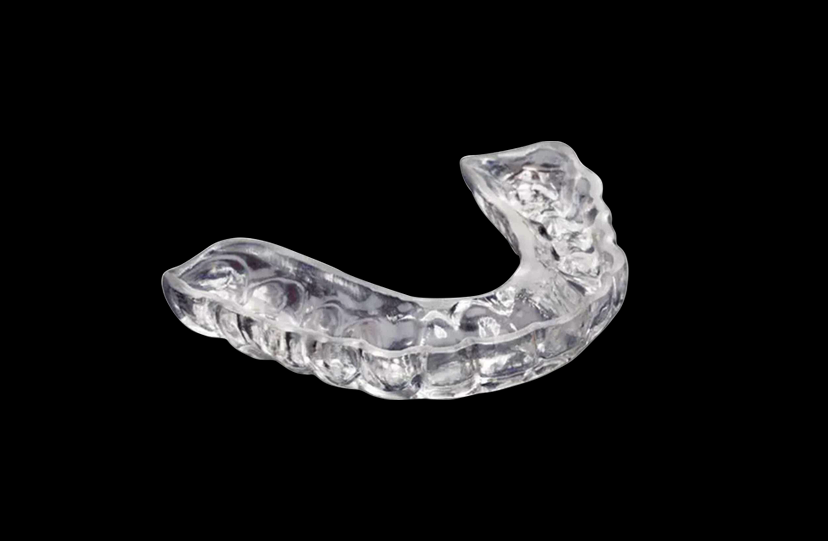
As you teach your students about good mouth care, make sure you pay special attention to the interproximal and margin areas. Biofilm doesn't build up between teeth when you use dental floss, interdental brushes, or water flossers. Nightguards protect restorations in people who brux by spreading occlusal forces and stopping metal wear. Do not chew ice, hard sweets, or anything else that requires too much force, as it could hurt the cementation or the teeth next to you.
Professional Maintenance Protocols
Set up regular recall exams every six months so that clinicians can check the marginal integrity, continuity of the cement seal, and stability of the occlusal relationship. X-rays can find silent cavities developing at the edges of teeth before they do a lot of damage. Professional prevention gets rid of layers that could be home to acid-producing bacteria. Take care of any movement, sensitivity, or gingival redness right away if they show signs of cement failure or secondary disease.
Service Life Expectations
When made correctly and kept up, cast metal crowns usually last 20 to 30 years, and many last longer than 40 years[6]. How long something lasts depends on how well the patient takes care of it, how strong the occlusal forces are, how well they clean their teeth, and how well the restoration is done. High-noble alloys last longer than base-metal options, which makes the higher original cost worth it because they don't need to be serviced as often. When clinic operations managers figure out cost-per-year measures, they find that cast metal is the best option, even though it costs more up front.
Key Takeaways
Full Cast Metal Crown restorations are proven to work in difficult back teeth cases that need to last a long time and be easy to care for. The better marginal adaptation of a Full Cast Metal Crown lowers the number of remakes needed, and the minimal preparation needed keeps the natural tooth structure. When choosing a material, you have to weigh the limits of how it looks against the unique benefits of durability and biocompatibility offered by a Full Cast Metal Crown. When reviewing sellers, people in charge of buying things should put quality of the goods, following the rules, and on-time delivery above price alone for Full Cast Metal Crown restorations. These restorations can last for decades if the right cases are chosen, they are made correctly in the lab, and the patients take care of them. The technology's professional track record of more than 100 years shows that the Full Cast Metal Crown is still useful, even though there are newer ceramic options.
FAQ
What is a Full Cast Metal Crown?
A Full Cast Metal Crown is a single-unit dental restoration made entirely from dental metal alloy. It is commonly used for posterior teeth where strength, durability, limited interocclusal space, and conservative tooth preparation are important considerations. Depending on the alloy selected, Full Cast Metal Crowns can be made from high-noble, noble, or base-metal alloys.
When is a Full Cast Metal Crown recommended?
A Full Cast Metal Crown may be considered for posterior teeth with extensive structural damage, heavy occlusal forces, bruxism, limited interocclusal clearance, or when a durable restoration with relatively conservative tooth preparation is required. The final choice should be based on the patient's clinical condition, occlusion, available space, esthetic requirements, and the dentist's treatment plan.
Are Full Cast Metal Crowns suitable for patients with bruxism?
Full Cast Metal Crowns can be suitable for posterior patients with heavy bruxism because metal alloys can tolerate repeated occlusal loading without the same fracture behavior seen in some brittle restorative materials. However, case selection, occlusal design, preparation, and material selection remain important factors in long-term performance.
How much tooth structure needs to be removed for a Full Cast Metal Crown?
Full Cast Metal Crowns can generally be prepared with less occlusal reduction than many ceramic restorations. The article's clinical guidelines describe approximately 0.5 to 1 mm of horizontal reduction and additional occlusal clearance depending on the functional requirements of the tooth. The exact preparation design should be determined by the treating dentist according to the clinical case and selected alloy.
Can a Full Cast Metal Crown work with only 0.5 mm clearance?
When bonded with resin-modified cements, high-noble alloys can technically work at a thickness of 0.5 mm on functional cusps. However, a clearance of 1.0 to 1.5 mm can provide greater flexibility for strength and casting accuracy. When interocclusal space is limited, the dentist should evaluate retention, preparation geometry, occlusion, and the selected alloy before determining the final design.
Which is better for posterior teeth: Full Cast Metal Crowns or zirconia crowns?
Neither material is universally better for every posterior case. Full Cast Metal Crowns may be advantageous when conservative preparation, limited interocclusal clearance, high occlusal loads, and long-term durability are important. Zirconia may be preferred when tooth-colored esthetics are a priority. The appropriate material depends on the clinical requirements, occlusion, available space, esthetic expectations, and treatment plan.
How long do Full Cast Metal Crowns last?
Properly made and maintained cast metal crowns can have a long clinical service life. The article reports that cast metal crowns commonly last 20 to 30 years, with some lasting longer than 40 years[6]. Actual longevity depends on factors such as oral hygiene, occlusal forces, bruxism, cementation, tooth condition, restoration quality, and regular professional maintenance.
What materials are used to make Full Cast Metal Crowns?
Full Cast Metal Crowns can be fabricated from high-noble alloys, noble alloys, or base-metal alloys. High-noble alloys commonly contain gold and other noble metals, while noble alloys may include palladium and silver. Base-metal options commonly include cobalt-chromium or nickel-chromium alloys. Material selection should consider strength, biocompatibility, burnishability, cost, and the clinical requirements of the restoration.
Are Full Cast Metal Crowns biocompatible?
Dental alloys used for Full Cast Metal Crowns are selected according to their intended dental application and applicable material and regulatory requirements. High-noble and noble alloys are generally valued for their corrosion resistance and tissue compatibility. For patients with known or suspected metal sensitivities, the dentist should review the alloy composition and relevant material documentation before treatment.
How much does a Full Cast Metal Crown cost?
The cost of a Full Cast Metal Crown depends on the alloy composition, the amount and market price of precious metals, case complexity, laboratory workflow, and customization requirements. The article describes a general cost range of approximately $300–800 per unit for Full Cast Metal Crowns, while high-noble alloy crowns may have higher material-related costs. Actual laboratory pricing varies by supplier and case requirements.
How do I choose a Full Cast Metal Crown dental laboratory?
When choosing a dental laboratory for Full Cast Metal Crowns, dental practices should evaluate manufacturing capability, alloy documentation, quality control procedures, marginal accuracy, turnaround time, communication, warranty terms, and regulatory credentials. It is also useful to review representative case examples and confirm that the laboratory can consistently meet the clinic's design and delivery requirements.
How long does it take to manufacture a Full Cast Metal Crown?
Production time depends on the laboratory's workflow, case complexity, design requirements, and shipping arrangements. Standard production for common cases may take several business days, while urgent cases may require expedited processing. Dental practices should confirm the actual production and shipping schedule with the laboratory before submitting a case.
Can Full Cast Metal Crowns be used for bridge abutments?
Yes. Full Cast Metal Crowns can be used as retainers or abutment restorations for fixed partial dentures when the clinical conditions are appropriate. Their strength, conservative preparation requirements, and ability to accommodate customized designs can make them useful in selected posterior bridge cases.
Are Full Cast Metal Crowns suitable when there is limited interocclusal space?
Full Cast Metal Crowns can be considered when interocclusal space is limited because metal restorations can achieve functional strength with relatively limited thickness. This can be useful in cases involving reduced vertical dimension, supraerupted opposing teeth, or short clinical crowns. The dentist should determine the required clearance based on the selected alloy, occlusion, preparation, and clinical situation.
What is the difference between high-noble, noble, and base-metal crowns?
High-noble alloys contain a high proportion of noble metals and are valued for properties such as corrosion resistance and burnishability. Noble alloys provide an alternative balance of material properties and cost. Base-metal alloys such as cobalt-chromium and nickel-chromium provide high strength and lower material costs, although their hardness can make laboratory finishing and adjustment more demanding. The best option depends on the clinical and laboratory requirements of the case.
Why choose HYC for Full Cast Metal Crown restorations?
HYC has 22 years of experience in dental restorations and provides precision-cast metal restorations for dental professionals. The company states that its factory is FDA-registered, CE-certified, and ISO 13485:2016-compliant, with standard 3-day dispatch and a total turnaround time of 4–5 days for applicable cases. Dental practices can contact HYC to discuss case requirements, material options, turnaround expectations, and laboratory specifications.
What is a Full Cast Metal Crown?
A Full Cast Metal Crown is a single-unit dental restoration made entirely from dental metal alloy. It is commonly used for posterior teeth where strength, durability, limited interocclusal space, and conservative tooth preparation are important considerations. Depending on the alloy selected, Full Cast Metal Crowns can be made from high-noble, noble, or base-metal alloys.
When is a Full Cast Metal Crown recommended?
A Full Cast Metal Crown may be considered for posterior teeth with extensive structural damage, heavy occlusal forces, bruxism, limited interocclusal clearance, or when a durable restoration with relatively conservative tooth preparation is required. The final choice should be based on the patient's clinical condition, occlusion, available space, esthetic requirements, and the dentist's treatment plan.
Are Full Cast Metal Crowns suitable for patients with bruxism?
Full Cast Metal Crowns can be suitable for posterior patients with heavy bruxism because metal alloys can tolerate repeated occlusal loading without the same fracture behavior seen in some brittle restorative materials. However, case selection, occlusal design, preparation, and material selection remain important factors in long-term performance.
How much tooth structure needs to be removed for a Full Cast Metal Crown?
Full Cast Metal Crowns can generally be prepared with less occlusal reduction than many ceramic restorations. The article's clinical guidelines describe approximately 0.5 to 1 mm of horizontal reduction and additional occlusal clearance depending on the functional requirements of the tooth. The exact preparation design should be determined by the treating dentist according to the clinical case and selected alloy.
Can a Full Cast Metal Crown work with only 0.5 mm clearance?
When bonded with resin-modified cements, high-noble alloys can technically work at a thickness of 0.5 mm on functional cusps. However, a clearance of 1.0 to 1.5 mm can provide greater flexibility for strength and casting accuracy. When interocclusal space is limited, the dentist should evaluate retention, preparation geometry, occlusion, and the selected alloy before determining the final design.
Which is better for posterior teeth: Full Cast Metal Crowns or zirconia crowns?
Neither material is universally better for every posterior case. Full Cast Metal Crowns may be advantageous when conservative preparation, limited interocclusal clearance, high occlusal loads, and long-term durability are important. Zirconia may be preferred when tooth-colored esthetics are a priority. The appropriate material depends on the clinical requirements, occlusion, available space, esthetic expectations, and treatment plan.
How long do Full Cast Metal Crowns last?
Properly made and maintained cast metal crowns can have a long clinical service life. The article reports that cast metal crowns commonly last 20 to 30 years, with some lasting longer than 40 years. Actual longevity depends on factors such as oral hygiene, occlusal forces, bruxism, cementation, tooth condition, restoration quality, and regular professional maintenance.
What materials are used to make Full Cast Metal Crowns?
Full Cast Metal Crowns can be fabricated from high-noble alloys, noble alloys, or base-metal alloys. High-noble alloys commonly contain gold and other noble metals, while noble alloys may include palladium and silver. Base-metal options commonly include cobalt-chromium or nickel-chromium alloys. Material selection should consider strength, biocompatibility, burnishability, cost, and the clinical requirements of the restoration.
Are Full Cast Metal Crowns biocompatible?
Dental alloys used for Full Cast Metal Crowns are selected according to their intended dental application and applicable material and regulatory requirements. High-noble and noble alloys are generally valued for their corrosion resistance and tissue compatibility. For patients with known or suspected metal sensitivities, the dentist should review the alloy composition and relevant material documentation before treatment.
How much does a Full Cast Metal Crown cost?
The cost of a Full Cast Metal Crown depends on the alloy composition, the amount and market price of precious metals, case complexity, laboratory workflow, and customization requirements. The article describes a general cost range of approximately $300–800 per unit for Full Cast Metal Crowns, while high-noble alloy crowns may have higher material-related costs. Actual laboratory pricing varies by supplier and case requirements.
How do I choose a Full Cast Metal Crown dental laboratory?
When choosing a dental laboratory for Full Cast Metal Crowns, dental practices should evaluate manufacturing capability, alloy documentation, quality control procedures, marginal accuracy, turnaround time, communication, warranty terms, and regulatory credentials. It is also useful to review representative case examples and confirm that the laboratory can consistently meet the clinic's design and delivery requirements.
How long does it take to manufacture a Full Cast Metal Crown?
Production time depends on the laboratory's workflow, case complexity, design requirements, and shipping arrangements. Standard production for common cases may take several business days, while urgent cases may require expedited processing. Dental practices should confirm the actual production and shipping schedule with the laboratory before submitting a case.
Can Full Cast Metal Crowns be used for bridge abutments?
Yes. Full Cast Metal Crowns can be used as retainers or abutment restorations for fixed partial dentures when the clinical conditions are appropriate. Their strength, conservative preparation requirements, and ability to accommodate customized designs can make them useful in selected posterior bridge cases.
Are Full Cast Metal Crowns suitable when there is limited interocclusal space?
Full Cast Metal Crowns can be considered when interocclusal space is limited because metal restorations can achieve functional strength with relatively limited thickness. This can be useful in cases involving reduced vertical dimension, supraerupted opposing teeth, or short clinical crowns. The dentist should determine the required clearance based on the selected alloy, occlusion, preparation, and clinical situation.
What is the difference between high-noble, noble, and base-metal crowns?
High-noble alloys contain a high proportion of noble metals and are valued for properties such as corrosion resistance and burnishability. Noble alloys provide an alternative balance of material properties and cost. Base-metal alloys such as cobalt-chromium and nickel-chromium provide high strength and lower material costs, although their hardness can make laboratory finishing and adjustment more demanding. The best option depends on the clinical and laboratory requirements of the case.
Why choose HYC for Full Cast Metal Crown restorations?
HYC has 22 years of experience in dental restorations and provides precision-cast metal restorations for dental professionals. The company states that its factory is FDA-registered, CE-certified, and ISO 13485:2016-compliant, with standard 3-day dispatch and a total turnaround time of 4–5 days for applicable cases. Dental practices can contact HYC to discuss case requirements, material options, turnaround expectations, and laboratory specifications.
Partner with HYC: Your Trusted Full Cast Metal Crown Manufacturer
HYC has been making specialized tooth restorations for 22 years and can help you with your most difficult posterior cases with precision-cast metal crowns. Our factory is FDA-registered, CE-certified, and ISO 13485:2016-compliant, and they only use biocompatible, FDA-listed alloy materials. This supports compliance requirements in foreign markets. We know that procurement professionals have trouble with fit accuracy and delivery times. Our streamlined workflow allows for standard 3-day dispatch and a total turnaround time of 3-5 days, plus flash production for urgent cases that need to be sent the next day. Every restoration is made from scratch to match your exact design specifications. It also comes with a full warranty that covers two years of fixed damage and one year of removable damage, as well as free repair or replacement. Our consistently low rate of remakes and high accuracy of first-time fits cut down on your chair time and make patients happier. Get in touch with info@hycdentallab.com right away to talk about your case and see for yourself why HYC is the preferred Full Cast Metal Crown supplier for dental professionals all over the world.
References
1. Gibbs CH, et al. Limits of human bite strength. The Journal of Prosthetic Dentistry. 1986. https://www.thejpd.org/article/0022-3913(86)90480-4/fulltext
2. Shillingburg HT, et al. Fundamentals of Fixed Prosthodontics, 4th Edition. Quintessence Publishing. 2012. https://www.quintpub.com/usj/books/book_chapters/bc_086715471.pdf
3. Pjetursson BE, et al. A systematic review of the survival and complication rates of all-ceramic and metal-ceramic reconstructions. Clinical Oral Implants Research. 2007. https://onlinelibrary.wiley.com/doi/10.1111/j.1600-0501.2007.01467.x
4. Contrepois M, et al. Marginal adaptation of ceramic crowns: a systematic review. The Journal of Prosthetic Dentistry. 2013. https://www.thejpd.org/article/S0022-3913(13)00334-6/fulltext
5. Rosenstiel SF, et al. Contemporary Fixed Prosthodontics, 5th Edition. Elsevier. 2016. https://evolve.elsevier.com/cs/product/9780323080118
6. Walton JN. A 10-year longitudinal study of fixed prosthodontics. International Journal of Prosthodontics. 1999. https://www.quintpub.com/usj/journals/ijp/abstract.php?article_id=4254
YOU MAY LIKE

.webp "Full Gold Crown (FGC)")