Why Are Full Cast Metal Crowns Used for High-Load Posterior Restorations?
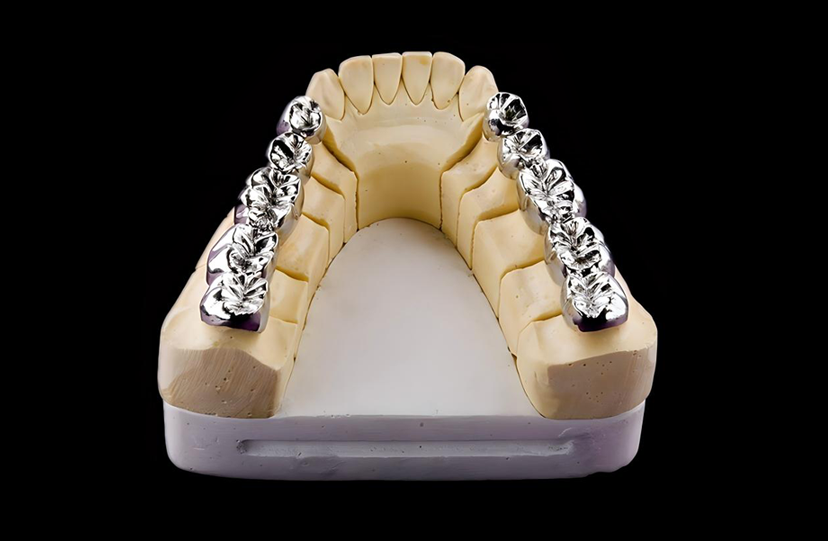
Full Cast Metal Crowns are still the best choice for high-load posterior restorations because they are very strong, don't need much tooth reduction, and last for decades. These restorations, which are made from high-noble gold, noble palladium alloys, or base-metal cobalt-chromium, are very strong and don't break easily. This makes them perfect for molars that are subjected to strong biting forces, people who bruxism, and the teeth that hold up fixed bridges. Full Cast Metal Crowns don't chip when you bite down hard as ceramic crowns do, and they keep as much of your natural tooth structure as possible.
Introduction
When you chew, you put a lot of mechanical stress on your posterior teeth. In people with parafunctional habits, these forces are over 800 Newtons. The hardest thing for dental labs and clinics is choosing replacements that can last in these high-load settings without breaking or needing to be replaced all the time. Even though ceramics have come a long way, cast metal replacements are still the most popular choice in situations where durability and performance are more important than how they look.
Full Cast Metal Crown restorations are a durable and accurate option for restoring back teeth that are damaged or affected by bruxism. They are also suitable for cases with limited interocclusal space or significant structural damage. These crowns are made from high-noble gold, noble palladium alloys, or base-metal cobalt-chromium. They provide low marginal leakage, strong resistance to fracture, and can have a long clinical service life. Their thin design helps preserve healthy tooth structure and makes them reliable when high occlusal forces are applied.
Introduction
Chewing forces that can be higher than 700 Newtons for people who clench their teeth frequently can be hard on posterior dental restorations [1]. In these demanding conditions, traditional all-ceramic and porcelain-fused-to-metal methods may present challenges because the materials can fracture or delaminate where the porcelain meets the metal. More and more dental labs and prosthodontists are recognizing that metal casting technology can help with these clinical situations because it uses established material science and production accuracy. The global market for dental crowns continues to focus on long-lasting, biocompatible, and well-fitting options. Cast metal restorations show clear benefits in these areas. Now, procurement managers in DSOs and private offices look at these restorations not just as compromises in terms of appearance, but also as decisions based on evidence for certain clinical situations that need predictable long-term results.
What Are Full Cast Metal Crowns?
Definition and Core Characteristics
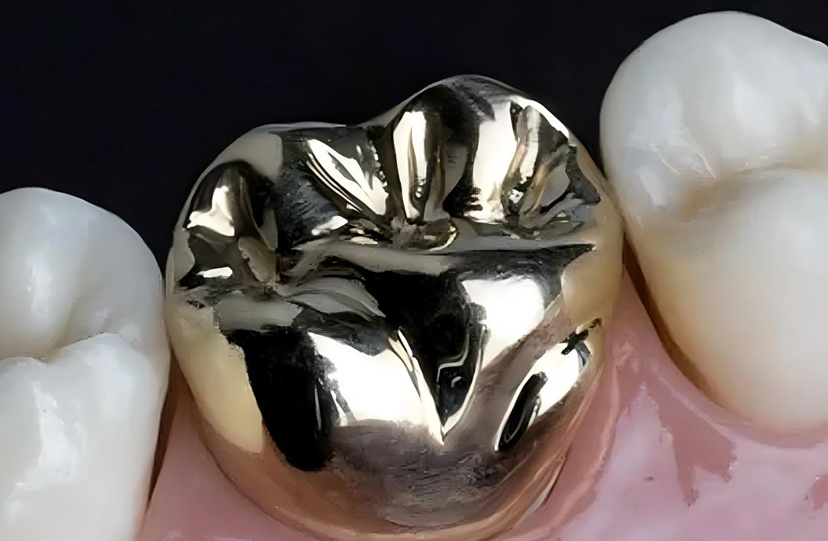
The term "Full Cast Metal Crown" refers to a single-unit prosthetic restoration made entirely of dental alloys using precision casting techniques. Unlike layered restorations that have metal bases and ceramic veneers on top of them, these crowns are made of a single type of material throughout. The casting method lets metal flow into carefully prepared molds, making detailed copies of tooth anatomy. Material selection is based on three main types of alloys: high-noble alloys with more than 60% noble metals, noble alloys with palladium and silver, and base-metal alloys with cobalt-chromium or nickel-chromium compositions.
Working Principles
The restoration works by mechanically retaining the prepared tooth structure and through cementation to the prepared tooth surface. When dentists prepare the tooth, they generally make a horizontal reduction of 0.5 to 1 mm and a taper angle of 3 to 6 degrees. This sets up a clear path for placement. The occlusal surface gets additional space, depending on the clinical requirements, and functional cusps may require additional bevels [2]. This shape makes it possible for the cast crown to seat properly while the margins adapt closely. High-noble alloys are especially good at burnishability, which means they can be cold-worked chairside to improve marginal adaptation.
Benefits
Extending Restoration Lifespan
At 10-year follow-ups, clinical studies show that properly made cast metal restorations can have high survival rates [3]. Because they can last longer, they may not need to be replaced as often, which can help reduce costs for both practices and patients. Dental lab owners can also benefit from fewer remake and emergency reproduction orders. The longevity comes from the way metal distributes stress under cyclic loading, which can reduce stress concentration points associated with fracture.
Preserving Natural Tooth Structure
Dental tissue that can't be replaced once it is removed can be preserved with minimal preparation. All-ceramic crowns often require greater occlusal reduction, while cast metal can provide adequate strength at a relatively limited thickness. This preservation can be helpful when future restorative treatment may be required, since excessive reduction can weaken the remaining tooth structure and affect pulpal health. When purchasing managers look at case flow, this factor can also reduce preparation time and associated chairside costs.
Protecting Opposing Dentition
High-noble gold alloys have wear characteristics that can be close to those of natural enamel. This can support balanced occlusal relationships and help manage wear on opposing teeth. Base-metal options can also provide suitable wear characteristics when properly finished and contoured. This consideration is important for full-mouth rehabilitation cases because maintaining the vertical dimension and occlusal relationship can influence long-term treatment outcomes.
Advantages
Comparing cast metal crowns to other types of restorations shows that they can be technically and clinically advantageous in certain situations. When making a purchasing choice, these benefits can directly affect factors such as the number of remakes, delivery reliability, and regulatory compliance.
Resistance to Fracture: Cast metals can handle high chewing forces without the same fracture behavior seen in some brittle restorative materials. Zirconia crowns may fracture under certain loading conditions, while metal restorations can tolerate deformation without immediate fracture. This quality is important for people who have bruxism because parafunction can create repeated stresses that are higher than normal chewing loads. Lab technicians also value the forgiving nature of metal restorations during fabrication and adjustment.
Marginal Adaptation: The lost-wax casting method can achieve close marginal adaptation when the impression, wax pattern, investment, casting, and finishing procedures are properly controlled. This accuracy can help reduce marginal discrepancies and the risk of plaque accumulation at the crown margin. When prosthodontists choose restorative materials for fixed partial dentures, marginal accuracy is an important consideration.
Customization Flexibility: During the waxing and casting stages, each restoration receives specific design attention, allowing structural customization to match the patient's occlusal scheme. CAD/CAM processes also provide extensive design options, while handmade wax-ups can accommodate different occlusal relationships, proximal contact setups, and embrasure forms. This adaptability is important when restoring teeth that are tilted or out of position and require customized emergence profiles.
Biocompatibility and Tissue Response: Noble metal alloys are valued for their corrosion resistance and tissue compatibility. Gold-platinum-palladium alloys are resistant to corrosion in the oral environment. Base-metal options that contain nickel may cause hypersensitivity in susceptible individuals. For patients with known or suspected metal sensitivities, the alloy composition and applicable material documentation should be reviewed before treatment.
Disadvantages
Aesthetic Limitations
Because a Full Cast Metal Crown has a metallic appearance, it is generally more suitable for posterior areas where esthetics are not the primary concern. People with wide smiles or high lip lines may be able to see posterior restorations when smiling or speaking. Because of this limitation, Full Cast Metal Crown cases must be carefully selected, and patients should be involved in treatment planning. In suitable posterior cases, a Full Cast Metal Crown can still provide a durable restoration when appearance is not the primary concern.
Material Cost Variability
The prices of high-noble alloys change with the prices of precious metals, which can make it difficult for dental labs to plan material costs. Gold prices have a direct effect on the cost of making crowns. To deal with this variability, supply chain managers may use price adjustment or pass-through pricing models. Base-metal alternatives are generally more stable in terms of material price, but they have different clinical and handling characteristics.
Technical Sensitivity
To get the best results, you need precise impression methods, correct interocclusal records, and lab technicians with appropriate experience. If elastomeric impressions change shape or the wax design changes during investment, it can affect the final fit. Results may be less consistent in labs that do not have appropriate infrastructure for quality control. Because fabrication depends on multiple technical steps, evaluating suppliers is very important. This means looking at manufacturing procedures, quality control systems, and worker training programs.
Comparison with Alternative Crown Solutions
Knowing the differences in performance helps procurement professionals match the right type of restoration to the patient's needs:
| Factor | Full Cast Metal | Porcelain-Fused-to-Metal | Zirconia | Pressed Ceramic |
|---|---|---|---|---|
| Fracture Resistance | Excellent | Moderate to Good | Good | Moderate |
| Marginal Accuracy | High | Good | Good | Good |
| Tooth Preparation | Conservative | Moderate | Moderate to Aggressive | Moderate to Aggressive |
| Opposing Wear | Low when properly finished | Low to Moderate | Material-dependent | Low to Moderate |
| Service Life | Long clinical service life | Long clinical service life | Long clinical service life | Long clinical service life |
| Aesthetic Result | Metallic | Good | Excellent | Excellent |
| Cost Range | Varies by alloy | Varies by alloy | Varies by material | Varies by material |
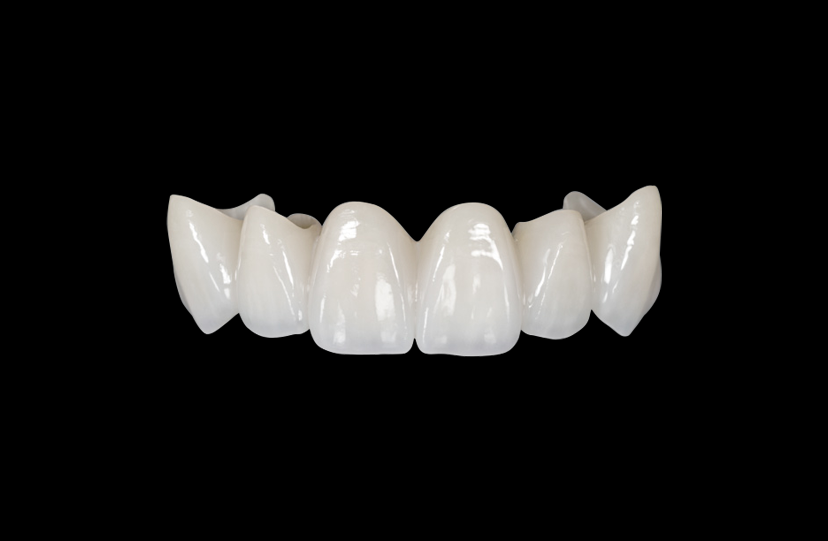
Cast metal solutions are suitable for durability and conservative preparation, but they do not provide the tooth-colored appearance of ceramic restorations. When it comes to semi-aesthetic areas, zirconia provides a tooth-colored alternative, while pressed ceramics can be considered when esthetics are a primary concern. When purchasing managers weigh cost against durability, cast metal can be a suitable choice for posterior uses where appearance is less important.
Clinical Indications
Posterior Teeth with Extensive Damage
Full-coverage protection may be needed for molars with large cavities, multiple failing restorations, or fracture lines. Cast metal crowns can restore the structure and distribute occlusal forces across the remaining tooth structure. Teeth that have been treated endodontically may also require full-coverage restoration because their remaining tooth structure can be more susceptible to fracture.
Heavy Bruxism and Parafunctional Habits
Restorative materials are exposed to significant stress when patients show wear facets, increased muscle activity, or report grinding. Because metal alloys can tolerate repeated loading, they can be considered for selected cases involving heavy occlusal forces. Implant specialists may also consider metal abutment crowns when force distribution and restoration durability are important.
Limited Interocclusal Clearance
When there is loss of vertical dimension, supraerupted opposing teeth, or clinical crowns that are naturally short, there may not be enough room for ceramic restorations with greater material thickness. Cast metal can provide functional strength at a relatively limited thickness, making it useful in selected cases where restorative space is limited.
Abutment Teeth for Fixed Bridges
For multi-unit fixed restorations, the need for retention and force distribution makes cast metal a suitable option in selected cases. When prosthodontists create complicated reconstructions, cast metal retainers can provide a durable framework when the clinical conditions and preparation design are appropriate.
Materials
High-Noble Alloys
High-noble alloys contain a high proportion of noble metals and are commonly selected for their corrosion resistance, tissue compatibility, and burnishability. Gold, platinum, and palladium compositions can provide favorable handling and clinical properties. Their yellowish color makes a Full Cast Metal Crown less suitable for highly cosmetic areas. For posterior restorations, a Full Cast Metal Crown can provide a durable and clinically practical solution when strength and longevity are priorities.
Noble Alloys
Palladium-silver mixtures with additional alloying elements can provide a balance between clinical performance and material cost. These white-metal alloys can provide high strength and corrosion resistance while generally costing less than high-noble compositions. However, their greater hardness can make chairside adjustment and finishing more demanding. Dental labs may choose these metals when they need to balance clinical performance with cost considerations.
Base-Metal Alloys
Cobalt-chromium or nickel-chromium alloys are used when high strength and lower material costs are priorities. Their hardness can make laboratory finishing more demanding, but they can provide stable mechanical performance. Nickel-containing alloys may cause hypersensitivity in susceptible patients, so the alloy composition should be reviewed carefully when a patient has a known metal sensitivity.
Manufacturing Workflow
Impression and Model Fabrication
The process starts with precise elastomeric impressions that show the shape of the prepared teeth, adjacent teeth, and the relationship between the opposing arches. Retraction methods help ensure that the gingival tissue and preparation margins are clearly recorded. Lab workers pour Type IV or V dental stone to make master dies that are stable in terms of size. Using facebow transfers and interocclusal records to mount an articulator makes it possible to simulate the jaw relationship accurately.
Wax Pattern Development
Certified dental technicians create wax patterns directly on dies, making anatomical crown contours that match the shape of neighboring teeth. The design of the occlusal surface includes cusp angles, fossa depths, and groove patterns that support appropriate occlusion and function. Careful attention is paid to margin adaptation, making sure that the wax ends at the preparation finish lines without gaps or overextensions. This hand-crafted skill allows customization that takes into account anatomical differences.
Investment and Burnout
When the wax models are completed, they are attached to sprue devices that guide the molten metal during casting. Patterns are placed inside casting rings with investment material that may be phosphate-bonded or silica-based. The rings are then heated in controlled cycles. As the temperature rises, the wax is eliminated, leaving investment cavities that reproduce the original wax pattern and are ready to receive liquid metal.
Casting and Finishing
During centrifugal or vacuum-pressure casting, molten metal is pushed into investment cavities. The final crown shapes are then solidified during cooling. After the investment is removed, the castings may undergo appropriate heat treatment depending on the alloy. Technicians remove sprues, smooth the edges, adjust occlusal contacts against articulated opposing models, and polish the surfaces. Before final shipment, quality control procedures are used to check marginal adaptation and overall fit.

Cost Factors Influencing Procurement Decisions
Material Composition
Pricing is based partly on the amount and type of precious metals in an item. Base-metal crowns generally cost less in material terms, while high-noble crowns made with gold and platinum can have higher material costs based on precious-metal prices. When negotiating volume contracts, purchasing managers need to be aware of price adjustment terms that take into account changes in the precious-metal market. Some labs use metal-neutral price models, which means that they charge lab fees separately from the cost of materials. This can make budgeting easier.
Production Complexity
Standard single-crown cases have streamlined workflows, but technicians need more time to work on cases with complex geometries such as tilted teeth, unusual emergence profiles, and custom occlusal schemes. Abutment crowns for bridges require precise margin placement and connector design, which can increase production costs. Rush production may also involve additional charges to cover overtime labor and faster shipping.
Customization Requirements
Fully customizable wax-ups that match individual clinical requirements can cost more than designs based on standard templates. Some labs have different levels of pricing for standard, premium, and custom work, which lets clinics match the level of service to the complexity of the case. Standardized methods are often negotiated by high-volume DSOs in exchange for lower per-unit costs.
Regulatory Compliance Verification
Products such as a Full Cast Metal Crown going to regulated markets may require appropriate regulatory documentation, establishment registration where applicable, quality-system certification, and evidence that the materials meet applicable requirements. These costs are built into the prices that suppliers with established compliance programs charge for Full Cast Metal Crown products. Instead of choosing based only on price, quality assurance teams should check the regulatory credentials and material documentation of suppliers during the evaluation process. Choosing a compliant supplier helps support quality, traceability, and regulatory requirements.
How to Choose a Supplier
Manufacturing Capability Assessment
During supplier checks, look at the facilities for quality control, production capacity, and technology platforms. Facilities with skilled technicians, appropriate casting tools, and well-documented quality control systems can support consistent restoration quality. Ask for case examples that show how accurately the margins are reproduced, how well the dental anatomy is recreated, and how the surface finish is completed. Small to medium-sized labs may be better at special work, while larger labs may be able to handle higher case volumes.
Regulatory Credentials Verification
Make sure that products going into regulated areas have the appropriate FDA establishment registration, ISO 13485:2016 certification, and applicable CE marking or documentation. Ask for records of analysis showing that the material meets applicable biocompatibility requirements. Suppliers who maintain these credentials demonstrate a commitment to quality systems and regulatory requirements. Regulatory affairs teams should verify the legitimacy of certificates with the relevant issuing or regulatory bodies.
Delivery Performance and Logistics
Check both normal production times and emergency production options. Reliable suppliers should maintain appropriate production capacity for urgent orders. For international packages to move smoothly, suppliers should have established shipping procedures and experience with customs documentation and international couriers. Operations managers should monitor on-time delivery rates and damage-free arrivals.
Technical Support and Warranty Coverage
Responding to customer questions about cases, handling remake requests, and providing professional technical support adds value beyond simply delivering the product. Warranty terms that cover repairs and replacements can help protect dental practices against eligible manufacturing issues. When suppliers offer free remakes during applicable warranty periods, it can provide additional support for dental practices.
Communication Efficiency
Successful partnerships need clear communication channels, responsive case managers, and defined procedures for resolving problems. During trial collaborations, look at how quickly emails are answered, how technical questions are handled, and how easily design changes can be communicated. Language skills and the ability to work across different time zones are important, especially for international purchasing agreements.
Maintenance and Longevity Optimization
Patient Care Instructions
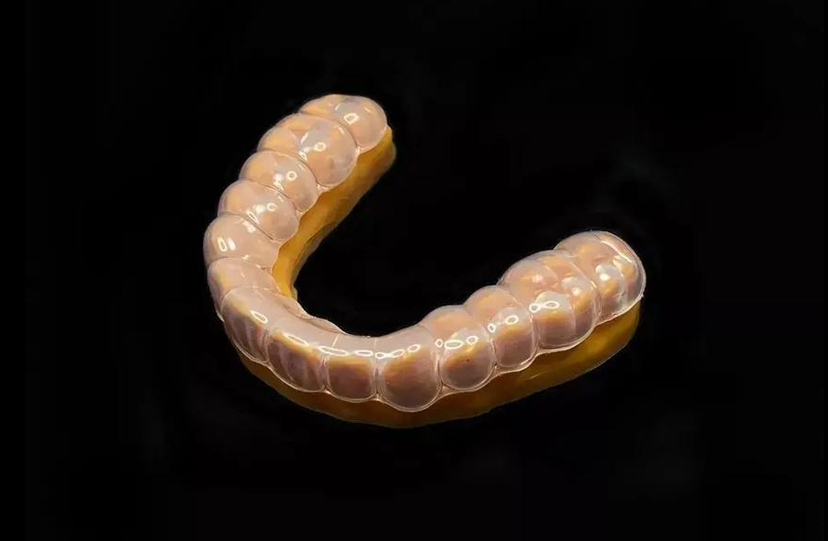
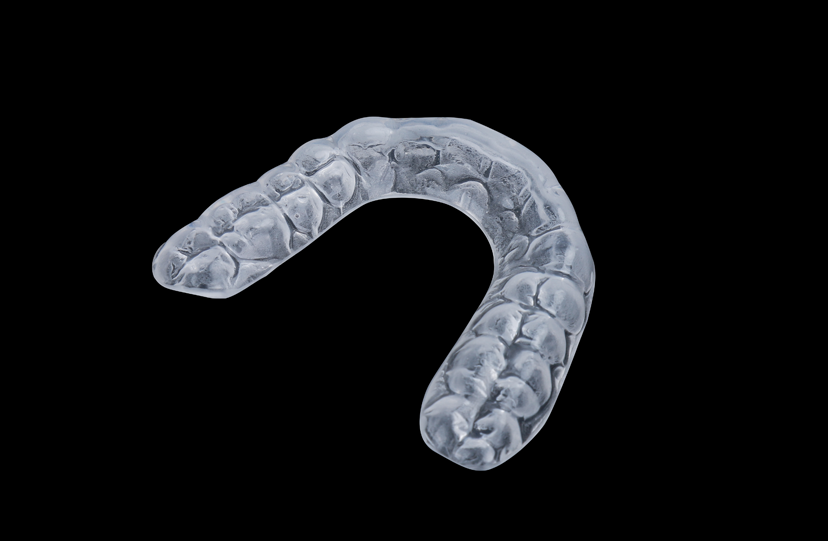
As you teach your patients about good oral care, make sure you pay special attention to the interproximal and margin areas. Dental floss, interdental brushes, and water flossers can help support oral hygiene between teeth. Nightguards may be recommended for patients who brux by helping manage occlusal forces. Patients should avoid chewing ice, hard sweets, or other extremely hard objects that could damage the restoration, cement, or adjacent teeth.
Professional Maintenance Protocols
Set up regular recall examinations so that clinicians can check marginal integrity, the cement seal, and the stability of the occlusal relationship. X-rays may help identify caries developing around restoration margins when clinically indicated. Professional preventive care can help reduce plaque and calculus accumulation. Any movement, sensitivity, or gingival redness should be evaluated promptly if they may indicate cement failure or another clinical problem.
Service Life Expectations
When properly made and maintained, cast metal crowns can have a long clinical service life. Actual longevity depends on factors such as oral hygiene, occlusal forces, bruxism, cementation, tooth condition, restoration quality, and regular professional maintenance. High-noble alloys may provide favorable long-term performance, although their higher initial material cost should be considered. When clinic operations managers calculate cost per year, they should consider both the initial price and expected clinical service life.
Key Takeaways
Full Cast Metal Crown restorations are a well-established option for difficult posterior cases that require durability and conservative preparation. The close marginal adaptation possible with a properly fabricated Full Cast Metal Crown can help reduce the need for adjustments and remakes, while the relatively limited preparation can help preserve natural tooth structure. When choosing a material, dentists need to weigh esthetic limitations against the benefits of durability, strength, and material properties. When reviewing suppliers, purchasing teams should consider quality, regulatory documentation, delivery performance, communication, and warranty terms rather than price alone. These restorations can provide long-term service when the right cases are selected, they are fabricated correctly, and patients maintain good oral hygiene and regular professional care.
FAQ
What is a Full Cast Metal Crown?
A Full Cast Metal Crown is a single-unit dental restoration made entirely from dental metal alloy. It is commonly used for posterior teeth where strength, durability, limited interocclusal space, and conservative tooth preparation are important considerations. Depending on the alloy selected, Full Cast Metal Crowns can be made from high-noble, noble, or base-metal alloys.
When is a Full Cast Metal Crown recommended?
A Full Cast Metal Crown may be considered for posterior teeth with extensive structural damage, heavy occlusal forces, bruxism, limited interocclusal clearance, or when a durable restoration with relatively conservative tooth preparation is required. The final choice should be based on the patient's clinical condition, occlusion, available space, esthetic requirements, and the dentist's treatment plan.
Are Full Cast Metal Crowns suitable for patients with bruxism?
Full Cast Metal Crowns can be suitable for selected posterior patients with heavy bruxism because metal alloys can tolerate repeated occlusal loading. However, case selection, occlusal design, preparation, and material selection remain important factors in long-term performance.
How much tooth structure needs to be removed for a Full Cast Metal Crown?
Full Cast Metal Crowns can generally be prepared with less occlusal reduction than many ceramic restorations. The exact preparation design should be determined by the treating dentist according to the clinical case, occlusion, preparation geometry, and selected alloy.
Can a Full Cast Metal Crown work with limited clearance?
Yes. Full Cast Metal Crowns can be considered when interocclusal space is limited because metal restorations can achieve functional strength with relatively limited thickness. The dentist should evaluate retention, preparation geometry, occlusion, and the selected alloy before determining the final design.
Which is better for posterior teeth: Full Cast Metal Crowns or zirconia crowns?
Neither material is universally better for every posterior case. Full Cast Metal Crowns may be advantageous when conservative preparation, limited interocclusal clearance, high occlusal loads, and long-term durability are important. Zirconia may be preferred when tooth-colored esthetics are a priority. The appropriate material depends on the clinical requirements, occlusion, available space, esthetic expectations, and treatment plan.
How long do Full Cast Metal Crowns last?
Properly made and maintained cast metal crowns can have a long clinical service life. Actual longevity depends on factors such as oral hygiene, occlusal forces, bruxism, cementation, tooth condition, restoration quality, and regular professional maintenance.
What materials are used to make Full Cast Metal Crowns?
Full Cast Metal Crowns can be fabricated from high-noble alloys, noble alloys, or base-metal alloys. High-noble alloys commonly contain gold and other noble metals, while noble alloys may include palladium and silver. Base-metal options commonly include cobalt-chromium or nickel-chromium alloys. Material selection should consider strength, biocompatibility, burnishability, cost, and the clinical requirements of the restoration.
Are Full Cast Metal Crowns biocompatible?
Dental alloys used for Full Cast Metal Crowns are selected according to their intended dental application and applicable material and regulatory requirements. High-noble and noble alloys are generally valued for their corrosion resistance and tissue compatibility. For patients with known or suspected metal sensitivities, the dentist should review the alloy composition and relevant material documentation before treatment.
How much does a Full Cast Metal Crown cost?
The cost of a Full Cast Metal Crown depends on the alloy composition, the amount and market price of precious metals, case complexity, laboratory workflow, and customization requirements. Actual laboratory pricing varies by supplier and case requirements.
How do I choose a Full Cast Metal Crown dental laboratory?
When choosing a dental laboratory for Full Cast Metal Crowns, dental practices should evaluate manufacturing capability, alloy documentation, quality control procedures, marginal accuracy, turnaround time, communication, warranty terms, and regulatory credentials. It is also useful to review representative case examples and confirm that the laboratory can consistently meet the clinic's design and delivery requirements.
How long does it take to manufacture a Full Cast Metal Crown?
Production time depends on the laboratory's workflow, case complexity, design requirements, and shipping arrangements. Standard production for common cases may take several business days, while urgent cases may require expedited processing. Dental practices should confirm the actual production and shipping schedule with the laboratory before submitting a case.
Can Full Cast Metal Crowns be used for bridge abutments?
Yes. Full Cast Metal Crowns can be used as retainers or abutment restorations for fixed partial dentures when the clinical conditions are appropriate. Their strength, conservative preparation requirements, and ability to accommodate customized designs can make them useful in selected posterior bridge cases.
Are Full Cast Metal Crowns suitable when there is limited interocclusal space?
Full Cast Metal Crowns can be considered when interocclusal space is limited because metal restorations can achieve functional strength with relatively limited thickness. This can be useful in cases involving reduced vertical dimension, supraerupted opposing teeth, or short clinical crowns. The dentist should determine the required clearance based on the selected alloy, occlusion, preparation, and clinical situation.
What is the difference between high-noble, noble, and base-metal crowns?
High-noble alloys contain a high proportion of noble metals and are valued for properties such as corrosion resistance and burnishability. Noble alloys provide an alternative balance of material properties and cost. Base-metal alloys such as cobalt-chromium and nickel-chromium provide high strength and lower material costs, although their hardness can make laboratory finishing and adjustment more demanding. The best option depends on the clinical and laboratory requirements of the case.
Why choose HYC for Full Cast Metal Crown restorations?
HYC has 22 years of experience in dental restorations and provides precision-cast metal restorations for dental professionals. The company states that its factory is FDA-registered, CE-certified, and ISO 13485:2016-compliant, with standard 3-day dispatch and a total turnaround time of 4–5 days for applicable cases. Dental practices can contact HYC to discuss case requirements, material options, turnaround expectations, and laboratory specifications.
Partner with HYC: Your Trusted Full Cast Metal Crown Manufacturer
HYC has been making specialized tooth restorations for 22 years and can help with posterior cases using precision-cast metal crowns. Our factory is FDA-registered, CE-certified, and ISO 13485:2016-compliant, and we use biocompatible alloy materials with applicable documentation. This supports quality and compliance requirements in international markets. We understand that procurement professionals need reliable fit accuracy and delivery times. Our streamlined workflow allows for standard 3-day dispatch and a total turnaround time of 4–5 days for applicable fixed cases, plus expedited production options for urgent cases. Every restoration is made according to the submitted design specifications. Fixed restorations are covered by a two-year warranty according to applicable warranty terms. Our quality control process is designed to support consistent fit and reduce remakes. Get in touch with info@hycdentallab.com to discuss your case requirements and Full Cast Metal Crown supply needs.
References
-
Gibbs CH, et al. Limits of human bite strength. The Journal of Prosthetic Dentistry. 1986. The Journal of Prosthetic Dentistry
-
Shillingburg HT, et al. Fundamentals of Fixed Prosthodontics, 4th Edition. Quintessence Publishing. 2012. Quintessence Publishing
-
Pjetursson BE, et al. A systematic review of the survival and complication rates of all-ceramic and metal-ceramic reconstructions. Clinical Oral Implants Research. 2007. Wiley Online Library
-
Contrepois M, et al. Marginal adaptation of ceramic crowns: a systematic review. The Journal of Prosthetic Dentistry. 2013. The Journal of Prosthetic Dentistry
-
Rosenstiel SF, et al. Contemporary Fixed Prosthodontics, 5th Edition. Elsevier. 2016. Elsevier
-
Walton JN. A 10-year longitudinal study of fixed prosthodontics. International Journal of Prosthodontics. 1999. Quintessence Publishing
YOU MAY LIKE
_1779414398631.webp "Malong Bridge(All-on-X)")
.webp "Silver-Palladium PFM (Ag-Pd)")