Why Are FCZ Full Contour Zirconia Crowns Popular in Dental Labs?
Quick Answer
FCZ (Full Contour Zirconia) crowns are widely used in dental laboratories due to their high strength (900-1200 MPa flexural strength), reduced chipping risks, fast digital CAD/CAM production workflow, and durability for posterior restorations. These monolithic zirconia restorations address common challenges including remake rates, time-consuming fabrication, and structural failures associated with layered ceramics. The material's biocompatibility, combined with reliable first-time fit accuracy, makes it a suitable solution for labs serving demanding clinical cases.
Introduction
The dental restoration industry has witnessed a significant transformation over the past decade. Traditional porcelain-fused-to-metal (PFM) and layered zirconia restorations once dominated the market, yet they presented persistent challenges: porcelain chipping, unpredictable fractures, and labor-intensive fabrication processes. Dental laboratories faced mounting pressure from clinics demanding faster turnaround times, lower remake rates, and restorations capable of withstanding heavy occlusal forces.
Full-contour zirconia emerged as a solution to these industry-wide challenges. As digital dentistry advanced and CAD/CAM technology became more accessible, labs discovered they could mill entire crowns from single zirconia blocks without layering fragile porcelain. This manufacturing shift addressed the structural limitations of traditional restorations while improving production efficiency. Today, monolithic zirconia is widely used in dental prosthetics, particularly in markets requiring high-volume, standardized quality output for multi-location practices and dental service organizations.
What is FCZ (Full Contour Zirconia)?
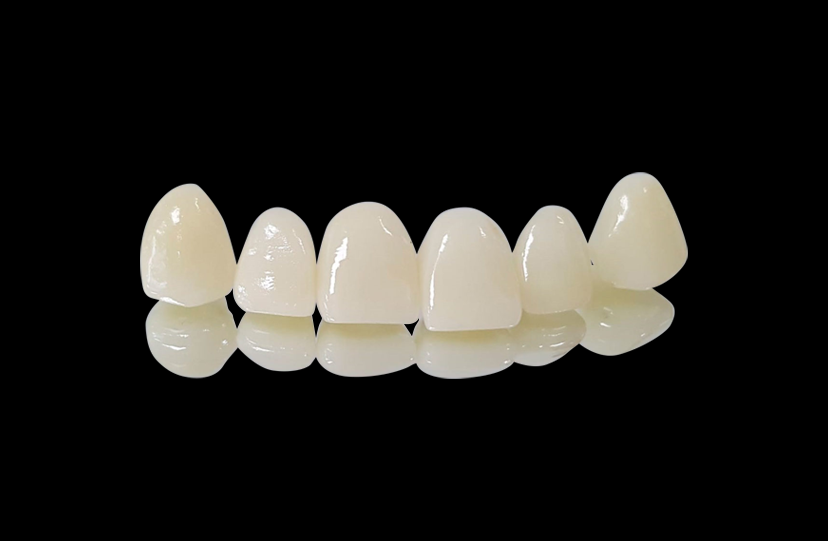
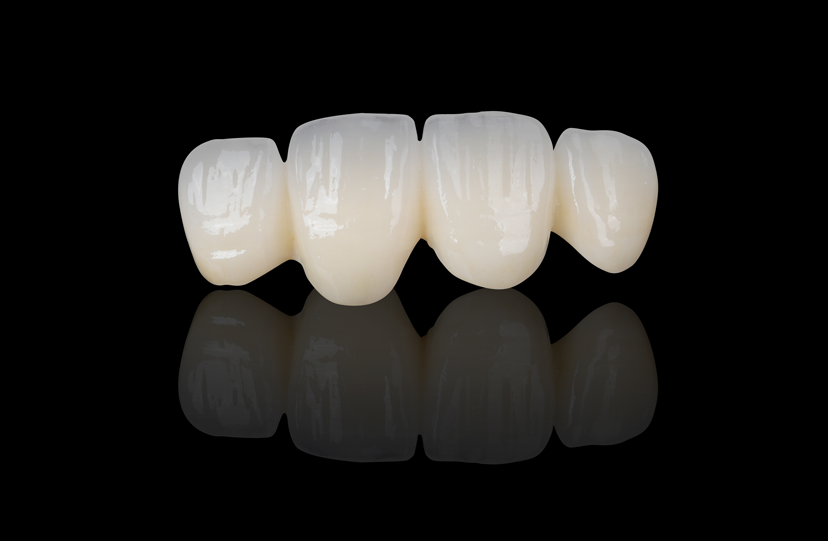
FCZ(Full Contour Zirconia) is a type of dental restoration made from a single block of yttria-stabilized tetragonal zirconia polycrystal (Y-TZP), with no hand-layered ceramic on top. Traditional porcelain-fused-to-zirconia (PFZ) restorations have a zirconia base covered in porcelain. FCZ crowns, on the other hand, are made entirely from uniform zirconia material.
A phase transformation toughening mechanism contributes to the material's fracture resistance. When stress is put on the material, the tetragonal crystal structure changes to a monoclinic phase. This creates compression forces that can help stop cracks from spreading. This property contributes to the fracture resistance of monolithic zirconia.
Core Structure and Composition
Zirconium dioxide (ZrO₂) and 3-5 mol% yttrium oxide (Y₂O₃) are used to stabilize the material. This stabilization helps control phase changes at room temperature and maintains the material's mechanical properties. Modern formulas use multi-layer blocks that have different levels of translucency, from 35% in the cervical area to 49% in the incisal area, to create a more natural tooth-like appearance.
Digital Fabrication Process
Fully digital CAD/CAM processes are used to make FCZ restorations. Labs get digital scans or impressions of the teeth, use computers to design the restoration, and then mill it out of pre-sintered zirconia blocks. After milling, the restoration goes through sintering at around 1450–1550°C, a process that makes it shrink by about 25% so that it reaches its final density and strength. This streamlined process reduces the need to layer ceramics by hand, which can reduce production time and manual processing steps.
Benefits
Adopting FCZ(Full Contour Zirconia) can provide improvements in some clinical and operational areas. These benefits address common considerations for dental laboratory owners, purchasing managers, and clinic operators.
Enhanced Production Efficiency
When compared to layered ceramics, digital milling of monolithic restorations can reduce production time. Labs can finish cases in 3–5 days instead of 7–10 days, which can help shorten the treatment cycle for patients. This increase in efficiency is especially helpful for dental service companies that handle a lot of cases in a lot of different locations. By reducing hand porcelain layering, a time-consuming and skill-reliant part of the production process is also reduced. This can help labs increase output without proportionally increasing manual production requirements.
Dramatic Reduction in Remake Rates
One of its benefits is that monolithic zirconia eliminates the porcelain veneering layer that can be subject to chipping or delamination. Clinical studies have reported different complication rates for layered and monolithic zirconia restorations depending on the material, design, and clinical conditions. For labs and clinics, lower remake rates can mean better use of resources and reduced material waste.
Superior Clinical Longevity
This material is often used to make restorations designed for long-term posterior use. The material's resistance to wear and staining can help it maintain its function and appearance over time. Patients with bruxism may require careful case selection and occlusal management when monolithic zirconia restorations are considered. This makes appropriate material selection and clinical follow-up important factors in long-term restorative care.
Predictable First-Time Fit
The digital process and uniformity of the materials can support accurate marginal adaptation. When FCZ crowns are well-made, the gaps between the teeth can be less than 50 microns, depending on the design, manufacturing process, and measurement method. For implant-supported restorations and full-arch cases, where even small differences can affect treatment outcomes, this level of accuracy is important. When labs consistently achieve accurate fits, they can build strong reputations and long-term partnerships with prosthodontists and implant professionals.

Advantages
FCZ(Full Contour Zirconia) has clear competitive advantages over other restoration materials and traditional production methods, which have contributed to its growing use.
Elimination of the Weak Ceramic-Ceramic Interface
Most of the time, traditional PFZ restorations can fail where the zirconia framework meets the porcelain veneer. This bonding zone can represent a potential area of structural weakness. Monolithic zirconia eliminates this veneering interface, creating a more uniform restoration structure. The resulting restoration can provide high fracture resistance compared with some layered alternatives.
Material Properties Optimized for Posterior Applications
With a flexural strength of 900–1200 MPa, this material provides high mechanical strength for dental applications. Depending on the material and design, its strength can allow more conservative preparation designs, which may help preserve natural tooth structure. In situations where there isn't much space between the teeth, monolithic zirconia can be designed with reduced thickness in appropriate areas while maintaining structural requirements. Preparation requirements should always follow the material manufacturer's instructions and the clinical requirements of the case.
Biocompatibility and Tissue Health
Zirconia's chemical stability and smooth surface make it suitable for dental restorative applications. Monolithic zirconia is generally considered biocompatible, while metal-based restorations may present different tissue or allergy considerations depending on the material composition and individual patient response. Proper surface finishing and clinical maintenance are important factors in supporting healthy surrounding tissues.
Customization Through Digital Workflows
The CAD/CAM production method makes it possible to make exact changes to fit the needs of each case. Before milling, labs can use digital precision to change the occlusal anatomy, contact points, and emergence profiles. This feature is especially useful in complicated cases with many units or full-arch reconstructions, where all units must be consistent. Because the process is digital, design changes can be made quickly based on clinician feedback. This can improve cooperation and reduce the time needed for iterations.
Disadvantages
Even though FCZ(Full Contour Zirconia) has many benefits, it also has some issues that labs and dentists need to think about when choosing restoration materials.
Aesthetic Limitations in Anterior Regions
Traditional FCZ formulas can be relatively opaque, which means they may be less suitable for anterior teeth where aesthetics are highly visible. Standard versions of the material have a translucency range of 35–42%, which can be lower than the translucency reached by lithium disilicate or some layered ceramics. Newer 5Y-TZP (5 mol% yttria) formulas can provide higher translucency, but they may have lower mechanical strength than higher-strength zirconia formulations. Because of this trade-off, it may be better to use different materials or a layered approach in the front of the mouth where a highly natural appearance is important.
Potential for Opposing Tooth Wear
If you don't properly polish solid zirconia surfaces, they can contribute to wear of natural enamel on the opposing side. The material is hard, which is beneficial for durability, but surface roughness can affect opposing tooth wear. To achieve smooth finishes, labs should follow appropriate polishing procedures using diamond pastes and suitable polishing tools. If this important last step is skipped, it could contribute to patient complaints and long-term occlusal problems. This shows how important it is to have proper technical training and quality control.
Material Cost Considerations
Zirconia blocks of higher quality cost more than blocks made of standard materials. Getting rid of porcelain layering can lower labor requirements, but raw material costs remain an important consideration. Labs that are trying to stay competitive while still making a profit must carefully consider how to set their prices. When producing a high volume of cases, material costs can have a direct effect on the overall economics of the business.
Comparison
Labs and doctors can make better decisions about where to get materials by knowing how FCZ(Full Contour Zirconia) stacks up against other restoration materials.
| Property | FCZ(Full Contour Zirconia) | Porcelain-Fused-to-Zirconia (PFZ) | Lithium Disilicate | Porcelain-Fused-to-Metal (PFM) |
|---|---|---|---|---|
| Flexural Strength | 900-1200 MPa | 800-900 MPa (framework) | 400-500 MPa | 500-700 MPa |
| Translucency | 35-49% | 50-60% (veneer only) | 50-60% | 30-40% |
| Chipping Risk | Minimal (<2%) | High (6-15%) | Moderate (3-5%) | Moderate (4-8%) |
| Fabrication Time | 3-5 days | 7-10 days | 4-6 days | 7-10 days |
| Biocompatibility | Excellent | Excellent | Excellent | Variable (metal allergies) |
| Wear on Opposing Teeth | Low (when polished) | Moderate | Low | Moderate |
| Best Applications | Posterior crowns, bridges, bruxism cases | Anterior aesthetics | Anterior crowns, veneers | Posterior crowns (declining use) |
This comparison shows why monolithic zirconia is widely used for posterior applications and situations involving higher occlusal loads. Its mechanical properties and digital production workflow make it suitable for modern dental practices that need efficient production. Clinics that deal with a wide range of case types usually keep a number of different materials on hand. For example, FCZ is used for posterior restorations that need strength, while lithium disilicate or layered ceramics are used for anterior cases that require enhanced aesthetics.
Clinical Indications
FCZ(Full Contour Zirconia) is used in certain clinical situations where its material properties may be appropriate. Knowing about these uses helps labs target the right market groups and present their capabilities appropriately.
Heavy Bruxism and Parafunctional Habits
When people grind or clench their teeth, they put force on them that can increase the risk of restorative complications. Because of its fracture resistance, monolithic zirconia may be considered for this group. Prosthodontic labs often receive requests for this material for patients who suffer from bruxism because of its high mechanical strength. Case-specific evaluation and appropriate occlusal design remain important.
Full-Arch Implant-Supported Prosthetics
All-on-4 and All-on-6 implant cases need restorations that are both strong and accurately fitted on multiple implant abutments. FCZ frameworks can span long gaps between missing teeth without using metal to support them, depending on the design and clinical requirements. Biocompatibility of the material is important in these situations because the restoration may be in contact with soft tissues around the implant. Labs that have advanced CAD/CAM tools and know how to work with digital implant processes can support the production of these complex cases.
Minimal-Preparation Posterior Crowns
Today's conservative dentistry focuses on keeping teeth. Monolithic zirconia can allow crown designs with minimal preparation in appropriate cases while maintaining the required structural properties. In molars with limited interocclusal room, which can occur in people whose vertical dimension is small, thin FCZ crowns may provide a restorative option without the need for extensive tooth reduction. Researchers and dentists who use biomimetic dental concepts may consider this approach depending on the case.
Multi-Unit Fixed Bridges
Because of its strength relative to its dimensions, the material can be used for posterior bridges that span one or two pontics. Traditional bridge materials may require larger connectors to provide adequate structural support. Monolithic zirconia can allow connector dimensions to be designed according to the material manufacturer's recommendations and the specific case requirements. This can provide greater flexibility in preparation and design planning.
Materials
The quality and composition of the raw materials have a big impact on how well FCZ(Full Contour Zirconia) restorations work. When labs buy these materials, they need to know the technical details that affect how well the materials work in the lab.
Yttria-Stabilized Zirconia Formulations
As a stabilizing agent, commercial monolithic zirconia blocks have 3–5 mol% yttrium oxide in them. The amount of yttria in the material has a direct effect on its strength and translucency. Traditional 3Y-TZP formulations generally provide higher strength, while newer 4Y-TZP and 5Y-TZP formulas can provide higher translucency with some reduction in mechanical strength.
Labs need to choose the right formulas based on the patient's needs. For example, high-strength versions can be considered for posterior bridges and bruxism cases, while higher-translucency versions can be considered for premolar crowns, where aesthetics are more important. To meet these different needs, material suppliers usually have more than one formulation option in their product lines.
Multi-Layer Gradient Blocks
Modern zirconia blocks have gradient translucency layers that are already shaded to look like real tooth structure. In the cervical areas of these blocks, the material can be denser and less clear, while the material at the incisals can be thinner and clearer. In many cases, the gradient design can reduce the need for external staining, which can speed up production while maintaining an aesthetic appearance. When labs choose these materials, they should make sure that the translucency gradient matches the requirements of the restorations so that the final crowns have the desired layering effects.
Quality Certifications and Biocompatibility
International biocompatibility standards, such as ISO 10993, may be relevant to the evaluation of materials depending on their intended use and regulatory requirements. Reputable zirconia makers provide technical documentation, such as material safety data sheets, biocompatibility test results, and relevant certifications. When labs buy materials from other countries, they need to make sure that the materials are properly documented and meet the applicable regulatory requirements for the intended market.
Manufacturing Workflow
By understanding the whole production process, you can see how the best labs keep the quality high and get things done quickly with FCZ(Full Contour Zirconia). Several quality control checkpoints in the workflow are necessary for reliable results.
Digital Case Reception and Design
When labs get digital impression files through safe data sharing tools, production can begin. CAD experts put STL files into design software and check the accuracy of the scan and the clarity of the margins. During the design phase, the right zirconia block types must be chosen, the best milling orientation must be found to reduce material waste, and the restoration morphology must be changed to meet the specific needs of the case. Designers with a lot of experience make plans approximately 125% bigger than the end size to account for sintering shrinkage.
CAD/CAM Milling Operations
Once the design is approved, the restoration file is sent to CNC milling machines. The restoration is cut from pre-sintered zirconia blocks that are in a chalk-like state by five-axis milling units. This allows for precise machining without too much tool wear. Modern mills can finish a single crown in 15 to 25 minutes, but the speed can change depending on the complexity of the restoration and the finish that is wanted on the surface. To keep dimensions accurate and reduce micro-cracking, milling factors like feed rates and cutting levels must be fine-tuned.
Sintering and Quality Verification
Milled restorations are sintered in special furnaces that are set up with precise temperature ramps. The heating cycle usually lasts between 8 and 10 hours and includes holding periods, controlled cooling, and slow temperature rises to 1450 to 1550°C. Restorations shrink by about 25% during this process, but they reach their full density and final strength. Post-sintering checking includes using digital cameras to check the dimensions, looking for flaws on the surface, and matching the shade to reference guides.
Surface Finishing and Characterization
In the last step of production, the surface is carefully polished with diamond paste of different sizes until it is less than 0.2 µm rough. For opposing teeth to wear less, it's important to polish them properly. Cases that need to look better get custom staining to add details that make them unique, like root shading or incisal translucency effects. Final glazing can make the surface smooth and help reduce staining while also covering minor surface imperfections.
Cost Factors
The cost of FCZ(Full Contour Zirconia) restorations depends on a number of factors. By understanding these factors, labs can set prices that are competitive and profitable, and they can also teach customers about value propositions.
Raw Material Investment
The most expensive direct material is high-quality zirconia blocks, which can cost anywhere from $15 to $45 each, based on size, brand name, and level of transparency. Multi-layer blocks can cost more than regular ones that are only one color. Labs that work with a lot of cases often work out deals with material suppliers to buy in bulk and lower the cost per unit.
Digital Equipment and Software Licensing
For CAD/CAM production to work, you need to spend a lot of money on things like milling machines ($75,000–150,000), sintering ovens ($12,001–25,000), and design software fees ($3,000–8,000 per year). These set costs need to be spread out over the amount of work that is done. Labs with higher throughput are better at keeping costs down, which lets them offer lower prices while still keeping their profit margins healthy.
Production Complexity and Customization
Single-unit crowns take less time and material to create than full-arch cases or bridges with multiple units. Prices are higher for complicated cases that need custom coloring, a lot of occlusal changes, or production in a hurry. Instead of charging the same amount for each case type, labs should use tiered pricing systems that are based on how much production they actually need.
Regulatory Compliance and Quality Assurance
It costs a lot to keep FDA registration, ISO 13485:2016 certification, and full quality management systems up to date with paperwork, audits, and testing protocols. Even though you can't see these compliance costs in the prices of individual cases, they are necessary investments that support quality management and applicable regulatory requirements. When labs market to customers outside of the United States, they have to consider the additional requirements that may apply in each target country.
How to Choose a Supplier
When dental labs, clinics, and distributors need to get FCZ(Full Contour Zirconia) restorations or production materials, they have to make important choices that can affect both patients' outcomes and their businesses. To find trusted partners, you need to evaluate them systematically across a number of different areas.
Manufacturing Capability Assessment
Check out the technical know-how, output ability, and technology infrastructure of possible suppliers. Ask to see the building in person or for thorough information about the CAD/CAM equipment, quality control tools, and production processes. Suppliers should show that they have experience with a range of case types, from single crowns to full-arch restorations. They should also be able to handle pressing orders when clinical situations require fast delivery.
Quality Management and Certifications
Make sure that the suppliers you're working with have up-to-date FDA registration for dental devices, ISO 13485:2016 certification, and the right quality management paperwork. Ask for copies of reports on the biocompatibility of the material, its accuracy during sintering, and its long-term aging test results. Reputable providers make quality paperwork easy to find and are happy to share performance data that shows the accuracy of the fit and the number of first-time successes.
Communication Efficiency and Support
Reliable providers set up easy ways for customers to talk to them and assign account managers who know dental terms and case requirements. Check how responsive the seller is to your first questions. Suppliers who answer questions quickly and give detailed case planning advice tend to keep up this level of service throughout partnerships. When dealing with complicated cases or unusual clinical situations, having access to technical support for case design questions or production troubleshooting is very helpful.
Warranty and After-Sales Service
Carefully compare warranty terms, making note of the length of coverage and any restrictions. Leading suppliers may cover fixed restorations for two years and removable prosthetics for one year, depending on their warranty policies. If there are any problems with the manufacturing, the supplier may fix or replace the item according to the applicable warranty terms. Find out how remakes are handled, such as whether case paperwork is required and who pays for the shipping costs of the return. Clear warranty programs can help protect your business from unexpected remake costs.
Production Timeline and Delivery Reliability
Turnaround times must be consistent in order to keep the practice's schedule and keep patients happy. Check to see if the suppliers offer rush services and what their standard production times are (usually 3–5 days for routine cases). Instead of taking general promises, ask for success statistics that show the percentage of on-time deliveries. Reliable logistics partners and experience with international shipping rules can help cases arrive on time and reduce the risk of customs delays when applicable.
Maintenance
Although FCZ(Full Contour Zirconia) crowns don't need as much maintenance as some other types of restorations, proper care keeps them looking good and extends their useful life. Labs should give clinics care directions so that patients can learn.
Clinical Maintenance Protocols
Tell your patients to keep up with regular dental care, like brushing twice a day with non-abrasive toothpaste and flossing every day. Zirconia doesn't color as easily as natural enamel, but professional cleaning every six months can help remove surface buildup and allow the restoration to be checked. People with bruxism should wear nightguards to help protect their restorations and natural teeth from excessive wear.
Occlusal Adjustment Considerations
When adjustments need to be made at the patient's side, doctors should use fine-grit diamond burs (30–50 µm) while the area is being cooled with lots of water to avoid localized heating. Grinding makes the surface rough, which needs to be followed by appropriate polishing using diamond pastes of increasing sizes. Not polishing the areas that have been adjusted can leave the surfaces rough and may increase wear on the opposing teeth.
Long-Term Monitoring
As part of regular dental checkups, restoration margins, occlusal contacts, and the health of soft tissues around the tooth should all be looked at. Monolithic zirconia has a low reported fracture rate in many applications, but cement washout or secondary caries can affect the restoration margins. Finding these problems early on lets you do simple things to help before you need more extensive treatment.
Key Takeaways
FCZ(Full Contour Zirconia) crowns have changed how dental restorations can be made by eliminating the veneering layer associated with some common complications of layered ceramics and improving production efficiency. The material provides high mechanical strength (900–1200 MPa), reduced chipping risk associated with the absence of a veneering layer, and compatibility with digital CAD/CAM systems. These features can help address issues such as remake rates, production time, and structural failures.
Labs and clinics can benefit from accurate first-time fit, reduced remake requirements, and the ability to handle demanding clinical situations such as bruxism cases and full-arch implant reconstructions. There are some limitations in anterior aesthetics and requirements for careful polishing, but these considerations can be addressed through appropriate case selection and technical procedures.
When making sourcing decisions, companies should give more weight to suppliers who can show they have a wide range of quality certifications, consistent production schedules, responsive technical support, and clear warranty programs. Monolithic zirconia can be a suitable choice for strength-critical posterior restorations in modern dentistry because of its material properties, digital production workflow, and established clinical use.
FAQ
What makes full contour zirconia stronger than traditional crowns?
The material's phase transformation toughening mechanism creates compressive stress fields that can help arrest crack propagation, contributing to flexural strengths of 900-1200 MPa for applicable zirconia formulations. This strength is supported by the homogeneous structure without a veneering interface.
Can FCZ crowns be used for front teeth?
While newer high-translucency formulations (5Y-TZP) can provide higher translucency, making them suitable for some anterior applications, traditional FCZ(Full Contour Zirconia) versions are generally more suitable for posterior teeth. Anterior cases with higher aesthetic demands may benefit from lithium disilicate or minimally layered zirconia approaches.
How long do monolithic zirconia crowns typically last?
Clinical studies have reported long-term service of monolithic zirconia restorations in posterior applications, with outcomes depending on material composition, restoration design, clinical conditions, oral hygiene, and maintenance. Proper case selection and regular follow-up are important factors in restorative longevity.
Will zirconia crowns damage my natural teeth?
Properly polished monolithic zirconia surfaces (achieving roughness below 0.2 µm) may reduce opposing tooth wear compared with rougher zirconia surfaces. The key factor is finishing quality—inadequately polished surfaces can accelerate wear, emphasizing the importance of selecting labs with appropriate finishing and quality protocols.
What is the production time for FCZ restorations?
Standard turnaround times range from 3-5 days from case receipt to shipment, with many labs offering rush services for urgent clinical needs. Digital workflows eliminate the manual layering steps that can extend traditional ceramic production.
Are monolithic zirconia crowns biocompatible?
Zirconia is widely used in dentistry because of its biocompatibility, chemical stability, and non-corrosive properties. Proper material selection, manufacturing, surface finishing, and clinical handling remain important factors in restorative applications.
How do I select between 3Y-TZP and 5Y-TZP formulations?
Choose 3Y-TZP formulations for applications where higher mechanical strength is a priority. Select 5Y-TZP formulations for cases where higher translucency is desired, and the material's mechanical properties are appropriate. Case-specific indications and material manufacturer recommendations should guide material selection.
What preparation design works best for FCZ crowns?
Recommended reductions include 1.5mm occlusal clearance (2.0mm for bridges), 1.2mm facial reduction, and 1.0mm cervical reduction with shoulder or chamfer margins. The material's strength may permit more conservative preparations than those for some traditional ceramics, but preparation requirements should follow the manufacturer's specific instructions and the clinical requirements of each case.
Partner with HYC for Reliable FCZ Production
HYC delivers precision-engineered FCZ(Full Contour Zirconia) restorations backed by 22 years of manufacturing expertise. Our FDA-registered, ISO 13485:2016 certified facility produces crowns and bridges with a focus on consistent first-time fit accuracy, achieving marginal gaps consistently below 50 microns while maintaining remake rates under 2%.
We understand the pressures facing dental laboratories and practices—tight treatment timelines, demanding case complexity, and strict quality requirements. Our digital production workflows handle routine cases with a 3-day standard turnaround and flash delivery options that reach you within 24 hours for urgent clinical situations. Every restoration undergoes sintering accuracy verification and spectrophotometric shade matching before shipment.
As a trusted FCZ supplier to laboratories and DSOs throughout North America, we offer customized solutions matching your exact design specifications, whether for single crowns or complex full-arch implant cases. Our 2-year warranty on fixed restorations demonstrates confidence in product quality while helping protect your business from unexpected remake costs.
Contact our technical team at info@hycdentallab.com or visit hycdentallab.com to discuss your case requirements. We provide complimentary case planning consultation and rapid quotation response, typically within 4 hours. Experience the reliability that comes from partnering with a dedicated full-contour zirconia manufacturer committed to your clinical success.
References
1. Zhang, Y., & Lawn, B. R. (2018). Novel Zirconia Materials in Dentistry. Journal of Dental Research, 97(2), 140-147.
2. Pjetursson, B. E., Sailer, I., Latyshev, A., Rabel, K., Kohal, R. J., & Karasan, D. (2021). A systematic review of the survival and complication rates of zirconia-ceramic and metal-ceramic multiple-unit fixed dental prostheses. Clinical Oral Implants Research, 32(Suppl 21), 271-290.
3. Denry, I., & Kelly, J. R. (2019). Emerging ceramic-based materials for dentistry. Journal of the European Ceramic Society, 39(12), 3308-3317.
4. Carrabba, M., Keeling, A. J., Aziz, A., Vichi, A., Fonzar, R. F., Wood, D., & Ferrari, M. (2017). Translucent zirconia in the ceramic scenario for monolithic restorations: A flexural strength and translucency comparison test. Journal of Dentistry, 60, 70-76.
5. Stober, T., Bermejo, J. L., Schwindling, F. S., & Schmitter, M. (2016). Clinical assessment of enamel wear caused by monolithic zirconia crowns. Journal of Oral Rehabilitation, 43(8), 621-629.
6. Mundhe, K., Jain, V., Pruthi, G., & Shah, N. (2015). Clinical study to evaluate the wear of natural enamel antagonist to zirconia and metal ceramic crowns. The Journal of Prosthetic Dentistry, 114(3), 358-363.
YOU MAY LIKE
.webp "High-Noble Gold (HNG)")
.webp "Silver-Palladium PFM (Ag-Pd)")
 Framework.webp "High-Performance Polymer (HPP) Framework")