What Should Labs Know About Porcelain Layered Zirconia Quality?
Porcelain Layered Zirconia combines a zirconia framework with a feldspathic porcelain veneer. Depending on the specific zirconia material and testing conditions, zirconia frameworks can provide high flexural strength with a hand-applied feldspathic porcelain veneer to deliver exceptional aesthetics and durability. Labs must prioritize CTE (Coefficient of Thermal Expansion) compatibility, marginal fit precision below 50 microns, interface integrity, and ISO 6872 compliance to support consistent fit and help reduce avoidable remakes in selected anterior and bridge cases.
Introduction
The dental restoration industry faces mounting pressure to deliver solutions that satisfy both clinical longevity and patient aesthetic expectations. In an environment where remake rates directly impact laboratory profitability and clinic reputation, material selection becomes a strategic decision rather than a technical detail. Porcelain-veneered zirconia restorations offer an approach to balancing aesthetic demands with the structural properties of zirconia. As CAD/CAM technology continues to advance and patient demands for metal-free restorations grow, understanding the quality benchmarks for layered zirconia has become essential knowledge for dental laboratories seeking to reduce adjustments, strengthen client relationships, and maintain competitive turnaround times in a rapidly evolving market.
What is Porcelain Layered Zirconia?
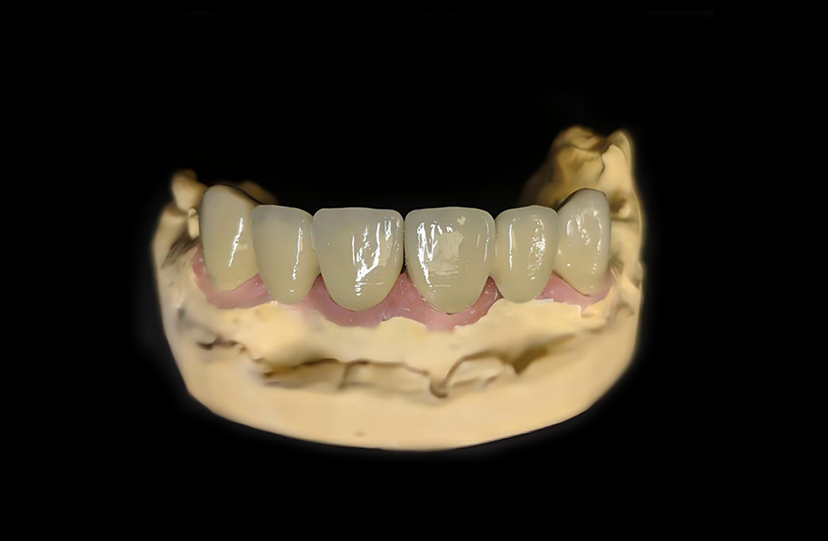
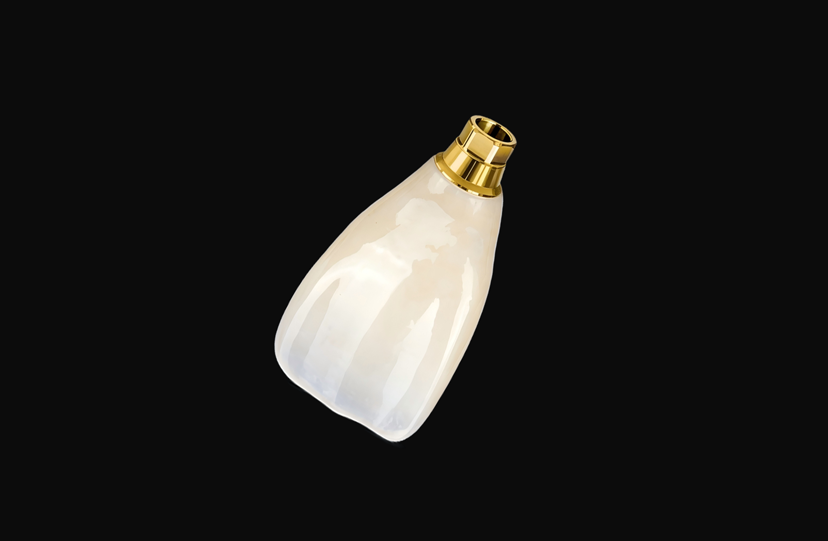
Porcelain Layered Zirconia is a two-material restoration system designed to combine the structural properties of a zirconia framework with the aesthetic characteristics of veneering porcelain. A digitally cut yttria-stabilized tetragonal zirconia polycrystal (Y-TZP) framework forms its base. Depending on the specific zirconia material and testing conditions, zirconia frameworks can provide high flexural strength compared with many glass-ceramic materials. This core is the structure's backbone, and it's made to handle occlusal forces in the back areas and cover large spaces where teeth are missing.
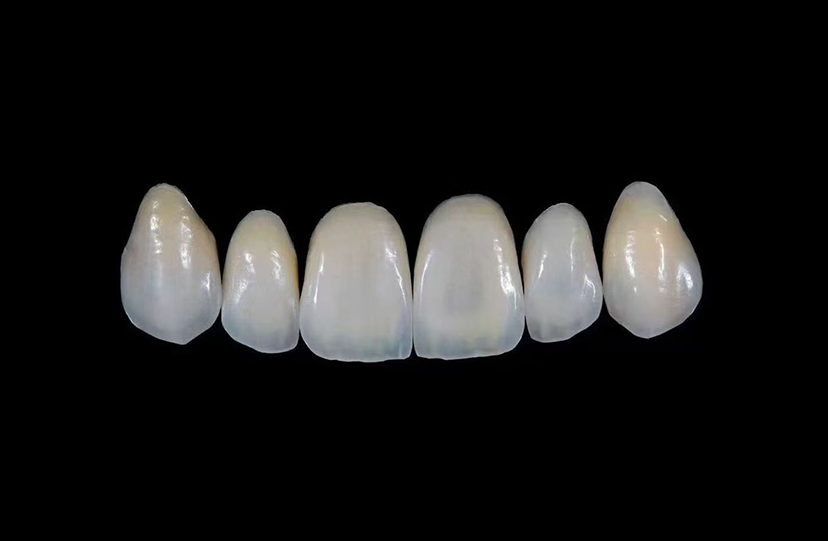
The decorative part is made up of feldspathic porcelain that is hand-layered or pressed on top of the zirconia base. This veneering material can reproduce key optical characteristics of natural enamel, including translucency, opalescence, and color gradation. The veneering porcelain has a Vickers hardness within a range commonly associated with dental ceramic materials; however, clinical wear depends on factors such as occlusion, surface finishing, and opposing dentition. The two-layer design combines a strong zirconia framework with an aesthetic veneering layer intended to reproduce the visual characteristics of natural tooth structure. This way of building lets workers match shades more accurately across the VITA range and add features like surface texture, incisal translucency, and mamelon structures that can't be done with solid zirconia blocks.

Benefits of Porcelain Layered Zirconia in Laboratory Workflows
Porcelain Layered Zirconia can support laboratory workflows that prioritize aesthetic customization, digital accuracy, and controlled production processes. The workflow can support efficient case management when appropriate digital design and quality-control procedures are followed. Cases that are given with the right marginal fit and natural look take less time to fix at the chairside, which means that patients are seated faster and dentists are happier. Efficient case management and consistent restoration quality can contribute to stronger working relationships between laboratories and dental practices.
The biocompatibility profile of the material gets rid of typical problems that come up with metal-based repairs. The metal-free composition may help reduce concerns associated with metal substructures, such as visible metal margins and sensitivity to certain metal alloys. Zirconia is generally recognized for its favorable biocompatibility profile, although clinical tissue response depends on factors such as restoration design, surface characteristics, oral hygiene, and patient-specific conditions.
The CAD/CAM process for zirconia cores makes production more efficient by enabling reliable turnaround times. Digital design files can be saved and made again if needed, which lowers the chance of having to redo the whole case. Because the material works with common lab tools like articulation systems, shade-matching protocols, and finishing instruments, it doesn't get in the way of current workflows too much. Depending on the material system, design parameters, and manufacturer specifications, zirconia frameworks can be used for a range of multi-unit bridge applications, without having to hire outside companies to do specialized work. The use of digital accuracy in core manufacturing and hand-crafted control during the porcelain layering stage enables tailoring each case to the dentist's needs while maintaining consistent batch quality.
Advantages Over Alternative Restoration Materials
When Porcelain Layered Zirconia is compared to other all-ceramic systems and traditional materials, it offers a different balance of aesthetic customization, structural properties, and workflow considerations. Layered zirconia may offer greater flexibility for reproducing complex shade gradients and surface characteristics in highly aesthetic anterior cases. In highly aesthetic cases, layered zirconia provides additional opportunities for customized characterization and optical effects compared with some monolithic zirconia workflows. The layered approach provides additional opportunities for aesthetic characterization while retaining the structural properties of the zirconia framework.
Zirconia generally offers higher flexural strength than lithium disilicate, although performance depends on the specific material, restoration design, and clinical indication. Lithium disilicate looks great, but its mechanical properties may limit its suitability for certain long-span or high-load applications, depending on the specific material and restoration design. Layered zirconia is strong enough to support bridges with up to two abutments that are 38 mm long or extended restorations with multiple abutments that are 47 mm long. Subject to case-specific design parameters and material manufacturer specifications, the material can also mask better than lithium disilicate when working with discolored preparations or metal abutments, so there's no need for opaque layers that make the material less clear.
Compared with metal-containing frameworks, the metal-free composition can provide an aesthetic advantage by reducing the potential visibility of metal at the gingival margin. As the gums recede, PFM fillings often get a gray band at the tissue contact, which means they need to be redone at great cost to keep the patient happy. The restoration's appearance stays the same for as long as the layered zirconia is used. When properly designed, fabricated, and maintained, layered zirconia restorations can provide long-term clinical service, although longevity varies according to patient factors, occlusion, restoration design, and clinical conditions. Getting rid of metal also meets the needs of patients seeking metal-free restorative options with a favorable biocompatibility profile. This creates new market possibilities for cosmetic and integrative dentistry practices. Zirconia has relatively low thermal conductivity, which may be a consideration when evaluating thermal insulation properties of the restoration material.
Disadvantages and Clinical Considerations
Even though Porcelain Layered Zirconia has many benefits, it also has some problems that labs need to solve by using the right technique and picking the right cases. The main worry is that the porcelain shell might chip or come away from the zirconia heart. This risk comes from the two materials' CTEs not matching up well enough or from bad firing procedures during the layering process. Veneering porcelain may be susceptible to chipping, particularly in areas exposed to higher occlusal loading. The risk can be influenced by framework design, veneer thickness, firing protocols, occlusion, and patient-specific factors, with most failures happening at areas of the mouth that are touched by the teeth and are subject to strong chewing forces.
Patients with severe bruxism, significant clenching habits, or limited occlusal clearance may require alternative restorative approaches or modified designs based on individual risk assessment. When feather-edge preparations are used, they can also cause problems because the tooth structure isn't strong enough to support the retention and resistance form. In these cases, different methods might work better, like stacking only the biting surfaces and keeping the lingual surfaces in monolithic zirconia or full monolithic restorations with stains on the outside.
For the manufacturing process to work, trained ceramic workers must be able to use accurate layering methods. Unlike monolithic workflows that rely on digital design and milling, layered restorations need skilled artisans who know how to apply porcelain, handle the firing cycle, and give the restoration its finished look. This means that labor costs need to be thought about, and labs with few experienced technicians may experience production bottlenecks. When compared to fully digital monolithic workflows, the manual layering stage also makes turnaround times longer, which can affect case scheduling in environments with a lot of work. Labs have to weigh these things against the higher price that stacked repairs command in the market for their looks.
Comparison: Layered vs. Monolithic Zirconia Systems


Layered zirconia is well suited to selected high-aesthetic cases where sufficient space is available for the restoration design. Monolithic zirconia may be considered for posterior and higher-load applications where a streamlined digital workflow is preferred. Hybrid approaches can combine veneered and monolithic surfaces to balance aesthetic customization and structural performance
Clinical Indications and Application Scenarios
When the natural look of the repair is very important to the success of the treatment, Porcelain Layered Zirconia can be a suitable option when aesthetic customization is a primary treatment consideration. The material works really well in single anterior crowns, especially in the maxillary central and lateral incisor positions, where natural teeth next to them set a high standard for how the tooth should look. Because the porcelain veneer can copy surface texture, subtle color changes, and changes in translucency, these characteristics provide greater flexibility for customized shade, surface texture, and translucency matching in anterior cases.
Layered zirconia can be used for both anterior and posterior uses in the bridge group. The material's aesthetic properties are used in three-unit anterior bridges, while its structural strength is used in posterior bridges. The system can support fixed tooth implants up to 38 mm long with two abutments and longer restorations up to 47 mm long with more than two abutments. These rules must be included in labs' case planning procedures.
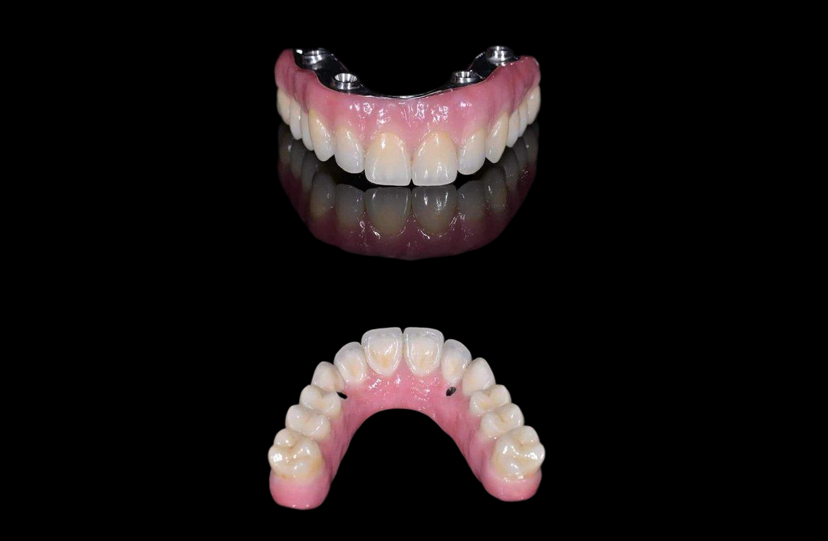
Another important area of use is replacements that are held in place by implants. Layered zirconia can provide effective masking of underlying titanium components while offering a ceramic surface suitable for implant-supported restorative applications. Surface characteristics and proper finishing may influence plaque accumulation and peri-implant tissue response; clinical outcomes also depend on hygiene, implant position, restoration design, and patient factors. When natural tooth abutments are combined with implant-supported units in full-arch rehabilitation cases, layered zirconia creates a visual continuity across the dental arch. When natural tooth abutments and implant-supported units are combined in full-arch rehabilitation, layered zirconia can provide greater consistency in shade and surface characterization across the dental arch when different material systems are mixed. Radiographic evaluation may be used as part of clinical follow-up when indicated by the treating clinician. Radiographic evaluation may be used as part of routine clinical follow-up when clinically indicated in the service period.
Materials and Their Impact on Quality
Choosing the right materials at every step of the production process is very important for the quality of Porcelain Layered Zirconia implants. The zirconia core starts as yttria-stabilized tetragonal zirconia polycrystal powder, which usually has 3–5 mol% yttrium oxide (Y₂O₃) in it to keep it stable. This stabilization stops the phase change from tetragonal to monoclinic crystal structure that happens at lower temperatures. If this happened, it would cause the volume to grow and the crystals to break on their own. High-purity zirconia powder with a consistent particle size distribution makes sure that the restoration will sinter correctly and have the same mechanical properties all over.
The veneering porcelain is made of feldspathic ceramics that were carefully designed to match the thermal expansion rate of the zirconia core. CTE matching is very important; it should be within ±0.5 x 10⁻⁶/K of the zirconia core (about 10.5 x 10⁻⁶/K). When the two materials don't expand and contract properly, residual stresses are created during cooling cycles that weaken the porcelain-zirconia contact and make the repair more likely to chip. Some high-quality porcelain systems have special zirconia liners or wash bake materials that improve chemical bonding at the contact. This makes a transition zone that spreads loads better than mechanical interlocking alone.
Other things that affect the end quality are coloring solutions that change the color, glazes that polish and protect against stains, and bonding agents that are used during the stacking steps. Where applicable, biocompatibility evaluation should be conducted according to relevant regulatory and material requirements, including applicable ISO 10993 principles. Chemical solubility in the mouth is directly affected by the purity of the material. High-quality systems keep solubility below 100 µg/cm² according to ISO 6872 standards. Controlling chemical solubility helps maintain material stability and supports compliance with applicable ceramic material requirements.
Manufacturing Workflow and Quality Control
To make good Porcelain Layered Zirconia repairs, you need a methodical process that combines computer accuracy with hand-made skill. The process starts with digital impression data or model scans, which makes a 3D dataset that shows the preparation edges, the link between the teeth, and the structure of the teeth next to them. CAD software lets techs create the zirconia core virtually, figuring out the right connector sizes, emergence profiles, and support structures for the porcelain layer on top.
The core design is sent to a CAD/CAM milling unit, which makes the substructure from a "green" blank of pre-sintered zirconia. At this point, the material has the consistency of chalk and is about 20 to 25 percent too big to account for shrinkage during sintering. When you mill in the pre-sintered state, the tools last longer, and you can get more accurate results. The milled core goes through vacuum high-temperature sintering, which usually lasts between 2 and 8 hours at 1,450 to 1,530°C depending on the furnace's specifications. This process makes the material denser until it has an ideal density of over 99%. This turns it into its final hardened state, which has all of its mechanical qualities.
Checkpoints for quality control during the whole manufacturing process include measuring the parts before they are fused, checking the fit of the edges after they are fused using articulated models, and applying CTE-matched porcelain according to the manufacturer's instructions. Building up opacity layers, dentin body shades, enamel translucency, and characterization effects happen over many burning rounds of porcelain. To keep stress from building up or sintering not fully, each firing cycle must follow exact temperature curves. A digital microscope at a magnification of 50x confirms that the gaps between teeth are still less than 50 microns. A digital microscope can be used to verify marginal and interproximal areas according to the laboratory's specified quality-control tolerances. Shear bond strength tests on sample repairs confirm the integrity of the interface. Shear bond strength testing can be performed according to applicable ISO 9693 requirements, with acceptance criteria determined by the relevant material system and testing protocol. These quality-control procedures are designed to support consistent fit and help reduce avoidable remakes and to keep the number of remakes to a minimum, which is good for the lab's bottom line.
Cost Factors Influencing Pricing
By understanding how the costs of Porcelain Layered Zirconia restorations are structured, labs can set prices that are competitive while still making money. The base cost is the material costs, which include zirconia blanks, veneering porcelain, coloring agents, glaze materials, and consumables like milling burs and sintering supports. There are higher costs for premium material systems from well-known makers, but they usually work better and fail less often.
The biggest factor that affects costs is labor, which is determined by how long it takes trained technicians to apply layers of porcelain, fire them, and finish them. Unlike fully automated monolithic processes, layered repairs require the skill of artisans, who can charge high pay in job markets where competition is high. Case complexity increases the amount of work that needs to be done. For example, making multiple-unit bridges with detailed anatomy takes a lot more time than making a single crown with reduced anatomy.
Another important factor is the equipment's amortization. It costs a lot of money to buy CAD/CAM milling systems, sintering furnaces, porcelain ovens, and quality control tools, and that money has to be recovered through case price. The number of units made affects the cost per unit because in high-volume labs, the costs of fixed tools are spread out over more cases. Customization needs also affect prices. Cases that need color matching to submitted color tabs, custom staining, or non-standard anatomical forms require more consultation time and technical changes. Regulatory compliance costs must be taken into account when setting prices. These costs include material certifications (FDA listing, CE marking, ISO 13485 quality systems), testing records, and protocols for tracking. Last but not least, logistics issues like packaging, shipping insurance, and faster delivery options add variable costs that labs usually pass on to clients based on service level agreements made when the case is submitted.
How to Choose a Reliable Supplier
If you want to find a manufacturing partner for Porcelain Layered Zirconia restorations, you need to look at more than just price. The basis is manufacturing capability. Check to see if the provider uses approved CAD/CAM equipment, keeps temperature-calibrated sintering ovens in good shape, and hires techs who have experience layering ceramics. Ask for facility audits or thorough process paperwork that shows the company is following standard procedures.
Quality management tools show how consistent operations are. When a supplier is certified by ISO 13485:2016, it means they have put in place quality standards for medical devices that cover design controls, process validation, corrective action procedures, and traceability systems. FDA establishment registration and applicable device listing requirements are part of the U.S. regulatory framework for medical device establishments and products; where applicable, CE marking indicates conformity with the relevant European Union regulatory requirements for the product. These licenses need regular surveillance audits, which are a third-party check of how well the quality system is working.
A supplier's production history is useful proof of how reliable they are. Check references from past clients to find out about the number of remakes, the average turnaround time, and how quickly you can respond to messages. Laboratories that work with similar types of customers, like cosmetic offices, implant centers, or high-volume DSOs, can give you the most useful information about how well a provider meets similar needs. Customization ability tells you if the supplier can meet your specific case needs, such as shade matching protocols, anatomical variations, and design preferences that make your lab's work stand out in competitive markets.
Support systems after the sale are what set good suppliers apart from great partners. Make sure you understand the warranty terms that cover production flaws, how to get a replacement, and how to get expert help. Clearly defined warranty terms can provide customers with additional assurance regarding manufacturing-related issues and post-delivery support. Technical help that is quick to respond, available by phone, email, or online platforms, lets questions that come up during case planning or dentist visits be answered quickly. The infrastructure for logistics, which includes fast shipping choices, case tracking systems, and flexible delivery plans, can handle the pressing cases that dental offices always have. Building partnerships with suppliers that offer standard dispatch within three days and total turnaround times of four to five days for fixed restorations, along with flash delivery for next-day arrival, gives you the operational flexibility you need to please your demanding dentist partners while keeping production efficient.
Maintenance Recommendations for Laboratory Communication
Even though Porcelain Layered Zirconia restorations are sent to dentists instead of being maintained by labs, good communication about care after delivery increases the chances of long-term success and lowers the number of warranty claims. Provide clear guidance on appropriate cementation protocols, including compatible luting agents and required surface-treatment procedures. Resin-modified glass ionomer or resin cements that have had the right surface treatment for the zirconia intaglio surface are usually recommended. For stacked zirconia crowns, don't just use regular glass ionomer cements; the bond strength might not be strong enough for long-term preservation.
Teach dentists who refer patients about how to take care of their teeth so that the porcelain veneer stays in good shape. Patients should be told to stop doing things that make them less functional, like chewing on pens, crunching ice, or using their teeth as tools. An appropriately designed occlusal appliance may be considered for patients with bruxism or elevated occlusal risk, as it can cause veneers to chip. As part of regular maintenance appointments, an occlusal adjustment evaluation should be done. This is because shifting of opposing teeth or wear on restorations can cause premature contacts that put extra stress on veneers in weak spots.
When technical problems happen, it helps for labs to set clear rules for how dentists can talk to each other. Offer organized forms for keeping track of requests for remakes that include photos of the problem, articulated study casts, and in-depth accounts of the clinical issue. This information helps doctors figure out if the problems are caused by mistakes in the fabrication process, bad cementation technique, or patient factors that are outside the design parameters of the restoration. Misunderstandings that hurt professional relationships can be avoided by being clear about guarantee coverage, such as which cases allow for free remakes and which ones require extra fees. Regular follow-up with dentist partners to get feedback on cases served and talk about ways to make things better shows a commitment to improving quality all the time while collecting useful data for process improvement.
Key Takeaways
Porcelain Layered Zirconia can be a suitable material option for selected anterior and bridge cases where aesthetic customization and zirconia-based structural support are important considerations because it is both strong and attractive. However, quality depends on careful attention being paid to every step of the manufacturing process. Labs need to use CTE-matched materials, make sure the marginal fit is accurate below 50 microns, make sure the interface bonding is valid, and use ISO-compliant quality systems to keep remake rates as low as possible. The two-material structure has a flexural strength of more than 900 MPa and optical qualities similar to enamel. This meets the needs of patients' beauty standards and allows for longer service lives of 10 to 15 years. Case selection is still very important. Laminated veneers work best in cases where appearance is important, and there is enough space between the teeth. On the other hand, they shouldn't be used if the person grinds their teeth too much or the preparations aren't big enough. Instead of just looking at price, when choosing a supplier, you should think about how well they can make things, how well they follow regulations, how long they've been in business, and how well they help customers after the sale. By knowing these basic principles of quality, labs can make sure that their fits are correct the first time, cut down on the time it takes for referring dentists to make adjustments, and build a reputation for excellence that helps their business grow over time in competitive dental markets.
FAQ
How does Porcelain Layered Zirconia compare to monolithic zirconia regarding chipping risk?
Monolithic zirconia eliminates the separate veneering layer and therefore reduces the specific risk of veneer chipping. However, monolithic restorations can still experience other forms of material or clinical complications because the whole restoration is made of the same high-strength material. Higher chipping rates (6–15%) are seen in layered forms, mostly at the porcelain finish after five years. You can lessen this effect by matching the CTE correctly, using strategic layering to keep the occlusal contacts in solid zirconia, and recommending night guards for people who brux.
What minimum tooth reduction is required for layered zirconia crowns?
Typical preparation dimensions may range from approximately 1.0–1.5 mm axially and 1.5–2.0 mm occlusally or incisally, depending on the material system, restoration design, and manufacturer recommendations, and the occlusal or incisal clearance must be 1.5 to 2.0 mm. This makes room for both the thickness of the zirconia core and the porcelain veneer layer while keeping the strength. When there isn't enough reduction, experts have to thin the restoration, which hurts its structural stability and its ability to look good.
Can layered zirconia be used for patients with bruxism?
Be careful when using it. People with severe bruxism should get metal or monolithic zirconia restorations. People with mild to moderate bruxism may be able to get it done if the occlusal areas stay in monolithic zirconia instead of stacked porcelain, and a protective occlusal appliance may be considered for patients with clinically significant bruxism or other elevated occlusal risks, based on the dentist's assessment. Look at each person's risk factors before moving forward.
Why is CTE matching between zirconia and porcelain critical?
When things cool down from firing temperatures, residual stresses are created when the thermal expansion coefficients don't match up. Differential contraction creates tensile forces at the interface of the porcelain and zirconia that make restorations more likely to chip or come loose on their own. To keep these problems from happening, appropriate CTE compatibility between the zirconia framework and veneering porcelain helps manage residual stresses during firing and cooling and may reduce the risk of veneer complications.
Partner with HYC for Superior Porcelain Layered Zirconia Solutions
HYC brings more than 22 years of dental laboratory manufacturing experience to its Porcelain Layered Zirconia production, blending modern CAD/CAM accuracy with craftsman ceramic skill. Our quality management system is certified to ISO 13485:2016, and our establishment maintains applicable FDA registration and regulatory documentation for relevant products. Our quality management system is designed to support consistent manufacturing quality and precise restoration fit. We know how important it is for labs to have consistent quality and quick turnaround times. That's why we offer standard 3-day dispatch and 4-5 day total turnaround for fixed cases, as well as flash delivery for last-minute needs. This will keep your production schedule on track. As a reputable Porcelain Layered Zirconia manufacturer, we can completely customize your order to meet your exact design needs while still upholding the material standards and maintaining consistent material and quality-control standards. Our guarantee program covers fixed restorations for two years and covers manufacturing flaws with free repair or replacement. This provides additional support for customers in the event of eligible manufacturing-related issues. Whether you need single anterior crowns that look great or extended bridge cases that need to be structurally reliable, HYC has the technical support, regulatory compliance, and production consistency that make a lab successful. Visit hycdentallab.com or email info@hycdentallab.com to talk about your unique needs and find out how our manufacturing relationship can help you become more competitive, lower the number of times you have to make things again, and support consistent service quality for your dental practice customers.
References
1. Kelly, J.R., & Denry, I. (2008). Stabilized zirconia as a structural ceramic: An overview. Dental Materials, 24(3), 289-298.
2. Sailer, I., Makarov, N.A., Thoma, D.S., Zwahlen, M., & Pjetursson, B.E. (2015). All-ceramic or metal-ceramic tooth-supported fixed dental prostheses (FDPs)? A systematic review of the survival and complication rates. Dental Materials, 31(6), 603-623.
3. Pjetursson, B.E., Sailer, I., Makarov, N.A., Zwahlen, M., & Thoma, D.S. (2015). All-ceramic or metal-ceramic tooth-supported fixed dental prostheses: A systematic review of the survival and complication rates. Dental Materials, 31(6), 624-639.
4. Heintze, S.D., & Rousson, V. (2010). Survival of zirconia- and metal-supported fixed dental prostheses: A systematic review. International Journal of Prosthodontics, 23(6), 493-502.
5. Raigrodski, A.J., Hillstead, M.B., Meng, G.K., & Chung, K.H. (2012). Survival and complications of zirconia-based fixed dental prostheses: A systematic review. Journal of Prosthetic Dentistry, 107(3), 170-177.
6. International Organization for Standardization. (2015). ISO 6872:2015 Dentistry — Ceramic materials. Geneva: ISO.
YOU MAY LIKE
.webp "Full Gold Crown (FGC)")