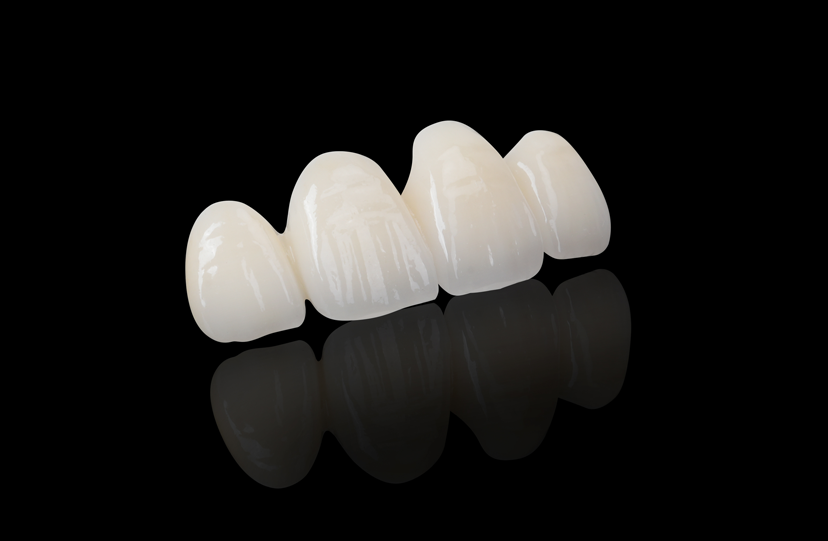
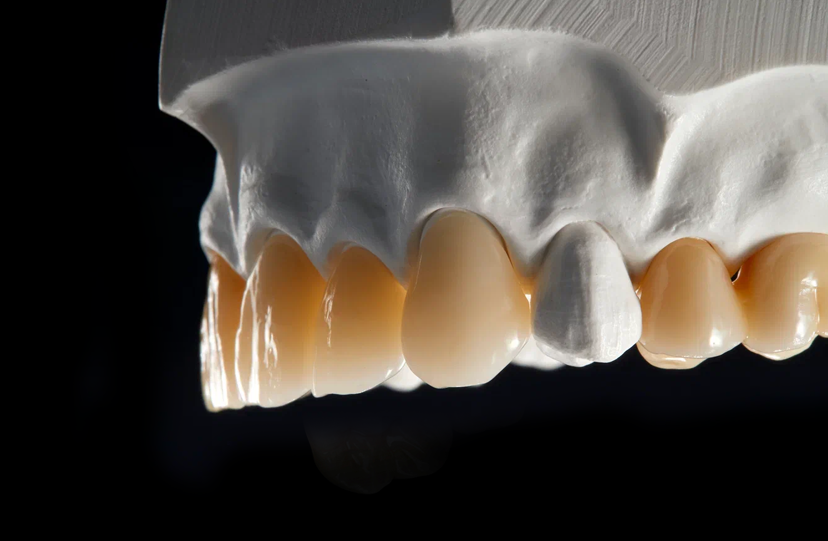
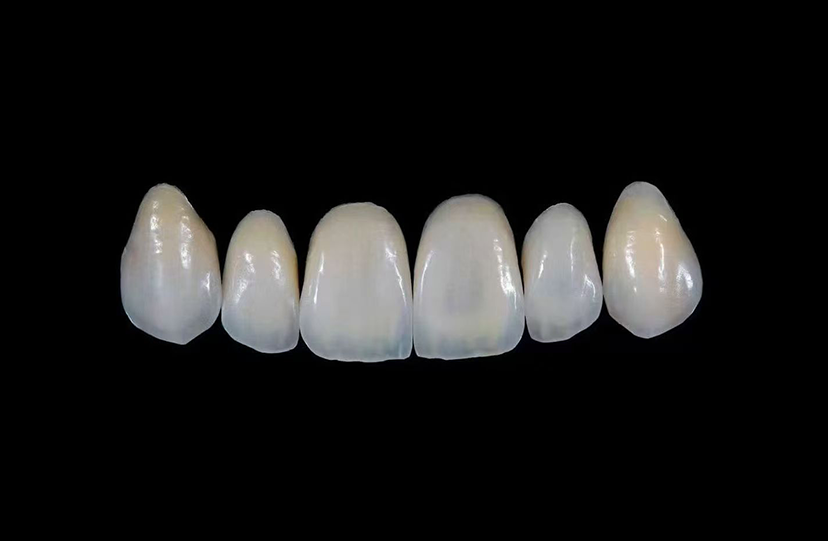
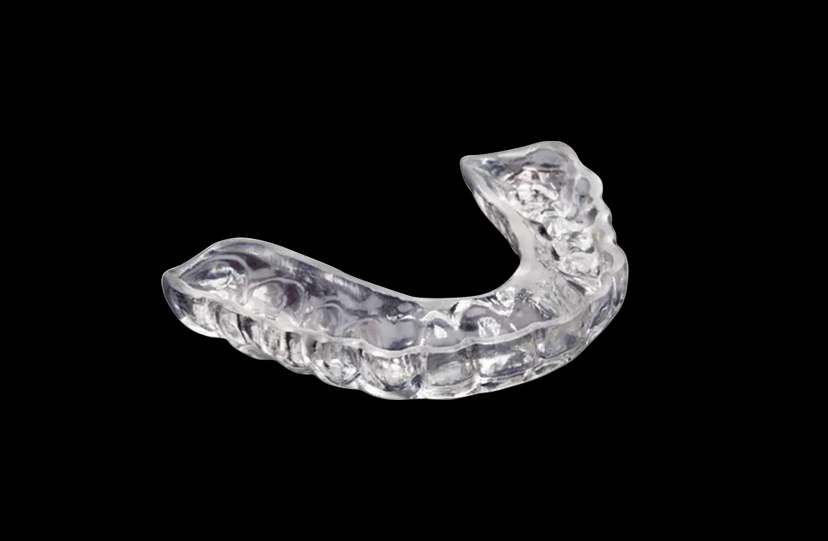
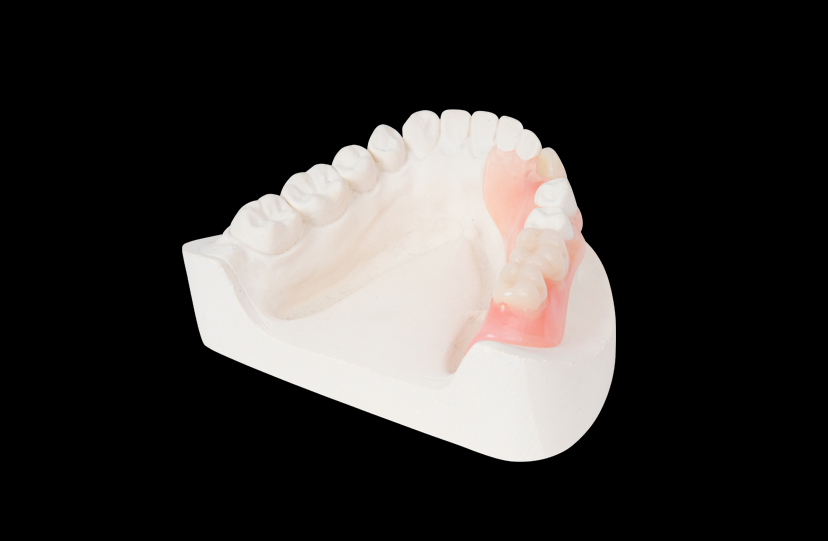
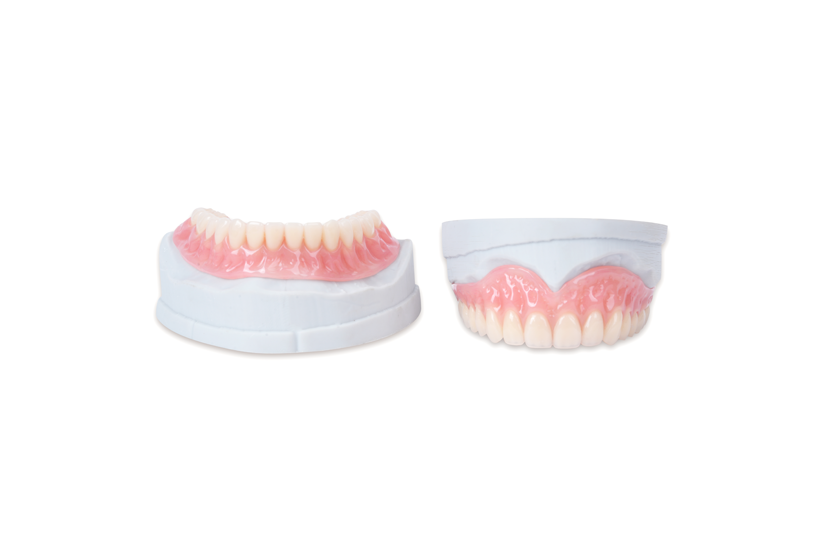
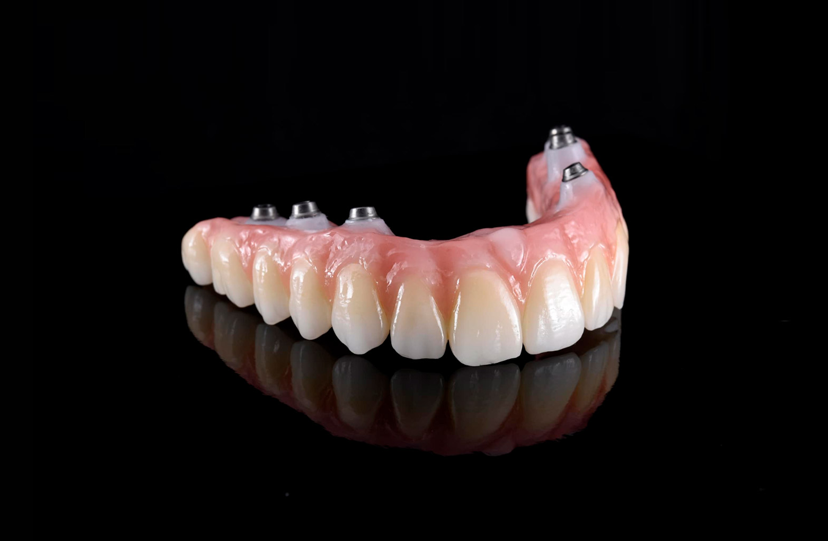
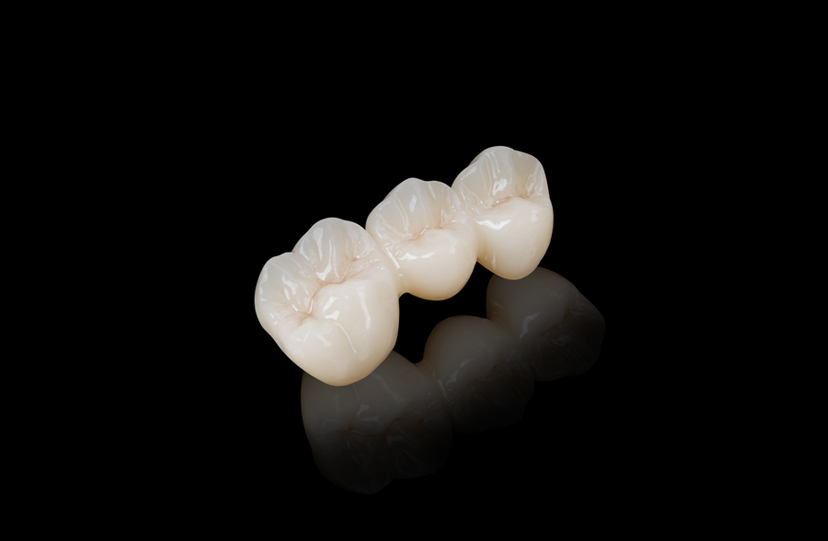
China Dental Lab for Crown and Bridge: Materials, Quality Standards and Outsourcing Considerations
Implant Cemented Crown: Materials, Manufacturing, and How to Choose a Dental Lab in China
Crowns, bridges, and implant-cemented crowns are important parts of modern restorative dentistry. HYC provides customized dental restorations for dental laboratories, dental clinics, and distributors seeking a manufacturing partner in China. Material options include zirconia, porcelain-fused-to-metal (PFM), and other ceramic restorations, subject to case requirements and material specifications.
When choosing a Chinese dental laboratory, buyers should evaluate material traceability, quality management systems, production timelines, communication, and after-sales support.
Introduction
Dental outsourcing provides dental clinics, dental service organizations (DSOs), and independent laboratories with additional options for sourcing fixed restorations. When evaluating a dental lab in China, buyers should consider more than the unit price. Consistent quality, accurate fit, reliable communication, and documented quality-control procedures are also important.
Modern dental laboratories use digital scanning, CAD/CAM design, and milling technologies to manufacture customized restorations. Procurement managers and laboratory owners should understand the laboratory’s production capabilities, material options, quality management procedures, and applicable regulatory requirements before establishing a long-term supply relationship.
What Is an Implant Cemented Crown?
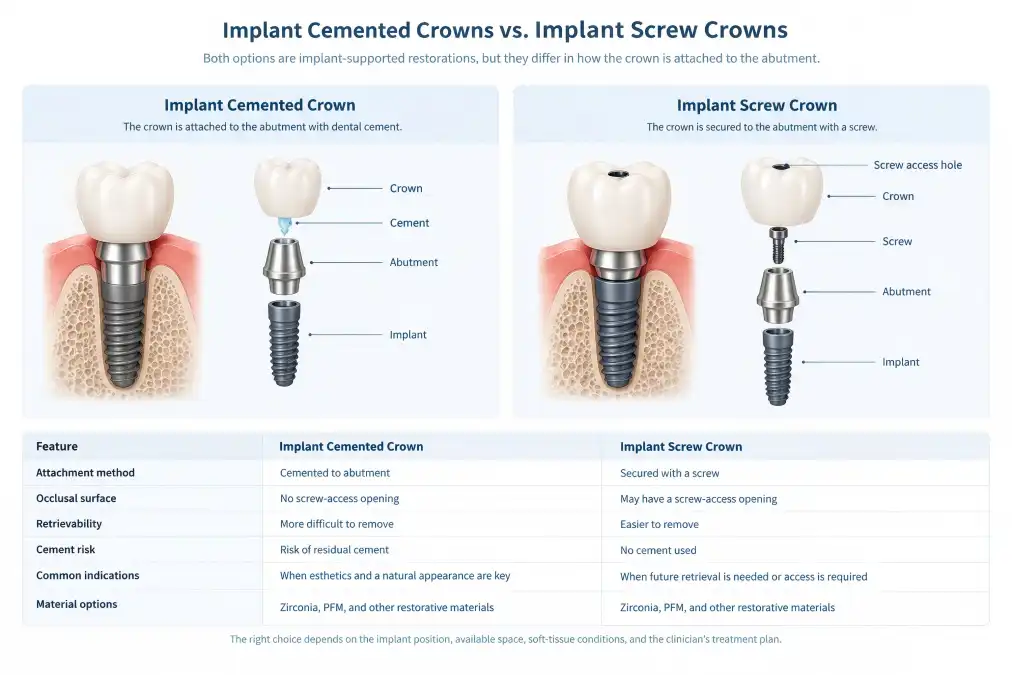
An implant cemented crown is a dental restoration retained by dental cement on an abutment connected to a dental implant. Unlike a screw-retained crown, it generally does not have a screw access hole through the occlusal surface.
The crown may be fabricated from zirconia, porcelain-fused-to-metal (PFM), or other suitable ceramic materials. The abutment may be made of titanium or zirconia, depending on the implant system and clinical requirements.
The choice of abutment, crown material, margin position, and cement depends on the individual case. Clinicians should evaluate restorative space, retention, retrievability, and the risk of residual cement when planning treatment.
Benefits of Cement-Retained Implant Restorations
Cement-retained implant restorations offer several potential advantages in selected clinical situations.
Aesthetics: The absence of an occlusal screw access hole can support a natural-looking restoration.
Angulation management: A customized abutment may help compensate for implant angulation and improve the restorative design.
Customized contours: Individualized abutments allow the emergence profile and crown contours to be designed for the specific case.
Familiar cementation procedures: Clinicians familiar with conventional crown cementation may find the workflow straightforward.
Material flexibility: Different crown materials can be considered according to the location of the restoration, functional demands, and aesthetic requirements.
The suitability of a cement-retained restoration depends on the clinical situation.
Advantages Over Screw-Retained Alternatives
In certain cases, an implant cemented crown may be preferred when the restorative design, implant angulation, or aesthetic requirements favor a cement-retained approach.
Custom abutments can provide greater flexibility in shaping the emergence profile and positioning the crown margin. However, margin placement must be planned carefully to allow excess cement to be removed.
Residual cement around an implant can contribute to peri-implant tissue complications. Clinicians should consider cement selection, margin accessibility, cementation technique, and the possibility of future retrieval before selecting a cement-retained restoration.
Screw-retained restorations may offer advantages when retrievability is a priority. The choice between cement-retained and screw-retained designs should be based on the individual clinical case.
Disadvantages and Clinical Considerations
Before selecting a cement-retained implant restoration, clinicians should consider the following limitations:
Residual cement risk: Cement remaining around the implant margin may increase the risk of inflammation and peri-implant complications.
Retrieval challenges: Removing a cement-retained crown can be difficult and may damage the restoration or other components.
Retention requirements: Short abutments or limited restorative space may compromise retention.
Maintenance requirements: Regular professional monitoring is important for evaluating peri-implant tissues and the condition of the restoration.
Careful treatment planning, appropriate cement selection, accessible margins, and thorough removal of excess cement are important parts of the cementation process.
Materials Used in Crown and Bridge Production
Material selection affects the aesthetics, mechanical performance, and clinical suitability of a dental restoration. Common options include the following.
Zirconia
Zirconia is widely used for dental crowns because of its strength and versatility. Different zirconia formulations offer different combinations of strength and translucency. The appropriate type depends on the restoration location, functional requirements, and aesthetic expectations.
Porcelain-Fused-to-Metal (PFM)
PFM restorations combine a metal substructure with a porcelain outer layer. They are an established option for cases requiring a balance of strength and aesthetics. Their suitability depends on the case design, material specifications, and patient requirements.
All-Ceramic Restorations
All-ceramic restorations provide metal-free options for selected clinical applications. Their optical properties and mechanical performance vary according to the ceramic system used.
Titanium Abutments
Titanium abutments are commonly used in implant dentistry because of their mechanical properties and established clinical applications. Compatibility with the implant system and the manufacturer's specifications must be confirmed.
Zirconia Abutments
Zirconia abutments may be considered when aesthetic requirements are important. Their suitability depends on the implant system, design, and clinical indications.
Dental laboratories and buyers should maintain appropriate documentation for the materials used in each case. Lot identification, material specifications, supplier records, and traceability procedures can support quality management and applicable regulatory requirements.
Manufacturing Workflow
A structured manufacturing workflow helps dental laboratories maintain consistency and manage production quality.
Case intake and digital scanning: The laboratory reviews the prescription, impression, or intraoral scan data, implant platform, and relevant case information.
CAD design: The crown and, where applicable, the customized abutment are designed according to the case specifications.
CAM milling: Suitable milling equipment is used to manufacture restorations from the selected material.
Sintering and surface finishing: Materials are processed according to their technical requirements. Restorations may then be stained, glazed, or polished as appropriate.
Quality inspection: The laboratory checks the restoration against the prescription, including shade, fit, contours, and relevant occlusal requirements.
Packaging and dispatch: Completed cases are packaged for shipment according to the laboratory's handling procedures and agreed delivery schedule.
Production time varies according to case complexity, material selection, workload, and shipping arrangements. Buyers should confirm the expected turnaround time with the laboratory before placing an order.
HYC Production Timeline and Quality Checks: HYC states that standard fixed restorations generally take 3–5 days to produce. The actual production timeline for an implant cemented crown should be confirmed based on the case requirements, material selection, and order details. Before placing an order, buyers should also confirm the pre-shipment inspection procedures applicable to their restoration.
Cost Factors
The cost of crown and bridge restorations from China depends on several factors.
Material selection is one of the main considerations. Monolithic zirconia, layered zirconia, PFM, and other ceramic restorations may have different production costs. Customized abutments, complex CAD/CAM designs, additional characterization, and special case requirements can also affect the final price.
Order volume, packaging, shipping method, remake policies, and the scope of quality documentation may influence the overall sourcing cost.
When comparing dental laboratories, buyers should review the complete quotation rather than focusing only on the unit price. A clear quotation should identify the restoration type, material, included services, delivery terms, and applicable remake or warranty conditions.
How to Choose a Dental Lab in China
Choosing a suitable dental laboratory requires evaluating both technical capabilities and business reliability.
Quality management: Ask for current certification documents and confirm their scope and validity.
Material traceability: Request material specifications, supplier documentation, and relevant batch or lot records.
Production capabilities: Confirm whether the laboratory can manufacture the required restoration types and manage the expected case volume.
Turnaround time: Request realistic production estimates and clarify whether shipping time is included.
Remake Policy: HYC offers free remakes for eligible cases covered by its warranty. Buyers should contact HYC with the case details if a restoration issue arises during the warranty period.
Warranty Terms: HYC provides a two-year warranty for implant cemented crowns and other covered fixed restorations. During the warranty period, qualifying cases are eligible for a free remake, subject to HYC’s warranty terms and review process. Buyers should confirm the applicable coverage and conditions before placing an order.
Communication: Establish a clear process for prescriptions, case approvals, design questions, and delivery updates.
Regulatory documentation: Verify which registrations, certifications, and product-specific requirements apply to the products and markets involved.
FDA establishment registration or device listing should not be interpreted as FDA approval or clearance of a product. Buyers should independently verify the regulatory status of the relevant manufacturer, materials, and devices where applicable.
Maintenance of Cement-Retained Implant Crowns
The longevity of an implant cemented crown depends on multiple factors, including material selection, restoration design, oral hygiene, occlusal loading, and ongoing professional care.
Patients should follow their clinician's instructions for cleaning around the implant restoration, including the use of appropriate interdental cleaning tools. Regular dental examinations help clinicians monitor the restoration, peri-implant tissues, and surrounding bone when clinically indicated.
If a restoration becomes loose, damaged, or uncomfortable, the patient should contact the treating clinician. The clinician can determine whether the crown, abutment, or other implant components require adjustment, repair, or replacement.
Conclusion
An implant cemented crown can be a suitable restorative option for selected implant cases. Material selection, abutment design, cement management, and clinical requirements all influence the final result.
For dental laboratories, clinics, and distributors sourcing restorations from China, choosing a manufacturing partner involves evaluating quality management, material traceability, production capabilities, communication, and after-sales support.
HYC provides customized dental restoration solutions for professional buyers. Published product information includes zirconia restorations, porcelain-fused-to-metal (PFM) crowns, and customized implant crown and abutment solutions.
For an implant-cemented crown inquiry, buyers should provide the available case information and restoration requirements. Material availability, implant component compatibility, pricing, and the expected production schedule should be confirmed with HYC before the order proceeds.
Contact HYC to discuss case requirements, available materials, production arrangements, and quotation details.
Frequently Asked Questions About Implant Cemented Crowns
1. What is an implant cemented crown?
An implant-cemented crown is a dental crown secured with cement to an abutment that connects to a dental implant. It generally does not have an occlusal screw access hole. Its suitability depends on the clinical requirements and restorative design.
2. Is a cement-retained crown better than a screw-retained crown?
Neither option is universally better. Cement-retained crowns may offer aesthetic or restorative design advantages in selected cases, while screw-retained crowns may offer easier retrieval. Clinicians should consider implant position, margin accessibility, cement-related risks, and maintenance requirements.
3. What materials are used for implant cemented crowns?
Common materials include zirconia, porcelain-fused-to-metal (PFM), and other suitable ceramics. Titanium or zirconia may be used for abutments, depending on the implant system and clinical requirements.
4. How can residual cement around an implant crown be prevented?
Clinicians can reduce residual cement risk through appropriate margin positioning, careful cement selection, controlled cementation, and thorough removal of excess cement. The chosen technique should be appropriate for the individual case.
5. How long does it take a dental lab in China to manufacture a crown?
Turnaround time depends on the restoration type, case complexity, laboratory workload, and shipping arrangements. HYC states that standard fixed restorations generally take 3–5 days to produce. Buyers should confirm whether this timeline applies to their specific implant crown case and request an estimated delivery schedule before ordering.
6. How much does an implant cemented crown from China cost?
Pricing varies according to material, restoration design, customization, order volume, and shipping requirements. Buyers should request a case-specific quotation that clearly identifies the product specifications and included services.
7. How do I choose a reliable dental lab in China?
When choosing a dental lab in China, compare its quality management documentation, material traceability, production capabilities, remake policy, and communication procedures. Ask for relevant records and confirm the production schedule, shipping arrangements, and warranty terms before establishing a long-term supply relationship.
8. What should U.S. buyers verify before sourcing dental crowns from China?
U.S. buyers should verify the supplier's identity, applicable quality certifications, material documentation, product-specific regulatory requirements, and written commercial terms. FDA establishment registration or device listing alone does not mean that a product is FDA-approved or cleared.
9. What should I ask a Chinese dental lab before placing a bulk order?
Ask about production capacity, available materials, quality inspection procedures, case communication, delivery schedules, remake policies, warranty coverage, and applicable regulatory documentation. Request a written quotation and confirm responsibilities for shipping, defects, and remakes.
10. Can a dental laboratory customize implant abutments and crowns?
Some dental laboratories offer customized abutments and crowns based on case specifications, implant system compatibility, and the clinician's prescription. Buyers should confirm the available customization options and required case information directly with the laboratory.
Partner With HYC — Implant Cemented Crown Manufacturer
HYC Dental Lab provides customized dental restorations for professional buyers seeking a dental manufacturing partner in China. Available options and production arrangements depend on the case specifications and confirmed requirements.
For information about implant cemented crowns, customized abutments, material options, and quotations, contact HYC at info@hycdentallab.com or visit hycdentallab.com.
References
Journal of Prosthetic Dentistry — Cement-retained versus screw-retained implant-supported restorations: A systematic review, 2019.
International Journal of Oral & Maxillofacial Implants — Peri-implant tissue response to cement-retained crowns: A clinical review, 2020.
Clinical Oral Implants Research — Custom versus stock abutments for single-tooth implant restorations: Marginal fit and biological outcomes, 2021.
Journal of Dental Research — Mechanical properties of monolithic zirconia crowns: Flexural strength and fatigue resistance, 2018.
American Dental Association — Annual Report on Dental Procedures in the United States, 2022.
ISO 13485:2016 — Medical Devices: Quality Management Systems — Requirements for Regulatory Purposes, International Organization for Standardization, 2016.
YOU MAY LIKE