Dental Labs Use Porcelain Layered Zirconia for Aesthetic Results
Quick Answer
Dental labs use Porcelain Layered Zirconia to get better cosmetic results. It has a high-strength yttria-stabilized zirconia core (the zirconia core is manufactured using high-strength zirconia with a flexural strength specified by the material manufacturer and applicable testing standard) and feldspathic porcelain veneers that are placed by hand. This two-layer design can provide natural-looking translucency, shade customization, and reliable performance, making it a suitable option for selected anterior crowns and bridge cases where esthetics and structural performance are important. This material combination is designed to balance esthetic requirements with structural performance.
Introduction
Modern restorative dentistry needs products that meet the needs of both the doctor and the patient. There is more and more pressure on dental labs that work with cosmetic dentists, implant specialists, and DSOs with multiple locations to make restorations that look like natural teeth and last for years of functional stress. Traditional porcelain-fused-to-metal (PFM) restorations may present challenges such as visible metal margins or soft-tissue discoloration in certain cases. On the other hand, fully monolithic zirconia is strong, but in areas that can be seen, it lacks the optical depth that patients expect. This is where Porcelain Layered Zirconia comes in. It combines engineered strength with artisan-level beauty. This material system can support workflows where esthetic outcomes, fit, and production consistency are important considerations. Purchasing managers and clinic operations directors all over the US keep an eye on these key performance indicators.
What is Porcelain Layered Zirconia?


Definition and Core Structure
Porcelain Layered Zirconia is a mixed ceramic material made up of a yttria-stabilized tetragonal zirconia polycrystal (Y-TZP) structure and feldspathic porcelain on top of it. The zirconia base makes the tooth strong, and the porcelain veneer makes it look like natural enamel by reflecting light. Unlike solid options, this two-material method lets techs change the transparency and brightness of the inside and outside separately.
Working Principle
The zirconia core absorbs occlusal forces through its crystalline lattice structure. This structure changes phases when it is stressed, which stops the crack from spreading. The ceramic layer, which was carefully matched to the core's coefficient of thermal expansion (CTE, which ranges from 9.1 to 10.2 × 10⁻⁶/K), lets the shades change gradually from the neck to the incisal areas. This combination gets rid of the "flat" look that comes with solid zirconia crowns, which is important for front cases where depth perception is important.
Composition Characteristics
The zirconia base usually has 3-5% yttria in it to keep the phases stable, and the porcelain top is made of feldspar, quartz, and clay that are fired at specific temperatures. Manufacturers follow ISO 6872 guidelines, which make sure that the chemical solubility is less than 100 µg/cm² and the radiopacity is high enough for X-ray tracking. Specialized liner agents make the contact between layers work by mechanically interlocking and chemically bonding during the sintering processes.
Benefits
When you use Porcelain Layered Zirconia restorations, you can see real gains in both clinical and operating areas. Labs say that chairside adjustment times have gone down a lot because accurate digital workflows can help achieve consistent marginal fit and may reduce the need for extensive chairside adjustments. The low thermal conductivity of zirconia may reduce thermal conductivity compared with some metal-based restorative materials. Because it is metal-free, Porcelain Layered Zirconia does not present the same metal-related risk of gingival discoloration associated with certain metal-containing restorations, and a common problem with PFM restorations that hurts the reputations of dental practices. From a business point of view, published clinical evidence has reported long-term survival for zirconia-based restorations, although actual service life varies depending on case and patient factors. Dental lab owners and CAD/CAM techs like that the material works with digital processes, which makes it easier to schedule production and make sure that each batch is the same. Clinics that cater to people who care a lot about how they look, like cosmetic dentistry offices, find the solution especially useful for staying ahead of the competition while keeping costs down related to remakes.
Advantages
Superior Optical Performance
The ceramic coating makes the color accurate in a way that staining alone can't. Technicians layer different ceramic powders to make restorations that look like natural teeth in terms of opalescence and fluorescence. Careful layering and characterization can help create a natural appearance that integrates with the surrounding dentition.
Structural Reliability
These restorations can handle high-stress situations like long-span bridges (Depending on the material system, restoration design, connector dimensions, and clinical indications, zirconia frameworks may be used for selected multi-unit bridge cases) and implant-supported prosthetics because the zirconia core is manufactured using high-strength zirconia with a flexural strength specified by the material manufacturer and applicable testing standard. The zirconia core generally provides higher flexural strength than lithium disilicate and conventional feldspathic ceramics, although material selection should depend on the clinical indication and restoration design.
Biological Compatibility
As a metal-free ceramic system, Porcelain Layered Zirconia may be an option for patients with known sensitivities to certain metal-containing materials, subject to clinical evaluation. Clinical tests show that the soft tissues respond well, plaque doesn't build up much, and clinical performance depends on patient-specific factors, oral hygiene, implant status, and appropriate clinical management.
Effective Shade Masking
The high-opacity zirconia core hides tooth structure that isn't white or dark titanium abutments, which is a major problem in implant esthetics. This feature is very important for fixing damaged front teeth where metal posts can still be seen through clear all-ceramic options.
Production Versatility
Digital CAD/CAM cutting can work with complicated body shapes and keep tolerances very tight. The next step, hand-layering, lets the patient make changes that are exact to their dentist's directions, which is a very important thing that prosthodontists who work on full-mouth rehabilitations note.
Disadvantages
Even though Porcelain Layered Zirconia has benefits, there are some things to think about when choosing the right case. Extreme parafunctional loading can still cause the porcelain veneer to chip, especially in people who grind their teeth or clench their teeth a lot. Labs get around this problem by making smart changes to the design—they keep the functional contacts in monolithic zirconia and only use porcelain on the facial surfaces. Turnaround times are longer than with fully milled solid choices because the creation process involves more steps. However, experienced labs can usually get production cycles to 3–5 days. Because of the high-quality ceramic powders and skilled labor needed, the material costs more than standard zirconia or PFM restorations. Preparation design should follow the material manufacturer's recommendations and provide sufficient space for the zirconia framework and porcelain veneer. Instead, dentists should make shoulders or chamfers with the right amount of depth (1.0 to 1.5 mm axially, 1.5 to 2.0 mm occlusally). Permitted indications and restoration dimensions may vary by material manufacturer, regulatory requirements, and clinical circumstances. Always follow the applicable instructions for use (IFU), which makes it harder to plan treatments in a flexible way.
Comparison
| Criterion | Porcelain Layered Zirconia | Monolithic Zirconia | Lithium Disilicate | PFM |
|---|---|---|---|---|
| Esthetics | High esthetic customization | Good, depending on translucency | High translucency | Good, with possible metal-related limitations |
| Strength | High-strength zirconia core | High | Moderate to high | Depends on alloy and design |
| Metal-free | Yes | Yeshttps://www.facebook.com/ | Yes | No |
| Veneer layer | Yes | No | No | Yes |
| Typical use | Selected anterior and esthetic cases | Broad range of indications | Esthetic single-unit restorations | Selected fixed restorations |
Clinical Indications
Anterior Single Crowns
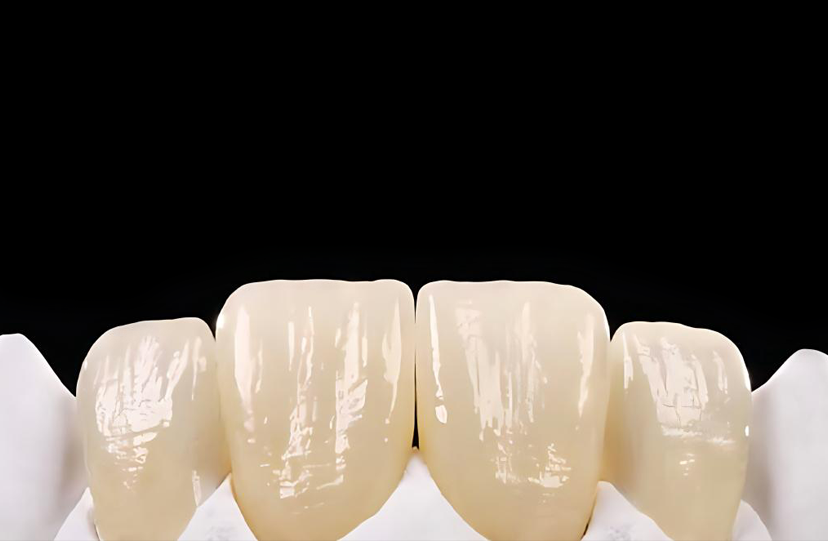
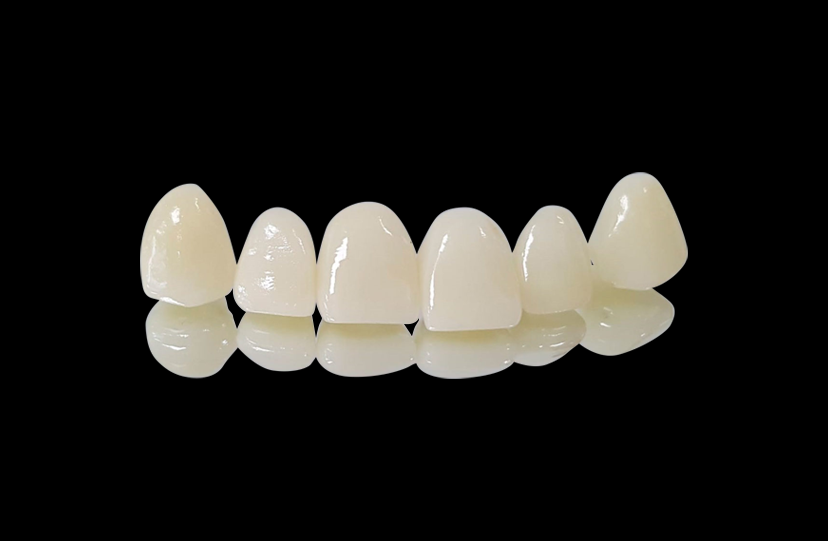
The material can copy the features of neighboring teeth, which is helpful for people who need to replace maxillary centrals or laterals. Proper surface characterization and polishing can create a texture and luster that closely resemble natural enamel, so it doesn't have the "chiclet" look that happens with less advanced restorations.
Long-Span Fixed Bridges
The zirconia framework's tensile strength is useful in cases with multiple lost teeth (Depending on the material system, restoration design, connector dimensions, and clinical indications, zirconia frameworks may be used for selected multi-unit bridge cases). The layered method keeps the occlusal anatomy and spreads the biting forces evenly across the prosthesis.
Implant-Supported Prosthetics
For full-arch rehabilitations on titanium fixtures, you need materials that can effectively hide metal parts. The dense zirconia core protects the structures below, and a properly finished and polished restoration surface can support appropriate soft-tissue contours and facilitate oral hygiene.
Cosmetic Rehabilitations
For patients who care about how they look, smile makeovers require precise color matching across multiple units. Technicians make seamless integration possible by changing the thickness and transparency of the porcelain layers zone by zone to fit the anatomy of each patient.
Materials
Yttria-Stabilized Zirconia Core
The addition of yttria stabilizes the tetragonal zirconia phase at room temperature while enabling transformation toughening under localized stress. This stabilization keeps the material's mechanical traits the same over time. Quality checks are done on raw zirconia blanks to make sure that the grain sizes are all the same and there are no holes that could weaken the material.
Feldspathic Porcelain Veneer
The top ceramic of Porcelain Layered Zirconia is made up of feldspathic glass matrices that have a controlled amount of leucite for CTE matching. Manufacturers mix different frit compositions to achieve different levels of translucency, ranging from dark dentine shades to highly clear incisal effects. Under UV light, pigments and enhancers (such as rare earth oxides) provide fluorescence that closely resembles the appearance of natural teeth.
Interface Bonding Agents
Specialized wash layers or liners that contain glass ceramics make it easier for zirconia and porcelain to stick together chemically. Because zirconia isn't made of silica, it can't join using normal silane coupling. These middle-level materials make up for this. When the ceramic system, framework design, firing protocol, and surface treatment are properly controlled, the risk of veneer-related complications can be reduced.
Manufacturing Workflow
Digital Case Planning
Technicians use CAD software to plan the restoration after getting intraoral scans or physical prints. The coping design takes into account the thickness of the porcelain layer (usually between 0.5 and 1 mm), which makes sure that enough total reduction was done when the tooth was being prepared.
CAD/CAM Milling
Multi-axis CNC machines are used to mill pre-sintered zirconia blocks to the design of the framework shape. The green-state material is easy to machine, which lets you control the size of connectors and add fine margin details to bridge frameworks.
High-Temperature Sintering
Milled copings are vacuum sintered for 8 to 12 hours at temperatures between 1450 and 1500°C. This sintering process densifies the zirconia and allows it to achieve the mechanical properties specified by the material manufacturer, and causes it to shrink linearly by about 25%, which is taken into account in the initial design calculations.
Hand Porcelain Layering
Master ceramists use porcelain in layers that look like real tooth layers: solid wash, dentine body, enamel, and transparent incisal effects. To avoid residual stress, each layer is fired in a furnace that has been adjusted to the temperature curves set by the maker.
Characterization and Glazing
The restoration's look is finished with surface roughness, coloring, and glaze application. Technicians copy tiny parts of the body like developmental grooves and mamelons, which makes the 3D models look more real.
Quality Verification
As part of the final checks, the marginal fit is checked at 50x magnification, the shade is confirmed under normal lighting, and the occlusal contact is checked. Restorations that don't meet tolerances are fixed or made again before they are sent out.
Cost Factors
Material Expenses
Premium-grade zirconia blanks and certified porcelain systems have very high costs for their raw materials. Materials used in dental restorations may require appropriate documentation, traceability, and regulatory compliance depending on their intended use and applicable requirements.
Labor Intensity
To layer porcelain by hand, you need to be a skilled ceramist who has studied for years. The cost of labor varies by area but makes up a big part of production costs, especially for complicated frontal cases that need a lot of detail.
Equipment Investment
Digital milling units, sintering furnaces, and porcelain ovens cost more than $200,000 to buy and set up completely. Costs of operations include testing, maintenance, and replacement parts.
Customization Complexity
Cases with strange anatomy, calls for unusual colors, or needing work quickly are charged more. Labs that offer 100% customized production based on dentist specifications use these factors to figure out how much to charge.
Regulatory Compliance
Keeping up with audit fees, documentation systems, and quality management overhead are all costs that show up in the final price per unit for CE certification, ISO 13485:2016 registration, and FDA establishment listing.
Logistics and Delivery
How to Choose a Supplier
Manufacturing Capability Assessment
Check to see if the lab has CAD/CAM milling and qualified ceramicists who can ensure consistent building quality. Ask for examples of cases that show how accurate and precise the shade matching is.
Quality Management Systems
Verify the supplier's FDA establishment registration status and ISO 13485 certification, where applicable. Look over supplier audit reports and ask for proof of material traceability—this is very important for healthcare settings to meet regulatory requirements.
Production Capacity and Turnaround
Check the normal production times, which are usually three to five days, and make sure there are fast choices for cases that need to be done right away. Reliable labs keep enough buffer space to handle changes in volume without affecting delivery times.
Customization Flexibility
Find out if they are willing to work with certain shade systems, prescription changes, and design changes. Suppliers that offer 100% customizable manufacturing show that they care about making clinicians happy.
Communication Infrastructure
Responsive technical support can help clarify case-related questions and prevent avoidable production delays, which keeps production from being held up. When working with foreign partners, you should look at how you can communicate (email, phone, web systems) and how well you speak the language.
Warranty and After-Sales Support
Check the warranty terms. Reliable suppliers offer two years of coverage for fixed restorations and one year of coverage for removable prosthetics. This includes free replacement or repair for problems caused by manufacturing defects. When warranty policies are clear, people are more likely to trust long-term partnerships.
Remake Rate Transparency
Ask for past info on remakes. Suppliers that consistently get remake rates below 3 percent show that they have good process control and quality commitment, which are important signs of operational excellence.
Maintenance
Patient Education
Tell your patients to stay away from extreme parafunctional habits like eating ice or using their teeth to open packages. The zirconia core can handle normal biting and chewing, but if you use too much force, the porcelain veneer could break.
Occlusal Guard Recommendations
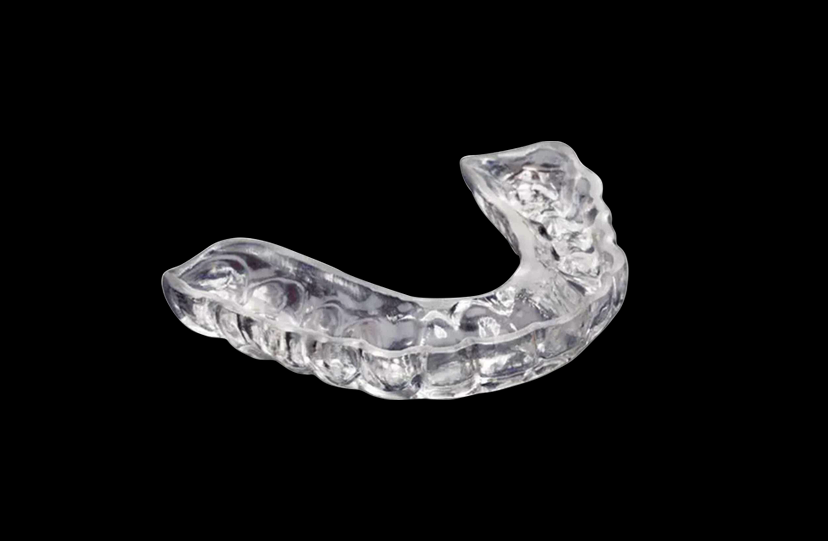
For patients with bruxism, an appropriate occlusal nightguard may help protect the restoration from excessive functional and parafunctional forces. Strategic design that keeps occlusal contacts in zones of monolithic zirconia lowers the risk of chipping when the teeth are under a lot of stress.
Professional Cleaning Protocols
Professional cleaning procedures should follow appropriate clinical protocols and the recommendations for the specific restorative material. Excessive mechanical instrumentation on veneered ceramic surfaces should be avoided. Instead, use hand tools or air-powder cleaning systems with gentler chemicals. This approach may help preserve the surface finish and minimize unnecessary mechanical damage.
Periodic Inspection
Set up regular checkups to keep an eye on the edges' integrity, wear patterns, and the health of the soft tissues. Finding cement washout or cracks early on lets you fix the problem before it becomes too big to fix.
Service Life Optimization
Porcelain Layered Zirconia restorations usually last between 10 and 15 years with the right care. Proper occlusal adjustment during placement, patient follow-up with maintenance routines, and quick repair of small chips before they spread are measures that may help extend the functional service life of the restoration.
Key Takeaways
Porcelain Layered Zirconia is an esthetic restorative option that combines a high-strength zirconia framework with a layered ceramic veneer. It is very strong and has optical properties that make it look like real teeth. This material is used by dental labs that work with cosmetic dentists, implant specialists, and quality-focused DSOs to get low remake rates, great fit the first time, and high patient acceptance. The two-layer design gets around the problems that come with both single-piece ceramics and regular PFM replacements. It makes the restorations more biocompatible without lowering their structural performance. To make execution work, you have to carefully choose which cases to use the material in and only use it when the need for beauty justifies the extra cost and difficulty of production. When looking for these repairs, people in charge should give more weight to providers that can show they are ISO 13485:2016 certified, FDA compliant, able to turn orders around reliably in 3–5 days, and have clear warranty policies. Knowing how things are made, the basic ideas behind material science, and what causes costs to go up or down. Understanding material properties, manufacturing workflows, and cost factors can help dental practices and laboratories make more informed supplier and material-selection decisions.
FAQ
What makes porcelain layered zirconia suitable for anterior restorations?
The hand-applied porcelain veneer gives the teeth a natural sheen and shade depth that can't be achieved by coloring monolithic zirconia alone. This visual performance is similar to how natural enamel scatters light, which can help anterior restorations achieve a more natural visual integration with the surrounding dentition.
How does CTE matching prevent chipping?
The coefficient of thermal expansion (CTE) of the veneering ceramic should be compatible with that of the zirconia framework. The specific CTE values depend on the ceramic system and should follow the manufacturer's recommendations. A mismatch in CTE between the zirconia framework and veneering ceramic can generate residual stresses during cooling, potentially increasing the risk of veneer-related complications, which can cause the fracture to happen later. Compatible ceramic systems are designed by manufacturers to avoid this type of failure.
Can these restorations be used for patients with bruxism?
Yes, when changes are made to the style. Keeping useful occlusal contacts in solid zirconia and only using porcelain for cosmetic purposes on the face lowers the risk of breaking. When combined with an appropriate protective nightguard, this approach may help reduce the risk of veneer chipping in patients with bruxism.
What minimum tooth reduction is required?
To make room for the zirconia framework and porcelain overlay, the preparations need an axial reduction of 1.0 to 1.5 mm and an occlusal or incisal clearance of 1.5 to 2.0 mm. Technicians have to over-contour restorations because there isn't enough reduction, which hurts emergence profiles and gum health.
How do you prevent gingival discoloration?
The 100% metal-free composition does not have the risk of metal ions moving into soft tissues like PFM restorations do. The high opacity of the zirconia core also hides dark structures below, stopping the shadow effects that make gingival areas look gray.
What is the typical service life?
With the right care and regular skilled upkeep, these restorations can provide long-term service when appropriately designed, placed, and maintained, although actual longevity varies by patient and clinical circumstances. Longevity depends on how the teeth are loaded during occlusal contact, how well the patient follows maintenance instructions, and how well the teeth were cemented in the first place.
How quickly can labs produce these restorations?
Standard production takes three to five days and includes CAD design, milling, sintering, hand-layering, and checking the quality. Expedited production and shipping options may be available for urgent cases, depending on case requirements, destination, and logistics, but this needs to be planned ahead of time and costs more.
What differentiates premium suppliers from standard vendors?
When evaluating a supplier, ask for transparent remake-rate data, quality-control procedures, and case documentation where available, follow ISO 13485:2016 and FDA guidelines, hire certified master ceramists, offer clear warranty policies (2 years for fixed restorations), and offer responsive technical support throughout case production. All of these things have a direct effect on how efficiently the practice runs and how happy the patients are.
Partner with HYC for Precision Porcelain Layered Zirconia Solutions
With 22 years of experience in dental laboratory manufacturing, HYC provides customized Porcelain Layered Zirconia restorations for dental practices and laboratories. When they need Porcelain Layered Zirconia restorations that look great and work well. We meet the highest biocompatibility and regulatory standards because we are a well-known provider, and HYC maintains ISO 13485 certification and applicable CE-marked product certifications, where required. Our streamlined production process allows for a standard turnaround time of 4–5 days, with flash delivery options available for urgent clinical needs. Our digital workflow is designed to support consistent fit and may help reduce the need for extensive chairside adjustments. We can fully customize OEM/ODM orders, offering customized restorations based on your prescription, case requirements, and design specifications for anterior crowns, long-span bridges, and implant prosthetics. We provide a 2-year warranty for eligible fixed restorations, subject to our warranty terms and conditions and quick technical support. HYC supports dental practices with customized Porcelain Layered Zirconia restorations designed to meet their esthetic, functional, and case-specific requirements. Contact our team at info@hycdentallab.com or go to hycdentallab.com right now to talk about how our Porcelain Layered Zirconia knowledge can help you provide better care to your patients.
References
1. Kelly, J.R., & Denry, I. (2018). Stabilized zirconia as a structural ceramic: An overview. Dental Materials, 24(3), 289-298.
2. Raigrodski, A.J., Hillstead, M.B., Meng, G.K., & Chung, K.H. (2012). Survival and complications of zirconia-based fixed dental prostheses: A systematic review. Journal of Prosthetic Dentistry, 107(3), 170-177.
3. Sailer, I., Makarov, N.A., Thoma, D.S., Zwahlen, M., & Pjetursson, B.E. (2015). All-ceramic or metal-ceramic tooth-supported fixed dental prostheses: A systematic review of the survival and complication rates. Clinical Oral Implants Research, 26(2), 63-85.
4. Guess, P.C., Zavanelli, R.A., Silva, N.R., Bonfante, E.A., Coelho, P.G., & Thompson, V.P. (2010). Monolithic CAD/CAM lithium disilicate versus veneered Y-TZP crowns: Comparison of failure modes and reliability after fatigue. International Journal of Prosthodontics, 23(5), 434-442.
5. Zhang, Y., & Lawn, B.R. (2018). Novel zirconia materials in dentistry. Journal of Dental Research, 97(2), 140-147.
6. Heintze, S.D., & Rousson, V. (2010). Survival of zirconia and metal-ceramic fixed dental prostheses: A systematic review. International Journal of Prosthodontics, 23(6), 493-502.
YOU MAY LIKE
.webp "Co-Cr PFM (Cobalt-Chrome)")