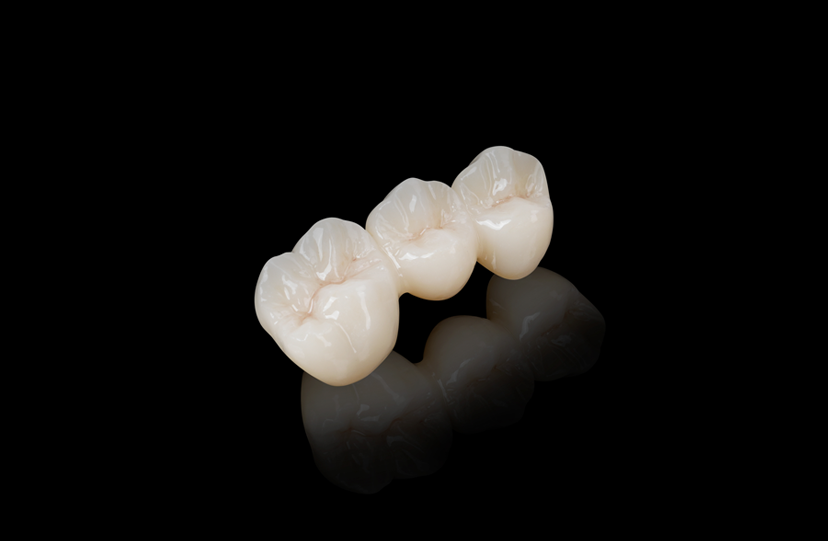
Why Choose White Gold PFM for High-End Dental Crown Fabrication?
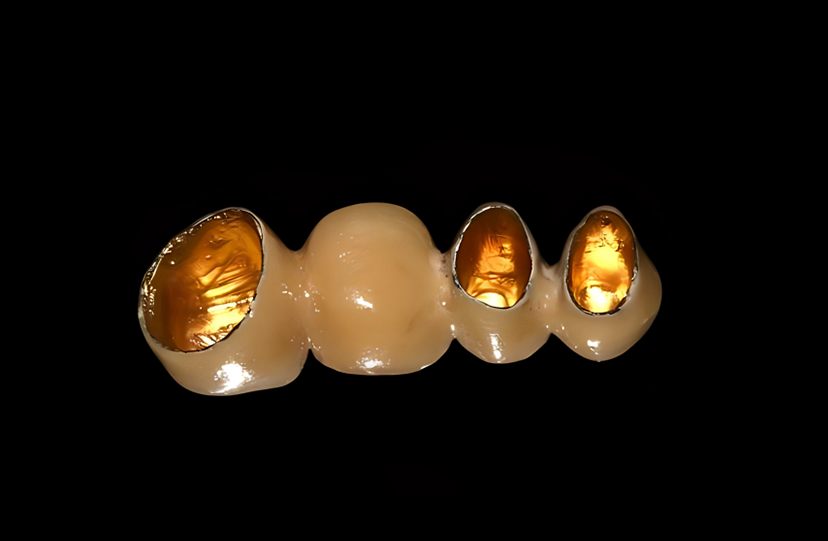
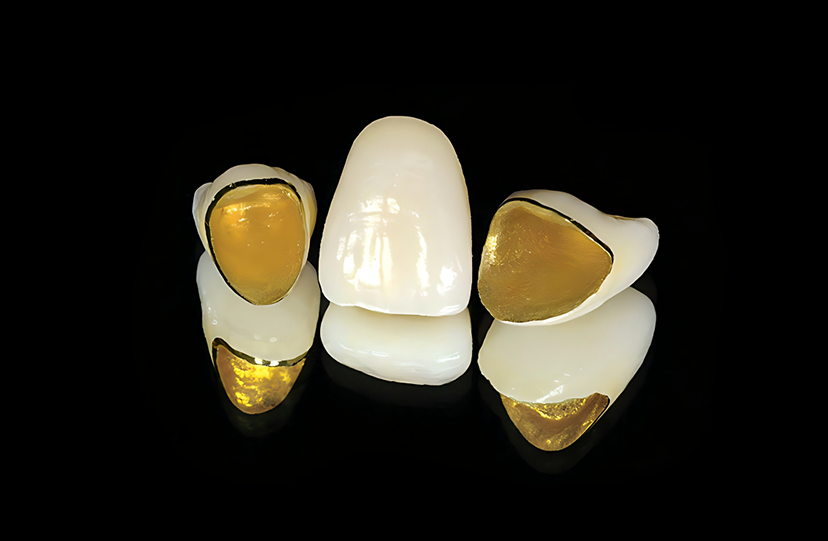
White Gold PFM (porcelain-fused-to-metal) crowns are made of dental porcelain and a high-noble alloy base that may contain palladium, platinum, gold, and other alloying elements. They are commonly considered for posterior restorations where strength, durability, and material characteristics are important. When used on a long-span bridge, these restorations can provide a rigid metal framework combined with a tooth-colored ceramic veneer. High-noble-metal frameworks can demonstrate reliable clinical performance when appropriate materials, fabrication methods, case selection, and maintenance protocols are used.
Introduction
Even though dental restorative technology continues to improve, some options remain useful in specific clinical situations. People who work in the prosthetics business know that posterior crowns and multi-unit bridges need materials that can withstand functional forces and maintain their shape during service. A high-noble white alloy framework can be considered when biocompatibility, corrosion resistance, mechanical properties, and material characteristics are priorities. For dental laboratories that work with prosthodontists, implant specialists, and group offices with multiple locations, knowing when to consider white gold frameworks is important for case planning. This material can address some common restorative considerations, including framework rigidity, material sensitivity concerns, and masking of underlying discoloration in selected abutment cases. The American Dental Association notes that high-noble alloys can be used for crowns, fixed bridges, and other indirect restorations, while metal-ceramic restorations remain an established restorative option.
What Is White Gold PFM?
White Gold PFM refers to dental restorations that have a metal base made from high-noble alloys, which may contain palladium, platinum, gold, and other alloying elements, bonded to ceramic layers. In contrast to yellow gold alloys, the color of white or silver-colored dental alloys is influenced by their specific alloy composition, particularly the use of platinum-group metals.
According to the American Dental Association, high-noble dental alloys contain at least 60% noble metals by weight, including gold and platinum-group metals, with gold accounting for at least 40% by weight. Platinum-group metals include platinum, palladium, rhodium, osmium, and ruthenium.
The specific composition, mechanical properties, melting range, and thermal expansion coefficient vary between individual dental alloys. These characteristics must be considered when selecting a porcelain system and designing a metal-ceramic restoration.
With the porcelain layering method, lab workers can cover the metal base with tooth-colored ceramics, making restorations that are designed to resemble the surrounding teeth. For posterior uses where functional performance is a priority, the metal framework provides structural support while the ceramic veneering provides the visible tooth-colored surface.
Benefits
If you choose white gold frames for your posterior cases, you can obtain several clinical and practical benefits that may address common restorative requirements.
Enhanced Mechanical Performance for High-Stress Applications
High-noble alloys can provide favorable strength, stiffness, and hardness characteristics for dental restorations. Framework design and alloy selection are particularly important for bridges with multiple units, where controlling framework deformation and connector dimensions is essential.
When dentists treat patients with heavy occlusal forces or parafunctional habits, the mechanical properties of the selected framework can be an important consideration in treatment planning. The final performance of a restoration also depends on preparation design, framework geometry, ceramic processing, occlusion, cementation, and maintenance.
Thermal Stability During Fabrication
The thermal properties of a dental alloy are important during porcelain application. The alloy and ceramic system must have compatible thermal expansion characteristics so that excessive stress is not generated during cooling.
During multiple firing stages, controlled processing helps maintain the intended framework and ceramic dimensions. For this reason, dental laboratories should follow the alloy manufacturer's processing recommendations and use compatible veneering ceramic systems.
Predictable Long-Term Service Life
High-noble metals are generally resistant to corrosion and are widely used in dental restorative applications. Their resistance to corrosion is one reason noble metal alloys have a long history of use in dentistry.
The clinical longevity of a PFM restoration depends on many factors, including the alloy and ceramic system, restoration design, preparation, occlusion, cementation, oral hygiene, patient habits, and regular professional maintenance. Therefore, service life should be considered case-specific rather than guaranteed for a fixed number of years.
Improved Biocompatibility Profile
High-noble alloys are generally well tolerated in dental applications, although the response depends on the specific alloy composition and the individual patient. Compared with some base-metal alloys, high-noble alloys may offer favorable corrosion resistance and material characteristics.
For patients with a known or suspected metal sensitivity, the complete alloy composition should be reviewed before treatment. Material selection should be based on the patient's clinical history and the recommendations of the treating dental professional.
These benefits can contribute to predictable restorative planning when the material is selected appropriately and fabricated according to the manufacturer's specifications.
Advantages
When looking at different materials for difficult posterior cases, white gold frameworks may offer advantages in specific restoration cases where rigidity, corrosion resistance, and material characteristics are priorities.
Superior Rigidity Versus Yellow Gold
Even though both white and yellow high-noble alloys can provide favorable material characteristics, their exact performance depends on alloy composition. Palladium and platinum can contribute to the mechanical properties and color of high-noble white alloys.
Rather than assuming a fixed percentage difference in rigidity, clinicians and laboratories should review the manufacturer's technical specifications for the specific alloy being used. Framework geometry and connector design also have a significant influence on the mechanical performance of a restoration.
Enhanced Opacity for Discolored Abutments
When it comes to covering dark or discolored tooth structures, the metal substructure and opaque ceramic layers can provide useful masking properties. Root canal-treated teeth, metal posts, or dentin stained with amalgam may present challenges for highly translucent all-ceramic restorations.
When white gold frames with properly selected opaque porcelain layers are used, they can help mask underlying discoloration and provide an appropriate esthetic result for selected posterior cases.
Compatibility with Limited Preparation Space
Posterior preparations can sometimes have limited occlusal clearance, especially for patients with restricted interarch space or when preservation of tooth structure is important.
The required framework and ceramic thickness depend on the specific alloy, ceramic system, restoration design, and manufacturer's instructions. In selected cases, metal-ceramic restorations may allow a relatively conservative material thickness compared with some alternative restorative designs.
Proven Digital Workflow Integration
Modern CAD/CAM technology can support digital planning and framework design for dental restorations. Depending on the alloy and laboratory workflow, digital design can be combined with appropriate milling, casting, or other approved fabrication methods.
For framework geometry optimization, our facility uses computer-aided design. Depending on the complexity of the case and the selected material, either precision milling or traditional lost-wax casting may be used. Each manufacturing method is subject to quality control and verification before porcelain application.
Because of these characteristics, White Gold PFM can be considered for selected posterior crowns, multi-unit bridges, and cases where a metal framework is clinically appropriate.

Disadvantages
To do an objective evaluation, you have to be aware of the limitations of White Gold PFM restorations.
Esthetic Constraints in Anterior Applications
Because the metal base makes White Gold PFM less translucent than many all-ceramic restorations, it may be less suitable for highly esthetic anterior cases where maximum translucency and light transmission are priorities.
If you compare them to highly translucent all-ceramic options, the incisal and gingival areas may appear less natural depending on the ceramic system and fabrication technique. This material is therefore often considered for posterior applications or situations where functional requirements are prioritized.
Potential for Minor Gingival Shading
High-noble alloys generally provide good corrosion resistance, but the visible appearance of a restoration at the gingival margin depends on the alloy, ceramic system, margin position, soft-tissue characteristics, and clinical technique.
For patients with thin gingival tissues or high esthetic demands, clinicians should consider margin design and material selection carefully.
Higher Material Costs
Noble metal presence generally increases material costs compared with many base-metal alternatives. The final laboratory fee depends on alloy composition, metal weight, restoration design, ceramic system, manufacturing method, case complexity, and other laboratory services.
This cost should be evaluated together with the clinical requirements of the case rather than based only on the initial unit price.
Thermal Expansion Coefficient Management
When it comes to thermal expansion, different alloys and ceramic systems have different characteristics, so it is important to choose a compatible porcelain system.
Mismatches in the coefficient of thermal expansion (CTE) between metal and ceramic can contribute to stress within the ceramic during cooling. To reduce processing-related risks, laboratories should use porcelain systems that are compatible with the selected alloy and follow the manufacturer's recommended firing and cooling protocols.
Our facility uses controlled firing and cooling procedures according to the requirements of the selected material system.
These considerations shouldn't stop people from using White Gold PFM properly; instead, they should support appropriate case planning. When properly indicated and fabricated, high-noble PFM restorations remain an established option for selected posterior applications.
Comparison: White Gold PFM vs. Alternative Restorative Solutions
Clinicians and lab partners can choose materials based on clinical requirements when they understand how white gold frames compare to other materials.
| Characteristic | White Gold PFM | Yellow Gold PFM | Base Metal PFM | Zirconia Crown |
|---|---|---|---|---|
| Noble Metal Content | High-noble alloy, depending on composition | High-noble alloy, depending on composition | Usually predominantly base metal | None (ceramic oxide) |
| Flexural Strength | Depends on alloy | Depends on alloy | Depends on alloy | Depends on zirconia type |
| Biocompatibility | Generally well-tolerated | Generally well-tolerated | Depends on alloy composition | Generally well-tolerated |
| Marginal Accuracy | Depends on fabrication | Depends on fabrication | Depends on fabrication | Depends on fabrication |
| Opacity/Masking | High due to metal substructure | High due to metal substructure | High due to metal substructure | Depends on zirconia type |
| Esthetic Potential | Moderate | Moderate | Moderate | High, depending on material |
| Typical Service Life | Case-dependent | Case-dependent | Case-dependent | Case-dependent |
| Relative Cost | Higher | Higher | Lower | Moderate-High |
The comparison shows that white gold has a specific role: it can be considered when a clinician wants a high-noble metal framework with the functional characteristics of a PFM restoration and the masking capability of a metal substructure.
Base-metal alloys can offer cost advantages, while zirconia can provide a tooth-colored ceramic solution with different optical and mechanical characteristics. Material selection should be based on the individual case, including occlusal forces, preparation space, patient sensitivities, esthetic requirements, restoration design, and laboratory workflow.
Instead of always using the same material, clinicians should make decisions based on the unique needs of each case.
Clinical Indications
When it comes to certain clinical situations, White Gold PFM restorations can be considered because of their material and fabrication characteristics.
Posterior Crown Applications
Single-unit crowns on molars and premolars that are subject to substantial chewing forces are common applications for PFM restorations. The metal framework provides structural support while the porcelain veneering provides a tooth-colored external surface.
Long-Span Bridge Frameworks
White gold frameworks can be considered for multi-unit bridge restorations when the selected alloy and framework design provide the required mechanical characteristics.
For bridges with three units or more, connector dimensions, framework geometry, occlusion, preparation design, and material properties should all be considered during case planning.
Bruxism and Parafunctional Habit Cases
When a patient grinds or clenches their teeth, the restoration may be exposed to increased functional forces. In these cases, material selection and occlusal design become particularly important.
Metal-supported restorations can be considered in selected high-load cases, although no restorative material eliminates the risks associated with severe parafunctional activity. Appropriate clinical evaluation and maintenance remain important.
Limited Occlusal Clearance Situations
Anatomical limitations can sometimes make preparation reduction challenging. Depending on the specific restoration and material system, PFM restorations may provide useful design flexibility in cases with limited available space.
The exact required thickness should always follow the alloy and ceramic manufacturer's recommendations and the clinical requirements of the case.
Discolored Abutment Teeth
A tooth that has been endodontically treated, already has a metal post in it, or has darkened dentin can present an esthetic challenge.
The metal substructure and opaque porcelain can provide useful masking of underlying discoloration, making White Gold PFM a possible option for selected cases where masking is more important than maximum translucency.
Some situations when this isn't a good idea are when the front teeth require maximum translucency, when a patient has a confirmed sensitivity to a component of the selected alloy, or when an all-ceramic restoration is more appropriate for the clinical and esthetic requirements.
Materials: Composition and Performance Characteristics
Knowing what's in white gold alloy makes it easier to see how the choice of material affects restorative performance.
Primary Alloy Components
Dental high-noble white alloys can contain varying proportions of palladium, platinum, gold, and other alloying elements such as silver, tin, gallium, indium, or other components, depending on the manufacturer's formulation.
Palladium and platinum can influence the color and mechanical properties of the alloy, while gold contributes to the noble-metal composition and corrosion resistance. The exact composition should always be obtained from the alloy manufacturer's technical documentation.
According to the American Dental Association, high-noble alloys contain at least 60% noble metals by weight, including gold and platinum-group metals, with gold accounting for at least 40% by weight.
Material Property Implications
The mechanical and thermal properties of high-noble alloys vary according to their specific composition and processing condition.
Rather than applying one melting range, hardness value, or strength value to all white gold alloys, laboratories should follow the technical specifications of the specific alloy being used. This includes its melting range, mechanical properties, casting or milling requirements, and recommended ceramic system.
Thermal Expansion Coordination
For PFM restorations to work predictably, the metal framework and ceramic veneer must be carefully matched in terms of their thermal expansion characteristics.
The American Dental Association notes that the CTE of the alloy should be compatible with the veneering ceramic system. Palladium is also commonly used in noble alloys for PFM systems.
Laboratories should therefore use ceramic systems that are approved or recommended for the selected alloy and follow the manufacturer's firing and cooling protocols.
Biocompatibility and FDA Registration
Dental noble metal alloys are regulated as dental devices in the United States. FDA classification information identifies noble metal alloys under 21 CFR §872.3060 as Class II devices, including alloys used for cast or porcelain-fused-to-metal crown and bridge restorations. Certain devices in this category may be exempt from 510(k) premarket notification subject to applicable regulatory requirements.
This regulatory classification should not be interpreted as meaning that every individual alloy or every dental laboratory is automatically "FDA registered." The regulatory status of a specific material or company should be verified separately.
For materials used in our White Gold PFM restorations, our lab selects alloys based on applicable material documentation, manufacturer specifications, and quality requirements. Where applicable, material documentation and certification can be provided for case or procurement review.
The choice of material has a direct effect on how well the restoration performs. Our lab works with documented dental materials and follows controlled manufacturing procedures for restorative fabrication.
Manufacturing Workflow: Precision Fabrication Process
White Gold PFM production uses both traditional laboratory techniques and digital technology to support consistent fabrication and quality control.
Digital Case Planning and Design
When our techs receive case impressions or intraoral scans, they put the information into CAD software so they can create a virtual restoration. Before the actual fabrication starts, digital tools make it possible to define the margins, develop the occlusal anatomy, and optimize the framework shape.
During this planning stage, possible design problems can be identified before fabrication, helping reduce avoidable errors and unnecessary remakes.
Framework Fabrication Methods
Depending on how complicated the case is, we use appropriate fabrication methods. Digital cases may use CAD/CAM milling on compatible white gold alloy blanks. Precision lost-wax casting may also be used for selected complex multi-unit cases.
In the casting workflow, wax patterns are created from the design, invested and burned out, and then cast using appropriate dental casting equipment. Both digital and conventional workflows require dimensional and quality verification before porcelain application.
Quality Verification and Fitting
Digital scans and comparison with original design files can be used to check the dimensions of cast or milled frames. Under magnification, the margins are checked, and the frames are placed on working dies to verify seating and fit.
This checkpoint helps identify potential problems before porcelain is applied, when adjustments may become more difficult.
Porcelain Layering and Firing
Certified dental ceramists cover the metal base with opaque layers, then add body and incisal porcelain buildup according to the shade specifications.
Multiple firing cycles are used to develop the ceramic form and shade. Our lab uses controlled firing and cooling procedures based on the requirements of the selected alloy and ceramic system.
Final Finishing and Quality Control
Restorations go through a full inspection after the glaze firing. Case specifications are used to check the restoration's marginal fit, contact tightness, occlusal anatomy, and shade.
Before they are sent out, restorations are cleaned, polished, and packed with the appropriate case documentation.
This organized process, improved over 22 years of manufacturing experience, supports consistent fabrication and quality control for our clients.
Cost Factors: Investment Considerations
White Gold PFM prices are affected by a number of factors that help businesses understand the value and cost of the restoration.
Noble Metal Market Pricing
Palladium, platinum, and gold prices fluctuate according to global commodity markets. Because noble metals are valuable raw materials, their market prices can directly influence the cost of dental alloys.
For this reason, laboratory pricing for high-noble restorations can be higher than for many base-metal alternatives. The final cost should be evaluated together with the clinical requirements and material specifications of the case.
Production Complexity and Customization
When compared to simple single crowns, multi-unit bridges that need complex framework design, custom shades, or specific occlusal requirements require more laboratory work.
Each case is customized to fit the dentist's prescription, and the level of difficulty directly affects the price. Our quoting system helps clients understand the factors that affect costs before they commit to a case.
Certification and Regulatory Compliance
Quality management systems such as ISO 13485 involve documented processes for quality management, production control, record keeping, and continual improvement.
Regulatory and quality requirements can add operational costs, but they are important components of a controlled dental laboratory manufacturing process.
Any FDA, CE, or ISO statement should be understood according to the specific product, organization, certificate, and applicable regulatory requirements.
Volume and Partnership Considerations
Laboratories may offer different pricing structures to long-term customers who consistently send a larger volume of cases.
Building long-term relationships can make it easier to plan schedules and production capacity, while consistent communication can help improve workflow efficiency.
At the end of the day, White Gold PFM should be evaluated as a clinical and laboratory solution rather than only as a commodity. The focus should remain on the total value of the restoration, including material characteristics, fabrication quality, case requirements, and expected maintenance.
How to Choose a Reliable White Gold PFM Supplier
Choosing the right laboratory partner has a significant effect on restorative workflow and case consistency.
Manufacturing Capability and Technology Integration
Check to see if the lab uses up-to-date CAD/CAM equipment and trained dental technicians who know how to fabricate high-noble PFM restorations.
Ask them about how they integrate digital workflows, how they handle quality control, and how many cases they can handle at once without compromising their stated turnaround process.
Facilities that can support both digital and conventional workflows can provide flexibility for different case types.
Regulatory Compliance and Material Documentation
Check the laboratory's applicable quality certifications and the regulatory status of the materials being used.
Ask for material documentation, technical specifications, and available biocompatibility information for the alloys used in your cases.
A reliable supplier should be able to explain what material is being used and provide appropriate documentation when requested.
First-Time Fit Accuracy and Remake Rates
Ask for performance data that includes measures of fit and information about remakes.
Rather than relying on a universal remake-rate benchmark, evaluate the laboratory's actual quality-control data, how remakes are documented, and how corrective actions are handled.
Transparent quality data can help dental practices evaluate whether a laboratory is suitable for long-term cooperation.
Communication Responsiveness and Technical Support
Check out how the lab handles questions, prescription clarification, and case adjustments.
Responsive communication can reduce avoidable errors and improve workflow efficiency. Look for suppliers that provide technical support for material selection, case planning, and laboratory requirements.
Turnaround Time and Emergency Capacity
Most routine cases should be planned according to the laboratory's stated turnaround time, while offices may also need support for urgent cases.
Make sure the lab clearly communicates its standard and expedited options and can handle urgent requests according to its actual production capacity.
Warranty Coverage and After-Sales Service
Laboratories that provide clearly defined warranty policies give clients a transparent framework for handling eligible issues.
For fixed restorations, review the warranty period, eligibility requirements, exclusions, and procedures for handling adjustments or remakes.
Technical support after delivery can also provide additional confidence when managing long-term laboratory partnerships.
These evaluation criteria help you find lab partners who can meet the quality standards and operational needs of your practice over the course of a long-term relationship.
Maintenance: Ensuring Restoration Longevity
Following appropriate care instructions can help maintain the function and appearance of your White Gold PFM restoration.
Patient Care Instructions
Teach your patients that even though PFM restorations are designed for long-term use, they still require regular oral care.
Using non-abrasive toothpaste, flossing every day, and avoiding unnecessary exposure to very hard foods can help maintain the restoration and surrounding oral structures.
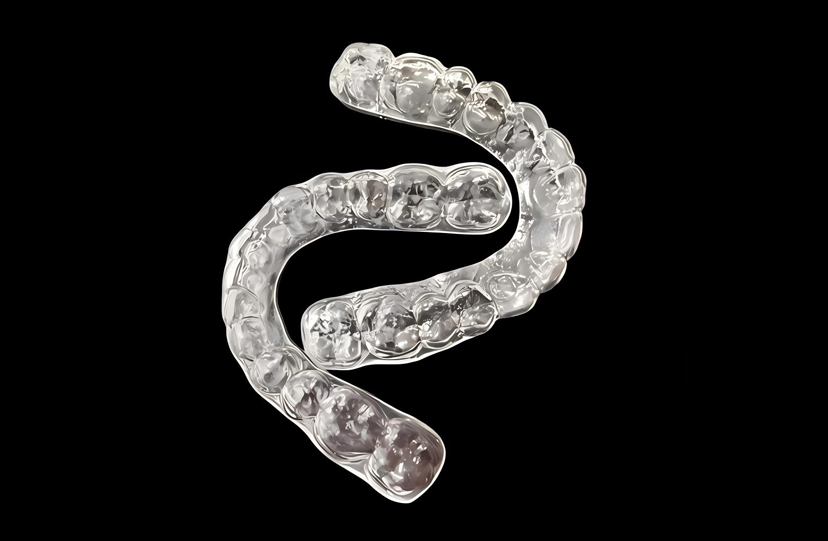
People with bruxism should be evaluated by their dental professional to determine whether a night guard or other protective strategy is appropriate.
Professional Maintenance Protocols
During regular cleanings, the tissues around restorations should be maintained carefully, using appropriate instruments and techniques according to the restoration type.
During recall visits, occlusal evaluation can help identify changes that may place additional stress on restorations or opposing teeth.
Monitoring for Clinical Signs
Checking for open margins, recurrent caries, ceramic cracks or chips, and changes in supporting tissues should be part of appropriate professional follow-up.
Any suspected problem should be evaluated by the treating dental professional so that corrective action can be considered when appropriate.
Longevity Expectations
The longevity of White Gold PFM restorations varies according to material, restoration design, clinical conditions, occlusion, oral hygiene, patient habits, and maintenance.
Rather than promising a fixed service life, clinicians should explain that properly planned and maintained PFM restorations can provide long-term service, while individual outcomes vary.
Setting clear standards for maintenance during treatment planning helps patients understand their responsibilities and supports long-term restorative care.
Conclusion
With their mechanical properties, corrosion resistance, and established history in restorative dentistry, White Gold PFM restorations remain an option for selected posterior applications. The high-noble metal framework can provide structural support, while the porcelain veneer provides a tooth-colored external surface.
White Gold PFM may be considered for posterior crowns, multi-unit bridges, selected high-load cases, and restorations where masking underlying discoloration is important. However, material selection should always take into account the individual clinical situation, alloy composition, ceramic compatibility, preparation design, occlusion, esthetic requirements, and maintenance needs.
To get good results, you need to choose the right cases, use compatible materials, follow appropriate fabrication procedures, and work with experienced dental laboratories that maintain documented quality-control processes.
High-noble white alloy frameworks remain an established restorative option for practices that prioritize functional stability, material selection, and predictable laboratory workflow in appropriate posterior restorations.
FAQ
What is a White Gold PFM crown?
A White Gold PFM crown is a porcelain-fused-to-metal restoration that uses a high-noble metal framework beneath a tooth-colored ceramic veneer. The exact alloy composition varies by manufacturer and may include gold, palladium, platinum, and other alloying elements.
What makes White Gold PFM different from regular PFM?
White Gold PFM generally refers to a PFM restoration made with a high-noble white-colored alloy. The main difference is the composition of the metal framework. The specific mechanical, thermal, and corrosion characteristics depend on the alloy selected.
Is White Gold PFM a high-noble alloy?
It can be, but the term "White Gold" alone does not define the alloy classification. According to the American Dental Association, a high-noble alloy contains at least 60% noble metals by weight, including gold and platinum-group metals, with gold accounting for at least 40% by weight. The exact classification should be confirmed from the alloy manufacturer's documentation.
Is White Gold PFM suitable for posterior crowns?
Yes. High-noble metal-ceramic restorations can be used for crowns and fixed bridges, and posterior applications are a common consideration when functional performance and the properties of a metal framework are priorities.
Is White Gold PFM suitable for long-span bridges?
White Gold PFM can be considered for selected multi-unit bridge cases. The suitability depends on the alloy's mechanical properties, framework design, connector dimensions, occlusion, preparation, and the specific clinical requirements of the case.
Is White Gold PFM good for patients with bruxism?
It may be considered in selected bruxism cases because metal-ceramic restorations can provide a durable framework. However, bruxism increases the mechanical demands placed on any restoration. Occlusal evaluation, appropriate design, material selection, and maintenance are important.
Can White Gold PFM hide a discolored tooth?
Yes, the metal substructure and opaque porcelain can provide useful masking of underlying discoloration. This can be an advantage when treating selected discolored abutment teeth, particularly when maximum translucency is not the primary requirement.
Is White Gold PFM suitable for front teeth?
White Gold PFM can be used in selected anterior cases, but it may not provide the same level of translucency as many all-ceramic restorations. For highly esthetic anterior cases, clinicians may prefer a material that provides greater light transmission and optical depth.
Is White Gold PFM biocompatible?
High-noble dental alloys are generally well tolerated, but biocompatibility depends on the specific alloy composition and the individual patient. Patients with known metal sensitivities should have the complete material composition reviewed before treatment.
Does White Gold PFM contain nickel?
Not necessarily. The presence of nickel depends on the specific alloy formulation. A dental laboratory should be able to provide the alloy composition or material documentation for the product being used.
What is the difference between White Gold PFM and zirconia crowns?
White Gold PFM uses a metal framework covered with ceramic, while zirconia crowns are made from a ceramic oxide material. White Gold PFM can provide the structural characteristics and masking capability of a metal-ceramic restoration, while zirconia offers a metal-free restorative option with different optical and mechanical characteristics.
Is White Gold PFM more expensive than base-metal PFM?
It can be. High-noble alloys contain valuable metals, so their material cost is generally higher than many base-metal alternatives. The final laboratory price also depends on the restoration design, alloy, metal weight, ceramic system, and manufacturing process.
Does White Gold PFM require a special porcelain system?
Yes. The selected porcelain should be compatible with the specific alloy. The thermal expansion characteristics and firing requirements of the metal and ceramic need to be coordinated according to the manufacturers' technical specifications.
Can White Gold PFM be made with CAD/CAM?
Depending on the alloy and laboratory workflow, CAD/CAM technology can be used for digital design and, with compatible materials and equipment, framework fabrication. Conventional lost-wax casting may also be used for selected cases.
How long does a White Gold PFM crown last?
There is no universal guaranteed service life. Longevity depends on the material, restoration design, preparation, occlusion, cementation, oral hygiene, patient habits, and professional maintenance. Proper case selection and regular follow-up can support long-term performance.
What should dentists look for when choosing a White Gold PFM laboratory?
Dentists should evaluate the laboratory's material documentation, quality-control procedures, CAD/CAM capabilities, technician experience, turnaround process, communication, remake management, warranty terms, and technical support.
Does HYC Dental Laboratory provide White Gold PFM restorations?
The HYC Dental Laboratory provides White Gold PFM restorations for dental practices and laboratory partners. Our workflow combines digital case planning, experienced dental technicians, quality inspection, and documented restorative materials to support posterior crowns and multi-unit restorative cases.
Why choose HYC Dental Laboratory for White Gold PFM?
HYC Dental Laboratory has 22 years of manufacturing experience and provides laboratory support for dental practices, prosthodontists, implant specialists, and other professional clients. Our workflow focuses on material documentation, controlled fabrication, quality inspection, and case-specific technical support.
Partner with HYC for Certified High-Noble PFM Excellence
The HYC Dental Laboratory has been making precise White Gold PFM restorations for 22 years, supporting the needs of prosthodontists, implant specialists, and quality-conscious dental practices. As a White Gold PFM supplier with US FDA-related regulatory compliance for applicable products and ISO 13485:2016 quality management certification, we provide documented materials, controlled manufacturing processes, and case support for both single-unit and complex multi-unit restorations. Our digital CAD/CAM workflow, experienced dental technicians, quality inspection, and high-noble alloy materials help support accurate fit, stable performance, and predictable turnaround times. Whether you need posterior crowns, long-span bridge frameworks, or customized restorations for demanding clinical cases, our team can provide technical guidance and case-specific solutions. For material specifications, case consultations, quotations, or partnership inquiries, contact HYC Dental Laboratory at info@hycdentallab.com and let us help you develop dependable restorative solutions for your practice.
References
1. American Dental Association. Materials for Indirect Restorations. American Dental Association. High-noble alloys are classified according to noble-metal content and can be used for crowns, fixed bridges, and metal-ceramic restorations.
2. U.S. Food and Drug Administration. Dental Noble Metal Alloys - Class II Special Controls Guidance Document for Industry and FDA Staff. The FDA identifies dental noble metal alloys as devices used in cast or porcelain-fused-to-metal crown and bridge restorations.
3. U.S. Food and Drug Administration. Product Classification: Alloy, Gold-Based Noble Metal. Regulation 21 CFR §872.3060; Product Code EJT; Class II.
YOU MAY LIKE
_1779414359377.webp "FMZ (Fully Milled Zirconia)")
.webp "High-Noble Gold (HNG)")