Importance of Layered Zirconia in High-End Crown and Bridge Restorations
Porcelain Layered Zirconia has transformed high-end dental restorations by merging unmatched structural integrity with lifelike beauty. This bi-layered approach features a yttria-stabilized zirconia core—boasting flexural strength exceeding 1200 MPa—topped with feldspathic porcelain that mimics natural enamel's translucency and color depth. Unlike monolithic options that sacrifice aesthetics or all-porcelain crowns that lack durability, this material delivers both, making it indispensable for anterior crowns and multi-unit bridges where patients demand invisible repairs and clinicians require dependable longevity.
Understanding Porcelain Layered Zirconia in Modern Dentistry
Material Composition and Structural Integrity
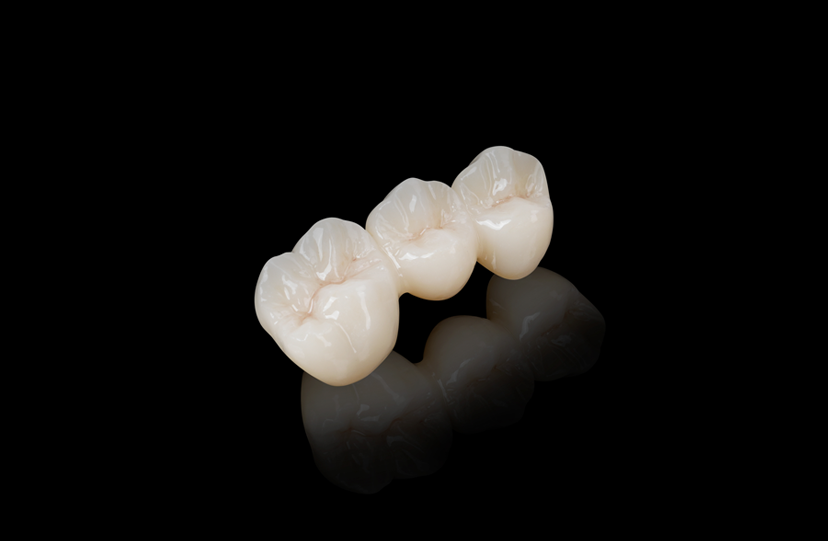
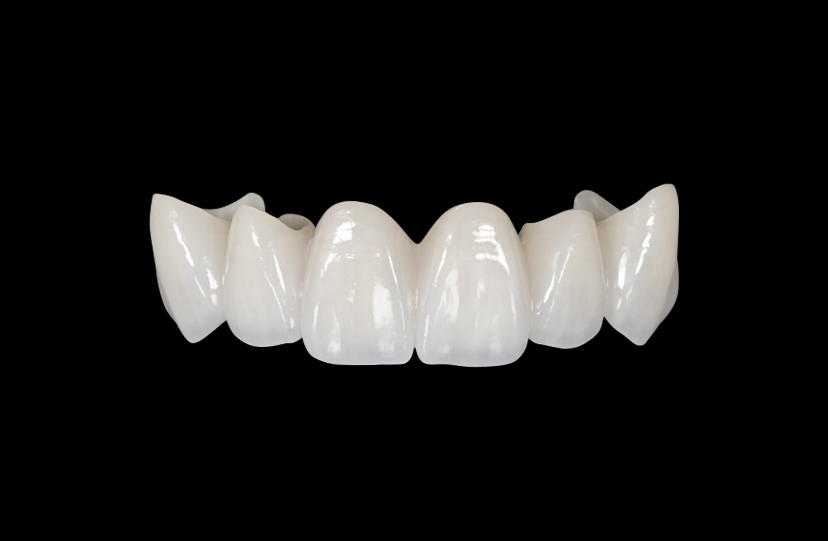
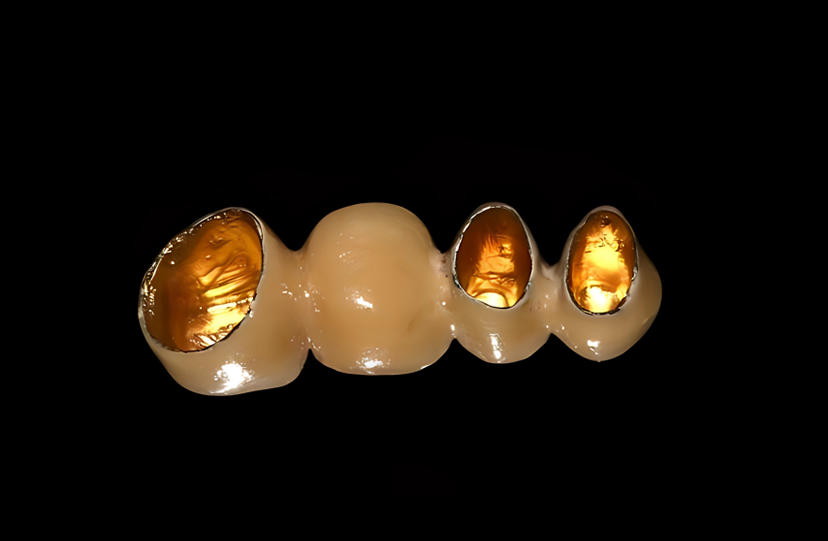
A CAD/CAM-milled zirconia base is the first step in the engineering process of Porcelain Layered Zirconia. This base material goes through vacuum high-temperature sintering, which creates a thick crystalline core that can't be broken by biting forces. The porcelain veneer, which is put on by hand by trained professionals, gives the tooth more depth and realism. This mix solves a problem that has been around for a while: how to meet both the physical needs of the back and the cosmetic needs of the smile area. The zirconia base keeps the bridge from breaking completely, and the porcelain cover makes the polychromatic patterns that you see in healthy teeth.
Fabrication Precision and Digital Workflows
Today's dentistry labs use advanced computer processes to make Porcelain Layered Zirconia restorations that are very precise. Digital images are put through special CAD software, which creates milling tracks that keep the gaps between teeth below 50 microns. This is an important level for keeping secondary cavities and cement washout from happening. The zirconia structure is milled and then fused at temperatures above 1400°C. It is then carefully prepared for use with porcelain. The process is finished by hand staining, glazing, and finishing, which makes repairs that look like they were always there. This controlled fabrication cuts down on the number of remakes and the time needed for chairside adjustments, directly answering worries about speed and cost management in procurement.
Biocompatibility and Tissue Response
Several clinical tests have shown that Porcelain Layered Zirconia systems are very good at working with soft tissues. The metal-free mix stops allergic reactions that can happen with nickel-chromium metals, and the smooth, non-porous surface stops germs from growing. When people who have had gingival disease around standard porcelain-fused-to-metal crowns switch to Porcelain Layered Zirconia options, their periodontal health often gets better. The low plaque affinity of the material helps keep implant-supported dentures stable over time, which is an important thing for prosthodontists who are working on difficult recovery cases.
Advantages and Challenges of Porcelain Layered Zirconia Crowns
Unmatched Strength for Load-Bearing Applications
When extended bridges and implant replacements are used in hospital settings, the mechanical benefits become clear. The zirconia core's resistance to flexural stress makes it possible for a three-unit bridge that spans 38 mm to hold occlusal loads reaching 500 N without the framework distorting. This makes it last longer—10–15 years with normal use—and it works better than lithium disilicate in harsh conditions. Dental lab owners like this level of dependability because it means fewer guarantee claims and better relationships with clients based on knowing what will happen.
Superior Aesthetic Performance
Here are the main aesthetic benefits of Porcelain Layered Zirconia that make it stand out in front applications:
- Shade Matching Precision: The porcelain veneer can match VITA shades with an accuracy that is not possible with full-contour zirconia because it allows for subtle color changes. You can change the transparency settings for each layer, which lets you copy the incisal halo effect and dentin depth.
- Light Transmission Properties: Natural teeth spread light and glow in the dark. The feldspathic porcelain overlay copies these visual properties, which stops the "chiclet" look that is common with single-piece repairs.
- Characterization Flexibility: Different surface textures, stains, and glazes can be used to create characteristics that are acceptable for different age groups, ranging from clearness when young to crazing patterns when old.
When handling cosmetic dentistry patients who look closely at their restorations in different lighting situations, these qualities come in very handy. Being able to make repairs that can't be seen improves patient happiness and the number of referrals that private offices get.
Addressing Delamination and Chipping Risks
Even though it has some benefits, porcelain delamination is still a real problem. How zirconia and porcelain fit together depends on how well the coefficient of thermal expansion (CTE) is matched and how the liner is used. To keep this risk to a minimum, good makers use special bonding agents and follow exact shooting procedures. Making smart changes to the design, like only using porcelain on the exposed parts and leaving the functional contacts in zirconia, lowers the chance of chipping. Procurement pros should make sure that sellers test the shear bond strength and give clear instructions on how to handle the goods so that damage doesn't happen during insertion.
Porcelain Layered Zirconia vs. Other Dental Crown Materials: A Comparative Analysis
Performance Against Lithium Disilicate
Lithium disilicate crowns are popular for frontal single-unit replacements because they are very clear. But because they only have a bending strength of 400 to 500 MPa, they can't be used in long-span bridges or places where there is a lot of tensile stress. The core strength of Porcelain Layered Zirconia more than doubles this, which lets longer replacements go in without the need for metal support. When DSOs standardize material practices across multiple sites, this benefit becomes very important—picking a flexible option cuts down on inventory complexity and training needs.
Superiority Over Traditional PFM Restorations
For many years, porcelain-fused-to-metal crowns were the standard in reconstructive dentistry, but they have a lot of problems. Metal substructures make a dark neck shadow that can be seen through thin periodontal tissues. This is especially annoying for people who have deep smile lines. A lot of practices don't use these materials anymore because metal ions could move through them and change the color of soft tissue. Porcelain Layered Zirconia gets rid of these problems and matches the longevity of PFM, making it a great way for clinics to update as they move to all-ceramic processes.
Considerations for Material Selection
There are a lot of things to think about when picking the right cap material. The position of the restoration affects the visual requirements. For example, anterior zones need the most clear areas, while molars need strong teeth that won't break easily. Patients' habits also count. People who clench or grind their teeth can benefit from the long-lasting protection of zirconia frames, but they should still wear a nightguard. Even though money is tight, the longer life and lower rate of remakes of Porcelain Layered Zirconia often make up for the initial cost through total cost of ownership analysis. When procurement managers try to find the best balance between these factors, they find that Porcelain Layered Zirconia has the best performance, looks, and value.
Procurement Insights: Sourcing Porcelain Layered Zirconia for B2B Clients
Supplier Evaluation and Compliance Verification
Doing a lot of research is needed to find trusted partners. First, make sure that the materials used in production are registered with the FDA. This makes sure that they meet U.S. biocompatibility standards. Getting ISO 13485:2016 approval shows that you are dedicated to quality management systems that include rules for design, traceability, and processes for corrective action. For labs that sell to customers around the world, the CE mark means that the device meets the requirements of the European Medical Device Regulation. Ask for proof that all the materials used are on the FDA's list and that the factories are regularly checked by outside auditors. This foundation guards against problems in the supply chain and with regulations.
Understanding Pricing Structures and MOQ Requirements
Pricing models change depending on how the order is set up. Custom crown-and-bridge units usually have prices per unit that range from affordable market rates to higher prices for more complicated features. When you buy CAD/CAM blocks for your own milling activities, the minimum order numbers might make it hard to plan your cash flow. At certain amounts, volume discounts are available, which encourages sellers to work together to improve buying power. Different types of packaging, like single units vs. bulk packages, affect the cost of shipping and the amount of space needed for storage. Talking about prices openly with vendors early on in the relationship helps avoid shocks and makes cost estimates more accurate for organizations that are watching their budgets.
Turnaround Times and Logistics Capabilities
Case handling that needs to be done quickly requires suppliers who can meet tight shipping deadlines. Standard turnaround time for fixed repairs is between 4 and 5 days, from when the case is submitted to when it is shipped. Express choices that allow next-day delivery can be used in emergencies, like when a patient's temporary crown breaks or they can't travel. Having reliable transportation partners who have experience transporting fragile tooth prosthetics helps keep them in good shape. Tracking and responsive contact routes from vendors lowers stress about important case deadlines, which boosts operational trust for clinic managers who have to handle busy appointment schedules.
Future Trends and Innovations in Layered Zirconia Crown Restorations
Material Science Advancements
The main goal of research into better Porcelain Layered Zirconia formulations is to make them clearer without weakening them. High-translucency zirconia types close the gap in terms of appearance with lithium disilicate while still having better resistance to breaking. Gradated zirconia blocks, which have different areas of translucency within a single block, cut down on the steps needed to layer porcelain while keeping the natural look. These new ideas should cut down on the time it takes to make things and the chances of delamination, which are two problems that have been bothering the business for a long time.
AI-Driven Design and Manufacturing
The way dentistry CAD works is changing a lot because of AI. A lot of good restorations are looked at by machine learning algorithms, which then suggest the best margin designs, occlusal schemes, and pontic outlines. Predictive analytics find possible failure modes before cutting starts, pointing out areas of porcelain that aren't supported or tooth preparations that aren't good enough. Automated quality control systems that use 3D scanning check the accuracy of measurements against digital plans. These systems can find mistakes that a person inspecting the work might miss. These technologies improve stability across large amounts of production, which is especially helpful for dental care organizations' plans for lab consolidation.
Market Growth and Adoption Patterns
Analysts predict that the Porcelain Layered Zirconia segment will continue to grow. This is because older populations need more complicated restorative care, and more and more people want metal-free dentistry. As implant dentistry grows, more screw-retained replacements are needed. Porcelain Layered Zirconia can hide titanium parts because it is a covering material. Adoption hurdles can be removed by educational programs that teach dentists the right way to prepare teeth. Purchasing teams that are ahead of these trends have an edge over their competitors because they can secure capacity with forward-thinking manufacturers before demand makes supply lines tight.
Conclusion
Porcelain Layered Zirconia is strategically important in high-end crown and bridge work because it can meet two different needs at the same time: it has to be strong enough for posterior bridges, and it has to look good enough for anterior beauty standards. This dual feature makes it easier to handle inventory, makes it easier for doctors to make decisions, and improves patient results in a wide range of case types. The difference between this mixed method and all-monolithic or all-porcelain options is likely to get bigger as manufacturing technologies get better and materials get better. If dental workers and procurement experts are aware of this trend, they can offer better clinical results while also improving business efficiency and cost structures in a market that is becoming more competitive.
FAQ
What is the typical service life of porcelain-layered zirconia crowns?
There is clinical evidence that Porcelain Layered Zirconia crowns that are properly made and cared for work consistently for 10 to 15 years under normal occlusal conditions. Longevity rests on things like how well the patient cleans their teeth, how they clench and grind their teeth, how well the dentist prepares the teeth, and how well the product is made. People who have bruxism can get their teeth checked regularly and use safety devices to make their teeth last longer than usual.
How does CTE matching prevent porcelain delamination?
The rate of thermal expansion tells us how much things grow when they get hot. If the CTE values of the zirconia core and porcelain veneer don't match, cooling after burning causes stress inside the two pieces where they meet. This stress builds up over time as you eat and drink, causing the temperature to change, which leads to separation. Manufacturers of high-quality products choose porcelain formulations that have CTE values that are very close to those of their zirconia, usually within 0.5 x 10^-6/K. They also follow tested firing plans to keep leftover stress to a minimum.
Can layered zirconia be used for implant-supported restorations?
Of course. The material is great for implant uses because it is biocompatible and opaque, which hides dark titanium abutments that would otherwise show through thin gum tissues. The strong zirconia framework allows screw-retained designs for multiple-unit prosthetics, and the thin porcelain layer ensures that the viewable smile area looks natural.
Why HYC Is Your Trusted Partner for Porcelain Layered Zirconia Solutions
The global dentistry restoration market has been served by HYC for 22 years, providing Porcelain Layered Zirconia crowns and bridges that meet the strictest clinical and legal standards. Our manufacturing plant is FDA-registered, CE-certified, and ISO 13485:2016-compliant, and it only uses FDA-listed materials. This makes sure that every restoration fits perfectly the first time and stays that way for a long time. We know how hard it is for dental offices and labs to meet tight deadlines, make sure quality is always the same across large numbers, and not accept remakes. Our normal production cycle takes 4-5 days, but we also offer a faster 3-day shipping service and flash delivery for cases that need to arrive the next day. Our OEM/ODM skills let us make any changes you need to fit your design needs and the tastes of the market. The full insurance covers repairs or replacements for two years for fixed prosthetics and one year for removable tools. This protects your investment and your relationship with the patient. If procurement managers, lab owners, or clinical directors are looking for a reliable Porcelain Layered Zirconia source, they can email our team at info@hycdentallab.com or visit hycdentallab.com to talk about how our solutions can help you with your specific business problems and quality needs.
References
1. Raigrodski, A.J., et al. "Clinical Efficacy of Veneered Zirconium Dioxide-Based Posterior Fixed Partial Dentures: Five-Year Results." Journal of Prosthetic Dentistry, vol. 117, no. 1, 2017, pp. 28-35.
2. Sailer, I., et al. "A Systematic Review of the Survival and Complication Rates of Zirconia-Ceramic and Metal-Ceramic Multiple-Unit Fixed Dental Prostheses." Clinical Oral Implants Research, vol. 29, suppl. 16, 2018, pp. 184-198.
3. Zhang, Y., and Kelly, J.R. "Dental Ceramics for Restoration and Metal Veneering." Dental Clinics of North America, vol. 61, no. 4, 2017, pp. 797-819.
4. Pjetursson, B.E., et al. "All-Ceramic or Metal-Ceramic Tooth-Supported Fixed Dental Prostheses: A Systematic Review of the Survival and Complication Rates." International Journal of Prosthodontics, vol. 28, no. 4, 2015, pp. 377-396.
5. Conrad, H.J., et al. "Current Ceramic Materials and Systems with Clinical Recommendations: A Systematic Review." Journal of Prosthetic Dentistry, vol. 98, no. 5, 2007, pp. 389-404.
6. Denry, I., and Kelly, J.R. "Emerging Ceramic-Based Materials for Dentistry." Journal of Dental Research, vol. 93, no. 12, 2014, pp. 1235-1242.
YOU MAY LIKE
.webp "Full Gold Crown (FGC)")
.webp "Silver-Palladium PFM (Ag-Pd)")