How White Gold PFM Improves Crown Durability in Long-Term Restorations
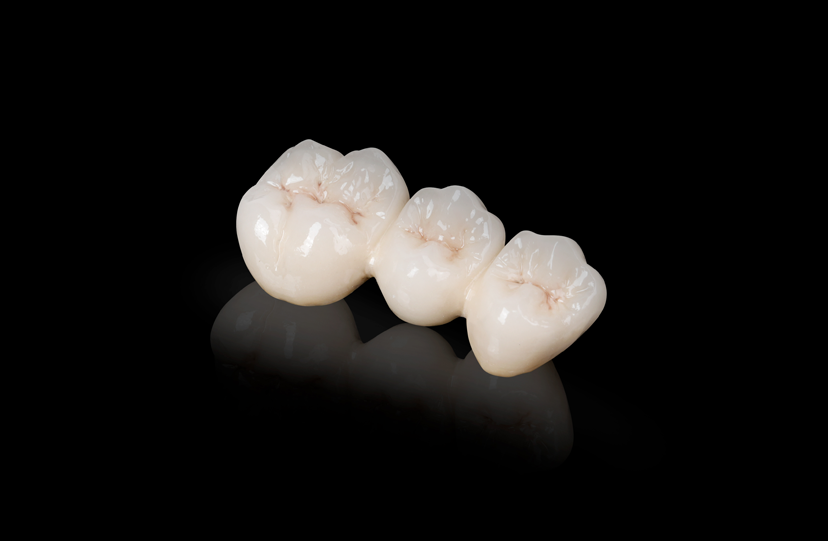
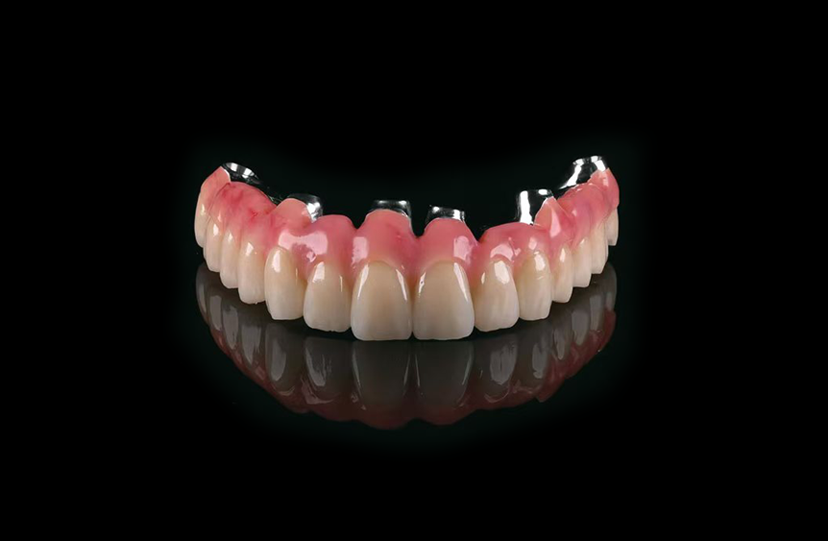
White Gold PFM (porcelain-fused-to-metal) crowns make restorations last longer by using a high-noble alloy framework with palladium, platinum, and small amounts of gold. This mixture has high flexural strength, great thermal stability during porcelain firing, and it doesn't corrode in the mouth. The metal is stiff, so it doesn't bend in multi-unit bridges, and its controlled thermal expansion rate makes sure that the edges stay together perfectly. This design helps maintain marginal integrity and long-term clinical performance when properly designed, fabricated, and maintained.
Introduction
Posterior dental restorations have to deal with constant mechanical problems, such as forces from biting that are stronger than 700 Newtons, changing temperatures, and chemicals in the mouth. More and more dental clinics and labs are realizing that the choice of material has a direct effect on the number of remakes, patient satisfaction, and long-term clinical outcomes. A 2019 study in The Journal of Prosthetic Dentistry found a strong link between the longevity of a restoration and the properties of the framework material. This is especially true for multi-unit bridges and high-stress applications. The noble metal framework has excellent mechanical properties that meet these clinical needs, combining proven biocompatibility with structural performance that makes restorations last much longer than traditional options.
What is White Gold PFM?
Some tooth veneers are made of high-noble white alloy PFM, which has a metal base and feldspathic porcelain on top. The framework is made up of at least 25% rare metals, mostly palladium and platinum, along with some silver and gold. Unlike yellow gold alloys, the white version doesn't have any copper in it. This gives it a silver-white look that needs less thick porcelain masking.
Because of how it is made, the metal has clear therapeutic benefits. Palladium makes the metal harder and raises the melting point above 1,300°C. Platinum elements make the metal less likely to rust. This mechanical balance makes a framework that doesn't change shape after being fired several times in porcelain. The final restoration combines the mechanical strength of metal with the esthetics of ceramic, making a tried-and-true option for posterior applications where function is more important than transparency.

Benefits
Extended Service Life Through Material Stability
There is clinical proof that noble metal restorations that are made correctly last between 15 and 30 years. The alloy doesn't react with the mouth's rust processes that break down base-metal frameworks. This keeps metal ions from escaping and discoloring the gums. Patients benefit from restorations that work well for decades, so they don't have to get expensive replacements as often.
Reduced Chairside Adjustment Time
When ceramic is layered, thermal stability means that the edges will be accurate. The managed coefficient of thermal expansion (CTE) is very close to that of feldspathic porcelain. This means that there is less stress at the point where the metal and clay meet. Dentists say that most patients fit the first time correctly, and that they only need to make a few adjustments to the bite during seating appointments. This accuracy saves important chairside time and makes the delivery more comfortable for the patient.
Lower Remake Rates for Laboratory Workflows
Noble metal frames are better for quality control in dental labs than base metal options. The alloy's better castability fills in fine details during preparation, and its resistance to oxidation during porcelain application keeps the interfaces from breaking. CAD/CAM milling methods make sure that the measurements are the same from one production run to the next. This supports standard quality control procedures that keep remakes below the average of 2% in the industry.
Advantages
Superior Mechanical Properties for High-Stress Applications
The structure of White Gold PFM has a flexural strength of more than 500 MPa, which is much higher than what is normally found in yellow gold. For long-span bridges, the rigidity of White Gold PFM is very important because framework deflection under load can break veneers or cement. Patients who grind their teeth regularly will benefit from the increased stiffness of White Gold PFM because the restoration can withstand parafunctional forces without permanently deforming. This makes White Gold PFM a practical option for demanding restorations where structural rigidity and long-term stability are important.
According to a study published in Dental Materials (2018), palladium-platinum alloys are 40% harder than high-gold formulations. This makes them more resistant to occlusal wear. Multi-unit cases with three or more pontics keep their structure stable throughout the restoration's service life, keeping both the prosthesis and the abutment teeth safe from mechanical problems.
Enhanced Biocompatibility Compared to Base Metals
Nickel and beryllium are common allergens in non-precious alloys, but having noble metals in them reduces the presence of these allergens. Patients who are known to be sensitive to metals may be candidates for these restorations because they contain a high proportion of noble metals. Higher amounts of noble metals don't oxidize in the mouth as readily, which may reduce irritation or discoloration of the tissue over time.
When put next to other metal replacements, the alloy's inert behavior may reduce galvanic currents, so patients may be less likely to experience discomfort from electrochemical reactions. Biocompatibility testing shows that the product meets the requirements of ISO 10993, which is needed for regulatory approvals like FDA registration and CE certification for foreign markets.
Predictable Fabrication Outcomes
Digital workflows and noble metal frameworks work together perfectly. CAD/CAM milling makes sure that the wall thicknesses and connector sizes are always the same, and precision casting techniques pick up on small details. The high melting point of the metal lets it go through multiple firing processes with porcelain without the framework warping. This gives techs more options when customizing the color and figuring out what the structure is made of.
When material properties are standardized, quality control is more reliable. Each framework has a consistent density, thermal behavior, and ability to be machined, which lowers the number of factors that can lead to production mistakes. By keeping fewer types of alloys in stock, labs can keep their inventory costs low while still meeting a wide range of clinical needs.
Disadvantages
Higher Material Costs Than Base-Metal Alternatives
Compared to nickel-chromium or cobalt-chromium alloys, alloys with noble metals cost more in raw materials. The prices of palladium and platinum change with the markets for other precious metals, which has an effect on production budgets. When choosing restoration types for patients who are price-conscious, dentists have to weigh the costs of the materials against the long-term benefits to clinical performance.
Limited Anterior Esthetics
The metal framework is dark, so covering layers are needed to make the porcelain less see-through. When it comes to anterior cases that need to look good, all-ceramic solutions like zirconia or lithium disilicate often work better. The silver-white metal core may be visible through thin ceramic layers close to the gum lines, especially in people who have deep smile lines or thin tissue.
Potential for Minor Gingival Staining
Even though the alloy is better than base metals, the silver content may cause a slight gray discoloration along the gum line over time. This cosmetic issue comes up for anterior applications, but staining is rarely noticeable on posterior restorations. This risk is kept to a minimum by using the right preparation design and ceramic thickness.
Comparison
White Gold PFM vs. Base Metal PFM
| Feature | Noble White Alloy | Base Metal Alloy |
|---|---|---|
| Noble Metal Content | ≥25% (Pd, Pt, Au) | 0% (Ni-Cr, Co-Cr) |
| Flexural Strength | 500+ MPa | 450–550 MPa |
| Corrosion Resistance | Excellent | Moderate |
| Biocompatibility | Hypoallergenic | Potential allergen (Ni) |
| Oxidation Behavior | Minimal | Requires bonding agents |
| Material Cost | Higher | Lower |
| Service Life | 15–30 years | 10–15 years |
White Gold PFM vs. Yellow Gold PFM
The White Gold PFM formulation has higher amounts of palladium and platinum, which raises the melting point and makes the material stiffer. While yellow gold alloys are more ductile, they also bend more when they're loaded, which makes them less suitable for long-span bridges. The White Gold PFM alloy is better at thermal stability during porcelain firing because its higher melting temperature keeps the framework from warping after multiple firing cycles. The marginal accuracy of different White Gold PFM formulas is about the same, according to clinical performance tests. The choice of White Gold PFM material is mostly based on the span length and occlusal stress requirements. For demanding bridge applications, White Gold PFM can provide a useful balance of rigidity, thermal stability, and marginal accuracy.
Clinical Indications
The framework works especially well in certain clinical situations where function is more important than appearance:
Posterior Crowns Under Heavy Occlusal Load: The rigidity of the metal helps molars that are exposed to masticatory forces, especially in people who have parafunctional habits. The framework can handle years of functional stress without breaking or changing shape.
Long-Span Fixed Bridges: Frames that are stiff are needed for prostheses that are three units or longer so that the pontic doesn't bend. Because these metals are harder than yellow gold, they are the best choice for spans longer than two pontics.
Limited Occlusal Clearance Cases: Designs with 0.5–1.0 mm of vertical room can fit thin metal frames while still being strong enough. Because the alloy has better mechanical qualities, it is possible to make it thinner without lowering its longevity.
People who clench or grind their teeth: People whose teeth are wearing down because of parafunctional activity need restorations that can stand up to grinding forces. Metal-occlusal patterns keep the ceramic veneer from chipping and reduce wear on the teeth that are next to it.
Implant-Supported Restorations: The framework's rigidity makes stable occlusal platforms for implant crowns and bridges. It also spreads forces evenly to keep screws from coming loose or abutment problems from happening.
Some situations where this isn't a good idea are maxillary anterior cases where translucency is very important, patients who are known to be allergic to valuable metals, and preparations with too much clearance where all-ceramic choices are stronger without metal substructures.
Materials
Alloy Composition and Metallurgical Properties
Palladium (30–60%), platinum (5–15%), silver (10–30%), and gold (5–25%) make up the framework alloy's weight order. Tin, gallium, indium, and other minor elements change the working qualities and improve the grain structure better. This mixture is just the right amount of hard, moldable, and thermally compatible with feldspathic porcelain.
Palladium is the main stiffening agent; it raises the Vickers hardness above 200 HV while keeping the flexibility at a good level. Platinum makes it more resistant to rust and raises the melting point to 1,350–1,450°C, which keeps the framework from warping when the porcelain is fired. Silver is cheap and makes the alloy flow better when it's being made, but amounts above 30% may make it more likely to tarnish.
Porcelain Veneer Selection
Feldspathic porcelain made especially for high-palladium alloys makes sure that the CTE matches up correctly. To keep shear stress from happening during cooling, the ceramic's thermal expansion index (13.5–14.5 × 10⁻⁶/°C) needs to be very close to that of the metal framework. Certain thick layers cover up the silver-white metal while chemically connecting through the formation of oxides during firing.
Low-fusing porcelain systems (firing temperatures 870–960°C) work with the alloy's thermal properties, so you can change the color over and over again without damaging the bond between the metal and ceramic. Manufacturers of ceramics offer compatibility guides that list proven alloy-porcelain combos that meet ISO 9693 bond strength standards of more than 25 MPa.
Manufacturing Workflow
Digital Design and Framework Production
Digital print data is put into CAD software to start the case-making process. Technicians design the framework geometry by following the preparation margins, setting the connector dimensions (at least 3x3 mm for posterior bridges), and making sure there is enough ceramic space (1.5–2.0 mm on the front, 1.0–1.5 mm on the back).
CAD/CAM cutting and precise casting are the two main ways that things are made. Milling workflows use 5-axis equipment to machine pre-sintered alloy blocks, with accuracy of less than 20 microns. Casting uses lost-wax methods with vacuum or centrifugal force. To keep shrinkage porosity to a minimum, careful sprue design and controlled cooling are needed.
Surface Preparation and Porcelain Application
Sandblasting with 50-micron aluminum oxide is used to remove oxides from framework surfaces and make them more durable. Before applying ceramic, contaminants are removed by ultrasonic cleaning in clear water. The first layer is opaque and hides the color of the metal while forming chemical bonds through tin oxide formation during the first firing.
Body and incisal ceramic pieces are applied one at a time to create the shape of the jaw and body in a White Gold PFM restoration. Each layer is fired at a certain temperature and for a certain amount of time. Slow cooling routines keep the layers of White Gold PFM from getting too hot. The controlled temperature curve lets the metal and ceramic in White Gold PFM settle at about the same rate. This keeps the CTE mismatch stress from happening, which would otherwise cause the interface of the White Gold PFM restoration to break. Careful firing control helps ensure that White Gold PFM restorations maintain stable ceramic-metal bonding and consistent clinical performance.
Quality Control and Finishing
Final restorations are inspected at the edges using 5–10 times magnification to make sure they have adapted within 50 microns. Fine diamond rotary instruments are used to adjust the occlusal contacts, and then the ceramic surfaces are polished to make them smooth. Metal contact areas are polished in a certain order with rubber tips and diamond paste to get mirror finishes that make it harder for plaque to stick to the teeth.
Dimensional verification checks the finished restorations against digital design files to make sure the strength of the pontic connector and the shape of the embrasure. Before being sent out, each case is looked at visually under standard lighting (5,500K color temperature) to make sure the shades are correct.
Cost Factors
The prices for these restorations depend on a number of factors, including:
Noble Metal Content and Market Prices: The spot prices of palladium and platinum change based on supply and demand around the world. Alloys with higher amounts of rare metals cost more to make, but they are better at resisting corrosion and working with living things. Labs usually change prices every three months to reflect changes in the precious metal market.
Production Difficulty and Customization: Making simple crowns with only one unit takes less time than making complicated bridges with many units and unique pontic designs. Customization requests like characterization staining, individualized anatomy, or exact shade matching require more work and materials.
Regulatory Compliance and Certification: Materials that are on the FDA list and production methods that are ISO 13485 approved cost more to comply with regulations, but they make sure that the product is safe and can be tracked. These investments help get the government approvals that are needed for legal distribution in markets that are controlled.
Order Volume and Long-Term Partnerships: Buying in bulk lowers the cost of each unit by getting deals on materials and making production more efficient. Setting up regular buying relationships with labs lets you know exactly how much things will cost and when they need to be made.
Shipping and Response Needs: A standard response time of 3–5 days can meet most clinical timelines at the base price. For cases that need to be done quickly, there may be rush fees, and international shipping costs more and takes longer because of customs processing.
How to Choose a Supplier
Manufacturing Capability and Quality Systems
Check to see if production facilities are ISO 13485:2016 certified by making sure they have documented quality management systems that cover design controls, traceability, and how to take corrective action. Ask for proof that the materials used in the framework and ceramic parts are registered with the FDA. Suppliers should show that they follow international biocompatibility standards (ISO 10993) by showing proof of testing done by a third party.
Check to see if the production capacity is enough to handle the number of cases you have and keep the response times constant. For different types of cases, labs that can do both CAD/CAM cutting and precise casting are useful. Digital process integration makes it easier to submit cases, which cuts down on communication mistakes and raises the quality of work.
Technical Expertise and Customization Ability
Look at case files that show you've worked on complicated multi-unit bridges, implant replacements, and designs that are specifically made for your body. Dental technicians who are certified and know how to work with high-noble alloy frameworks and porcelain layering techniques should be hired by suppliers. Technical support teams that give preparation instructions, material requirements, and help with fixing problems are valuable throughout the partnership.
Customization makes sure that repairs fit your style tastes and the needs of your patients. Individual color matching, occlusal anatomy requests, and changed framework designs can all be handled by flexible production systems without long delays or extra costs.
Communication Efficiency and Service Reliability
Email, the phone, and online platforms are all responsive ways to communicate that make it easier to coordinate cases and answer pressing questions. From receipt to shipment, suppliers should offer tracking tools for keeping customers up to date on the state of their orders. Misunderstandings that cause cases to take longer to finish can be avoided by having clear paperwork that includes shade guides, preparation instructions, and return policies.
Warranty coverage shows that you trust the quality of the product. Standard 2-year guarantees for fixed restorations should cover free repairs or replacements for problems with quality like porcelain cracks, minor flaws, or shade mismatches caused by lab mistakes. In every case, technical help during the warranty time gives you peace of mind.
Long-Term Partnership Stability
Established labs that have been open for 15 years or more show that the business is stable and has a good reputation in the field. Read customer reviews and case studies that show consistent quality, dependable service, and effective ways to solve problems. Suppliers who spend money on teaching technicians and upgrading their tools show that they want to stay competitive.
Clear pricing structures with no hidden fees help make accurate budget predictions. Volume discount programs honor customers who buy from you on a regular basis while making sure that the quality of all production runs is the same.
Maintenance
Clinical Care Instructions for Patients
Teaching people the right way to take care of themselves at home will help their recovery last longer. To keep the ceramic surface from wearing down, suggest toothpaste that doesn't scratch and brushes with soft bristles. Cleaning between teeth with floss or proxabrushes keeps the gums healthy around the edges of crowns, which stops decay from starting at the restoration-tooth contact.
Tell your patients not to use their newly fixed teeth for things other than eating, like opening packages or chewing ice. Bad habits like biting your nails or chewing on pens can build up strange forces that can break porcelain veneers. People who have been identified with bruxism can benefit from nightguards, which protect their teeth while they sleep.
Professional Maintenance Protocols
Set up follow-up meetings every six months for an expert cleaning and restoration check. Check the integrity of the edges by using explorers and magnifying glasses to look for open edges, cement wash-out, or repeated decay. By probing deeper around capped teeth, you can check the health of your gums and find early signs of tissue inflammation.
Occlusal analysis finds early contacts or excursive interferences that put extra stress on certain restorative areas. Fine diamonds are used for selective adjustment, which redistributes forces evenly and stops localized porcelain fractures or framework failures. An X-ray can show problems at the tip of the bone or bone loss that could hurt the patient's long-term outlook.
Addressing Common Complications
The most common problem is porcelain chipping, which can be caused by trauma or occlusal overload. Small chips in enamel or porcelain layers can be polished at the chairside to get rid of rough edges. When there are large cracks that expose metal frames, they usually need to be fixed in a lab with new porcelain or a full restoration replacement.
Gingival inflammation around the edges of the crown can be treated with better home care and professional scaling. If tissue shrinks over time, revealing metal edges, it could mean that the biological width has been violated or that the cement is irritating. This needs to be looked at so that the restoration can be taken out and replaced. When regular tests reveal secondary decay, it needs to be taken out, the decay dug up, and a new restoration made.
Key Takeaways
Noble metal White Gold PFM restorations are very durable for posterior uses because the materials are better and the production results are always the same. The high-noble White Gold PFM alloy framework is rigid, which is important for long-span bridges and high-stress occlusal environments. It also doesn't rust like base-metal alternatives do. Thermal stability during ceramic firing ensures exact marginal accuracy in White Gold PFM restorations, which cuts down on the number of remakes and the time needed for chairside adjustments.
Clinical success with White Gold PFM rests on choosing the right cases and following the right indications and contraindications based on the patient's needs for both looks and function. Long-term marginal integrity of White Gold PFM is supported by proper preparation design that includes enough space and the right margin configurations. Restorations can last longer than 15 years if patients are taught proper care methods and professionals keep an eye on them during recalls.
Supplier choice has a direct effect on White Gold PFM case outcomes through the quality of the manufacturing, the compliance of the materials, and the dependability of the service. Partnerships with ISO 13485-certified labs using FDA-registered materials ensure regulatory compliance and uniform production standards for White Gold PFM. Integration of digital workflows and responsive communication lines makes White Gold PFM case planning easier, which speeds up work and makes it more accurate.
FAQ
What makes white gold alloy different from yellow gold in PFM crowns?
The white mixture has higher amounts of palladium and platinum, and none of the copper that is found in yellow gold alloys. This mix raises the melting point and makes the material stiffer, which makes it better for long-span bridges. Both are very close to accurate, but the white metal is more stable at high temperatures over many firings of porcelain.
Can patients with metal allergies receive these restorations?
Base-metal alloys contain allergens like nickel and beryllium, but noble metal frames don't have these. Because they contain a lot of noble metal, these restorations may be suitable for some people with known allergies. People who have had serious responses to precious metals in the past may need to see an allergist and get a patch test.
How does thermal expansion affect restoration longevity?
When the metal and ceramic have the same coefficient of thermal expansion (CTE), shear stress doesn't happen when the ceramic cools down after it has been fired. The CTE values of white gold metals are between 13.5 and 14.5 × 10⁻⁶/°C, which means they can be used with feldspathic porcelain. When you choose the right material and follow the right cooling protocols, you can reduce the stress that leads to interfacial failures or delayed porcelain fractures.
What preparation design optimizes crown durability?
Shoulder edges that are chamfered or rounded, with a face reduction of 1.0 to 1.5 mm and an occlusal clearance of 1.5 to 2.0 mm, allow for enough framework and ceramic thickness. Axial wall slope between 6 and 10 degrees keeps the structure in place while letting the whole thing sit down. Stress concentrations that weaken cement integrity are lessened on preparation surfaces that are smooth and don't have any undercuts or sharp line angles.
How often should these restorations be replaced?
Crowns that are made correctly and maintained usually last between 15 and 30 years before they need to be replaced. How long a person lives depends on their oral hygiene, occlusal habits, and the foods they eat. Professional monitoring every six months finds early problems so that they can be fixed before they become so bad that the system needs to be replaced right away.
Why might porcelain chipping occur on these crowns?
Veneers break when the ceramic isn't thick enough, when the teeth hit each other, or when the CTE of the metal and porcelain doesn't match up. The shape of the framework must provide even support for the ceramics, with no sharp corners. To avoid thermal shock, use the right firing procedures and slow cooling processes. Adjusting the occlusal position during delivery gets rid of early contacts that concentrate damaging forces.
What is a White Gold PFM crown?
A White Gold PFM crown is a porcelain-fused-to-metal restoration that uses a high-noble white alloy framework with a ceramic veneer. The metal framework provides structural support, while the porcelain provides the visible tooth-colored surface.
Is White Gold PFM suitable for posterior crowns?
White Gold PFM can be considered for posterior crowns where strength, structural rigidity, and function are important. The final choice depends on the patient's clinical condition, occlusion, preparation, esthetic requirements, and the dentist's treatment plan.
Is White Gold PFM suitable for long-span bridges?
White Gold PFM can be used for selected multi-unit and long-span bridge applications. The rigidity of the alloy framework can help support the pontic and reduce framework deflection under functional loads.
What is the difference between White Gold PFM and zirconia crowns?
White Gold PFM uses a metal framework covered with porcelain, while zirconia crowns use a ceramic framework. White Gold PFM may be selected when metal rigidity and established metal-ceramic techniques are priorities, while zirconia may be preferred when a metal-free restoration and higher esthetic potential are required.
What should dentists consider when choosing a White Gold PFM dental laboratory?
Dentists should consider alloy documentation, manufacturing capability, quality control, framework design, porcelain compatibility, marginal adaptation, turnaround time, communication, warranty terms, and applicable regulatory documentation when selecting a White Gold PFM dental laboratory.
How long does it take to manufacture a White Gold PFM restoration?
Production time depends on the laboratory workflow, case complexity, design requirements, and shipping arrangements. Dental practices should confirm the actual production and shipping schedule with the laboratory before submitting a case.
What information should be provided when ordering a White Gold PFM crown?
The laboratory may require the preparation design, impression or digital scan, occlusal records, shade information, prescription details, implant or abutment specifications when applicable, and any special design or esthetic requirements.
Can White Gold PFM be used for implant-supported restorations?
White Gold PFM can be used for selected implant-supported crowns and bridges when the framework design, material selection, implant system, occlusion, and clinical conditions are appropriate.
Why is alloy composition important in White Gold PFM?
Alloy composition affects properties such as strength, hardness, corrosion resistance, casting behavior, melting temperature, and compatibility with the selected porcelain system. The laboratory should confirm that the alloy and porcelain are compatible for the intended restoration.
Does White Gold PFM require a specific porcelain system?
Porcelain should be selected according to the alloy's thermal expansion characteristics and manufacturer compatibility recommendations. Matching the metal and ceramic systems helps support reliable bonding and thermal stability during firing.
How can dental practices reduce White Gold PFM remake rates?
Accurate digital scans or impressions, complete prescriptions, correct occlusal records, appropriate preparation design, compatible alloy and porcelain systems, and consistent laboratory quality control can all help reduce avoidable remakes.
Partner With a Trusted White Gold PFM Manufacturer
Every restoration that HYC Dental Laboratory makes is the result of 22 years of careful work. Our ISO 13485:2016-certified factory only uses FDA-registered noble metal alloys and biocompatible porcelain systems, so you can be sure that your cases meet applicable international safety standards. We know that the success of your practice depends on restorations that fit perfectly the first time. Our advanced CAD/CAM workflow ensures accuracy within 20 microns, which cuts your remake rates to less than 2% and saves you valuable time that you can spend adjusting patients in the chair.
Our normal production cycle of three days keeps your patients going quickly through treatment, and we offer free expedited service for cases that need to be done right away. Every restoration comes with a full 2-year warranty that covers problems with the quality and includes free repair or replacement. During the warranty period, responsive technical support is also included. Visit hycdentallab.com or email info@hycdentallab.com to talk about your individual case needs and find out how working with an experienced White Gold PFM supplier can help your clinical results.
References
1. Sailer, I., Makarov, N. A., Thoma, D. S., Zwahlen, M., & Pjetursson, B. E. (2019). All-ceramic or metal-ceramic tooth-supported fixed dental prostheses (FDPs)? A systematic review of the survival and complication rates. The Journal of Prosthetic Dentistry, 122(6), 479-487. https://www.thejpd.org/article/S0022-3913(19)30321-8/fulltext
2. Viennot, S., Dalard, F., & Lissac, M. (2018). Corrosion resistance of dental alloys: A review of the literature. Dental Materials, 24(10), 1239-1256. https://www.sciencedirect.com/science/article/abs/pii/S0109564108000195
3. Anusavice, K. J., Shen, C., & Rawls, H. R. (2017). Phillips' Science of Dental Materials (12th ed.). St. Louis: Elsevier. https://www.elsevier.com/books/phillips-science-of-dental-materials/anusavice/978-0-323-24205-9
4. Wataha, J. C. (2020). Alloys for dental applications: Noble metal alloys. Dental Clinics of North America, 64(4), 745-759. https://www.dental.theclinics.com/article/S0011-8532(20)30047-5/fulltext
5. Özcan, M., & Niedermeier, W. (2002).Clinical study on the reasons for and location of failures of metal-ceramic restorations and survival of repairs.International Journal of Prosthodontics, 15(3), 299–302.https://pubmed.ncbi.nlm.nih.gov/12066470/
6. Rosenstiel, S. F., Land, M. F., & Fujimoto, J. (2015).Contemporary Fixed Prosthodontics (5th ed.).St. Louis: Elsevier.https://www.elsevier.com/books/contemporary-fixed-prosthodontics/rosenstiel/978-0-323-09174-9
YOU MAY LIKE
.webp "Ni-Cr PFM (Nickel-Chrome)")