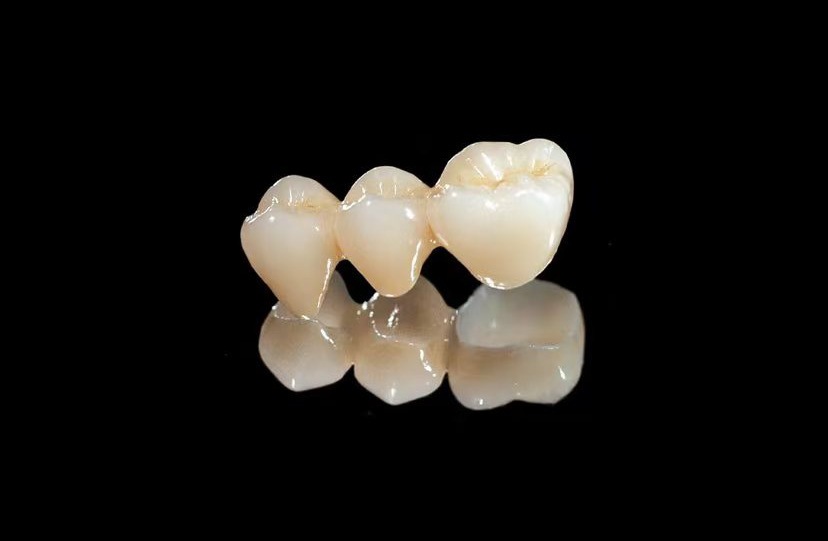
What Should Dental Labs Consider When Sourcing Peek Framework?
Quick Answer
When sourcing a Peek Framework for dental applications, labs should prioritize supplier qualifications including FDA registration, CE certification, and ISO 13485 compliance; evaluate manufacturing precision through documented quality control processes and dimensional accuracy verification; confirm biocompatibility certifications (ISO 10993 and USP Class VI); assess turnaround times and express logistics capabilities; verify customization flexibility for patient-specific designs; and ensure comprehensive warranty support and quality assurance policies that help reduce avoidable remakes to maintain clinical efficiency and patient satisfaction.
Introduction
The modern dental restoration industry faces mounting pressure to deliver superior patient outcomes while managing operational costs and turnaround times. As metal-free alternatives gain traction among clinics treating patients with allergic sensitivities and aesthetic concerns, polyetheretherketone—commonly known as PEEK has emerged as an advanced alternative material for prosthetic frameworks. Dental laboratories serving prosthodontists, implant specialists, and group practices now confront a critical procurement decision: selecting the right source for high-performance PEEK components that balance precision engineering, regulatory compliance, and delivery reliability. This decision can influence production efficiency, workflow consistency, and long-term partnership reliability. Understanding the technical, regulatory, and logistical dimensions of sourcing polyetheretherketone frameworks enables lab owners, purchasing managers, and CAD/CAM technicians to make informed choices that strengthen their competitive position.
What is a Peek Framework?
A Peek Framework is a high-performance structural part made from PEEK, a semi-crystalline thermoplastic that is known for having great mechanical properties and being biocompatible. This framework is the main load-bearing structure for prosthetics or lightweight industrial assemblies in the fields of restorative dentistry and advanced engineering. Metal-induced allergic reactions, like Cobalt-Chrome sensitivities, and the heavy weight of standard alloy structures may address certain limitations associated with traditional metal framework materials.
Core Characteristics Defining PEEK Material
The elastic modulus of PEEK is closer to that of natural bone compared with many metal alloys (about 4 GPa), which may contribute to more favorable stress distribution characteristics in certain applications. With a density of only 1.32 g/cm³, it is much lighter than titanium or gold. It also has a high melting point of 343°C and a glass transition temperature of 143°C. Because of these features, the framework can keep its shape even under the harsh chemical, temperature, and mechanical stresses that come up during daily chewing.
Technical Properties Distinguishing PEEK
The framework demonstrates suitable mechanical strength for many prosthetic applications when properly designed because it has high tensile strength (above 90–100 MPa) and excellent wear resistance. The substance is very radiolucent, which means that X-ray imaging can be used to look at the tissue underneath without any problems. PEEK demonstrates excellent chemical resistance against many commonly encountered substances. This makes it very resistant to mouthwashes and other cleaning methods.
Benefits
Using Peek Frameworks has real benefits for both clinical and operational needs that directly address the worries of dental professionals and lab managers. Knowing these benefits helps procurement leaders explain why the investment is worth it and show referring dentists the value.
Enhanced Patient Comfort and Satisfaction
Peek Frameworks are very light—significantly lighter than titanium frameworks based on material density comparisons—which makes detachable partial teeth and implant-supported prosthetics a lot more comfortable for people to wear. The reduced weight may contribute to improved wearing comfort and patient adaptation, which leads to higher happiness scores and fewer meetings for adjustments. The bone-like flexibility keeps the supporting structures from being under too much stress, which keeps long-term wear comfortable.
Reduced Chairside Adjustment Time
Frameworks made with precise CAD/CAM cutting have dimensions that are accurate to high dimensional accuracy verified through CAD/CAM quality control procedures. This helps achieve consistent fitting accuracy and may reduce the need for extensive chairside adjustments, which cuts down on the time needed to make adjustments at the chairside by a huge amount. Prosthodontists like the smooth edges and proper fit, which means they don't have to do as much grinding and polishing and can finish seating visits faster. This accuracy immediately leads to more work getting done in the practice and patients feeling better about the level of care they are receiving.
Lower Remake Rates and Cost Efficiency
When labs get high-quality Peek Frameworks from dependable suppliers, they may help reduce avoidable remakes through consistent materials and controlled manufacturing processes. Cases meet clinical requirements on the first delivery thanks to stable materials, precise manufacturing, and adaptable design. Cutting down on remakes saves money on materials, labour, and shipping, and it also protects the lab's reputation and its relationships with dentists.
Advantages
When compared to other prosthesis framework materials, PEEK has clear benefits that make it ideal for demanding clinical uses and a wide range of patient groups.
Superior Biocompatibility for Sensitive Patients
The substance doesn't contain any metals or monomers, so it may be an appropriate option for patients seeking metal-free framework solutions to nickel or cobalt-chromium. Full biocompatibility testing according to ISO 10993-1 standards and USP Class VI biocompatibility testing ensures that the implant will stay in place for a long time, with favorable biocompatibility characteristics reported in testing. By having certified PEEK options, labs that work with clinics that see a lot of allergic patients get a big edge over their competitors.
Radiolucency Makes Advanced Diagnostics Possible
The radiolucent feature of PEEK lets doctors check bone levels, implant integration, and soft tissue conditions without having to remove the framework. Metal frameworks, on the other hand, create artifacts and obscure underlying structures on X-rays. This openness supports clearer imaging evaluation in situations where reduced radiographic interference is beneficial, which leads to better long-term treatment results. This diagnostic benefit is especially useful for clinics that do regular X-ray follow-ups.
Natural teeth are protected by their non-abrasive nature.
PEEK frameworks generally demonstrate lower abrasiveness compared with some harder materials or ceramic restorations because they have a low abrasive property and a bone-like modulus. Over time, traditional metal clasps can wear down enamel surfaces, making them sensitive and weakening the structure. When talking to dentists who believe in conservative treatment, labs that market themselves as makers of tooth-preserving options can use this to their benefit.
Disadvantages
Being objective about important limitations builds trust with buyers who know what they're buying and sets realistic goals for clinical performance and handling needs.
Initial Cost Considerations
When compared to standard metal casting processes, PEEK raw materials and specialised milling tools require bigger initial investments. When labs look at the switch, they need to think about the costs of updating the CAD/CAM system, training the operators, and keeping extra materials on hand. But these initial costs are usually covered by lower rates for remakes, shorter production times, and the chance to charge more for more advanced prosthetic services.
Surface Conditioning Requirements
Special primers and surface preparation steps are needed to bond secondary materials to PEEK surfaces, like composite veneers or acrylic bases. When it comes to metal frameworks, effective retention is achieved through mechanical undercuts and chemical bonding agents. However, for PEEK surfaces to stick well, they need to be treated with plasma or go through special etching processes. Standardised processes must be put in place, and workers must be trained to make sure that the bond strength meets the requirements of the shear test every time.
Limited Supplier Options with Full Compliance
Some PEEK providers don't have all of the necessary legal certifications, such as FDA registration, CE marking, and ISO 13485 quality management systems. Labs that work with U.S. clinics and foreign customers need to carefully check out their sources to make sure they can track materials, provide proof of biocompatibility, and keep an eye on the quality of their products. Because there aren't many fully compliant providers, the buying process needs to be done very carefully.
Comparison
| Property | Peek Framework | Cobalt-Chromium Framework | Titanium Framework |
|---|---|---|---|
| Density | 1.32 g/cm³ | 8.5 g/cm³ | 4.5 g/cm³ |
| Modulus of Elasticity | ~4 GPa (like bone) | ~200 GPa (hard) | ~110 GPa (hard) |
| Radiolucency | Excellent (can see through X-rays) | No (makes artifacts) | No (makes artifacts) |
| Biocompatibility | Very good (no metals or monomers) | Good (possible allergies) | Very good (osseointegration) |
| Weight | Easy to carry | Heavy | Moderate |
| Fabrication Method | CAD/CAM milling | Whether to cast or mill | Whether to cast or mill |
| Cost | Medium to high | Moderate to low | Medium to high |
| Adjustment Flexibility | Can be changed with special burs | Not easy to move chairside | Not easy to move chairside |
| Aesthetic Integration | tooth-colored and not metal | Visibility of metals | Visibility of metals |
This comparison shows that Peek Frameworks are better in situations where patient comfort, diagnostic clarity, aesthetic integration, and biocompatibility are important. On the other hand, metal frameworks may be cheaper for practices that are looking to save money and are okay with traditional appearance and weight profiles.
Clinical Indications
Peek Frameworks are useful in a variety of clinical situations where strength, biocompatibility, and the ability to distribute stress are needed.
Removable Partial Dentures
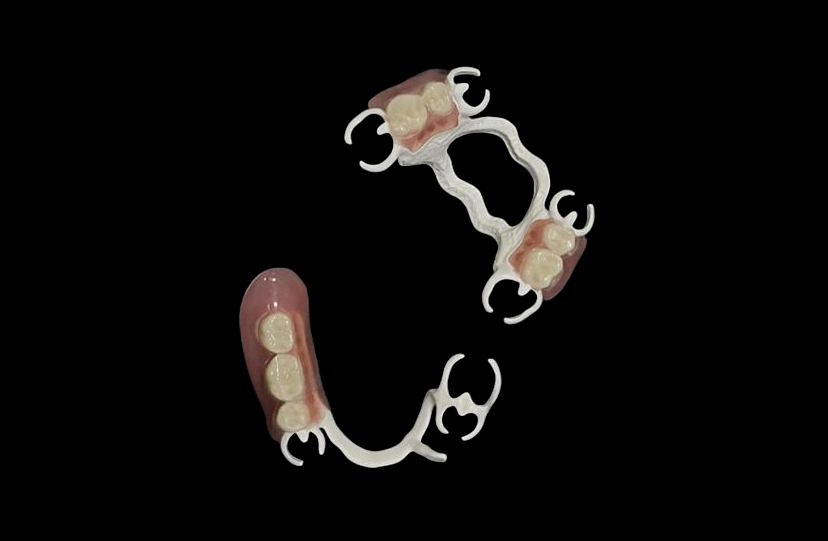
In dentistry, frameworks make clasps and bases that are light, look good, and are more comfortable and flexible than hard metal frames. Because the material can bend under chewing forces, it lowers pressure on the abutment teeth, which protects the gums' health over time. This ability to reduce stress is especially helpful for clinics that treat older patients or people whose gums don't have enough support.
Implant-Supported Bar Overdentures
The substance acts as a shock cushion during chewing and may help distribute occlusal forces within implant-supported prosthetic designs. Implantologists like how the framework can evenly distribute loads across multiple abutments while keeping its shape when loads are applied and removed. A lot of prosthodontists who work with people who have low bone density are now using this app for full-arch rehabilitations.
Fixed Hybrid Prostheses
Labs make substructures out of PEEK for screw-retained hybrid prosthetics. The strong material is combined with composite or ceramic veneering. The radiolucency lets doctors check the integrity of the screws and find problems without taking off the prosthesis, which supports proactive maintenance plans. Dental service companies that take care of a lot of patients like how standardised Peek Frameworks make it easy to make copies and make sure the quality is always the same.
Materials
The choice of raw materials has a big impact on how well the framework works, how long it lasts, and how well it meets regulations. Dental labs need to make sure that the PEEK they buy is medical-grade and meets strict standards for purity and approval.
Medical-Grade PEEK Specifications
Quality frameworks use biocompatible PEEK that meets the requirements of ASTM D638 for tensile strength and ISO 10993 for biological evaluation. Suppliers should give material certificates that show the product is supported by appropriate regulatory documentation and material traceability records, that batches can be tracked, and that accuracy has been checked. To keep the structure from becoming weak or wearing out too quickly during clinical use, the molecular weight must be evenly distributed throughout the structure.
Additives and Fillers
Some uses radiopaque fillers, like barium sulphate or zirconium dioxide, to make X-rays more visible when diagnostic imaging needs to identify structures. Labs should make sure that any additions keep their biocompatibility certifications and don't change the mechanical features of the material. Pure PEEK is still the best choice for most dental uses that value natural radiolucency.
Manufacturing Workflow
By knowing the whole production process, labs can judge the skills of suppliers, find quality control points, and set reasonable standards for response times.
Digital Design and Planning
The process starts with intraoral scans or digitising impressions. Next, CAD design is used to match the dentist's prescription with the patient's anatomy. Technicians with a lot of experience use special software modules to find the best connector sizes, clasp configurations, and tissue support needs. Design validation makes sure that frames meet minimum width requirements (usually between 0.6 and 1 mm) while keeping their shape.
CAD/CAM Milling Process
Certified PEEK pieces are milled with diamond-coated tools made for high-performance plastics in a precise five-axis process. It is important to find the best milling settings, such as feed rates, spindle speeds, and cooling methods, so that heat doesn't build up and change the qualities of the material. Real-time tracking systems are used by quality suppliers to find tool wear and measurement drift during production.
Quality Inspection and Finishing
Milled frameworks are checked for their dimensions using high-precision 3D scanning. The actual geometry is compared to CAD specifications to make sure that the dimensional accuracy is verified according to internal quality control standards. Micro-CT or ultrasonic testing can find holes or air bubbles that were made when the blank was made. Finishing the surface gets rid of milling lines and gets the clasps ready for the best tissue contact. Protecting the critical fit areas keeps the fitting accurate.
Surface Conditioning and Packaging
Frameworks that need to bond to a secondary material are given special surface treatments, such as plasma activation or chemical primers, that make it easier for composite or acrylic parts to stick to them. After they are finished, the frames are cleaned with ultrasonic waves and put in packaging that can be sterilised. They are also given paperwork that includes material certificates, inspection records, and directions on how to handle them. Cases that need to be handled quickly are given priority so that they can be finished within three to five days.
Cost Factors
Peek Framework prices depend on a lot of different factors, so labs have to balance cost concerns with quality needs and clinical performance standards.
Material Quality and Certification Level
Medical-grade PEEK supported by appropriate regulatory documentation, has CE certification, and full biocompatibility paperwork costs more than industrial-grade options that aren't regulated. For legal reasons and to protect themselves from professional risk, labs that serve both U.S. clinics and foreign markets must choose certified materials over other materials, even if it means paying more. They see this as an important business investment.
Design Complexity and Customization Requirements
Complex designs with many retention elements, precision attachments, or anatomically customised bases take more time to mill and program than simple framework geometries with standard clasp configurations. During case planning, labs should let dentists know how the complexity of the design affects pricing. This way, dentists can make decisions that are both clinically ideal and within their budget.
Order Volume and Partnership Terms
Suppliers usually give labs discounts for bulk purchases if they agree to buy a certain amount every month or work with them for a long time. By batching multiple cases for production at the same time, consolidated ordering may save money by making better use of materials and cutting down on setup time. However, labs have to weigh the benefits of big savings against the costs of keeping inventory and the specific delivery times needed for each case.
Logistics and Delivery Speed Requirements
Shipping costs are usually the same for standard 3-day dispatch and 4-5-day return for regular cases. However, flash delivery for next-day arrival in emergencies costs more. Labs that take care of a lot of different cases should work with referring dentists to set up different delivery options. For example, they could use standard delivery for routine treatment plans and express shipping for real emergencies.
How to Choose a Supplier
Picking a trustworthy Peek Framework supplier is one of the most important purchasing choices that will affect the lab's image, operational efficiency, and long-term profits.
Verify Regulatory Compliance and Certifications
Suppliers must show that they are currently registered with the FDA, CE-marking compliant where applicable, and in line with the ISO 13485:2016 quality management system. Ask for proof that the raw materials are on the FDA's list, that biocompatibility testing follows ISO 10993 guidelines, and that the production sites are regularly checked by a third party. Suppliers who can't or won't provide all the necessary regulatory paperwork should not be considered, even if they offer better prices.
Assess Manufacturing Precision and Quality Control
Check if the supplier can consistently meet dimensional tolerances of within 20 microns by visiting the facility, looking at sample cases, or getting references from lab customers who have bought from them before. Find out about the quality control steps, such as 3D scan confirmation, porosity tests, and fatigue proof. Suppliers who use automatic inspection tools and statistical process control show a stronger dedication to quality control than those who use human inspection methods.
Confirm Customization Flexibility and Communication Responsiveness
Dental cases have to be made completely from scratch to fit the patient's body and the dentist's instructions. Suppliers should be able to work with changes to designs, complicated geometries, and offer technical advice during case planning. Check how responsive the seller is to contact during the inquiry phase. Suppliers who answer technical questions quickly and with knowledge usually keep up the same level of service quality during ongoing business relationships.
Evaluate Delivery Reliability and Logistics Capabilities
Turnaround times that are always the same have a direct effect on lab scheduling, dentist satisfaction, and the progress of a patient's treatment. Ask for performance data that shows how often deliveries are made on time, how fast they can be sent, and how they handle emergency orders. Suppliers who keep product buffers, backup transportation partnerships, and clear order tracking systems show that they are operationally mature and can support complex clinical processes.
Review Warranty Terms and After-Sales Support
Full warranty protection, like two-year terms for fixed frameworks and one-year terms for removable frameworks, with free repair or reproduction during warranty periods, keeps labs safe from material flaws and mistakes in production. Make it clear how to file a warranty claim, how long it takes to remake cases, and whether technical help is available for clinical problems. Clear warranty terms can demonstrate supplier commitment to quality assurance and customer support of their products and the sturdiness of the materials they use.
Maintenance
Handling, patient education, and following care protocols correctly can extend the service life of the framework and keep it working at its best during the warranty period and after.
Patient Care Instructions
Dentists should teach their patients how to gently put in and take out removable frameworks, so that patients don't have to bend too much and get tired. Biofilm builds up on PEEK surfaces, but they can be cleaned every day with non-abrasive denture cleaners and soft brushes. Patients should store frames overnight in containers that keep wetness in to keep the dimensions from changing because of drying out.
Professional Maintenance Protocols
At recall appointments, the framework should be professionally cleaned using ultrasonic units and the right solutions. The clasps should also be checked for wear patterns or deformation, and the occlusal relationship should be confirmed. Clinicians can make small changes with carbide burs made specifically for high-performance plastics. To make surfaces smooth again, they can clean them. Frameworks that show a lot of wear, cracks, or loss of retention need to be looked at so that a remake can be considered.
Service Life Expectations
With appropriate design, fabrication, maintenance, and patient care, PEEK frameworks may provide long-term clinical performance for removable partial dentures and eight to ten years for implant-supported applications when used properly and in normal clinical conditions. The actual length of time a tooth lasts depends on how hard the patient bites down, how well they follow their care instructions, and how stable their dental relationship is. Labs should tell dentists about realistic service life expectations when they accept a case. This way, labs can set the right customer expectations and recall processes.
Key Takeaways
Finding high-performance Peek Frameworks is hard for dental labs because they have to deal with a lot of technical, legal, and logistical issues while also trying to keep costs low and quality high. Material safety and legal protection are ensured by giving priority to sellers who can show full regulatory compliance, such as FDA registration, CE approval, and ISO 13485 quality systems. Precision manufacturing with dimensional tolerances of less than 20 microns and strict quality control procedures ensures that the crown fits the first time correctly and that it doesn't need to be redone very often, which is important for both operating efficiency and doctor happiness.
By looking at partners' customisation options, delivery dependability, and quick communication, you can find ones that can meet a wide range of case needs and urgent clinical requirements. Full warranty coverage and technical support are safety nets for the problems that will inevitably come up in complex prosthetic workflows. Labs that successfully use these sourcing criteria establish themselves as reliable sources of advanced metal-free solutions. This sets their services apart in competitive markets and helps them build long-lasting relationships with clinics that want better patient results.
FAQ
Can polyetheretherketone frameworks be used for patients with metal allergies?
Yes. PEEK frameworks are metal-free and may be considered for patients with concerns related to certain metal sensitivities. The substance doesn't contain any metals or monomers, so it's the best choice for people who are known to be sensitive to nickel or cobalt-chromium. A lot of biocompatibility certifications, like ISO 10993 and USP Class VI validation, show that the product is safe to use for a long time without hurting tissues. Offering certified Peek Framework alternatives to traditional metal frameworks is very helpful for clinics that take care of sensitive patient populations.
How does the weight of a polyetheretherketone framework compare to titanium?
The low mass of Peek Frameworks (1.32 g/cm³ vs. 4.5 g/cm³ for titanium) makes them three to four times lighter than titanium versions. This big weight loss makes patients much more comfortable, especially with removable partial dentures, where less tissue loading helps the body adapt and tolerate them over time. The fact that it is lightweight is a big plus when giving treatment choices to people who are worried about how big a prosthesis will be.
Can frameworks be repaired or adjusted after delivery?
Yes, the material can be changed at the workbench using special carbide burs made for high-performance plastics. With the right polishing methods, clinicians can change how the clasp fits, ease areas where tissue is pressing against teeth, and improve occlusal contacts while keeping the surface's integrity. Using certain surface conditioning treatments and biocompatible primers, extra layers can be bonded. This allows for minor repairs that extend the service life of the framework.
Does the framework cause wear on natural teeth?
No, the material doesn't wear down natural teeth or ceramic restorations because it has a low abrasive property and a bone-like modulus. PEEK is more flexible than hard metal clasps, which can wear down enamel over time. Its flexibility spreads forces evenly while keeping a gentle touch with abutment teeth. This trait that protects teeth fits with traditional treatment ideas that focus on keeping your dental health for a long time.
Is the material visible on X-rays?
PEEK is radiolucent, which means it shows up on X-rays. This lets doctors check the bone levels, inner tissue, and device integration without having to take out the framework. This diagnostic benefit helps with proactive monitoring of the health around the implant and early detection of problems. Radiopaque fillers, like barium sulphate, can be added by suppliers if certain clinical protocols need framework visibility. However, the radiolucency of pure PEEK is still better for most dental uses.
What turnaround times should labs expect from reliable suppliers?
When you send them a digital file, a good provider will usually give standard cases within three to five days. This time includes milling, quality control, and shipping. Labs that deal with urgent clinical needs should make sure they have flash delivery options that allow for next-day arrival in real emergencies. On-time delivery rates of more than 95% are a good way to tell the difference between reliable partners and suppliers who are having trouble with logistics or production.
Partner with HYC for Certified PEEK Framework Solutions
With 22 years of experience in making precise Peek Frameworks that meet the high standards of dental labs, prosthodontists, and implant specialists around the world, HYC is a leader in its field. Our FDA-registered, CE-certified, and ISO 13485:2016-compliant production facility uses medical-grade PEEK materials to make sure that all of our products are biocompatible and follow all the rules for shipping in the U.S. and around the world.
We know how important it is to get the fit right the first time, so we use modern CAD/CAM tools and strict quality control methods to maintain high dimensional accuracy through advanced CAD/CAM technology and quality inspection procedures. Our delivery choices are flexible, ranging from standard 3-day dispatch to 4-5 day turnaround for regular cases and fast flash shipping for pressing clinical situations. Before it is shipped, every framework goes through a thorough inspection that includes a 3D scan confirmation and a porosity analysis.
Our ability to completely customise means that we can meet a wide range of design needs, from simple frameworks for removable partial dentures to complex structures that are supported by implants. We stand behind the quality of our work with warranty coverage for verified manufacturing defects for two years on set frames and one year on removable applications. You can talk to our technical team at info@hycdentallab.com about your individual case needs, ask for sample evaluations, or start working with a reliable Peek Framework provider who wants to help your lab succeed.
References
1. Bathala, L., Majeti, V., Rachuri, N., Singh, N., & Gedela, S. (2019). The Role of Polyether Ether Ketone (PEEK) in Dentistry – A Review. Journal of Medicine and Life, 12(1), 5-9.
2. Najeeb, S., Zafar, M. S., Khurshid, Z., & Siddiqui, F. (2016). Applications of polyetheretherketone (PEEK) in oral implantology and prosthodontics. Journal of Prosthodontic Research, 60(1), 12-19.
3. Schwitalla, A. D., Abou-Emara, M., Spintig, T., Lackmann, J., & Müller, W. D. (2015). Finite element analysis of the biomechanical effects of PEEK dental implants on the peri-implant bone. Journal of Biomechanics, 48(1), 1-7.
4. Tannous, F., Steiner, M., Shahin, R., & Kern, M. (2012). Retentive forces and fatigue resistance of thermoplastic resin clasps. Dental Materials, 28(3), 273-278.
5. Zoidis, P., Papathanasiou, I., & Polyzois, G. (2016). The Use of a Modified Poly-Ether-Ether-Ketone (PEEK) as an Alternative Framework Material for Removable Dental Prostheses: A Clinical Report. Journal of Prosthodontics, 25(7), 580-584.
6. American Society for Testing and Materials. (2014). ASTM D638-14: Standard Test Method for Tensile Properties of Plastics. ASTM International, West Conshohocken, PA.
YOU MAY LIKE
 Full Cast Crowns.webp "Base Metal (Non-Precious) Full Cast Crowns")