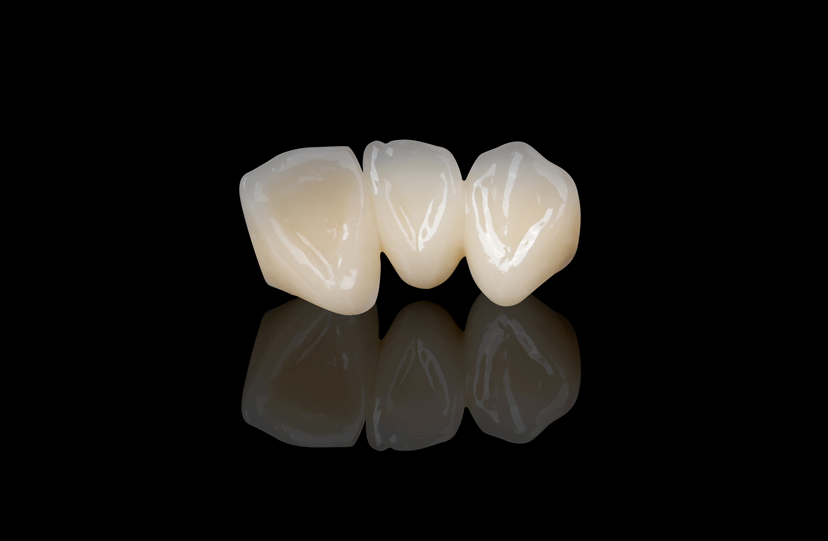
FCZ Full Contour Zirconia Enables Durable Monolithic Restorations
FCZ (Full Contour Zirconia) is a widely used monolithic restoration material that combines high strength with simplified fabrication through yttria-stabilized zirconium dioxide construction. With flexural strength typically ranging from 900 to 1200 MPa, monolithic zirconia reduces the risk of veneer chipping because it does not rely on a layered porcelain structure; this single-layer restoration material eliminates the delamination risks inherent in layered ceramics. Commonly used for posterior crowns, bridges, and patients with high occlusal loads, Clinical studies have reported favorable long-term survival rates for monolithic zirconia restorations, with many restorations functioning successfully for 10 years or longer when properly designed and maintained while maintaining biocompatibility and precision fit.
Introduction
Advances in dental materials have increased the use of monolithic restorations that balance mechanical strength, aesthetics, and workflow efficiency. Practitioners face mounting pressure to deliver restorations that survive heavy occlusal forces while maintaining acceptable aesthetics and minimizing remake rates. Traditional porcelain-fused-to-metal and layered ceramic restorations may experience complications related to veneer fracture or chipping over time, creating costly clinical failures and patient dissatisfaction. This challenge becomes particularly acute in posterior applications and for patients with parafunctional habits. Monolithic zirconia restorations were developed to address these clinical challenges by providing a single-material restoration with improved fracture resistance, offering dental laboratories and clinics a material that withstands real-world conditions without compromising on digital workflow integration or customization capabilities.
What Is Full Contour Zirconia?
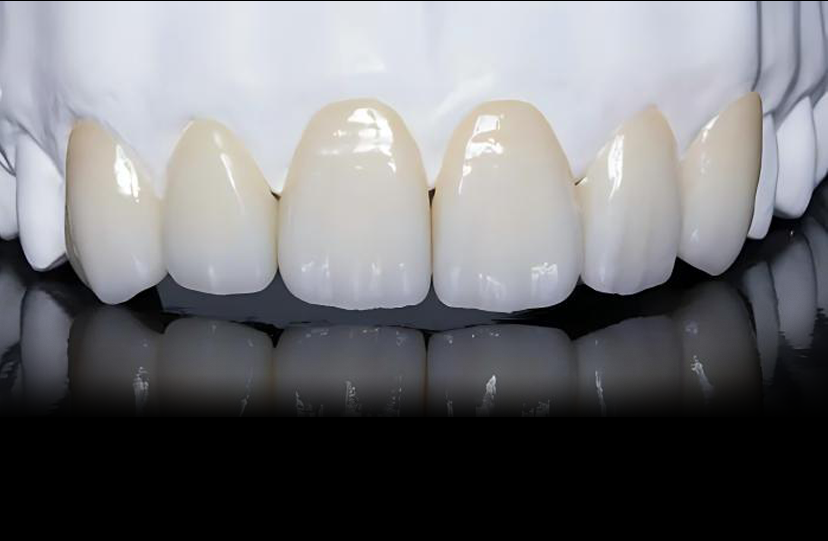
FCZ refers to dental restorations, such as crowns and bridges, fabricated from a single block of yttria-stabilized zirconia, a uniform block of yttria-stabilized tetragonal zirconia polycrystal (Y-TZP), with no porcelain on top. In regular bilayer restorations, porcelain is glued to a substructure. This material, on the other hand, uses CAD/CAM milling technology to make the full anatomical crown or bridge shape.
Core Structure and Composition
The material consists of zirconium dioxide strengthened with yttrium oxide, usually in amounts of 3–5 mol%. By stabilizing the structure, random phase changes that would otherwise lead to structural degradation are stopped. Modern versions have layers of varying translucency that make them look like natural teeth while keeping the mechanical benefits of solid zirconia.
Working Principle
Transformation toughening is what makes the material so durable. This mechanism helps slow crack propagation by inducing localized phase transformation around areas of stress, causing stress at the crack tips to induce localized phase changes. Because it strengthens itself, monolithic zirconia works better than traditional ceramics in conditions like cyclic loading that are common in the mouth.
Benefits of Monolithic Zirconia Restorations
Choosing FCZ (Full Contour Zirconia) offers several advantages in terms of mechanical performance, clinical predictability, and laboratory workflow efficiency. These characteristics make monolithic zirconia suitable for laboratories seeking predictable fabrication workflows and consistent clinical outcomes.
Clinical Performance Improvements
Due to its high fracture resistance and monolithic structure, FCZ may help reduce complications associated with veneer fracture and restoration replacement. When dental offices work with precision manufacturers, Digital workflows and precision manufacturing can improve restoration accuracy and reduce adjustment requirements. This is because they don't have to spend time and money on materials making changes. Patients with bruxism, which has been a problem for ceramic implants in the past, get solid long-term service without breaks or wear-through.
Operational Efficiency Gains
The simplified production process makes it easier for labs to get work done. Technicians can finish cases faster with fewer quality control checks because they don't have to layer porcelain by hand. Digital design files are directly translated to milled repairs. This reduces manual processing steps and improves workflow consistency, although production time depends on laboratory workflow and case complexity.
Advantages Compared to Alternative Solutions
When compared to layered zirconia, lithium disilicate, and traditional PFM restorations, FCZ (Full Contour Zirconia) clearly stands out as a strong competitor.
Monolithic zirconia eliminates the fundamental weakness of bilayer systems: the porcelain-substrate interface. It is common for Veneered restorations to experience higher rates of veneer chipping compared with monolithic zirconia designs, depending on material selection and clinical conditions, which means they need to be fixed or replaced at high cost. By eliminating this weak layer, full-contour options reduce the risk of veneer-related complications while maintaining high fracture resistance when appropriate case selection and design principles are followed.
The material's hardness was once seen as a weakness, but with the right finishing methods, it can now be used to its benefit. When polished with diamond polishing systems until the surface roughness is less than 0.2 µm, the restoration is kinder to the teeth next to it than many veneering porcelains. This solves a problem that prosthodontists have had for a long time.
New high-translucency materials made with 4Y-PSZ and 5Y-PSZ chemistry have visual qualities similar to lithium disilicate while still having a much higher resistance to breaking. Because the aesthetic range has grown, dentists can now use monolithic zirconia in situations where glass ceramics were once the only option, especially in the premolar transition zone.
Disadvantages and Limitations
When doing professional evaluations, you have to be aware of times when FCZ (Full Contour Zirconia) might not be the best option. Knowing these limits helps you choose the right cases and keep your goals in check.
Aesthetic Considerations in Anterior Applications
Standard 3Y-TZP formulations are naturally opaque, which means they aren't good for front teeth that people see a lot, especially those with thin gums or deep smile lines. Even though coloring and painting make the surface better, the material doesn't have the depth and opalescence of natural enamel. Some high-translucency versions get around this problem, but they lose some of their mechanical strength in the process.
Preparation and Adjustment Requirements
To get the best look and function, you need to pay attention to the planning, preparation, and finishing methods. When there isn't enough occlusal clearance, restorations that are too thick and look bulky form. On the other hand, extreme reduction in thin parts may lose some of the benefits of strength. Adjustments made at the chairside need the right tools. For example, sharp grinding without enough water cooling can cause microcracks or phase changes that aren't good.
Comparison With Traditional Restoration Materials
| Property | Full Contour Zirconia | PFM | Layered Zirconia | Lithium Disilicate |
|---|---|---|---|---|
| Material Structure | Monolithic zirconia without veneering porcelain | Metal framework with porcelain veneer | Zirconia core with porcelain veneer layer | Glass ceramic material |
| Flexural Strength | Approximately 900–1200 MPa | Approximately 500–700 MPa | Zirconia core: approximately 900–1200 MPa | Approximately 350–500 MPa |
| Fracture / Chipping Considerations | Reduced risk of veneer chipping due to monolithic design | Possible porcelain veneer fracture over time | Veneer layer may be susceptible to chipping | Generally low chipping risk, but lower fracture resistance than zirconia |
| Anterior Aesthetic Potential | Good with high-translucency zirconia; varies by formulation | Good aesthetic performance with proper layering | Excellent aesthetic potential due to porcelain layering | Excellent translucency and natural optical properties |
| Posterior Load Applications | Suitable for high occlusal load areas | Commonly used for posterior restorations | Requires careful case selection for heavy load areas | More commonly selected for aesthetic-focused restorations |
| Bruxism / High Occlusal Force Cases | Frequently considered due to high strength and fracture resistance | May be considered depending on case conditions | Requires careful evaluation due to veneer layer | Requires careful case selection |
| Biocompatibility | Excellent | Generally good; depends on alloy composition | Excellent | Excellent |
| Digital Workflow Compatibility | Highly compatible with CAD/CAM workflows | Compatible but involves additional laboratory steps | Compatible with CAD/CAM and layering processes | Compatible with CAD/CAM workflows |
This comparison highlights the different clinical roles of modern restorative materials. Monolithic zirconia is commonly selected for posterior restorations and high-load situations, while glass ceramics are often preferred when maximum translucency and aesthetic characterization are required.
Clinical Indications
FCZ (Full Contour Zirconia) is used in clear situations where the qualities of the material meet the needs of the patient.
Posterior Single Crowns and Bridges
When you bite down, your molars and premolars put out 500 to 800 Newtons of force, which is where this material really shines. Properly designed three-unit bridges can demonstrate favorable fracture resistance in posterior applications with connection sizes of 9–12 mm² because the material is very hard to break. Dental practices that treat a wide range of patients appreciate how flexible the material is when it comes to different bone densities and occlusal arrangements.
Full-Arch Implant Reconstructions
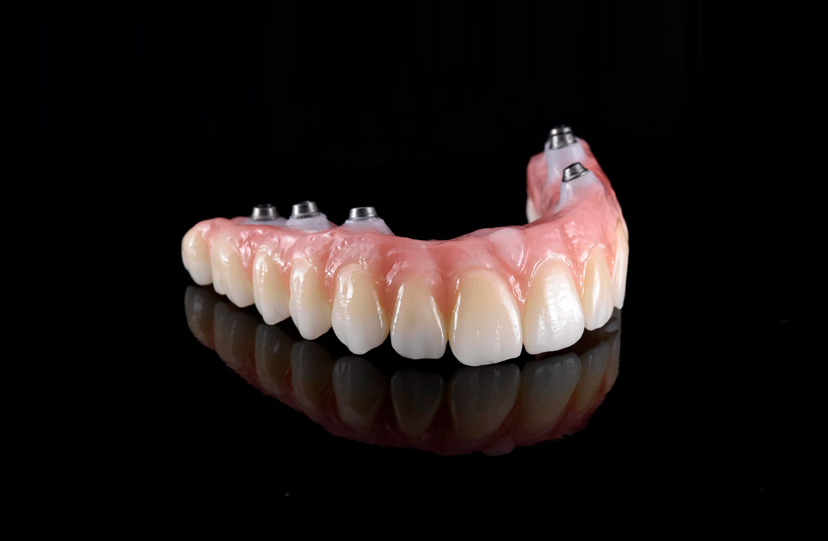
All-on-4 and All-on-6 protocols call for prosthetic materials that are compatible with living tissue and can span long gaps between teeth without using metal frames. Because it is strong for its weight and has a surface that doesn't hurt tissue, monolithic zirconia is a commonly considered option for these complex cases where the cost of a new crown would be too high.
Bruxism and Heavy Clenching Patients
People who have parafunctional habits create forces that are two to three times higher than average masticatory loads. In these harsh conditions, traditional ceramics break down quickly, but full-contour zirconia repairs that are properly made usually last for more than ten years. Prosthodontists who specialize in dental therapy have adopted this approach a lot just because of this one feature.
Materials and Manufacturing Quality
Knowing what the raw materials are made of and the standards for production makes sure that choices about what to buy are in line with quality expectations for FCZ (Full Contour Zirconia).
Raw Material Specifications
High-purity zirconium dioxide powder formulated for dental applications is mixed with 3–5 mol% yttrium oxide to make high-performance monolithic zirconia. Isostatic pressing is used on the powder to make pre-sintered blocks with a uniform density. Material sellers must show that particle size distribution and purity levels are the same from batch to batch. This is because small amounts of contaminants can change how the material sinters and its final mechanical properties.
Quality Standards and Certifications
Reputable makers keep all of their materials and final products FDA-registered, which shows that they follow biocompatibility standards like the ISO 10993 biological evaluation procedures. Getting ISO 13485:2016 certification shows that quality management systems meet the needs of the medical device industry. The CE mark shows that a medical device complies with the European Medical Device Regulation (MDR 2017/745), which is important for labs that sell to customers in other countries.
Material Selection Impact on Performance
When you choose between 3Y-TZP, 4Y-PSZ, and 5Y-PSZ formulas, you have to choose between strength and transparency. Laboratories that work with general offices usually keep 3Y-TZP on hand for use in the back and 4Y-PSZ on hand for use in the intermediate zones. When procurement managers know about these material grades, they can choose the best options for their case mix.
Manufacturing Workflow
The production process has a direct effect on the accuracy, dependability, and good looks of FCZ (Full Contour Zirconia) that determine the success rates in clinical trials.
Digital Design and CAD Integration
Digital impression files or model scans are put into CAD software, where experts create the structure of the repair by changing the occlusal contacts and emergence profiles to match the prescription. The design takes into account the 25% sintering shrinkage that happens when zirconia is fired. Modern software has libraries of margin designs and link sizes that have already been checked to make sure they meet maker strength standards.
Precision Milling
The restoration is made on five-axis CNC milling machines from pre-sintered blocks that are in a chalk-like state. This makes it possible to use normal carbide tools to repair quickly. Strategies for milling get the best surface finish with the least amount of tool wear and waste. At this point, quality control checks the margin adaptation using digital measuring tools with a precision of 10 microns.
Sintering Protocols
After milling, repairs are sintered in furnaces that have been calibrated to follow temperature ramps set by the maker. Depending on the material, the temperature will usually hit 1450 to 1550°C. The porous preform is changed into a dense, crystalline ceramic with final mechanical properties by this thermal treatment. The rate of cooling is managed to keep leftover stresses as low as possible, which could weaken the structure.
Finishing and Characterization
Some of the steps that are done after the tooth is fused are fine-tuning the edges, polishing or glazing the surface, and coloring the tooth to look like real teeth. Spectrophotometers are used in advanced labs to check shade accuracy against VITA classical or 3D Master guides. This makes sure that the aesthetic results are the same from batch to batch.
Cost Factors Influencing Pricing
Understanding the economic factors that affect pricing for FCZ (Full Contour Zirconia) restorations helps procurement managers compare quotes from suppliers and build long-term partnerships.
The price of raw materials depends on how much yttria is in them and how well-known the producer is. It costs more to buy premium blocks from well-known sellers, but they work better and are less likely to break when they sinter. A lot of material is wasted during milling—usually between 60 and 70% of the block volume. Efficient nesting algorithms can help reduce this cost.
The type of repair affects how hard it is to make something. Full-arch cases need a lot of planning, custom joint integration, and often try-in steps. Single crowns, on the other hand, only need a short amount of setup time and simple design work. Labs charge more for these cases because they take more work and there is a chance that they will have to be redone.
Customization needs, like custom coloring, surface texture to look like natural enamel, or combining with special parts, raise the price per unit. To make up for the extra work that needs to be done, rush orders that need to be processed overnight or during the weekend usually come with extra fees of 30 to 50 percent.
Regulatory compliance expenses are spread out over different production amounts. These include keeping FDA registrations up to date, yearly ISO checks, and documentation systems. Larger labs can get economies of scale that smaller ones can't match. However, boutique labs may offer personalized service that makes their higher prices worth it for difficult cases.
How to Choose a Reliable Supplier
Finding the right manufacturing partner for FCZ (Full Contour Zirconia) is important for long-term business growth, clinical results, and operating efficiency. When choosing a supplier, you should give careful thought to a number of important evaluation criteria.
Check out the manufacturer's production skills by doing site audits or reading thorough capability statements. Check to see if the multi-axis milling equipment comes from a reputable company, if the sintering ovens are calibrated and have temperature profiles that have been checked, and if the quality control systems include coordinate measuring machines or optical scanning proof. These investments show a dedication to making things precisely.
Certifications from regulatory bodies are an objective way for a third party to confirm that quality systems work. Check the current state of your FDA registration, your ISO 13485:2016 certificates that cover tooth restorations, and your CE marking paperwork. For every material used in the production, ask for material safety data sheets and biocompatibility test results.
Experience in manufacturing is important, especially when the case is complicated. Suppliers who have worked in the dental restoration industry for 15 years or more have seen many changes in technology and built up institutional knowledge that helps them make better design suggestions and solve problems. Ask for case studies that show how well similar projects have been done in the past. For example, making crowns for full-arch implants requires a different set of skills than making crowns for simple implants.
Turnaround dependability is directly affected by the technology and responsiveness of communication. Check the supplier's case submission systems, see if they offer specialized account managers for customers who do a lot of business, and see how often they've met their delivery dates. Ask current customers in similar market segments and geographic areas for examples.
Support and warranty terms after the sale show how confident the company is in the quality of the product. Look for companies that offer fixed restoration warranties of at least two years and make it clear that they will do free remakes during the warranty period. Technical support that is quick to respond to questions about case planning and adjustment instructions adds a lot of value on top of the physical product.
Maintenance and Clinical Longevity
To make FCZ (Full Contour Zirconia) restorations last as long as possible, patients need to be properly guided and follow professional follow-up practices.
Patient Care Instructions
Teach your people how to take care of their teeth properly when they have zirconia fillings. The material itself doesn't stain or build up plaque, but the edges of the cement and the tissues around them need to be cleaned regularly. To protect both the replacement surface and the normal teeth next to it, suggest using toothpaste that doesn't scratch and brushing with soft bristles.
Professional Maintenance
Set up follow-up appointments every six months to check on the health of the soft tissues, the integrity of the restoration, and the relationship between the teeth. If you don't want to scratch smooth surfaces, use plastic or resin scale tools near the edges of restorations. Check the occlusion and make selective adjustments if the contacts change over time because of wear on the opposing teeth.
Service Life Optimization
Clinical studies show that posterior single crowns made of solid zirconia have survival rates of more than 95% at 10 years when they are used normally. These already good statistics can be improved by choosing the right cases, designing the right preparations, and following the right cementation protocols. Occlusal guards help people with bruxism spread out forces and protect both restorations and natural teeth.
Key Takeaways
When it comes to dental restorations, FCZ (Full Contour Zirconia) has expanded the available options because it is so durable and doesn't chip as layered systems do. The 900–1200 MPa flexural strength of the material, along with transformation toughening processes, makes it safe for long-term use in difficult posterior uses and for patients with parafunctional habits. Modern high-translucency formulations improve the way things look while keeping the practical benefits that make them better than other materials. To make the execution go smoothly, you need to follow the instructions for preparation, use the right finishing methods, and choose manufacturing partners with proven quality systems and legal compliance. Monolithic zirconia is an important option in modern restorative dentistry and corrective dentistry for dental labs and clinics that want to keep remake rates low, keep response times consistent, and make sure patients are happy.
FAQ
Will monolithic zirconia wear down opposing natural teeth?
When fully finished, research shows that FCZ can demonstrate favorable wear characteristics against opposing dentition when properly polished compared to many veneering porcelains. The most important thing is to get the surface roughness below 0.2 µm by using progressive diamond cleaning procedures instead of just applying glaze. Studies that compare polished zirconia to enamel show that the rates of wear are about the same or lower when chewing is simulated.
How should I handle chairside adjustments to zirconia restorations?
Use fine-grit diamond burs (30–50 µm) with a lot of water to keep the area from heating up above 100°C, which can cause phase changes that are bad. Once the problem has been fixed, use diamond polishing paste and bendable tools to make the surfaces smooth again. Do not grind in one place for long periods of time, and keep the pressure light and intermittent.
Can full-contour zirconia achieve aesthetic results comparable to glass ceramics?
High-translucency 5Y-PSZ formulas can now let 49% of light through, which is similar to the optical qualities of lithium disilicate. When mixed with multilayer gradient blocks and professional staining methods, these materials create looks that are clinically acceptable for a number of anterior uses. But situations that need the most clarity and opalescence—like young patients with few tooth reductions—may still be better with glass ceramic options.
What cementation protocol provides optimal retention for zirconia crowns?
Regular cementation with glass ionomer or resin-modified glass ionomer cements works well for well-designed preparations, but adhesive bonding is the best way to make sure of long-term success. Use flying particle abrasion to clean the intaglio surface, then use an MDP-containing primer and dual-cure resin cement to join the pieces together. Compared to traditional methods, this protocol can significantly improve retention compared with conventional cementation approaches and fracture resistance by supporting the ceramic from the inside.
Are there span limitations for monolithic zirconia bridges?
In posterior uses, three-unit bridges made of 3Y-TZP and having connection cross-sections of 9–12 mm² usually work well. For four-unit bridges to work, the cases must be carefully chosen so that the abutments are in the best places and the connectors are as big as they can be. Individual engineering studies are needed for longer spans or suspension designs. Full-arch implant-supported prostheses distribute forces in different ways and work best with frameworks that are properly designed and have the right screw access channels.
Partner With HYC for Precision Monolithic Zirconia Solutions
HYC has been making specialized products for more than 20 years and can help dentists who need solid FCZ (Full Contour Zirconia) restorations. Our FDA-registered facility uses ISO 13485-certified quality management systems to support consistent manufacturing processes and documentation control for safety and biocompatibility around the world. We've set up our production process so that the first fit is always perfect and the rate of remakes is always less than 2%. This saves your practice important chair time and keeps patients trusting you. Our flexible delivery options include standard processing in three days and case completion in four to five days, as well as fast flash delivery for urgent clinical needs. Get in touch with our team at info@hycdentallab.com to talk about your specific restoration needs and see the difference working with a dedicated supplier supporting dental professionals with reliable restoration solutions.
References
1. Zhang Y, Lawn BR. Novel Zirconia Materials in Dentistry. Journal of Dental Research. 2018;97(2):140-147.
2. Sulaiman TA, Delgado AJ, Donovan TE. Survival Rate of Lithium Disilicate Restorations at 4 Years: A Retrospective Study. Journal of Prosthetic Dentistry. 2019;122(5):459-465.
3. Pjetursson BE, Sailer I, Makarov NA, Zwahlen M, Thoma DS. All-Ceramic or Metal-Ceramic Tooth-Supported Fixed Dental Prostheses: A Systematic Review of the Survival and Complication Rates. Dental Materials. 2015;31(6):624-639.
4. Konstantinidis I, Kotsakis GA, Patel K. Survival and Complications of Monolithic Zirconia Fixed Dental Prostheses: A Systematic Review. Journal of Prosthodontics. 2020;29(4):289-298.
5. Johansson C, Kmet G, Rivera J, Larsson C. Fracture Strength of Monolithic All-Ceramic Crowns Made of High Translucent Yttrium Oxide-Stabilized Zirconium Dioxide Compared to Porcelain-Veneered Crowns and Lithium Disilicate Crowns. Acta Odontologica Scandinavica. 2014;72(2):145-153.
6. Carrabba M, Keeling AJ, Aziz A, Vichi A, Fonzar RF, Wood D, Ferrari M. Translucent Zirconia in the Ceramic Scenario for Monolithic Restorations: A Flexural Strength and Translucency Comparison Test. Journal of Dentistry. 2017;60:70-76.
YOU MAY LIKE