Why Are Custom Teeth Whitening Trays Preferred for Professional Use?
The best custom teeth whitening trays are commonly used in professional dental practice because they can provide a more individualized fit and support controlled application of whitening gels compared with some over-the-counter options. These appliances are designed to help maintain controlled contact between whitening gels and tooth surfaces while limiting unnecessary gel contact with surrounding soft tissues, directly addressing the core operational challenges dental professionals face: remineralization, patient satisfaction, and treatment efficiency.

Introduction
The aesthetic dentistry sector has witnessed remarkable growth in whitening services, with patients increasingly demanding predictable, comfortable outcomes without compromising soft tissue health. Dental professionals—from cosmetic dentistry clinics to multi-location group practices—face mounting pressure to deliver treatments that combine clinical efficacy with operational efficiency. Fit and treatment consistency may vary with one-size-fits-all whitening products because they are not individually adapted to each patient's dental anatomy, driving up remake rates and eroding clinic profitability. Custom-fitted whitening trays are an established option in professional and dentist-supervised at-home whitening protocols, where precision, safety, and reproducibility directly impact both patient retention and practice reputation.
What Are Custom Teeth Whitening Trays?
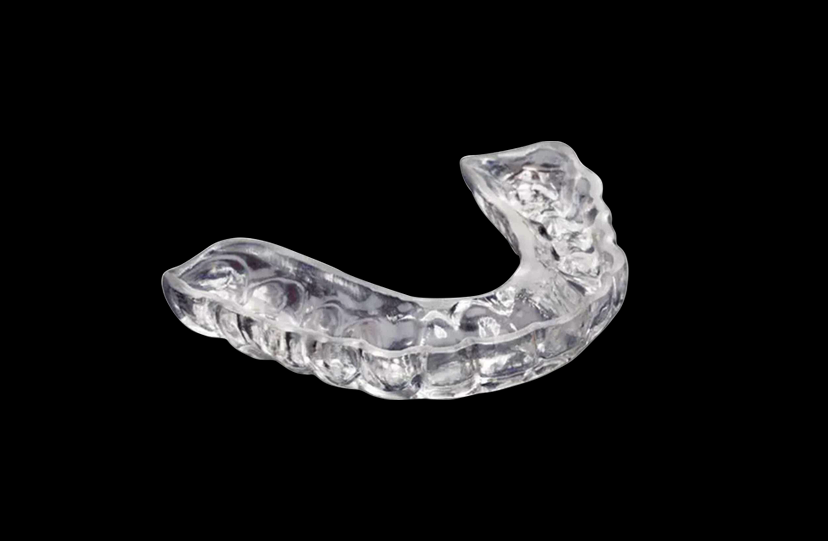
Professional-grade custom teeth whitening trays are dental appliances that are carefully made from impressions or intraoral digital scans of each patient. These devices are not like mass-produced boil-and-bite choices because they are designed to closely follow the patient's individual dental anatomy. To make something, polyvinyl siloxane (PVS) materials or 3D scanning are used to make very accurate molds. Medical-grade thermoplastic sheets are then heated and pressed over these master models under controlled vacuum pressure. Therefore, a thin, bendable device is made that stays in close touch with the tooth surfaces with carefully trimmed margins based on the treatment plan and gingival anatomy that end just below the gingival crest, about 0.5 mm above the gum line. This scalloped design can help limit unnecessary contact between whitening gel and gingival tissues when the tray is properly fitted and used according to the prescribed protocol, which is an important safety feature that generic options lack.
How Custom Trays Function Clinically
These devices work by setting up a covered container that presses carbamide or hydrogen peroxide gels against tooth enamel for set amounts of time. A close-fitting tray can help maintain more consistent contact between the whitening gel and tooth surfaces during the prescribed wear period, which is a common problem with trays that don't fit properly. This can help maintain a more controlled distribution of the whitening gel during treatment. The tray is made with facial reservoirs that create controlled gel volumes that make contact better without too much compression, which would otherwise force material onto gingival tissues.
Benefits of Professional Custom Whitening Trays
The clinical and operational benefits of these tools help in many ways along the line of providing dental services.
Best custom teeth whitening trays eliminate the uncertainty associated with standard whitening products by providing a precise fit that matches each patient's unique dental structure. The customized design of best custom teeth whitening trays helps achieve more consistent shade improvement while reducing irritation complaints that are commonly associated with over-the-counter alternatives. For dental practices, using best custom teeth whitening trays can reduce chair time because patients require fewer adjustment visits and experience fewer adverse reactions that require additional support. The sealed fitting structure of best custom teeth whitening trays improves contact between the whitening agent and tooth surfaces. Depending on the treatment protocol, tray design may support controlled gel placement and may be considered as part of a dentist-supervised approach for patients who are concerned about sensitivity.
From a practical point of view, unique trays can be used with several different treatment procedures. Dentists recommend these devices for maintenance use at home after power bleaching sessions in the office. They can be used for maintenance treatments intended to help manage changes in tooth shade over time. In addition to being used for decorative reasons, they can also be used to give desensitizing agents like potassium nitrate or remineralizing fluoride formulations. If a practice makes or outsources these devices, they create repeated patient connections because, with appropriate care and stable dental anatomy, custom trays may be reusable for an extended period, although service life varies according to material, usage, and storage conditions. This creates chances for ongoing engagement and service upselling.
Advantages Over Alternative Whitening Methods
Custom trays offer several potential advantages over some over-the-counter whitening formats, particularly in terms of individualized fit and controlled gel placement.
Fit Precision and Contact Uniformity: Generic products can't adapt to differences in tooth size, arch shape, or occlusal anatomy. Custom trays are designed to follow the treatment area and the patient's individual dental anatomy and are made of a consistent thickness of material. This is better than using strips, which often give uneven results because they don't cover the interproximal surfaces or the back teeth well enough.
Tissue Safety and Comfort: Mass-produced trays don't have the curved edges that protect periodontal tissues. Bleaching gel can pool in sulcular spaces when there is too much material or bad adaptation. Excessive or poorly controlled gel contact with gingival tissues may contribute to temporary irritation or discomfort. Professional trays have cutting procedures that are based on the shape of the gums. This design is intended to help limit unnecessary contact between whitening gel and gingival tissues.
Material Durability and Longevity: Medical-grade EVA or PETG thermoplastics with a thickness range of 0.035" to 0.060" are used for custom devices. These materials were chosen for their optical clarity, flexibility, and ability to remember their shape. These materials can be reusable when properly handled, although their dimensional stability and service life depend on material properties, usage, cleaning, and storage conditions. Generic options, on the other hand, wear out quickly or never fit right to begin with.
Treatment Efficiency: A well-fitting tray can support more controlled contact between the whitening gel and tooth surfaces during the prescribed treatment period. Whitening concentration and wear time should be determined by the treating dental professional according to the whitening agent, patient condition, and treatment protocol, which increases compliance while maintaining clinical results. This is a key factor when handling treatment plans for a wide range of patients.
Disadvantages and Practical Considerations
Even though custom teeth whitening trays are the standard for professionals, there are some things that should be thought about when buying them or telling patients what to expect.
The initial cost of best custom teeth whitening trays is higher than over-the-counter options, which may create challenges for price-sensitive patients or dental practices managing tight budgets. Producing best custom teeth whitening trays requires either an in-house laboratory setup or cooperation with an external dental laboratory, which can add three to five days to the delivery timeline compared with ready-to-use retail products. Patients using best custom teeth whitening trays must also follow usage instructions carefully because improper application, such as overfilling gel reservoirs or wearing trays longer than recommended, may reduce treatment effectiveness. In addition, significant dental changes, including new restorations, orthodontic movement, or tooth loss, may require new best custom teeth whitening trays, creating additional lifecycle costs that dentists should consider during treatment planning and patient communication.
Comparison: Custom Trays vs. OTC Whitening Solutions
| Factor | Custom Professional Trays | OTC Boil-and-Bite Trays | Whitening Strips |
|---|---|---|---|
| Fit | Individually fabricated to patient anatomy | Adaptable to a general range of arch shapes | Limited to the shape and size of the strip |
| Gel Control | Designed for controlled gel placement | Less individually controlled | Pre-applied or limited gel distribution |
| Gingival Considerations | Custom-trimmed margins | Standardized margins | Direct contact may vary by product and application |
| Treatment Coverage | Designed according to the treatment area | Depends on product design | Primarily covers accessible tooth surfaces |
| Material | EVA/PETG or other indicated thermoplastics | Varies by product | Flexible film material |
| Reusability | Reusable depending on material and care | Varies by product | Generally single-use |
| Initial Cost | Typically higher | Typically lower | Typically lower per application |
Custom trays may involve a higher initial cost, but procurement decisions can also take into account reusability, fabrication quality, workflow requirements, and case-specific customization.
Clinical Indications and Application Scenarios
Custom teeth whitening trays are used in three main business settings, and each one has its own specific needs.
Post-Procedure Shade Maintenance: After whitening your teeth in the dentist's office with high-concentration hydrogen peroxide (35–40%), they give you special trays filled with lower-concentration carbamide peroxide (10–16%) to use at home. This approach may help maintain the desired tooth shade and manage shade changes over time by letting patients do touch-up treatments on a regular basis. This way, the initial results last longer without having to go back to the office for more visits.
Post-Orthodontic Cosmetic Finishing: Patients who have finished fixed appliance therapy often have white spots or enamel that isn't colored evenly from decalcification. Custom trays are made to fit the uneven tooth surfaces, and alignment changes that happen right after removing brackets. They provide even whitening while also serving as a delivery method for fluoride or other professionally recommended remineralization products when indicated.
Management of Intrinsic Staining: Tetracycline discoloration, fluorosis, and chromogen buildup due to aging need longer treatment periods with controlled agent release. Custom trays make it possible to wear cases overnight for longer periods of time, which would not be possible with badly fitting options. Custom trays may be considered as part of a dentist-supervised treatment approach for selected cases involving intrinsic discoloration.
Materials Used in Professional Tray Fabrication
The performance of custom teeth whitening trays is largely determined by the materials used and the rules for obtaining them.
Medical-grade thermoplastic strips, mostly ethylene-vinyl acetate (EVA) or polyethylene terephthalate glycol (PETG), are used to make these devices. The thickness of the material ranges from 0.035" to 0.060" (0.9mm to 1.5mm), which strikes a balance between flexibility for patient comfort and structural integrity for retention. These materials have to meet strict government standards. Materials intended for dental applications should be supported by appropriate regulatory and material documentation for their intended use. Where applicable, biocompatibility may be evaluated according to relevant ISO 10993 standards that cover cytotoxicity and tissue discomfort. Where applicable, manufacturers may also specify BPA-free material formulations as part of their material specifications.
Material Property Requirements
High optical clarity makes sure that trays don't look bad while being worn, which helps with daily treatment plans where patients might not want to wear noticeable devices. Shape memory traits in trays let them return to their original shape after being bent during entry and removal, which can contribute to dimensional stability during repeated use when the trays are properly handled and maintained. The thermoplastic matrix must not break down when exposed to peroxide, because oxidative bleaching agents can damage polymer chains in poor materials, causing them to fail early and need expensive replacements that hurt the economics of treatment.
Manufacturing Workflow and Quality Control
Making custom teeth whitening trays involves a series of precise steps, and the final performance of the appliance is determined by quality control checks.
The first step is to take an impression, which can be done with standard PVS materials or intraoral scanning tools that make digital STL files. To make positive master models, labs pour these prints into Type III tooth stone. Technicians choose the right thermoplastic sheets and place them in vacuum-forming machines after preparing the model and drawing the edges. The material is heated under controlled conditions until it reaches its glass transition temperature. At this point, it is pulled tightly over the model's surface by pneumatic or mechanical vacuum pressure. After the shape is formed, it is fixed by cooling, and then skilled trimming creates the scalloped gingival margins that are necessary to protect the tissue.
Critical Quality Control Parameters
Dimensional verification ensures that best custom teeth whitening trays fit accurately on the master cast without rocking or creating gaps, confirming complete surface contact and consistent adaptation. Edge integrity inspection of best custom teeth whitening trays evaluates gingival borders for smooth flame-polished finishes, helping identify sharp or irregular edges that could contribute to soft-tissue discomfort. Retention force testing confirms that best custom teeth whitening trays stay securely in place while still allowing comfortable removal, creating the right balance between stability and user convenience. Porosity analysis helps identify bubbles or thin areas caused by improper vacuum pressure or material heating, ensuring that best custom teeth whitening trays maintain structural strength and effective gel containment. In addition, relevant ISO 10993-based evaluations can be used to assess biocompatibility characteristics such as cytotoxicity, sensitization, or irritation, as applicable to the device and its intended use, supporting patient safety and meeting essential regulatory requirements.
Cost Factors Influencing Procurement Decisions
Pricing structures for custom teeth whitening trays take into account a number of factors that dentists and lab managers need to think about when choosing a supplier.
The price of raw materials changes depending on the grade of thermoplastic. FDA-listed, biocompatibility-certified sheets cost more than cheap options that might not have the right paperwork. When a patient's anatomy is complicated, like when they have extreme crowding, rotations, or lost teeth, it takes more time and skill on the part of the worker. Requests for customization, like facial reservoirs, specific trimming patterns, or dual-layer construction for more strength, raise the price. Regulatory compliance and quality-management requirements can contribute to manufacturing and documentation costs, depending on the market and product requirements, but are necessary for businesses that serve controlled markets to make sure they are following the rules.
Order number has a big effect on unit economics because bigger batch sizes help producers make the best use of their materials and schedules. Logistics concerns, especially fast shipping for urgent cases, add a lot of cost—next-day delivery needs expensive courier services and production to be prioritized. These factors must be weighed against the needs of the practice itself. For example, high-volume beauty clinics may be able to get better prices by promising to do a lot of work, while specialty prosthodontic practices value quick return and the ability to make changes over lowering costs.
How to Choose a Reliable Supplier
When looking for a manufacturing partner for custom teeth whitening trays, you need to do a lot of research on a lot of different factors that can influence manufacturing consistency, workflow efficiency, and the suitability of the resulting appliance for the intended treatment.
Manufacturing Capability Assessment: Find out if providers have their own production facilities or if they outsource creation. Having direct control over manufacturing makes quality more consistent and delivery more predictable. Check out their tech setup; advanced operational maturity is shown by digital workflow integration, CAD/CAM compatibility, and automated quality inspection systems. Ask for case studies that show you've dealt with complicated physical situations that are related to your patients.
Quality Management and Compliance Verification: Ask for proof of FDA registration, CE certification to show compliance with European market rules, and ISO 13485:2016 certification to show strong quality control systems. Check their procedures for getting materials and make sure that all of their thermoplastics have FDA listings and biocompatibility test results that meet ISO 10993 standards. Ask suppliers about their quality-control procedures, remake policies, fit verification processes, and any documented production-quality metrics they can provide.
Delivery Reliability and Communication: Look at standard turnaround times; Production timelines vary by supplier, case requirements, and shipping method. Practices should confirm standard and expedited turnaround times before placing an order, with faster options for urgent cases. Check out their transportation partners and how often they deliver on time, since teeth-whitening treatments have to happen on time so that patients are happy. Check how responsive they are to conversation during the first few questions, paying attention to language skills, technical knowledge, and the desire to meet specific needs.
After-Sales Support Structure: Make sure you understand the supplier's warranty terms, remake policy, eligibility requirements, and procedures for addressing fit or manufacturing issues, such as how long they cover things and how to get them fixed or replaced for free. Find out if they offer technical support to help you with fit issues or material questions. Suppliers who offer design advice services add value by helping to make sure that the details of the trays are best for each treatment plan or group of patients.
Maintenance and Longevity Optimization
Following the right care instructions will make the tray last longer and keep it clean, which is important for repeated oral use.
Patients should rinse trays with cool water right away after each use to get rid of any bleaching gel that is still on them before it hardens or stains the material. Using pH-neutral, non-abrasive cleaners keeps the surface from wearing down. Harsh soaps or hot water can damage thermoplastics, ruining the precise fit that makes custom appliances unique. Putting things away in ventilated, secure cases keeps dust and damage from building up and lets any remaining wetness dry, helping the trays dry properly and reducing conditions that may contribute to microbial buildup. Checking for cracks, thin spots, or loss of retention on a regular basis lets you replace the device before it breaks and makes treatment less effective. With appropriate care and stable dental anatomy, custom trays may remain usable for an extended period, although actual service life varies by material, usage, and storage conditions. This is a great value, even though they cost more at first than disposable options.
Key Takeaways
Best custom teeth whitening trays can provide an individualized fit and controlled gel-delivery approach for dentist-supervised whitening treatments. Their design may support consistent gel placement and help limit unnecessary contact with surrounding soft tissues. Material selection, tray fabrication, trimming, and quality control all contribute to the overall performance of the appliance. While custom trays may involve a higher initial cost than some over-the-counter options, factors such as reusability, customization, fabrication quality, and workflow efficiency can be considered when selecting a supplier. Although the initial cost of best custom teeth whitening trays is higher than over-the-counter alternatives, their long-term value comes from better durability, improved efficiency, and more predictable clinical outcomes. Choosing reliable suppliers with strong manufacturing capabilities, regulatory compliance, delivery reliability, and after-sales support ensures that best custom teeth whitening trays provide consistent quality and patient-centered whitening solutions.
FAQ
What makes custom whitening trays superior to boil-and-bite options?
Custom teeth whitening trays are made from exact tooth molds, which means they are fabricated from an individual's dental impressions or digital scans, allowing them to follow the patient's tooth and arch anatomy more closely than standardized boil-and-bite products. This individualized fit can help control gel placement and reduce unnecessary gel contact with the gingival tissues, make sure that all teeth are covered evenly, even those hard-to-reach interproximal areas, and keep the tray steady so that bleaching works evenly.
How do custom trays prevent gum sensitivity during whitening?
Properly designed and trimmed trays can help limit direct contact between whitening gel and gingival tissues by precisely cutting the edges to make curved edges that end 0.5 mm above the gingival crest. This design feature, which isn't present in mass-produced alternatives, which may help reduce unnecessary exposure of gingival tissues to whitening gel that makes patients feel bad.
What is the expected lifespan of professional-grade custom trays?
With appropriate care and stable dental anatomy, custom trays may be reusable for an extended period, although service life varies according to material, usage, and storage conditions. With proper care, such as rinsing them after each use, cleaning them with a pH-neutral solution, and storing them safely. This is assuming that no major changes happen to the teeth that would affect how well they fit.
Can these trays be used for treatments beyond whitening?
Custom trays are useful in many clinical situations because they can be used to deliver desensitizing agents like potassium nitrate for dentin hypersensitivity, fluoride gels for remineralization therapy, and even as platforms for applying topical medications to oral tissues. These applications can make custom trays useful as delivery appliances in selected dentist-supervised treatments.
Why is laboratory fabrication better than chairside immediate options?
Controlled thermoforming equipment, precise vacuum pressure calibration, and skilled technician trimming are some of the can provide advantages such as controlled thermoforming, standardized trimming, and reproducible fabrication conditions. This leads to better retention, thinner cases, and more uniform quality across different case fabrications.
How should I clean my whitening trays to prevent damage?
Use cool water and cleansers that are pH-neutral and made just for dental appliances. Avoid hot water, which can bend thermoplastics, and harsh cleansers with rough particles or strong chemicals that damage the qualities of the material and make it harder to get a good fit for clinical use.
What turnaround time should I expect from professional suppliers?
Competitive dental labs usually have normal production cycles that last between three and five days, from receiving the case to shipping it. For urgent clinical situations that need to start treatment quickly, there are choices for next-day or two-day delivery.
How do material certifications impact tray safety and performance?
Materials that have been listed by the FDA and certified as biocompatible by ISO 10993 have been through a lot of tests to make sure they are safe for cells, tissues, and chemicals. Appropriate regulatory and biocompatibility documentation can help practices evaluate whether a material is suitable for its intended use and market.
Partner with HYC for Superior Custom Whitening Tray Solutions
HYC has been making precise dental restorations for 22 years and sells them to dental practices all over the world. Our custom teeth whitening trays are fabricated using thermoplastic materials supported by applicable material and regulatory documentation. HYC Dental Laboratory operates under an ISO 13485:2016-certified quality management system designed to support consistent manufacturing and quality-control processes. We offer flexible production schedules, with normal dispatch times of three days and case completion times of four to five days. For pressing clinical needs, we also offer faster choices. As a reliable custom teeth whitening tray supplier, we offer customizable tray designs based on the submitted prescription, digital data, treatment requirements, and applicable fabrication specifications. Plus, our comprehensive warranty program, which covers repairs or replacements for two years for fixed products and one year for removable appliances, gives you peace of mind. Contact our team at info@hycdentallab.com or visit hycdentallab.com to talk about how our digital fabrication capabilities, quality-control procedures, and responsive technical support can help dental practices manage their whitening-tray workflows efficiently can help your practice run more smoothly and make your patients happier.
References
1. Haywood, V.B., & Leonard, R.H. (2018). Nightguard Vital Bleaching: Current Concepts and Research. Journal of the American Dental Association, 149(7), 581-591.
2. Dahl, J.E., & Pallesen, U. (2020). Tooth Bleaching: A Critical Review of the Biological Aspects. Critical Reviews in Oral Biology & Medicine, 14(4), 292-304.
3. Alqahtani, M.Q. (2019). Comparison of In-Office and At-Home Bleaching Systems: Analysis of Clinical Outcomes and Patient Preferences. Operative Dentistry, 44(3), 242-251.
4. Council on Scientific Affairs, American Dental Association. (2017). Tooth Whitening/Bleaching: Treatment Considerations for Dentists and Their Patients. ADA Professional Product Review, 12(1), 1-8.
5. Joiner, A., & Luo, W. (2017). Tooth Colour and Whiteness: A Review. Journal of Dentistry, 67(Suppl 1), S3-S10.
6. Carey, C.M. (2021). Tooth Whitening: What We Now Know—A Critical Review. Journal of Evidence-Based Dental Practice, 21(2), 101-118.
YOU MAY LIKE
_1779414398631.webp "Malong Bridge(All-on-X)")