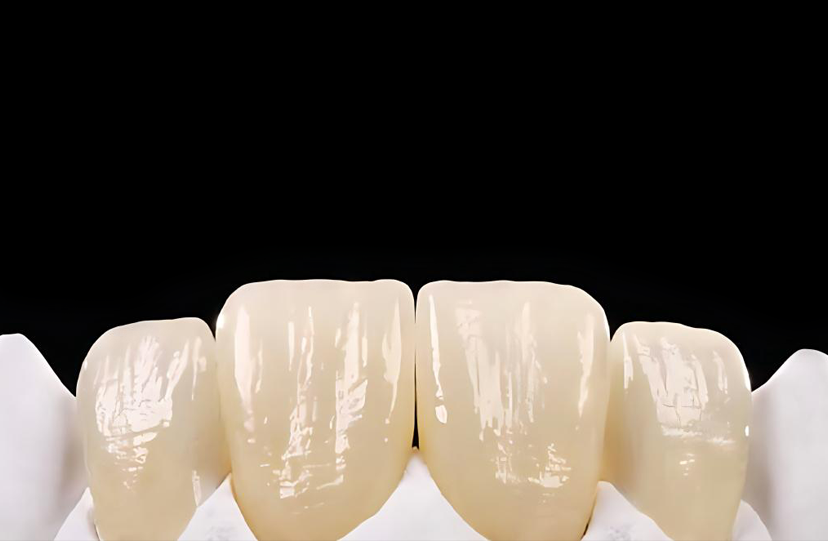
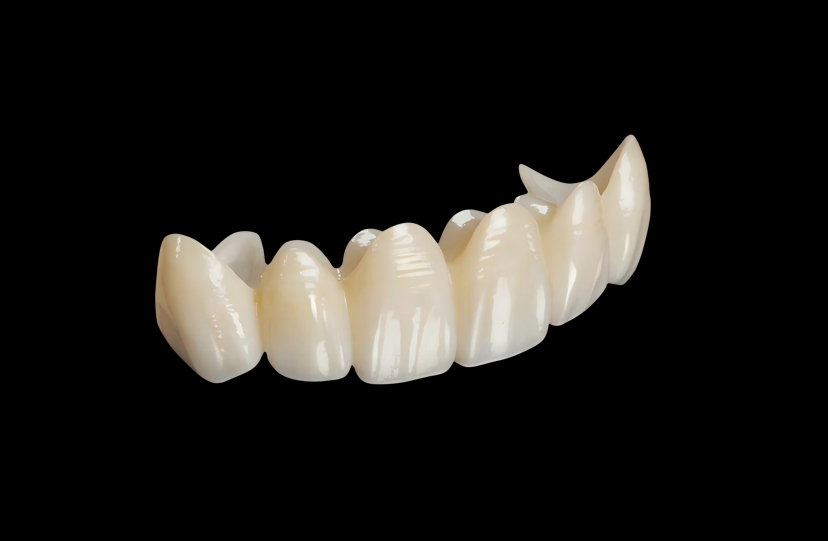
Screw Retained Posterior Implant Crown Restorative Challenges
Screw-retained posterior implant crowns meet important restorative needs by avoiding cement problems, allowing retrieval, and supporting expected long-term results. But problems with the Implant Screw Crown include keeping the entry hole looking good, keeping the screw from coming loose, and dealing with complicated posterior occlusal forces. Knowing about these problems and how to fix them helps dentists and procurement managers choose restorations that balance clinical performance, patient happiness, and practical efficiency in busy dental offices.
Understanding Screw-Retained Posterior Implant Crowns
What Defines Screw-Retained Restorations?
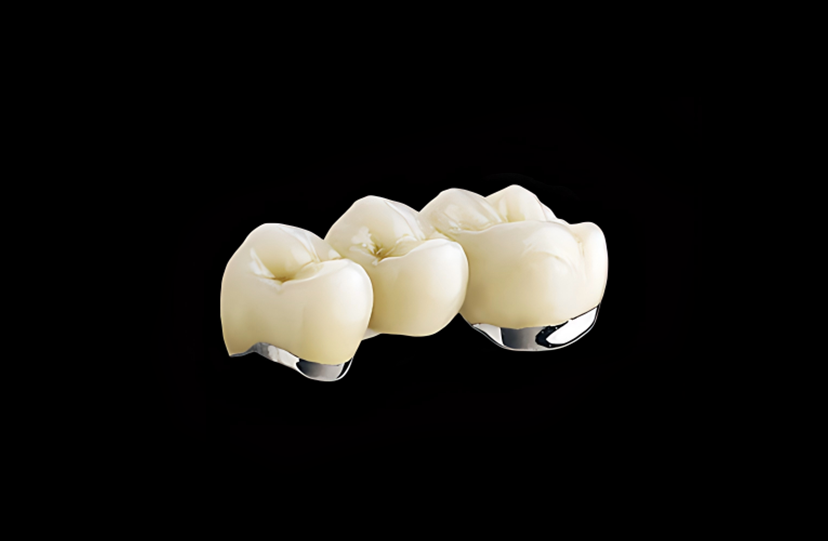
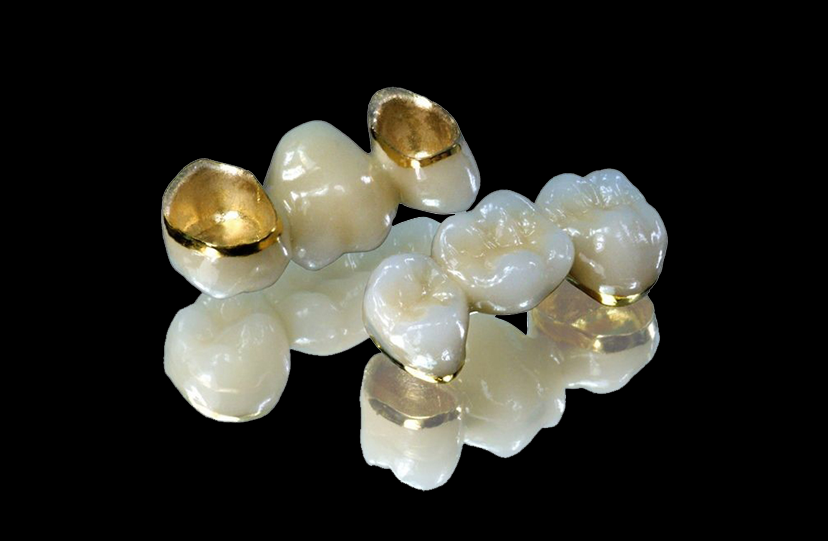
Implant Screw-retained crowns, instead of dental cement, use mechanical support. A prosthetic screw passes through the occlusal surface of the crown and engages directly with the implant fixture or abutment. The restoration is made of zirconia, Porcelain-fused-to-metal (PFM), or high-strength ceramics. Titanium or gold prosthetic screws mechanically secure the restoration. This method gets rid of the need for adhesives in the mouth, which lowers the risk of inflammation and supports healthy peri-implant soft tissues.
Clinical Workflow and Key Advantages
The process includes carefully placing the implant, taking a digital image, designing it with a CAD/CAM workflow, and finally fixing it with screws. Once the crown is in place, the screw is tightened to the proper level by the maker, and the screw access channel is sealed with PTFE tape and restored with composite resin. Cement-free delivery reduces chairside time during insertion during final visits.
There are clear advantages when you compare screw-holding to cemented choices. Screw-retained crowns can be easily taken out for cleaning, restorations, or to fix the screws again without hurting the replacement or implant. On the other hand, peri-implantitis can happen with cement-retained crowns if there is still too much cement under the gums. Screw-retained restorations can be a practical option in cases with limited restorative space, depending on the implant system and prosthetic design—so they can work in areas with limited interarch room, like the back. The subgingival crown-implant link also keeps the metal edges from being seen in people whose gums are thin.
Restorative Challenges in Screw-Retained Posterior Implant Crowns
Screw Loosening and Mechanical Instability
One common worry is that the screw might come free because of the dynamic occlusal pressure in the molar area. Posterior teeth are put under a lot of stress when you bite down, and not enough force or the wrong screws can make retention worse. Screw loosening may occur over time if the recommended preload torque is not maintained. Gold alloy screws may provide improved preload characteristics in some implant systems, but they cost more to make.
Esthetic Compromises with Access Holes
In Implant Screw Crown restorations, where you put the access hole has a direct effect on how it looks. When implants are in the right place, the screw tube goes out through the buccal surface, making it hard to see. But if there are angulation mistakes during surgery, the entry hole could go through the skin, leaving noticeable cosmetic flaws. CAD/CAM workflow technology today fixes this problem by creating Angulated Screw Channels (ASC) that change the channel up to 25 degrees to the left or right. If the angle is too big for an Angulated Screw Channel, you can keep the good looks by using custom abutments with lingual set-screws or switching to crowns that are held in place with cement.
Managing Occlusal Forces and Material Durability
Posterior implants have to be able to handle strong bite forces. PFM crowns may be more susceptible to porcelain chipping around the screw access opening if the inside edges aren't rounded properly during production. Zirconia restorations get rid of gray shadowing under clear tissue, but they need to be carefully milled and finished to keep them from breaking. The screw access channel is typically filled with PTFE tape before being restored with composite resin, then dual-cure opaque composite, and finally shade-matched composite resin hides the metal screw and makes it look better integrated.
Best Practices for Overcoming Challenges
Precise implant placement is still very important. Surgical guides made from digital modeling make sure that the angle and depth are correct, which lowers the chance that the entry holes will not be lined up correctly. When doctors, lab workers, and procurement teams talk to each other, they can make sure that the materials they choose are right for the patient's anatomy and functional needs. Using certified, FDA-listed materials and advanced CAD/CAM workflow processes helps keep quality high and reduces the number of times things need to be redone. This helps improve clinical consistency while reducing remake rates and operational costs.
Comparative Analysis: Screw Retained vs. Cement Retained Posterior Crowns
| Screw-Retained | Cement-Retained |
|---|---|
| ✔ Easy retrieval | ✔ Better esthetics (anterior cases) |
| ✔ No excess cement | ✔ No visible access hole |
| ✔ Lower peri-implantitis risk | ✔ Suitable when screw access is not feasible |
| ✔ Easier maintenance | ✖ Difficult retrieval if repairs are needed |
| ✔ Preferred for posterior restorations | ✖ Risk of residual cement |
| ✖ Visible screw access hole | ✖ Harder long-term maintenance |
| For posterior implant restorations, screw-retained crowns are often preferred because they simplify maintenance, reduce the risk of excess cement, and allow predictable long-term retrievability. | |
Retention Mechanics and Biological Risks
Screw-retained crowns use mechanical fixing, which makes them easy to remove and doesn't require chemical glue. Cement-retained crowns rely on dental cement for retention, and they can get stuck below the gumline and cause inflammatory reactions. Studies show that leftover cement is a major cause of peri-implantitis, which shortens the life of implants and raises the cost of treatment. Screw retention gets rid of this variable completely, which supports better gingival tissue and lowers the risk of infection.
Esthetic Considerations and Patient Preferences
Cement-retained restorations usually look better on the front teeth because they don't have any obvious entry holes. But there aren't as many strict visual requirements for posterior crowns, so screw retention is a choice. The access holes leave through the occlusal surfaces and are quietly covered when implant angulation is at its best. Patients put function and longevity in the posterior regions at the top of their list of priorities. They are often willing to make small aesthetic sacrifices in exchange for easy long-term retrieval and upkeep.
Cost-Effectiveness and Lifetime Value
Cost evaluation of the Implant Screw Crown is more than just setting a starting price. Screw-retained crowns may have a slightly higher initial material cost because they require greater manufacturing precision and include screw components. However, long-term costs are typically lower because they offer better durability, are easier to maintain, and avoid the complications commonly associated with cement. If issues occur with cement-retained crowns, they may need to be removed and completely remade, which can increase both time consumption and laboratory fees. When selecting providers, Dental practices and laboratories should evaluate the total cost of ownership and consider factors such as warranty terms, remake rates, and after-sales support.
Case-Driven Selection Guidance
The choice between screw-retained and cement-retained restorations depends on the clinical situation. Screw retention works for people who don't have a lot of vertical room, who want to make changes in the future, or who need to have their implants maintained often. Cement retention is used in front areas that need to look perfect or when implant angulation makes it impossible to get to the screws properly. Standardized procedures help dental service organizations and group practices keep their inventory in line with the most common kinds of cases and make sure that the quality is the same everywhere.
Materials and Manufacturing Considerations for Posterior Implant Screw Crowns
Material Selection: Zirconia, Porcelain-Fused-to-Metal (PFM), and Ceramics
Zirconia is very strong and doesn't leave behind the gray shadowing that comes with metal substructures. It's biocompatible, which means it works well with healthy soft tissues, and newer versions find a good mix between being clear and being strong enough not to break. Porcelain-fused-to-metal (PFM)crowns have been shown to last longer and be less expensive, but they need to be carefully layered to keep the areas around the access holes from chipping. High-strength ceramics are good for people with mild occlusal forces because they look good and are strong.
As a standard, titanium pins are used because they are biocompatible and strong. With regular retightening, gold screws can last longer than fifteen years because they are more resistant to bending and wear. The choice of material should be based on the patient's anatomy, the needs of the bite, and the patient's income, making sure that efficiency and cost-effectiveness are both taken into account.
The Role of Digital CAD/CAM workflow
Technology
CAD/CAM workflows change the way fine manufacturing is done. Intraoral cameras take accurate prints without the distortion that comes with older methods. CAD/CAM workflow lets you create virtually, so you can get the best crown shape, screw angle, and marginal fit before cutting. This accuracy cuts down on changes made at the chairside, speeds up turnaround times, and lowers the number of remakes, all of which are very important for dental labs and offices that do a lot of work.
When manufacturers use ISO 13485:2016-certified methods and FDA-listed materials, they make sure that they are following the rules and that their products are safe. Quality assurance procedures for Implant Screw Crown, such as thorough testing and inspection, make sure that the fit is correct the first time and that it will last for a long time. Procurement teams should give more weight to sellers who can show they have the right certifications, clear manufacturing practices, and strong after-sales support, such as guarantees that cover free restorations or replacements for a certain amount of time.
Procurement Insights: Ensuring Quality and Cost-Effectiveness in Bulk Implant Screw Crown Purchases
Evaluating Supplier Credentials and Certifications
Before choosing an Implant Screw Crown provider, you need to make sure that they follow all the rules. Following international quality standards is proven by FDA registration, CE approval, and ISO 13485:2016 recognition. Biocompatibility testing makes sure that materials are safe, which lowers the risk of liability and builds trust among patients. Logistics for distribution are also important. Reliable express shipping, quick turnaround choices, and prompt communication systems keep cases on time.
Conducting Comprehensive Cost Analyses
The total cost includes the price for buying in bulk, the cost of modification, the cost of shipping, and the cost of services after the sale. Suppliers with variable production plans, like normal 3-day dispatch and flash delivery for important cases, make operations run more smoothly. Warranty terms, like two years of coverage for fixed restorations, protect against flaws and mistakes in production, which lowers your financial risk. Real value can be found by looking at the cost per case over the life of the restoration instead of just the initial price.
Negotiating Long-Term Partnerships
Building stable relationships with suppliers is good for both sides. When you commit to a certain volume, you can often get better prices, faster output, and more personalized technical help. Having clear lines of contact, like having a designated account manager, makes buying and solving problems easier. Suppliers who can make everything from single-unit crowns to difficult full-arch rehabilitations can meet all of your case needs, which helps your business grow and keeps your patients happy.
Standardized supplier agreements help dental service groups and clinics with more than one location make sure that the level of care is the same everywhere. Regular quality checks, performance reports, and feedback loops keep things in line with changing market and healthcare needs, which builds trust-based relationships that last.
Conclusion
Implant Screw Crown and screw-held posterior implant crowns allow for easy removal, do not have any problems with cement, and support long-term clinical success despite issues like unsightly access holes and screws coming loose. These problems can be solved by choosing the right materials, using a modern CAD/CAM workflow, and placing implants precisely. This makes sure that the restorations last and work properly. The best results are achieved by procurement workers who look at source certifications, do thorough cost analyses, and form partnerships where people can work together. Dental offices and labs can meet patient needs while staying operationally efficient and profitable in competitive markets by finding the right balance between accuracy, regulatory compliance, and cost-effectiveness.
FAQ
What is the main difference between screw-retained and cement-retained posterior crowns?
Screw-retained crowns are mechanically fixed with prosthetic screws. This makes them easy to take out for upkeep without hurting the restoration. Cement-retained crowns depend on glue, which might leave behind some material that can lead to peri-implantitis. Screw retention gets rid of this risk and makes it easier to remove, while cement retention usually looks better in areas that can be seen.
What are the disadvantages of screw-retained implant crowns?
Although screw-retained implant crowns offer excellent retrievability and eliminate the risk of excess cement, they also have some limitations. These include the presence of a screw access hole, the possibility of screw loosening over time, and the need for precise implant positioning. In most cases, these challenges can be effectively managed with proper treatment planning and modern CAD/CAM technology.
Can screw-retained implant crowns loosen?
Yes. Screw loosening can occur due to occlusal loading, inadequate torque, or long-term function. However, following the manufacturer's recommended torque values and scheduling regular maintenance significantly reduces this risk.
How often should screw-retained crowns be retightened?
Routine retightening is generally not required if the restoration is functioning normally. However, dentists should evaluate screw stability during regular recall appointments, especially for patients with heavy occlusal forces or bruxism.
Which is better, screw-retained or cement-retained crowns?
Neither option is universally better. Screw-retained crowns are often preferred when retrievability and maintenance are priorities, while cement-retained crowns may provide superior esthetics in the anterior region. The best choice depends on implant position, esthetic demands, restorative space, and clinical objectives.
Are screw-retained crowns suitable for molars?
Yes. Screw-retained crowns are widely used for posterior teeth because they simplify maintenance and eliminate the biological risks associated with excess cement. Their retrievability also makes them ideal for long-term implant maintenance.
How long do screw-retained implant crowns last?
With proper oral hygiene, regular professional maintenance, and appropriate occlusal management, screw-retained implant crowns can provide reliable clinical performance for 10–15 years or longer. Actual longevity depends on material selection, bite forces, and patient-specific factors.
Which materials are most durable for posterior implant screw crowns?
For the back, zirconia and Porcelain-fused-to-metal (PFM) are the best materials to use. Zirconia is very strong and doesn't leave a metal shadow behind. Porcelain-fused-to-metal (PFM) is both long-lasting and inexpensive. When made with precise CAD/CAM workflow technology and FDA-approved parts, Clinical longevity depends on oral hygiene, occlusal forces, maintenance, and patient-specific factors. Under favorable conditions, zirconia and PFM restorations have demonstrated excellent long-term performance with normal maintenance.
How can I verify supplier quality assurance for bulk purchases?
Check to see if the company is registered with the FDA, has CE approval, and is ISO 13485:2016 accredited. Ask for proof of biocompatibility tests and production guidelines. Think about the guarantee terms, the remake policy, and how quickly the customer service is after the sale. Responsive technical support, fast shipping choices, and accurate first-time fits every time. This lowers business risks and ensures long-term relationship value.
Partner with HYC for Premium Implant Screw Crown Solutions
HYC Dental Laboratory provides customized screw-retained implant restorations for dental practices and laboratories worldwide and has FDA registration, CE approval, and ISO 13485:2016 quality management systems. These systems help them meet the best legal and biocompatibility standards. Our production is 100% customized to meet the specific needs of each case, ranging from a single posterior crown to full-arch rehabilitations. This ensures a perfect fit and a very low rate of remakes. We offer a range of delivery choices, such as regular 3-day dispatch and "flash turnaround" for urgent cases. Reliable express shipping is also available to keep patient treatment rounds as short as possible. Our fixed restorations come with a 2-year promise that gives you peace of mind. During the warranty period, we will fix or replace the restoration for free. Email us at info@hycdentallab.com to learn more about bulk buying options, to talk about your specific clinical needs, and to find out how our approved Implant Screw Crown provider services can help your practice run more smoothly and make patients happier.
References
1. Nissan, J., Narobai, D., Gross, O., Ghelfan, O., & Chaushu, G. (2011). Long-term outcome of cemented versus screw-retained implant-supported partial restorations. International Journal of Oral & Maxillofacial Implants, 26(5), 1102-1107.
2. Wittneben, J. G., Millen, C., & Brägger, U. (2014). Clinical performance of screw- versus cement-retained fixed implant-supported reconstructions—a systematic review. International Journal of Oral & Maxillofacial Implants, 29 Suppl, 84-98.
3. Wilson, T. G. (2009). The positive relationship between excess cement and peri-implant disease: a prospective clinical endoscopic study. Journal of Periodontology, 80(9), 1388-1392.
4. Chee, W., Felton, D. A., Johnson, P. F., & Sullivan, D. Y. (1999). Cemented versus screw-retained implant prostheses: which is better? International Journal of Oral & Maxillofacial Implants, 14(1), 137-141.
5. Sherif, S., Susarla, H. K., Kapos, T., Munoz, D., Chang, B. M., & Wright, R. F. (2014). A systematic review of screw-versus cement-retained implant-supported fixed restorations. Journal of Prosthodontics, 23(1), 1-9.
6. Michalakis, K. X., Hirayama, H., & Garefis, P. D. (2003). Cement-retained versus screw-retained implant restorations: a critical review. International Journal of Oral & Maxillofacial Implants, 18(5), 719-728.
YOU MAY LIKE
_1779414398631.webp "Malong Bridge(All-on-X)")
.webp "High-Noble Gold (HNG)")