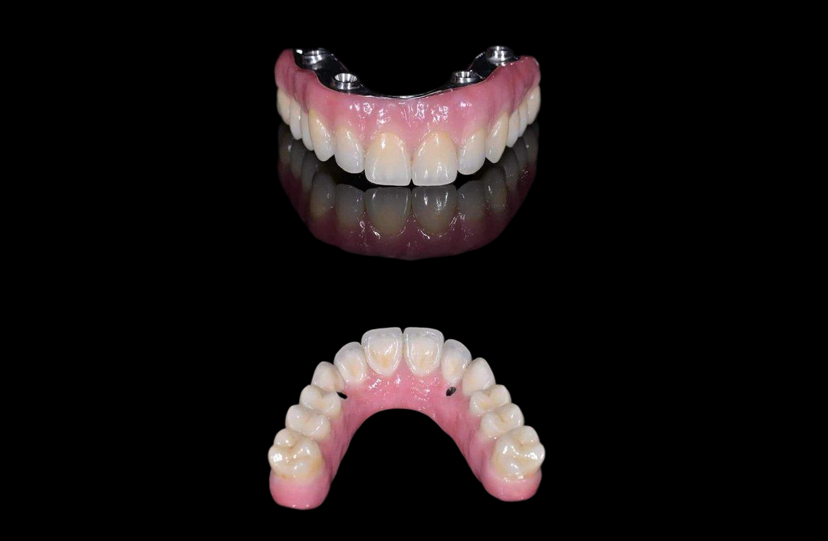
Zirconia vs. PFM Semi-Precious: The Best One?
sWhen choosing between zirconia and PFM semi-precious crowns, clinicians should consider strength, esthetics, cost, and patient-specific requirements. You need to think about how strong it is, how nice it looks, how much it costs, and what the patient needs. PFM semi-precious crowns, which are made from palladium and silver metals with less than 40% gold, last a very long time, fit well around the edges, and work reliably for back teeth and long-span bridges. Zirconia, on the other hand, is great for anterior restorations because it is clear and doesn't look like metal. Each material offers distinct advantages for different clinical indications, and dentists can improve patient results by knowing their properties and handling procurement and lab relations well.
Introduction
Choosing the right material for dental restorations has a direct effect on patient satisfaction, restoration longevity, and how much money the practice makes. Zirconia and PFM Semi-Precious crowns are both tried-and-true options, but they each have their own strengths that make them better for different clinical situations. For dentistry labs, clinic purchasing managers, and prosthodontists, this choice means looking at the properties of the materials, how well they meet regulations, how much they cost, how long they take to make, and how reliable they are in the long run. Knowing how these materials work in different situations, like high-stress posterior bridges and cosmetic anterior cases, helps you make smart choices about procurement decisions. This guide looks at both choices with a practical eye, taking into account the needs of dental workers who need accuracy, speed, and quality consistency in their restoration processes.
Understanding Zirconia and PFM Semi-Precious Crowns
| Feature | Zirconia Crown | PFM Semi-Precious Crown |
|---|---|---|
| Esthetics | ★★★★★ Natural translucency | ★★★☆☆ Good, metal substructure |
| Strength | ★★★★☆ Excellent | ★★★★★ Outstanding |
| Long-Span Bridges | Good | Excellent |
| Posterior Teeth | Excellent | Excellent |
| Anterior Teeth | Best Choice | Acceptable |
| Metal-Free | ✔ Yes | ✘ No |
| Biocompatibility | Excellent | Excellent |
| Tooth Preparation | Moderate | Moderate |
| Longevity | 15–20+ Years | 15–30+ Years |
| Cost | Higher | Moderate |
| Best For | Anterior Esthetics | Posterior Strength & Bridges |
| Clinical Tip: Choose Zirconia for superior esthetics and PFM Semi-Precious for maximum strength in posterior restorations. |
||
What Are PFM Semi-Precious Restorations?
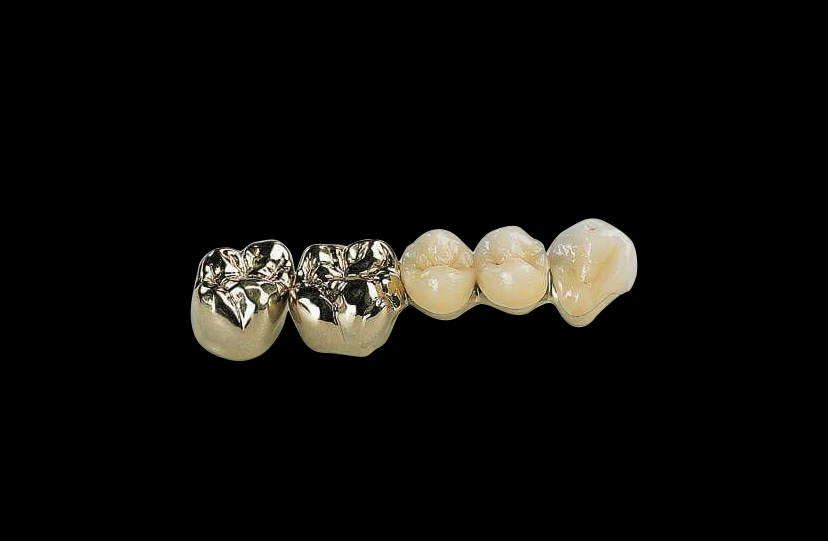
PFM Semi-Precious crowns have a metal base that is made up of at least 25% noble metals, mostly palladium but also silver and small amounts of gold (usually less than 40%). This substance has a high flexural strength, doesn't expand or contract when heated, and has excellent corrosion resistance. The word "semi-precious" refers to the alloy's high noble metal content, which sets it apart from base metal options and makes it more affordable than high-noble gold restorations. Precision wax casting or CAD/CAM milling are used in manufacturing to make sure that the quality is as good as it can be. The metal skeleton is then covered with a veneer of tooth-colored ceramic to make it look good, especially in the back, where visibility isn't as important.
What Is Zirconia?
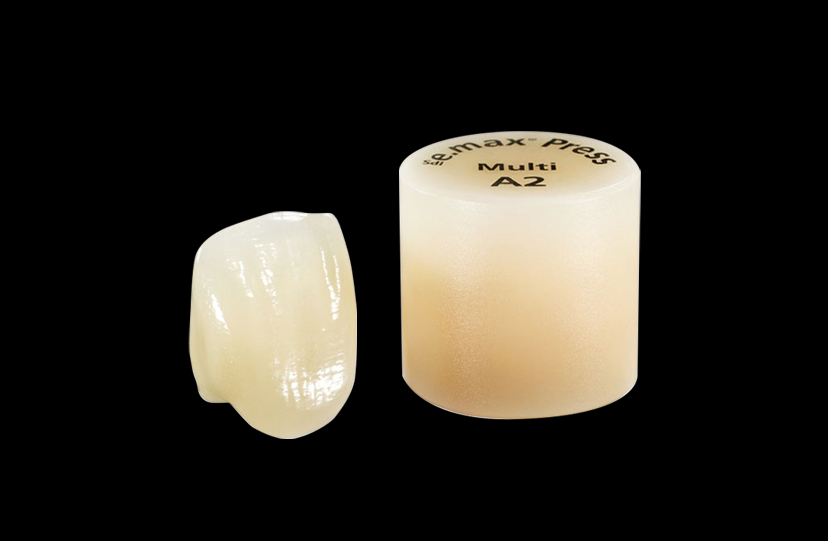
Zirconia, more specifically yttria-stabilized zirconia, is a highly biocompatible ceramic material that looks and feels very natural. Zirconia implants, which are made using advanced milling or additive manufacturing, are made without using metal and have a high resistance to breaking. They also work well with soft tissues. Modern types of multilayer zirconia have varying levels of transparency, which makes them look like real teeth enamel and dentin. Zirconia has become a popular choice for people with certain sensitivities and those who are allergic to metals because it doesn't stain gums or cause allergies. But because it may be less suitable for certain long-span restorations because of framework design limitations, it is still important to choose the case carefully, especially for long bridges or bruxism cases.
Core Property Comparison
Both materials are very good at certain performance measures. PFM semi-precious crowns have a higher tensile strength, which makes them perfect for back teeth that are hit hard when you bite down. Their metal base makes long-span bridges more stable, which keeps the framework from bending and minimizes porcelain chipping. Zirconia is as strong as or stronger than PFM in single-unit crowns, but it may not be as reliable in multi-unit frames that span four or more teeth. Both materials meet FDA and ISO 13485 standards for biocompatibility, but zirconia doesn't have the very small risk of palladium sensitivity. When it comes to looks, zirconia is more translucent than PFM implants, which are made of dark metal substructures that can make it harder for light to pass through thin tissue types.
Comparing Quality and Applications for Dental Procurement
Clinical Indications for PFM Semi-Precious Crowns
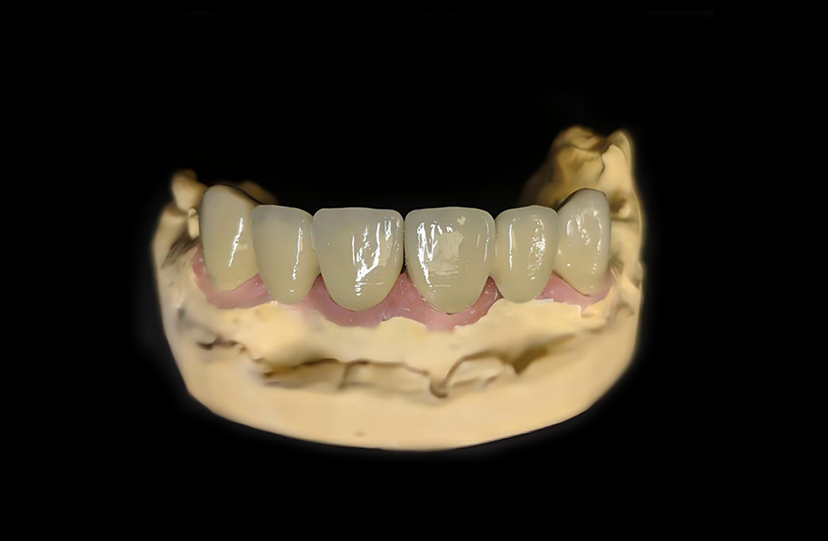
Most of the time, PFM Semi-Precious restorations are used for posterior crowns and bridges. The metal frame can handle strong bite forces well, which lowers the chance of porcelain chipping during mastication. Because palladium-silver metals are rigid, they help long-span bridges keep their shape across various pontics. These long-lasting restorations protect patients with bruxism or parafunctional habits and last for 15 to 30 years if they are taken care of properly. When there isn't much room between the teeth (occlusal space of as little as 0.5 to 1 mm), PFM designs work better than all-ceramic options that are bigger. The opaque foundation also hides discolored abutments well, so you don't have to do any major tooth preparation or whitening intraoral bleaching.
When Zirconia Excels
Zirconia is the most popular material for anterior esthetics because it gives patients the translucency and color gradation they want in smile areas that can be seen. With metal-free construction, the dark shadowing that can be seen at the gum lines of PFM crowns is not present. This is especially true for patients with a thin gingival biotype or has receded. Zirconia is biocompatible and easy to integrate into digital workflows, which makes it easier to make single-unit posterior crowns and speeds up lab production. Zirconia abutments and crowns are becoming more popular for replacements that are supported by implants because they avoid galvanic reactions and improve soft tissue response. Zirconia is a great material for people who are allergic to metals or who want to use mercury-free materials that are safe for their bodies. It without compromising mechanical performance.
Quality Standards and Certification
International standards must be strictly followed for both kinds of restorations to make sure patient safety and clinical results. PFM semi-precious alloys must meet the requirements set out in ISO 22674 for dental casting alloys. This makes sure that they have the right amount of noble metals and the right mechanical qualities. Porcelain layers follow the ISO 6872 guidelines for tooth ceramics, which ensures that the bond is strong and that the materials can handle high temperatures. Zirconia manufacturers follow ISO 13356 for implant and prosthetic materials, which checks the material's fracture resistance, its grain size, and its resistance to age. When dental labs buy these materials, they should ask for FDA registration paperwork, CE approval, and specific alloy composition records. This openness makes sure that insurance companies pay out correctly, since "semi-precious" and "noble" labels have a direct effect on coverage levels in many places.
Price, Availability, and Supplier Considerations
Cost Structures and Bulk Pricing
Most of the time, PFM Semi-Precious crowns cost more than base metal or basic zirconia choices but less than high-noble gold ones. The price of the material is driven by the palladium percentage, but buying in bulk from certified sources can cut unit costs by a large amount. Labs that buy large amounts of the same thing often can negotiate tiered prices, which helps their profit margins on cases that come up a lot. Zirconia prices vary a lot depending on the type. Standard monolithic zirconia is still cheap, but layered and ultra-translucent types cost more and are more like PFM replacements. In the same way, volume rates work the same way: sellers give lower milling costs to practices that agree to monthly minimums. The real cost of buying is affected by hidden costs like remake fees and chairside adjustment time. This is why first-time fit accuracy is such an important evaluation measure.
Supplier Reliability and Lead Times
Dependable supply lines affect how well a practice works and patient satisfaction. Dental labs with a good reputation and ISO 13485 certification offer uniform quality and clear communication throughout the production cycle. Standard turnaround times for both PFM semi-precious and zirconia cases are three to five days, but there are choices for faster service for urgent cases. Some makers give next-day delivery for some cases, but you have to have a long-term logistics partner and pay more for this service. When dental practices are looking at different sources, they should make sure that the materials are FDA-listed, ask for sample cases to check the fit and appearance of the margins, and make sure that the guarantee covers free remakes within a certain time frame. Long-term relationships with helpful technical support teams cut down on downtime and make planning complicated cases easier.
Customization and Scalability
These days, getting dental restorations requires being able to adapt to different patient anatomy and professional tastes. PFM semi-precious frames allow for a lot of customization, such as metal-occlusal designs that protect opposite teeth and porcelain layering that can be changed to match specific shades. Digitized design review before milling is possible with CAD/CAM processes, which lowers the number of mistakes and remakes. Digital customization also speeds up the production of zirconia restorations by providing libraries of tooth shapes and color formulas. Scalable order systems let practices handle single cases or large groups of large case volumes for DSO networks, making sure that quality is the same everywhere. When suppliers give OEM and ODM services, they can customize solutions to meet the rules and interests of different dental markets, making them more competitive.
Benefits and Limitations from a Clinical Perspective
Advantages of PFM Semi-Precious Crowns
PFM Semi-Precious restorations are very useful for posterior uses because they are strong and not too expensive. Their high tensile strength makes them strong enough to handle occlusal stress, and if you take good care of your teeth, they should last at least 15 years. Better biocompatibility compared to nickel-heavy base metals lowers the risk of gingival soreness and allergic reactions, but the risk of palladium sensitivity is still there. Stable thermal qualities during ceramic heating lead to better marginal fit by reducing microleakage and secondary decay. Good ceramic bonding keeps the restoration's structural integrity over its lifetime by reducing delamination and chipping. Metal-occlusal options protect the opposing dentition from too much wear, which can help patients with limited vertical dimension with practical issues.
Zirconia's Key Benefits
Its metal-free composition gets rid of allergy worries and stops gum darkening, which are two common problems patients have with traditional PFM crowns. Natural translucency is more like the structure of the tooth, which improves the front look and patient confidence. It is more biocompatible than even noble metal alloys, which helps keep the peri-implant soft tissue healthy and helps it stay in place over time. Digital manufacturing improves production, cutting down on turnaround times and letting dentists who have chairside milling tools do same-day restorations. Zirconia exhibits low plaque accumulation, which is good for gum health and especially helpful for implant cases where keeping soft tissue healthy is important.
Limitations to Consider
PFM semi-precious crowns aren't as clear as all-ceramic choices, which means they can't be used in areas of the front of the mouth that are very obvious. Palladium allergies are not common, but when they are suspected, patients must be carefully screened, and biocompatibility tests must be done. Sometimes, the silver content can leave a light gray stain along the gum lines, especially in biotypes with thin tissue. Even though zirconia is strong, it breaks easily under heavy bending loads. This means that metal frames are a better choice for long-span posterior bridges. The roughness of monolithic zirconia can speed up wear on opposite teeth if it is not polished properly, so it needs to be finished with great care. For PFM replacements, the tooth needs to be precisely prepared by chamfering the edges and reducing them by 1.0 to 1.5 mm. For zirconia, the shoulder margins should be rounded, and the material needs to be thick enough to avoid breaking.
How to Choose the Best Material for Your Clinical Needs
Assessing Patient-Specific Factors
When choosing a case, the restoration site, occlusal pressure, and desired aesthetics are all looked at first. PFM Semi-Precious crowns work best on posterior teeth that take a lot of stress, like patients with bruxism or who have long bridges. Zirconia is a good material for anterior replacements that need to be as highly esthetic, especially when soft tissue is thin or easy to see. Zirconia is a great choice for people who are allergic to metals or who want safe, mercury-free solutions. The choice of material is affected by the budget. PFM semi-precious offers good longevity at a low cost, while expensive zirconia varieties cost more but look better.
Evaluating Laboratory Capabilities
Working with dental labs that have been around for a while guarantees stable quality and on-time delivery. Laboratories with modern CAD/CAM systems can make accurate digital designs, which cuts down on the number of remakes and changes made at the chairside. Getting ISO 13485 certification and FDA registration shows that quality management standards are being followed, which protects practices from legal risks. Technical support teams that can solve complicated problems add value beyond just supplying materials by giving case planning, evaluation planning, and urgent case management. Long-term relationships with quick suppliers make work easier, so doctors can focus on taking care of patients instead of dealing with logistics.
Balancing Cost and Performance
Material costs, remake rates, and patient satisfaction are all balanced by cost-effective buying. At first, low-cost base-metal PFM crowns may seem like a good deal, but they often need to be replaced more often and cause allergy problems, which cuts into their profits. PFM semi-precious replacements are a good compromise because they offer the benefits of noble metals at costs that most people can afford. Zirconia's high price is worth it in front cases where patient satisfaction depends on how it looks, which also lowers the need for expensive restorations. Total cost of ownership is affected by things like volume buying agreements, warranty terms, and fast shipping choices. This is why evaluating suppliers is more than just comparing unit prices.
Conclusion
To choose between zirconia and PFM Semi-Precious crowns, you need to make sure that the qualities of each material meet the needs of the patient. PFM semi-precious restorations offer unmatched strength and stability for posterior uses, long-span bridges, and bruxism cases. They also have a great marginal fit and have been shown to last for a long time. Zirconia is great for the anterior region because it looks good, is biocompatible, and doesn't contain any metals. This means that patients minimize the risk of metal-related allergies or gum discoloration. To choose the right material, you need to think about the patient's oral anatomy, the forces acting on the teeth, your budget, and what the lab can do. By knowing the pros and cons of each material, dentists can improve results, lower the number of times they have to redo repairs, and gain patients' trust by making sure the work is done correctly and reliably.
FAQ
Is PFM Semi-Precious the Same as Noble Metal, and Does It Matter for Insurance?
To be considered "noble" by the ADA, PFM Semi-Precious caps must have at least 25% noble metals like palladium, platinum, or gold. When it comes to insurance reimbursement, this difference is very important, as many companies pay more for noble metal restorations than base metal ones. Asking your lab for specific alloy composition reports makes sure that the codes are correct and that patients get the most out of their care. If an alloy has 79% palladium, it is considered precious. On the other hand, alloys that are mostly nickel or cobalt are still considered base metals, even if they have traces of gold in them.
How Do I Handle Palladium Allergies in Semi-Precious Cases?
Even though palladium is a noble metal, it has some chemical traits in common with nickel. This means that people who are very allergic to nickel may sometimes respond to it. Patients who are known to be sensitive to metal should be screened before getting a crown. This stops bad reactions from happening. Biocompatibility tests, like the Clifford Materials Reactivity Test, find out which materials are sensitive to certain things before they are chosen. If palladium sensitivity is known or thought to exist, switching to high-noble gold-platinum alloys or all-ceramic zirconia removes the chance of mouth lichenoid reactions and ensures the patient is comfortable.
Partner with HYC for Reliable PFM Semi-Precious Supply
For 22 years, HYC has been making high-quality products for dental workers who want accuracy, speed, and compliance. As a reputable PFM Semi-Precious provider, we offer restorations that are FDA-registered, CE-certified, and in line with ISO 13485:2016. These restorations are made to your exact specs. We guarantee that your patients will get fast, high-quality care with our usual three-day dispatch and four-to-five-day turnaround for set cases. For urgent needs, we also offer flash delivery. We offer 100% customized solutions that fit the first time perfectly, so you don't have to make as many remakes or chairside changes. With a two-year warranty on fixed restorations and quick technical support, HYC makes it easier to buy things and builds trust with patients. Get in touch with us at info@hycdentallab.com to talk about what your lab needs and to experience the dependability of a trusted dental laboratory partner.
References
1. Rosenstiel, S.F., Land, M.F., & Fujimoto, J. (2015). Contemporary Fixed Prosthodontics (5th ed.). Mosby.
2. Anusavice, K.J., Shen, C., & Rawls, H.R. (2013). Phillips' Science of Dental Materials (12th ed.). Elsevier.
3. Shillingburg, H.T., Hobo, S., & Whitsett, L.D. (2012). Fundamentals of Fixed Prosthodontics (4th ed.). Quintessence Publishing.
4. Kelly, J.R., & Benetti, P. (2011). Ceramic materials in dentistry: Historical evolution and current practice. Australian Dental Journal, 56(1), 84-96.
5. Pjetursson, B.E., Sailer, I., & Makarov, N.A. (2015). All-ceramic or metal-ceramic tooth-supported fixed dental prostheses: A systematic review. European Journal of Oral Sciences, 123(3), 173-192.
6. Vult von Steyern, P., Carlson, P., & Nilner, K. (2005). All-ceramic fixed partial dentures designed according to the DC-Zirkon technique: A 2-year clinical study. Journal of Oral Rehabilitation, 32(3), 180-187.
YOU MAY LIKE
_1779414398631.webp "Malong Bridge(All-on-X)")