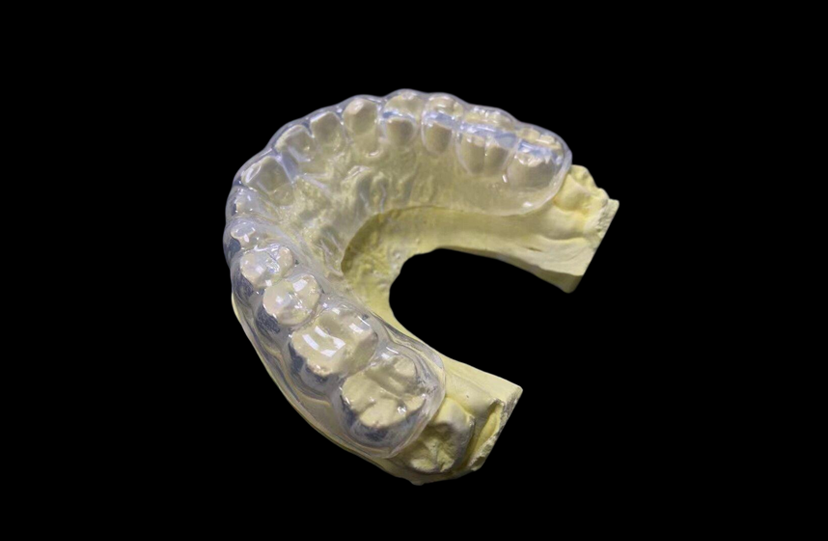
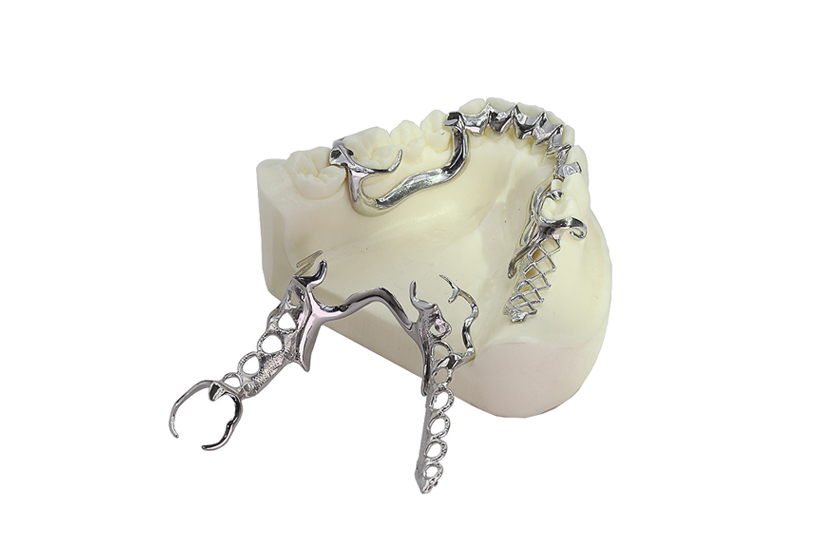
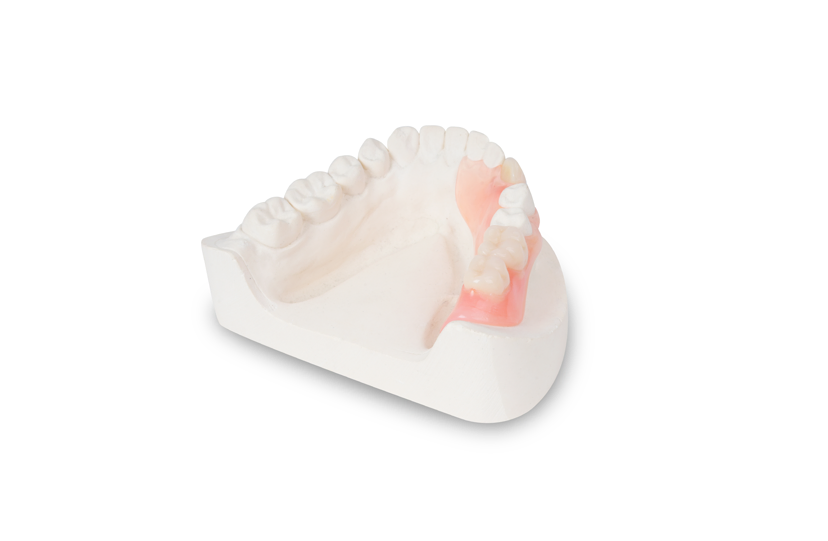
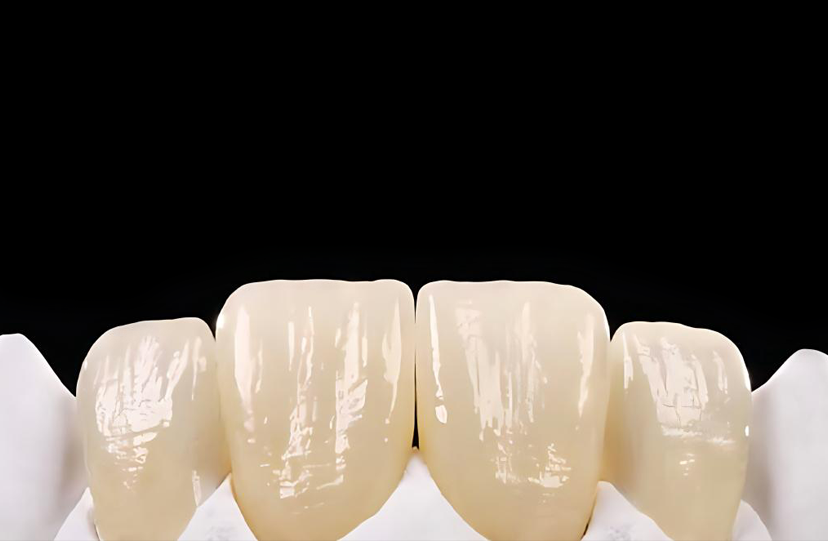
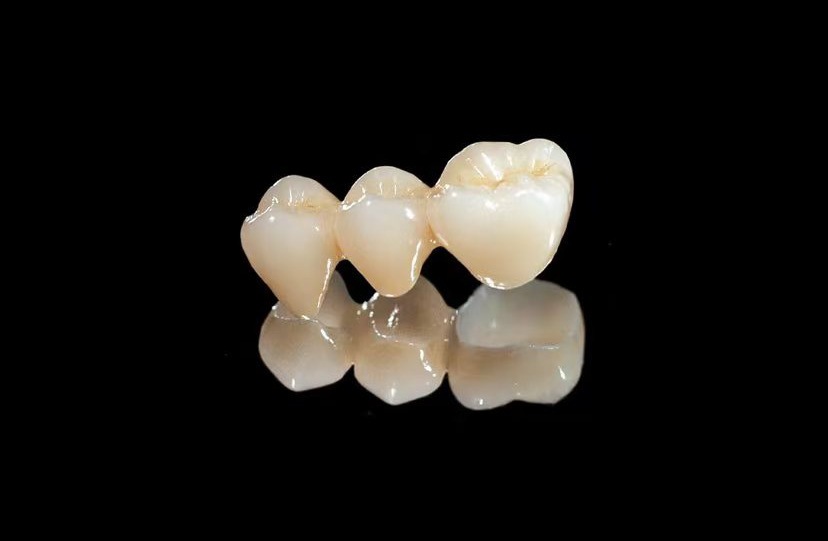
White Gold PFM Combines Metal Strength with Ceramic Aesthetics
White Gold PFM (porcelain-fused-to-metal) restorations combine a high-noble alloy framework containing palladium and platinum with layered ceramic porcelain, delivering exceptional strength for posterior crowns and multi-unit bridges while maintaining natural tooth aesthetics. This restoration type can provide long-term clinical service when appropriately designed, fabricated, and maintained. High-noble alloy frameworks are also valued for their corrosion resistance and established use in fixed prosthodontics, while precise fabrication can support accurate marginal adaptation.
Introduction
Modern dental restoration requires balancing mechanical strength with patient expectations for natural appearance. Clinicians serving high-stress posterior cases face a persistent challenge: selecting materials that withstand years of heavy occlusal forces without compromising biocompatibility or requiring frequent replacements. White gold porcelain-fused-to-metal restorations address this challenge directly by merging the rigidity of noble alloy frameworks with the aesthetic flexibility of ceramic veneering. Metal-ceramic restorations have been widely used in dentistry since the mid-20th century, and ongoing developments in alloy composition, ceramic systems, and digital fabrication technologies have further refined their precision and longevity. For practices managing complex bridge cases, bruxism patients, or limited-clearance preparations, understanding the material science and clinical performance of white gold PFM restorations becomes essential to delivering predictable outcomes.
What Are White Gold PFM Restorations?
White Gold PFM restorations are made up of a metal base that is cast or milled and covered in tooth porcelain. "In dental terminology, “white gold” is commonly used to describe gold-based or high-noble dental alloys with a silver-white appearance, often achieved through the use of palladium and other alloying elements. The exact composition varies by alloy formulation and manufacturer. White Gold PFM alloys get their silver-white color from more palladium than gold. Yellow gold alloys get their color from having a lot of gold.
Core Structure and Composition
The metal frame gives it strength, and the porcelain covering makes it look like natural enamel, with its translucent quality and gradations of color. With this two-layer design, labs can cover up discolored abutments with clear porcelain while keeping the strength in the occlusal areas. The alloy's thermal expansion coefficient is very close to that of dental porcelain. This helps maintain compatibility between the alloy and ceramic during firing and can reduce the risk of porcelain-related complications when the materials and firing protocols are properly matched.
How Thermal Stability Supports Clinical Success
When it comes to thermal stability, high-palladium alloys are better than yellow gold. Their high melting points lower the chance of distortion during multiple porcelain firings, which is very important when making multi-unit bridges that need to fit perfectly across multiple abutments. Predictable thermal behavior can contribute to consistent framework fabrication and porcelain processing, which may help support efficient laboratory and chairside workflows.
Benefits of White Gold Porcelain-Fused-to-Metal Restorations
Choosing the right restoration material has an effect on both the current health of the patient and their happiness in the long run. White Gold PFM technology gives you real benefits in a number of areas.
Exceptional Longevity in High-Stress Environments
Metal-ceramic restorations can provide long-term clinical service, with reported survival varying according to restoration type, location, patient factors, oral hygiene, and follow-up period. Because the metal has a high flexural strength, it doesn't break when chewing is applied over and over again. Their mechanical properties can make them a consideration for selected patients with elevated occlusal loading, including those with parafunctional habits, subject to appropriate clinical assessment and occlusal management.
Predictable Marginal Integrity
Controlled temperature expansion during manufacturing ensures that the metal framework stays true to its measurements. The alloy's resistance to rust and weathering keeps the marginal seal's integrity for decades. The alloy's corrosion resistance can support long-term material stability, while proper marginal adaptation and oral hygiene remain important factors in minimizing the risk of secondary caries. Consistent fabrication and appropriate case selection can help support predictable restorative workflows.
Superior Biocompatibility Profile
White Gold PFM alloys don't have as many allergenic parts as nickel-chromium or cobalt-chromium base metal alloys. High-noble alloys generally offer good corrosion resistance and may exhibit lower ion release than some less noble alloy systems, although biocompatibility depends on the specific alloy composition and individual patient factors, and the chance of gingival discoloration that can happen with silver-based alloys.
Design Flexibility Across Case Types
The material can be used in a wide range of clinical situations, from single posterior crowns that need 0.5 mm of occlusal space to long bridge frames with five or more units. Metal-occlusal designs keep the structure strong in situations where there isn't enough room for the teeth to move. Properly designed metal-occlusal surfaces can provide durable occlusal function, while occlusal design and surface finishing should be considered to help manage wear on opposing dentition.
Advantages Compared to Alternative Restoration Materials
When doctors know how White Gold PFM stacks up against other methods, they can choose the right materials for each case.
Rigidity Advantage Over Yellow Gold
White Gold PFM metals are stiffer than yellow alloys that contain a lot of gold. This can provide greater framework rigidity and help limit flexure under functional loading. This keeps both the repair and the supporting abutments from breaking mechanically. Its mechanical properties can provide good resistance to functional wear, although wear behavior depends on the specific alloy, opposing material, surface finish, and occlusal conditions.
Cost-Effectiveness Versus All-Ceramic Systems
Even though zirconia and lithium disilicate replacements look great, depending on the laboratory, material system, and manufacturing workflow, the cost of all-ceramic restorations may differ from that of White Gold PFM restorations. White Gold PFM replacements are sturdy and affordable, making them a good choice for practices that work with patients who are careful with their money or whose insurance doesn't cover everything.
Strength Advantage in Challenging Preparations
To keep them from breaking, all-ceramic materials need to be prepared in a certain way and reduced enough. White Gold PFM restorations may offer greater design flexibility in selected limited-clearance situations, but adequate tooth preparation and sufficient restorative space remain important for predictable outcomes, providing steady performance even when clearance issues prevent the ideal ceramic thickness.
Disadvantages and Clinical Considerations
Talking openly about important limits keeps hopes realistic and helps with choosing the right case.
Aesthetic Limitations in High-Visibility Areas
The metal base naturally limits how clear things can be. When compared to all-ceramic options, anterior restorations may be cloudy in people with deep smile lines. If gingival recession occurs over time, the underlying metal margin may become visible, particularly in highly esthetic areas.
Potential for Minor Tissue Discoloration
In patients with thin gingival tissues, certain alloy compositions may contribute to a grayish appearance when the underlying metal becomes visible. This doesn't happen as often with base-metal alloys, but it's still important to talk about this with patients who have thin tissue phenotypes.
Thermal Conductivity Considerations
Ceramic materials don't conduct heat as well as metal frames do. Some patients experience short-term thermal sensitivity right after cementation. Some patients may experience temporary postoperative sensitivity following cementation. Persistent or severe sensitivity should be clinically evaluated to determine the underlying cause.
Comparison: White Gold PFM vs. Alternative Restoration Types
| Feature | White Gold PFM | Zirconia Crown | Base-Metal PFM | Full Gold Crown |
|---|---|---|---|---|
| Mechanical Performance | High | High to very high, depending on zirconia type | High | High |
| Esthetics | Good; porcelain provides tooth-like appearance | Excellent; high translucency options available | Good; porcelain provides tooth-like appearance | Limited; metallic appearance |
| Corrosion Resistance | High | Excellent | Good to high, depending on alloy | Excellent |
| Biocompatibility | Generally good with high-noble alloys | Generally good | Depends on alloy composition | Generally good |
| Occlusal Considerations | Suitable for selected high-load cases | Suitable for many posterior applications | Suitable for a wide range of cases | Well suited to selected high-load applications |
| Clearance Requirements | Flexible design options depending on case | Depends on zirconia system and design | Moderate | Generally conservative |
| Esthetic Priority | Moderate to high | High | Moderate to high | Low |
| Material Considerations | High-noble alloy + ceramic | Monolithic or layered ceramic | Base-metal alloy + ceramic | Gold alloy |
| Cost Consideration | Typically higher than base-metal PFM | Varies by system and laboratory | Often more economical | Influenced by gold content and market price |
| Common Applications | Posterior crowns, selected bridges, limited-clearance cases | Anterior and posterior crowns, bridges, implant restorations | Crowns and bridges | Posterior crowns and selected restorations |
This comparison highlights the different material characteristics and clinical considerations of White Gold PFM, zirconia, base-metal PFM, and full-gold restorations. The most appropriate option depends on factors such as esthetic requirements, available restorative space, occlusal loading, alloy composition, patient-specific considerations, and clinical judgment.
Clinical Indications: Where White Gold PFM Excels
The right choice of case maximizes material strengths while avoiding situations where limitations become clinically important.
Ideal Applications
The traditional sign is posterior single crowns that are put under a lot of dental force. The rigidity and wear resistance of the material make sure that it will work for a long time. The alloy's stiffness helps extended-span bridge frameworks because it keeps porcelain from breaking in connector areas when they bend. For patients with parafunctional habits, White Gold PFM may be considered when high mechanical demands are expected, although restoration selection should be based on individual occlusal conditions and clinical assessment.
Limited-clearance situations where poor reduction stops the right ceramic thickness benefit from metal-occlusal designs. The framework covers the whole lingual surface and keeps the structure strong. When discolored abutments need to be completely opaque, White Gold PFM frames work well to hide the tooth structure below without needing too much preparation.
Clinical Scenarios to Avoid
White Gold PFM may be less suitable for highly esthetic anterior cases where maximum translucency and light transmission are priorities. All-ceramic methods work better in these places that need to be seen clearly. For patients with a documented metal allergy or sensitivity, material selection should be discussed with the treating clinician based on the specific allergen and the composition of the proposed alloy. These reactions are rare with noble alloys, though. Tooth structures are lost needlessly when preparations have too much molar space (>3 mm), since the material only needs a certain thickness.
Materials: Alloy Composition and Performance Characteristics
Material science has a direct effect on how well a clinical test works. Figuring out the make-up of a metal helps you guess how a repair will act in the mouth.
Noble Metal Content and Regulatory Classification
At least 60% of high-noble alloys are made up of noble metals like gold, platinum, and palladium, with at least 40% of that being gold. White Gold PFM alloys usually have between 25 and 40% palladium, 10 to 25% platinum, and different amounts of gold. This mixture gets the silver-white color while still being biocompatible and resistant to rusting.
Regulatory requirements for dental alloys vary according to the intended use, device classification, manufacturer, and applicable jurisdiction. Where applicable, biocompatibility evaluation may be conducted in accordance with relevant ISO 10993 standards and applicable regulatory requirements. For applicable medical devices placed on the European market, CE marking indicates conformity with applicable European regulatory requirements, subject to the device's classification and conformity assessment pathway.
Porcelain Compatibility and Bonding Mechanisms
Dental porcelains made for high-noble alloys have thermal expansion coefficients that have been changed to match the metal framework. Chemical bonding happens when an oxide layer forms during the degassing process. This makes the metal and ceramic phases micromechanically interlock. Thermal shock happens when metal and porcelain contract at different rates as they cool. If you choose the right porcelain, you can avoid this stress.
Manufacturing Workflow: From Digital Design to Finished Restoration
Modern fabrication uses both traditional handiwork and computer accuracy to make sure that the standard is always the same.
Digital Case Planning and Framework Design
The first step in a case is intraoral scanning or digitizing an impression. With CAD tools, frameworks are designed to achieve appropriate framework thickness, accurate marginal adaptation, and suitable ceramic support geometry. Specific care is taken with the dimensions of bridge framework connectors to make sure they have enough cross-sectional area to resist bending.
Framework Production Methods
There are two main ways to make something. Making a wax pattern, investing, burning out, and vacuum-pressure casting are all parts of traditional lost-wax casting. This tried-and-true method works for complicated shapes and is still cheap for single units. CAD/CAM milling uses computer-controlled burs to make frames from pucks that have already been alloyed. This can improve dimensional consistency and reduce some of the variables associated with conventional casting processes. Tighter marginal tolerances are common in milled frameworks.
Porcelain Application and Firing Cycles
After cleaning and oxidizing the framework, technicians cover it with opaque porcelain to hide the metal. Next, they add body and incisal porcelain layers that look like natural teeth. Several firing processes at temperatures between 950°C and 980°C, depending on the porcelain maker, fuse the ceramic layers into the desired final form and optical characteristics. To avoid thermal shock, cool things down slowly. The repair is finished with the last cleaning and glazing.
Quality Control and Verification
Each repair goes through a marginal fit inspection with magnification, occlusal contact proof, and a visual inspection of the restoration's surface quality, anatomy, shade, and overall finish. X-ray fluorescence or other analytical methods are used to check the high-noble alloy content and make sure the material meets the requirements.
Cost Factors Influencing White Gold PFM Pricing
Knowing the different parts of price helps practices make accurate budgets and tell customers what they're getting for their money.
Noble Metal Market Fluctuations
The prices of palladium and platinum change based on supply and demand around the world. Unlike yellow gold alloys, where the amount of gold determines the price, the price of White Gold PFM is based on the palladium market. Laboratory pricing may be influenced by fluctuations in precious-metal market prices, as well as fabrication complexity, material selection, and customization requirements.
Fabrication Complexity and Customization
Single crowns are simple cases that usually require the same amount of work. Multiple-unit bridges need a lot more time for planning, wax-up work, and clay artistry, which makes lab fees go up by the same amount. Very specific characterization—matching natural teeth next to each other—takes more time for the technician.
Certification and Compliance Documentation
Materials on the FDA list, CE approval, and ISO 13485 quality control systems need to be tested, documented, and audited on a regular basis. Reputable labs include these costs in their prices to make sure that materials meet biocompatibility standards and that production is done using tried-and-true methods.
Volume Considerations
When a practice sets up regular ordering patterns with a single lab partner, they can often negotiate volume-based pricing. Because the workflow is predictable, labs can make the best use of their schedules and buy materials more efficiently, which saves money for high-volume accounts.
How to Choose a Reliable White Gold PFM Supplier
The choice of supplier has a direct effect on clinical outcomes, the number of remakes, and the efficiency of the practice. Risk is lower when you look at possible partners from different angles.
Manufacturing Capability and Technology Investment
Check to see if the labs use the latest CAD/CAM technology or only use old-fashioned methods. Most of the time, digital processes produce results that are more reliable and have smaller margins. Ask about the methods used to make the frameworks. Milled frameworks can provide consistent dimensional control, while the accuracy of both milled and cast frameworks depends on the specific workflow, equipment, materials, and quality-control procedures.
Quality Management Systems and Certifications
Getting ISO 13485 approval shows that you are serious about managing the quality of medical devices. FDA establishment registration and device listing are regulatory requirements that may apply to manufacturers and devices marketed in the United States, depending on the product and its classification. Ask for proof that the materials used contain precious metals and biocompatibility test results.
Turnaround Time and Delivery Reliability
Standard production processes, which for regular cases are usually 3–5 business days, should match what the practice needs. Check to see if there is fast service available for emergencies. Reliable logistics partners and the ability to track shipments stop delays that mess up patient schedules.
Customization Responsiveness
In every case, there are different needs. Suppliers should be able to easily meet orders for specific colors, body types, and design changes. Responding quickly to technical questions and offering pre-fabrication consultations are examples of operations that put the customer first.
Warranty Terms and Remake Policies
A clearly defined warranty policy can provide practices with greater clarity regarding eligible remakes, repairs, and other applicable terms. Practices are protected from financial risk by clear policies that deal with flaws in the fabrication process and allow for free remakes or repairs. Check to see how easy and quick it is to file a warranty claim.
Maintenance: Extending Restoration Lifespan Through Proper Care
Appropriate home care and regular clinical follow-up can help support the long-term maintenance of dental restorations.
Patient Home Care Instructions
Stress the use of toothpaste that doesn't scratch the porcelain to keep the surface from wearing down. Tell them to use soft-bristled brushes and the right way to floss around the edges. People who brux need to have a nightguard made to protect their fillings from too much occlusal force while they sleep.
Clinical Monitoring Protocols
An annual checkup should include checking the edges visually, probing the gums around the edges of restorations, and making sure the teeth are in touch with each other. Finding small porcelain chips early on lets them be polished before they spread. Radiographic evaluation may be considered when clinically indicated to assess recurrent caries, periapical conditions, periodontal status, or supporting structures.
Professional Maintenance Procedures
Professional prevention gets rid of biofilm buildup that can hurt the gingiva around the teeth. Do not use aggressive ultrasonic scaling directly on porcelain surfaces, as this could make the surface microscopically rough, which helps plaque stick to the surface. For professional maintenance, clinicians should follow appropriate polishing and instrumentation protocols for the specific restorative material and implant components involved.
Key Takeaways
White Gold PFM repairs work well and look good at the same time. They combine the power of metal frameworks with the beauty of ceramics. Because it is made of a high-noble alloy, it is better at being biocompatible than base metals and more rigid than yellow gold for long-span bridge applications. These replacements work great in back teeth that are under a lot of stress, and they can work with limited-clearance preparations and patients who have parafunctional habits. If you choose the right case and stay away from high-visibility front areas, where all-ceramic materials work better, White Gold PFM restorations can provide long-term service when appropriately designed, fabricated, maintained, and clinically monitored. When you choose suppliers with ISO 13485 certification, digital fabrication capabilities, and helpful customer service, you can be sure of consistent quality and lower the number of remakes that hurt the efficiency of your practice.
FAQ
How is White Gold PFM different from yellow gold in dental restorations?
White Gold PFM alloys have higher amounts of palladium and platinum than yellow gold, which is mostly made up of gold. This mix gives the metal a silver-white color and makes it stiffer. This makes white gold frameworks stiffer and better for long-span bridges where flexure resistance keeps connectors from breaking.
Can White Gold PFM restorations cause allergic reactions?
Because they have so few allergenic parts, high-noble alloys are generally associated with good biocompatibility, although individual sensitivity or allergy to specific alloy constituents remains possible. Some patients may have sensitivity to nickel-containing alloys, so alloy composition should be considered when a documented metal sensitivity is present. People who are known to be allergic to metals should get a patch test before treatment.
How long do White Gold PFM crowns typically last?
The service life of a White Gold PFM restoration varies depending on factors such as case selection, preparation design, occlusal loading, oral hygiene, periodontal health, and maintenance. The actual length of time a tooth lasts depends on how well it is cleaned and how hard the teeth are pressed together. Patients with bruxism may experience a higher risk of restorative complications, and clinicians may consider occlusal protection such as a nightguard when appropriate.
Why do some white gold restorations show gray shadows at the gumline?
If the gums recede and reveal the framework, or if the tissue is too thin, metal can show through. This can cause visible metal margins or a small shadowing of the gums. This worry about how things look has a bigger effect on anterior repairs than on posterior cases. This problem is less likely to happen if the margins are placed correctly and the porcelain is thick enough.
Are white gold PFM restorations more expensive than base-metal alternatives?
Due to the higher noble metal makeup, White Gold PFM restorations may have a higher laboratory cost than base-metal alternatives. The higher material cost may be considered alongside factors such as alloy composition, corrosion resistance, clinical requirements, and expected maintenance needs, corrosion protection, and often has a longer service life, which means it costs less to repair in the long run.
How does thermal shock affect white gold PFM during fabrication?
When metal and porcelain don't have the same coefficient of thermal expansion (CTE), thermal shock happens. White Gold PFM alloys that are high in palladium have different thermal curves than yellow gold alloys. The shear stress that causes porcelain to separate from the metal is stopped by slow furnace cooling cycles and porcelains made especially for high-palladium alloys.
Can white gold frameworks be used for implant-supported restorations?
White Gold PFM restorations may be used in selected implant-supported applications, depending on the implant system, abutment design, restorative space, and clinical requirements. The framework's stiffness evenly spreads occlusal forces, and the material can be used for both screw-retained and cemented forms. Material selection for implant-supported restorations should consider alloy composition, implant/abutment compatibility, and the requirements of the specific implant system.
What preparation design works best for white gold PFM crowns?
Shoulder edges that are chamfered or smooth give the best support to the framework. Reductions of 1.0 to 1.5 mm in the front and 1.5 to 2.0 mm in the back are recommended. Enough reduction keeps the tooth's structure while letting the porcelain reach the right thickness for looks. If you want to keep your ceramic edges strong, don't use feather-edge margins.
Partner with HYC for Precision White Gold PFM Manufacturing
The HYC Dental Laboratory has been making high-noble White Gold PFM restorations that meet the strict standards of dentists all over the world for 22 years. Our ISO 13485-certified center and FDA-registered materials and quality-control processes are designed to support consistent marginal adaptation. This can help support an efficient clinical workflow and reduce the need for avoidable adjustments or remakes. We know that healthcare needs need to be met quickly. Our standard 3-day production cycle and fast shipping choices keep your patients on schedule. Whether you need a simple posterior crown or a complicated multi-unit bridge framework, our advanced CAD/CAM process and ability to make restorations that are 100% customized are designed to closely follow the submitted prescription and design specifications. Our 2-year warranty for eligible fixed restorations, together with responsive technical support, provides clear post-delivery support for applicable cases. Get in touch with our team at info@hycdentallab.com right away to talk about your White Gold PFM needs with a dental laboratory partner focused on consistent quality and responsive service.
References
1. Anusavice KJ, Shen C, Rawls HR. Phillips' Science of Dental Materials, 12th Edition. St. Louis: Elsevier Saunders, 2013.
2. Rosenstiel SF, Land MF, Fujimoto J. Contemporary Fixed Prosthodontics, 5th Edition. St. Louis: Mosby Elsevier, 2016.
3. Wataha JC. Biocompatibility of dental casting alloys: A review. Journal of Prosthetic Dentistry, 2000; 83(2): 223-234.
4. Goodacre CJ, Bernal G, Rungcharassaeng K, Kan JYK. Clinical complications with implants and implant prostheses. Journal of Prosthetic Dentistry, 2003; 90(2): 121-132.
5. Pjetursson BE, Sailer I, Zwahlen M, Hämmerle CHF. A systematic review of the survival and complication rates of all-ceramic and metal-ceramic reconstructions after an observation period of at least 3 years. Clinical Oral Implants Research, 2007; 18(Suppl 3): 73-85.
6. Kelly JR, Benetti P. Ceramic materials in dentistry: Historical evolution and current practice. Australian Dental Journal, 2011; 56(Suppl 1): 84-96.
YOU MAY LIKE
.webp "Co-Cr PFM (Cobalt-Chrome)")