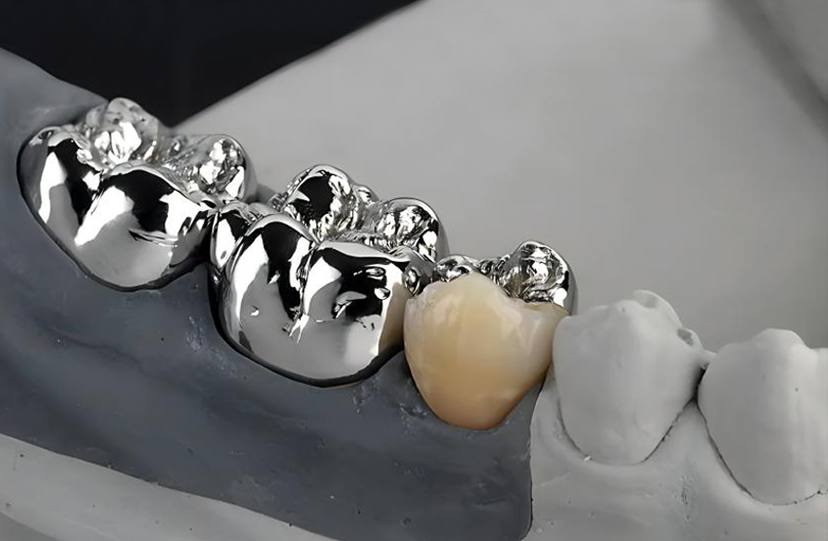
Full Cast Crowns.webp)
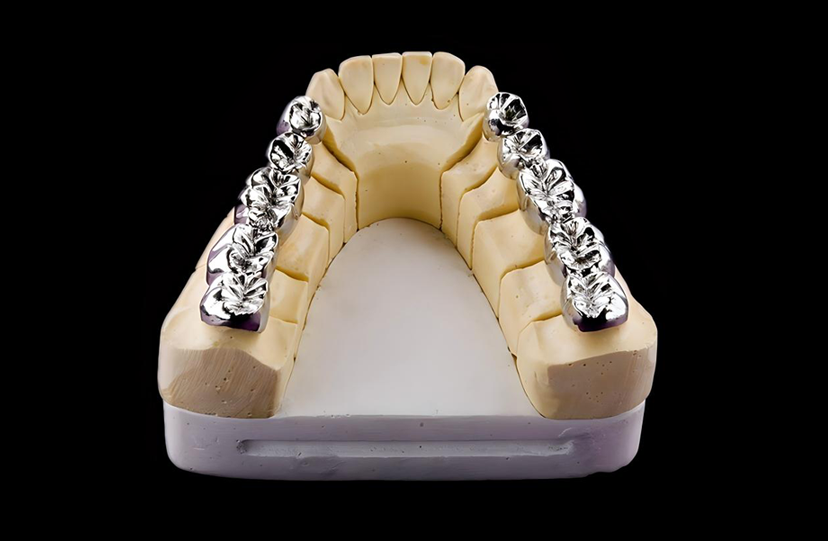
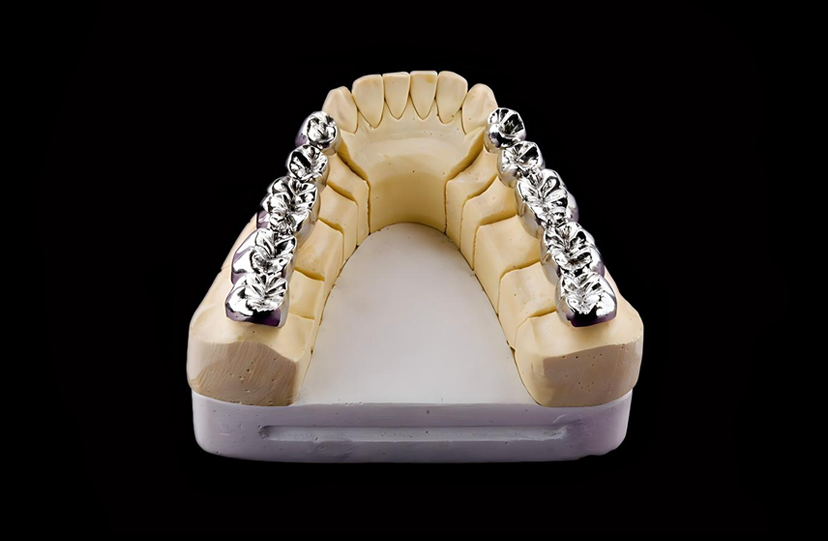
Base Metal (Non-Precious) Full Cast Crowns
Base Metal (Non-Precious) Full Cast Crowns
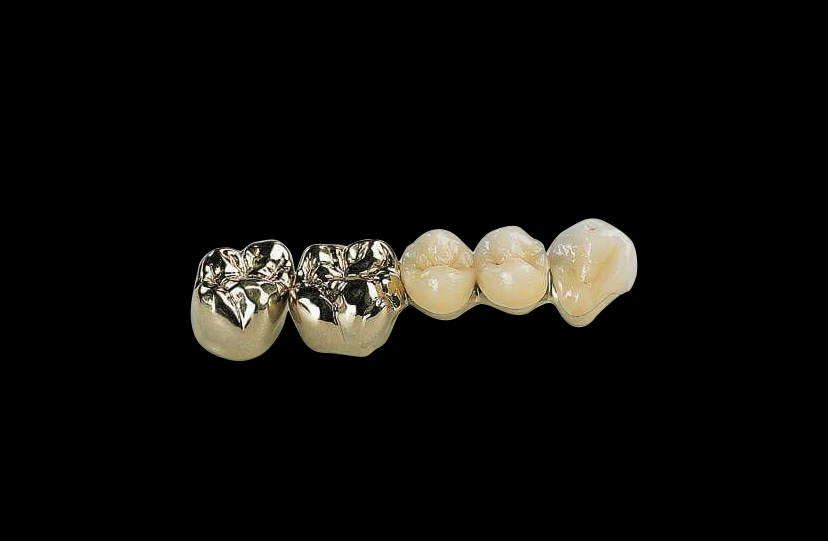
When your patients need exceptional durability for posterior restorations, Base Metal (Non-Precious) Full Cast Crowns deliver unmatched strength and longevity. At HYC Dental Laboratory, we've perfected these restorations over 22 years, serving dental professionals across Europe and North America. Our cobalt-chromium alloy crowns combine extreme physical power with minimal tooth reduction—typically just 0.5–1.0 mm axially and 1.0–1.5 mm occlusally. With ISO 13485 certification and US FDA registration, every restoration meets strict international medical device standards. Our advanced CAD/CAM workflow ensures excellent first-time fit rates, reducing your chair time and remake costs significantly.
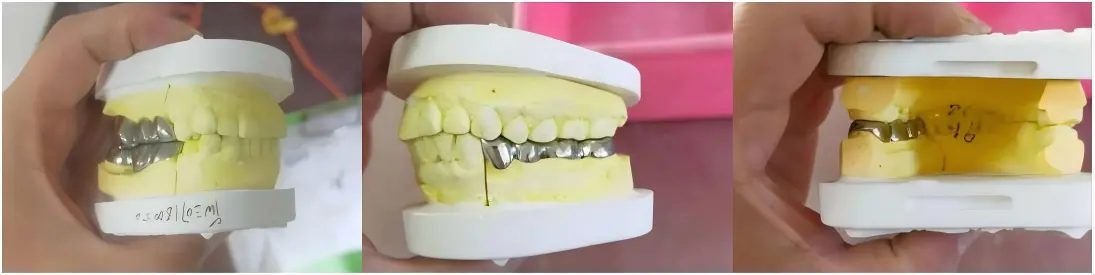
Why Choose Base Metal Full Cast Restorations?
These crowns solve real clinical challenges you face daily. They're built for patients who grind their teeth heavily or have limited interocclusal space where ceramics would fracture.
Unbeatable strength. Your patients can bite confidently without worrying about chipping or breaking. These restorations routinely last 20–40 years with proper maintenance—that's exceptional value for both you and your patients.
Conserve natural tooth structure. Because metal remains strong even in thin sections, you'll preserve more healthy enamel and dentin compared to bulkier alternatives. This conservative approach benefits your patients long-term.
Precise marginal seal. Our casting process creates that satisfying "snap fit" you want, which minimizes microleakage and reduces recurrent decay risk at margins.
Perfect for challenging cases. When you're treating bruxers, restoring heavily broken-down molars, or working with tight vertical dimensions, the product are your reliable solution.
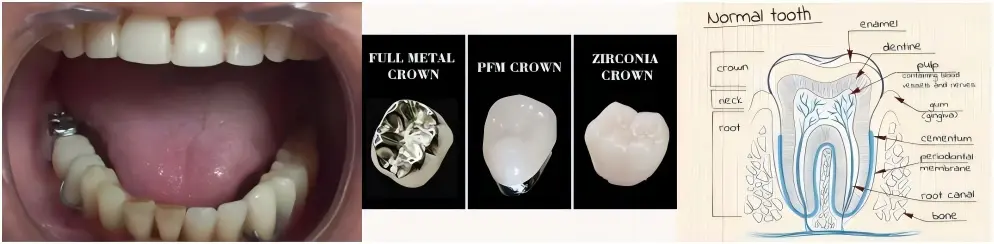
Technical Specifications of Base Metal (Non-Precious) Full Cast Crowns
| Feature | Specification |
|---|---|
| Material Composition | Cobalt-chromium and nickel-chromium alloy blends |
| Occlusal Reduction | 1.0–1.5 mm following natural anatomical contour |
| Axial Reduction | 0.5–1.0 mm with 3–6° taper for retention |
| Functional Cusp Bevel | 1.5 mm on load-bearing cusps |
| Margin Design | Chamfer or knife-edge finish line |
| Biocompatibility | FDA-listed, CE certified materials |
| Standard Turnaround | 3-day shipment |
| Rush Service | Priority processing available (free support) |
| Warranty Period | 2 years on fixed restorations |
Ideal Clinical Applications
You'll find these crowns excel in specific situations:
- Posterior teeth with extensive structural loss from decay or fractures
- Abutment teeth for fixed dental prostheses requiring maximum strength
- Bruxism patients who generate extreme occlusal forces
- Endodontically treated molars needing full-coverage protection
- Space-limited cases where ceramic thickness would compromise integrity
- Occlusal plane corrections for tilted or supraerupted teeth

Our Manufacturing Excellence
We combine traditional craftsmanship with digital precision. Your cases go through rigorous quality control before shipment, ensuring consistent results every time.
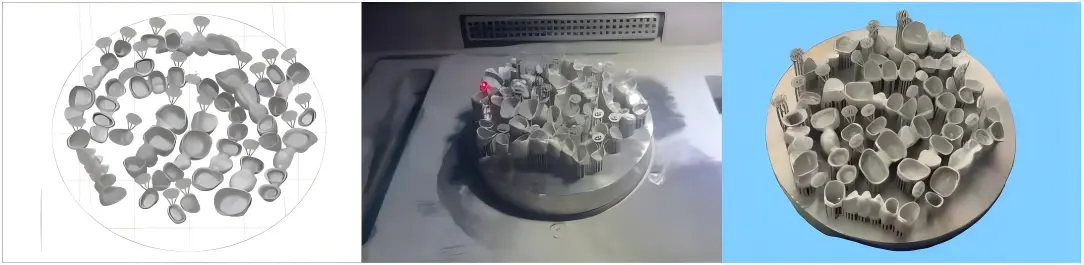
Our CAD/CAM integration improves marginal accuracy while maintaining the casting advantages you need. We carefully calibrate die spacer settings—accounting for metal shrinkage rates specific to each alloy—so your crowns seat perfectly on the first try.
Fast turnaround without compromising quality. Standard cases ship within 3 days. Need it faster? Our expedited service prioritizes your urgent clinical needs with same-day shipment options for selected regions.
Quality Assurance You Can Trust
Every Base Metal (Non-Precious) Full Cast Crowns restoration undergoes strict inspection protocols. We're not just meeting standards—we're exceeding them because your reputation depends on consistent quality.
Within our 2-year warranty period, we provide free repair or remake for any quality-related issues. That's our commitment to your practice success.
Important Clinical Considerations
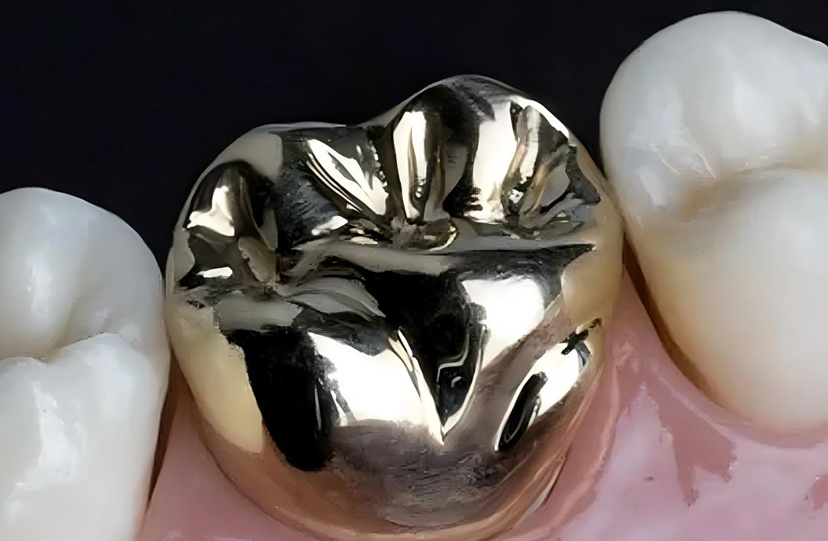
Aesthetics matter to location. These crowns display a gray metallic appearance, making them unsuitable for anterior regions or areas visible during smiling. Reserve them for posterior applications where function trumps appearance.
Screen for metal sensitivities. While generally biocompatible, some patients have documented nickel allergies. Always verify patient history before proceeding.
Plan for future access. Base metal alloys are extremely hard, which makes them durable but challenging if endodontic access becomes necessary later. Consider this when treatment planning.
Partner With Experience
HYC Dental Laboratory brings over two decades of specialized expertise to every case. We understand European and North American clinical standards because we've been serving practitioners in these markets since 2004.
Our flexible customization accommodates your prescription preferences, whether you work with digital impressions or traditional workflows. We adapt to your practice, not the other way around.
Frequently Asked Questions
Q:What's the absolute minimum clearance I can work with?
A:While 1.0–1.5 mm is ideal, you can technically function at 0.5 mm on functional cusps if needed. However, your preparation taper (6–10 degrees) matters more for retention than metal thickness itself. Focus on achieving proper geometry for long-term success.
Q:How do I select between different metal options for non-aesthetic zones?
A:For posterior applications, base metal (Co-Cr) offers the highest strength at the most economical price point. It's virtually impossible to burnish chairside, but its extreme durability makes it ideal for bruxers and heavy-load situations. Noble alloys provide excellent strength with easier adjustment, while high-noble gold offers superior wear compatibility with opposing enamel—though at higher material cost.
Q:Why might my crown fit too tight or rock on the die?
A:In digital workflows, die spacer settings must account for metal shrinkage—approximately 2% for gold versus 3% for base metal alloys. We use dual-scan techniques to ensure internal geometry compensates for your chosen alloy's specific shrinkage rate, delivering that perfect fit you expect.
Q:Should I choose base metal or zirconia for budget-conscious posterior cases?
A:Consider failure modes. Zirconia typically fails catastrophically through cracking. The products usually fail through recurrent decay at margins—which is repairable. For patients with short clinical crowns where you cannot achieve adequate height for zirconia bonding, full cast metal provides better mechanical retention through the casting process.
Q:What about wear on opposing teeth?
A:Base metal alloys are harder than natural enamel, which may cause slightly more wear on opposing dentition compared to high-noble gold. For severe bruxers, this trade-off often makes sense given the exceptional durability you gain. Monitor opposing contacts during follow-up appointments.
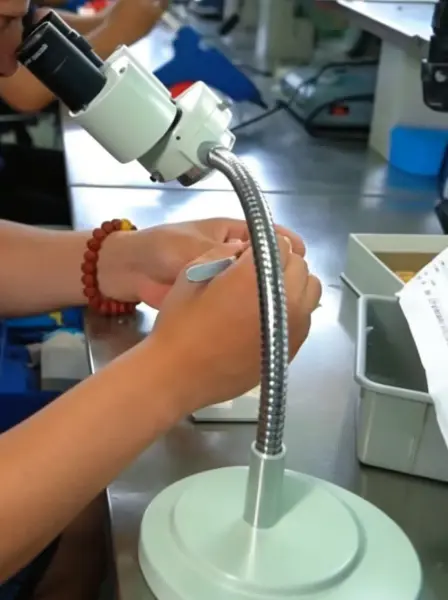
Contact Us
Let us support your practice with Base Metal (Non-Precious) Full Cast Crowns restorations that improve efficiency, reduce remakes, and keep your patients satisfied. Contact our team at info@hycdentallab.com to discuss your case requirements today.
SC-Bold
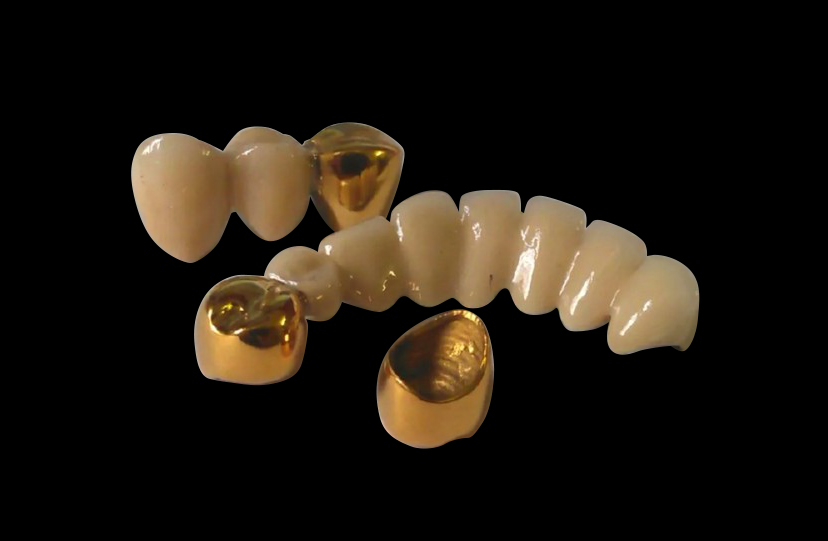
 Full Cast Crowns.webp "Noble (Semi-Precious) Full Cast Crowns")
.webp "Silver-Palladium Crown (Ag-Pd)")