Screw-Retained Implant Crowns: Materials, Design & Dental Lab Considerations
Screw-Retained Implant Crowns: Materials, Design & Dental Lab Considerations
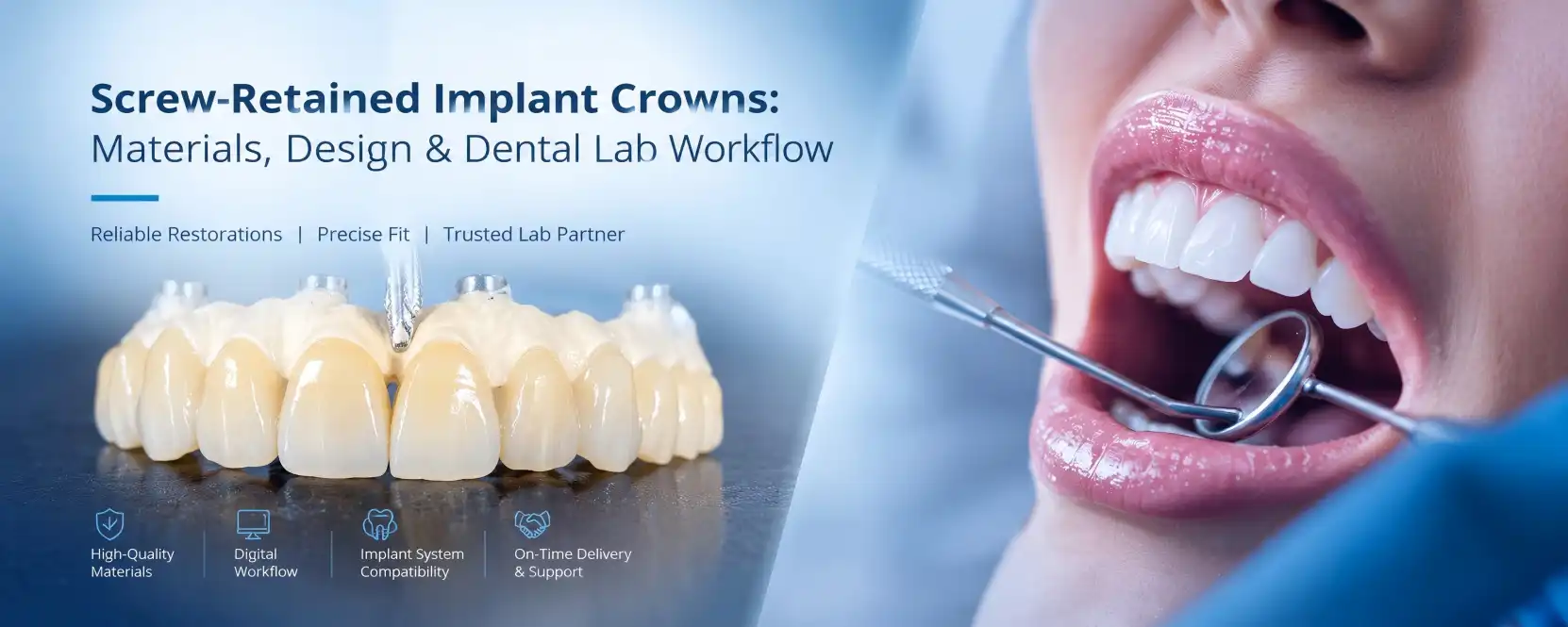
Screw-retained implant crowns are widely used in implant dentistry because they allow clinicians to retrieve a restoration when maintenance or repair is needed, without relying on cement to retain the crown. However, the choice of restoration depends on more than the retention method. Implant position, available restorative space, material selection, occlusion, component compatibility, and long-term maintenance all need to be considered.
For dental practices and laboratories, the quality of the final restoration also depends on clear communication between the clinical team and the dental lab. Accurate digital files, confirmed implant-system details, and an agreed design can help reduce avoidable adjustments and remakes.
This article reviews the main features of screw-retained implant crowns, compares screw and cement retention, and outlines practical points to consider when working with a dental laboratory.
What Is a Screw-Retained Implant Crown?
A screw-retained implant crown is a fixed restoration secured to an implant or an implant abutment with a prosthetic screw. Unlike a cement-retained crown, it does not rely on dental cement to hold the restoration in place.
The restoration generally includes an implant connection, a prosthetic screw, and the crown itself. Depending on the implant system and restorative design, the crown may be fabricated from materials such as zirconia or porcelain-fused-to-metal (PFM).
After the crown is seated, the clinician follows the implant manufacturer's instructions for screw tightening and seals the screw-access channel with suitable restorative materials. The access channel allows the clinician to retrieve the restoration later when necessary.
Correct component selection, fit, occlusion, screw torque, and screw-access design all contribute to the performance of the restoration. The specific requirements should be confirmed for each case rather than assumed to be the same across implant systems.
Benefits of Screw-Retained Implant Crowns
Screw retention offers several practical advantages in implant restorative treatment.
Retrievability: The clinician can access the screw and remove the restoration when maintenance, repair, or inspection is required.
No cement at the crown–abutment interface: Because cement is not used to retain the crown, the risk associated with residual cement around an implant restoration is avoided. This does not eliminate other causes of peri-implant disease.
Maintenance access: A retrievable restoration can make certain follow-up procedures easier, depending on the design and clinical situation.
Laboratory planning: A defined implant connection and screw-access position give the laboratory specific design requirements to confirm before fabrication.
Research comparing screw-retained and cement-retained implant restorations has reported differences in certain technical and biological complications, but it does not establish that one retention method is best for every case. The decision should take account of the clinical situation, implant position, restorative requirements, and maintenance plan.
One practical advantage of screw retention is retrievability, which can facilitate access to the restoration for maintenance or repair. However, the choice between screw and cement retention should take account of the individual clinical situation and the potential complications associated with each approach. See the clinical review in Periodontology 2000.
Screw-Retained vs. Cement-Retained Implant Crowns
Both screw-retained and cement-retained crowns can be appropriate options. The differences are especially relevant when planning retrievability, aesthetics, component design, and cement management.
| Consideration | Screw-Retained Crown | Cement-Retained Crown |
|---|---|---|
| Retention method | Prosthetic screw | Dental cement |
| Retrieval | Generally allows access through the screw channel | May require more involved removal, depending on the design |
| Residual cement | No cement is used to retain the crown | Cement removal requires attention |
| Aesthetic considerations | Screw-access position may affect appearance | No occlusal screw-access opening is required |
| Laboratory planning | Requires correct screw-channel and connection design | Requires appropriate abutment and cement-space planning |
| Maintenance | Access to the screw can support retrieval | Retrieval may be more challenging in some cases |
The choice depends on implant angulation, the planned position of the screw-access channel, the restoration's aesthetic requirements, and the clinician's preferred maintenance approach. Neither method should be treated as universally superior.
Research comparing screw-retained and cement-retained implant restorations has not established one retention method as universally superior. Systematic reviews have reported comparable overall survival outcomes, while the types of technical and biological complications may differ. [Read the systematic review in the Journal of Prosthodontics.]
Disadvantages and Design Considerations
Screw-retained implant crowns also have limitations that should be reviewed during treatment planning.
Screw-access aesthetics
The access opening may affect the appearance of a crown if it emerges through a visible facial surface. Angulated screw-channel designs may help in selected cases, but their suitability depends on the implant system, available components, angulation limits, and manufacturer instructions.
Implant position and restorative space
Implant position influences the screw-access trajectory, crown contours, and available restorative space. There is no single minimum-space figure that applies to every implant system and crown design. The restorative requirements should be confirmed for the specific components being used.
Mechanical considerations
Screw loosening, ceramic chipping, fracture, and other technical complications can occur. Appropriate component compatibility, occlusal planning, accurate fabrication, and follow-up are important.
Cost and complexity
The total cost depends on the implant system, components, restorative material, design requirements, and laboratory workflow. A more complex case may require additional planning and communication before fabrication begins.
Clinical Considerations: When May Screw Retention Be Appropriate?
Screw-retained implant crowns may be considered when the clinician values future retrievability, when the implant position supports a suitable screw-access channel, or when avoiding residual cement is an important part of the restorative plan.
However, the decision should not be made on retention method alone. The clinician should evaluate implant position, soft-tissue conditions, occlusion, aesthetic requirements, available restorative space, and the patient's maintenance needs.
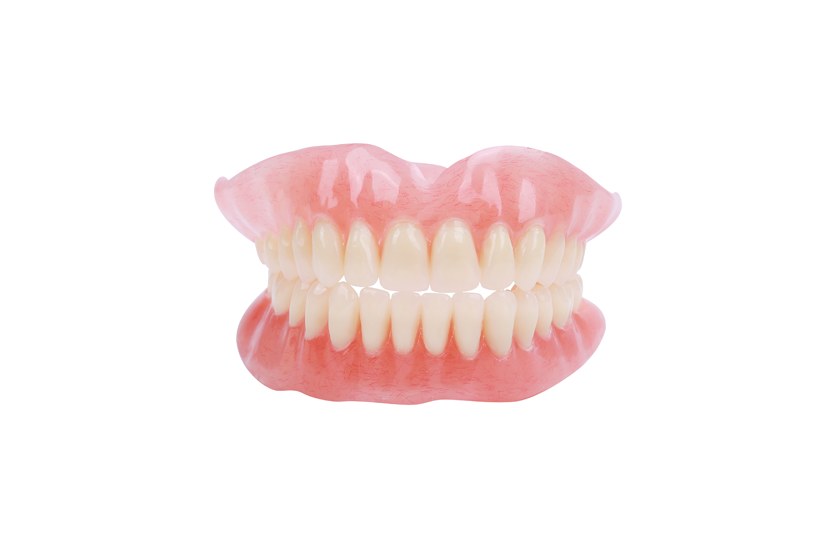
A removable partial denture is a different type of prosthesis, with different indications, design principles, and maintenance requirements. It may be considered when implant treatment is not suitable or when a removable solution better fits the clinical and financial circumstances. It should not be treated as a direct equivalent to a single implant crown.
Materials and Dental Lab Workflow
Material selection depends on the clinical requirements, implant system, restorative design, and the capabilities of the laboratory.
Zirconia
Zirconia is used for many implant-supported crowns. The appropriate zirconia type and design depend on the required strength, aesthetics, available space, and the manufacturer's instructions.
Porcelain-fused-to-metal (PFM)
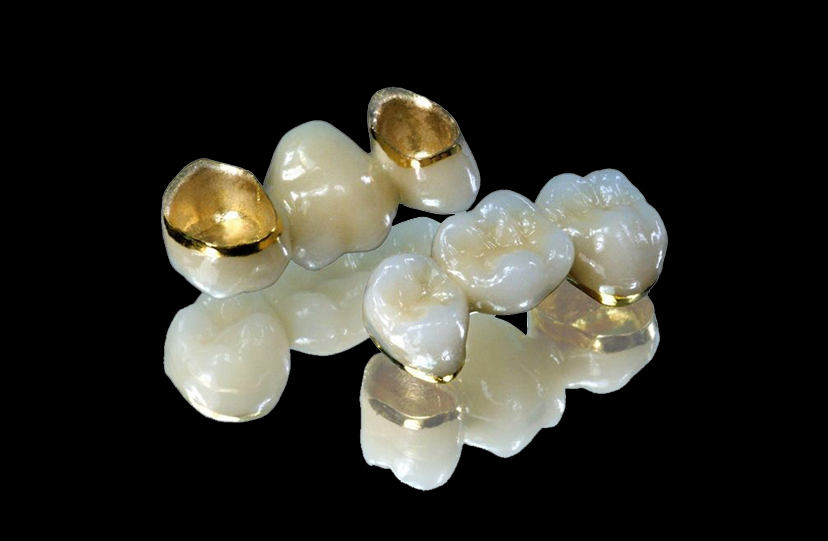
PFM combines a metal substructure with veneering porcelain. It remains an option in selected restorative situations, depending on the clinician's preferences, design requirements, and laboratory capabilities.
Prosthetic screws and implant components
The screw, implant connection, and other components must be compatible with the specific implant system. Component compatibility should be verified rather than inferred from a general product description.
A typical digital laboratory workflow may include:
Receiving and reviewing the scan data, prescription, and case instructions.
Confirming the implant manufacturer, system, connection, and required components.
Reviewing the proposed crown design, screw-access position, occlusion, and available restorative space.
Completing CAD design and manufacturing according to the confirmed case requirements.
Performing the applicable fit, design, and quality checks before dispatch.
The exact workflow varies by case and laboratory. Clear communication before production is particularly useful when the implant connection, screw channel, material, or other design details need confirmation.
What Should Dental Practices Confirm Before Sending a Case?
Before submitting a screw-retained implant crown case, the clinical team should provide the information needed for the laboratory to understand the restoration requirements.
A useful case submission checklist includes:
Patient or case identifier, without unnecessary personal information.
The implant manufacturer, product line, and connection details.
The required restoration type and material, where specified.
Scan files and relevant opposing-arch and bite-registration records.
Prescription details, including shade and other aesthetic requirements where applicable.
Instructions for the screw-access position, occlusion, and any specific design preferences.
Relevant photographs or additional records, when available and appropriate.
If a required component or design detail is unclear, it is better to confirm it before fabrication rather than rely on assumptions. The laboratory and prescribing clinician should agree on any necessary clarification before the case proceeds.
How to Choose a Dental Lab for Implant Crowns
When evaluating a dental laboratory partner, consider more than the quoted price.
Implant-system and component verification
Ask how the laboratory confirms implant connections and whether the required components are available for the case. Compatibility should be established for the specific system and components.
Digital workflow and communication
Confirm which file formats and design workflows the laboratory can accept. HYC Dental Lab uses exocad and 3Shape design software; case-specific file compatibility should be confirmed before submission.
Quality-control process
Ask what checks are performed before dispatch and how design questions, fit concerns, and remake requests are handled. Request information relevant to the specific restoration rather than relying on general claims.
Turnaround and warranty terms
Confirm production time, shipping arrangements, urgent-case availability, and the applicable warranty terms. Production turnaround and delivery time are not the same, so both should be discussed when planning a case.
Technical communication
A reliable working relationship depends on timely clarification of prescriptions, component details, and design requirements. Clear communication before production can help reduce avoidable delays.
Maintenance of Screw-Retained Implant Crowns
Maintenance should follow the treating clinician's instructions and the requirements of the implant system. During follow-up visits, the clinician can assess the restoration, peri-implant tissues, occlusion, screw-access seal, and any signs of mechanical or biological complications.
Screw tightening should follow the implant manufacturer's recommended procedure and torque specifications. The screw should not be routinely retightened without clinical assessment and the appropriate instructions.
Patients should maintain good oral hygiene around the implant and attend recommended professional reviews. A screw-retained design allows access for certain maintenance procedures, but it does not remove the need for ongoing care.
Conclusion
Screw-retained implant crowns offer retrievability and avoid the need for cement to retain the crown. Their suitability depends on implant position, component compatibility, aesthetics, restorative space, occlusion, and maintenance requirements.
For dental practices and laboratories, accurate case information and clear communication are important parts of the fabrication process. Confirming the implant system, design requirements, material, and turnaround expectations before production can help the clinical team and laboratory work more efficiently.
Frequently Asked Questions
1. What is a screw-retained implant crown?
It is a fixed implant-supported crown secured with a prosthetic screw rather than dental cement. The screw-access channel allows the clinician to retrieve the restoration when required.
2. What materials can be used for screw-retained implant crowns?
Common options include zirconia and porcelain-fused-to-metal (PFM). The suitable material depends on the clinical requirements, restoration design, implant system, and laboratory capabilities.
3. Are screw-retained crowns better than cement-retained crowns?
Not in every situation. Screw-retained crowns offer retrievability and avoid residual cement used for crown retention. Cement-retained designs may have different aesthetic or restorative advantages. The clinician should choose based on the specific case.
4. Can a screw-retained implant crown be removed?
In many cases, yes. The clinician can access the screw channel and remove the restoration according to the implant system and restorative design. The procedure should be performed by a dental professional.
5. What information does a dental lab need for an implant crown case?
The lab generally needs the prescription, scan data, implant manufacturer and connection details, restoration and material requirements, shade information where applicable, and relevant design instructions.
6. Why is implant-system compatibility important?
The connection, screw, and other components must be suitable for the implant system used. Incorrect or unverified components can affect fit and mechanical performance.
7. What should a U.S. dental practice check before choosing an implant crown lab?
Confirm the lab's relevant capabilities, accepted file formats, component-verification process, quality checks, production turnaround, shipping arrangements, communication process, and warranty terms.
8. How long does it take to fabricate a screw-retained implant crown?
Production time varies with case complexity, required components, design confirmation, and the laboratory's workflow. Ask the laboratory to confirm its production schedule for the specific case and account separately for shipping time.
9. What should I do if the implant connection details are missing?
Contact the prescribing clinician or confirm the details from the relevant implant records before fabrication. The laboratory should not assume compatibility when essential component information is missing.
10. How can I request a quote from HYC Dental Lab?
Send the case requirements and available digital files to HYC Dental Lab at info@hycdentallab.com. Include the implant-system details, requested restoration, material preferences, and timing requirements so the team can review the case and clarify any missing information.
Discuss Your Implant Crown Case With HYC Dental Lab
HYC Dental Lab works with dental practices and laboratories on fixed and removable dental restorations. We use exocad and 3Shape design software to support our digital workflow.
Our standard production turnaround is 3–5 days, with next-day expedited production available for urgent cases, subject to case requirements and confirmation. HYC provides a 2-year warranty on covered fixed restorations, with free remakes within the warranty period under the applicable warranty terms.
To discuss a case or request a quote, email info@hycdentallab.com or visit https://hycdentallab.com. Please include the restoration type, implant-system details, available case files, and your requested timeline. We can review the information and confirm the next steps.
References
Linkevicius T, Puisys A, Vindasiute E, Linkeviciene L, Apse P. Does residual cement around implant-supported restorations cause peri-implant disease? A retrospective case analysis. Clinical Oral Implants Research. 2013;24(11):1179–1184. https://pubmed.ncbi.nlm.nih.gov/22882700/
Sherif S, Susarla HK, Kapos T, Munoz D, Chang BM, Wright RF. A systematic review of screw- versus cement-retained implant-supported fixed restorations. Journal of Prosthodontics. 2014;23(1):1–9. https://pubmed.ncbi.nlm.nih.gov/24382004/
Wittneben JG, Millen C, Brägger U. Clinical performance of screw- versus cement-retained fixed implant-supported reconstructions—a systematic review. The International Journal of Oral & Maxillofacial Implants. 2014;29(Suppl):84–98. https://pubmed.ncbi.nlm.nih.gov/24660192/
Priest G. Predictability of soft tissue form around single-tooth implant restorations. The International Journal of Periodontics & Restorative Dentistry. 2003;23(1):19–27. https://pubmed.ncbi.nlm.nih.gov/12617365/
Hebel KS, Gajjar RC. Cement-retained versus screw-retained implant restorations: achieving optimal occlusion and esthetics in implant dentistry. The Journal of Prosthetic Dentistry. 1997;77(1):28–35. https://pubmed.ncbi.nlm.nih.gov/9029462/
YOU MAY LIKE
.webp "Co-Cr Crown (Cobalt-Chrome)")