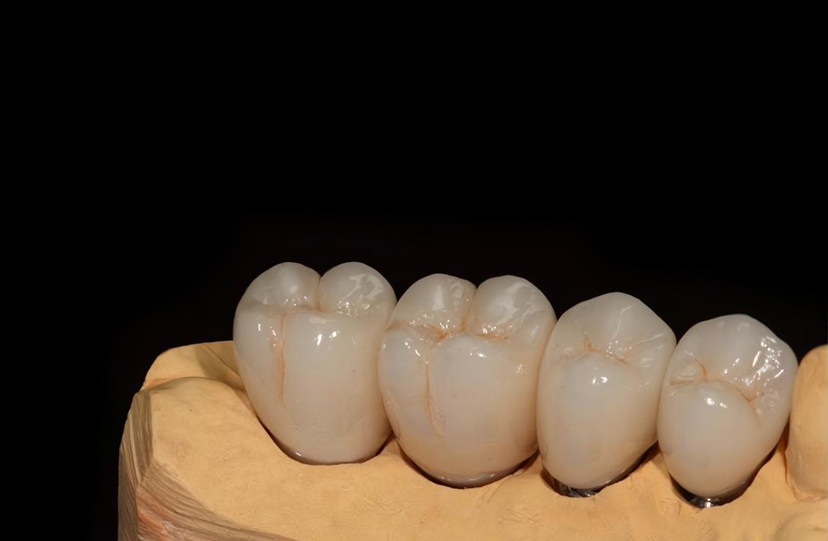
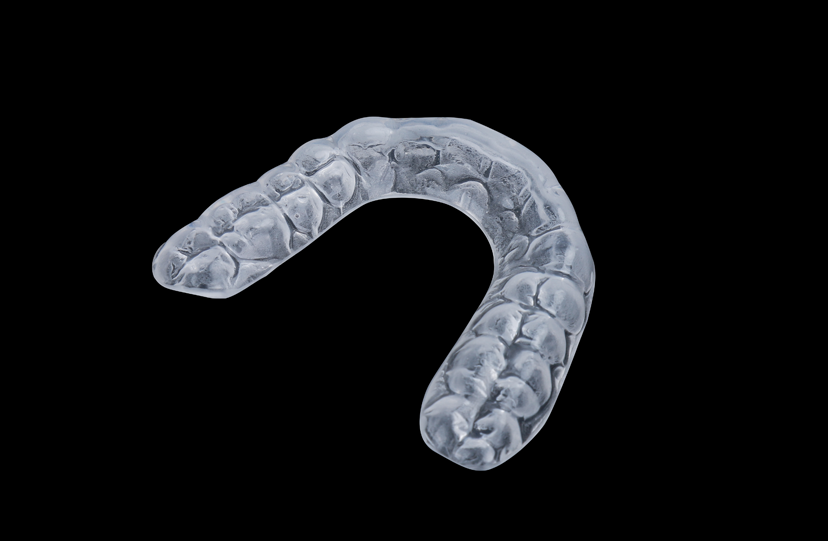
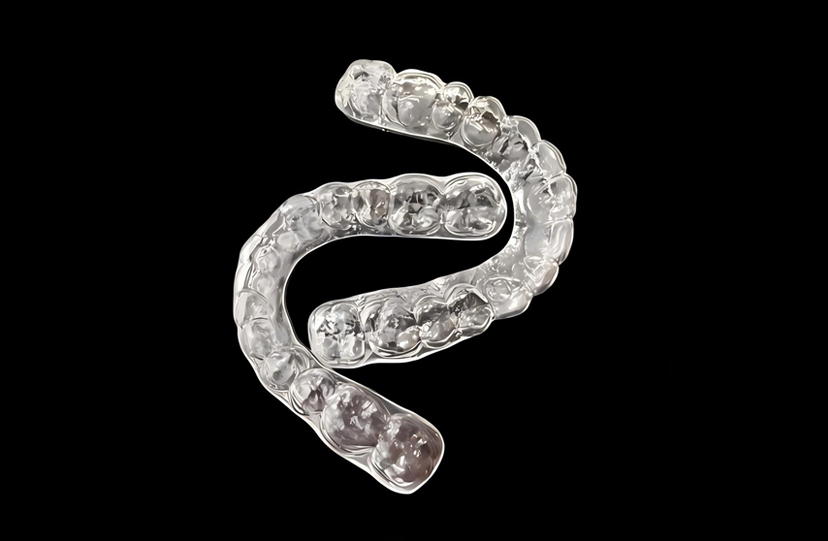
Valplast Dentures vs Acetal Resin Partial Denture: Full Comparison
Valplast dentures use a flexible nylon thermoplastic base, while acetal resin partial dentures use a rigid tooth-colored polymer with clasps that blend into natural dentition. Both are metal-free alternatives to traditional partials. Valplast dentures are known for their flexibility and less visible design, while acetal resin provides a more rigid framework. The right choice depends on the patient's bone structure, tooth loss pattern, and aesthetic goals.
Introduction
The removable partial denture market in the United States has changed over the past decade. Dental labs and clinicians are increasingly considering polymer materials when patients want an alternative to conventional metal frameworks. Flexible thermoplastic nylon, most commonly associated with the Valplast brand, and acetal resin are two options used in this area.
Although both materials can be used for metal-free partial dentures, they behave differently during fabrication and in the mouth. Flexibility, framework design, retention, aesthetics, and the condition of the remaining teeth all need to be considered when selecting a material.
What Are Valplast Dentures and Acetal Resin Partials?
Valplast: The Flexible Thermoplastic Partial
Valplast dentures are made from a proprietary thermoplastic nylon resin. The material is processed by injection molding and forms the denture base and clasp areas without conventional metal clasps.
The flexible nature of the material allows the appliance to follow the contours of the oral tissues. The final fit still depends on the impression, model, design, material thickness, and laboratory processing.
Acetal Resin: The Rigid Polymer Partial
Acetal resin, also known as polyoxymethylene, is a tooth-colored thermoplastic with greater rigidity than flexible nylon. It can be used for clasp and framework components and is available in forms suitable for milling or injection processing.
Because the material can be produced in tooth-colored shades, acetal resin clasps are less noticeable than traditional metal clasps in many cases.
How Each Material Works Clinically
Valplast relies on the flexibility of the thermoplastic base and clasp areas for retention. Acetal resin uses a more rigid framework and tooth-colored clasps.
The difference is important when planning a partial denture. Abutment teeth, available undercuts, occlusion, tissue support, and the position of the missing teeth all affect the final design.


Benefits of Each Option
Why Clinicians Consider Flexible Nylon Partials
Valplast dentures have a relatively thin profile and do not use conventional metal clasps. The tissue-colored material can also make the appliance less noticeable when worn.
For patients who are concerned about the appearance of metal components, this can be an important consideration. The flexibility of nylon may also be useful in cases where a less rigid partial denture design is preferred.
Why Acetal Resin Adds Clinical Value
Acetal resin provides a different approach. Its tooth-colored clasps can blend with the surrounding dentition, while the material itself provides a more rigid framework than flexible nylon.
This makes acetal resin an option for cases where clasp rigidity and framework stability are important parts of the design.
Patient Comfort Outcomes
Comfort is affected by more than the material alone. The fit of the appliance, extension of the base, occlusion, tissue condition, and individual adaptation all play a role.
Flexible thermoplastic partials may be considered when flexibility, a reduced-profile design, and the absence of visible metal are important to the patient.
Advantages
Both materials have practical advantages, but they are used somewhat differently.
Here are the core advantages of each material type:
Valplast / flexible thermoplastic: Metal-free aesthetic, thin profile, tissue-conforming flexibility, no visible metal clasps, and suitability for selected cases where flexibility and appearance are important.
Acetal resin partial: Tooth-colored clasps, a more rigid framework, compatibility with CAD/CAM milling workflows, and the option to combine the framework with acrylic components in selected designs.
For dental labs, having access to both materials can make it easier to handle different case requirements rather than using the same material for every patient.
Disadvantages
No partial denture material works equally well in every case.
Valplast dentures are more difficult to modify or reline than conventional acrylic-based partial dentures. If additional tooth loss is expected, the future treatment plan should be considered before selecting a flexible thermoplastic design. Valplast also requires its own injection and finishing procedures rather than standard cold-cure acrylic repair methods.
Acetal resin is more rigid and requires appropriate framework dimensions and clasp design. Its performance can be affected by material thickness, clasp geometry, occlusal forces, and laboratory processing. Proper design and fabrication are particularly important when the appliance will be exposed to higher functional loads.
Comparison: Valplast vs Acetal Resin Partial Denture
| Factor | Valplast (Flexible Nylon) | Acetal Resin |
|---|---|---|
| Material Type | Thermoplastic nylon | Polyoxymethylene polymer |
| Flexibility | Flexible | Rigid |
| Clasps | Tissue-colored | Tooth-colored |
| Metal-Free | Yes | Yes |
| Repairability | Limited | Moderate |
| CAD/CAM Compatible | No (injection only) | Yes |
| Best For | Aesthetic, comfort-driven cases | Cases requiring a more rigid clasp design |
| Average Lab Turnaround | 5–7 days | 4–6 days |
| Typical Lab Cost (U.S.) | $85–$150 per unit | $70–$130 per unit |
Clinical Indications
When to Select a Flexible Thermoplastic Partial
Flexible thermoplastic partial dentures may be used for selected patients who are missing a limited number of teeth, particularly when appearance is an important concern.
They may also be considered for patients who prefer a metal-free design or who have difficulty adapting to conventional removable appliances. The clinician should still evaluate the missing-tooth pattern, available undercuts, abutment teeth, occlusion, and future treatment needs before prescribing this type of partial.
When Acetal Resin Is the Better Fit
Acetal resin partials may be considered when a more rigid tooth-colored clasp and framework design is needed. They can be used in selected anterior and posterior cases depending on the condition of the remaining teeth and the overall prosthetic design.
Contraindications to Note
Patients with severe bruxism, unfavorable abutment teeth, limited support, or complex occlusal requirements need careful evaluation before a flexible or acetal resin partial is selected.
Where implant-supported fixed or removable prosthetics are clinically appropriate, those options should also be considered as part of the treatment plan.
Materials
Valplast uses a proprietary thermoplastic nylon resin. The material is injection-molded under controlled processing conditions to produce the required base shape, thickness, and tissue-colored appearance.
Acetal resin is a polyoxymethylene homopolymer or copolymer. Depending on the product and laboratory workflow, it can be supplied in forms suitable for CAD/CAM milling or injection processing.
The material selected affects the flexibility, clasp behavior, dimensional stability, and processing requirements of the finished partial denture.
Manufacturing Workflow
Step 1 — Impression and Model Preparation
Type IV dental stone is used to produce an accurate working model from the dental impression. The model is surveyed to identify undercuts and plan the clasp paths and framework design.
Accurate model preparation is important because errors at this stage can affect the fit of the finished appliance.
Step 2 — Framework Design and Fabrication
For Valplast, the denture base is shaped from a wax design before the thermoplastic material is injected.
For acetal resin, either a digital scan or a wax pattern can be used as the basis for the CAD/CAM design and milling process.
Step 3 — Quality Control and Finishing
The master model is used to check the fit of the finished partial, followed by finishing and polishing.
The laboratory checks the thickness of the flexible nylon components and the seating of the acetal resin clasps. Surface finish, occlusion, and overall fit are also reviewed before the case is shipped.
Cost Factors
Lab costs depend on the material, technician time, equipment, and complexity of the case.
Valplast injection units generally cost more than standard acrylic materials because they require a specific thermoplastic processing system. Acetal resin cases may involve CAD/CAM equipment and dedicated milling tools.
For dental practices in the U.S. that purchase partial dentures from third-party labs, the final price can also vary according to order volume, case design, turnaround requirements, and shipping arrangements.
How to Choose a Supplier
Selecting a Valplast denture manufacturer or acetal resin partial denture supplier requires checking several practical criteria:
Confirm where the materials came from (nylon 12 or ISO-grade acetal resin)
Quality management certification like ISO 13485 or something similar
Have CAD/CAM capabilities in-house for acetal cases
A collection of past cases with clear fit outcomes
Clear lines of contact and clear rules for revisions
A Valplast dentures supplier should also provide clear shade information, case submission requirements, and instructions for handling adjustments or remake requests.
Maintenance
Both prosthesis types require regular cleaning according to the material manufacturer's instructions.
Patients should avoid excessive heat and harsh cleaning methods that may damage or distort thermoplastic materials. Valplast partials require particular care because heat can affect the shape of the base.
Acetal resin clasps should not be repeatedly bent or adjusted without proper evaluation. Regular professional inspections can help identify changes in fit, clasp condition, tissue condition, or occlusion.
Key Takeaways
Valplast dentures may be suitable for selected cases where flexibility, appearance, and the absence of visible metal are important. Acetal resin partials provide a more rigid tooth-colored framework and may be considered when clasp rigidity is an important part of the design.
The two materials are not interchangeable in every case. Patient anatomy, remaining teeth, occlusion, retention requirements, future treatment, and laboratory capabilities should all be considered before the final material is selected.
For dental practices and labs, understanding the differences between flexible nylon and acetal resin makes it easier to discuss case requirements with the laboratory and select an appropriate workflow.
FAQ
What are Valplast dentures?
Valplast dentures are flexible removable partial dentures made from a thermoplastic nylon resin. They are processed by injection molding and are designed without conventional metal clasps.
What is an acetal resin partial denture?
An acetal resin partial denture is a removable partial made with polyoxymethylene, also known as acetal resin. The material can be used for tooth-colored clasps and framework components.
What is the difference between Valplast and acetal resin partial dentures?
Valplast is a flexible thermoplastic nylon, while acetal resin is more rigid. Valplast is often considered when flexibility and appearance are important. Acetal resin is used when a more rigid tooth-colored clasp or framework design is preferred.
Are Valplast dentures metal-free?
Yes. Valplast flexible partials are made from thermoplastic nylon and do not use conventional metal clasps.
Are acetal resin partial dentures metal-free?
Yes. Acetal resin itself is a polymer and does not contain metal. The complete appliance should still be checked against the laboratory prescription because additional components may be included depending on the case design.
Are Valplast dentures flexible?
Yes. Flexibility is one of the main characteristics of Valplast thermoplastic nylon. The amount of flexibility in a finished partial depends on its design, thickness, clasp configuration, and processing.
Are acetal resin partial dentures flexible?
Acetal resin is more rigid than flexible nylon. It is generally selected when a more rigid clasp or framework design is needed.
Which is better, Valplast or acetal resin?
Neither material is suitable for every case. The choice depends on the patient's missing teeth, remaining abutment teeth, occlusion, retention requirements, aesthetics, and future treatment plans.
Can Valplast dentures be repaired?
Valplast repairs require material-specific procedures. Standard cold-cure acrylic repair methods should not be assumed to work in the same way as they do with conventional acrylic denture bases. The laboratory should evaluate the appliance before attempting a repair.
Can you add a tooth to a Valplast denture?
A tooth can sometimes be added to a flexible partial, but the procedure is different from adding a tooth to a conventional acrylic denture. The laboratory needs to check the existing appliance, available space, and material before determining whether modification is possible.
Can acetal resin partial dentures be repaired?
Acetal resin is not repaired in the same way as conventional acrylic. Depending on the damage and design, the laboratory may recommend adjustment, repair, or replacement.
Can Valplast dentures be made with CAD/CAM?
The traditional Valplast manufacturing process uses injection molding rather than conventional CAD/CAM milling. Digital scans can still be used for case planning and model preparation, but the final Valplast component is processed using the appropriate thermoplastic injection system.
Can acetal resin partial dentures be made with CAD/CAM?
Yes. Acetal resin is available in forms suitable for CAD/CAM milling. The exact workflow depends on the material, milling system, and laboratory equipment.
How long do Valplast dentures last?
There is no single service life that applies to every Valplast partial. Wear, oral conditions, changes in the remaining teeth, maintenance, and the original design can all affect how long the appliance remains suitable. Regular dental examinations are recommended.
How long do acetal resin partial dentures last?
The service life of an acetal resin partial depends on the framework design, material thickness, occlusal loading, clasp condition, maintenance, and changes in the patient's oral condition. Regular professional evaluation is recommended.
Are Valplast dentures suitable for patients with metal allergies?
Valplast is a metal-free thermoplastic nylon material and may be considered when avoiding conventional metal clasps is important. The treating dental professional should still review the patient's documented sensitivities and overall treatment requirements.
Are Valplast dentures suitable for everyone?
No. Flexible thermoplastic partial dentures are not appropriate for every case. The condition of the remaining teeth, available undercuts, occlusion, tissue support, and future treatment plans all need to be considered.
What should dental labs look for in a Valplast supplier?
Dental labs can look at material traceability, processing experience, case design, quality control, turnaround time, communication, packaging, and the supplier's process for handling adjustments or remake requests.
What should dental labs look for in an acetal resin supplier?
Important factors include the type of acetal resin used, CAD/CAM capabilities, framework design experience, milling equipment, quality control, turnaround time, and communication during case planning.
Can Valplast and acetal resin be used for the same type of partial denture cases?
There can be some overlap, but the two materials are not identical. Their different levels of flexibility and rigidity affect clasp design, retention, framework behavior, and case selection. The laboratory and clinician should select the material based on the individual prescription.
What information should a dental lab provide when ordering a flexible partial denture?
The laboratory prescription should provide the necessary information about the missing teeth, clasp design, shade, material, framework requirements, and any specific clinical instructions. A clear prescription helps reduce misunderstandings during production.
Partner with HYC for Precision Partial Denture Manufacturing
For dental offices and labs across the US, HYC Dental Lab provides flexible thermoplastic partials and acetal resin partial dentures. HYC works with dental professionals on case requirements, material selection, production, and quality control. The laboratory uses injection workflows for flexible thermoplastic cases and digital CAD/CAM technology for selected acetal resin cases. Get in touch with our team at info@hycdentallab.com or hycdentallab.com to get a quote or discuss your custom case needs.
References
1. Negrutiu, M. et al. — Thermoplastic Resins for Flexible Framework Removable Partial Dentures, Journal of Prosthetic Dentistry, 2005.
2. Fueki, K. et al. — Clinical Application of Removable Partial Dentures Using Thermoplastic Resin, Journal of Prosthodontic Research, 2014.
3. Seo, R.S. et al. — Comparison of Flexural Properties of Acetal Resin and Conventional Denture Base Resins, Journal of Prosthetic Dentistry, 2006.
4. Davenport, J.C. et al. — A Clinical Guide to Removable Partial Dentures, British Dental Journal, 2000.
5. Phoenix, R.D. — Removable Partial Prosthodontics, Quintessence Publishing, 2008.
6. Lassila, L.V.J. et al. — Flexural Properties of Acetal Resin as a Denture Base Material, Acta Odontologica Scandinavica, 2011.
YOU MAY LIKE
.webp "High-Noble Gold (HNG)")