Dental Zirconia Crown Outsourcing: A Guide for Dental Labs and Clinics
Dental zirconia crown outsourcing allows dental labs and clinics to access zirconia restorations without investing in milling and sintering equipment. For laboratories dealing with changing case volumes, outsourcing can provide additional production capacity while keeping more of the in-house workload focused on design, finishing, quality control, and customer service.
Among the available zirconia options, FCZ (Full Contour Zirconia) crowns are commonly used for posterior restorations and selected implant cases where strength and efficient production are important. An experienced dental laboratory can also help maintain consistent marginal fit, shade selection, finishing, and turnaround across outsourced cases.


Introduction
The U.S. dental restoration market crossed $3.6 billion in 2023, and demand for monolithic zirconia restorations continues to grow. For dental laboratories, the challenge is not only the number of cases but also the equipment, materials, technician time, and production capacity required to process them.
A laboratory that produces zirconia crowns in-house needs a complete digital production workflow. This may include CAD/CAM software, a 5-axis milling unit, a high-temperature sintering furnace, zirconia materials, equipment maintenance, and trained technicians.
Outsourcing selected zirconia cases offers another way to manage that workload. Instead of adding equipment or expanding the in-house team, a laboratory can send specific cases to an external production partner while keeping control of case selection, customer communication, and final delivery.
This guide covers what FCZ (Full Contour Zirconia) is, how outsourced zirconia crown production works, what affects the cost and turnaround time, and what dental laboratories should check before starting with an outsourcing partner.
What Is FCZ (Full Contour Zirconia)?
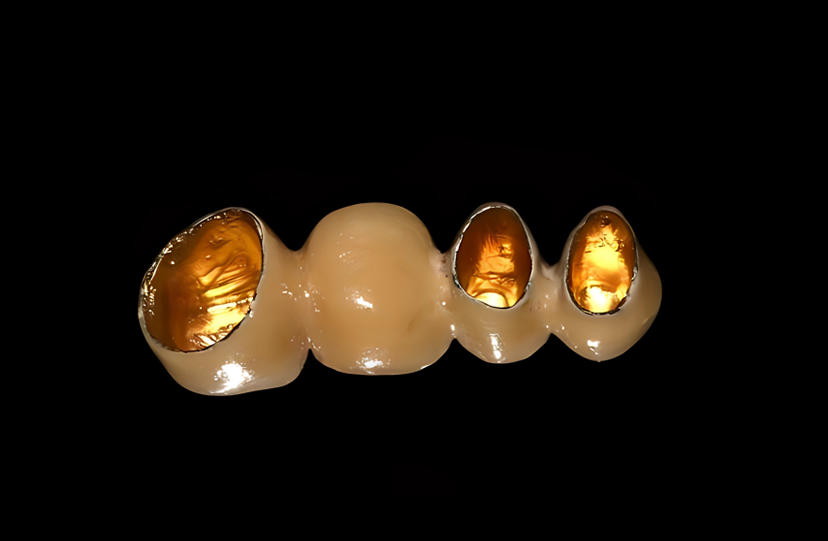
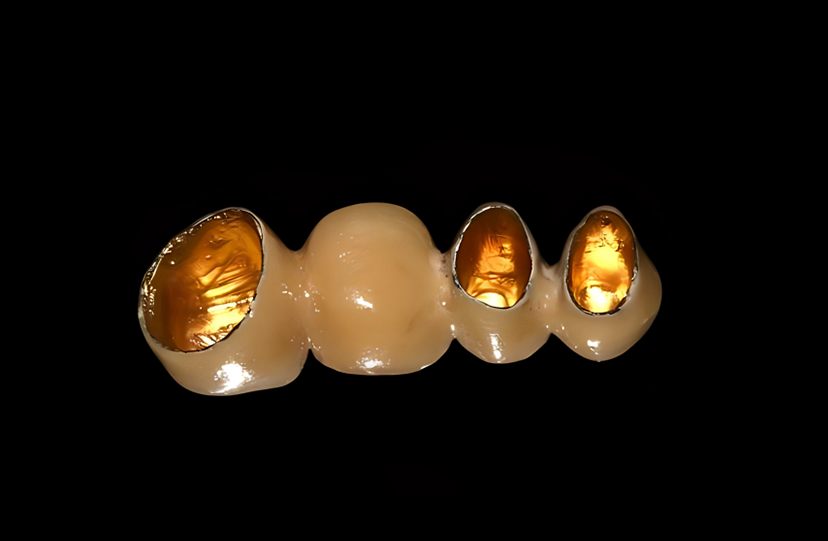
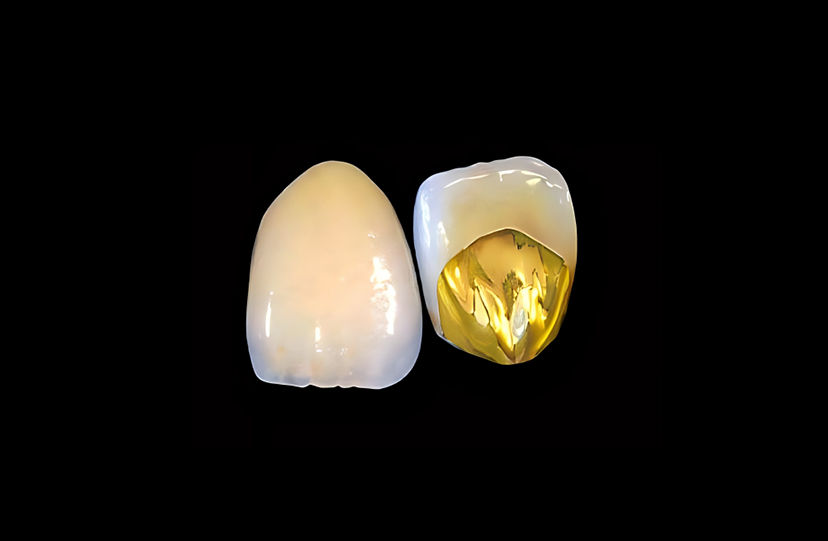
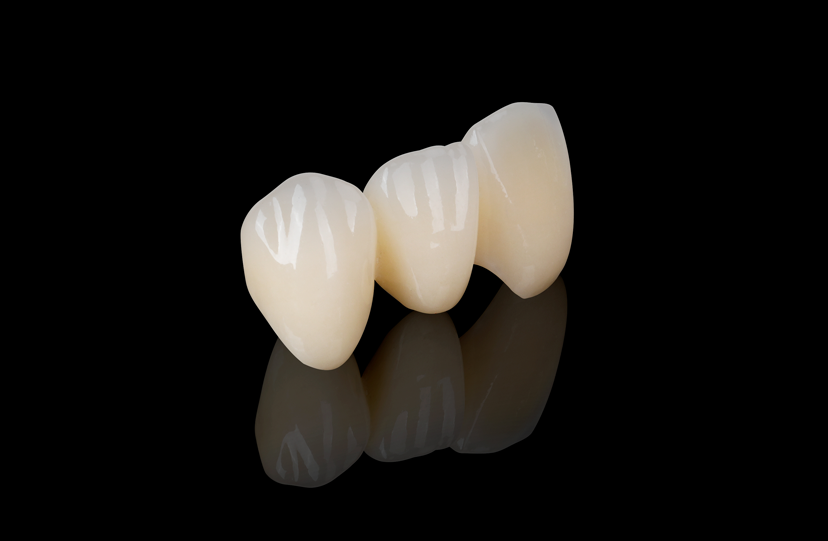
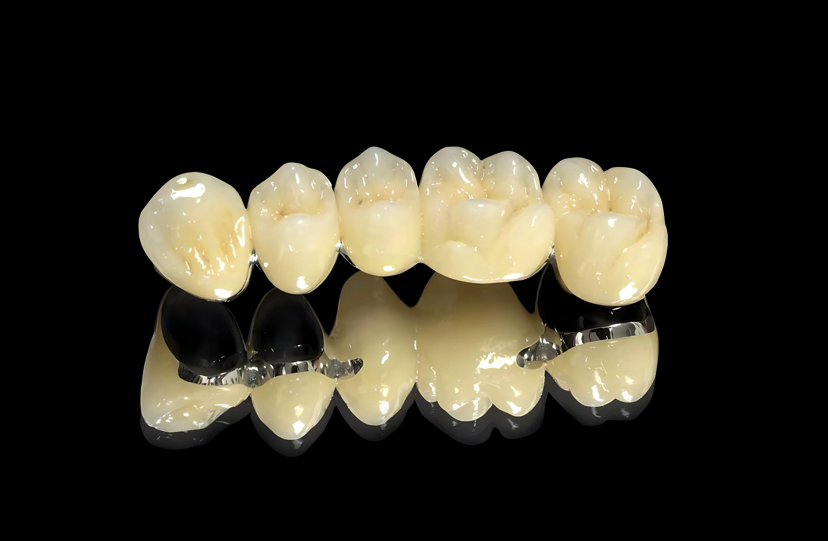
Full contour zirconia is a monolithic dental restoration milled from a zirconia block without a separate hand-layered porcelain veneer.
Unlike traditional porcelain-fused-to-metal (PFM) or porcelain-fused-to-zirconia (PFZ) crowns, the external contour of an FCZ crown is formed from zirconia itself. Staining, glazing, or polishing can then be used according to the required finish.
Why That Matters Clinically
Layered restorations contain a veneering ceramic over the underlying framework. Under certain loading conditions, that porcelain layer can chip or fracture.
Full contour zirconia does not have a separate veneering layer on the functional surface. This is one reason it is commonly considered for cases where strength and a simplified restoration structure are important.
Key Physical Properties
FCZ (Full Contour Zirconia) can achieve flexural strength between 800 MPa and 1,200+ MPa depending on the zirconia formulation and yttria concentration (3mol%, 4mol%, or 5mol%).
Modern multi-layer zirconia blocks also offer different levels of translucency and color gradation. The selected zirconia formulation affects the balance between strength and translucency.
Minimal Prep Advantage
Because zirconia can be fabricated at relatively thin dimensions, it can be useful in cases where available preparation space is limited.
A wall thickness as thin as 0.5mm may be possible for some zirconia restorations, depending on the material, design, and manufacturer's requirements. The final restoration thickness should always follow the specifications for the selected zirconia material.
Benefits of Outsourcing Zirconia Crown Production
Outsourcing zirconia restorations can give dental laboratories additional production capacity without the full equipment investment required for in-house manufacturing.
The practical benefits include:
Lower equipment investment: Outsourcing reduces the need to purchase and maintain additional milling and sintering equipment.
Additional production capacity: External production can help laboratories manage periods of high case volume without immediately expanding their in-house team.
Consistent production workflow: An experienced dental laboratory can establish standardized CAD, milling, sintering, finishing, and quality-control procedures.
Access to different materials: Outsourcing can provide access to different zirconia grades without requiring the laboratory to keep every material and production capability in-house.
Flexible case selection: A laboratory can outsource selected crowns or other restorations while continuing to produce other cases internally.
Turnaround support: An external production partner can provide an additional production route when internal capacity is limited.
For laboratories considering zirconia outsourcing, the lowest unit price is only one part of the decision. Fit, finishing, communication, turnaround time, packaging, and remake handling also affect the overall outsourcing experience.
Advantages Over Alternative Restoration Types
Full contour zirconia has different characteristics from PFM, lithium disilicate, and layered zirconia restorations. The appropriate material depends on the case, preparation, occlusion, esthetic requirements, and laboratory workflow.
Fracture Resistance vs. Layered Ceramics
Layered restorations contain a veneering ceramic that can chip or fracture under certain conditions. With FCZ, there is no separate porcelain veneer covering the functional surface, which removes that particular veneering-layer failure mode.
This does not mean that a full contour zirconia restoration cannot fracture. Material selection, restoration design, occlusion, sintering, finishing, and clinical conditions all remain important.
Wear Profile vs. Porcelain
The surface condition of zirconia matters when considering wear against opposing dentition.
Highly polished zirconia can provide a smooth surface with controlled roughness. After chairside adjustment, proper polishing is therefore an important part of the finishing process.
Translucency vs. 3Y-TZP
Higher-translucency zirconia formulations provide a different balance of esthetics and strength from traditional 3Y-TZP.
5Y-PSZ generally provides higher translucency, while 3Y-TZP provides higher strength. For this reason, zirconia selection should be based on the indication rather than translucency alone.
Disadvantages to Acknowledge
Zirconia is not the same material for every case, and laboratories should consider its limitations when selecting a restoration material.
Esthetic Ceiling in Anterior Cases
Standard 3Y-TZP can appear more opaque than glass ceramics. For highly esthetic anterior cases, a higher-translucency zirconia formulation may be more appropriate.
The final result also depends on restoration thickness, preparation, stump shade, shade selection, and finishing.
Chairside Adjustment Protocol
Zirconia adjustments should be carried out with suitable diamond burs and continuous water cooling.
Dry grinding can generate localized heat and may affect the zirconia surface. After adjustment, the surface should be properly polished according to the material manufacturer's recommendations.
Cementation Sensitivity
Zirconia does not respond to hydrofluoric acid etching in the same way as glass ceramics.
When adhesive bonding is indicated, an appropriate zirconia bonding protocol using an MDP-containing primer or resin cement may be used according to the clinical situation and manufacturer's instructions.
Comparison: FCZ vs. PFM vs. Lithium Disilicate
| Factor | FCZ Zirconia | PFM | Lithium Disilicate |
|---|---|---|---|
| Flexural Strength | 800–1,200 MPa | 400–600 MPa | 360–500 MPa |
| Chipping Risk | No veneering layer | Porcelain layer | Moderate |
| Translucency | 35–49% | Low | High |
| Prep Reduction | 0.5mm wall possible | 1.5mm+ typical | 1.0–1.5mm |
| Best Application | Posterior & bruxers | Posterior | Anterior esthetics |
| Lab Cost | Moderate | Higher (handcraft) | Moderate–High |
The comparison shows why full-contour zirconia is often considered when strength, simplified construction, and production efficiency are important. The final material choice still needs to match the individual case.
Clinical Indications
Heavy Bruxism Cases
Parafunctional habits can place high occlusal loads on posterior restorations. High-strength zirconia formulations may be considered for selected bruxism cases.
For these cases, the zirconia formulation, restoration design, occlusion, preparation, and clinical follow-up all need to be considered together.
Full-Arch Implant Bridges (All-on-X)
Full-contour zirconia can be used for selected implant-supported fixed full-arch prosthetics.
For full-arch cases, connector dimensions, restoration design, implant distribution, occlusion, material selection, and manufacturing accuracy all need to be controlled carefully.
Minimal-Prep Posterior Crowns
When interocclusal space is limited, zirconia can provide an option because some zirconia restorations can be designed at relatively thin dimensions.
A 0.5mm wall thickness may be possible for certain zirconia materials and designs, but the manufacturer's requirements should always be followed.
Materials Used in Zirconia Crown Production
The core raw material is yttria-stabilized zirconia powder, processed into pre-sintered blocks or discs. Yttria concentration affects the balance between strength and translucency:
3mol% Y-TZP: Higher strength and lower translucency — commonly selected for posterior and high-load cases.
4mol% Y-TZP: A balance of strength and translucency — suited to a wider range of applications.
5mol% Y-TZP (5Y-PSZ): Higher translucency — used when anterior esthetics are a priority.
Material selection at the block level directly affects the final restoration. Labs and clinics outsourcing zirconia production should confirm which zirconia grade is being used for each case type.
Manufacturing Workflow
Step 1: Digital Design
Technicians receive the digital scan (STL file) and design the crown in CAD software.
The design needs to account for the selected material, restoration thickness, margins, contacts, occlusion, and sintering requirements.
Step 2: Milling
A 5-axis CNC milling unit cuts the pre-sintered zirconia block according to the digital design.
With multi-layer zirconia, block positioning is also important because the color gradient needs to correspond with the incisal-to-cervical direction of the restoration.
Step 3: Sintering and Quality Control
The milled green-state crown is sintered in a high-temperature furnace according to the selected zirconia manufacturer's recommended cycle.
Quality checks can include marginal fit, contacts, occlusion, shade, morphology, surface finish, and overall restoration integrity before shipment.
For a dental laboratory outsourcing zirconia production, understanding the supplier's sintering and final inspection process is as important as reviewing the quoted crown price.

Cost Factors in Zirconia Crown Outsourcing
Several variables affect per-unit pricing in outsourced zirconia production.
Zirconia grade selected: 5Y-PSZ high-translucency blocks generally cost more than standard 3Y-TZP materials.
Case complexity: Full-arch implant bridges require more design time and material than a single posterior crown.
Order volume: Larger and more consistent case volumes may allow laboratories to negotiate different production pricing.
Finishing specifications: Polish-only, staining, glazing, and customized esthetic finishing involve different levels of laboratory work.
Logistics and packaging: For U.S.-based laboratories sourcing internationally, shipping frequency and protective packaging also affect the total cost.
When comparing outsourcing quotations, it is useful to look at the complete production and shipping cost rather than the crown price alone.
How to Choose a Zirconia Crown Supplier
Selecting a zirconia outsourcing partner requires more than comparing price sheets. Before starting regular production, laboratories should evaluate the supplier's materials, production workflow, quality control, communication, and sample cases.
Manufacturing Certifications
Confirm ISO 13485 certification and the relevant material standards used by the supplier.
Ask for material documentation and, where applicable, test reports related to the zirconia being used.
CAD/CAM Compatibility
The supplier should accept standard STL files and have a clear process for receiving scans, photographs, shade information, and case instructions.
If your laboratory works with systems such as iTero, 3Shape, or CEREC, confirm the file exchange process before sending the first production case.
Sample Case Policy
A sample case is one of the most useful ways to evaluate an outsourcing partner.
Start with two to three representative cases, such as posterior single crowns, and check marginal fit, shade, morphology, contacts, occlusion, surface finish, packaging, and turnaround time before moving to regular production.
Maintenance and Clinical Care Guidance
Full contour zirconia restorations require routine clinical follow-up, just like other fixed restorations.
Patient Instructions
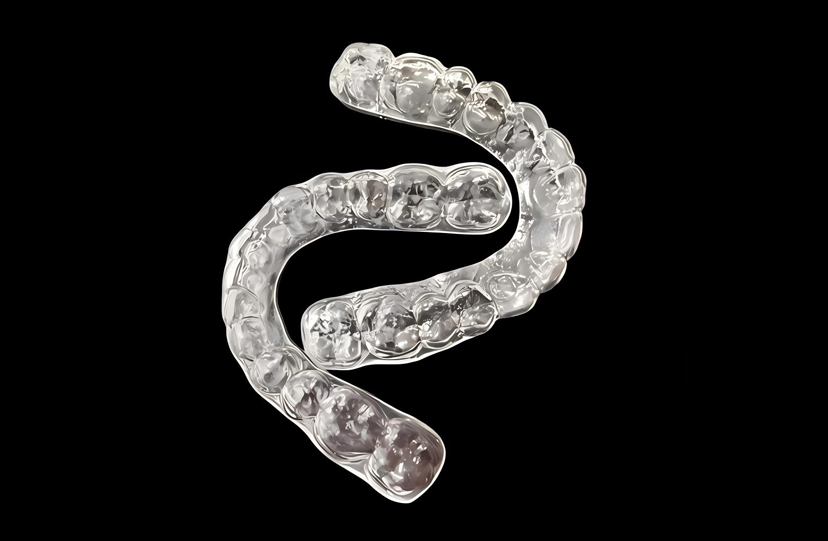
Patients with confirmed bruxism may require a nightguard depending on their clinical condition and treatment plan.
Although zirconia has high fracture resistance, occlusal loading and implant-related forces should still be considered during treatment planning and follow-up.
In-Office Adjustments
Use fine-grit diamond burs with water spray during chairside occlusal adjustment.
After adjustment, re-polish the zirconia surface with a zirconia-specific polishing system to restore a smooth surface.
Recall Protocol
Include zirconia restorations in routine clinical examinations.
Check cement margins, occlusion, contacts, and the condition of the surrounding tissues according to the patient's normal recall schedule.
Key Takeaways
For a dental laboratory, zirconia outsourcing is mainly a production decision: which cases should remain in-house, and which cases are better handled by an external production partner.
FCZ (Full Contour Zirconia) is one option for posterior crowns, selected implant restorations, and cases where strength and efficient production are important.
Before moving to regular outsourcing, evaluate the supplier's zirconia materials, CAD/CAM workflow, marginal fit, finishing quality, turnaround time, communication, packaging, and sample-case results. A small number of test cases can provide a much clearer picture of how the supplier will fit into your existing laboratory workflow.
FAQ
What is an FCZ zirconia crown?
An FCZ (Full Contour Zirconia) crown is a monolithic zirconia restoration produced without a separate porcelain veneering layer. The crown's external contour is formed from zirconia itself, with staining, glazing, or polishing used according to the required finish.
Is FCZ the same as monolithic zirconia?
Yes. FCZ, or Full Contour Zirconia, generally refers to a monolithic zirconia restoration in which the crown is produced from zirconia rather than covered with a separate veneering porcelain layer.
Why do dental labs outsource zirconia crowns?
Dental labs may outsource zirconia crowns when they need additional production capacity, want to reduce equipment investment, have fluctuating case volumes, or need access to additional CAD/CAM and zirconia production capabilities.
Can a dental laboratory outsource zirconia production to a laboratory in China?
Yes. Dental laboratories can work with overseas production partners for selected zirconia cases. Before starting, the laboratory should review the supplier's quality system, zirconia materials, CAD/CAM workflow, sample cases, turnaround time, shipping process, and communication.
How long does outsourced zirconia crown production take?
Turnaround depends on the supplier, case type, design requirements, finishing, and shipping method. A laboratory should confirm both production time and shipping time before starting regular outsourced zirconia orders.
How much does it cost to outsource a zirconia crown?
The cost depends on the zirconia material, crown type, finishing requirements, case volume, CAD design, and shipping arrangement. A basic monolithic zirconia crown and a customized esthetic restoration may have different production costs.
What files are needed to outsource a zirconia crown?
Most digital dental laboratories can work with STL files. Depending on the case, the supplier may also require preparation scans, opposing scans, bite scans, photographs, shade information, implant information, and specific design instructions.
Can I send STL files directly to an outsourced dental laboratory?
Yes. STL files are commonly used in digital dental laboratory workflows. The exact file-transfer method depends on the supplier and may include a laboratory portal, CAD/CAM platform, email, or another file-transfer system.
Which zirconia is better for posterior crowns, 3Y or 5Y?
3Y-TZP generally provides higher strength, while 5Y-PSZ provides greater translucency. For posterior and high-load cases, a higher-strength zirconia formulation may be selected. Higher-translucency zirconia may be considered when esthetics are more important. The final choice should follow the case requirements and material manufacturer's indications.
Can full-contour zirconia be used for bruxism patients?
High-strength zirconia can be considered for selected patients with bruxism because of its strength. Bruxism also increases mechanical loading, so restoration design, occlusion, material selection, and clinical follow-up remain important.
What should a dental lab check before choosing a zirconia outsourcing partner?
A dental lab should check the supplier's zirconia materials, CAD/CAM workflow, quality-control process, certifications, sample-case results, turnaround time, communication, packaging, shipping process, and remake policy. Testing representative cases before regular production is a practical way to evaluate the workflow.
What is the difference between outsourced zirconia production and in-house production?
With in-house production, the laboratory controls milling, sintering, finishing, and quality control but also needs to manage equipment, materials, maintenance, and technician time.
With outsourced production, selected manufacturing steps are handled by an external laboratory. The local laboratory can continue to manage case selection, customer communication, and other parts of its workflow.
Is zirconia suitable for implant crowns?
Zirconia can be used for selected implant-supported crowns and bridges. The appropriate material and design depend on the implant system, abutment configuration, available space, occlusion, restoration type, and manufacturer's requirements.
Does outsourced zirconia include CAD design?
Some dental laboratories provide CAD design together with zirconia production, while others accept completed designs and manufacture the restoration. Confirm whether CAD design, design revisions, and final quality checks are included before placing an order.
Can a dental lab outsource only zirconia milling?
Yes. Outsourcing does not always mean sending the entire case to an external laboratory. Depending on the supplier's workflow, a laboratory may outsource selected production steps such as CAD design, milling, or full zirconia crown production.
What should I send with an outsourced zirconia crown case?
A typical digital case may include the preparation scan, opposing scan, bite scan, prescription, shade information, photographs when needed, and specific design instructions. Implant cases may also require information on the implant and abutment.
How can I test an overseas dental laboratory before sending regular cases?
Start with a small number of representative cases rather than moving all production at once. Check marginal fit, contacts, occlusion, shade, morphology, surface finish, communication, packaging, and actual turnaround time. This gives the laboratory a clearer picture of whether the supplier fits its existing workflow.
Partner With HYC for Precision Zirconia Crown Outsourcing
HYC Dental Lab produces FCZ (Full Contour Zirconia) crowns for dental laboratories and clinics looking for an external production partner. HYC supports digital case workflows, zirconia crown production, sample case trials, flexible volume pricing, and direct technical communication.
For laboratories considering zirconia outsourcing, starting with a small number of representative cases is a practical way to evaluate fit, shade, morphology, finishing, communication, and turnaround before moving to regular production.
Contact us today at info@hycdentallab.com or visit hycdentallab.com to request a quote.
References
1. Zarone, F., et al. "Randomized Clinical Trial on Monolithic Zirconia Crowns." Journal of Prosthetic Dentistry, 2019.
2. Guess, P.C. et al. "Monolithic CAD/CAM lithium disilicate versus veneered zirconia fixed partial dentures." Journal of Dentistry, 2014.
3. Zhang, Y., & Lawn, B.R. "Novel Zirconia Materials in Dentistry." Journal of Dental Research, 2018.
4. Gracis, S., et al. "A New Classification System for All-Ceramic and Ceramic-like Restorative Materials." International Journal of Prosthodontics, 2015.
5. Miyazaki, T., et al. "A review of dental CAD/CAM: current status and future perspectives from 20 years of experience." Dental Materials Journal, 2009.
6. ISO 6872:2015 — Dentistry: Ceramic Materials. International Organization for Standardization, 2015.
YOU MAY LIKE