How Does Full Contour Zirconia Improve Restoration Efficiency?
Quick Answer
Full Contour Zirconia (FCZ) can streamline the fabrication of zirconia restorations by reducing the need for a separate porcelain-layering step because they don't need to be layered in multiple steps like traditional porcelain-fused restorations do. As a single piece made from a pre-sintered zirconia block using digital CAD/CAM milling, FCZ(Full Contour Zirconia) can help streamline production and may reduce remake-related issues when appropriate digital workflows, design parameters, and quality-control procedures are used. With an efficient digital workflow, some dental laboratories can complete standard FCZ cases within approximately 3–5 days. This streamlined process is good for both clinics and labs because it speeds up patient treatment cycles and reduces the number of changes needed at the chairside. Using FCZ(Full Contour Zirconia) can further simplify the restoration workflow, while consistent digital production helps dental laboratories maintain predictable results. For practices and laboratories looking for efficient zirconia solutions, FCZ(Full Contour Zirconia) offers a practical approach to producing durable, accurately fitted restorations.
Introduction
There is more and more pressure on the dental restoration industry to turn jobs around faster without lowering the quality. Dental clinics want restorations that fit the first time correctly, and labs want materials that make production easier and cut down on the cost of redos. Traditional layered ceramic restorations often need a lot of porcelain to be stacked by hand, long firing cycles, and there is a chance that the porcelain will chip or come off. These inefficiencies directly lead to longer times to finish cases and higher costs for running the business. Full Contour Zirconia (FCZ) offers an alternative approach that can address some of these workflow and material-related considerations: it has a single structure, can be made using digital fabrication, and offers favorable mechanical properties for a range of restorative applications. These characteristics have contributed to the adoption of digital zirconia workflows for improving production efficiency and quality control.
What is Full Contour Zirconia?


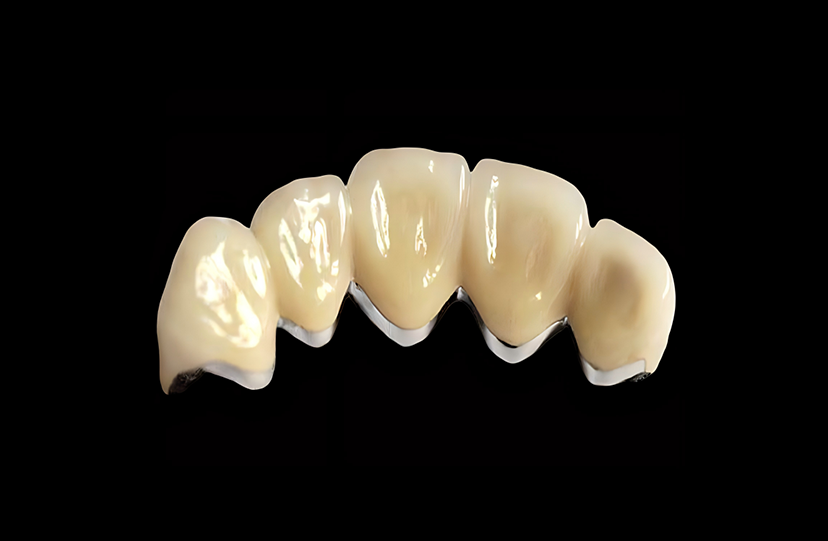
A Full Contour Zirconia (FCZ) restoration is fabricated from a monolithic zirconia material without a separately veneered porcelain layer; it is made from a single block of yttria-stabilized tetragonal zirconia polycrystal (Y-TZP), with no hand-layered ceramic on top. Traditional porcelain-fused-to-zirconia (PFZ) repairs need a substructure framework with a cosmetic porcelain veneer. Because FCZ is monolithic, it eliminates the veneering interface associated with porcelain chipping or delamination in layered restorations. FCZ is typically fabricated from zirconium dioxide stabilized with yttria, with the specific composition depending on the zirconia formulation. This creates a dense ceramic structure that is very strong.
Phase transformation toughening is how FCZ works. When the material is stressed, it stops cracks from spreading by changing its crystalline structure in a controlled way. Depending on the zirconia formulation and manufacturer, FCZ materials can exhibit high flexural strength, although reported values vary by material composition and testing method. These mechanical properties make zirconia one of the high-strength ceramic options used in restorative dentistry. Zirconia is chemically stable and corrosion-resistant, and its surface characteristics have been investigated for applications involving contact with oral and peri-implant tissues. The biocompatibility of a specific zirconia restoration or material should be evaluated in accordance with applicable biological safety requirements and supporting documentation.
Fully digital CAD/CAM grinding starts the manufacturing process from a zirconia block that has already been pre-sintered. The repair design is made digitally using intraoral scans or traditional prints. It is then milled while it is bigger to account for shrinkage during sintering. After milling, the repair undergoes high-temperature sintering at around 1450–1550°C, which makes it denser and imparts its final shape and strength. This simplified digital process gets rid of a lot of the manual steps that are needed for standard restorations. This directly leads to higher efficiency.
Benefits
Reduced Production Time Through Digital Workflow Integration
Because Full Contour Zirconia (FCZ) fabrication is digital, it works well with modern CAD/CAM systems. This means that Digital workflows can reduce manual fabrication steps while retaining important technician-led design, finishing, and quality-control procedures. For traditional layered restorations, technicians have to carefully place porcelain in many layers by hand. Each layer needs its own firing cycle, which can take hours. FCZ can eliminate the separate porcelain-layering and associated firing steps required for many veneered restorations. The milling process is automatic after the digital design is finished, and the final repair is made in a single sintering cycle. Because of this decrease in work, standard cases can be finished in 3–5 days, and express options are available for urgent clinical needs. Reducing manual processing steps may help laboratories improve workflow efficiency and production capacity.
Significantly Lower Remake Rates
The monolithic design may reduce certain technical complications associated with veneering, which can help minimize some remake-related issues. At the point where the porcelain and zirconia meet in traditional PFZ restorations, chips form. Reported chipping rates for veneered zirconia restorations vary across clinical studies, depending on the restoration type, follow-up period, material, and clinical conditions. Because FCZ is monolithic, it eliminates failures specifically associated with separation or chipping of a separate veneering layer. Its monolithic structure and favorable mechanical properties can help reduce the risk of veneer-related chipping, although clinical performance depends on material selection, design, fabrication, and case-specific factors. When remakes aren't done, clinics don't have to deal with extra appointments, impression retakes, and unhappy patients, which takes time and money. Reducing avoidable remakes may help laboratories improve workflow predictability and manage production costs and process predictability.
Minimal Chairside Adjustment Requirements
For clinical efficiency, precise fit is a must. When the right steps are taken during production, Digitally fabricated FCZ restorations can achieve precise marginal adaptation when appropriate scanning, design, milling, and quality-control protocols are followed. Accurate digital fabrication may reduce the need for extensive chairside adjustments, although adjustment requirements vary by case and clinical workflow during cementation visits, making changes to the occlusal and peripheral surfaces. To get the right contacts and margins for traditional restorations, a lot of grinding and polishing is often needed. This makes appointments take longer and makes patients more uncomfortable. When the digital workflow and clinical preparation are well controlled, FCZ restorations can provide predictable fit and may reduce the need for extensive chairside adjustments. Clinicians can quickly seat restorations, which improves the patient experience and helps practices keep to tighter schedules. This improvement in efficiency is especially helpful for cases with more than one unit and full-arch rehabilitations, where the total amount of time needed for adjustment can be long.
Advantages
Superior Mechanical Properties for Demanding Applications
Depending on the zirconia formulation, FCZ (Full Contour Zirconia ) materials can provide flexural strength above 900 MPa and high fracture toughness. These mechanical properties make appropriately selected FCZ (Full Contour Zirconia )materials suitable for many posterior crowns and bridges, including some cases involving higher occlusal loading. Because of its strength, FCZ(Full Contour Zirconia) can resist forces that may fracture conventional ceramics, helping reduce the risk of long-term failure. Its resistance to chipping and cracking can help restorations remain functional in demanding clinical situations. With proper case selection, design, fabrication, and maintenance, FCZ(Full Contour Zirconia) can provide long-term clinical performance. This can reduce the need for replacement restorations, improve patient satisfaction, and help laboratories manage warranty-related concerns. For demanding restorative applications, FCZ(Full Contour Zirconia) provides a strong and durable material option.
Elimination of Delamination Risk
In layered restorations, porcelain can separate from the framework below. Because FCZ is monolithic, it does not have the separate veneering interface associated with veneer delamination. There isn't a ceramic veneer or a contact that could break. This design removes one potential failure mode associated with veneered zirconia restorations and may improve resistance to veneer-related complications. For labs, this means fewer requests for emergency remakes and more stable quality results. Clinics will get to talk to fewer patients again and have more faith that the case will last longer.
Compatibility with Minimal Preparation Protocols
Some zirconia formulations can be used with relatively conservative preparation designs, provided that the material manufacturer's recommendations and clinical requirements are followed. This lets dentists prepare teeth more conservatively. Traditional PFM restorations need a lot of tooth reduction to make room for the metal and porcelain layers. Preparation requirements vary according to the zirconia formulation, restoration design, and manufacturer's instructions. Some FCZ systems may support conservative preparation designs when adequate material thickness is maintained. This conservative method keeps more of the normal tooth structure. A conservative preparation approach can help preserve tooth structure when clinically appropriate. Because it can work in small spaces between teeth, FCZ can be used in situations where traditional materials wouldn't be able to because there wouldn't be enough room.
Biocompatibility and Tissue Health
Zirconia is widely used in dentistry because of its favorable chemical stability and biocompatibility. The regulatory status of a specific zirconia restoration depends on the product, manufacturer, and applicable regulatory requirements. Because zirconia is a ceramic rather than a metal alloy, it may be considered when avoiding metallic materials is clinically appropriate. Patient-specific material selection should be determined by the treating dental professional. A properly finished and polished zirconia surface can provide favorable surface characteristics for oral hygiene and may help limit plaque retention compared with a rough surface, which helps the gums connect properly. Appropriate surface finishing and good oral hygiene remain important for maintaining periodontal and peri-implant tissue health. This biological connection helps the restoration last longer and keep the patient comfortable by lowering the risk of soft tissue inflammation and pain that can lead to the need for a new restoration.
Disadvantages
Aesthetic Limitations in Highly Visible Anterior Regions
Because they have a lot of yttria stabilization and a dense crystalline structure, some conventional zirconia formulations have lower translucency than newer high-translucency zirconia materials. Due to this opacity, restorations may look one-colored and lack the depth and life of natural front teeth. Newer high-translucency zirconia formulations (4Y-PSZ and 5Y-PSZ) have made a big difference in how they look, but they may provide less translucency and optical depth than lithium disilicate or feldspathic ceramics in highly esthetic anterior applications. Clinicians need to think carefully about how the material should look and choose FCZ mostly for rear uses or situations where strength is more important than maximum translucency. However, progress in making multi-layered zirconia blocks with different levels of transparency and better staining methods is reducing this gap by a large amount.
Potential for Opposing Tooth Wear if Inadequately Polished
Current evidence suggests that properly polished zirconia can exhibit favorable wear behavior against opposing enamel, although surface roughness and finishing quality remain important factors when following the right polishing procedures. But if repairs aren't polished well enough or are fixed incorrectly with coarse burs and then not polished, the rough surface can speed up enamel wear. The restoration should be carefully polished according to the material manufacturer's recommended protocol, particularly after occlusal adjustment, and doctors must follow the suggested methods for adjusting using fine-grit diamond burs and lots of water cooling, followed by thorough cleaning. Studies have reported that appropriately polished monolithic zirconia can demonstrate favorable wear behavior against opposing enamel, although results vary according to surface condition, polishing protocol, and clinical factors, or traditional porcelain when these steps are taken.
Comparison
| Feature | Full Contour Zirconia (FCZ) | Porcelain-Fused-to-Zirconia (PFZ) | Lithium Disilicate |
|---|---|---|---|
| Flexural Strength | High; formulation-dependent | High-strength zirconia framework with veneering porcelain | Moderate to high; formulation-dependent |
| Veneering-Related Chipping | No separate veneering layer | Potential risk of veneer chipping or delamination | Generally not applicable to monolithic restorations |
| Production Workflow | Streamlined digital workflow; no separate porcelain-layering step | More fabrication steps due to porcelain veneering and firing | Digital or conventional fabrication workflow |
| Optical Properties | Moderate to high; varies by zirconia formulation | High, with customized porcelain layering | High to very high translucency |
| Conservative Preparation | Potentially favorable, depending on material and design requirements | Depends on framework and veneering requirements | Generally favorable, depending on restoration type and manufacturer recommendations |
| Mechanical Performance | High strength; suitable for many posterior applications | High-strength framework combined with esthetic veneering porcelain | Good mechanical performance with strong esthetic properties |
| Remake Considerations | No veneer-related chipping or delamination | Veneer-related complications may require additional repair or remake | Depends on material, design, fabrication, and clinical factors |
| Workflow Efficiency | High potential for streamlined production | More technician-intensive due to veneering | Moderate to high, depending on workflow |
| Esthetic Applications | Suitable for many posterior and selected anterior cases | Suitable when customized layering and esthetics are priorities | Particularly well suited to highly esthetic cases |
| Common Applications | Posterior crowns, bridges, implant restorations, selected full-arch cases | Anterior and posterior crowns and bridges where layered esthetics are desired | Anterior crowns, veneers, inlays/onlays, and selected posterior restorations |
For posterior restorations and cases involving higher occlusal loads, appropriately selected FCZ materials offer high mechanical strength and a monolithic design without a separate veneering layer. Lithium disilicate is often selected when high translucency and optical characteristics are key priorities, while FCZ can be advantageous when strength, monolithic construction, and streamlined fabrication are important considerations.
Clinical Indications
Posterior Crowns and Fixed Bridges
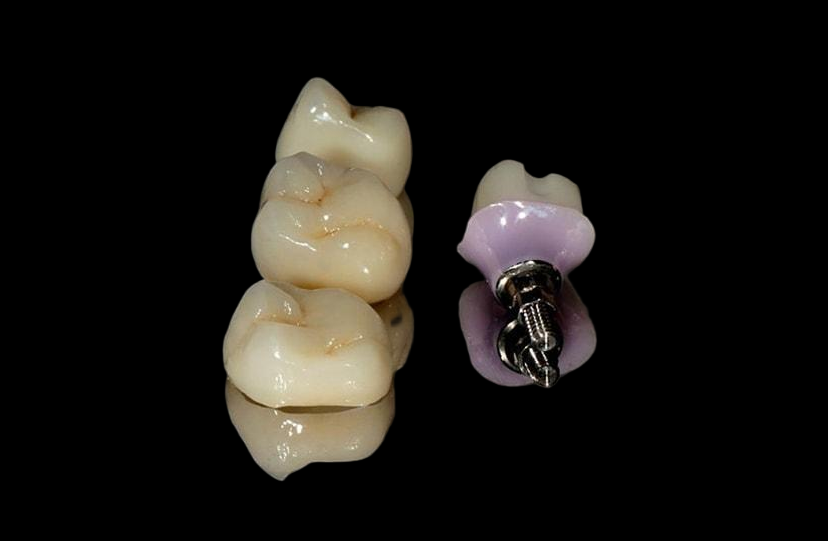
Full Contour Zirconia (FCZ) is a commonly selected option for posterior single crowns and fixed bridges, particularly when strength and resistance to veneer-related chipping are important considerations with more than one unit in the molar and premolar areas. Because the material is so strong, it can handle the heavy chewing forces in these areas without breaking. The one-piece design removes worries about chipping, and the material's lack of transparency is scientifically okay in back areas where sturdiness is more important than appearance. Digital fabrication makes sure that the marginal fit and proximal contacts are correct, which cuts down on the time needed for adjustments and extends the life of the restoration.
Patients with Bruxism and Heavy Clenching
Restorative materials can have a hard time working with people who have parafunctional habits. When patients repeatedly grind and clench their teeth, they place significant stress on restorations, which can cause conventional ceramics to fracture. FCZ(Full Contour Zirconia) is well suited to these demanding cases because of its high fracture toughness and ability to withstand cyclic loading. The material can resist crack propagation even when exposed to repeated stress, helping restorations maintain their function over time. Laboratories that specialize in bruxism cases can use FCZ(Full Contour Zirconia) to improve restoration durability and reduce the risk of complications in high-risk patients. By choosing FCZ(Full Contour Zirconia) for appropriately selected cases, dental professionals can support long-term restoration performance and patient satisfaction. FCZ(Full Contour Zirconia) can therefore be a practical material option when resistance to repeated occlusal forces is an important consideration.
Full-Arch Implant-Supported Rehabilitations
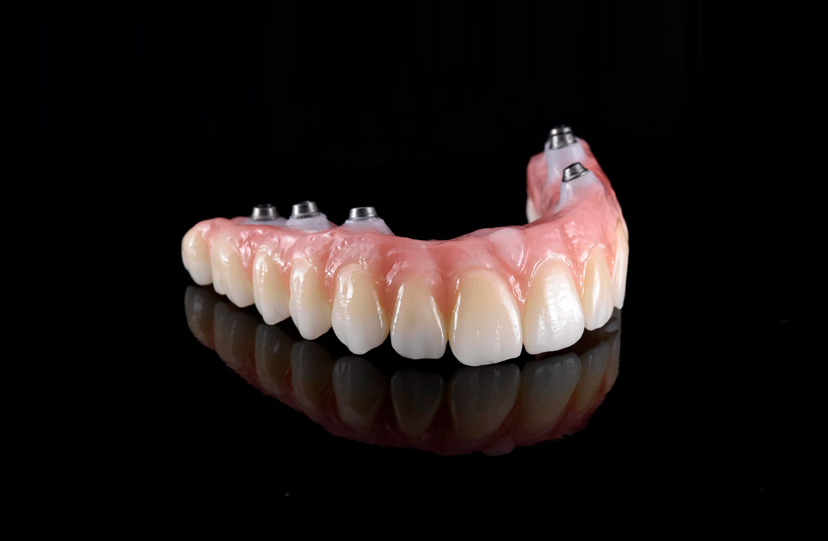
For complicated implant cases like All-on-4 or All-on-6 full-arch rehabilitations, you need materials that are strong, biocompatible, and able to span long gaps between teeth without metal reinforcement. FCZ can provide a combination of mechanical strength and monolithic construction that may be suitable for selected full-arch applications, which makes it possible to make strong and light full-arch replacements out of a single piece. The digital process makes it possible for implant placement and prosthetic design to be perfectly coordinated, and digital planning and verification can support accurate implant-prosthetic relationships and help optimize fit and load distribution. The fact that the material doesn't break easily when loaded from above makes FCZ a potential option for appropriately selected demanding applications.
Materials
Yttria-Stabilized Zirconia Composition
Full Contour Zirconia (FCZ) is made from zirconium dioxide (ZrO₂) powder that has been fixed with yttrium oxide (Y₂O₃). The amount of yttria in a material usually varies from 3 mol% (3Y-TZP generally offers higher strength, while 4Y- and 5Y-containing zirconia formulations generally provide increased translucency at the expense of some mechanical strength. The stabilization process manages the make-up of the crystalline phase. The yttria content influences phase stability and the balance between mechanical strength and optical properties and could damage the mechanical properties. Modern multi-layered zirconia blocks have different amounts of yttria in different parts of the block. The incisal area has higher percentages of yttria for better looks, while the cervical area has lower percentages for maximum strength.
Quality of raw materials has a direct effect on how well the repair works in the end. High-quality zirconia powders with controlled particle characteristics and low impurity levels can contribute to consistent material properties and reliable processing, have better dynamic qualities, and are easier to polish. Material selection should consider the manufacturer's technical documentation, applicable regulatory status, and relevant biocompatibility and performance data, and ensure they meet the rules for use in the mouth environment. Reputable manufacturers get their materials from certified suppliers and follow strict rules for inspecting new materials before they are used in production. This makes sure that the quality is the same from batch to batch.
Impact of Material Selection on Performance
When you choose a yttria stability level, you have to choose between strength and good looks. 3Y-TZP generally provides higher flexural strength than higher-yttria formulations, although actual values vary by manufacturer and material system but is less clear, which makes it perfect for use in the back and in people who are more likely to break bones. Newer 4Y and 5Y zirconia formulations generally provide greater translucency, while their flexural strength varies according to composition and manufacturer in return for much better translucency, with reported values depending on the material formulation and measurement method, which means they can be used for more esthetic purposes. To get the best performance and look, labs need to choose the right material grade based on the clinical indication, occlusal loading, and esthetic needs.
Manufacturing Workflow
Digital Design and Planning
The first step in the process of creating a Full Contour Zirconia (FCZ) restoration is to take an intraoral scan or digital copy of a patient's print to record their anatomy. The digital file is imported into CAD software, where the restoration is designed according to the patient's anatomy, preparation margins, occlusal scheme, and proximal contacts. The software automatically makes up for the design getting smaller during sintering (usually by 20–25%) by making it bigger in the right way. Before any physical fabrication happens, technicians can make precise changes to marginal fit, contact areas, and occlusion in the digital environment. This improves accuracy and cuts down on the need for changes later on.
CAD/CAM Milling Process
Once the design is complete, it is sent to a CNC milling machine, which cuts the repair out of a block of pre-sintered zirconia. Pre-sintered zirconia has a relatively machinable state, allowing efficient milling before final sintering, which lets it be milled quickly while keeping its dimensions. Five-axis milling machines can make complicated bodies with undercuts and intricate occlusal shapes. Depending on how complicated the repair is, the milling process, depending on the restoration type, milling system, and machining strategy, may take approximately 15–45 minutes. This is a lot less time than traditional methods of production that involve making things by hand.
Quality Control and Sintering
The restoration is checked for milling accuracy, surface quality, and correct anatomy after milling, but before it is sintered. Any flaws found at this point can be fixed by remilling, which saves sintering cycles that would have been wasted. The repair is then put in a sintering kiln that is very hot. It is heated to 1450–1550°C for 8–12 hours. As the material sinters, it gets denser and smaller until it reaches its final size. After sintering, the zirconia reaches its final density and mechanical properties according to the material manufacturer's specified cycle. Modern sintering furnaces that precisely control the temperature and heating rate help maintain consistent sintering conditions and minimize dimensional variation.
Finishing and Characterization
Checking the fit on the working model, making any necessary occlusal adjustments, and finishing the surface are all things that are done after the teeth are sintered. In polishing routines, fine and extra-fine diamond-impregnated polishing tools are used one after the other to get a smooth, shiny surface that doesn't let plaque build up and reduces wear on the teeth next to it. Staining and glazing the surface gives it more depth of color and makes it look like real teeth. Modern techniques for characterizing things that use infiltration stains can make color transitions that are more esthetically pleasing, which is especially important for cases with moderate esthetic needs.
Cost Factors
Material and Equipment Investment
The price of Full Contour Zirconia (FCZ) repairs depends on many factors, including the quality of the raw materials, the cost of the tools, and the precision of the restorations. Compared with generic materials, high-grade zirconia blocks used for FCZ (Full Contour Zirconia) restorations and, where applicable, zirconia materials should be sourced from manufacturers with appropriate regulatory documentation and traceability; generally cost more, but they can provide better performance and greater consistency. The production of FCZ (Full Contour Zirconia) restorations also requires investment in CAD/CAM tools, such as scanners, design software, milling machines, and sintering ovens, which affects the cost of each unit. Digital workflows for FCZ (Full Contour Zirconia) can, however, offset some equipment expenses by increasing production efficiency, improving throughput, and reducing labor requirements.
Production Complexity and Customization
Because they are easy to create and make, standard single crowns are the most cost-effective way to use FCZ. Multi-unit bridges, full-arch cases, and highly customized restorations all need more time for design, more complicated milling paths, and more careful quality control, which drives up the cost of production. Customization needs like exact color matching, anatomical details, or merging with current teeth increase cost but also take more work. Laboratories set prices that take into account both the cost of materials and the level of skill needed for complicated cases.
Order Volume and Long-Term Partnership Pricing
Pricing for dental offices and DSOs that place regular orders is heavily affected by volume. Because of higher production efficiency and lower administrative costs per order, manufacturers can offer better prices to customers who buy a lot. Long-term supply deals keep prices stable and give production top consideration, which is especially helpful when demand is high. When practices evaluate suppliers, they should look at more than just the unit price. They should also look at the total cost of ownership, which includes things like the rate of remakes, the reliability of delivery, and the quality of technical support.
How to Choose a Supplier
Manufacturing Capability and Quality Systems
To find a trusted Full Contour Zirconia (FCZ) supplier, you should first look at their manufacturing skills and quality control methods. For medical-device-related manufacturing, buyers may consider suppliers with an appropriate ISO 13485-certified quality management system, which means that they use strict quality control procedures throughout production. When evaluating suppliers, buyers should review the supplier's applicable FDA registration or device authorization status and CE marking or other EU regulatory documentation, as appropriate to the product and market. A review of a company's manufacturing capabilities should look at the quality of its equipment (for example, current 5-axis milling machines and precise sintering furnaces), its ability to meet volume needs, and its technical know-how in digital processes and zirconia fabrication.
First-Time Fit Accuracy and Remake Performance
First-time fit accuracy and the rate of remakes are the most important measures of an FCZ (Full Contour Zirconia) supplier's performance. As a minimum, suppliers should show data on marginal fit precision, ask suppliers for documented marginal-fit data, including the measurement method and test conditions used to generate the results, and consistently low remake rates. Ask suppliers to provide documented remake-rate data for comparable case types and clearly define how remake rates are calculated. For FCZ (Full Contour Zirconia) restorations, ask existing clients for case studies or references that demonstrate how well the fit performed, especially for the types of cases that are most relevant to your practice or laboratory. Trial cases of FCZ (Full Contour Zirconia) restorations allow you to directly evaluate a supplier's quality, consistency, and fit accuracy before committing to a long-term partnership.
Delivery Speed and Logistics Reliability
Dental cases that need to be done quickly need providers with a track record of good service. Check out normal turnaround times (Ask suppliers to provide their standard turnaround times, expedited options, and shipping arrangements for the relevant case types), the ability to speed up production for pressing cases, and the dependability of shipping methods. Production and distribution capabilities can influence turnaround times and shipping flexibility, so these factors should be evaluated based on the supplier's actual logistics network and more flexible scheduling. It is important to be able to clearly explain case status, production delays, and shipment tracking in order to keep clinic plans and patient standards on track.
Technical Support and After-Sales Service
Respondent technical support is what sets great suppliers apart from average ones. Suppliers should offer design advice, help with fixing problems with fit or appearance, and learning materials about material properties and clinical protocols. The warranty terms should make it clear how to file a claim, the length of time the warranty covers (Warranty periods vary by supplier and product type, so buyers should review the specific warranty terms before ordering), and how to get free repair or replacement as part of the warranty. Check how quickly the seller responds by calling technical support during the review phase to see how well they communicate and how they solve problems.
Maintenance
Clinical Handling and Cementation Protocols
Even though Full Contour Zirconia (FCZ) is very durable, it works best over time when it is handled properly in the clinic. Before final cementation, try-in processes should check the marginal fit, molar contacts, and proximal contacts. To keep things from getting too hot in one place, adjustments should be performed according to the manufacturer's recommended protocol, using appropriate instruments and water cooling where indicated, followed by careful polishing. Any adjustments that need to be made should be done with fine-grit diamond burs while the area is being cooled with a lot of water. After the adjustment, a thorough polishing with a zirconia-specific method makes the surface smooth again and reduces the chance of wear on the opposite tooth.
Conventional glass-ionomer or resin-modified glass-ionomer cements may be appropriate for some preparations, while adhesive resin cementation may be preferred when additional retention is required. However, adhesive bonding with primers that contain MDP and resin cements can provide increased retention when an appropriate adhesive protocol is indicated. This is especially helpful for short clinical crowns or high-stress situations. When adhesive protocols are used, treating the surface with airborne particle abrasion (50 micron alumina) makes the bond stronger and creates mechanical retention.
Patient Education and Home Care
Teaching patients how to take care of themselves at home is important for their long-term recovery. Zirconia is resistant to staining, although the surrounding natural tooth structure and oral tissues remain susceptible to common oral health conditions. However, good oral care can help avoid gingival inflammation and peri-implant problems that could shorten the life of the restoration. Patients should know that even though the repair is very hard to break, following appropriate oral-care recommendations and, when indicated, using a night guard may help protect restorations from excessive functional or parafunctional forces. Clinicians can check the integrity of the restoration, the stability of the occlusion, and the health of the soft tissues on a regular basis during recall appointments. If they notice any problems, they can be fixed before they get worse.
Key Takeaways
FCZ (Full Contour Zirconia) can improve workflow efficiency by combining monolithic construction with digital fabrication thanks to its solid structure, digital manufacturing capabilities, and superior mechanical properties. By eliminating the need for hand-layering, FCZ (Full Contour Zirconia) can reduce production time to approximately 3–5 days while eliminating the separate veneering layer and reducing the potential for veneer-related chipping. The accurate fit of FCZ (Full Contour Zirconia) restorations reduces the need for chairside adjustments, which can shorten clinical appointments and improve patient satisfaction. Because FCZ (Full Contour Zirconia) offers high strength and durability, it can be used for demanding cases such as posterior bridges and patients with bruxism, making it a practical option for appropriately selected high-load applications. When choosing suppliers for FCZ (Full Contour Zirconia), manufacturing quality, first-time fit accuracy, regulatory compliance, and responsive technical support should be among the top priorities. Correct clinical procedures, including appropriate polishing and cementation techniques, can further improve the performance and durability of FCZ (Full Contour Zirconia) restorations, helping practices and patients reduce costs. Appropriate material selection, fabrication, clinical handling, and maintenance can contribute to long-term restoration performance.
FAQ
Does monolithic zirconia wear down normal teeth that are next to it too much?
Properly polished monolithic zirconia can demonstrate favorable wear behavior against opposing enamel, although performance depends on surface finish and clinical conditions. Some studies have reported favorable opposing-enamel wear behavior for properly polished zirconia compared with certain veneering ceramics, although results vary with surface condition and testing method. The most important thing is to get the surface roughness below 0.2 microns by using diamond-filled tools to polish it in a planned way. Dental materials journals have published research that proves polished zirconia is biocompatible with opposing teeth as long as the right finishing steps are taken.
Can Full Contour Zirconia be used for anterior restorations?
Traditional 3Y-TZP zirconia doesn't have a lot of translucency, which makes it less good for highly esthetic anterior cases. However, new high-translucency formulations, such as some 5Y zirconia formulations, provide substantially higher translucency than conventional 3Y-TZP, although optical properties vary by manufacturer and material composition is getting closer to the looks of lithium disilicate. In many cases, multi-layered zirconia blocks with gradient translucency and advanced staining techniques can make anterior restorations that are clinically acceptable. However, in cases where esthetics are the most important thing, other materials may still be better.
What cementation protocol provides the best retention for FCZ restorations?
Most normal preparations can be held in place well with conventional cementation using glass ionomer or resin-modified glass ionomer cements. Using primers with 10-MDP (methacryloyloxydecyl dihydrogen phosphate) and resin cements, on the other hand, can improve retention when an appropriate adhesive protocol is indicated. This is especially helpful for short clinical crowns, minimal preparations, or implant-supported cases where retention is very important.
How does FCZ compare in cost to traditional PFZ restorations?
FCZ usually has lower production costs in the lab than PFZ because it doesn't need to be hand-layered and has shorter firing cycles, but this can vary from facility to facility. The clinical total cost of ownership often favors FCZ significantly because it has much lower remake rates, less chairside adjustment time, and better longevity, which may provide favorable long-term value depending on material costs, remake rates, chairside time, and clinical performance even if the initial price is similar.
Partner with HYC for Reliable Full Contour Zirconia Solutions
With 22 years of experience in dental laboratory services, HYC Dental Laboratory provides digitally fabricated zirconia restorations for dental professionals worldwide. They can make precise restorations that meet the high standards of dental professionals all over the world. HYC maintains an ISO 13485:2016-certified quality management system and operates in accordance with applicable regulatory requirements for the markets it serves. They use cutting-edge CAD/CAM technology and materials selected according to documented quality and technical specifications to get designed to provide a consistent and predictable fit when appropriate digital and quality-control protocols are followed and with quality-control processes designed to minimize avoidable remakes. We know how important delivery speed is in the dental field, so we offer standard turnaround options, including approximately 3-day dispatch for eligible cases and 4–5-day turnaround options, depending on case type and shipping requirements. For regular cases, Expedited production and shipping options may be available for eligible cases and destinations. We offer case-specific customization of restoration design, shade, anatomy, and other laboratory specifications based on the prescription and clinical requirements in terms of design, and our comprehensive warranty program. Our warranty policy provides coverage for eligible fixed restorations for up to two years, subject to the applicable warranty terms and conditions. Get in touch with our technical team at info@hycdentallab.com to talk about your clinical needs and see how working with a company that values accuracy, dependability, and quick service can help streamline laboratory workflows and improve production efficiency. You can look at all of our repair options at hycdentallab.com.
References
1. Denry, I., & Kelly, J. R. (2018). State of the art of zirconia for dental applications. Dental Materials, 24(3), 299-307.
2. Stawarczyk, B., Ozcan, M., Hallmann, L., Ender, A., Mehl, A., & Hammerlet, C. H. (2013). The effect of zirconia sintering temperature on flexural strength, grain size, and contrast ratio. Clinical Oral Investigations, 17(1), 269-274.
3. Nakamura, K., Harada, A., Inagaki, R., Kanno, T., Niwano, Y., Milleding, P., & Ortengren, U. (2015). Fracture resistance of monolithic zirconia molar crowns with reduced thickness. Acta Odontologica Scandinavica, 73(8), 602-608.
4. Lawson, N. C., & Burgess, J. O. (2014). Wear of nanofilled dental composites at varying filler concentrations. Journal of Biomedical Materials Research Part B: Applied Biomaterials, 102(7), 1485-1490.
5. Zhang, Y., & Lawn, B. R. (2018). Novel zirconia materials in dentistry. Journal of Dental Research, 97(2), 140-147.
6. Guess, P. C., Att, W., & Strub, J. R. (2012). Zirconia in fixed implant prosthodontics. Clinical Implant Dentistry and Related Research, 14(5), 633-645.
YOU MAY LIKE
_1779414359377.webp "FMZ (Fully Milled Zirconia)")
_1779414347678.webp "FCZ(Full Contour Zirconia)")
.webp "Ni-Cr PFM (Nickel-Chrome)")