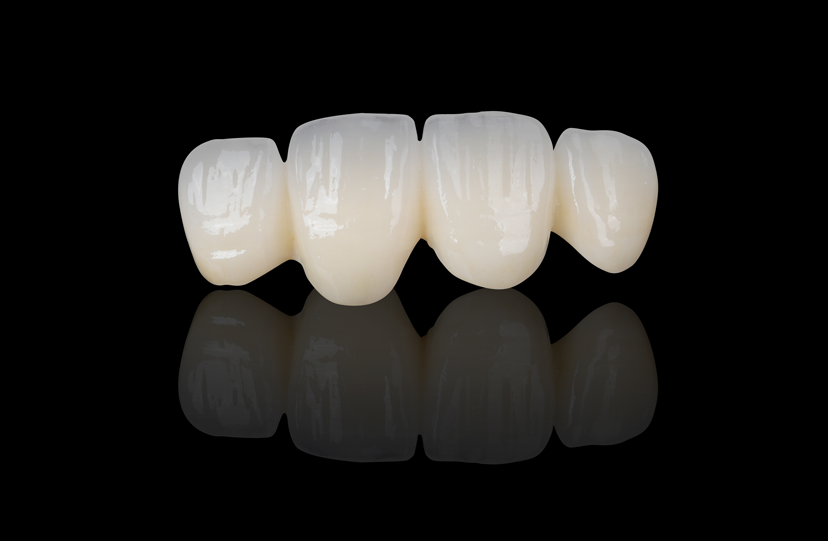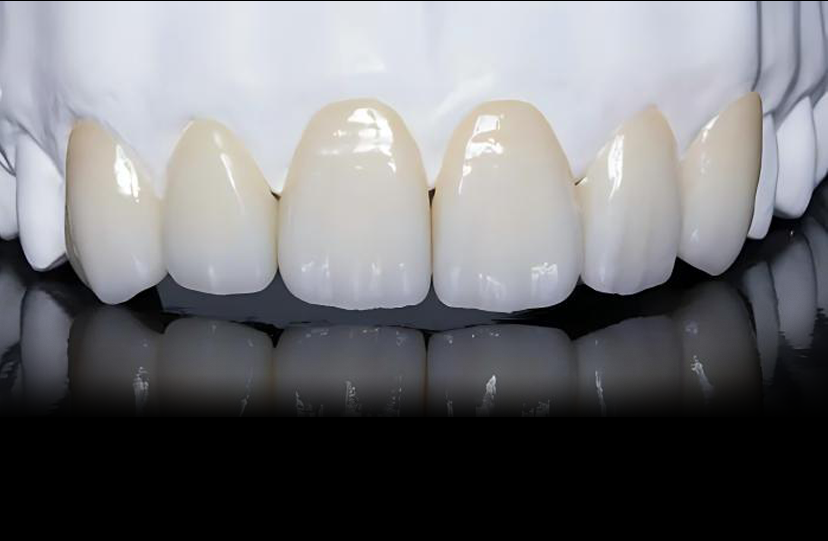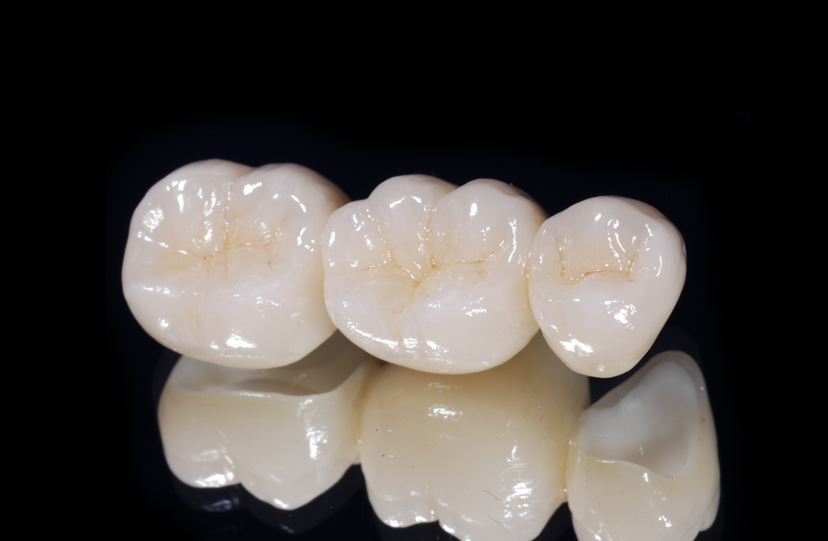
Non-Veneered Zirconia
Non-Veneered Zirconia Crowns & Bridges | HYC Dental Lab
When your patients need posterior restorations that can withstand heavy occlusal forces, Non-Veneered Zirconia delivers unmatched durability without compromise. At HYC Dental Laboratory, we've culminated the craftsmanship of making solid zirconia reclamations over 22 a long time, combining progressed CAD/CAM exactness with FDA-registered, CE-certified materials. Our item arrangements offer flexural quality surpassing 900 MPa, an extraordinary first-fit rate, and turnaround times as quick as 3 days. With ISO 13485:2016 certification backing each case, you get dependable, chip-resistant reclamations that secure your notoriety and fulfill indeed your most requesting bruxism patients.
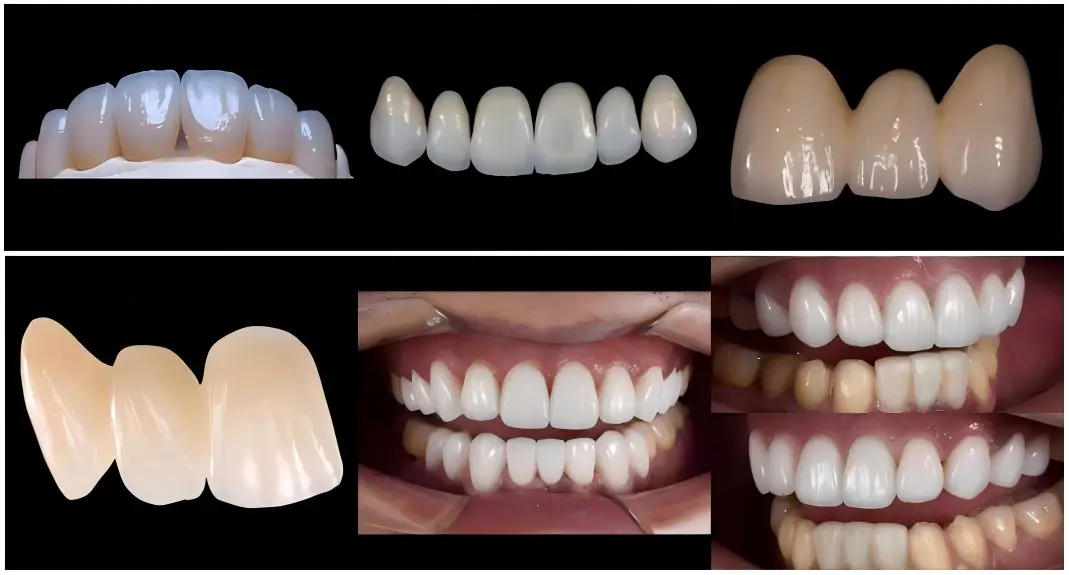
What Makes Non-Veneered Zirconia Different?
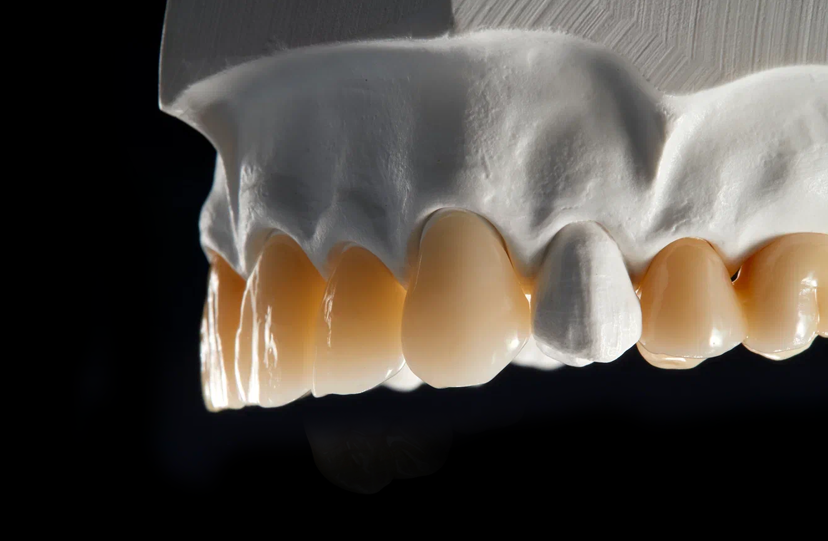
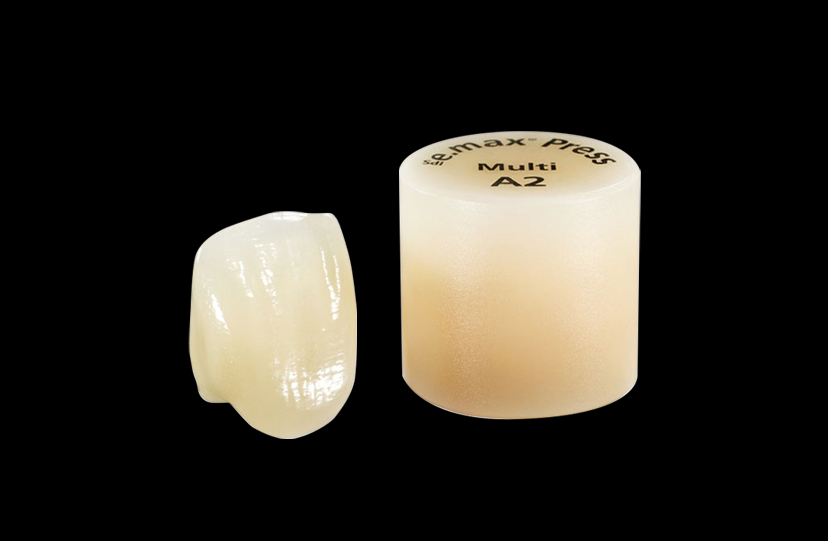
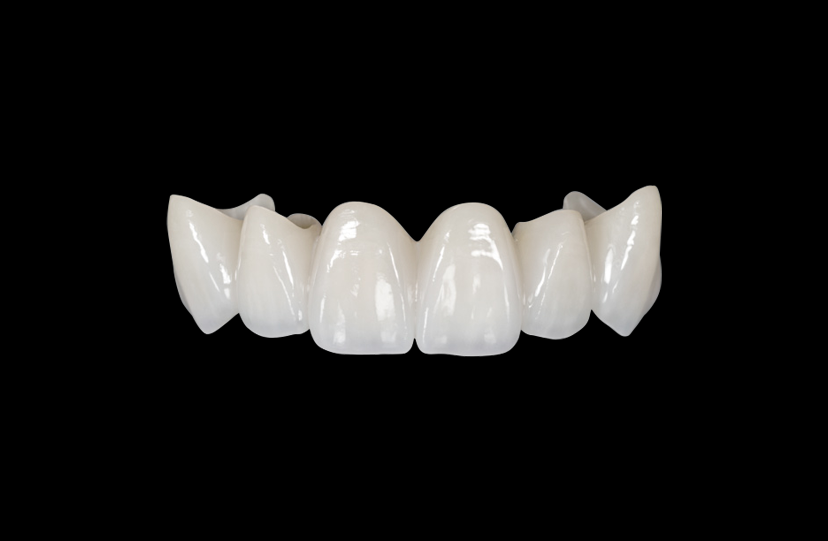
Unlike conventional layered crowns, solid zirconia is processed from a single pre-sintered square. There's no porcelain lacquer to chip or delaminate. You get one strong, homogeneous rebuilding that handles extraordinary chomp strengths with ease.
Key benefits include:
- Zero chipping risk – No layered porcelain means no fracture lines.
- Superior toughness – Flexural strength between 900–1,200 MPa resists cracking.
- Biocompatible and stable – Non-corrosive material that supports healthy gingival tissue.
- Minimal opposing wear – When properly polished, it's gentler on natural enamel than feldspathic porcelain.
- Long service life – Expect 10 to 15 years of reliable performance.
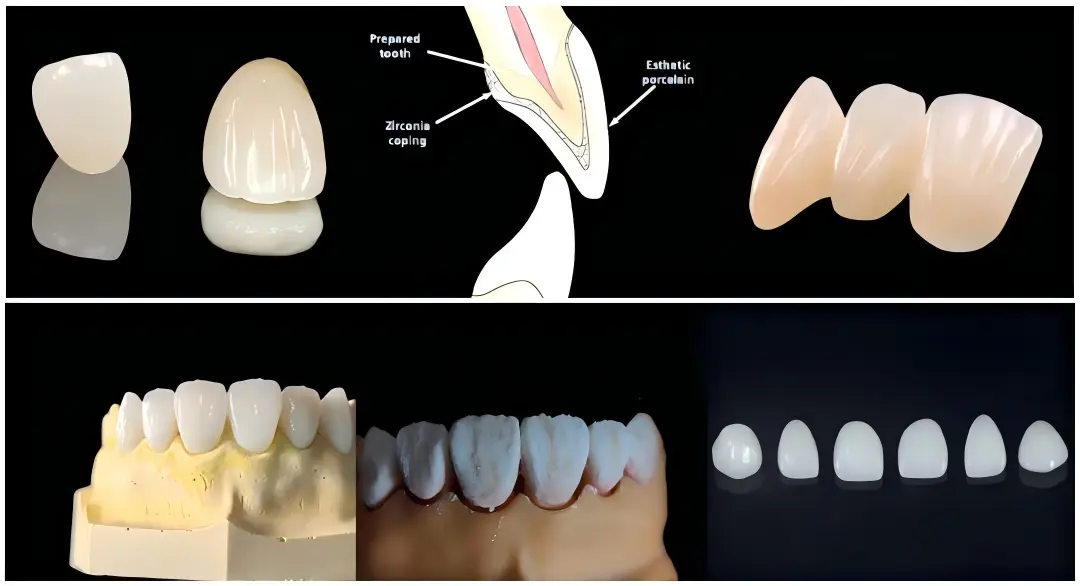
Technical Specifications
| Property | Specification |
|---|---|
| Material | CAD/CAM Monolithic Yttria-Stabilized Zirconia |
| Flexural Strength | > 900 MPa (up to 1,200 MPa) |
| Translucency | Low (High-Strength 3Y) |
| Fracture Toughness | High – resists chipping and breakage |
| Wear Resistance | Excellent (stain-resistant surface) |
| Biocompatibility | FDA-listed, CE-certified materials |
| Fabrication Method | Digital CAD/CAM milling |
| Service Life | 10–15 years |
Clinical Indications
Non-Veneered Zirconia excels in high-stress scenarios where traditional ceramics fail:
- Posterior crowns and bridges – Molars and premolars under heavy load.
- Full-arch reconstructions – Predictable strength across multi-unit cases.
- Bruxism patients – Superior fracture resistance for grinders and clenchers.
- Full-mouth rehabilitations – Consistent quality and fit across large cases.
Preparation Guidelines
Clear, conservative preparation ensures optimal fit and longevity:
| Reduction Type | Single Crown | Bridge |
|---|---|---|
| Incisal / Occlusal | 1.5 mm | 2.0 mm |
| Facial | 1.2 mm | 1.5 mm |
| Cervical | 1.0 mm | 1.0 mm |
| Margin Design | Shoulder, bevel, or knife-edge acceptable | Shoulder or bevel preferred |
While 0.5 mm may be sufficient in some posterior regions, 1.0 mm uniform reduction is the gold standard for predictable fit and digital milling accuracy.
Why Choose HYC Dental Laboratory?
1. Proven Expertise
With over 22 years serving European and US clinics with Non-Veneered Zirconia, we understand your workflow and your patients' expectations.
2. Digital Precision
Our CAD/CAM technology ensures repeatable accuracy, exceptional marginal fit, and minimal chair time.
3. Certified Quality
- US FDA Registered
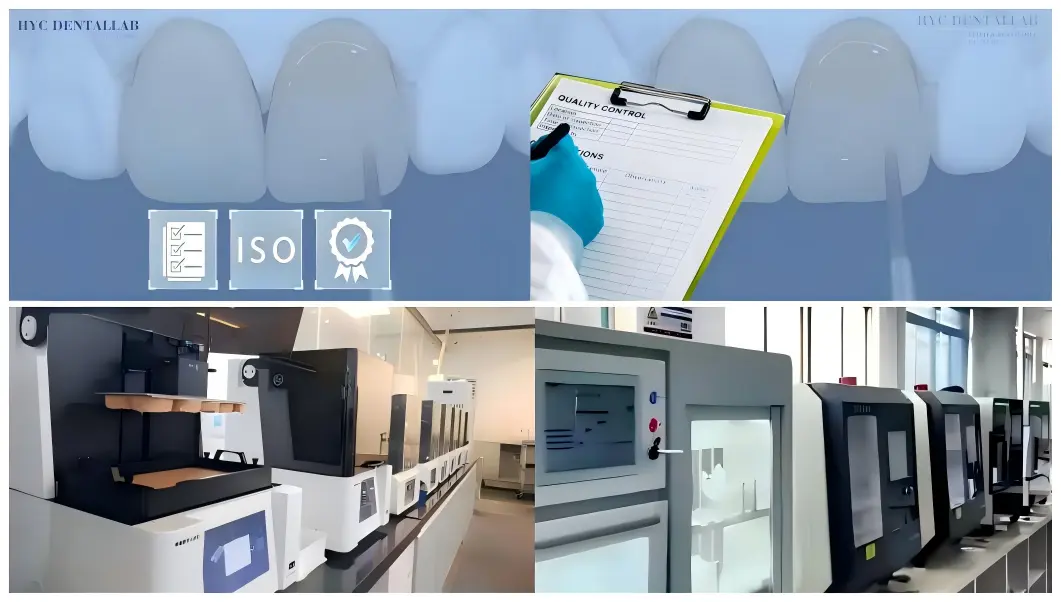
- ISO 13485:2016 Certified
- CE Certified Materials
4. Fast Turnaround
- Standard cases: 3-day shipment
- Fixed restorations: 4–5 days
- Expedited service available at no extra cost
5. Comprehensive Warranty
- Fixed restorations: 2-year warranty
- Removable restorations: 1-year warranty
- Free remake for quality-related issues
Aesthetic Considerations
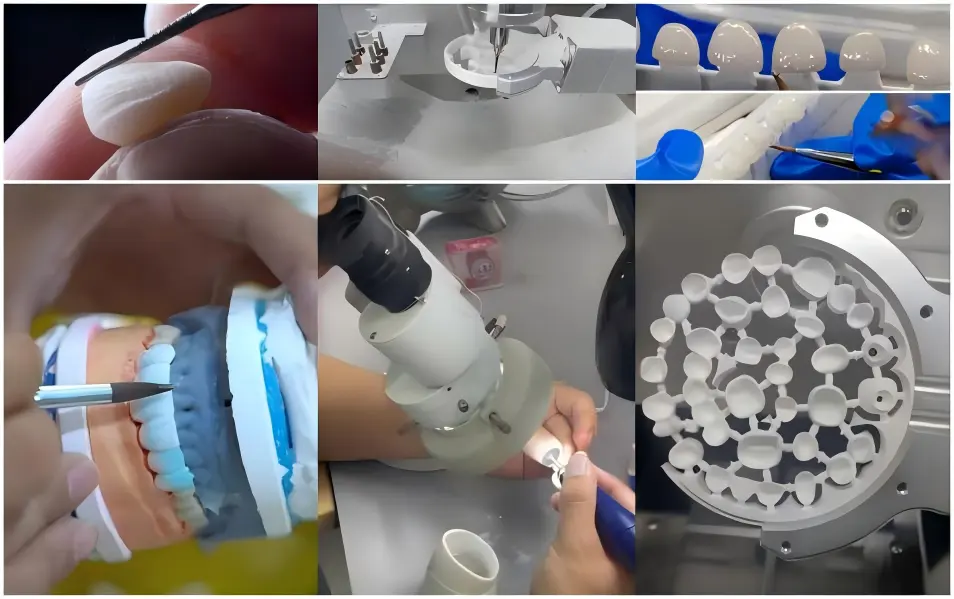
Low translucency in high-strength 3Y zirconia means it's not ideal for highly visible anterior teeth. However, you can achieve natural results by:
- Using pre-shaded discs for consistent internal color.
- Applying external stains for characterization.
- Choosing high-translucency 5Y zirconia for anterior singles when aesthetics are paramount.
For posterior zones, the strength-to-aesthetics trade-off is well worth it.
Frequently Asked Questions
Q:Will the product wear down opposing teeth?
A:Highly polished zirconia is actually less abrasive than feldspathic porcelain. If you adjust occlusion chairside, strictly follow a re-polishing protocol. A rough surface can act like sandpaper on natural enamel.
Q:Can I prepare only 0.5 mm of tooth structure?
A:While 0.5 mm is the absolute minimum for strength in some posterior regions, 1.0 mm uniform reduction is the gold standard. It gives your technician room to add characterization and ensures adequate digital milling thickness.
Q:How do we prevent the "white bathroom tile" look?
A:Use high-strength 3Y for posterior bridges and high-translucency 5Y for anterior singles. Pre-shaded discs deliver consistent internal color that won't disappear if you grind the occlusion.
Q:What's the best way to manage debonding without a porcelain liner?
A:Salivary proteins contaminate zirconia instantly during try-in. Use a zirconia cleaner (such as Ivoclean) followed by a 10-MDP primer (such as Z-Prime Plus or Clearfil Ceramic Primer) to achieve a true chemical bond—not just mechanical friction.
Contact Us
Experience the strength, precision, and reliability of HYC's Non-Veneered Zirconia restorations. Contact us today at info@hycdentallab.com to discuss your case requirements.
SC-Bold
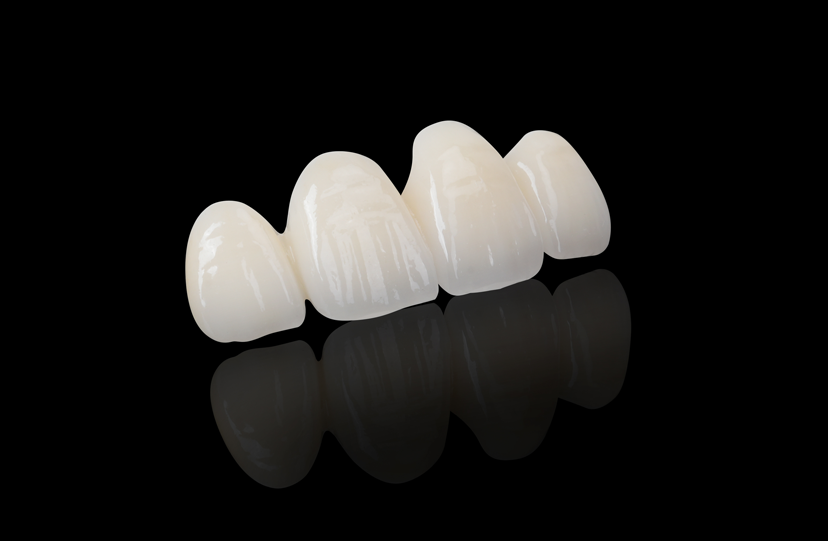
_1779414359377.webp "FMZ (Fully Milled Zirconia)")