Metal Chrome Partial Framework for Durable Custom Denture Solutions
Quick Answer
A Metal Chrome Partial Framework is a high-strength, precisely engineered dental prosthetic substructure made from a cobalt-chromium alloy. It is made to replace missing teeth in a way that is both durable and lightweight. Compared with acrylic-based partial denture frameworks, cobalt-chromium frameworks can offer greater rigidity, reduced bulk, and long-term durability when appropriately designed and fabricated. Chrome partial denture frameworks are a well-established option for dental laboratories and clinics seeking durable, rigid, and precisely designed removable prosthetic solutions when it comes to removable prosthetics that need to be strong, biocompatible, and work well for a long time.
Introduction
The American College of Prosthodontists says that over 35 million Americans are missing teeth in one or both arches. Removable partial dentures remain an established treatment option for patients with partial tooth loss. In this situation, picking between metal-based and acrylic resin frameworks has a big effect on treatment results, patient happiness, and the practice's ability to make money. Cobalt-chromium frameworks offer favorable mechanical properties and can be designed with relatively thin cross-sections, which may help reduce bulk compared with some acrylic-based designs. Understanding the technical and practical characteristics of cobalt-chromium frameworks can help dental professionals make more informed treatment and manufacturing decisions.
What is a Metal Chrome Partial Framework?

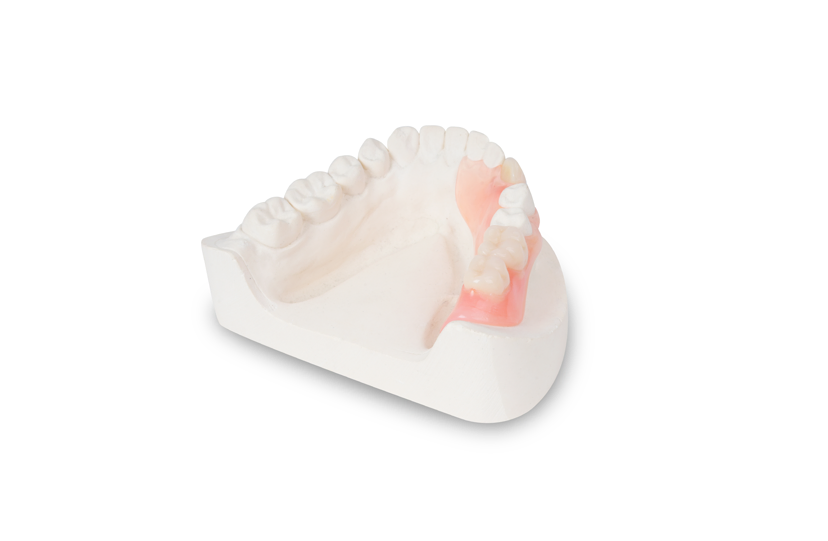
A Metal Chrome Partial Framework is the base for removable partial dentures. It is made from a biocompatible cobalt-chromium (Co-Cr) metal and is shaped using precision casting or CAD/CAM cutting. The framework typically includes major connectors, minor connectors, rests, and clasp assemblies, each serving a specific role in support, stabilization, and retention, including major connectors that hold the framework together, minor connectors that connect the false teeth, rest seats that spread the force of biting, and clasps that hold the framework in place around the abutment teeth.
The design of the framework is based on biomechanical principles found in prosthodontic research. This makes sure that the load is evenly distributed across the remaining teeth and ridges that don't have any teeth. Because cobalt-chromium alloys have high stiffness and strength, frameworks can generally be designed with thinner sections than conventional acrylic-based structures that need to be 2-3 mm thick for structural integrity, and thickness varies according to the alloy, design, location, loading conditions, and applicable laboratory and clinical guidelines, which means they cover a lot less of the palate and tongue. The reduced bulk of a well-designed metal framework may contribute to improved comfort and adaptation, while limited palatal coverage can be advantageous for speech and oral sensation during the important period of adaptation.
Benefits of Chrome Partial Frameworks
Using Metal Chrome Partial Frameworks in your restorative work has measurable clinical and operational benefits that directly address pain points that dental workers have found.
Patient-Centered Outcomes: The thinner design makes speech patterns clearer, and reduced palatal coverage may help some patients adapt to speech more easily compared with bulkier prosthetic designs than with acrylic designs. Patients say they feel more natural when they eat because the framework only covers a small part of the palate, which keeps temperature awareness and taste receptor function. This may contribute to patient acceptance and potentially reduce the need for extensive adjustment during the adaptation period.
Clinical Durability and Longevity: Cobalt-chromium dental alloys are characterized by high strength and elastic modulus, although specific values vary according to alloy composition and applicable material specifications. Their high stiffness and strength can provide structural stability under functional loading when the framework is appropriately designed in the back areas. Cobalt-chromium removable partial dentures can provide long-term clinical service, although longevity varies according to framework design, oral conditions, occlusal loading, maintenance, and patient factors. With proper care, acrylic-based removable partial dentures may have different long-term maintenance and replacement requirements depending on design, material, and clinical conditions. This longer service life lowers long-term costs for patients and cuts down on the number of times offices have to replace things.
Precision and Fit Accuracy: Modern CAD/CAM and precision manufacturing workflows can achieve controlled dimensional accuracy, depending on the equipment, material, design, and production process, with modern casting and CAD/CAM production methods. This level of dimensional control can contribute to consistent framework adaptation when supported by accurate impressions or digital scans and appropriate case design on prepared rest seats, and the clasp will join correctly. This accuracy cuts down on movements that speed up bone loss and on the number of chairside changes that need to be made. When laboratories work with experienced chrome framework manufacturers, they may achieve consistent framework adaptation through controlled digital design and quality assurance processes.
Hygiene and Tissue Health: The rigidity of the framework helps limit flexure during function and supports controlled load distribution across the prosthesis and supporting structures. Polished metal surfaces are better at keeping plaque off of them than weak plastic, which helps keep the gums around abutment teeth healthier. Appropriate framework design and oral hygiene are important for maintaining periodontal and mucosal health around removable partial dentures compared to those wearing all-acrylic alternatives.
These benefits all address the buying goals that dentistry professionals have identified: better results for patients, less pressure to remake, and higher practice efficiency.
Advantages Over Alternative Solutions
When compared to acrylic resin frameworks and flexible polymer alternatives, Metal Chrome Partial Frameworks have clear benefits in the market. Structural Advantages: Acrylic frameworks may require greater bulk to provide adequate structural support, whereas cobalt-chromium frameworks can be designed with substantially thinner sections while maintaining high rigidity while maintaining high structural rigidity. This can be particularly relevant in cases with limited interarch space, where minimizing framework bulk may be advantageous, or who have strong tongue muscles that make it hard to wear bigger prostheses.
Thermal Conductivity Management: Metal frames carry temperature signals, letting patients feel hot and cold foods more naturally. This is a sense that is completely blocked by acrylic palates, which insulate. The thermal conductivity of metal may allow patients to perceive temperature changes differently from patients wearing more insulating acrylic-based designs and helps patients get higher satisfaction scores on quality-of-life tests.
Customization Options: Chrome frames can handle complicated shapes and precise clasp designs that keep things in place while hiding metal parts as much as possible. Modern production techniques make it possible to completely customise each case, including changing the rest seat positions, clasp setups, and connector lengths based on the prosthodontist's instructions.
Stability Under Load: When teeth are loaded, the high elastic stiffness of Co-Cr keeps them from bending during function. The rigidity of the framework can help maintain stability during function and support controlled load transfer to the supporting structures. Even though flexible frames look nice, they bend a lot when they're loaded, which can speed up the breakdown of the gum tissue around the teeth they support.
Long-Term Economic Value: The initial cost of fabrication is 30–50% higher than acrylic alternatives, but the longer service life and lower frequency of remakes make them a better value. When chair time, laboratory fees, and patient happiness measures are taken into account, although initial fabrication costs may be higher than acrylic alternatives, the overall value should be evaluated based on expected maintenance, adjustment, replacement, and case-specific requirements.
Disadvantages and Considerations
To do an objective assessment, you have to be aware of the limitations that come with Metal Chrome Partial Frameworks.
Aesthetic Considerations: Metal clasps that can be seen may make the front of the smile look less attractive, especially for people with high lip lines. Modern design strategies lessen this problem by placing clasps strategically and using worked wire instead, but it's still not possible to be completely invisible. If you work with people who care a lot about how they look, you might need to talk about their goals during treatment plans.
Initial Cost Investment: Because of the higher prices of materials, specialised tools, and scientific know-how, laboratories usually charge more for chrome frameworks. The higher initial fabrication cost may be an important consideration for price-sensitive patients and practices, so it's important to be clear about the long-term value and durability benefits.
Adjustment Difficulty: Changing metal frames needs special tools and technical know-how that go beyond what a dental laboratory normally has. Making big changes to designs after they've been made is harder to do with heat-adjustable acrylic parts. This worry is lessened by good case planning and accurate impressions.
Weight Considerations: Cobalt-chromium frames feel heavier than plastic ones, even though they are thin. This is because of their mass (8.5 g/cm³). Many patients adapt to the feel of the framework over time, although adaptation varies among individuals; people with severe mandibular resorption may have problems with retention that need extra design thought.
These problems can still be dealt with by carefully choosing which cases to work on, teaching patients, and working together with skilled production laboratories.
Comparison: Chrome vs. Acrylic vs. Flexible Frameworks

Clinical Indications and Applications
Metal Chrome Partial Frameworks can be suitable for a wide range of removable partial denture applications, and dentists in both general and speciality practices may face.
Kennedy Classification Cases: Metal framework design is good for all four Kennedy classifications, but it's especially good for Class I and II cases that need posterior extension bases. Properly designed rigid frameworks can help improve stability and control movement in distal-extension cases, which is important for keeping long-term stability in distal extension situations.
Complex Rehabilitation Cases: Chrome frames are useful for patients who need to replace many teeth in different quadrants because they spread occlusal loads efficiently. The major connector's stiffness keeps the arch together and stops midline fracture, which is a typical way for large-span acrylic prostheses to break.
Bruxism and Heavy Occlusal Forces: People who have parafunctional habits or strong masticatory muscles may benefit from the rigidity and strength of cobalt-chromium framework designs, depending on the individual case. Cobalt-chromium frameworks may be considered in selected cases involving heavy occlusal loading or a history of prosthetic fracture, whose teeth are worn down a lot, or who has had a denture break in the past.
Implant-Assisted RPDs: New treatment methods that combine dental implants with removable partial dentures use chrome frameworks to connect implant attachments with parts that are held in place by teeth. The accuracy of the framework makes it possible to accurately add retention methods while still keeping the ability to retrieve data for upkeep tasks.
Patients whose professional activities depend heavily on speech may benefit from a framework design that minimizes unnecessary palatal coverage: Jobs that require clear speech benefit greatly from chrome frameworks' limited palatal coverage. Phonetic studies show that metal forms are better for these specific patient groups because they make lingual and palatal sounds clearer than plastic options.
Materials and Composition
Metal Chrome Partial Frameworks' performance is directly related to the metals that make them up and the materials that are used to make them.
Primary Alloy Composition: Dental cobalt-chromium alloys vary in composition according to the specific alloy system and manufacturer. Typical formulations contain cobalt and chromium as major constituents, with additional elements such as molybdenum and other trace components, 5 to 10% molybdenum, and trace amounts of manganese, silicon, and carbon. For intraoral uses, Alloy composition is selected to provide an appropriate balance of mechanical properties, corrosion resistance, castability, and biocompatibility, having good mechanical strength, being biocompatible, and not corroding.
Regulatory Compliance: All alloys used must meet the requirements of ADA Specification No. 14 and ISO 22674 for casting metals used in portable partial dentures. Biocompatibility is checked by Applicable biocompatibility evaluations, which may include testing under relevant ISO 10993 standards, depending on the material and regulatory requirements. These tests include cytotoxicity, sensitisation, and irritation checks. For regulatory compliance and traceability, laboratories should check the certifications of materials and keep records.
Alternative Material Considerations: Titanium frames are a new choice that offer lighter weight and better biocompatibility, but they are harder to make and cost more, so they aren't used very often. Gold used to be used for high-end cases, but cobalt-chromium has mostly taken its place because it is cheaper and still works just as well in clinical settings.
Acrylic Teeth and Base Materials: Framework-supported false teeth are usually made of cross-linked acrylic resin or composite materials that are chosen for their durability and colour stability. The denture base that goes over ridges where teeth are missing is made of PMMA plastic that is chemically linked to the metal framework using retention beads or mesh structures that are built in during casting.
Choosing the right materials has a big effect on how well the framework works. Premium metals and strict quality control lead to better clinical results that support higher costs for practices that focus on quality.
Manufacturing Workflow and Quality Control
Knowing how Metal Chrome Partial Frameworks are made lets you evaluate suppliers wisely and set reasonable deadlines.
Digital Design Phase: In modern processes, intraoral or model scanning is the first step. This creates STL files that are then imported into specialised CAD software. Prosthodontic technicians use computers to create the shape of the framework based on the dentists' prescribed path of insertion, rest seat locations, and clasp specifications. For complicated cases, the design time varies according to case complexity, digital workflow, and laboratory procedures.
Pattern Creation: There are two main ways to make patterns: using wax to make patterns traditionally, or 3D printing resin patterns. Additive manufacturing is increasingly used in dental laboratory workflows because it can support efficient pattern production and digital integration. Before going through the investment process, printed designs are checked to make sure they are accurate in terms of size.
Investment and Casting: Patterns are put into phosphate-bonded investment material that can handle temperatures higher than 1400°C for casting. Centrifugal or vacuum-pressure systems are used in the casting process to make sure that all of the metal flows into the small details of the framework. Controlled cooling keeps metals from distorting and improves their mechanical properties.
Finishing and Polishing: After being divested, the castings are carefully finished by getting rid of any investment residue and casting sprues and making all the tissue-contacting and clasp surfaces smoother. Multiple stages of finishing make exposed parts look like mirrors while keeping certain textures on retention parts. This step needs a lot of work, takes 3–5 hours, and has a big effect on the final quality.
Quality Verification: Reputable makers use multi-point inspection procedures that include checking the dimensions against digital designs, figuring out how well the parts fit on master models, and looking for holes or casting flaws visually. Frameworks that do not meet defined quality criteria should undergo appropriate corrective action or remake procedures according to the laboratory's quality management system.
Try-In and Final Assembly: Once the framework is approved, the false teeth are put in place according to occlusal guidelines and stylistic standards. The last step in the process is to attach the acrylic base material to the framework. This is done by finishing, polishing, and checking the quality one last time before shipping.
For routine cases, standard production times are between 3 and 5 business days. For urgent clinical situations, faster processing is available. This makes the process more complicated, which makes it even more important to choose manufacturing partners with strong quality control systems and technical know-how.
Cost Factors and Pricing Considerations
The price of a Metal Chrome Partial Framework depends on several factors, with pricing varying according to framework design, material, manufacturing method, case complexity, and laboratory service requirements.
Material Costs: A cobalt-chromium alloy makes up 20 to 30 percent of the cost of production. Premium certified alloys sell for more money. Price changes can happen in the markets for common metals, but material costs can fluctuate according to alloy composition and broader raw-material market conditions.
Design Complexity: Kennedy Class III frameworks that are simple and have two sets of teeth supporting them take less time to design and have easier casting patterns than Class I cases that have complicated stress-breakers and many clasps. The cost of labour and materials goes up with each extra clasp assembly or rest seat.
Manufacturing Methodology: In traditional casting processes, the cost of labour is higher, but the cost of equipment is cheaper. For CAD/CAM workflows to work, you need to buy a lot of expensive equipment for scanning, design software, and milling. However, these costs are spread out over a lot of units, which could make the price per unit lower.
Customization Requirements: Base prices stay the same for standard framework designs that use standard clasp setups and link sizes. For custom solutions that address specific physical problems or personal tastes in terms of style, you may have to pay more for extra design consultations.
Regulatory Compliance and Certification: Companies that keep their FDA registration, ISO 13485:2016 certification, and full quality management systems up to date have to pay for them, and the prices reflect this. These certifications and registrations can demonstrate that applicable quality-management and regulatory requirements have been addressed, which are important factors for practices that want to minimise risk.
Order Volume and Relationship Factors: Laboratories that consistently make a lot of cases usually get better pricing. Long-term relationships with dependable manufacturing partners can save you money and make sure that your products get made first during times of high demand.
Geographic and Logistics Considerations: Manufacturing and logistics costs vary by region, production model, shipping requirements, and service level, but shorter shipping times and easier contact often make up for the higher prices. For important items, express shipping costs an extra $30 to $75, based on the level of service and the location.
Purchasing managers should look at the total cost of ownership, which includes things like the number of remakes, the time it takes to make adjustments, and how happy the patients are.
How to Choose a Reliable Supplier
Choosing manufacturing partners for Metal Chrome Partial Frameworks is a big business choice that can affect patient results, the practice's image, and how well it runs.
Manufacturing Capability Assessment: Look at the company's ability to make things, its technology infrastructure, and its employees' technical know-how. Suppliers should show that they are good at both traditional casting and modern CAD/CAM, so they can work with a variety of case types. Ask for proof of the facility's capabilities and information on its production capacity to make sure it can consistently handle your case load.
Quality Management Systems: Give companies that keep their ISO 13485:2016 certification extra weight because it shows they are serious about meeting quality standards for medical devices. Check the state of your supplier. Verify the supplier's applicable FDA registration and device-listing status, where required, and confirm that the regulatory status applies to the relevant products and activities to make sure you're following the rules for selling your products in the US. Ask for quality measures like redo rates and first-time fit rates.
Materials and Regulatory Compliance: Make sure that verify that the supplier uses appropriate dental alloys supported by applicable material documentation, regulatory information, and traceability records, and that ADA and ISO standards are met. Suppliers should give material approvals and keep a lot of paperwork that can be used to track materials. Find out what the quality control procedures are for both new materials and finished goods.
Customization and Design Support: Find out if they are ready to work with special design requests and if they offer technical advice. Experienced providers may offer technical design support for complex prosthodontic cases to improve framework designs for difficult cases, which goes above and beyond basic manufacturing services.
Communication and Responsiveness: Look at how clear the turnaround time is, how easy it is to get in touch for case discussions, and how well the communication systems work. Language skills, being able to work with people in different time zones, and having dedicated account management all have a big effect on working relationships, especially when dealing with pressing situations or technical questions.
Delivery Performance and Flexibility: Standard response times should be able to work with practice schedules, and output rounds of 3–5 days are considered standard in the business. Check whether the supplier offers expedited production and shipping options for time-sensitive cases. Deliveries that are always on time keep patients' schedules and the practice running smoothly.
Warranty and After-Sales Support: Reputable companies stand behind their work with full warranties, which usually last for one year for removable prosthetics. Make sure you understand the guarantee terms, the remake policies for problems with fit, and the technology support options for help with adjustments.
Experience and References: Ask for case files that show experience with difficult recovery cases that are similar to the ones your patients are going through. Professional recommendations from well-known practices can tell you a lot about the quality of a long-term relationship.
Maintenance and Care Instructions
Following the right care steps will make the Metal Chrome Partial Framework last longer and protect the underlying oral structures.
Daily Cleaning Protocols: After meals, patients should take out and rinse their prostheses using soft-bristle brushes and denture cleaners that don't scratch. Metal frames can handle mechanical cleaning better than plastic ones, but you should avoid using harsh toothpastes to clean them because they can scratch the surface and make plaque stick to it. Patients who have trouble using their hands can effectively remove bacteria with ultrasonic tools.
Overnight Storage: To keep plastic parts from drying out and changing sizes, frameworks should be kept in water or denture soaking solutions. Cobalt-chromium alloys offer good corrosion resistance, although appropriate cleaning, storage, and maintenance remain important; solutions should be changed every day to keep bacteria from growing.
Professional Maintenance: Every year, a dentist will check the structure's integrity, the retention of the clasp, the relationship between the teeth, and the health of the supporting tissues. Clasp changes keep the teeth in place properly without applying too much force, which would make the bridge teeth move faster. Professional maintenance can help manage plaque and calculus accumulation that cannot be adequately controlled through home care alone.
Monitoring for Complications: Patients need to learn how to spot warning signs like looseness, movement, mucosal discomfort, or changes in the opposite teeth. Problems can be fixed quickly by a professional review, before they become major problems.
Abutment Tooth Monitoring: Teeth that support other teeth need strict preventive care, such as regular cleanings, fluoride applications, and improving how you take care of your teeth at home. Keeping the abutment healthy is very important for the framework's life, so periodontal care is an important part of the success of the prosthesis.
Key Takeaways
Metal Chrome Partial Frameworks are a well-established option for removable partial denture treatment, particularly when rigidity, durability, and reduced framework bulk are important considerations in removable prosthodontic therapy because they last longer, are more comfortable for patients, and are more valuable in the long run than other materials. Their thin design keeps natural oral sensations and speech disturbance to a minimum, and their high strength means that, with appropriate design, fabrication, oral hygiene, and maintenance, cobalt-chromium frameworks can provide long-term clinical service. Even though the initial costs are higher than acrylic alternatives, their higher initial cost may be offset in some cases by durability and maintenance considerations, although overall value varies by case and clinical requirements for practices that value quality outcomes. For implementation to go well, manufacturing laboratories must be able to show that they follow the rules, have quality management certification, and have proven technical expertise. When dental experts are looking at different suppliers, they should put first-time fit accuracy, shipping reliability, the ability to customise, and full warranty support at the top of their list. The framework's combination of rigidity, reduced bulk, and long-term durability makes it a strong option for appropriately selected removable partial denture cases for people who want long-lasting, comfy tooth replacement options.
FAQ
Will the metal framework feel bulky or interfere with speech and taste?
When it comes to removable prosthetics, Metal Chrome Partial Frameworks are the "slim-fit" choice. When compared to plastic options, they can be designed with a relatively thin profile, which may reduce intraoral bulk compared with some acrylic-based designs, which can help with speaking and eating more naturally. The lower coverage of the palate keeps taste and temperature senses that bigger plastic dentures completely block.
How much longer will chrome frameworks last compared to plastic alternatives?
When it comes to long-term use, chrome frames are a durable option for removable partial dentures. Even though they cost more at first, they usually last longer than plastic dentures by several years, lasting 7–10 years compared to 3–5 years for acrylic designs. Because they last longer, they are cheaper in the long run, even though they cost more at first.
Are chrome partial frameworks biocompatible and safe for long-term wear?
Dental cobalt-chromium alloys go through strict biocompatibility testing according to ISO 10993 guidelines, showing that they are very compatible with tissue. Cobalt-chromium alloys have a long history of use in removable prosthodontics. However, individual patients may have sensitivities to specific alloy components, so relevant medical and dental history should be considered. Appropriate regulatory documentation and material traceability can help support compliance with applicable requirements and quality-control processes.
Can chrome frameworks be repaired if damaged?
Small changes can be made, and clasps can be tightened either chairside or in a laboratory. Due to problems with welding and possible changes in the metal's properties, major structural damage usually means that the framework needs to be replaced instead of fixed. Damage risks are kept to a minimum over the framework's service life by handling and maintaining it properly.
How quickly can I receive a chrome partial framework?
Standard production times are three to five business days after receiving an impression, but pressing cases can be processed faster. Express shipping manufacturers can get finished prostheses to patients within four to five days, and flash delivery choices let them get them the next day if important clinical deadlines require quick completion.
What makes chrome frameworks superior for patients with strong bite forces?
Cobalt-chromium has a tensile strength of over 500 MPa, which is higher than the tensile strength of acrylic or flexible alternatives. This mechanical advantage is very important for people with bruxism or strong jaw muscles because it stops the midline cracks and clasp breaks that happen with weaker materials.
Do chrome frameworks require special cleaning procedures?
Patients should use soft-bristle brushes and cleaners that don't scratch their dentures as usual. Properly finished and polished metal surfaces can facilitate routine cleaning, although plaque and calculus can still accumulate without appropriate oral and prosthesis hygiene, which makes cleaning them easier. Ultrasonic cleaning may be appropriate in certain situations, provided that the cleaning method is compatible with the prosthesis, denture base, teeth, and manufacturer's recommendations.
How do I know if my supplier uses quality materials and manufacturing processes?
Make sure that suppliers keep their ISO 13485:2016 certification and FDA registration, which shows that they are committed to meeting quality standards for medical devices. Ask for material certificates that say the metals are FDA-approved, and ask about quality control procedures. Reputable manufacturers are open about their production process and quality metrics, such as the percentage of parts that fit the first time.
Partner With HYC for Premium Chrome Framework Manufacturing
When it comes to dental products, HYC Dental Laboratory has more than 22 years of experience in dental laboratory manufacturing, with a focus on consistent quality and technical precision. Our ISO 13485:2016-certified factory uses advanced CAD/CAM technology and cobalt-chromium alloys with applicable FDA regulatory status. Based on HYC's internal quality records, our chrome framework workflow has achieved a first-time fit rate of over 92%. This approach is designed to help reduce avoidable remakes and minimize unnecessary chairside adjustments. Deliveries that are reliable are very important to dental practices. That's why we offer standard 3-day production dispatch and a total response time of 4-5 days for removable cases, as well as expedited production and shipping options for time-sensitive cases. Before it is shipped, every chrome framework we make goes through a strict, multi-point quality check to make sure it is the right size and has no structural problems. Our removable prosthetics are supported by a one-year warranty covering eligible manufacturing defects, subject to the applicable warranty terms. This provides clear support for practices managing eligible manufacturing-related issues. We are an experienced framework maker that works with dental laboratories, clinics, and DSOs all over the United States. We work with dental laboratories, clinics, and DSOs to provide case-specific framework designs based on clinical prescriptions and laboratory requirements. You can email our technical team at info@hycdentallab.com to talk about your chrome framework needs, get case-specific advice, or get detailed quotes for your practice's volume needs.
References
1. American College of Prosthodontists. (2018). Removable Partial Dentures: Clinical Concepts and Laboratory Procedures. Chicago: Quintessence Publishing.
2. Carr, A.B., & Brown, D.T. (2021). McCracken's Removable Partial Prosthodontics (13th ed.). St. Louis: Elsevier.
3. Phoenix, R.D., Cagna, D.R., & DeFreest, C.F. (2020). Stewart's Clinical Removable Partial Prosthodontics (5th ed.). Chicago: Quintessence Publishing.
4. International Organization for Standardization. (2016). ISO 13485:2016 Medical Devices - Quality Management Systems. Geneva: ISO.
5. Brudvik, J.S. (2019). Advanced Removable Partial Dentures: Clinical and Laboratory Concepts. Chicago: Quintessence Publishing.
6. Davenport, J.C., Basker, R.M., Heath, J.R., & Ralph, J.P. (2017). A Colour Atlas of Removable Partial Dentures. London: CRC Press.
YOU MAY LIKE
_1779414398631.webp "Malong Bridge(All-on-X)")
.webp "Ni-Cr PFM (Nickel-Chrome)")