Can PFM Yellow Gold Improve Crown Longevity?
PFM Yellow Gold crowns remain one of the most reliable restorative options in modern prosthodontics, particularly when long-term durability is a priority, especially when durability is the most important thing. Clinical evidence suggests that properly fabricated and maintained PFM Yellow Gold restorations can provide excellent long-term clinical performance when properly cared for. These restorations combine the biocompatibility of high-noble gold alloys with the esthetics of porcelain, biocompatible properties of high-noble gold metals with the beauty of porcelain to create restorations that balance strength, esthetics, and long-term reliability, a long-lasting restoration option. The enamel-friendly wear properties of PFM Yellow gold minimize wear on opposing dentition and provide excellent marginal integrity and fit accuracy. With the right care, these caps made of porcelain have, clinical literature reports, reported survival periods of 20–50 years in appropriate clinical situations, though individual results vary, which is a lot longer than many other materials. The high amount of noble metals makes the tooth chemically neutral, which stops tissue discoloration and rusting and keeps the structure stable even when heavy forces are applied to the teeth.
Understanding PFM Yellow Gold and Its Composition
What Makes Yellow Gold Alloys Unique in Dental Restorations
PFM Yellow gold alloys are unique when it comes to dental restorations because, most of the time, they typically contain gold alloyed with platinum, palladium, silver, and copper in the PFM Yellow gold metals used in PFM Yellow gold crowns. This mix makes a high-noble metal restoration that is very biocompatible and has great mechanical qualities. The soft, naturally gold-colored metal is very flexible and easy to shape, so it can be precisely shaped to fit tooth preparations. These qualities directly lead to better marginal fit and lower retake rates, which is one of the most important issues for dental labs and procurement managers. The formula ensures that the excellent biocompatibility and is very gentle on the natural teeth that are next to it. This makes it well-suited for patients with heavy occlusal demands or have heavy occlusal demands.
Manufacturing Precision Behind Gold Alloy Restorations
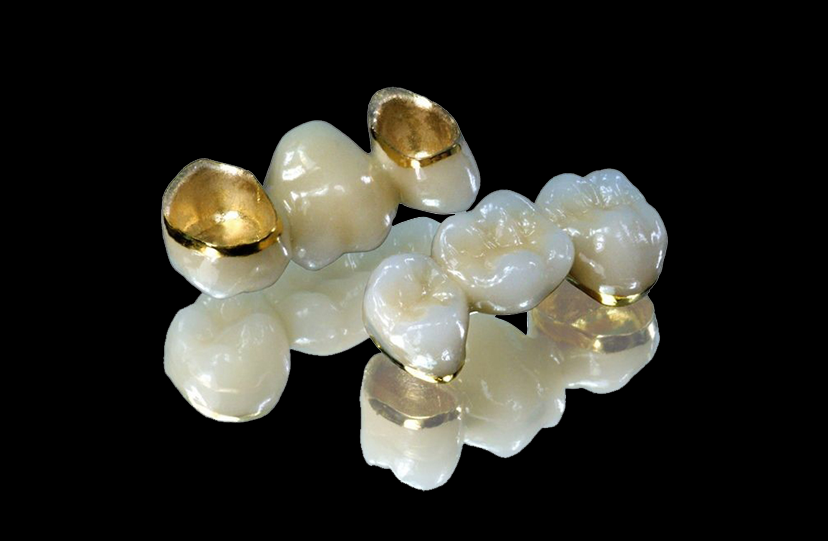
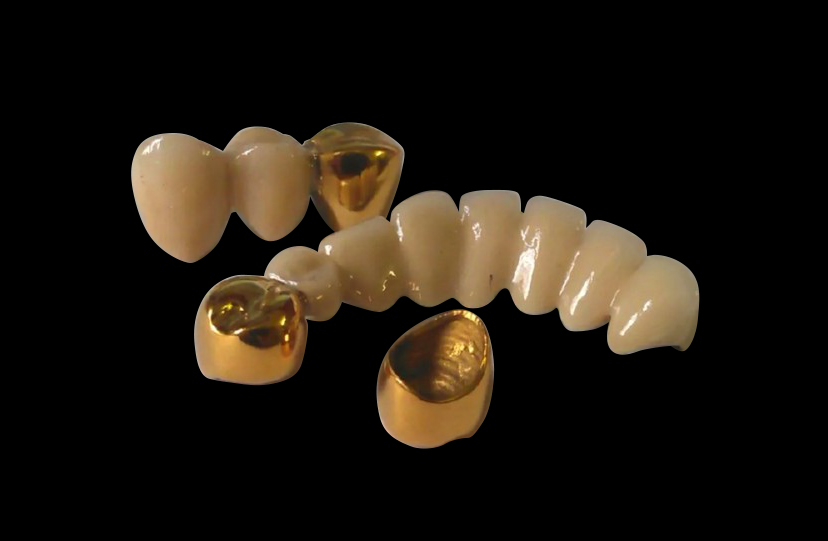
Traditional lost-wax casting methods and precise digital CAD/CAM milling are both used to make PFM Yellow gold crowns. The first step in manufacturing is making a base that has good minor integrity and fits perfectly. Controlling the thickness and opacity is very important during the ceramic stacking process. Instead of using standard white opaque washes, skilled workers use gold-tone opaque washes to match the metal core. This is followed by high-value opaque layers, and finally, dentin porcelain is applied. This multi-layered method ensures that the warm background of the gold improves natural translucency, giving the piece a providing a natural enamel-like appearance. A 1.5 mm to 2 mm decrease of the face makes enough room for proper ceramic stacking, which keeps the yellow metal from showing.
The Role of High Noble Metal Content in Performance
PFM Yellow golds are different from base metal options because they contain a lot of noble metals. Because the makeup has a direct effect on the tensile strength, these restorations can be used on bridges with up to 14 units of span. Gold alloys have a lower hardness than many base-metal alloys, so it doesn't wear down the teeth next to it as much. This is important for keeping your mouth healthy in general. Its enamel-friendly wear characteristics that are adjacent teeth set PFM Yellow gold apart from zirconia and other stronger materials. Gold doesn't react with chemicals, so it doesn't rust or get gum tattoos. It also has a long, well-documented clinical history spanning several decades that younger materials don't have. This extensive track record gives procurement professionals confidence in long-term supply chain stability and consistent clinical outcomes.
Evaluating the Longevity of PFM Yellow Gold Crowns
How Gold Alloys Resist Common Failure Modes
Most crown failures are caused by mechanical wear, broken porcelain, or bad biological responses. These risks are lessened by the natural qualities of PFM Yellow gold crowns. PFM Yellow gold metals have a wear resistance that is very close to that of real tooth enamel. This makes for a balanced bite that stops teeth from breaking down too quickly. Chipping or delamination is less likely to happen with strong metal-porcelain bonds than with weak alloy systems. The excellent marginal seal stops microleakage, which lowers secondary decay and the need to replace the material too soon. When it comes to buying, these features directly address problems like warranty claims and the number of remakes, saving money over the life of the restoration.
Clinical Evidence Supporting Extended Service Life
Clinical studies consistently demonstrate that restorations made of high-noble gold metal last longer than many other options. If you take good care of your PFM Yellow gold crowns, with proper care, Clinical literature reports service life ranging from approximately 20 to 50 years with proper care, reflecting the benefits of high marginal integrity and enamel-friendly wear characteristics. Because gold is flexible, the restoration can allow limited elastic deformation when it's loaded. This spreads the stress more evenly and helps reduce catastrophic tooth fracture under functional loading. When used in the back, where occlusal forces are highest, this toughness is especially helpful. Studies in clinics have shown that PFM Yellow gold replacements have lower failure rates and fewer problems. This means that patients are happier, and it takes less time to make adjustments at the chairside, which are both important factors for clinic operations managers to consider when judging the performance of suppliers.
Comparative Performance Analysis Across Materials
There are several differences in how well PFM Yellow golds work when compared to zirconia, full gold, or base metal options. Monolithic zirconia provides excellent mechanical strength and esthetics; some clinicians note it may cause more wear to opposing dentition compared with softer alloys. Full gold restorations offer maximum durability but more limited esthetics. Base metal PFMs are typically more economical initially, but some alloys may be more prone to corrosion or tissue discoloration over time. PFM Yellow gold crowns offer a strong balance of esthetics, biocompatibility, longevity, and cost-effectiveness can be found in PFM Yellow gold crowns. Because of this, they are very appealing to procurement managers who want to keep quality standards high across dental service organizations with multiple locations while lowering the total cost of ownership.
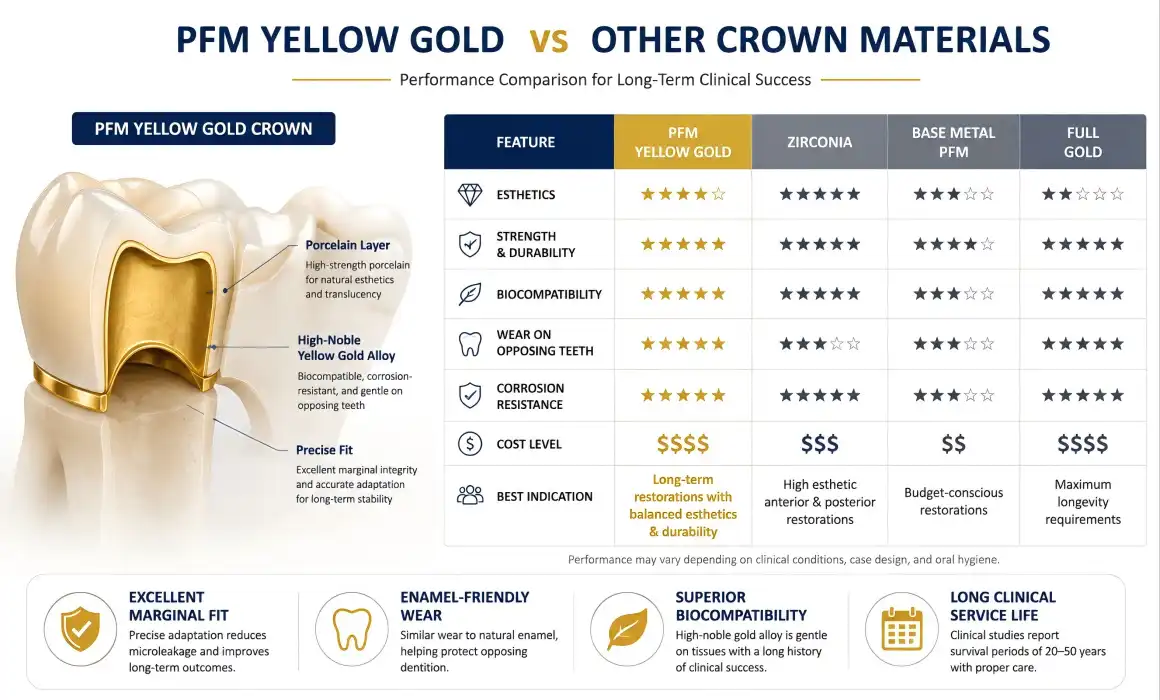
Making the Right Choice: PFM Yellow Gold vs Alternatives in B2B Procurement
Critical Certification and Compliance Factors
When making decisions about purchases, you have to take into account the different rules that must be followed by different foreign markets. To ensure patient safety and product saleability, PFM Yellow gold replacements must be manufactured in FDA-registered facilities, obtain CE registration, and have ISO 13485:2016 quality control systems in place. Biocompatibility testing according to ISO 10993 guidelines proves that the tissue reaction is not harmful. All products should be on the FDA's list so that they can be tracked and people are held responsible all along the supply chain. These licenses lower the chance of buying things and make it easier to get tooth restorations through customs. When regulatory compliance is a top priority for quality assurance teams, they find that PFM Yellow gold alloys offer a lot of paperwork and proven safety ratings. This makes it easier to approve new supplier relationships.
Evaluating Supplier Reliability and Production Capabilities
To find reliable manufacturers, you need to look at how precise their production is, how well they can accommodate customizations, and how reliable their delivery is. Suppliers should show that their products always fit the first time correctly by showing case studies and low remake rates. To meet a wide range of clinical needs, it is important to be able to handle 100% personalized production based on doctor and lab design requirements. Because dental restorations need to be made quickly, standard production turnaround is typically 3–5 working days, and faster choices are available for critical cases. Clear lines of contact and quick technical help make operations run more smoothly and ensure the stability of the relationship over time. Procurement managers need to make sure that suppliers can handle large orders while keeping quality standards high. This is because the ability to increase production rate has a direct effect on the stability of the supply chain.
Cost-Benefit Analysis for Long-Term Value
PFM Yellow gold crowns usually cost more at first than crowns made of base metal, but they are still a good investment in the long run. The longer service life (20–50 years) means that it doesn't need to be replaced as often, which lowers the total cost of ownership. Less redoing and adjusting saves money on materials and time in the office, which makes operations run more smoothly. The better marginal seal lowers the chance of secondary caries that needs extra care. When dentists talk about their choices with patients or budget committees, they can stress that spending more up front may reduce the likelihood of future replacement or more extensive restorative treatment or complicated revision treatments in the future. When you buy in bulk from certified suppliers, you can get big savings that make up for the higher cost per unit of materials while still following the rules and making sure of quality.
Optimizing Crown Longevity Through Proper Use and Maintenance
Best Practices for Crown Preparation and Fitting
The best way for a restoration to last as long as possible is to prepare the tooth properly. The occlusal reduction must leave enough space for both the metal base and the porcelain layers without affecting retention. Facial reduction of 1.5mm to 2.0mm ensures sufficient space to mask the PFM Yellow gold color while maintaining natural aesthetics. For regular preparations, chamfer margins work best, while shoulder margins are needed when porcelain needs to stretch to the edge for a better look. All sharp edges need to be smoothed out so that stress doesn't build up. Before final cementation, dentists should check for full seating, good proximal contacts, and appropriate occlusion during the fitting process. Dental labs need to make sure that their storage procedures keep finished restorations clean and safe during shipping. This stresses how important it is to have reliable transportation support and protective packing.
Patient Education and Routine Care Guidelines
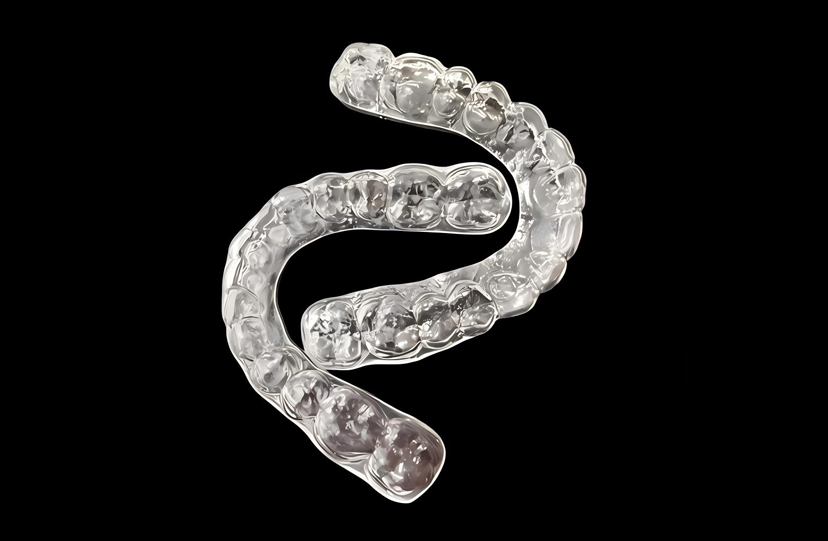
How long a crown lasts depends a lot on how well the patient follows their care schedule. As part of your home care, you should brush your teeth well with non-abrasive toothpaste, floss every day, and stay away from hard foods or parafunctional habits that could break porcelain. With regular professional cleanings, problems like marginal breakdown, occlusal wear, or porcelain chips can be found early on, before they get so bad that the restoration fails. Nightguards help people with bruxism sleep better by reducing the pressure they feel while they sleep. Dentists can explain to patients that the warm gold tone at the margin reflects the alloy's high noble-metal content, which is associated with excellent biocompatibility, especially when used in the back of the mouth. Proper patient education lowers patients' unrealistic hopes and raises their happiness with the look and function of their restoration.
Innovations Enhancing Future Performance
The performance of PFM Yellow gold crowns keeps getting better thanks to progress in materials science and production technology. Digital processes that use CAD/CAM milling can achieve tighter tolerances than traditional casting methods. This makes fit accuracy even better by improving marginal accuracy and manufacturing consistency. New porcelain formulas make it easier for porcelain to bond to metal substructures while keeping the porcelain's natural transparency. New metal mixes find the best balance between flexibility and strength, which means more uses for long-span bridges. These new ideas are in line with buying goals that focus on consistent quality and making production more efficient. When manufacturers spend money on advanced quality control systems and improving their processes all the time, procurement teams have more faith in the safety of the supply chain and the reliability of the products they sell. These are important things to think about when evaluating a long-term partnership.
Conclusion
PFM Yellow Gold crowns are a tried-and-true option for dentists and procurement teams who value long-lasting restorations, biocompatibility, and clinical dependability. High-quality PFM Yellow Gold alloys have special qualities that make them last a very long time. Often, Clinical studies have reported survival periods of 20–50 years under appropriate conditions. This is because they have better marginal integrity, wear characteristics that are friendly to enamel, and chemical inertness. When choosing where to get these restorations, people making decisions shouldn't just look at the original material prices. They should also look at the supplier's certifications, production capabilities, shipping reliability, and total cost of ownership. Crowns work best when the tooth is properly prepared, they are made precisely, and the patient is taught how to care for them. As digital production and materials science keep getting better, PFM Yellow gold restorations will remain a reliable choice for difficult clinical situations, especially in the back of the mouth and for patients who have strong occlusal forces.
FAQ
Why does yellow gold cause less wear on opposing teeth compared to zirconia?
The rate of wear on PFM Yellow gold alloys is almost the same as natural tooth enamel, which makes them very "enamel-friendly." Zirconia is stronger and esthetics better, but over time, its greater hardness may increase wear of opposing dentition under certain conditions very quickly. This is especially hard for people who have parafunctional habits. Because PFM Yellow gold is softer, it provides a proper occlusion that keeps the patient's natural teeth. Clinicians who treat heavy grinders may suggest a hybrid method, which includes a full-metal occlusal surface made of PFM Yellow gold for stability and safety of the opposing dentition, along with porcelain on the facial side for esthetics. This way of thinking about design brings out the "kindness" of gold while still meeting standards for how it esthetics.
How do I justify the higher cost of yellow gold PFM to procurement committees?
When it comes to PFM Yellow Gold restorations, PFM Yellow gold is the metal that is least likely to react with chemicals. It doesn't rust, change the color of your gums, or cause bad responses in tissues. The clinical track record of 50 years gives people trust that newer materials that newer restorative materials have not yet accumulated. Even though they cost more at first than base metal options, the better marginal seal and fit accuracy often make them last ten years or more than other materials. This long life could save people from having to pay for expensive restorations or implant surgeries in the future. Instead of just comparing prices, procurement teams should figure out the total cost of ownership, which should include remake rates, warranty claims, and professional adjustment time. The higher return on investment is measured because of the longer service life and fewer problems.
Partner with HYC for Premium PFM Yellow Gold Restorations
HYC brings 22 years of manufacturing excellence to dental professionals and procurement teams seeking reliable PFM Yellow Gold solutions. Our FDA-registered, CE-certified production facility operates under ISO 13485:2016 quality management systems, ensuring every restoration meets rigorous international standards. We understand that crown longevity depends on precision manufacturing, which is why our restorations consistently achieve excellent first-time fit accuracy and consistently low remake rates. Our flexible production supports both standard 3-day dispatch and expedited shipping, with a 4-5 day turnaround for most cases and flash delivery available for urgent situations. As a trusted PFM Yellow gold supplier, we offer 100% customized solutions tailored to your specific design requirements, backed by comprehensive warranty coverage: 2 years for fixed restorations and 1 year for removable prosthetics, including free restoration or reproduction. Contact us at info@hycdentallab.com to discuss your procurement needs and discover how our extensive manufacturing experience can enhance your clinical outcomes and operational efficiency.
References
1. Anusavice, K.J., Shen, C., and Rawls, H.R. (2013). "Phillips' Science of Dental Materials, 12th Edition." St. Louis: Elsevier Saunders.
2. Rosenstiel, S.F., Land, M.F., and Fujimoto, J. (2016). "Contemporary Fixed Prosthodontics, 5th Edition." St. Louis: Mosby Elsevier.
3. Goodacre, C.J., Bernal, G., Rungcharassaeng, K., and Kan, J.Y.K. (2003). "Clinical Complications in Fixed Prosthodontics." Journal of Prosthetic Dentistry, 90(1), 31-41.
4. Valderrama, S., Van Roekel, N., Andersson, M., Goodacre, C.J., and Munoz, C.A. (1995). "A Comparison of the Marginal and Internal Adaptation of Titanium and Gold-Platinum-Palladium Metal Ceramic Crowns." International Journal of Prosthodontics, 8(1), 29-36.
5. Pjetursson, B.E., Sailer, I., Makarov, N.A., Zwahlen, M., and Thoma, D.S. (2015). "All-Ceramic or Metal-Ceramic Tooth-Supported Fixed Dental Prostheses: A Systematic Review of the Survival and Complication Rates." Dental Materials, 31(6), 624-639.
6. O'Brien, W.J. (2008). "Dental Materials and Their Selection, 4th Edition." Chicago: Quintessence Publishing Company.
YOU MAY LIKE