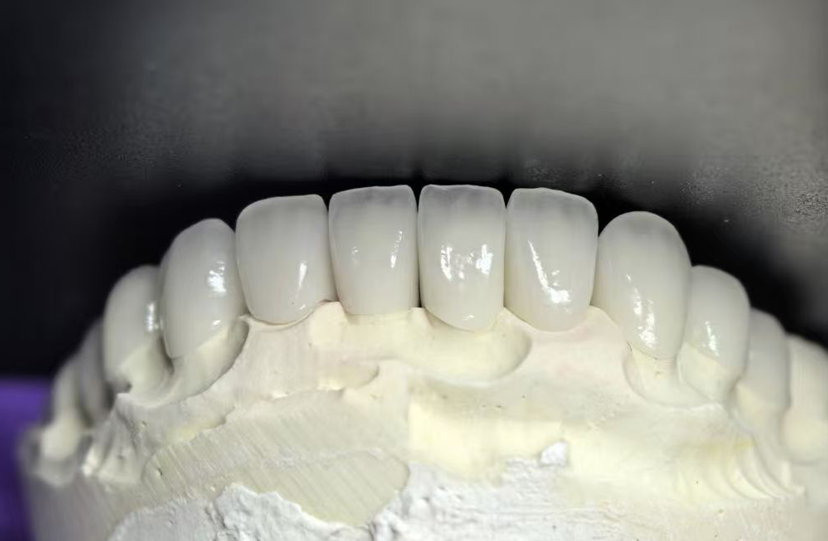
What Makes PEEK Framework Suitable for Digital Dental Labs?
PEEK Frameworks are increasingly used in digital dental workflows because of their machinability, low density, chemical resistance, and mechanical properties that can be advantageous in selected prosthetic applications. This high-performance polymer can support lightweight prosthetic designs and efficient CAD/CAM fabrication, while the overall production efficiency and remake rate depend on the equipment, workflow, design, and quality-control procedures used. Its radiolucent nature and chemical resistance make it particularly valuable for implant-supported restorations and removable partial dentures in modern digital workflows.

Introduction
Digital dental laboratories today face unprecedented pressure to deliver precision restorations quickly while maintaining profitability. Traditional metal frameworks, though reliable, often create bottlenecks in CAD/CAM workflows due to hard tooling requirements, time-consuming casting processes, and patient sensitivity concerns. The emergence of high-performance polymers has transformed prosthetic fabrication, with PEEK (Polyetheretherketone) standing out as a game-changing material. PEEK CAD/CAM workflows may reduce certain fabrication steps compared with conventional casting workflows, although production time and chairside adjustment requirements vary by case complexity and laboratory workflow. Understanding what makes this material uniquely suited for digital environments helps lab owners, CAD/CAM technicians, and purchasing managers make informed decisions that directly impact their operational efficiency and competitive positioning.
What is a PEEK Framework?
Defining the Material and Structure
A PEEK Framework is a skeletal replacement part made from Polyetheretherketone, a semi-crystalline thermoplastic that is known for being very strong and safe for living things. Unlike most metal alloys, this polymer has an elasticity modulus of about 4 GPa, which is very close to that of natural bone. Its lower elastic modulus compared with titanium or cobalt-chromium may result in different load-transfer characteristics, although the clinical effect depends on the prosthetic design, loading conditions, and application. The framework is what holds the detachable partial dentures, implant-supported bars, and set prosthetic substructures together. Its chemical makeup makes it resistant to all common solvents except strong sulfuric acid. These chemical-resistance characteristics can be advantageous for selected long-term intraoral prosthetic applications, where cleaning agents and acidic foods are present every day.
How Digital Labs Process PEEK
Computer-aided design and computer-aided manufacturing tools are used by digital dentistry labs to mill PEEK blanks very precisely. The material has special heating qualities, like a glass transition temperature of 143°C and a melting point of 343°C, which help it keep its shape during high-speed milling. Technicians who work with CAD/CAM make digital plans for frameworks. Then, they shape the material using five-axis milling machines with special carbide or diamond-coated tools. Tolerances are kept to within ±20 microns using this subtractive production method. This manufacturing approach can support consistent dimensional accuracy and may help reduce the need for extensive chairside adjustments when the case is appropriately designed and fabricated. The process gets rid of the problems with metal casting factors, shrinkage, and porosity that happen with regular frameworks.
Benefits
Enhanced Patient Comfort and Safety
PEEK Framework is three to four times lighter than titanium frameworks because it has a low density of about 1.32 g/cm³. This makes it much more comfortable for patients to wear for long periods of time. PEEK is a metal-free polymer and may be considered for selected patients with documented sensitivity to specific metal alloys, subject to appropriate clinical evaluation and material selection. Medical-grade PEEK materials may undergo biocompatibility evaluation according to applicable ISO 10993 standards, depending on their intended use and regulatory requirements. These properties support its use in selected dental and prosthetic applications where appropriate material qualification and clinical protocols are followed. This neutral quality lets dentists treat a wider range of patients, including more people who are worried about being exposed to metals.
Operational Efficiency for Labs
Digital labs benefit from PEEK's high machinability, which means that PEEK is generally easier to machine than many high-hardness metals, which may reduce cutting-tool demands compared with some metal-milling workflows. The material doesn't make much dust when it's machined, which keeps the work area cleaner and cuts down on the time needed to clean up afterward. PEEK CAD/CAM milling can reduce several fabrication steps associated with conventional casting workflows, potentially shortening overall production time depending on case complexity and laboratory equipment. This makes production much faster. Because of this, labs can handle more cases without having to hire more people or buy more equipment. This may help laboratories improve workflow efficiency and manage production capacity more effectively.
Clinical Advantages for Practitioners
PEEK is radiolucent, allowing underlying anatomical structures to remain visible on radiographic images without the radiopaque appearance associated with conventional metal frameworks. This makes it possible to keep an eye on how well the implant is integrating and the health of the bone without taking off the prosthetic. The relatively low elastic modulus of PEEK can influence load distribution within a prosthetic system, although clinical performance depends on framework design, occlusion, implant configuration, and patient-specific factors. PEEK's radiolucency and mechanical characteristics may offer advantages in selected prosthetic applications. However, clinical outcomes depend on framework design, material selection, implant configuration, occlusion, and maintenance.
Advantages
The following characteristics make PEEK a potential alternative to conventional framework materials in selected digital dental workflows:
Precision and First-Time Fit Accuracy: PEEK CAD/CAM milling achieves dimensional accuracy that metal casting can't consistently match. This can support consistent dimensional accuracy and may contribute to predictable framework fit when the digital design and manufacturing workflow are properly controlled. The material doesn't expand or contract much when it's being worked on, so it stays true to its form throughout production. Based on HYC's internal production data, our PEEK Framework cases have achieved a remake rate of less than 2% during [specified period], subject to case selection and production conditions, while the average for traditional metal frameworks is 5-8%. This accuracy means that adjustments can be made more quickly at the chairside. This makes patients happier and speeds up the clinic's work.
Rapid Turnaround Capability: The simplified digital process gets rid of steps that take a lot of time and are necessary to make metal frameworks. It is no longer necessary to cast, spend, go through burnout stages, or do a lot of polishing. Labs can finish PEEK cases in 24 to 48 hours, from receiving the digital file to delivering the finished framework the same week to clinics. This speed advantage is very important for practices that need to handle urgent cases or compete for patients who want to finish their treatment quickly.
Customization Flexibility: Each PEEK Framework is made just for the patient based on their body and the dentist's design needs. The material can handle complicated shapes, undercuts, and complex geometries and design features that may be more challenging to manufacture using conventional casting workflows. With CAD software, designers can find the best framework lines, clasp places, and connector sizes for each case without having to worry about tooling limitations or extra costs.
Long-Term Reliability: Depending on the specific grade and test conditions, PEEK exhibits substantial tensile strength and fatigue resistance. Mechanical properties should be evaluated according to the manufacturer's technical specifications and applicable testing standards, which means it is very resistant to fatigue under cyclic loads. The material doesn't break down easily when exposed to oral fluids, changes in temperature, and cleaning agents for long periods of time. Long-term clinical performance depends on framework design, material grade, manufacturing quality, loading conditions, and patient-specific factors. Laboratory and clinical evidence should be considered when evaluating long-term use.
These advantages collectively address the core pain points digital labs face: achieving high precision, reducing remake rates, accelerating production cycles, and maintaining regulatory compliance.
Disadvantages
Material Cost Considerations
When compared to base metal alloys like cobalt-chrome, medical-grade PEEK blocks that can be used in dentistry cost more per unit. To make sure biocompatibility, labs have to buy PEEK Framework materials that are FDA-listed or CE-certified. This limits the suppliers they can choose from and makes it harder to negotiate. But when you add up the savings in labor, fewer remakes, and faster throughput for each case, although medical-grade PEEK may have a higher material cost than some base-metal alternatives, total laboratory cost can also depend on machining efficiency, labor requirements, finishing steps, and remake rates.
Technical Learning Curve
Technicians who are used to working with metal frames need to learn how to mill PEEK, choose the right tools, and treat the surface in a certain way. When compared to zirconia or metal grinding, this material needs different cutting speeds, feed rates, and ways to cool down. Labs also need to learn how to bond things together well, because PEEK needs special primers and surface conditioning to stick to acrylic or composite veneering materials reliably. During this initial time of learning, work may slow down until staff becomes more skilled.
Aesthetic Limitations
The natural tan color of PEEK is good for substructures that are hidden under pink acrylic or gingival shading, but the natural appearance of PEEK differs from polished metal, which may be a consideration for exposed clasp areas where patients prefer a metallic appearance. To put PEEK parts in areas that can't be seen, labs have to use opaque layers or carefully build frames. For some types of cases, like complex removable partial dentures with many rests and arms that move back and forth, some dentists still like the rigidity and "feel" of metal better.
Comparison
| Characteristic | PEEK Framework | Cobalt-Chromium Framework | Titanium Framework |
|---|---|---|---|
| Weight | Low | High | Moderate |
| Density | Approx. 1.3 g/cm³ | Approx. 8.3–8.5 g/cm³ | Approx. 4.5 g/cm³ |
| Radiographic Appearance | Radiolucent | Radiopaque | Radiopaque |
| Elastic Modulus | Relatively low | High | Moderate to high |
| Machinability | Generally favorable for CAD/CAM milling | More demanding | Generally favorable with appropriate systems |
| Corrosion Resistance | High | High, depending on alloy | High |
| Esthetic Considerations | Tooth/gingiva-colored options available depending on design | Metallic framework; often veneered | Metallic framework; often veneered |
| Material Cost | Generally higher than Co-Cr | Generally lower | Varies |
| Common Applications | Selected removable and implant-supported prosthetic frameworks | Removable partial denture frameworks | Selected removable and implant-supported frameworks |
This comparison highlights the different material and workflow characteristics of PEEK, cobalt-chromium, and titanium frameworks. The most appropriate material depends on case requirements, design, clinical considerations, and laboratory workflow—critical factors for labs prioritizing efficiency and low remake rates. Metal frameworks retain cost advantages in raw material pricing but lose ground when total production time and remake rates are factored into profitability calculations.
Clinical Indications
Removable Partial Denture Frameworks
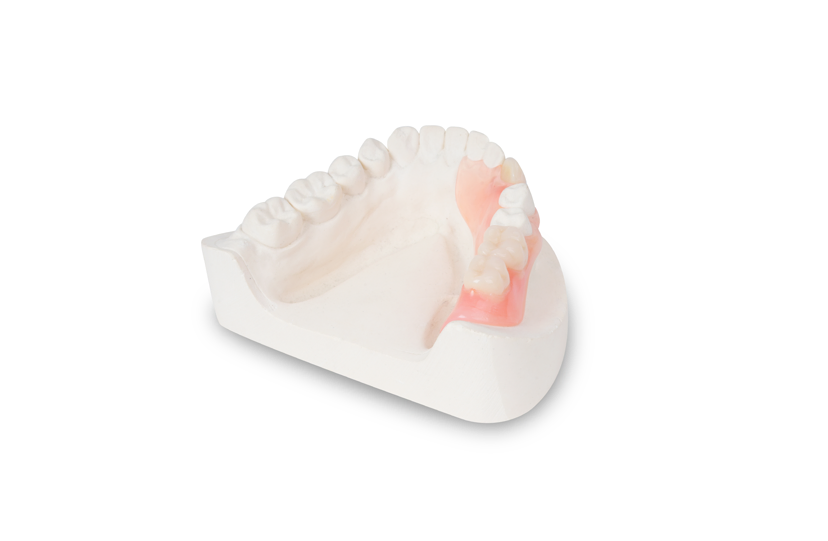
PEEK Framework is great for making clasp systems, major connectors, and denture bases for people who need to replace missing teeth but don't want to have implant surgery. When compared to rigid metal clasps, the material's flexibility lets clasps engage undercuts without putting too much force on the abutment teeth. The flexibility of PEEK clasps may influence the forces transmitted to abutment teeth, although clasp design and case-specific factors remain important. Labs can make frames that are thinner and look better, which may contribute to patient comfort and acceptance of the prosthesis. Clinicians really like PEEK for people who still have some natural teeth but are losing them or moving around. In these cases, gentle clasping is very important.
Implant-Supported Overdenture Bars
When you connect several tooth implants with a PEEK bar, you get a solid base for the prosthesis that can bend and bend without breaking. The mechanical characteristics of PEEK can influence load distribution within implant-supported prosthetic systems. Clinical performance depends on implant configuration, framework design, occlusion, material selection, and patient-specific factors. Digital labs carefully mill these bars to match the exact positions of the implants found in intraoral scans. Accurate digital design and milling can support passive and precise framework adaptation when the scan data, implant positions, and manufacturing workflow are properly controlled. Because the material is radiolucent, dentists can check on the health of implants with regular X-rays without having to remove the bar.
Fixed Hybrid Prosthetic Substructures
More and more, PEEK substructures are used under composite or plastic superstructures in full-arch restoration cases. PEEK can be used in selected screw-retained prosthetic substructures when the material grade, framework design, and clinical requirements are appropriate and light enough that the prosthesis itself doesn't weigh much, which is very helpful for people who don't have any teeth. Labs like how quickly these complicated cases can be made; milling and the first fitting are usually done in 48 hours. This speed lets practices give final prostheses the same week, setting their service apart from rivals who need more than a week.
Materials
Medical-Grade PEEK Composition
Dental PEEK Frameworks must only use materials that have been tested and proven to work for long-term mouth implants. The base polymer is made up of ether and ketone molecular groups that repeat. These groups give the polymer great chemical resistance and thermal stability. Manufacturers make medical-grade PEEK using controlled polymerization processes that keep impurities to a minimum and make sure the crystallinity stays the same. The crystallinity of PEEK can vary with material grade and manufacturing or thermal-processing conditions; the relevant manufacturer's specifications should be followed for dental applications. Crystallinity can influence the mechanical and processing characteristics of PEEK, so the material grade and manufacturing parameters should be selected according to the intended application.
Quality Certification Requirements
According to ISO 10993-1 guidelines, labs should get PEEK blanks that come with FDA registration paperwork and biocompatibility test results. Material documentation should include applicable biocompatibility evaluation reports and regulatory documentation appropriate to the intended use. Depending on the product and market, relevant testing may include ISO 10993-based biocompatibility evaluations and other applicable material standards. Under the Medical Device Regulation (MDR), for applicable medical devices placed on the European market, CE marking indicates conformity with relevant European regulatory requirements based on the device's classification and conformity assessment pathway. By using batch numbers to track materials, labs can keep quality records that meet the needs of regulatory audits and liability insurance.
Surface Treatment Materials
To attach secondary materials to PEEK, you need special primers that have functional monomers that stick to the polymer surface chemically. Before the primer is applied, sulfuric acid etching or plasma treatment is used in labs to raise the surface energy. Veneering materials usually come in the form of heat- or light-cured composites that are made to stick to PEEK, and makers provide tested bonding procedures. Appropriate surface conditioning and bonding protocols can improve adhesion between PEEK and compatible veneering materials. The bonding system and manufacturer's recommended protocol should be followed for each material combination, which are strong enough to keep pink acrylic or tooth-colored composites in place for a long time.
Manufacturing Workflow
Digital Case Planning
The production process starts when dentists send in intraoral scans or prints along with prescription information that spells out the framework design choices. Dental CAD software is used by lab technicians to import scan data. They then design the PEEK Framework by deciding on major connector paths, rest positions, clasp configurations, and tissue contact areas. The software creates tool paths automatically that are best for five-axis milling. It figures out approach angles to reduce undercuts and tool deflection. Design approval is done online, so there are no more actual wax-up steps. This speeds up the case process.
CAM Milling Operations
Certified PEEK blanks are put into the milling machine, and technicians choose carbide or diamond-coated tools based on the density of the material. Milling is done at controlled wheel speeds. Milling parameters such as spindle speed, feed rate, cooling method, and finishing strategy should be selected according to the PEEK material, milling machine, tooling system, and manufacturer's recommendations. Total milling time is between 60 and 120 minutes, depending on how complicated the framework is. This is a lot faster than metal casting cycles, which need stages of investment, burnout, casting, and divesting.
Quality Control and Finishing
Digital scanners compare the milled shape to original CAD plans to make sure the frames are the right size after they are finished. Technicians look closely at important parts like rest seats, clasp tips, and connector junctions to evaluate surface quality and critical framework features. Any sharp edges are polished by hand, but compared to cast metal, PEEK usually doesn't need as much finishing. Before sending out printed models, labs may check their fit to make sure they fit properly and that the teeth fit together properly.
Surface Conditioning and Assembly
Frameworks that need veneering have their surfaces treated according to proven methods. This usually involves etching with sulfuric acid or activation with plasma, followed by the application of a primer. Then, technicians put down layers of composite or plastic materials and cure them, making sure that the gingival shades match what the supplying dentist wants. Final prosthetics go through more quality checks, such as being able to fit properly, matching the color in different lights, and being tested for structural stability. Completed cases are packed with handling instructions and guarantee paperwork before being sent quickly to the clinics that placed the order.
Cost Factors
Material Investment
Medical-grade PEEK Framework blank prices depend on the disc size, level of certification, and name of the seller. Medical-grade PEEK blank pricing varies according to material grade, disc size, manufacturer, certification, and supplier and can be used for one to three frameworks, depending on the complexity of the case. Labs need to plan their budgets so that they can buy products that are on the FDA list and meet biocompatibility standards, not industrial-grade options that aren't medically certified. Signing bulk buying deals with qualified PEEK suppliers can lower the cost of each blank while keeping the quality of the material and regulatory paperwork constant.
Equipment and Tooling
For entry-level to mid-range systems, five-axis milling equipment represents a significant initial investment, with costs varying substantially according to machine specifications, automation level, and manufacturer. Specialized cutting tools made for polymer machining cost an extra $30 to $80 each. The life of a tool depends on how it is used and how well it is maintained. Labs that already have machines for milling zirconia can often use those machines for milling PEEK by making small changes to the parameters and tools. This saves money because the labs don't have to buy new machines. Dental CAD/CAM design tools cost an extra $3,000 to $10,000 a year to license software for, based on the number of users and features.
Production Efficiency Multiplier
Even though PEEK Frameworks have higher costs for materials and tools, they often have lower total case costs than metal options when worker efficiency and remake rates are taken into account. Costs are cut by a lot when work in the casting area is eliminated, closing time is cut by 60–70%, and remake rates are kept below 2%. After that, the increased efficiency directly boosts their profit margins.
How to Choose a Supplier
Manufacturing Capability Assessment
When looking at possible dental lab partners, you need to look at their digital infrastructure and PEEK Framework-specific knowledge. Labs should show five-axis milling equipment that is kept up to manufacturer standards and has written calibration schedules to make sure it stays accurate. Ask for examples of cases where the framework fit well, especially in cases where the detachable partial denture has a lot of clasps and rests. Production capacity is important. Find out how long their usual response times are in normal and emergencies, as well as how many cases they can handle at once without lowering the quality.
Regulatory Compliance Verification
For U.S. market activities, practices should verify the supplier's applicable regulatory status and request relevant documentation for the specific PEEK material and intended use. The ISO 13485:2016 certification shows that the quality management systems are designed to make medical devices. These systems include process controls, material traceability, and procedures for corrective action. For the European market, labs need to show proof of CE marking. Ask for copies of material biocompatibility test reports that follow ISO 10993 guidelines, as well as batch traceability systems that show where each framework gets its materials.
Communication and Service Reliability
For case discussions, design changes, and technical help, digital dentistry processes need responsive contact routes. Check to see if the suppliers can work with the practice management software you use, accept different types of scan files, and give you digital previews before the final product is made. Make the guarantee terms clear. Practices should review each laboratory's warranty terms, remake policy, eligibility requirements, and procedures for handling fit or manufacturing issues, which include free remakes for fit problems caused by mistakes in the production process. For practices that need to deliver the same day or the next, being able to handle emergency cases quickly is very important, so make sure you check out expedited production options and shipping partnerships.
Maintenance
Daily Handling Protocols
PEEK Frameworks last a long time in normal clinical settings, but they work better when they are handled properly during the try-in and tuning processes. When changing the fit of a framework, dentists should use carbide finishing burs at reasonable speeds to avoid making too much heat, which could change the surface's properties. Standard ultrasonic cleaning and sanitizing methods can be used on the material, but labs should give specific instructions on which cleaning agents are safe to use. Patients are given care instructions that stress the importance of being gentle when cleaning and storing their devices properly in the cases that are provided to avoid damage by accident.
Long-Term Performance Monitoring
Long-term performance depends on material grade, framework design, loading conditions, fabrication quality, and maintenance. Regular clinical follow-up can help identify wear or adaptation changes over time with the right care. Dentists should check frameworks for wear patterns, clasp retention, and rest seat adaptation regularly, usually at every six months for recall appointments. PEEK's mechanical and fatigue properties can support its use in selected framework applications, although no material is immune to fatigue or fracture under unfavorable loading conditions; any problems can be seen before they become functional problems. Teaching patients how to avoid being exposed to high temperatures (like cleaning with boiling water) helps keep the material's features over its entire working life.
Repair and Modification Capabilities
For repairs on metal frameworks, you need special casting equipment. But for PEEK, you can use regular dental lab tools to make changes at the chairside. Minor adjustments should be performed only according to the material manufacturer's recommended laboratory procedures and appropriate clinical protocols, and bonding procedures with the right primers can be used to make small improvements. But for major repairs, the framework usually needs to be sent back to the original fabrication lab, where the CAD files and production settings are kept. This ability to fix prosthetics makes them last longer and keeps replacement costs down for patients and practices.
Key Takeaways
PEEK Framework technology offers an alternative to conventional metal framework materials in selected digital dental workflows. Its low density, radiolucency, chemical resistance, and CAD/CAM machinability can provide practical advantages for certain removable and implant-supported prosthetic applications. Production efficiency and clinical outcomes depend on case design, material selection, manufacturing quality, and patient-specific factors. PEEK's relatively low elastic modulus, low density, radiolucency, and established use in medical and dental applications make it a material of interest for selected prosthetic frameworks, and ease of machining with CAD/CAM tools makes it a strong alternative to metal frames. Labs that use PEEK production have a competitive edge because they can turn around projects faster (often 24 to 48 hours from scan to finished framework) and save money on costs by having tools last longer and not needing as much finishing. Choosing qualified providers with ISO 13485 certification, proven PEEK knowledge, and quick contact will help you successfully add this advanced material to your prosthetic processes.
FAQ
Can PEEK frameworks integrate with existing CAD/CAM systems?
Most modern dental CAD programs come with design libraries and material parameters that are made just for PEEK. Labs that use systems like exocad, 3Shape, or Dental Wings can add PEEK processes by updating their software instead of getting a whole new system. The most important condition is for milling machines to be able to work with PEEK Framework. Five-axis machines with enough spindle power and the right tool holders can be used after the parameters have been optimized.
How does framework weight affect patient acceptance?
Patients consistently say they like how light PEEK feels, especially in removable prosthetics that they wear during the day. Because PEEK has a lower density than cobalt-chromium and titanium, PEEK frameworks can be substantially lighter than comparable metal frameworks. This lower weight may contribute to patient comfort, although overall comfort also depends on prosthesis design, fit, and individual anatomy. This comfort benefit means that the prosthesis will fit better and require fewer appointments for adjustments.
Does insurance reimbursement cover PEEK prosthetics?
Insurance coverage for PEEK-based prosthetic frameworks varies by payer, plan, procedure code, clinical indication, and applicable reimbursement policies. Dental practices should verify coverage and coding requirements with the relevant insurance provider before treatment for portable partial dentures or prosthetics that are supported by implants, since the material works just as well as metals in the clinical setting. Labs should give dentists the right CDT codes and other information to back up claims of medical necessity. Some plans might need patients with known metal allergies to give narrative explanations.
What causes PEEK framework failures?
Framework failure can be associated with factors such as insufficient framework dimensions, unfavorable loading conditions, inadequate bonding procedures, material selection, or fabrication issues. Appropriate design and quality control are important for reducing the risk of complications. Problems usually happen because the framework wasn't designed properly (not enough bulk at junction points), the surface wasn't treated properly, which made it harder for the veneer to stay in place, or the patient was hurt when they dropped something on a hard surface. Another type of failure that can be avoided is manufacturing flaws caused by using non-certified materials or not having enough quality control.
Can existing metal framework cases convert to PEEK?
Labs can use the same diagnostic casts or digital scans to change existing metal framework cases so that they can be made of PEEK. Because PEEK has a different modulus than other materials, it is possible for connectors to have thinner cross-sections while still being strong enough. Dentists often ask for PEEK changes for patients who are becoming sensitive to metals or who want lighter options to current prosthetics that look good but are uncomfortable.
Partner with HYC for Certified PEEK Framework Solutions
It has been 22 years since HYC has been making high-precision PEEK Frameworks that meet the exacting standards needed by digital dentistry labs and prosthodontic offices. HYC Dental Laboratory uses medical-grade PEEK materials supported by applicable regulatory and material documentation. Our quality management system is certified to ISO 13485:2016, and our applicable U.S. regulatory registration and European compliance documentation are available upon request. This ensures that every framework meets international biocompatibility standards. We know that dental case workflows need to be done quickly, which is why we offer a range of delivery choices, such as normal 3-day production with a total turnaround time of 3-5 days, as well as faster services that can support next-day delivery for urgent cases. We have a lot of experience making PEEK Frameworks, and our OEM/ODM capabilities allow us to customize framework designs according to the submitted prescription, specifications, and case requirements. We also offer full warranties—two years for fixed prosthetics and one year for removable frameworks—that cover free repair or replacement during warranty periods. Our PEEK Framework solutions are supported by digital design capabilities, quality-control procedures, and technical support for dental laboratories and prosthodontic practices. Please email our technical team at info@hycdentallab.com to talk about your unique PEEK Framework needs and find out how our precision manufacturing solutions can help support efficient laboratory workflows and consistent prosthetic fabrication.
References
1. Najeeb S, Zafar MS, Khurshid Z, Siddiqui F. Applications of polyetheretherketone (PEEK) in oral implantology and prosthodontics. Journal of Prosthodontic Research. 2016;60(1):12-19.
2. Schwitalla AD, Spintig T, Kallage I, Müller WD. Flexural behavior of PEEK materials for dental application. Dental Materials. 2015;31(11):1377-1384.
3. Zoidis P, Papathanasiou I, Polyzois G. The Use of a Modified Poly-Ether-Ether-Ketone (PEEK) as an Alternative Framework Material for Removable Dental Prostheses. A Clinical Report. Journal of Prosthodontics. 2016;25(7):580-584.
4. Kurtz SM, Devine JN. PEEK biomaterials in trauma, orthopedic, and spinal implants. Biomaterials. 2007;28(32):4845-4869.
5. Tetelman ED, Babbush CA. A new transitional abutment for immediate aesthetics and function. Implant Dentistry. 2008;17(1):51-58.
6. Skirbutis G, Dzingutė A, Masiliūnaitė V, Šulcaitė G, Žilinskas J. A review of PEEK polymer's properties and its use in prosthodontics. Stomatologija. 2017;19(1):19-23.
YOU MAY LIKE
.webp "Silver-Palladium PFM (Ag-Pd)")