Multi-Layer Zirconia Crowns: Benefits, Applications and Material Features
Multi-layer zirconia crowns are dental restorations milled from pre-sintered zirconia blocks that carry built-in shade and translucency gradients. The cervical base delivers strength exceeding 1,200 MPa, while the incisal edge transitions to enamel-like translucency — all within a single monolithic unit. This design makes gradient zirconia suitable for both anterior esthetics and posterior durability, with a clinical service life typically exceeding ten years.
Introduction
Dental restoration materials have shifted considerably over the past decade. Metal-ceramic crowns dominated for years, but patient demand for metal-free solutions and the rapid adoption of CAD/CAM workflows have repositioned zirconia as the primary restorative material in modern dental laboratories and clinics across the United States.
The challenge, however, has always been balancing strength with natural appearance. Early monolithic zirconia solved the fracture problem but looked opaque and artificial. Polychromatic zirconia — engineered with internal color and translucency layers — addresses exactly that gap. For dental labs, DSOs, purchasing managers, and prosthodontists sourcing restorations today, understanding this material category is a practical business priority.
What Is Multi-Layer Zirconia?
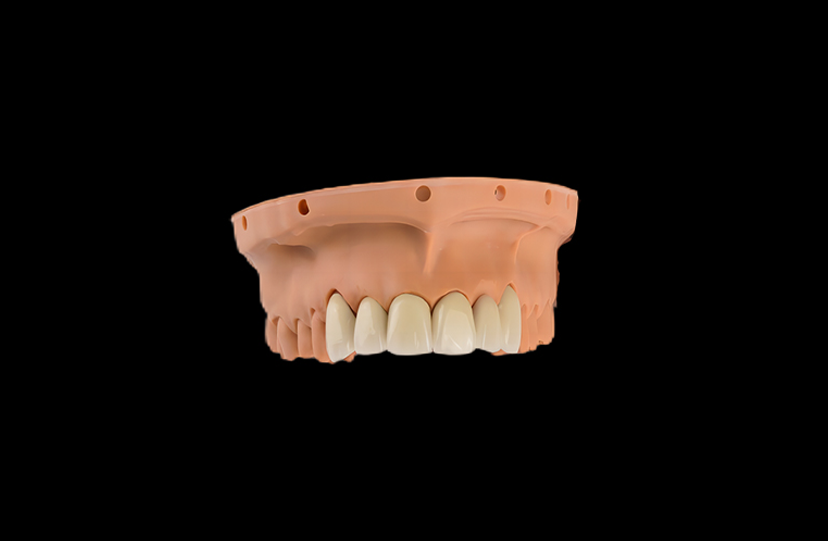
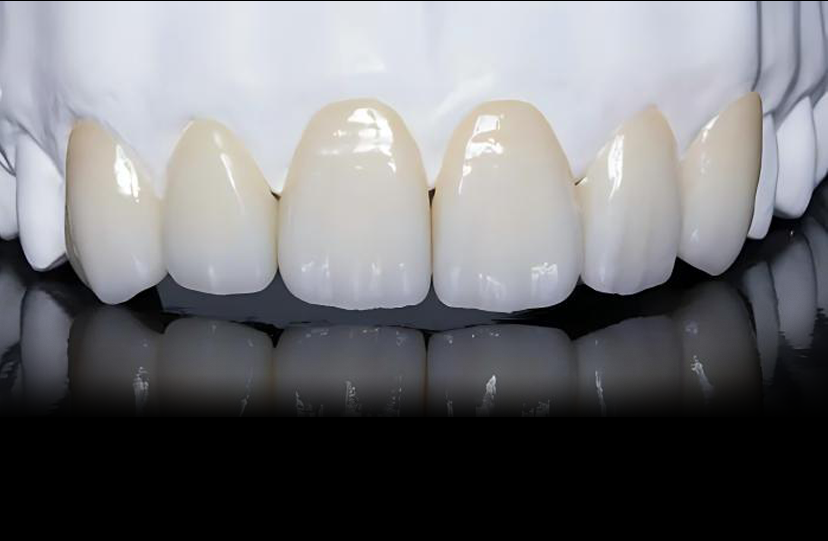
Pre-sintered zirconia blocks are made with different color and transparency zones inside that are pressed together into a single disk. When a worker mills a crown, it instantly creates a gradient that looks like a real tooth: dentin that is more opaque and thicker in the cervical third, and enamel that becomes clearer as it moves toward the incisal or occlusal edge.
In this group, there are three main types of materials:
3Y/4Y-TZP has a flexural strength of more than 1,200 MPa, which is why it is the best grade for posterior crowns and long-span bridges with 14–16 units.
5Y-PSZ focuses on visual depth, getting enamel-like translucency for front crowns and veneers where looks are important.
Hybrid MLZ (3Y/5Y blend) is a great choice for premolars and difficult esthetic zone cases because it combines cervical strength with incisal translucency in one block.
Since gradient zirconia is milled digitally and doesn't need to be stacked by hand, there is a high level of accuracy in production and a low amount of time spent finishing by hand.
Benefits of Gradient Zirconia Crowns
This material is useful in a lot of places, from the lab bench to the patient chair. Here are the most important clinical and practical perks you should know about:
Natural beauty without veneers. The shade gradient that is already there works like a real tooth's, so you don't need to apply porcelain separately. This gets rid of a common reason why porcelain-fused-to-metal (PFM) repairs break or chip.
Biocompatibility. The material doesn't contain any metals and is bioinert. The Journal of Prosthetic Dentistry (2019) reports that clinical studies have shown that zirconia supports healthy peri-implant and gingival tissue without the darkening that can happen with metal substructures.
Durability beyond a decade. Multi-Layer Zirconia crowns often last longer than ten years in clinical use, with low rates of breakage and wear.
CAD/CAM efficiency. Pre-shaded layers cut down on the number of steps needed to paint and build up ceramic by hand, which speeds up production and ensures consistent results in high-volume labs.
These benefits directly lead to fewer remakes, fewer changes made at the chairside, and happier patients. These are all measures that clinic operations managers and lab owners who are looking at material costs care about.
Advantages Over Alternative Restorations
When you compare gradient zirconia to other popular options, you can see where this material really shines.
| Feature | Multi-Layer Zirconia | PFM Crown | Full-Contour 3Y Zirconia |
|---|---|---|---|
| Esthetics | High (gradient) | Moderate | Low–Moderate |
| Fracture Risk | Low | Porcelain Chipping Risk | Very Low |
| Metal-Free | Yes | No | Yes |
| Translucency | High (5Y) to High-Strength (3Y) | Moderate | Low |
| CAD/CAM Compatible | Yes | Partial | Yes |
| Long-Span Bridge Use | Yes (3Y/4Y grade) | Yes | Yes |
Full-contour 3Y zirconia is strong, but it does not always provide the translucency required for anterior restorations. PFM restorations remain a proven option, but porcelain delamination can occur, and some patients may have concerns about metal components. Multi-Layer Zirconia provides an alternative by combining strength with graduated shades and translucency within a single milled unit. For anterior and esthetic restorations, Multi-Layer Zirconia can create a more natural visual transition from the cervical area toward the incisal region without requiring separate layering of porcelain. The integrated color and translucency zones of Multi-Layer Zirconia can also simplify the laboratory workflow and reduce the need for additional characterization. For dental laboratories comparing restorative materials, Multi-Layer Zirconia offers a practical balance between mechanical performance and esthetic appearance.
Disadvantages and Clinical Considerations
No material is always appropriate. Gradient zirconia can't be used in certain situations, which labs and doctors need to be aware of:
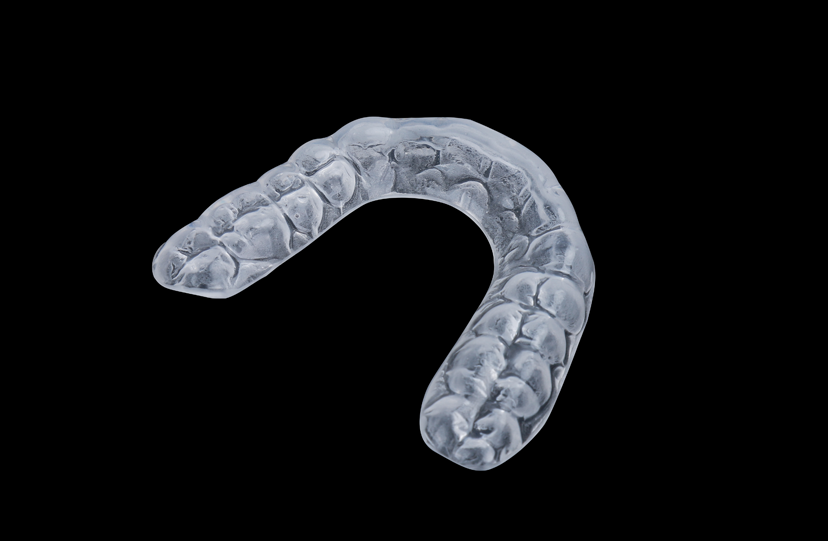
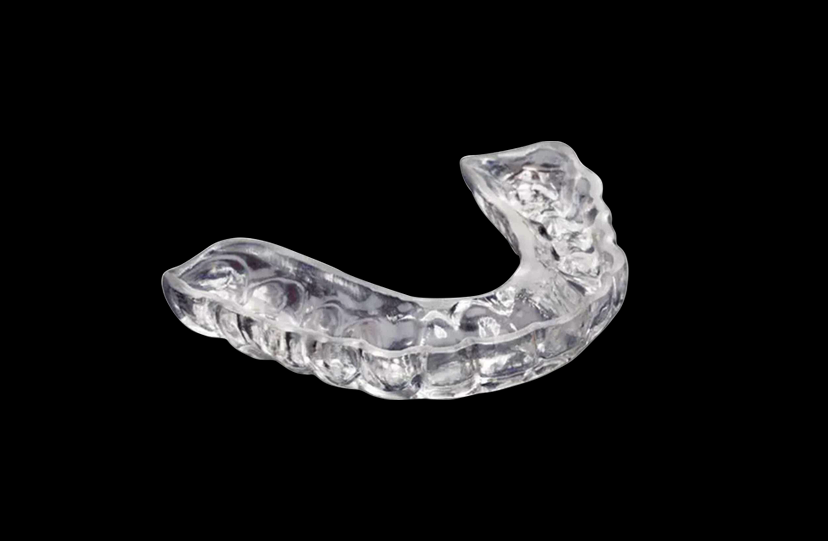
Severe bruxism. When you grind your teeth often and use a lot of occlusal force, you raise the risk of breaking an incisal edge. This is especially true for 5Y-PSZ fillings. People who bruxism are required to wear a night guard.
Inadequate preparation. Occlusal reduction below 1 mm or axial wall thickness below 0.6–0.8 mm weakens the structure. Follow the instructions for preparation.
Dark abutments or metal substrates. For very dark stumps, even high-translucency zirconia might not be able to fully hide them. In these situations, it's better to use a thick lipstick or a 3Y grade that is less see-through.
Improper cementation. Polychromatic zirconia needs resin cement that is based on MDP. Standard zinc phosphate cements or acid-etching methods that don't treat the surface will weaken the bond.
Recognizing these flaws doesn't mean you have less faith in the material; instead, it shows how experienced labs and doctors choose material based on the clinical situation.
Clinical Indications
Gradient zirconia can be used for many types of restorations, such as:
Single caps on the front and back
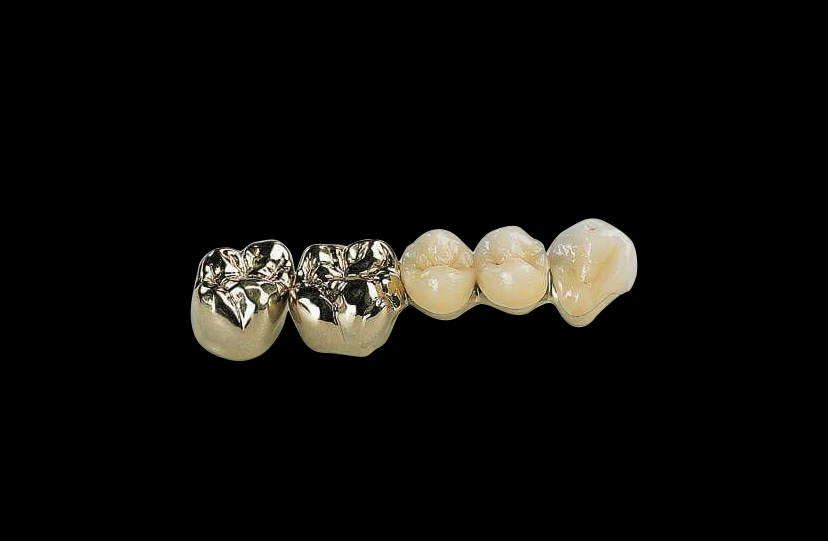
Three-unit to sixteen-unit full-arch bridges made of 3Y/4Y-TZP grade
Restorations in the esthetic zone for premolars and front teeth
Veneers, inlays, and onlays that require little to no drilling
Single crowns that are held in place by implants and full-arch implant bridges
People often wonder if Multi-Layer Zirconia can support long-span bridges when talking about bridge span. The answer is yes, as long as the base layer keeps its flexural strength at least 1,100 MPa. This level is consistently met by hybrid MLZ and 3Y/4Y-TZP grades.
Manufacturing Workflow
There is a structured digital path for production:
Digital case intake — STL or scan files are sent in and checked against prescription notes.
CAD design — The placement of the margins, the shape of the occlusal surfaces, and the layout of the contacts are all planned digitally.
CAD/CAM milling — Five-axis milling equipment is used to cut the crown from the right pre-shaded zirconia disk.
Pre-sintering adjustment — Since the material is still soft after pre-sintering, small changes are made to the surface at the chairside or in the lab before the final sintering.
High-temperature sintering — The repair sinters at temperatures between 1,450°C and 1,530°C, reaching its maximum density and strength.
Polishing and glazing — Any changes made after the silica sintering process are made with fine-grit diamond tools running slowly (about 20,000 RPM) and spraying a lot of water on them. Dry grinding that is too rough should not be done because temperatures above 1,000°C can cause phase changes and micro-cracks that hurt the long-term performance.
Quality inspection — Before sending, the surface finish, occlusal contacts, and margin fit are checked.
Key Takeaways
Gradient zirconia is currently a versatile restorative material for combining natural-looking aesthetics with mechanical strength. Multi-Layer Zirconia can support a wide range of clinical applications, from single anterior restorations to full-arch implant bridges, within one material system. The layered shade and translucency design of Multi-Layer Zirconia can help dental laboratories achieve more consistent cosmetic results while reducing the need for extensive manual characterization. For clinics and dental labs looking for efficient restorative workflows, Multi-Layer Zirconia can provide a practical option for different types of prosthetic cases.
FAQ
What is Multi-Layer Zirconia used for?
It is used for single crowns in the front and back, bridges with up to 16 units, implant crowns, veneers, inlays, and onlays, and anywhere else that strength and a natural look are needed.
What is the difference between Multi-Layer Zirconia and regular zirconia?
Multi-Layer Zirconia has different color and translucency zones within the same zirconia block. This creates a gradual shade transition in the finished restoration, while conventional full-contour zirconia may have a more uniform appearance.
Can Multi-Layer Zirconia be used for anterior and posterior crowns?
Yes. The choice depends on the required strength, translucency, preparation, occlusion, and the specific zirconia composition. Higher-strength 3Y/4Y materials are generally used when mechanical performance is more important, while 5Y materials provide greater translucency.
Can Multi-Layer Zirconia be used for long-span bridges?
Yes, selected Multi-Layer Zirconia systems can be used for long-span bridges. The material composition, bridge design, connector dimensions, and manufacturer's specifications should be considered when selecting the material.
Which zirconia is better for anterior crowns, 3Y or 5Y?
3Y zirconia generally provides higher strength, while 5Y zirconia generally provides higher translucency. For anterior restorations where optical properties are important, 5Y or a multi-layer material with a higher-translucency incisal layer may be considered.
Does Multi-Layer Zirconia require porcelain layering?
No. The internal gradient can provide a natural color transition without hand-applied porcelain. Staining, glazing, or additional characterization can still be used when required.
How should Multi-Layer Zirconia be adjusted?
Fine-grit diamond burs should be used at a low speed (about 20,000 RPM) with water cooling at all times. After that, use a two-step cleaning method to make the surface smooth again.
What cement should I use for Multi-Layer Zirconia crowns?
It is suggested to use MDP-based resin cement. For a strong bond, the surface must be treated with MDP primer before cementation.
How long do Multi-Layer Zirconia crowns last?
With the right preparation, cementation, and patient care, clinical evidence suggests a service life of more than ten years.
What should a dental lab consider when choosing a Multi-Layer Zirconia supplier?
Dental laboratories can consider the zirconia composition, available shades and layer structures, CAD/CAM compatibility, production workflow, quality control, turnaround time, and communication during case production.
Partner with HYC for Multi-Layer Zirconia Supplier Solutions
HYC has been making dental products for 22 years and adds that knowledge to every case. We are registered with the FDA, have CE certification, and follow ISO 13485:2016 as a certified Multi-Layer Zirconia manufacturer. Our normal production time is three to five days, but we can offer flash shipping for pressing orders. Each repair is made exactly the way you want it. To get a price, email us at info@hycdentallab.com or go to hycdentallab.com.
References
1. Guess, P. C., Schultheis, S., Bonfante, E. A., et al. (2011). All-ceramic systems: Laboratory and clinical performance. Dental Clinics of North America.
2. Raigrodski, A. J., Hillstead, M. B., Meng, G. K., & Chung, K. H. (2012). Survival and complications of zirconia-based fixed dental prostheses: A systematic review. Journal of Prosthetic Dentistry.
3. Spear, F., & Holloway, J. (2008). Which all-ceramic system is optimal for anterior esthetics? Journal of the American Dental Association.
4. Vagkopoulou, T., Koutayas, S. O., Koidis, P., & Strub, J. R. (2009). Zirconia in dentistry: Part 1. Discovering the nature of an upcoming bioceramic. European Journal of Esthetic Dentistry.
5. Schley, J. S., Heussen, N., Reich, S., et al. (2010). Survival probability of zirconia-based fixed dental prostheses up to 5 years: A systematic review of the literature. European Journal of Oral Sciences.
6. Harada, K., Raigrodski, A. J., Chung, K. H., et al. (2016). A comparative evaluation of the translucency of zirconias and lithium disilicate for monolithic restorations. Journal of Prosthetic Dentistry.
YOU MAY LIKE