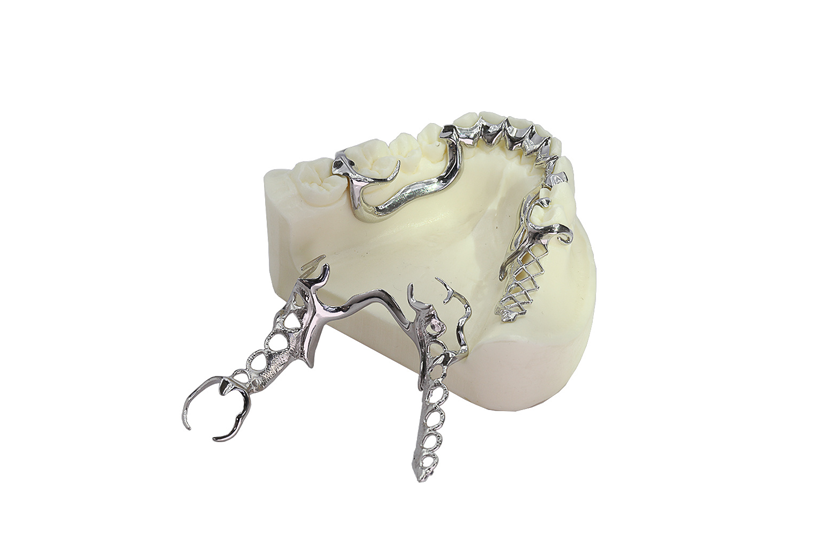
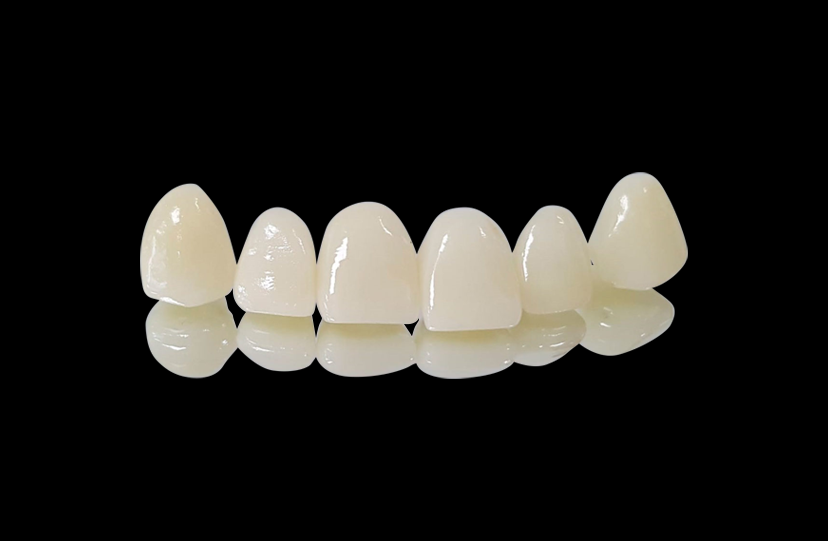
Flexible Partial Denture vs Acrylic Denture: Which Should Dentists Choose?
Both flexible partial dentures and acrylic dentures serve patients with missing teeth, but they differ significantly in comfort, aesthetics, and clinical fit. Flexible partials — including thermoplastic options like Valplast Dentures — suit patients who prioritize comfort and appearance. Acrylic dentures work better when modifications are anticipated. The right choice depends on the patient's oral condition, budget, and long-term treatment plan.
Introduction
Partial denture selection is one of the most common clinical decisions a restorative dentist faces. In the U.S. alone, over 36 million people are edentulous, and millions more wear partial dentures. The growing patient demand for metal-free, discreet restorations has pushed thermoplastic partials into the spotlight — while traditional acrylic bases remain a practical staple in everyday practice.
Choosing between these two options affects patient satisfaction, chair time, and lab costs. Dentists need a clear, evidence-based comparison to guide both treatment planning and lab communication.
What Is a Flexible Partial Denture?
Definition and Core Concept
A thermoplastic nylon material is used to make a flexible partial denture, which is a removable prosthesis. The base material is not as stiff as plastic; it bends slightly when pressure is applied, which lets it fit the shape of soft tissues without the need for metal clasps.
How It Works
When put in and taken out, the material bends, grabbing natural teeth and tissue through friction and a close fit instead of using stiff hardware. This means there are no metal clasps or glues that can be seen, and the end looks more natural.
Structure and Key Characteristics
The false teeth are made up of a nylon base, gingival-colored extensions that clasp onto the base, and plastic or composite teeth. Because it's so thin—often less than 2mm—it can sit flush against tissue, giving it the "invisible" look that many patients want.
What Is an Acrylic Partial Denture?
Definition and Core Concept
A polymethyl methacrylate (PMMA) base is commonly used in an acrylic partial denture. This is the same pink-colored resin often used for full dentures, with the appliance typically retained by wire clasps or rests. By comparison, Valplast Dentures use a flexible thermoplastic material rather than a rigid PMMA base, providing an alternative design for removable partial tooth replacement. While acrylic partial dentures are commonly used in general dentistry, Valplast Dentures may be considered when flexibility and a more discreet appearance are important treatment considerations. The flexible construction of Valplast Dentures can allow the appliance to adapt closely to the oral tissues while using gum-colored clasps for retention. For clinicians and dental laboratories, comparing the material characteristics of Valplast Dentures with conventional acrylic designs can help determine which option is appropriate for a specific case. When selecting Valplast Dentures, factors such as case requirements, retention, material properties, future adjustability, and patient expectations should all be considered.
How It Works
The occlusal load is spread across the residual ridge by the rigid base. When the prosthesis is being used, wire clasps connect to undercuts on the middle teeth and hold it in place.
Structure and Key Characteristics
The device has an acrylic base, wire clasps that can be pre-formed or made to order, and plastic denture teeth. Because it is stiff, it is easy to make changes, reline, or add teeth, which is a big clinical benefit when more teeth are going to fall out.
Benefits: Why Flexible Partials Appeal to Patients
People who choose flexible partials often say they are more comfortable in the first few weeks of wearing them. Pressure points can't form in this material the way they can in hard plastic. Here are the main benefits that patients said they liked:
-
Aesthetic discretion: Clasps that are the same color as the gums blend in with soft tissue, making the appliance almost invisible. It's because thermoplastic partials are thinner than acrylic that they sit closer to the tissue and don't have the shine that metal clasps do.
-
Lightweight feel: A thinner base makes the whole gadget lighter, which most patients say feels more natural.
-
Metal-free design: Good for people who are sensitive to nickel or have metal allergies and can't handle cast metal parts.
These qualities directly lead to better patient cooperation and fewer complaints at follow-up meetings after the procedure.
Advantages of Acrylic Dentures in Clinical Practice
Acrylic partials are the standard choice in many clinical situations because they are very useful. Dentists often choose acrylic over composite for patients whose teeth are changing or are very complicated:
-
Easy to change: It takes less than 30 minutes to add a tooth to an acrylic base, either in the chair or in the lab. With thermoplastics, it's hard to get this kind of adaptability.
-
Lower initial cost: Acrylic partials are usually 30–50% less expensive than flexible thermoplastic alternatives. This means that patients on a tight budget can afford them.
-
The ability to reline: If ridge erosion happens, the fit of a plastic base can be fixed by relining it. Normal materials can't be used to reline flexible nylon.
Acrylic is a good choice for transitional or immediate cases because of these benefits.
Disadvantages to Consider Honestly
Flexible Partial Dentures
One of the main limitations of Valplast Dentures is that the thermoplastic nylon material can be difficult to modify after fabrication. Once Valplast Dentures have been manufactured, making significant changes to accommodate future tooth loss may not be straightforward. If a patient loses another tooth after delivery, the existing Valplast Dentures may not be easily adjusted to accommodate the new tooth, and a replacement appliance may be required. For this reason, dentists should discuss the long-term limitations of Valplast Dentures openly with patients before treatment. If future tooth loss is expected, a more readily adjustable denture design may be considered as an alternative to Valplast Dentures. Understanding the modification requirements of Valplast Dentures can help patients make informed treatment decisions and establish realistic expectations about future maintenance. Clinicians should therefore evaluate the patient's current and anticipated needs before recommending Valplast Dentures as a removable partial denture option.
Acrylic Partial Dentures
Acrylic has real problems with how it looks. When you talk and smile, you can see the metal clasps. During the break-in period, rigid bases can also cause soft-tissue pain, and new wearers have said that the bulk of the material is sometimes uncomfortable.
Comparison Table: Flexible vs. Acrylic Partial Denture
| Factor | Flexible Partial | Acrylic Partial |
|---|---|---|
| Aesthetics | High—gingival clasps mix easily | Moderate—metal clasps can be seen |
| Comfort | Comfortable | Takes some time to break in |
| Modifiability | Cannot add teeth | Teeth and base can be changed |
| Relining | Cannot be relined | Standard procedure |
| Cost | Costs more | Lower |
| Durability | 5–8 years on average | 5–10 years with relining |
| Metal-free | Metal-free | Has clasps |
| Best For | Stable dentition, esthetic cases | Transitional cases, budget cases, and complex cases |
Clinical Indications
Flexible Thermoplastic Partials
These devices work best for people who have stable teeth, don't expect to lose any teeth, and have strong facial preferences. The most common reason is Kennedy Class III and Class IV partial edentulism.
Acrylic Partials
Acrylic is good for people who are still getting their teeth fixed, who are on a tight budget, or whose treatment plan includes future extractions. Acrylic is almost always used to make immediate dentures.
Contraindications
Neither choice is good for people who need restorations that are held in place by implants or who have severely worn-down ridges and need full dentures.
Materials Used in Fabrication
Thermoplastic Nylon Resins
Valplast Dentures are made from a nylon-12 plastic that is safe. When heat and pressure are applied to the material, it forms a dense, flexible, and stain-resistant base. The choice of material has a direct effect on how clear something is, how long its color stays stable, and how tissues react over time.
PMMA Acrylic Resin
PMMA that has been heated or cooled is used in most conventional plastic partials. Heat-cured bases make structures that are thicker, less porous, and more stable over time. To fix things and add on, cold-cured (auto-polymerized) acrylic is used.
Manufacturing Workflow
Impression and Model Preparation
A precise last impression is put into a model made of dental stone. Flexible partials need a surveyed model to figure out how to insert them and where to put the clasps in soft tissue undercuts.
Framework and Base Fabrication
The nylon resin is poured into a cast at a controlled temperature and pressure to make bendable parts. In an acrylic polymerization cycle, the base is waxed up, flasked, and heated to harden it. At this point, quality control checks for holes, correct fit, and color match.
Finishing and Quality Check
Before being sent out, both types of appliances need to have their occlusal surfaces polished and their bites checked. Before sending the model to the doctor, it is given one last fit check to make sure it is correct.
Cost Factors
The final price of either appliance depends on a number of factors. The cost of materials for flexible plastics is higher than for PMMA. The base fee goes up depending on how hard the lab work is, how many teeth are missing, and what kind of teeth are used. Custom color matching and faster response times also add to the cost. For business-to-business buyers who buy from a dental lab, order volume and case mix have a big effect on the price per unit.
How to Choose a Supplier
Picking the right dental lab or Valplast Dentures maker is just as important as picking the right material. Check out these things:
-
Getting the materials: Make sure the lab only uses approved thermoplastic resins from well-known sources.
-
Certifications: Look for production settings that are ISO-certified and materials that meet applicable regulatory requirements.
-
Turnaround and communication: Reliable labs give clear due dates and helpful case updates.
-
Experience with case volume: Labs that handle a steady volume of partial dentures have better quality control than generalist facilities.
If you need flexible partial dentures, you should go to a lab that specializes in them instead of one that does them once in a while.
Maintenance
People who wear flexible partials should clean them every day with a soft brush and cleaner that doesn't scratch. Most of the time, ultrasonic cleaners are safe. However, strong chemical soaks can damage nylon over time. Most regular denture cleaners can be used on acrylic partials. Professional checkups should be done on both sets of tools once a year to check the clasps' strength, tooth wear, and ridge adaptation. Putting either appliance in water or a damp place to store it will keep it from warping when not in use.
Key Takeaways
Acrylic partials and flexible partial dentures both address the need for removable tooth replacement, but they do so in different ways. Flexible thermoplastic options such as Valplast Dentures can work well for selected cases where flexibility and a natural appearance are important, while acrylic partials remain a practical option when adjustability and cost are major considerations. Before choosing Valplast Dentures, clinicians should discuss the potential limitations of a non-modifiable flexible partial with the patient, particularly if future tooth loss is possible. Understanding the long-term characteristics of Valplast Dentures can help patients and clinicians establish realistic expectations before treatment begins. Regardless of the material selected, the clinical outcome can be influenced by laboratory workmanship, material quality, fabrication techniques, and the reliability of the supplier. For dental laboratories and clinics evaluating Valplast Dentures, working with a dependable supplier and maintaining consistent fabrication standards are important parts of achieving predictable results. By considering case requirements, material properties, and future treatment needs, clinicians can determine whether Valplast Dentures are appropriate for a particular patient.
FAQ
1. What Are the Main Benefits of Flexible Partial Dentures?
Flexible partial dentures offer a metal-free option with good aesthetics and a comfortable fit. Their flexible thermoplastic material can adapt around the natural teeth and gingival areas, while the tooth-colored or gingiva-colored components are less noticeable than traditional metal clasps. They can be a suitable option for patients who place a high priority on appearance and comfort.
2. Are Valplast Dentures Really "Invisible" in the Mouth?
No denture is completely invisible, but Valplast dentures can be less noticeable than acrylic partial dentures with visible metal clasps. Their flexible material and gingival-colored design can help the appliance blend more naturally with the surrounding tissues.
3. What Happens If I Lose Another Tooth While Wearing a Flexible Partial?
Flexible partial dentures generally have limited ability to accommodate changes after fabrication. If another natural tooth is lost, the existing appliance may not be easily modified to add a replacement tooth. A new appliance may be required depending on the condition of the existing denture and the patient's clinical situation.
4. How Long Do Flexible Partial Dentures Last?
The service life of a flexible partial denture depends on factors such as material quality, design, fit, oral conditions, and patient care. With proper use and maintenance, a flexible partial can provide long-term service, but it should be evaluated regularly by a dental professional.
5. Can Flexible Partial Dentures Be Relined?
Flexible thermoplastic partial dentures generally cannot be relined in the same way as conventional acrylic dentures. Because the material and fabrication process are different, changes in fit may require adjustment or fabrication of a new appliance rather than a conventional reline.
6. Which Is More Comfortable — Flexible or Acrylic?
Comfort depends on the individual patient, denture design, fit, and oral condition. Flexible partial dentures are often preferred by patients who want a lighter, more flexible, and metal-free appliance, while acrylic partial dentures may require an adjustment period after insertion.
7. Are Flexible Partial Dentures More Expensive?
Flexible partial dentures may cost more than conventional acrylic partial dentures because of the material and fabrication process. The final cost also depends on the number of teeth being replaced, the design, laboratory requirements, and clinical workflow.
8. What Type of Patient Is Best Suited for a Flexible Partial?
Flexible partial dentures may be suitable for patients who need a removable partial denture and have stable remaining dentition, particularly when aesthetics and a metal-free design are important considerations. Patient selection should be based on the clinical condition, occlusion, available support, and the long-term treatment plan.
9. Can Dental Labs Outsource Flexible Partial Denture Cases?
Yes. Dental labs can outsource flexible partial denture cases when they need additional production capacity, have overflow work, or prefer to use an experienced external laboratory for selected cases. Outsourcing can allow a dental lab to maintain its existing workflow while adding production support when needed.
10. How Should Dental Labs Choose a Flexible Partial Denture Supplier?
Dental labs should evaluate a flexible partial denture supplier based on material quality, fabrication consistency, fit, turnaround time, quality control, communication, and experience with flexible partial dentures. For ongoing B2B cooperation, it is also useful to consider the supplier's ability to handle different case requirements and provide consistent production support.
Partner with HYC for Precision Flexible and Acrylic Partial Dentures
The HYC Dental Lab makes both thermoplastic and acrylic partials that meet the same high clinical standards. As a Valplast Dentures provider with a lot of experience, HYC uses biocompatible materials that have been certified, processes that follow ISO standards, and careful quality checks on every case. Dental labs and practices all over the U.S. trust HYC to provide accurate fits, quick turnaround, and clear communication. Visit hycdentallab.com or email us at info@hycdentallab.com to get a price or talk about your case needs.
References
1. Negrutiu, M. et al. "Thermoplastic Resins for Flexible Removable Partial Dentures." Journal of Optoelectronics and Advanced Materials, 2005.
2. Carr, A.B., & Brown, D.T. McCracken's Removable Partial Prosthodontics. 13th ed. Elsevier, 2016.
3. Bae, H.E.K. et al. "Comparative Study of Flexible and Acrylic Removable Partial Denture Satisfaction." Journal of Advanced Prosthodontics, 2014.
4. Academy of Prosthodontics. "Parameters of Care for the Specialty of Prosthodontics." Journal of Prosthodontics, 2017.
5. Anusavice, K.J. Phillips' Science of Dental Materials. 12th ed. Elsevier Saunders, 2013.
6. American College of Prosthodontists. "Prevalence of Partial and Complete Edentulism in the United States." ACP White Paper, 2020.
YOU MAY LIKE
_1779414398631.webp "Malong Bridge(All-on-X)")